
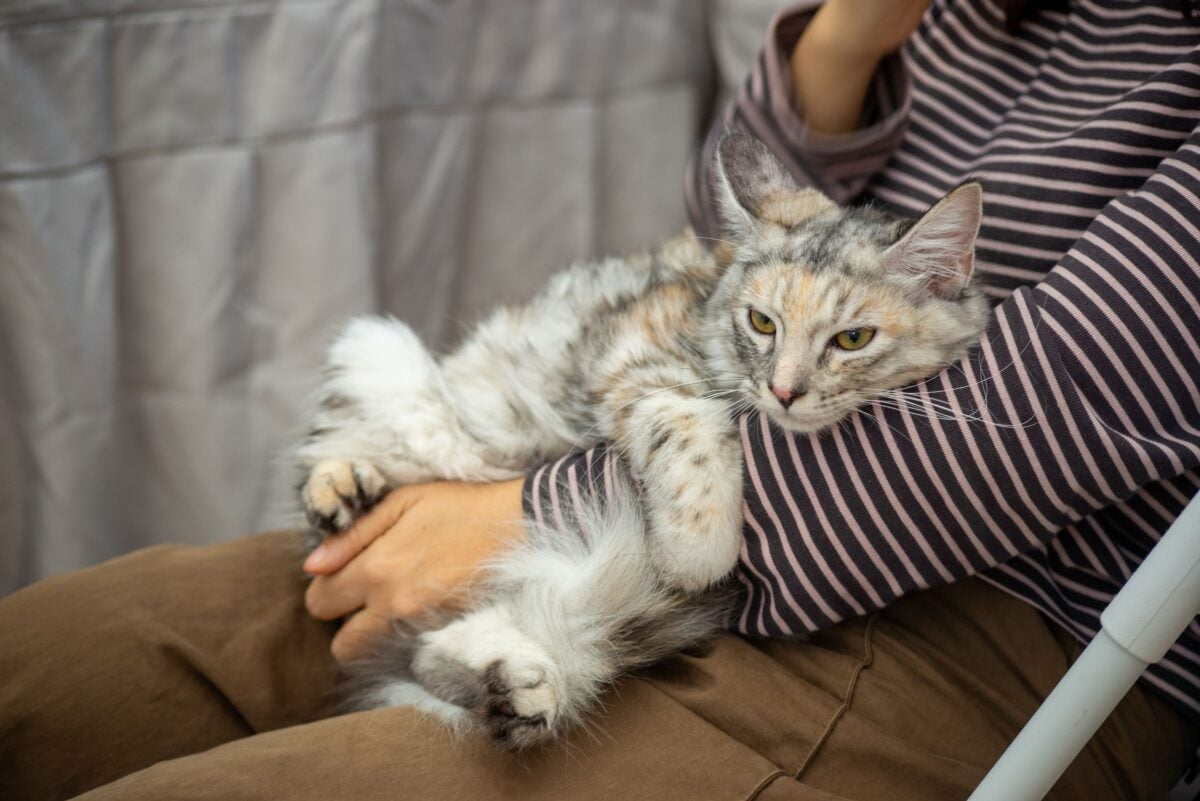
Most people assume a cat’s door routine is just hunger in disguise. It’s a fair guess, and it’s only part of the story. Every time you walk in, your rescue cat runs through a sequence of small habits, and each one carries a message. Some are inherited from feline social life. Others were shaped by a past you may never fully know.
Researchers have started testing what cats really do around their people, and the results cut hard against the “aloof cat” myth. Below are 25 rituals, counted down from the quiet ones you’ve probably overlooked to the one many adopters never forget. Stay for #1. It has nothing to do with dinner, and everything to do with a decision your cat made about you.
#25 – The Listening Post
🔥 Would you like to save this?
We'll email this post to you, so you can come back to it later!
Your cat knew someone was coming before the lock turned.
Many cats settle near the entryway as a regular arrival time approaches. Research from Japan has found that cats can tell their owner’s voice from a stranger’s. Cats also hear much higher-pitched sounds than people do, so they pick up details you never notice.
Whether they learn footsteps, car doors or key jingles specifically is less well documented. But the pattern fits what we know: cats are sharp at linking sounds with outcomes. To your cat, that jingle may simply mean “the best part of the day starts now.”
For a rescue cat, a past with little predictability may make a reliable sound worth tracking. Nobody can prove that in an individual cat, so treat it as a reasonable explanation, not a certainty. Still, watching a cat lift its head at a sound you can’t hear is a small reminder of how much of the house it experiences that you don’t.
But that’s nothing compared to what we found about #24…
#24 – The Door-Side Wait
🔥 Would you like to save this?
We'll email this post to you, so you can come back to it later!
That cat sitting by the door isn’t just bored.
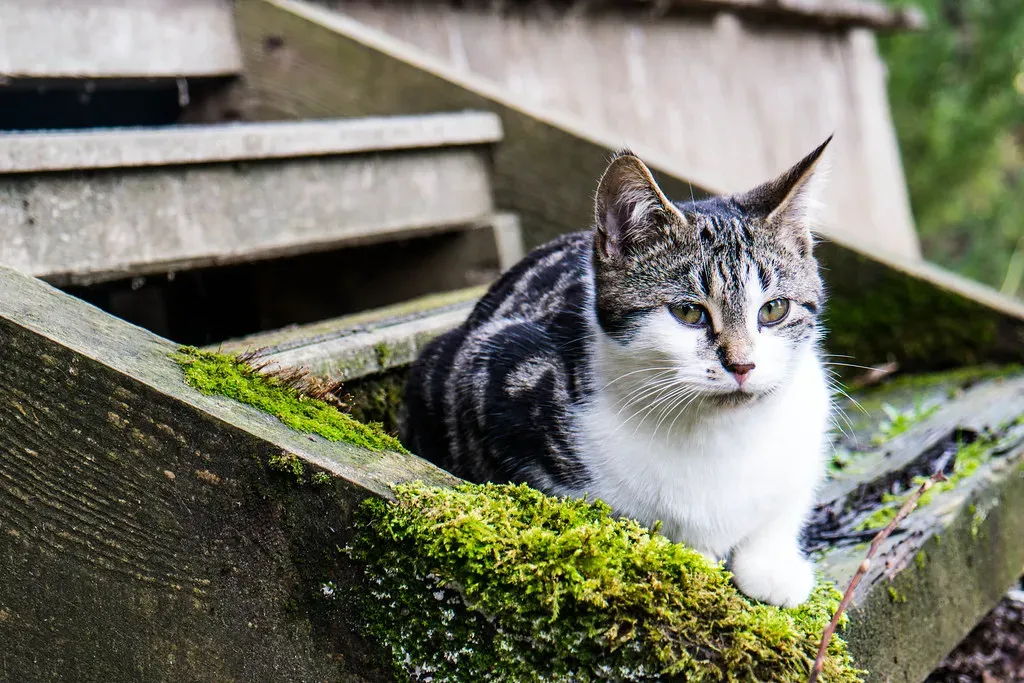
A cat that parks itself near the exit is usually anticipating something. Most people read it as simple hunger. In many homes, though, the wait starts well before mealtime.
Cats thrive on routine. A predictable arrival turns the hallway into a spot where good things happen, such as company, attention and dinner. Over time, the spot itself starts to feel good.
Rescue cats often show this more intensely. A cat who has lived through upheaval may find comfort in knowing exactly when the day’s key event happens. The waiting itself may be a self-soothing habit.
- Cats learn routines quickly.
- The door becomes a “good things happen here” zone.
- Skipping the greeting can confuse a cat that counts on it.
But that’s nothing compared to what we found about #23…
#23 – The Shoe and Bag Inspection
🔥 Would you like to save this?
We'll email this post to you, so you can come back to it later!
Your cat is reading your whole day through your belongings.
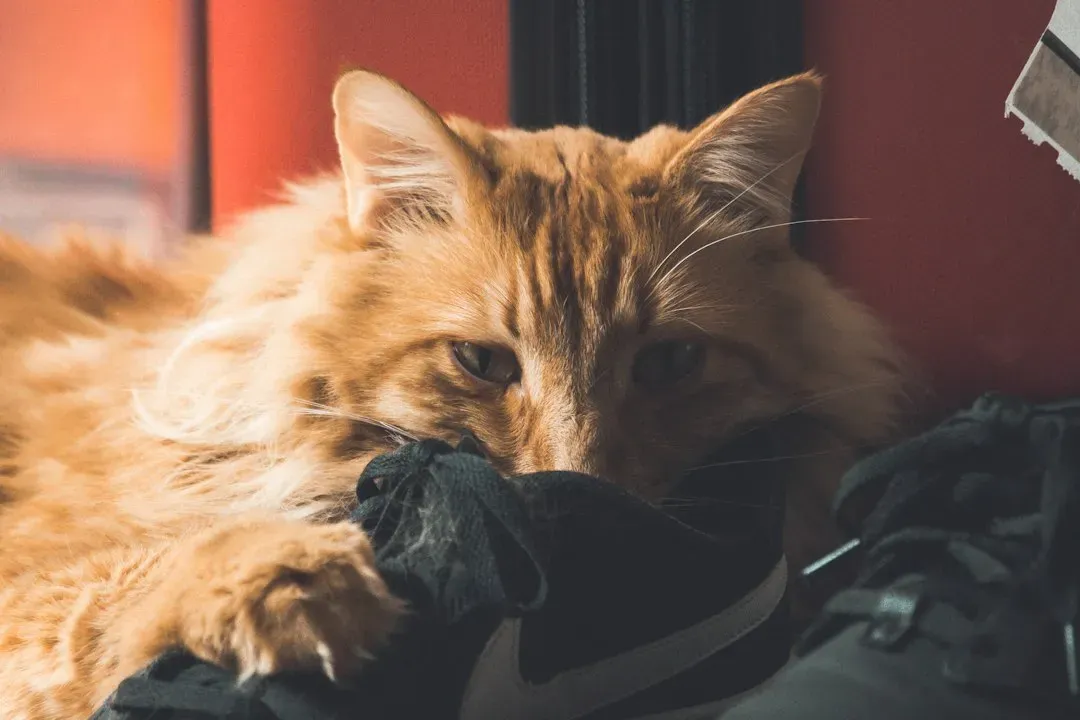
The moment your bag hits the floor, many cats move in for a sniff. Shoes get the same treatment. That’s not nosiness. A cat’s sense of smell is far more sensitive than yours, and your belongings carry a record of where you’ve been.
A cat’s nose is its main tool for sorting people, places and other animals. Your bag may smell of other animals, other homes and other cats. Some cats rub against a bag or shoes after sniffing, which fits with scent-marking.
Some cats go quiet or tense after catching a stranger’s scent on you. Scent is how cats say “mine,” “safe” or “not sure,” and that sniff is the check.
But that’s nothing compared to what we found about #22…
#22 – The Chirrup Greeting
🔥 Would you like to save this?
We'll email this post to you, so you can come back to it later!
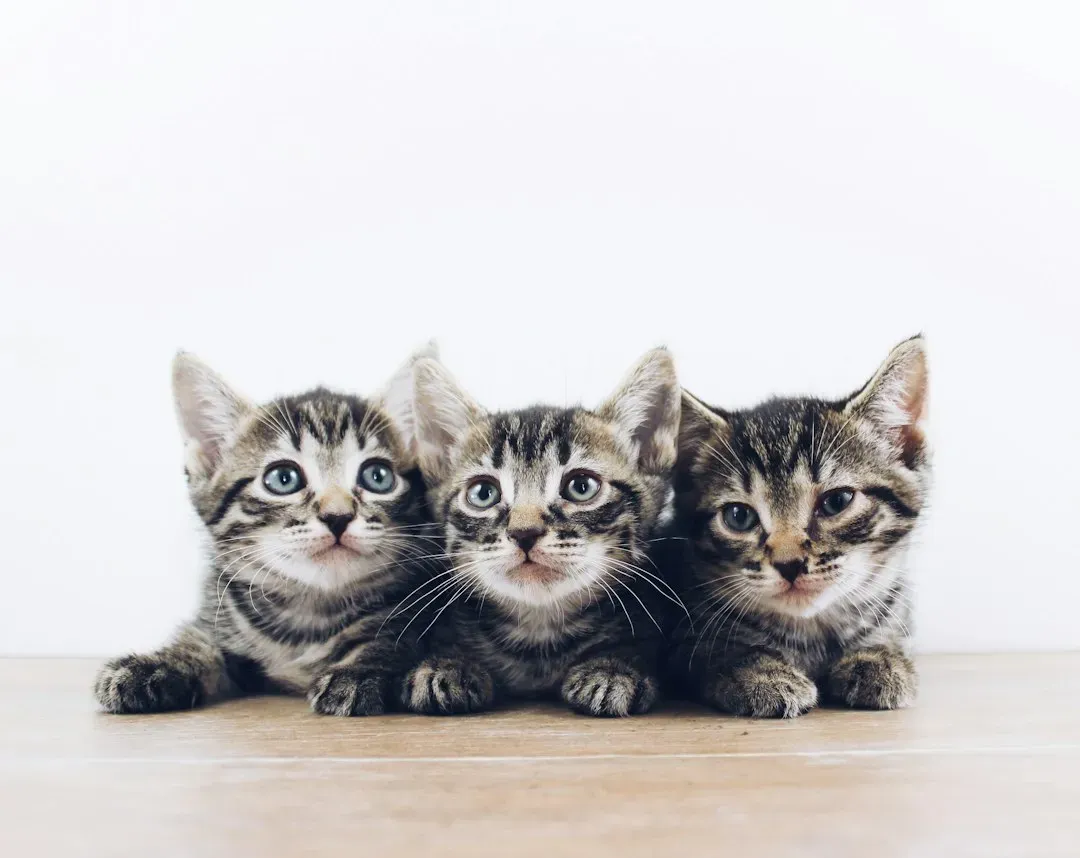
That tiny trill is a cat’s version of “hey, you’re back.”
Many cats greet their person with a short, rising, chirpy sound. It’s different from a full meow. Experts often link it to friendly, social contact.
Mother cats use soft trills to call their kittens, so your cat may be borrowing a sound from kittenhood. Adult cats rarely meow at each other, which means much of that “talking” is aimed at humans.
If your rescue cat has started trilling at you, take it as good news. It suggests comfort, not fear.
But that’s nothing compared to what we found about #21…
#21 – The Tail-Up Salute
🔥 Would you like to save this?
We'll email this post to you, so you can come back to it later!
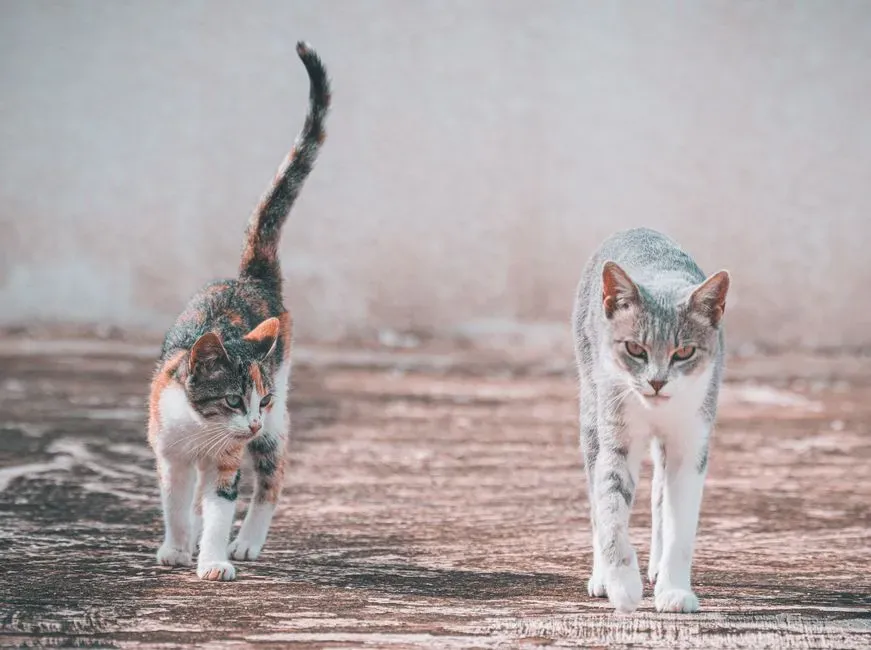
Watch the tail before you watch the face.
A tail held upright, often with a slight curl at the tip, is widely read as a friendly greeting. Behavior researchers have observed this posture in cats approaching familiar friends. Many experts see it as the feline version of a wave.
The signal is simple. A tail held high usually says “I’m approaching in peace.” A low or puffed tail says something very different.
Rescue cats may show this less at first. A cat still unsure of its place may keep the tail low while it watches you. That’s information, not rejection.
- Upright tail: friendly approach
- Quivering tail: often excitement
- Puffed tail: fear or arousal
But that’s nothing compared to what we found about #20…
#20 – The Head Bunt
🔥 Would you like to save this?
We'll email this post to you, so you can come back to it later!
That forehead slam is actually a scent signature.
Many cats push their head or cheek into your hand, leg or face. This is called bunting. It’s usually a sign of comfort and social bonding.
Cats have scent glands around the face. When they rub on you, they leave their own scent. You’re being marked as familiar, and that’s a compliment.
Some rescue cats start bunting only after weeks or months. Others do it right away. Neither pattern means a cat is more or less bonded.
But that’s nothing compared to what we found about #19…
#19 – The Ankle Weave
🔥 Would you like to save this?
We'll email this post to you, so you can come back to it later!
The figure-eight around your legs is a full-body greeting.
Your cat circles, brushes and loops between your feet. It looks like a tripping hazard. It’s actually closer to a social ritual that combines scent and touch in one move.
Cats rub along each other when they’re comfortable together. The ankle weave borrows the same move, only now you’re the one being rubbed.
Quick Compare
- Hungry weave: usually near the kitchen or bowl, often with loud, insistent meows, and it tends to stop once food appears.
- Social weave: usually in the hallway or living room, often with soft trills, and it continues even when the bowl is full.
- Cautious weave: a rescue cat may loop at a slight distance and skip the full body contact at first.
It’s easy to write it off as a food demand. Hunger can be part of it, but cats also do this when the bowl is full.
Walk carefully, though. Rescue cats that get stepped on can become wary of this approach. Slow steps keep the habit alive.
But that’s nothing compared to what we found about #18…
#18 – The Slow Blink
🔥 Would you like to save this?
We'll email this post to you, so you can come back to it later!
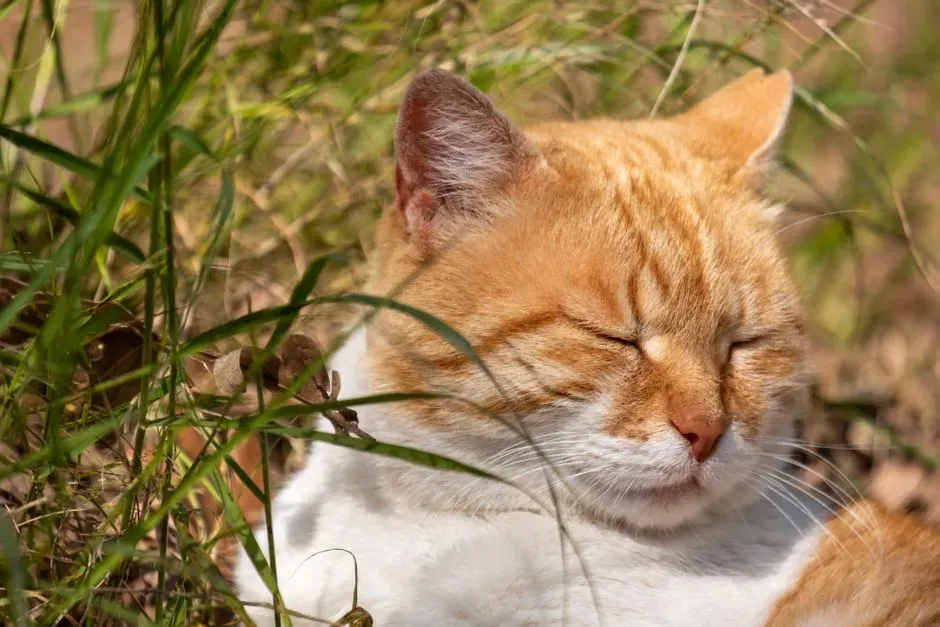
Cats might be saying more with half-closed eyes than they ever do with a meow.
A slow blink is a gentle squeeze of the eyes. Many people take it for sleepiness. Research suggests otherwise: cats showed more half-blinks and eye narrowing in response to their owners’ slow blinks than when there was no interaction.
A separate experiment tested strangers. Cats were more likely to approach an experimenter who had slow-blinked at them than one with a neutral face.
Nervous cats may blink too. Slow blinks can show up in both friendly and wary moments, so context matters.
But that’s nothing compared to what we found about #17…
#17 – The Kitchen Escort
🔥 Would you like to save this?
We'll email this post to you, so you can come back to it later!
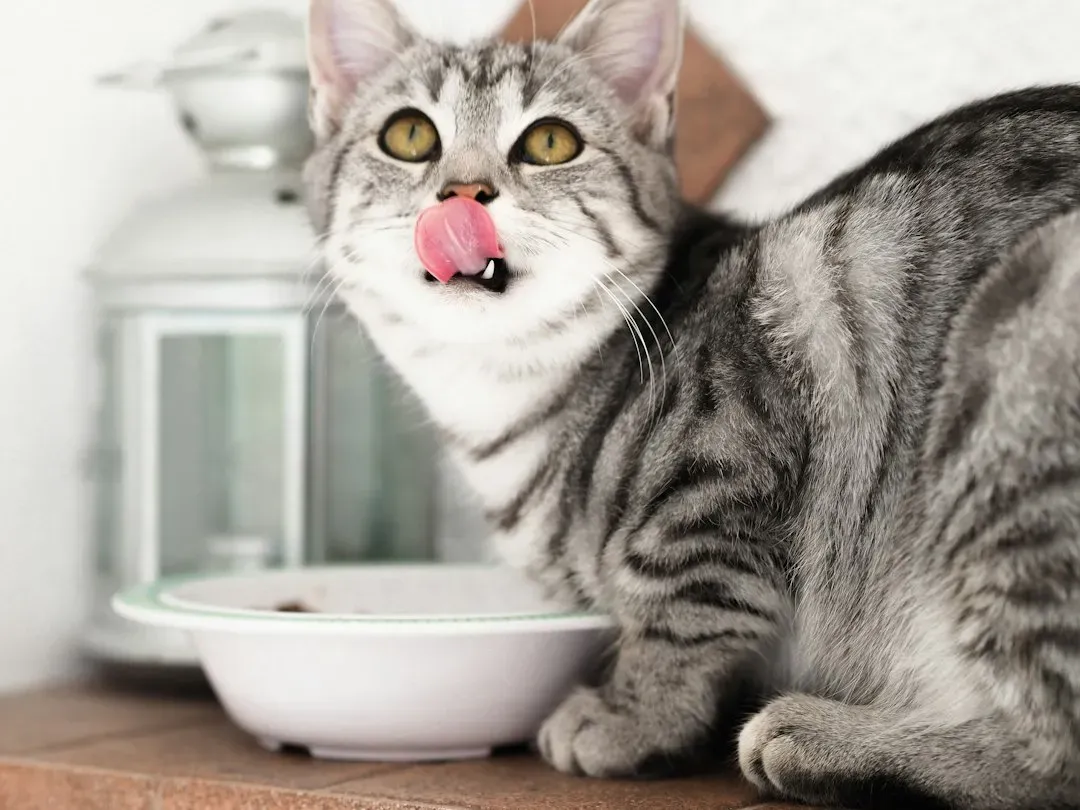
Your cat doesn’t just greet you. It leads you to the food.
Many cats trot ahead of their person toward the kitchen, glancing back to make sure they’re followed. It’s a clear habit: you arrive, they guide.
Food matters, of course. Cats are strongly motivated by routine meals. But the escort also keeps you moving along a familiar path, and cats like familiar paths.
For rescue cats, mealtime may carry extra weight. A cat that once dealt with uncertain food access may stay highly food-focused. That’s not guaranteed, but it’s common enough that many shelters and vets mention it.
But that’s nothing compared to what we found about #16…
#16 – The Room-to-Room Tail
🔥 Would you like to save this?
We'll email this post to you, so you can come back to it later!
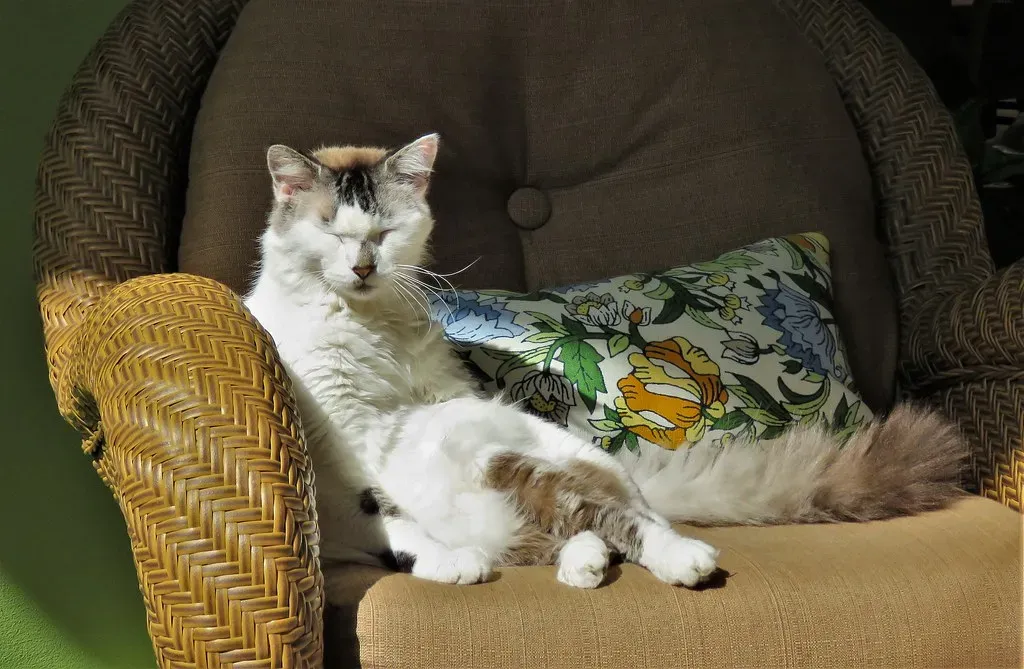
That “shadow” is a cat that has decided you’re worth keeping track of.
Some cats follow their person from room to room after the door opens. It’s one of the clearest signs of social interest. A cat that doesn’t care about you doesn’t bother.
This isn’t always neediness. Following can simply be a cat’s way of staying close to a safe base.
Rescue cats often do it more after a stressful period, such as a move or a vet visit. It can fade as confidence grows.
- Occasional following: normal social interest
- Constant crying plus following: worth mentioning to a vet if it’s new
- Following that stops suddenly: also worth noticing
But that’s nothing compared to what we found about #15…
#15 – The Clothing Nest
🔥 Would you like to save this?
We'll email this post to you, so you can come back to it later!
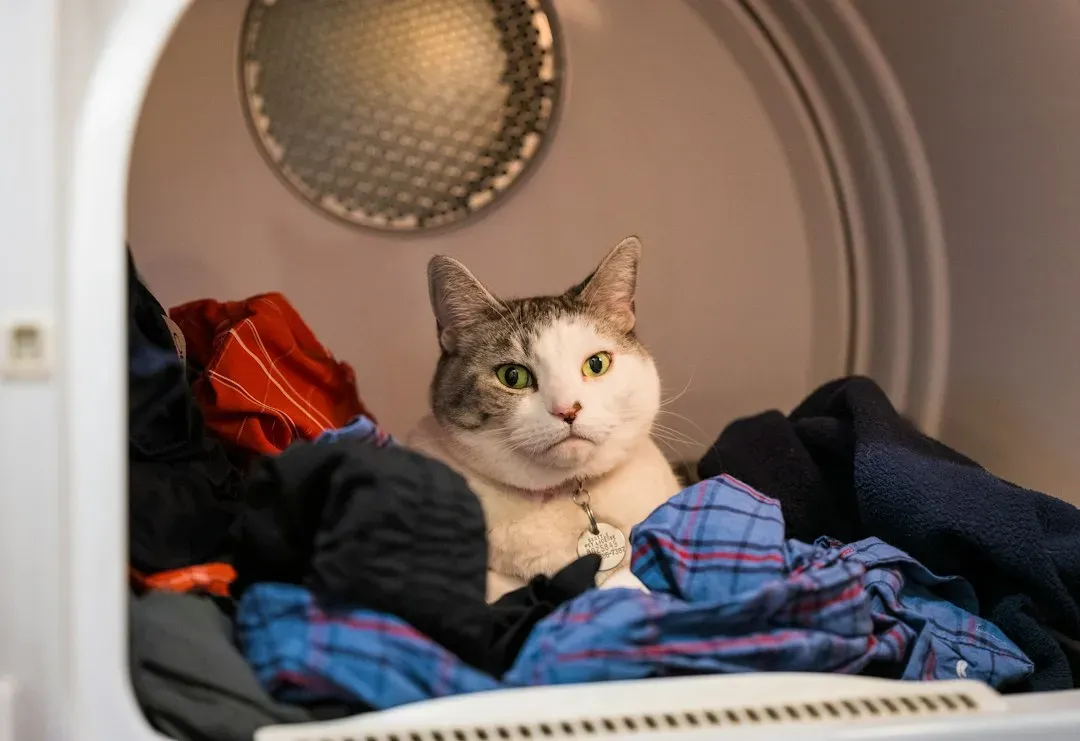
Your worn laundry is a cat’s favorite comfort object.
Your cat settles into the pile of clothes you just took off, or curls up in your bag. It can look like laziness. It’s usually a scent thing.
Worn items smell like you. For many cats, your scent is a calming background signal. That’s why jackets, blankets and sweaters get claimed so quickly.
It can be especially meaningful for rescue cats still adjusting to a new home. A familiar scent in a quiet spot gives them somewhere to retreat.
But that’s nothing compared to what we found about #14…
#14 – The Toy Delivery
🔥 Would you like to save this?
We'll email this post to you, so you can come back to it later!
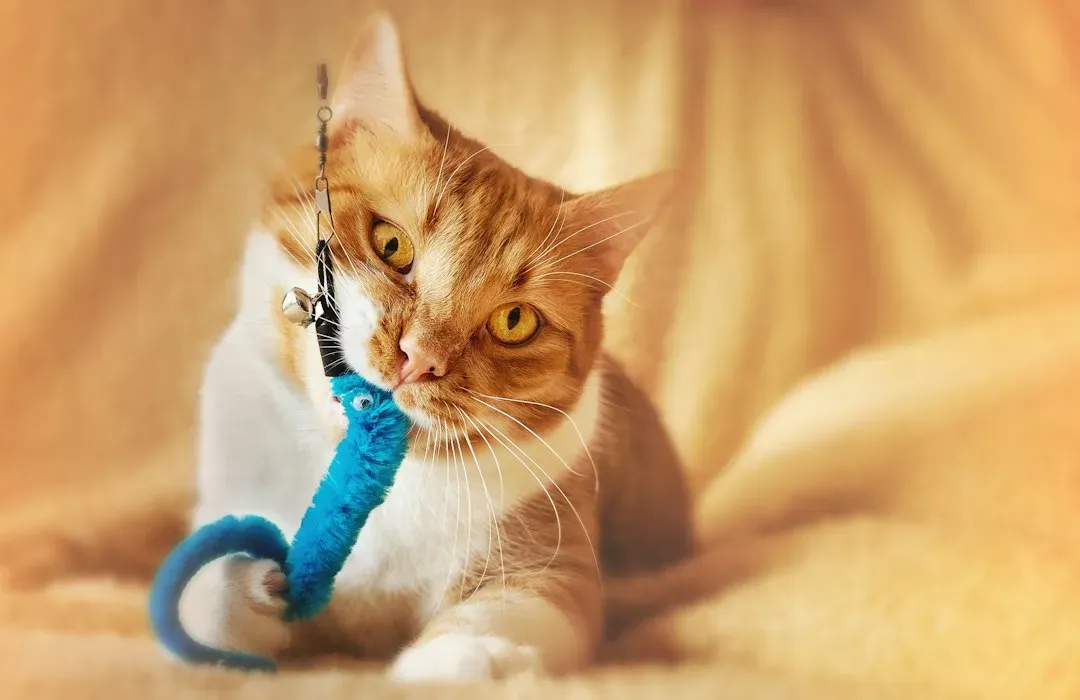
That “gift” at your feet might not be a gift at all.
Some cats greet their person with a toy, a sock or something stranger. They may drop it, carry it around or vocalize while holding it. It’s a ritual, and it can be very specific.
Cats are natural hunters, and carrying objects mimics prey handling. Experts still debate whether this is truly “sharing,” and honestly, nobody knows for sure. It could be play, practice or an invitation.
Worth Knowing
- Many cats have a favorite “delivery item” and bring the same one back again and again.
- Cats often carry an item while making a low, drawn-out call, a habit many owners describe.
- Staying calm tends to keep the habit friendly, while scolding can make a cat wary of showing it.
- A short play session with that item can turn the ritual into a bonding moment.
The safe reading is simple. Your cat is choosing to bring you into its activity. That’s engagement.
If the “toy” is a live animal, that’s a different matter. Check with your vet about parasites and keep your cat indoors if possible.
But that’s nothing compared to what we found about #13…

PetSafe Oasys Pet Fountain, 1/2 Gallon (64 oz), Small Dogs & Cats
Check Price on AmazonAs an Amazon Associate, we earn from qualifying purchases.
10/8/2026 8:14 am GMTi

2 Pcs Halloween Pet Hat Bandana Set, Witch Pumpkin Costumes for Dogs
Check Price on AmazonAs an Amazon Associate, we earn from qualifying purchases.
10/9/2026 2:45 pm GMTi

Hand Blown Glass Hummingbird Feeders for Outdoors Hanging, 24oz Wild Bird Nectar Feeder
Check Price on AmazonAs an Amazon Associate, we earn from qualifying purchases.
10/7/2026 1:23 pm GMTi

Orthopedic Extra Large Dog Bed, Waterproof Washable XL Pet Bed 44"
Check Price on AmazonAs an Amazon Associate, we earn from qualifying purchases.
10/7/2026 1:32 pm GMTi

Glass Hummingbird Feeder for Outdoors Hanging, 16 oz Leak-Proof Nectar Feeder with Bee Guards & Ant Moat
Check Price on AmazonAs an Amazon Associate, we earn from qualifying purchases.
10/7/2026 1:22 pm GMTi
#13 – The Hallway Hover
🔥 Would you like to save this?
We'll email this post to you, so you can come back to it later!
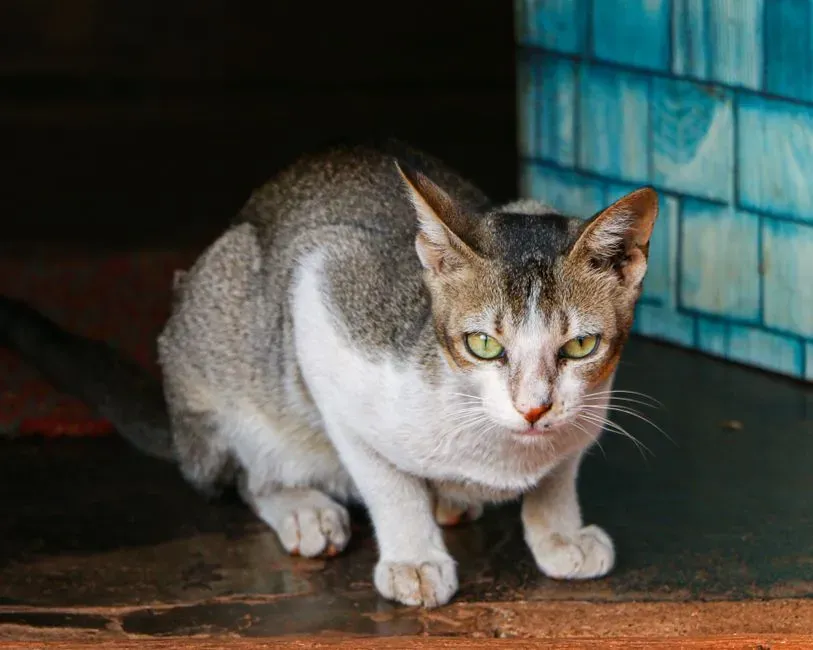
The cat that stays six feet away might actually be the most interested one.
Some rescue cats don’t rush the door. They stop at a distance, watch and decide how close to come. It looks cold, but it’s often cautious interest.
Cats like control over the interaction. Letting them close the distance is usually the better strategy. Rushing a hesitant cat can set progress back.
Trust-building often happens in small steps. Sit down, ignore the cat for a bit and let it come. Offer a hand to sniff, not to grab.
- Don’t force contact
- Keep greetings short and calm
- Let the cat pick the pace
But that’s nothing compared to what we found about #12…
#12 – The Check-In
🔥 Would you like to save this?
We'll email this post to you, so you can come back to it later!
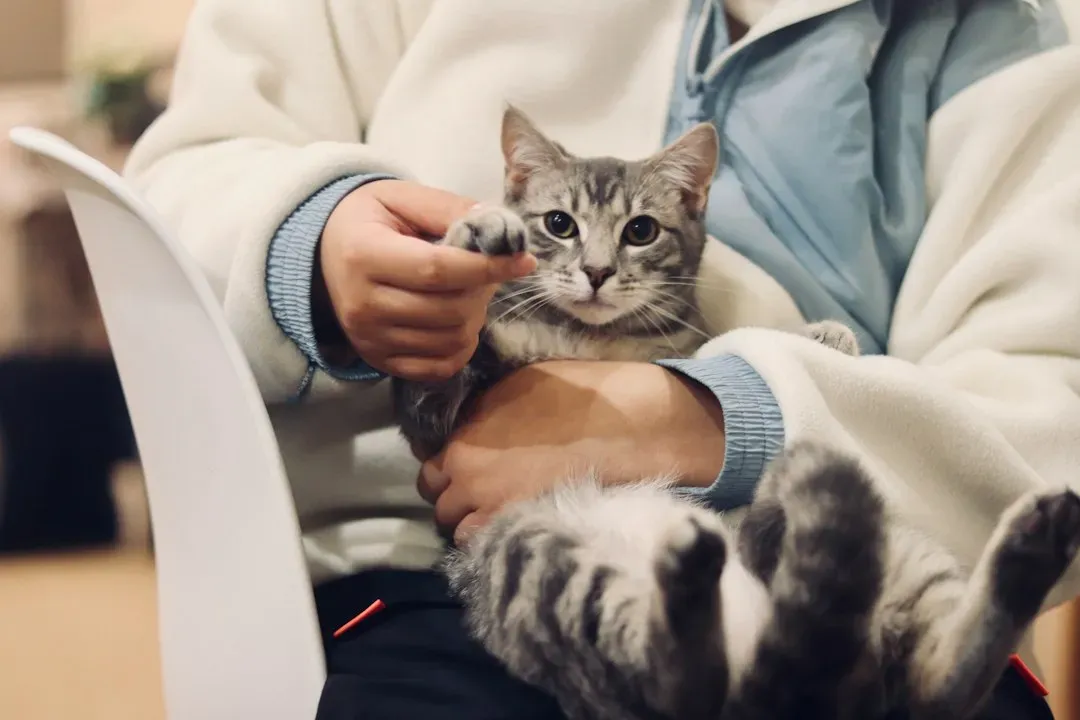
Scientists tested whether cats use their owners as a safe base. Many do.
In a widely cited attachment study published in 2019, cats were placed in an unfamiliar room with their owner, who then left. Cats that casually returned to their owner’s side while continuing to explore were considered securely attached.
You can see a version of this at home. After you come in, the cat explores, then returns for a quick touch or look. That’s a form of “checking in.”
The study also found that the remaining cats showed insecure attachment, either clinging to their owner or avoiding them completely. That’s a reminder that bonds vary between cats.
But that’s nothing compared to what we found about #11…
#11 – The High Vantage Point
🔥 Would you like to save this?
We'll email this post to you, so you can come back to it later!
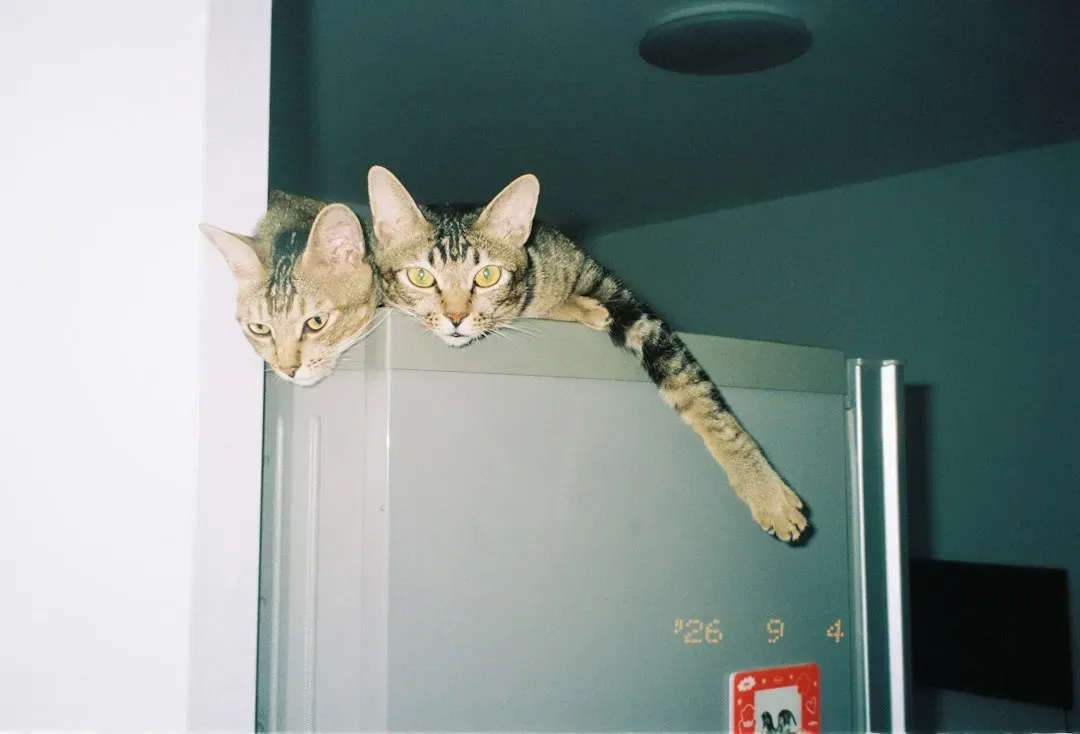
Your cat greets you from the top of the fridge for a reason.
Some cats prefer to watch the door from a shelf, cat tree or couch back. It may look standoffish. It’s usually strategic.
Height gives cats a view of the room and a way out. A cat that can see everything is a cat that feels safer. From there, many will come down once they decide you’re friendly.
Rescue cats may use heights more if their past was unpredictable. It’s not a flaw. It’s a coping strategy.
- Provide at least one elevated perch near the main entry
- Keep the route down clear
- Don’t reach up and pull the cat down
But that’s nothing compared to what we found about #10…
#10 – The Belly Flop
🔥 Would you like to save this?
We'll email this post to you, so you can come back to it later!
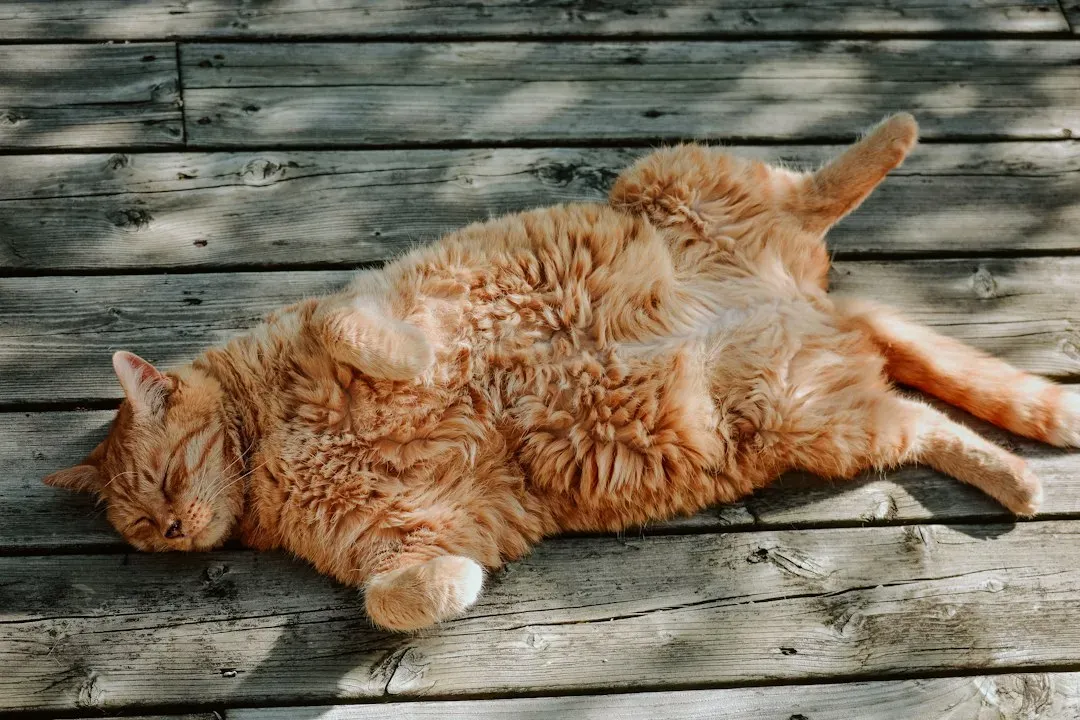
That exposed belly isn’t always an invitation.
Your cat drops and rolls over on the hallway floor, belly up. Most people see it and reach in. Experts often warn that’s a gamble.
A belly flop can show trust, because it exposes a vulnerable area. But for many cats, it doesn’t mean “pet me there.” Plenty of cats grab or swat if touched.
Your cat may be saying “I’m relaxed around you,” not “rub here.” Rescue cats may be especially sensitive about belly touches.
But that’s nothing compared to what we found about #9…
#9 – The Greeting Knead
🔥 Would you like to save this?
We'll email this post to you, so you can come back to it later!
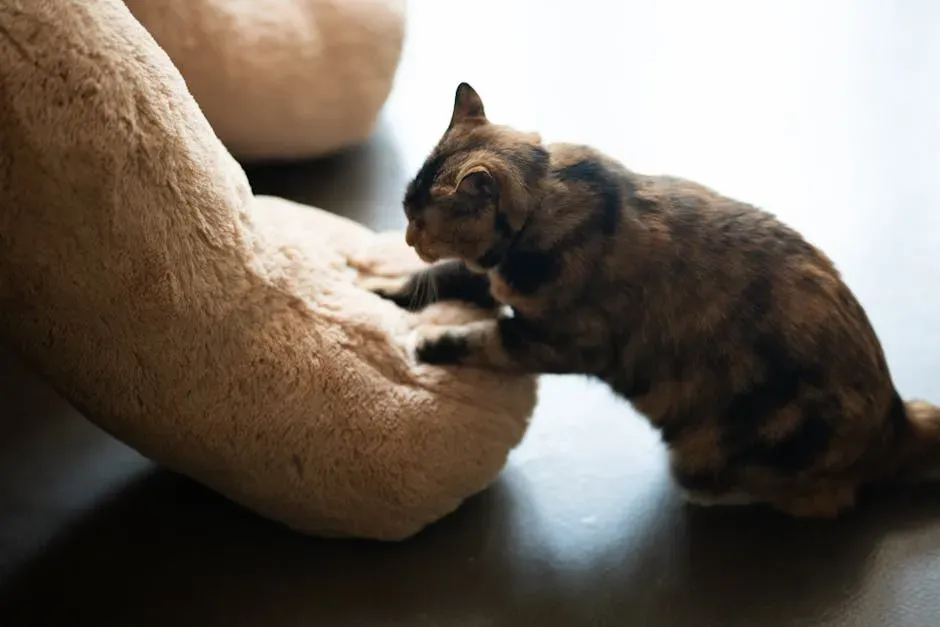
Kneading isn’t only for kittens.
Some cats push their paws in and out on a blanket, a cushion or you. This is called kneading. It starts in kittenhood, when kittens press on their mother to encourage milk flow.
Fast Facts
- Kittens begin kneading while nursing, in their first days of life.
- Cats have scent glands in their paw pads, so kneading may leave a personal scent mark too.
- Many cats purr or look half-asleep while kneading, which fits with a comfort habit.
- Plenty of happy, bonded cats never knead at all.
Many adult cats keep the habit. It’s widely seen as a comfort behavior. For some, it’s a way to settle after you arrive.
Rescue cats may knead if they were separated early from their mothers, though that’s a theory, not a proven rule. Not every cat kneads, and that says nothing about bonding.
Claws can hurt. Keep a blanket handy and trim nails regularly.
But that’s nothing compared to what we found about #8…
#8 – The Exit Watch
🔥 Would you like to save this?
We'll email this post to you, so you can come back to it later!
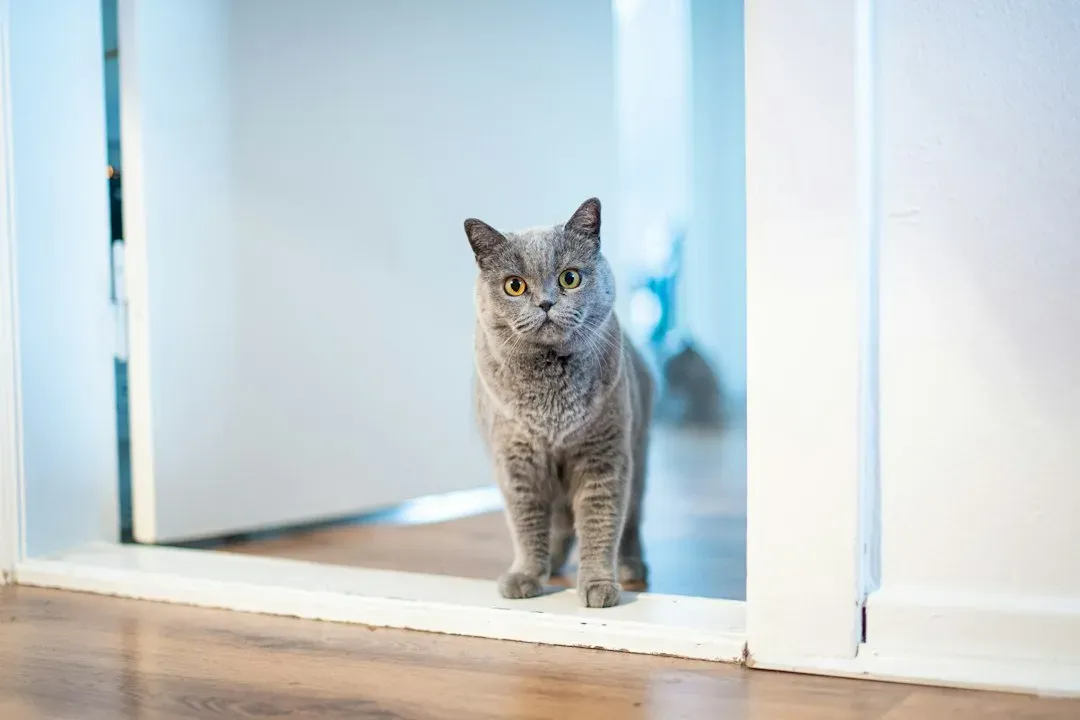
Some rescue cats treat the open door as the main event.
When you come in, your cat may head straight for the gap. It may stop short, stare or try to slip out. It’s not necessarily about wanting to leave you.
Cats are curious. An open door is a rare change in their territory. Cats with a history outdoors may be especially drawn to it.
Experts recommend caution. Many shelters advise keeping rescue cats indoors or supervised while they settle.
- Use a baby gate or door buffer
- Keep a microchip registered and a collar with ID
- Reward a calm approach to the door
But that’s nothing compared to what we found about #7…
#7 – The Guest Retreat and Return
🔥 Would you like to save this?
We'll email this post to you, so you can come back to it later!
Your cat’s reaction to visitors reveals more than its reaction to you.
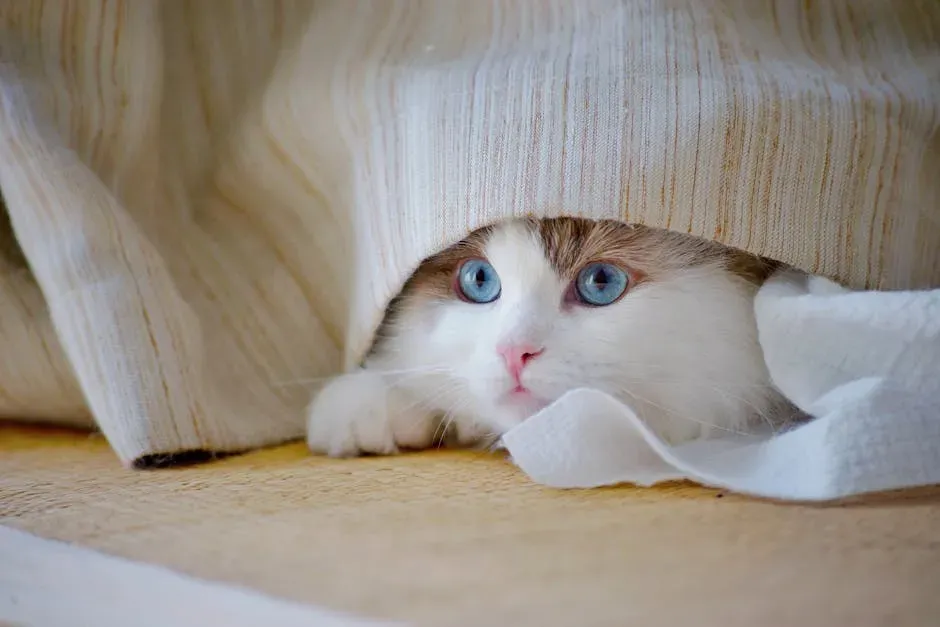
When someone else opens the door, many rescue cats vanish. They bolt under the bed or behind the couch. It’s a standard response to unfamiliar people.
Then comes the ritual. After a while, many cats come back, sniff the visitor’s shoes and watch from a distance. Some warm up. Others never do.
Hiding isn’t a failure. It’s a coping tool, and forcing a cat out usually makes things worse.
Give hiding spots and quiet. Ask guests to ignore the cat. A cat that chooses contact is far more likely to return to it.
But that’s nothing compared to what we found about #6…

Professional 7 in 1 Dog Paw Cleaner for Dogs & Cats - Includes 1 Portable Paw Washer, 1 Bath Brush
Check Price on AmazonAs an Amazon Associate, we earn from qualifying purchases.
10/7/2026 1:26 pm GMTi

Dog Stairs for Bed 18" H, 4-Step Dog Steps for High Bed
Check Price on AmazonAs an Amazon Associate, we earn from qualifying purchases.
10/9/2026 2:42 pm GMTi

Smart Bird Feeder with Camera Solar Powered, 2K HD Live Video, 10,000+ Bird Species AI Identification
Check Price on AmazonAs an Amazon Associate, we earn from qualifying purchases.
10/7/2026 1:22 pm GMTi

Air Purifiers for Home Pets Large Room Up to 3000 Ft²,HEPA Air Cleaner with Washable Double-Side Filter, PM2.5 Air Quality Monitor,15dB Sleep Mode for Bedroom Odor Dust Pollen,White
Check Price on AmazonAs an Amazon Associate, we earn from qualifying purchases.
10/8/2026 8:23 am GMTi

Halloween Cat Costume Cloak Witch Hat Pet Accessories
Check Price on AmazonAs an Amazon Associate, we earn from qualifying purchases.
10/9/2026 2:44 pm GMTi
#6 – The Hand-Lick Grooming
🔥 Would you like to save this?
We'll email this post to you, so you can come back to it later!
That sandpaper tongue is a social move.
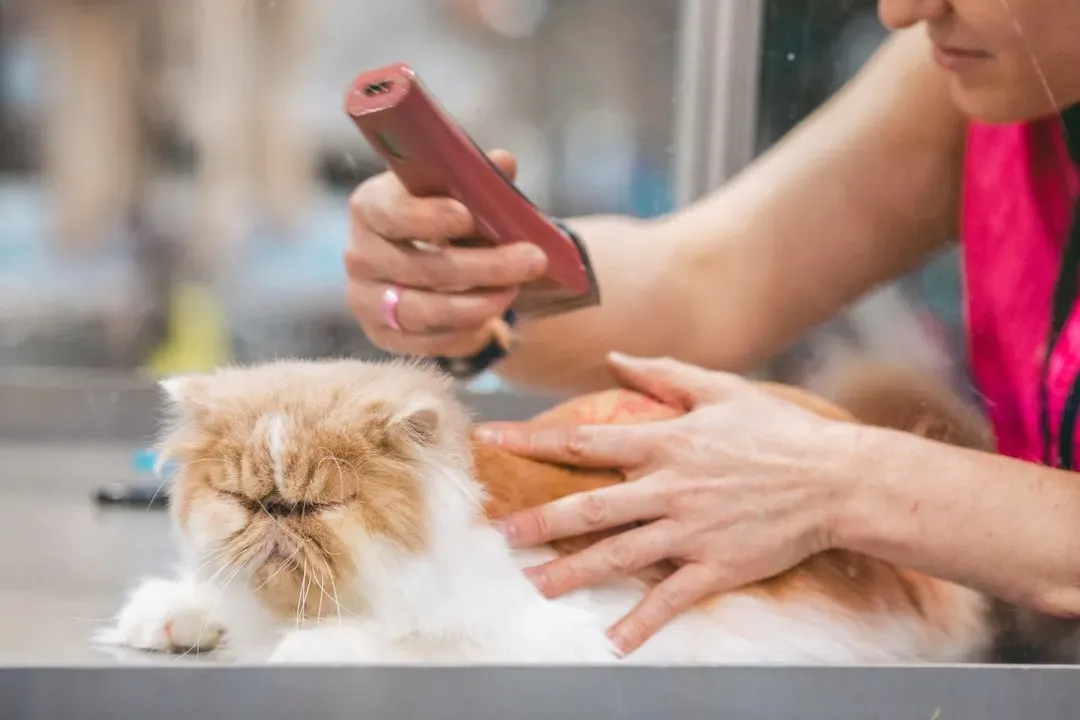
Some cats lick your hands, hair or face after you arrive. Cats groom each other when they’re close, which is known as allogrooming. Your cat may be treating you as part of its social group.
It can also be partly about taste or salt. Not every lick is a love note. But cats that groom people tend to be relaxed around them.
Rescue cats may do this after weeks of building comfort. It’s a good sign when it starts.
If licking becomes obsessive or the cat over-grooms itself, check with a vet.
But that’s nothing compared to what we found about #5…
#5 – The Lap Claim
🔥 Would you like to save this?
We'll email this post to you, so you can come back to it later!
Cats don’t sit on you by accident.
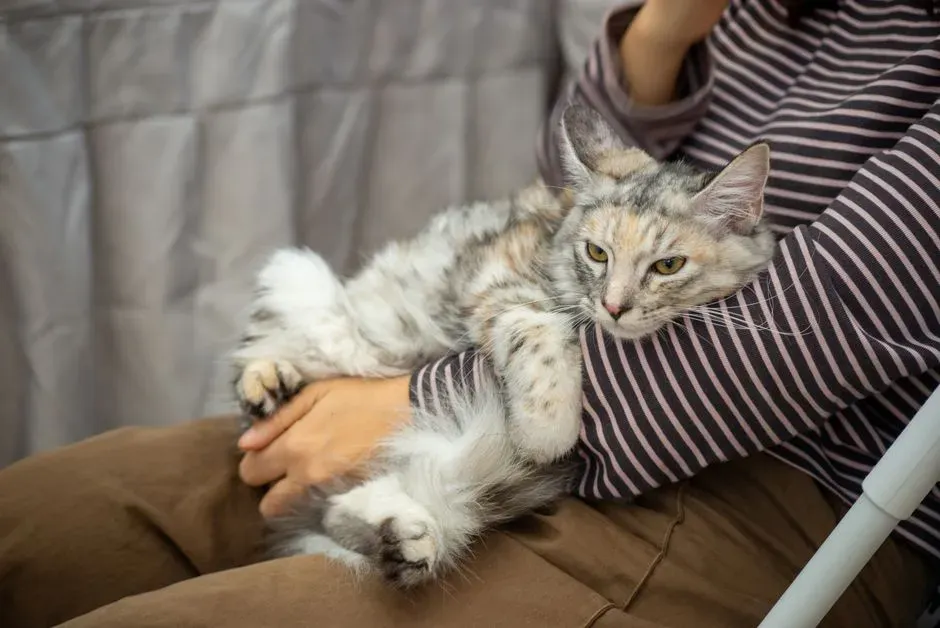
After the greeting, many cats pick a spot on you. Lap, chest, feet. Some do it the second you sit down. It’s a deliberate choice.
Warmth matters. Cats are drawn to warm places, and a body is warm. But comfort and scent matter too.
For rescue cats, the first lap sit can be a milestone. Some take months to get there. A cat that never sits on laps can still be deeply bonded.
Here’s a contrarian view: many experts say lap sitting is overrated as a measure of love. Some cats show attachment through proximity, not contact.
At a Glance
- On the lap or chest: the full-contact version of trust.
- Beside you on the couch: closeness with a little more personal space.
- On your feet or hip: a lower-pressure option for cautious cats.
- Same room, in view: for some rescues, this is the big step.
But that’s nothing compared to what we found about #4…
#4 – The Conversation
🔥 Would you like to save this?
We'll email this post to you, so you can come back to it later!
Your cat talks to you in a way it hardly ever talks to other cats.
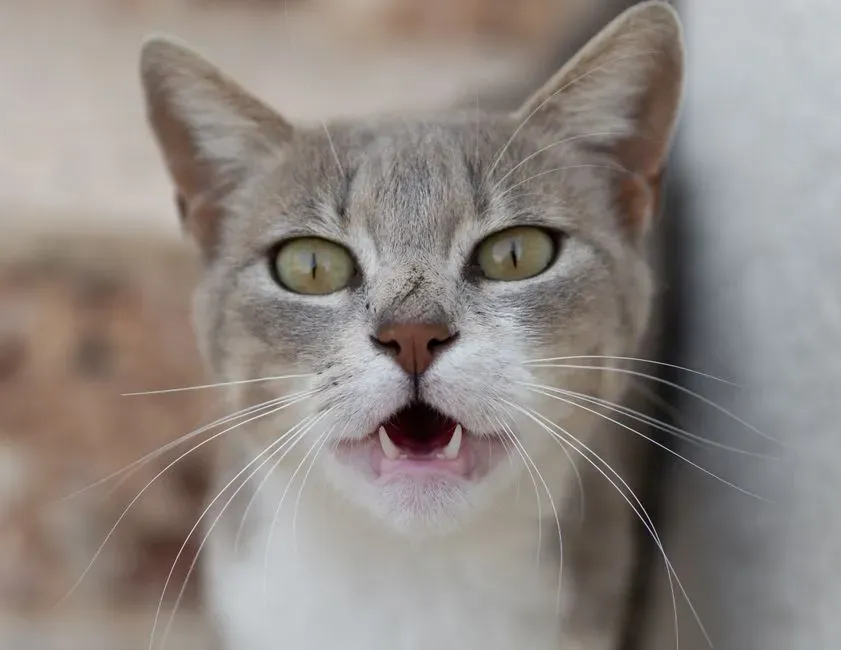
Adult cats mostly use body language with each other. With people, many use meows, trills and chirps. Experts suggest they learned that vocal signals get a response from us.
That means your cat may have built a “dialect” just for you. The same sound can mean different things in different households.
Rescue cats can be especially chatty or quiet. Some are vocal because they learned to call for attention. Others are silent because they learned not to.
But that’s nothing compared to what we found about #3…
#3 – The Choice Over Treats
🔥 Would you like to save this?
We'll email this post to you, so you can come back to it later!
For some cats, you’re worth more than the snack.
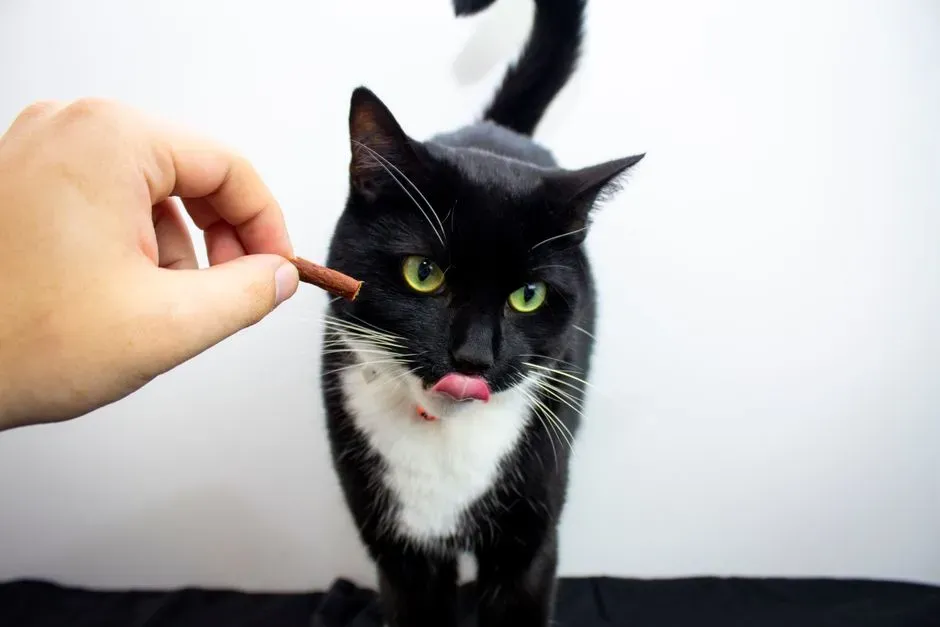
Researchers have tested whether cats prefer food, toys, scent or human interaction. The evidence points to real attachment, including secure bonds, voice recognition and a preference for people over food in some cats.
That doesn’t mean every cat picks you over dinner. But the idea that cats only love their can opener is out of date.
Cats vary a lot. Some are strongly food-driven. Others prefer attention. Rescue cats cover the whole range, so don’t compare yours to someone else’s.
- Offer both treats and attention
- Notice which your cat picks first
- Let that guide how you greet them
But that’s nothing compared to what we found about #2…

Halloween Dog Collar with Bow, Orange Cute Ghost Collar,
Check Price on AmazonAs an Amazon Associate, we earn from qualifying purchases.
10/9/2026 2:43 pm GMTi

Earth Rated XL Dog & Puppy Pee Pads, Discreet Top, Max Absorbency
Check Price on AmazonAs an Amazon Associate, we earn from qualifying purchases.
10/7/2026 1:28 pm GMTi

Glass Hummingbird Feeder for Outdoors Hanging
Check Price on AmazonAs an Amazon Associate, we earn from qualifying purchases.
10/7/2026 1:21 pm GMTi

Portable Dog Water Bottle Foldable Dog Travel Water Bottle
Check Price on AmazonAs an Amazon Associate, we earn from qualifying purchases.
10/7/2026 1:29 pm GMTi
#2 – The Bedtime Shadow
🔥 Would you like to save this?
We'll email this post to you, so you can come back to it later!
The ritual doesn’t end when the door closes.
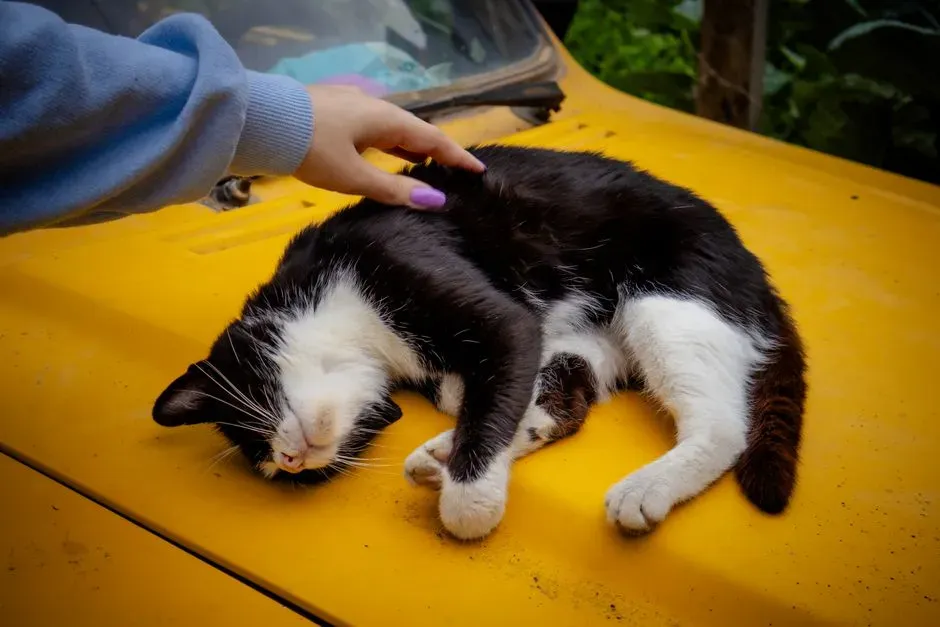
Many cats follow their person through the evening, then settle nearby at night. Some sleep on the bed. Others pick the hallway or a nearby chair. Both can be signs of attachment.
Cats sleep a lot, and they tend to choose spots where they feel safe. Choosing a place near you is a vote of confidence.
Rescue cats may take time to do this. A cat that sleeps in another room for weeks and then shows up on the bed has made a real shift.
But that’s nothing compared to what we found about #1…
#1 – The First Time They Meet You at the Door
🔥 Would you like to save this?
We'll email this post to you, so you can come back to it later!
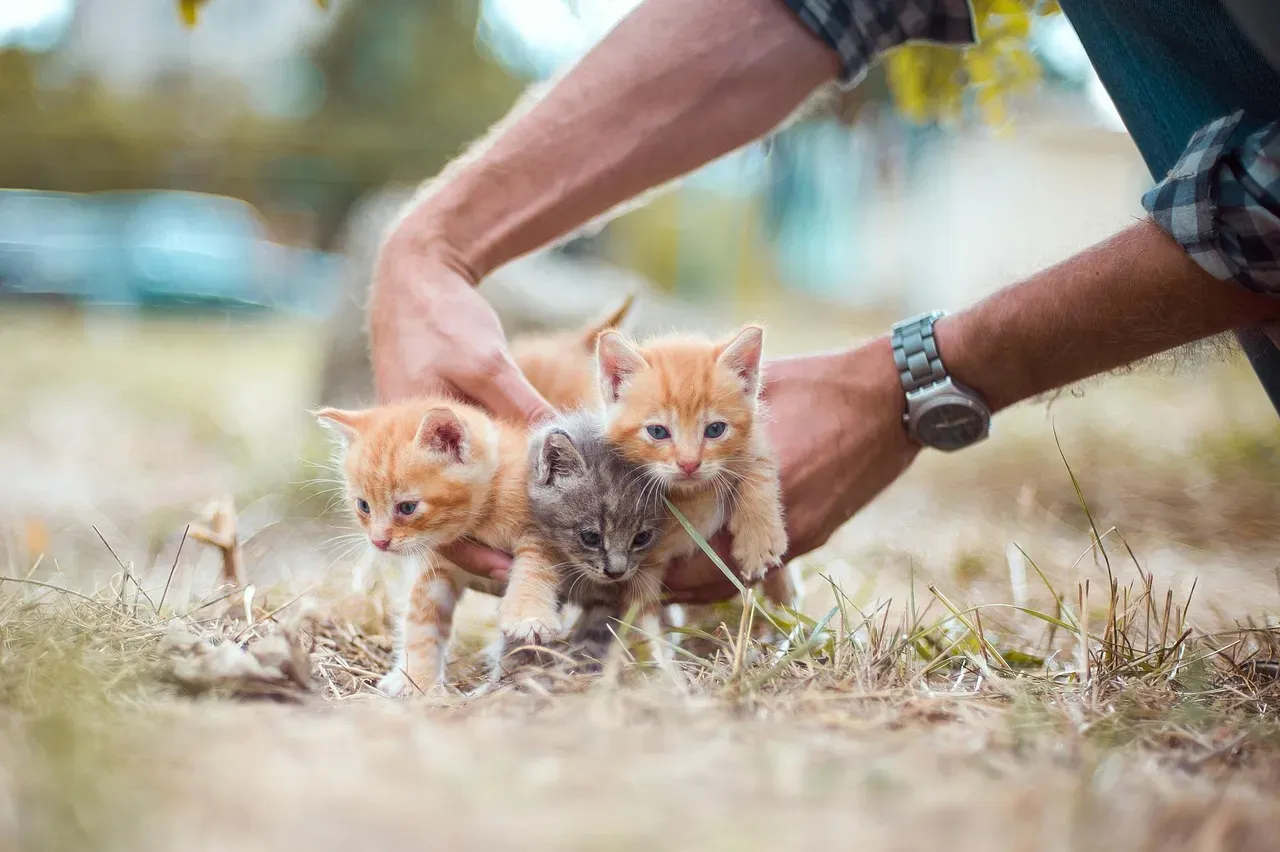
Nothing else on this list matters as much as the day your cat shows up to greet you.
For many rescue cats, that first greeting is a big shift. It may come after days, weeks or months. There’s no fixed timeline, and the popular “3-3-3” shelter rule (roughly three days to decompress, three weeks to learn the routine, three months to feel at home) is a rough guide, not a scientific law.
It can start small. A glance. A step toward the hallway. A cat that walks to the door of its own accord has decided something about you.
Don’t overreact. Keep your voice low, move slowly and let the cat set the pace. Pushing for more can cost you progress.
Every ritual above, from the listening post to the slow blink, quietly builds toward this moment. Small signals matter, and so do you.
Your rescue cat’s door routine isn’t random. It’s a mix of scent, sound, habit and trust, built over time. The idea that cats don’t care who walks in is simply wrong, and research on attachment, slow blinking and voice recognition all point the other way.
Here’s our firm view: stop judging your cat’s love by lap time or enthusiasm. Watch the small things, like the tail, the blink and the distance they choose. Those are the real signals, and a cat who keeps its distance but turns up at the door every single day is telling you plenty.
Which ritual did your cat start first, and how long did it take?

- 7 U.S. States Where Opossums Are Expanding Farther North as Winters Grow Milder - November 6, 2026
- 9 States Where Feral Hogs Are Spreading Faster Than Wildlife Agencies Can Control - November 6, 2026
- 5 U.S. States Where Gray Wolves Have Returned After Decades Away - November 6, 2026