
In an era when environmental headlines often tell stories of loss and decline, there’s something genuinely uplifting about witnessing nature’s remarkable ability to bounce back. Across America, species that once teetered on the brink of extinction are now thriving again in ways that would have seemed impossible just decades ago. These comeback stories aren’t just about numbers growing larger on scientific charts. They represent something deeper: proof that dedicated conservation efforts can literally bring life back from the edge of forever.
From the soaring bald eagle that nearly vanished from American skies to the massive humpback whales returning to our coastal waters, these recoveries showcase the incredible resilience of wildlife when given proper protection and care. Each success story carries lessons about persistence, scientific innovation, and the power of communities coming together for a common cause.
The Bald Eagle: America’s Ultimate Conservation Victory
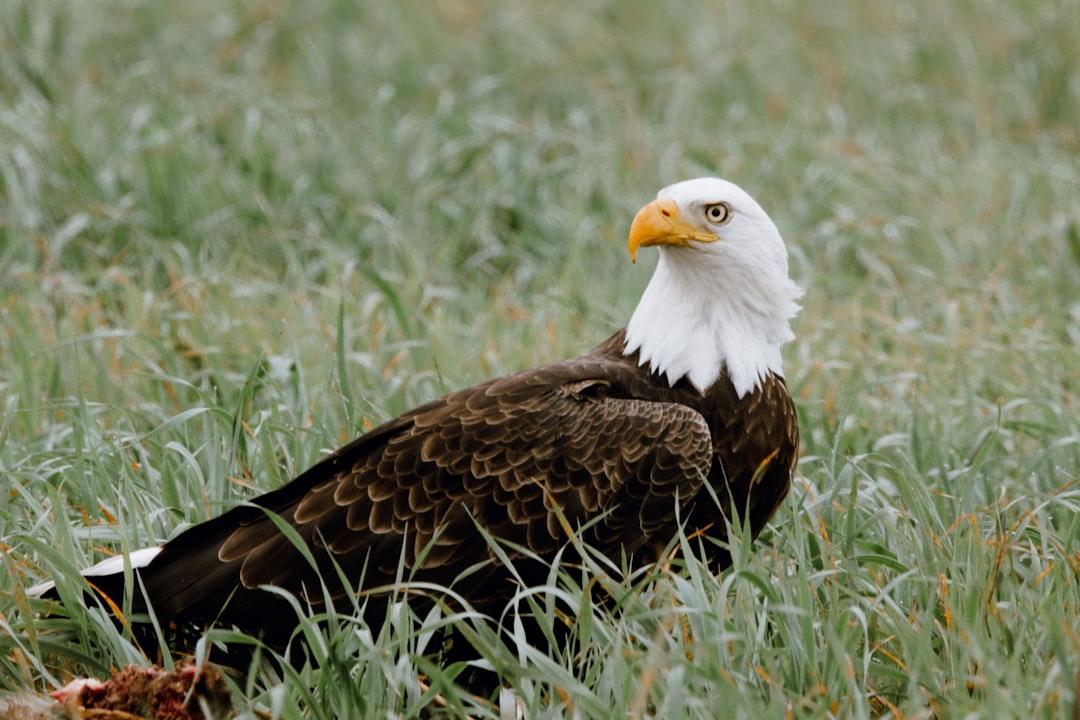
The bald eagle’s recovery stands as perhaps the most iconic conservation success story in American history. The shaggy, fierce-eyed bird has been our de facto national symbol since 1782.
In the early 1970s, the population of Bald Eagles had dwindled to just 791 nesting pairs in the contiguous United States. DDT pesticide contamination had weakened their eggshells, causing widespread reproductive failure that pushed these magnificent birds toward extinction.
The turnaround began with the 1972 DDT ban and protection under the Endangered Species Act. By 2007, the U.S. Fish and Wildlife Service removed the Bald Eagle from the federal endangered species list. Today, tens of thousands of bald eagles soar across American landscapes, with their continued recovery serving as living proof that environmental protection laws can work miracles when given time.
American Bison: Reclaiming the Great Plains
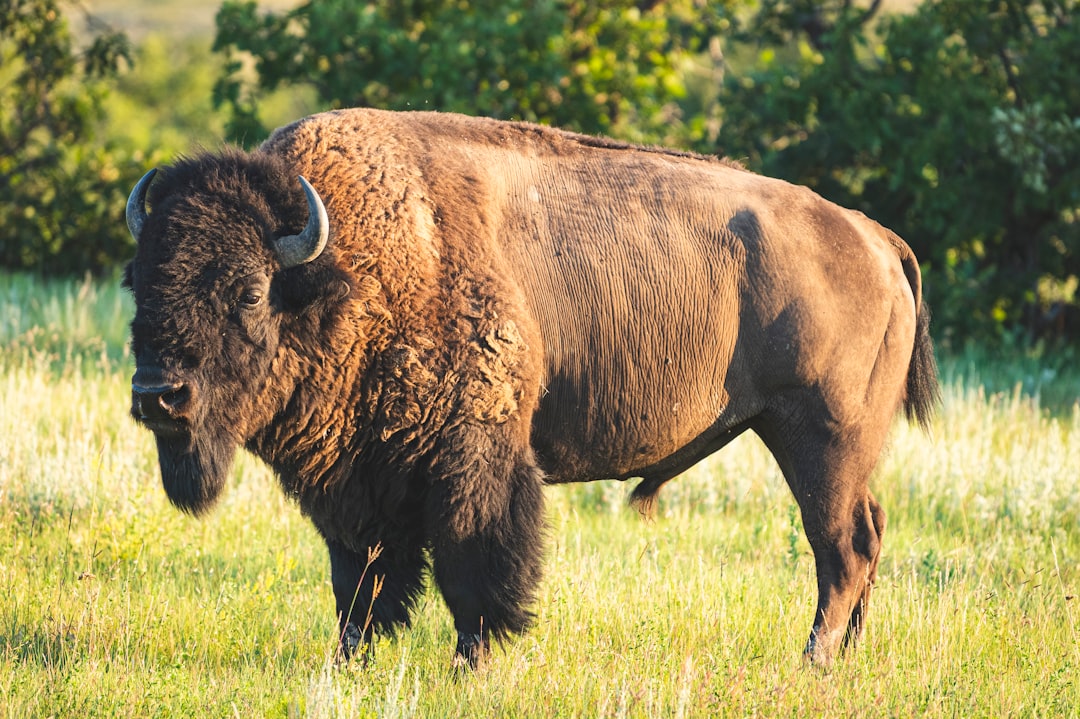
Once numbering in the tens of millions across North America’s grasslands, American bison were hunted to near extinction in the late 19th century, with fewer than 1,000 individuals remaining by 1900. This catastrophic decline represents one of the most devastating wildlife tragedies in American history.
However, the bison’s story didn’t end there. Through intensive conservation efforts, approximately 500,000 bison exist in North America, with about 30,000 managed for conservation in public herds. The largest conservation herd roams Yellowstone National Park, representing genetically pure bison largely free from cattle DNA.
These massive animals are more than just impressive statistics. They’re ecological engineers that shape entire grassland ecosystems through their grazing and wallowing behaviors, creating diverse habitats that benefit countless other prairie species.
California Condor: North America’s Giant Takes Flight Again
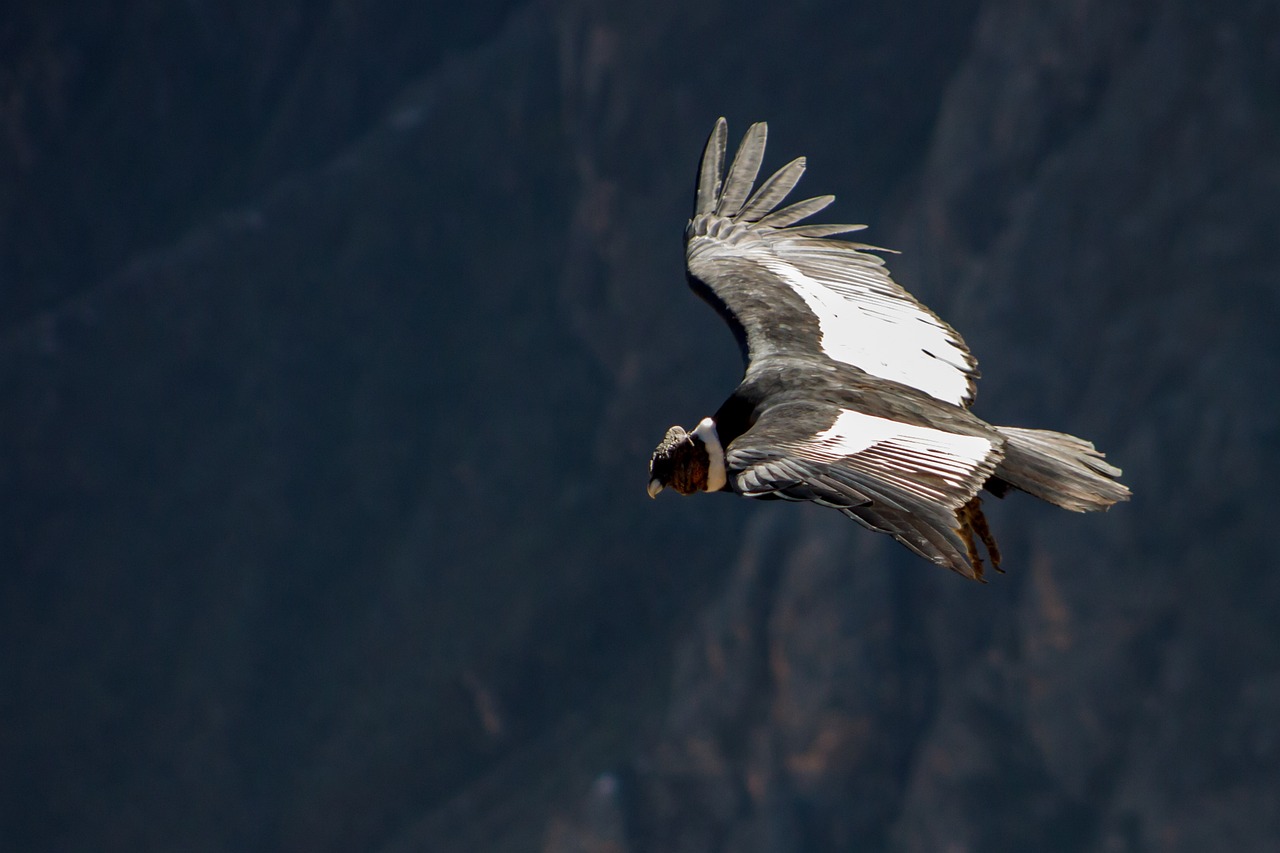
The California condor, North America’s largest flying bird with its impressive 9.5-foot wingspan, represents one of conservation’s most intensive rescue operations. This prehistoric-looking scavenger faced a crisis so severe that drastic action became the only option for survival.
By 1982, hunting, lead poisoning, and habitat loss had reduced the wild population to just 22 individuals. In a desperate last effort to save the species, all remaining wild condors were captured for a captive breeding program by 1987.
Today, more than 500 California condors exist, with over 330 flying free in California, Arizona, Utah, and Baja California, Mexico. While still critically endangered, each soaring condor represents a small victory against extinction, though challenges like lead poisoning from ammunition in scavenged carcasses remain ongoing threats.
Humpback Whale: Ocean Giants Return in Numbers
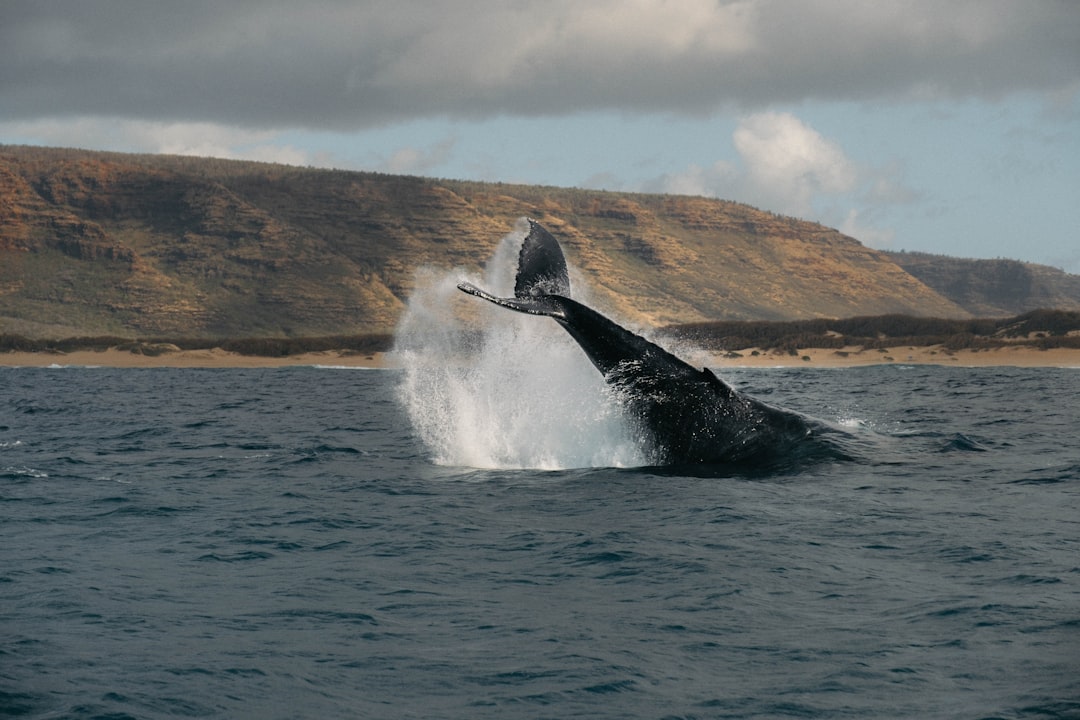
The humpback whale, known for its spectacular breaching displays and complex songs, was driven to the brink of extinction by commercial whaling that continued until the 1960s. These magnificent marine mammals, famous for their haunting songs and acrobatic displays, nearly disappeared from our oceans forever.
Global populations were reduced by an estimated 90%, with only about 5,000 individuals remaining worldwide by the time a commercial whaling moratorium took effect in 1986. The scale of the devastation was almost incomprehensible.
Today represents a completely different story. Global populations have rebounded to approximately 80,000 whales, with about 21,000 in the North Pacific alone. This recovery allowed NOAA to remove most humpback populations from the endangered species list in 2016, though some distinct populations remain threatened or endangered.
Gray Wolf: The Apex Predator’s Return
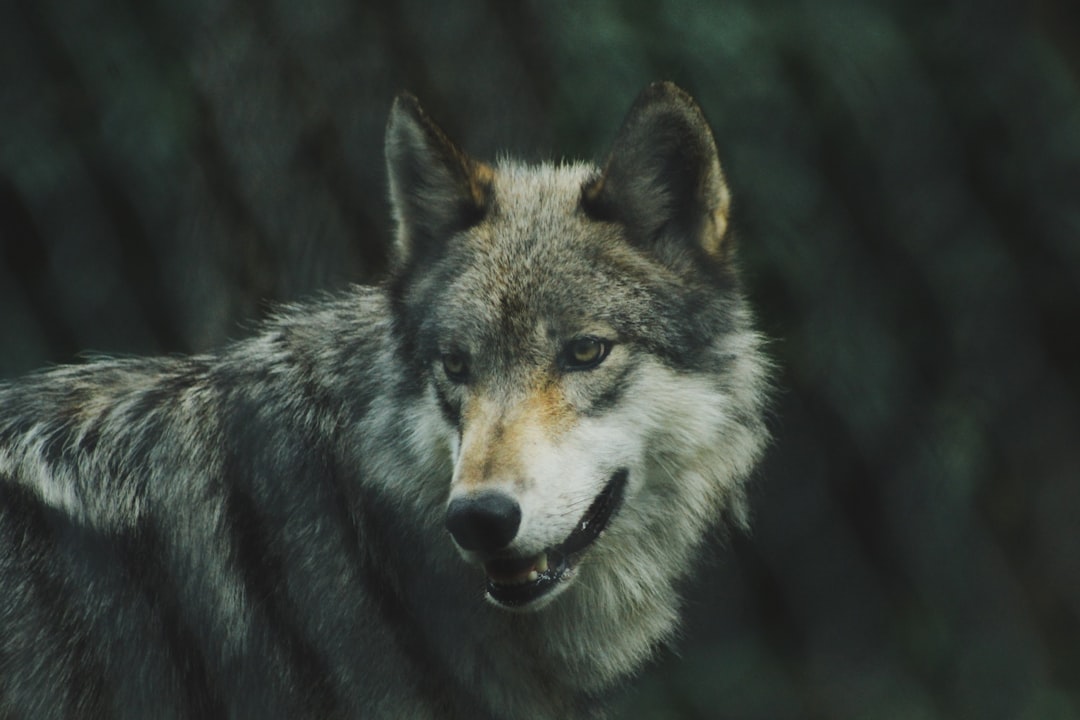
The gray wolf, once extirpated from many regions in North America and Europe due to persecution, is making a gradual comeback. These apex predators faced systematic elimination campaigns that removed them from most of their historical range across the lower 48 states.
Once teetering on the brink of extinction due to hunting and habitat encroachment, the gray wolf has made a remarkable comeback in North America. Reintroduction efforts, particularly in Yellowstone National Park, have helped stabilize and grow wolf populations, playing a crucial role in the restoration of their natural ecosystems.
The Yellowstone reintroduction stands as one of conservation’s most celebrated achievements, demonstrating how returning a single species can trigger cascading positive effects throughout entire ecosystems. Wolves control deer populations, allowing vegetation to recover and supporting everything from birds to beavers in what scientists call a “trophic cascade.”
American Alligator: Ancient Survivor’s Modern Recovery
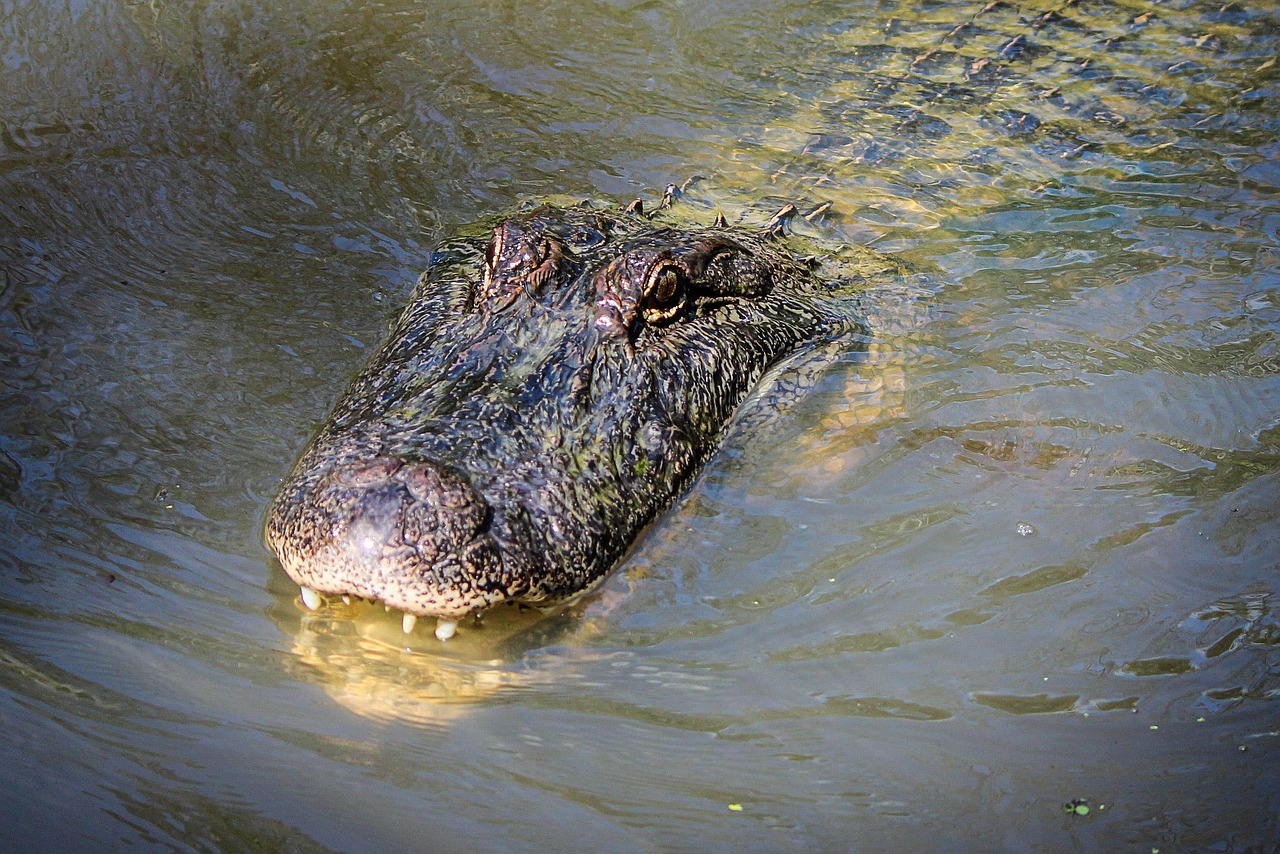
Alligators have thrived for over 200 million years, making them one of the oldest existing species. Yet these ancient survivors nearly didn’t make it into the modern era. Back in the mid-1900s, the American alligator experienced a population decrease to near-extinction levels as a result of overhunting and trade. Destruction of the country’s wetlands for the purpose of development also posed a significant threat.
However, the American alligator plays such an important role in their native ecosystem that it was placed on the endangered species list in 1967. Their numbers increased so drastically that by 1987, exactly twenty years later, they were removed from the list. Approximately five million American alligators currently reside in the southern United States.
Now there are over a million alligators in Florida alone! These apex predators serve crucial ecological roles, creating “gator holes” that provide water sources for other wildlife during dry periods and helping maintain the delicate balance of wetland ecosystems.
Peregrine Falcon: Speed Demons of the Sky
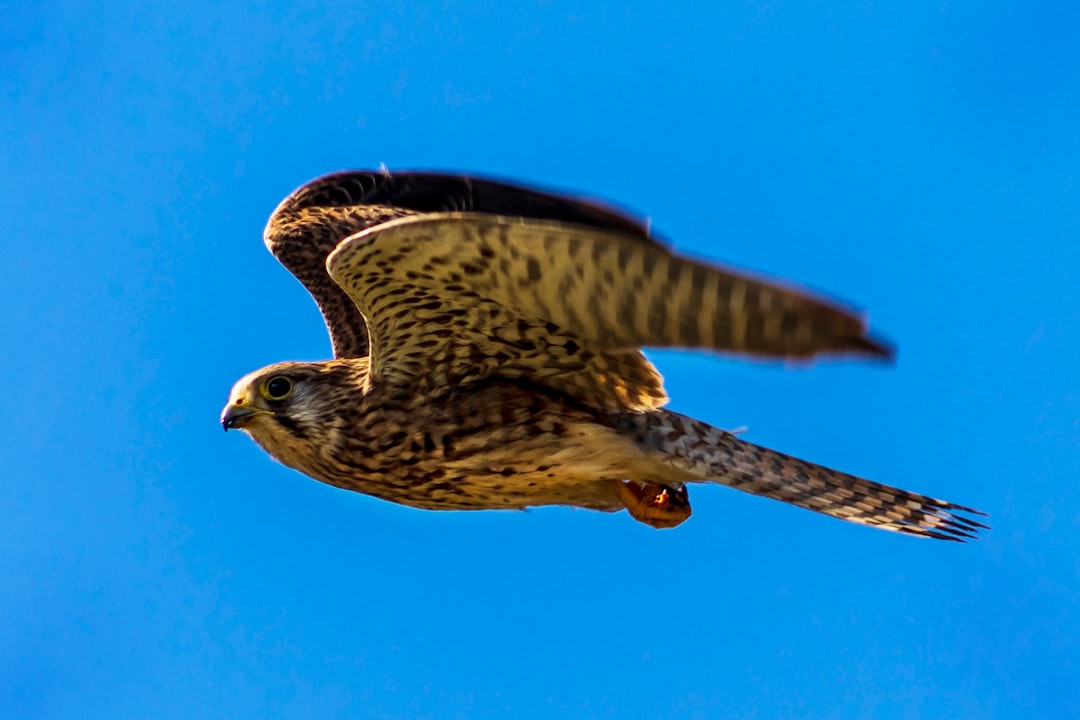
The peregrine falcon, renowned as the world’s fastest animal with diving speeds exceeding 240 mph, faced catastrophic decline due to DDT contamination. These incredible aerial hunters nearly vanished from American skies during the darkest days of pesticide use.
This pesticide caused eggshell thinning, leading to widespread reproductive failure across North America. By 1975, only 324 known nesting pairs remained in the United States. The situation was so dire that peregrines were considered locally extinct in some eastern states.
Following DDT’s ban and protection under the Endangered Species Act, an ambitious recovery program began, including captive breeding and the release of over 6,000 falcons. The recovery proved remarkably successful – by 1999, peregrine numbers had rebounded to approximately 2,000 breeding pairs, leading to their removal from the endangered species list.
Sea Otter: Keystone Species of Coastal Waters
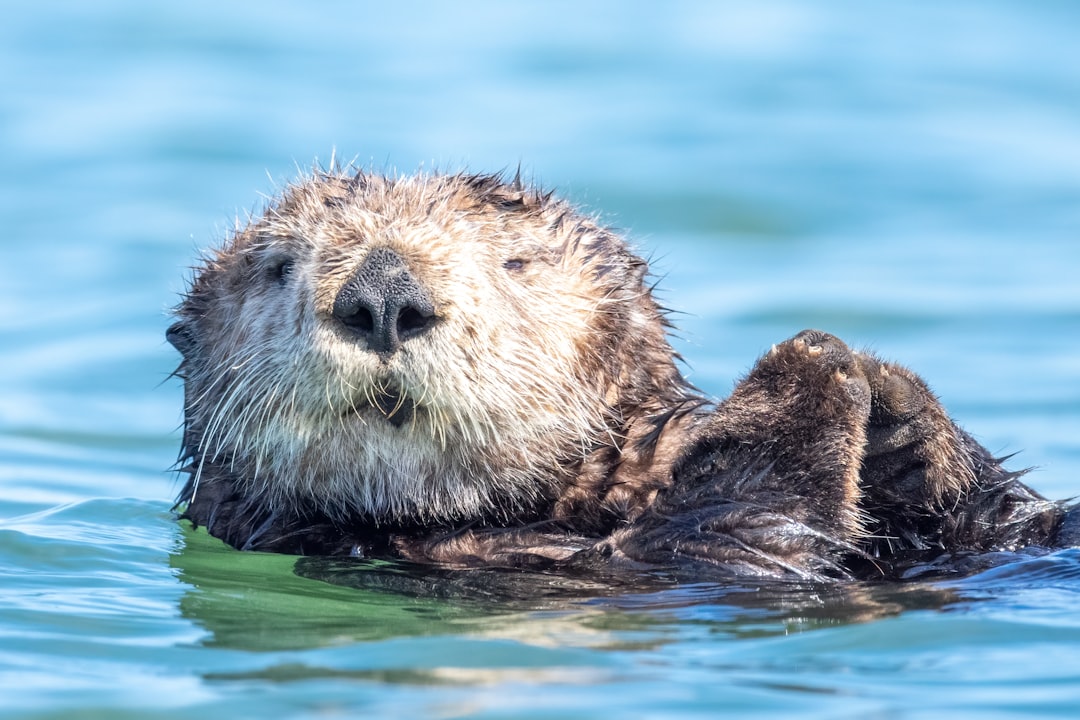
The southern sea otter, a keystone species vital to the health of coastal kelp forest ecosystems, was hunted to near extinction for its luxurious fur. By the early 20th century, only about 50 sea otters remained along California’s Big Sur coastline, representing less than 1% of their estimated historical population of 16,000-20,000 animals.
Protected first by the International Fur Seal Treaty in 1911 and later under the Endangered Species Act and Marine Mammal Protection Act, southern sea otters have made a modest but significant recovery. Today, approximately 3,000 sea otters inhabit California coastal waters, primarily between Santa Cruz and Santa Barbara.
Their ecological impact far exceeds their numbers. While still occupying only about 13% of their historical range, their ecological impact is profound. As voracious consumers of sea urchins, sea otters prevent urchins from overgrazing kelp forests, thereby maintaining these underwater ecosystems that provide habitat for countless marine species.
Trumpeter Swan: North America’s Largest Waterfowl Returns
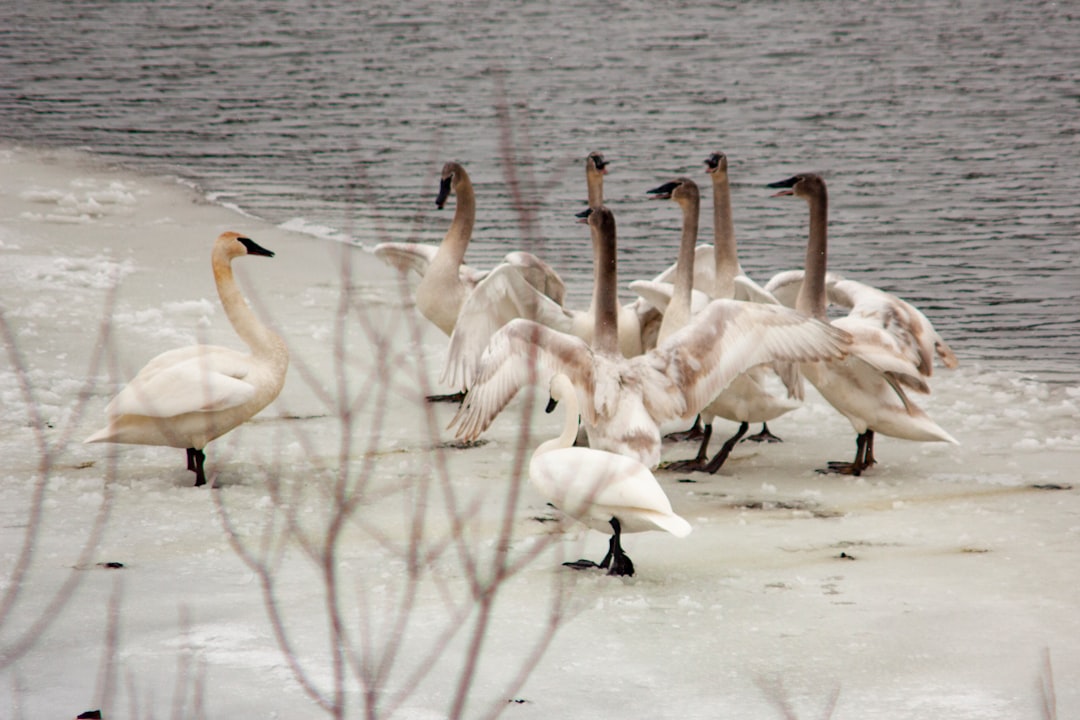
The heaviest living bird native to North America, it is also the largest extant species of waterfowl, with a wingspan of 185 to 304.8 cm (6 ft 2 in to 10 ft 2 in). The trumpeter swan’s story is one of rediscovery as much as recovery.
By 1933, fewer than 70 wild individuals were known to exist; extinction seemed imminent until aerial surveys discovered a Pacific population of several thousand trumpeter swans around Alaska’s Copper River. This discovery completely changed the species’ conservation outlook and provided hope for recovery efforts.
Careful reintroductions by wildlife agencies and the Trumpeter Swan Society have gradually restored North American wild populations, with several thousand birds now thriving across their range. These elegant birds now grace wetlands across much of their former range, their distinctive calls once again echoing across North American landscapes.
Red-cockaded Woodpecker: Forest Specialist Finds Its Way Back
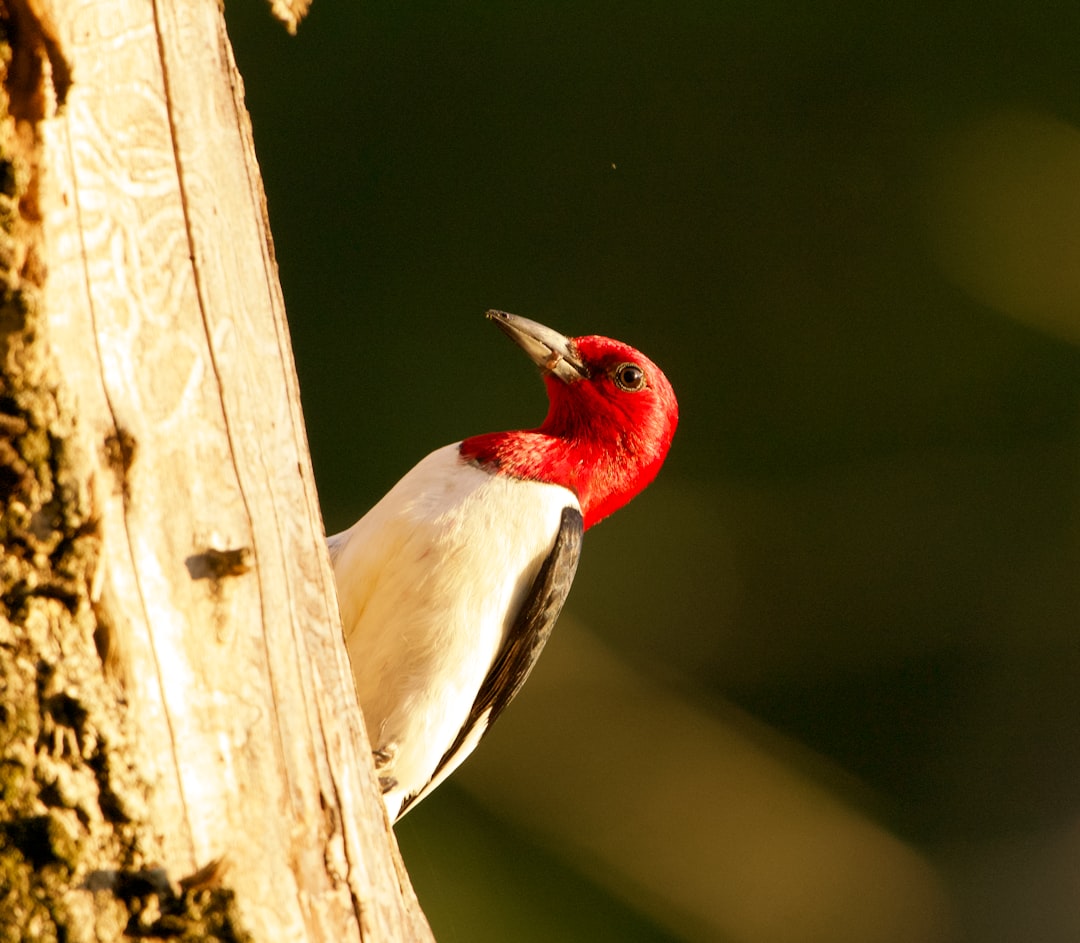
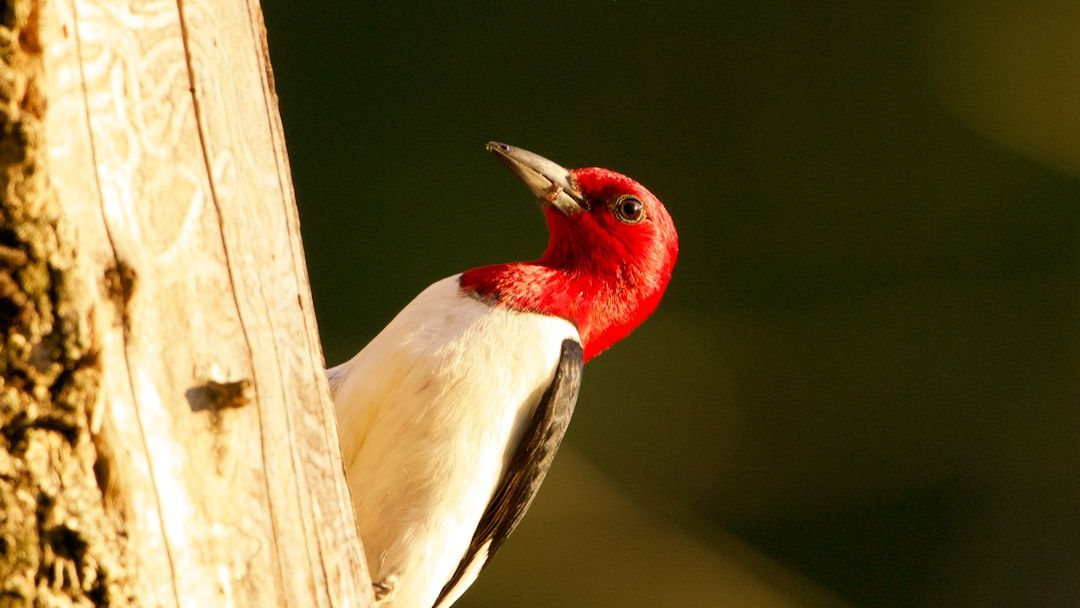
One of our favorite animal comeback stories has been the red-cockaded woodpecker, an iconic species native to southeastern U.S. pine forests. Just a few months ago, the bird passed a major recovery milestone. This specialized bird requires very specific habitat conditions that make its recovery particularly challenging.
Red-cockaded woodpeckers, now present from Virginia to Texas, were downlisted from endangered to threatened status. This small but significant step represents decades of habitat management and protection efforts in southeastern pine forests.
The woodpecker’s recovery highlights the importance of ecosystem-based conservation approaches. These birds need mature longleaf pine forests with just the right conditions for their unique nesting habits, creating cavity homes in living trees infected with red heart fungus. Their recovery has required extensive forest management and cooperation with private landowners across their range.
Apache Trout: Arizona’s State Fish Swims Back From the Brink
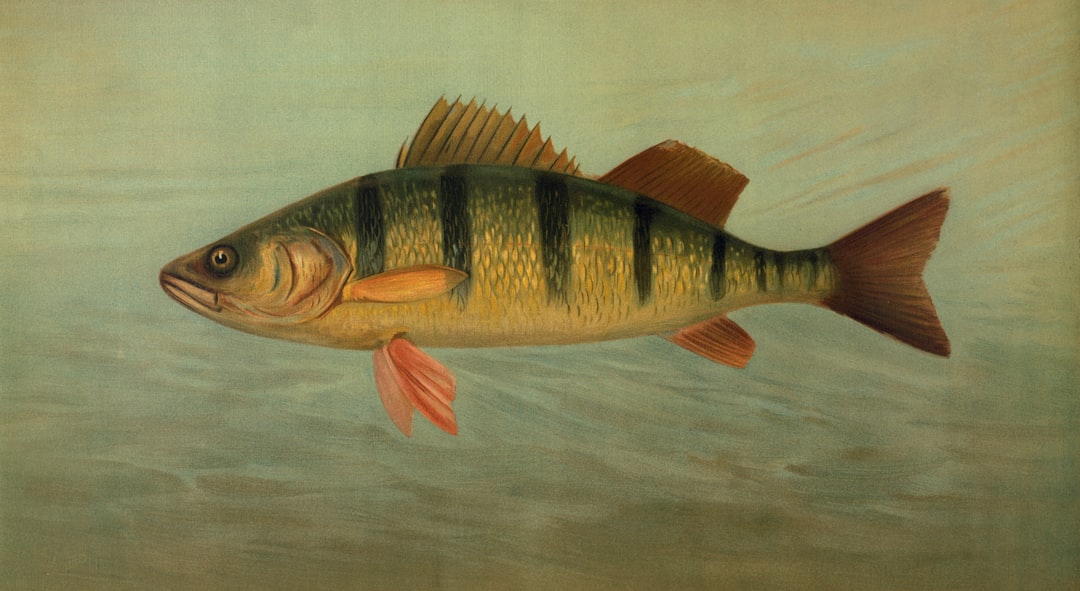
Apache trout, Arizona’s state fish, have recovered enough territory to graduate from the endangered species list entirely, marking a significant achievement for freshwater fish conservation in the Southwest. This beautiful native trout faced threats from habitat degradation, non-native fish competition, and hybridization.
The Apache trout’s recovery required intensive habitat restoration in Arizona’s high-elevation streams and careful management to prevent genetic contamination from non-native trout species. Recovery efforts included establishing pure populations in isolated headwater streams and removing non-native competitors from critical habitats.
Today, multiple self-sustaining populations swim in streams across the White Mountains and other suitable habitats in Arizona. Their graduation from the endangered species list represents hope for other native fish species facing similar challenges across the American West.
Conclusion
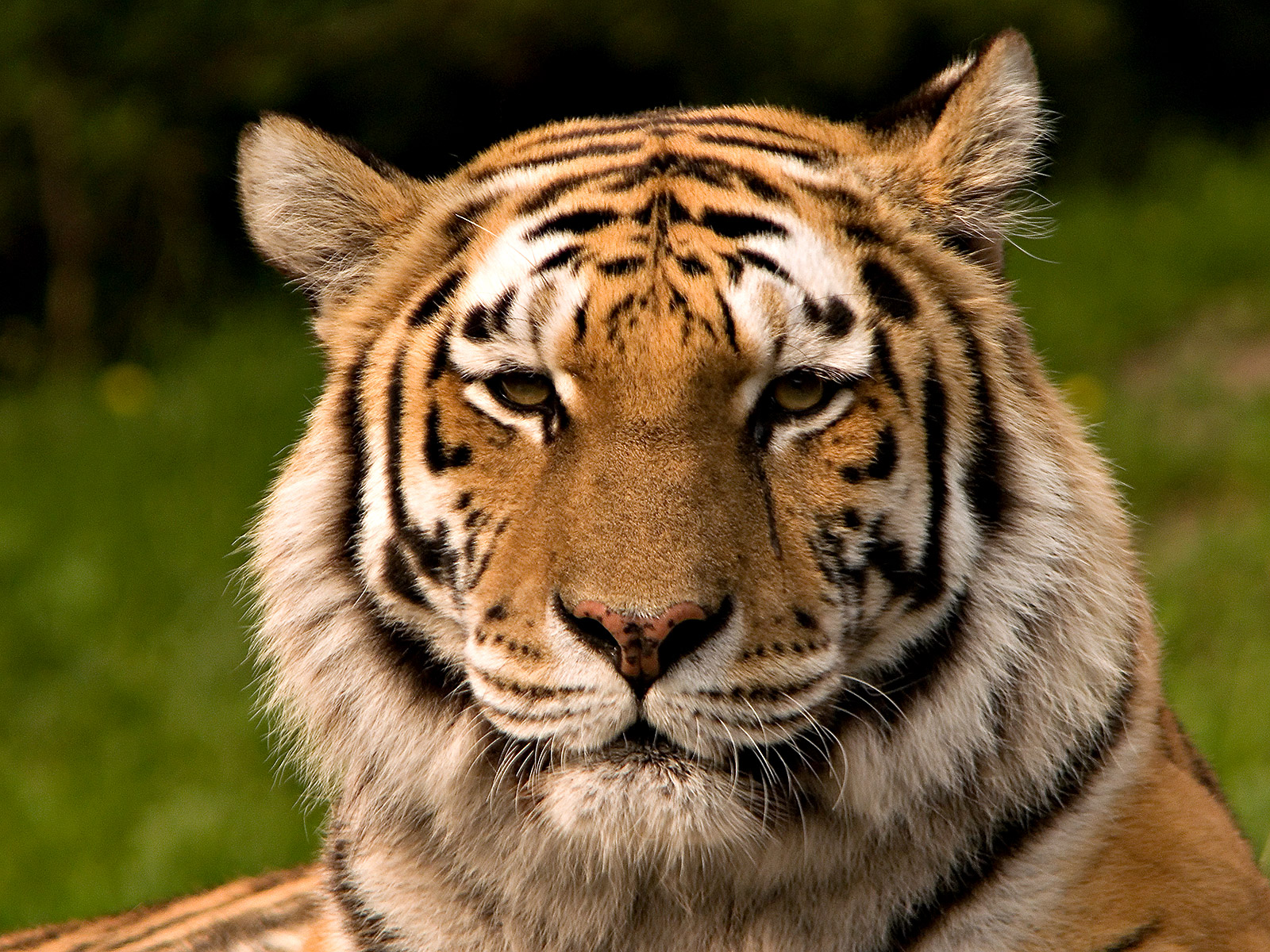
These eleven remarkable comeback stories prove that extinction isn’t always forever when humans choose to act with determination and scientific precision. Each recovery required different approaches, from intensive captive breeding programs to habitat restoration, from legislative protection to changing public attitudes about wildlife.
What strikes me most about these success stories isn’t just the impressive population numbers, though those certainly matter. It’s the ripple effects these recoveries create throughout entire ecosystems, supporting countless other species and restoring natural processes that had been broken for decades.
The road ahead still holds challenges for all these species, from climate change to ongoing habitat pressures. Yet their recoveries remind us that conservation works when we commit to it fully and give it the time nature needs to heal.
What do you think about these amazing comebacks? Tell us in the comments which recovery story surprised you most.
