
There is something profoundly moving about watching a species claw its way back from the edge of oblivion. Nature, it turns out, is more resilient than we sometimes dare to believe. Across the United States, wild animals that were once headed toward permanent silence are now roaring, soaring, and swimming back into the landscapes that nearly lost them forever.
Some of these stories are decades in the making. Others are still unfolding right now, in 2026, with scientists watching cautiously, fingers crossed. What they all share is a common thread: the right protections, the right people, and a willingness to fight hard for something wild and irreplaceable. Get ready, because a few of these recoveries will genuinely surprise you. Let’s dive in.
1. The Bald Eagle: America’s Most Iconic Comeback
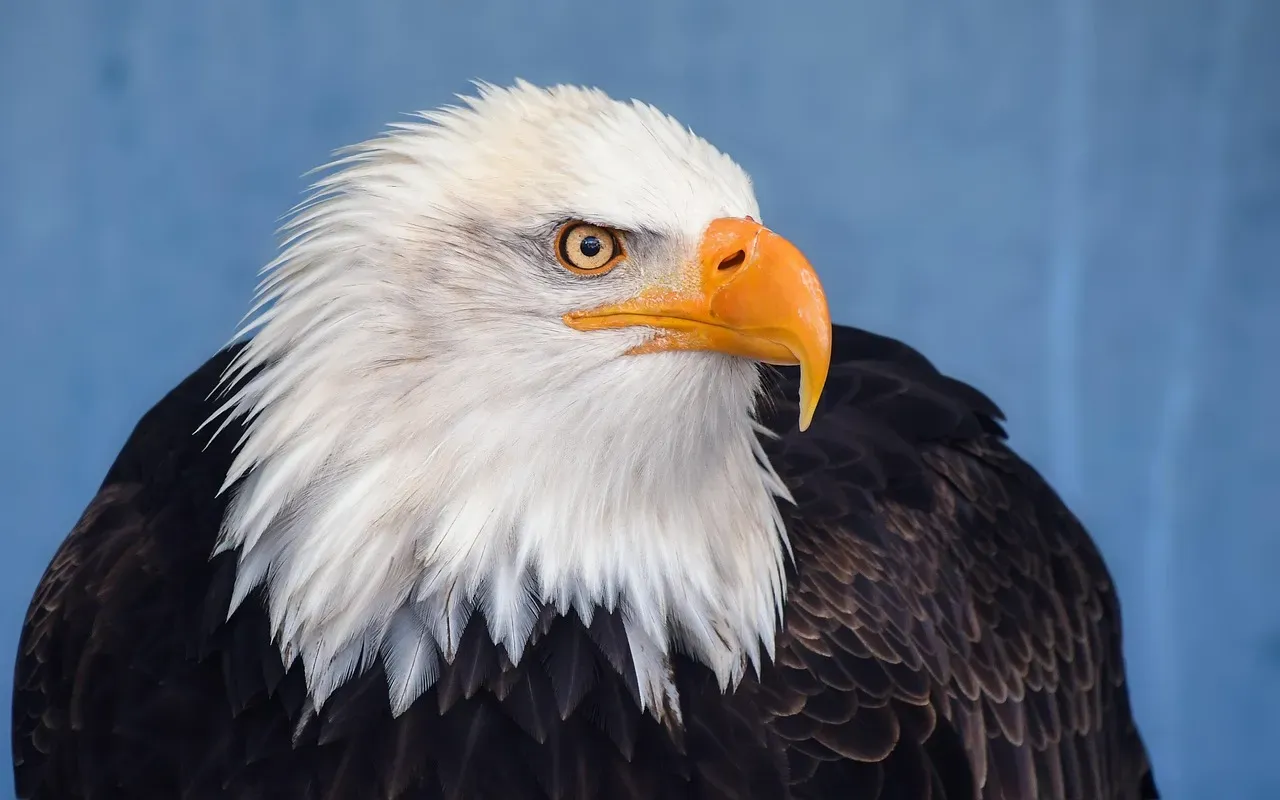
Honestly, if you had to pick one animal that defines what conservation can achieve, the bald eagle would be it. Bald eagles once teetered on the brink of extinction, reaching an all-time low of 417 known nesting pairs in 1963 in the lower 48 states.
The culprit? A pesticide called DDT. Bald eagles were decimated by habitat destruction and degradation, as well as illegal shooting and the contamination of their food source by the insecticide DDT. The chemical made their eggshells so fragile they would crack before hatching.
In 1972, after decades of advocacy and debate, the Environmental Protection Agency banned DDT from most uses, and the populations of bald eagles, ospreys, and other birds slowly began to bounce back. That single decision changed everything.
The bald eagle population has now climbed to an estimated 316,700 individual bald eagles, including 71,400 nesting pairs. This estimate indicates that the bald eagle population has quadrupled since the last set of data was collected in 2009. And in 2024, the IUCN reclassified the bald eagle as “least concern.” The IUCN reclassified the bald eagle as least concern with an estimated global population of 200,000 mature individuals, a remarkable turnaround for this iconic species.
2. The Gray Wolf: The Animal That Changed a River
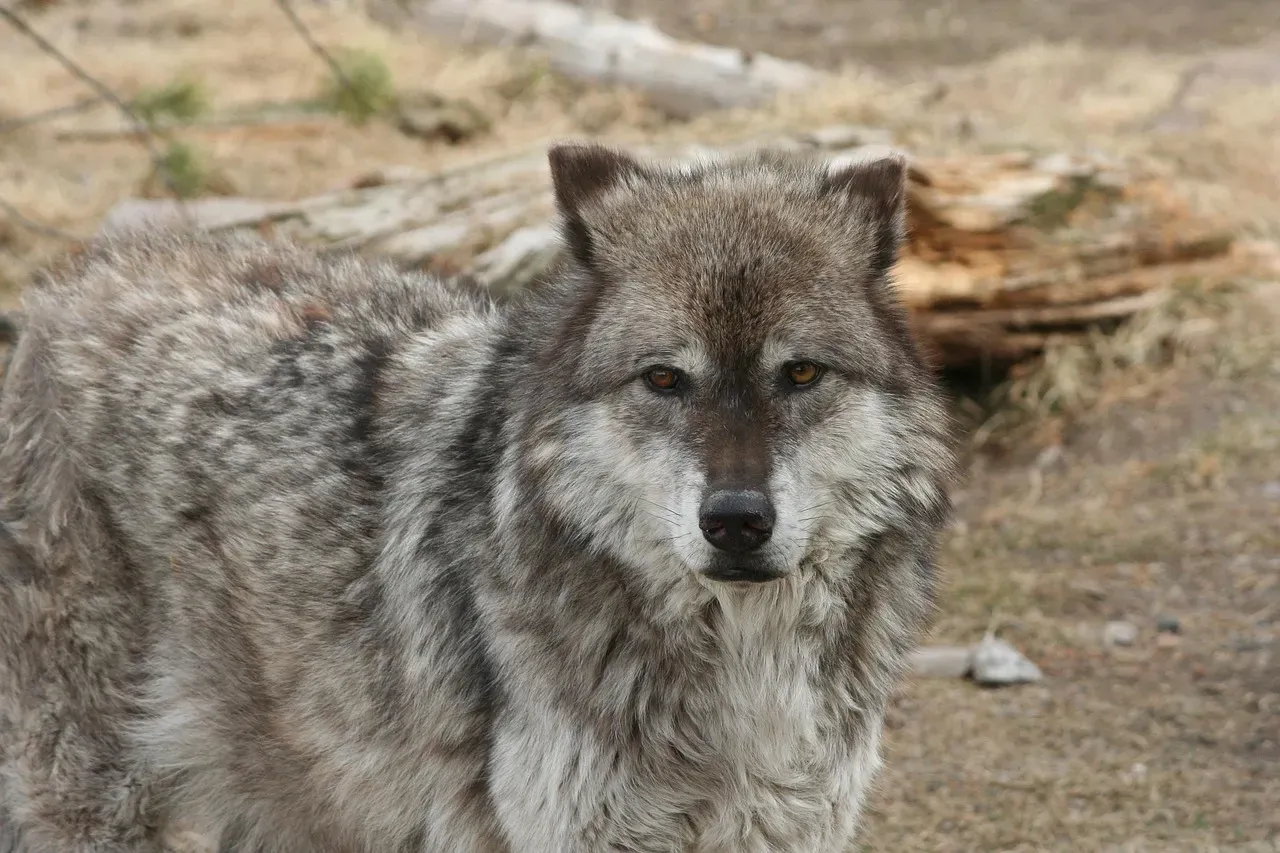
Few conservation stories are as jaw-dropping as the gray wolf’s return to Yellowstone. In the U.S., a large portion of the wolf population was wiped out in a government-approved extermination plan to make way for urbanization and domesticated animal farming. As a top predator and keystone species, sudden population declines triggered Yellowstone National Park’s ecological collapse in the 1920s.
Gray wolves once roamed most of North America before being systematically exterminated from nearly all of the lower 48 states by the early 20th century. Their recovery began with protection under the Endangered Species Act in 1974 and accelerated after their successful reintroduction to Yellowstone National Park and central Idaho in 1995 and 1996. From a low of just a few hundred wolves in Minnesota and Michigan, populations have expanded to over 6,000 individuals across several western and Great Lakes states.
Here is the thing that makes this story truly extraordinary. The wolves didn’t just come back. They literally changed the course of rivers. With as many as 100 gray wolves in Yellowstone National Park, their reintroduction has had an effect that even surprised scientists. Wolves have contributed to bringing elk numbers down from 17,000 in 1995 to just 4,000 today. Since only the healthiest of elk survived, the population is much more robust. All of these elk kills mean more carcasses for scavengers like coyotes, eagles, and ravens.
Thirty years later, the return of wolves to Yellowstone and Central Idaho is regarded as one of the most successful conservation stories in the world, with more than 3,000 wolves now inhabiting the West. This is what scientists call a trophic cascade, and it is nothing short of breathtaking.
3. The American Bison: From a Few Hundred to Half a Million
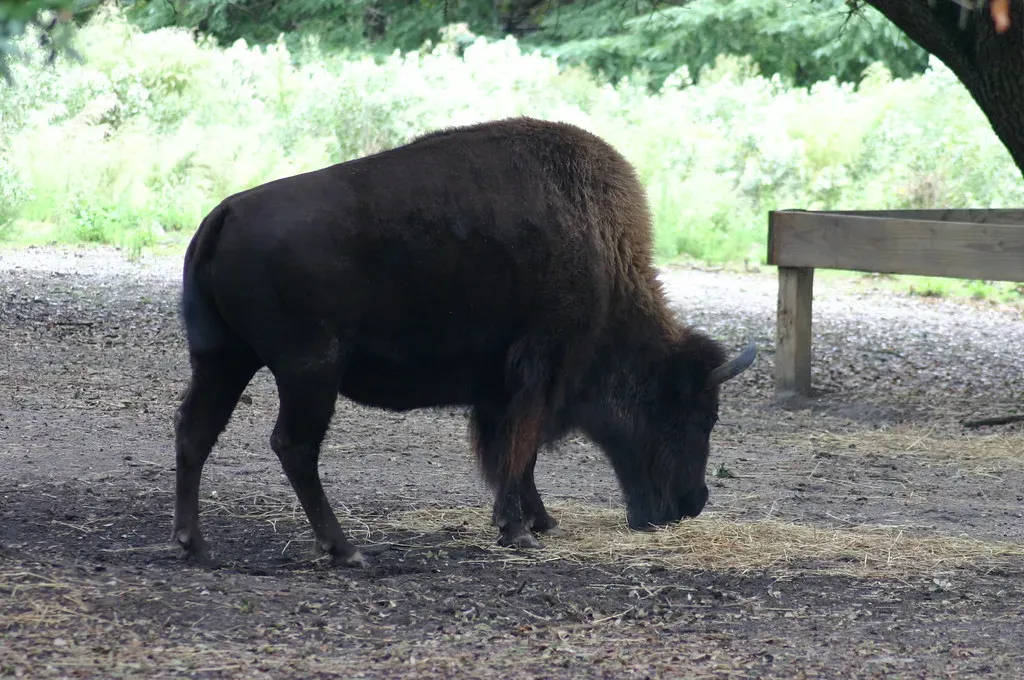
Think about this for a moment. There were once an estimated 30 to 60 million bison thundering across the American plains. By the late 1800s, hunting and habitat destruction had reduced them to a desperate handful. Once numbering in the millions, American bison were nearly wiped out, with only a few hundred remaining by the late 1800s. It was one of the most catastrophic wildlife slaughters in human history.
The road to recovery began with the efforts of a few dedicated conservationists who established private herds, including the American Bison Society founded at the Bronx Zoo in 1905. Yellowstone National Park played a crucial role by protecting one of the last wild herds.
Today, bison numbers have rebounded to approximately 500,000 across North America, with about 30,000 maintained in conservation herds. In 2016, the American bison was named the national mammal of the United States, symbolizing not just America’s natural heritage but also the possibility of bringing species back from the brink. Think of that. From a few hundred animals to half a million. It’s a story about what stubborn human determination can accomplish.
4. The American Alligator: So Successful It Became the Template
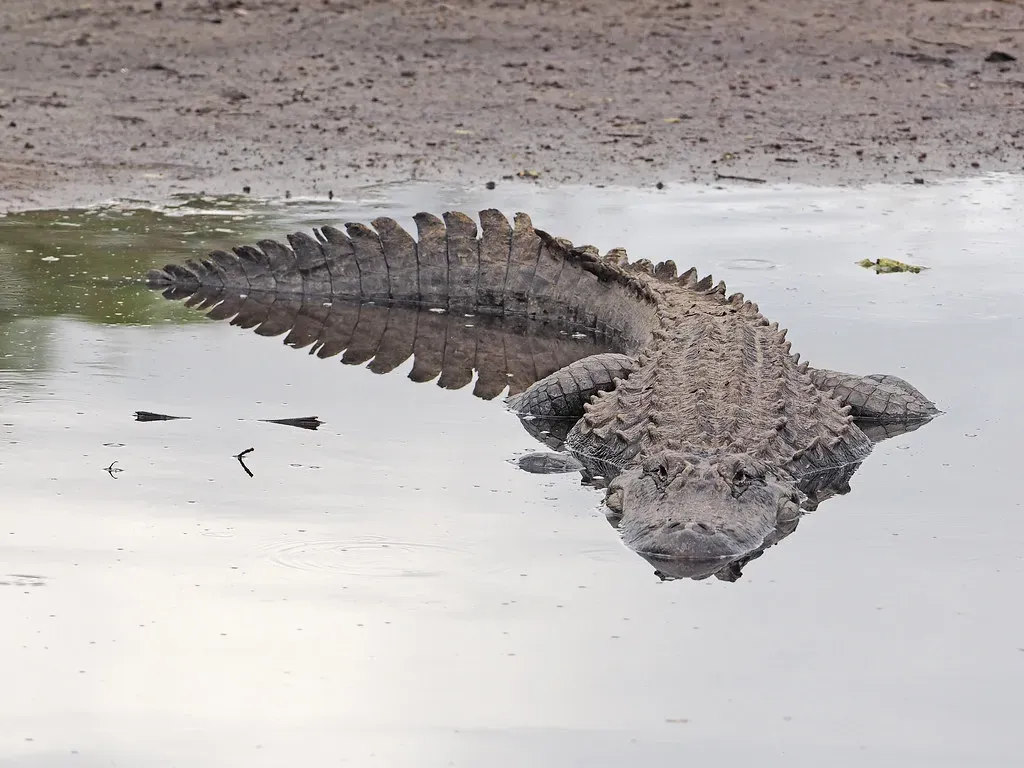
Let’s be real. Not many people feel sorry for alligators. They’re ancient, armored, and frankly terrifying. Yet these prehistoric reptiles were being slaughtered in massive numbers, and the loss was about to cascade through entire ecosystems. These ancient reptiles were hunted extensively for their valuable hides, pushing them to the edge of extinction by the 1950s. Protected under the precursor to the Endangered Species Act in 1967, alligators experienced a remarkably swift comeback. By 1987, they were declared fully recovered and removed from the endangered species list. Today, over 5 million alligators inhabit their range across the southeastern United States, with particularly robust populations in Florida and Louisiana.
American alligators are a keystone species in the Everglades. A keystone species is defined as an animal that plays such a vital role in the ecosystem that, if removed, it would entirely change the ecosystem. Remove the gator, and the whole food web starts to unravel.
The success was so complete that carefully regulated hunting and farming of alligators is now permitted, providing economic incentives for habitat conservation. It sounds counterintuitive, but making alligators economically valuable to local communities was a key part of keeping them safe. Smart conservation, not just sentimental conservation.
5. The Humpback Whale: Songs Returning to Silent Seas
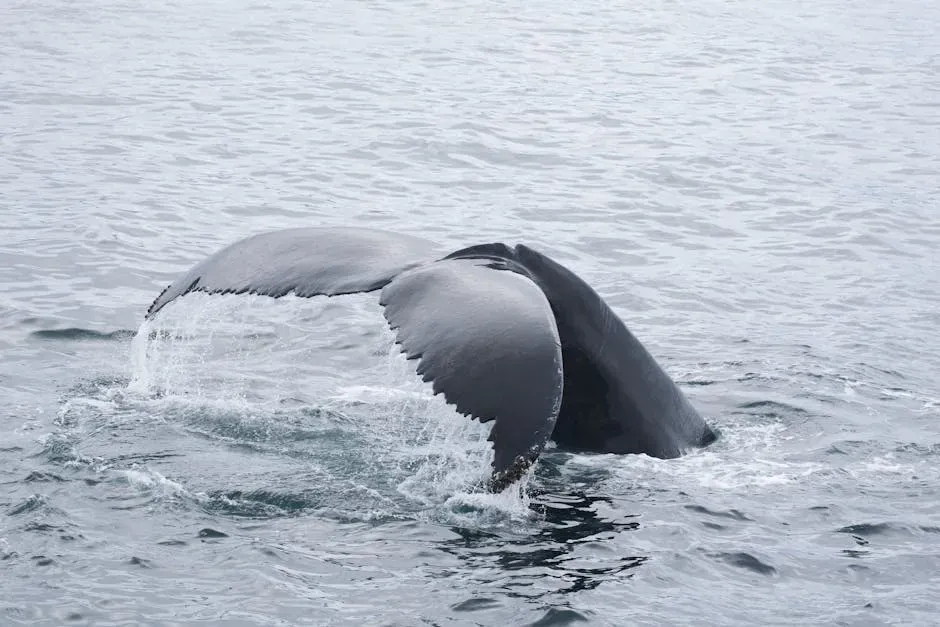
In the 17th century, humpback whales were hunted primarily for their oil, which was used as lamp fuel. By the time whaling was officially banned, humpback populations had been reduced by 95%. Ninety-five percent. That is almost unimaginable when you think about it.
The comeback was slow, but began in 1946 with the establishment of the International Whaling Commission to oversee whaling practices. Hunting humpbacks was officially banned in 1963, and in 1986, a worldwide commercial whaling moratorium gave populations another foothold on the path to recovery.
Today, global populations have rebounded to approximately 80,000 whales, with about 21,000 in the North Pacific alone. This recovery allowed NOAA to remove most humpback populations from the endangered species list in 2016, though some distinct populations remain threatened or endangered.
Along U.S. coasts, humpback sightings have become increasingly common, with spectacular feeding aggregations seen off California, Alaska, and Massachusetts. Their recovery not only represents a conservation success but also supports thriving whale-watching industries that generate hundreds of millions of dollars annually while raising public awareness about marine conservation.
6. The California Condor: The Most Daring Rescue in Wildlife History
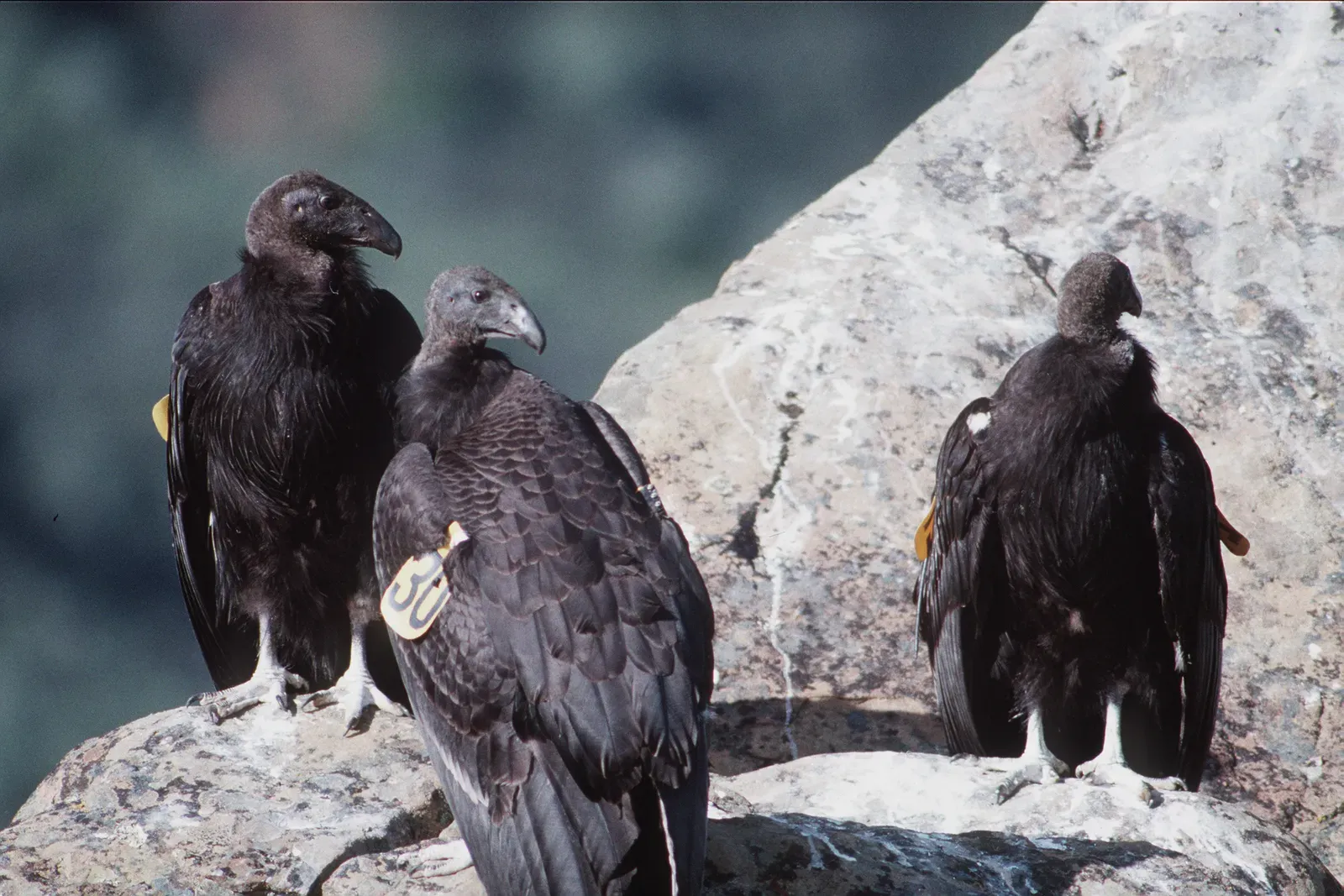
I think this might be the most dramatic conservation gamble ever attempted. The California condor, once on the brink of extinction with a wild population dwindling to just 14 birds in 1987, has shown signs of recovery. Fourteen birds. The entire future of the species was balanced on fourteen living animals.
Wildlife officials made a bold, deeply controversial decision. They captured every single wild condor and placed them in captive breeding programs. The last 27 California condors were placed into a managed breeding program at the San Diego Wild Animal Park and the Los Angeles Zoo. The last free-flying condor was taken from the wild in April 1987. By 1992, successful breeding at these two facilities doubled the number of condors in the world.
California condors were reintroduced to the wild beginning in 1992. In 1996, six captive-reared condors were released into the Grand Canyon at Vermillion Cliffs, a habitat the species had not flown in for more than 75 years. Watching a condor with a nine-foot wingspan ride thermals over the Grand Canyon today is, without question, one of the most stirring wildlife experiences in the entire country.
7. The Black-Footed Ferret: Declared Extinct Twice, Still Here
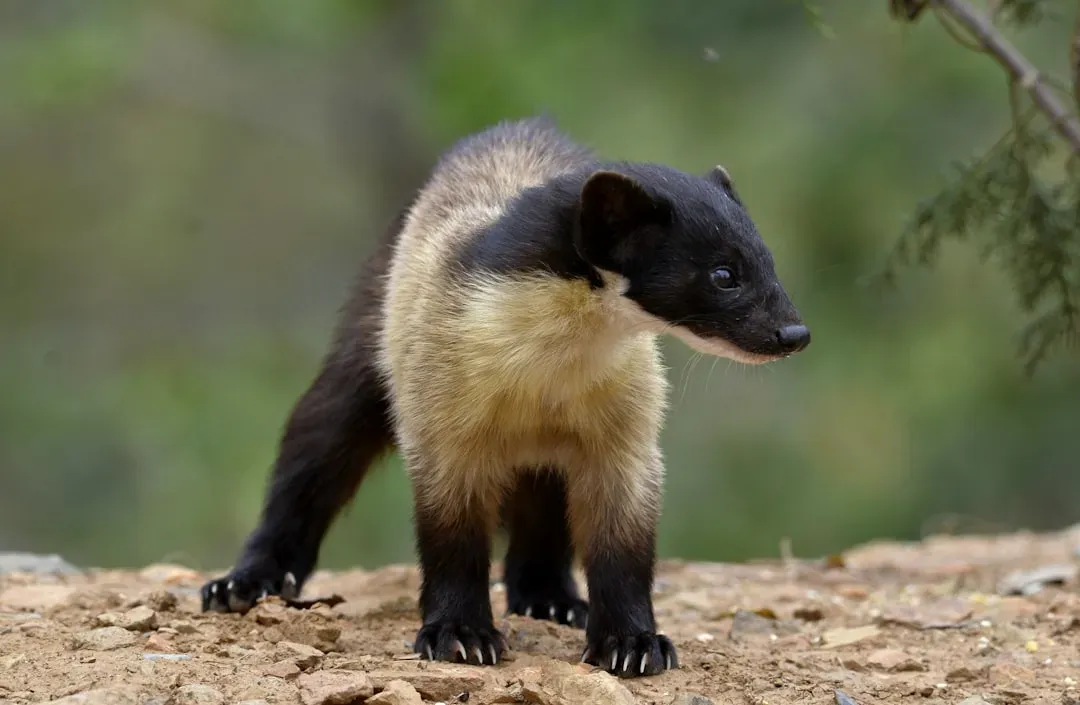
This one is almost too wild to believe. The black-footed ferret’s recovery is among the most remarkable in conservation history, as the species was actually declared extinct twice before making its comeback. These slender predators, specialized to hunt prairie dogs, were decimated by widespread prairie dog eradication programs and sylvatic plague. By 1979, they were believed extinct until a small colony was discovered in Wyoming in 1981.
In an extraordinary twist, a small population was discovered in Meeteetse, Wyoming in 1981, offering a final chance for the species’ survival. When disease threatened this last population, all remaining 18 ferrets were captured for an emergency captive breeding program.
From these final 18 animals, over 8,000 kits have been born in captivity, with regular reintroductions since 1991 establishing wild populations across the Great Plains and Rocky Mountain states. Eighteen animals became 8,000 kits. That number deserves a moment of quiet respect.
Once thought extinct in the wild, the black-footed ferret has made a remarkable comeback. In the early 1990s, only a handful remained, but thanks to concerted conservation efforts, they now thrive across eight U.S. states and Canada. The ferret’s story is proof that the margin between extinction and survival can be razor-thin, and still survivable.
8. The Peregrine Falcon: Fastest Animal on Earth, Almost Silent Forever
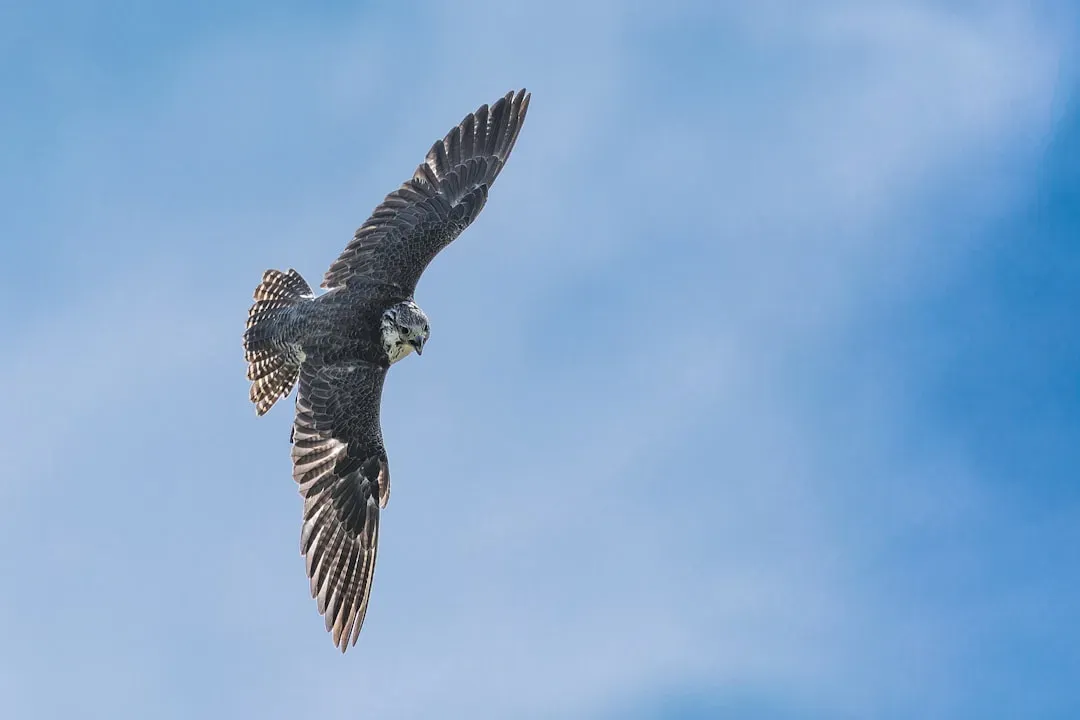
The peregrine falcon is the fastest animal on the planet in a dive, reaching speeds that defy belief. Yet this extraordinary creature was almost wiped out by the same villain that nearly took the bald eagle: DDT. The U.S. population of peregrine falcons dropped from an estimated 3,900 in the mid-1940s to just 324 birds in 1975, and the falcon was considered locally extinct in the eastern United States.
Like the bald eagle, peregrine falcons experienced widespread poisoning from DDT, which led to steep declines in their numbers, particularly in the U.S. With the nationwide ban on DDT in the U.S., populations began to recover. Combined with captive breeding programs, the falcon’s return was swift by conservation standards.
What makes their story genuinely surprising is where many of them ended up nesting. These birds have adapted to urban environments, nesting on skyscrapers and bridges in major cities across the country. The peregrine’s recovery represents one of the fastest endangered species success stories and highlights the resilience of nature when given appropriate protection and assistance. City pigeons, it turns out, make excellent prey. Urban life suits a falcon just fine.
9. The Florida Manatee: The Gentle Giant Fighting Back
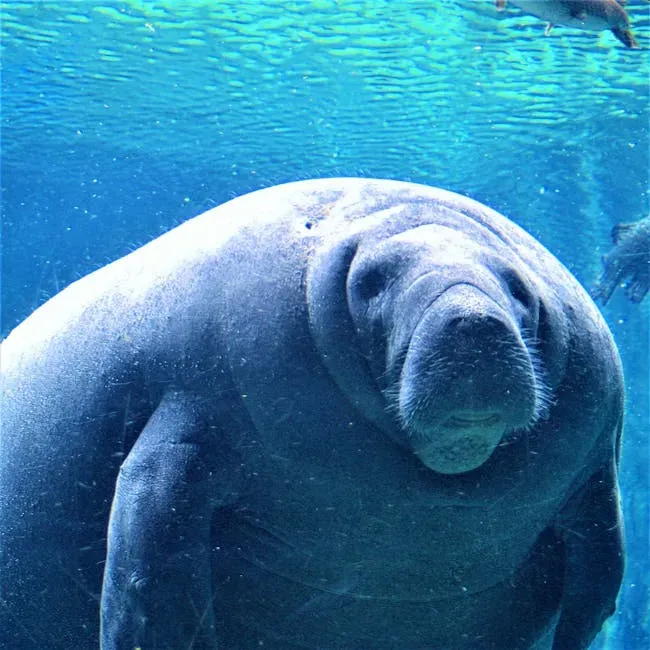
There is something undeniably tender about manatees. The Florida manatee, a beloved marine mammal sometimes called the “sea cow,” suffered severe population declines throughout the 20th century due to boat strikes, habitat loss, and water pollution. By the 1970s, fewer than 1,000 individuals remained in Florida waters. A thousand animals in an entire state. That is almost nothing.
Following protection under the Endangered Species Act in 1973 and intensive conservation efforts, including boat speed zones in manatee habitats, the population has gradually increased. Today, approximately 7,500 Florida manatees inhabit the state’s coastal waters and rivers, leading to their reclassification from “endangered” to the less dire “threatened” status in 2017.
It’s hard to say for sure what the future holds, because manatees still face serious threats. Widespread die-offs linked to starvation have occurred as pollution-fueled algal blooms destroy seagrass beds that manatees depend on for food. In 2021 alone, over 1,000 manatees died in Florida, highlighting the fragility of their recovery and the need for continued habitat protection and water quality improvement. Their progress is real, but the work is far from finished.
10. The Grizzly Bear: Slowly Reclaiming the Wild West
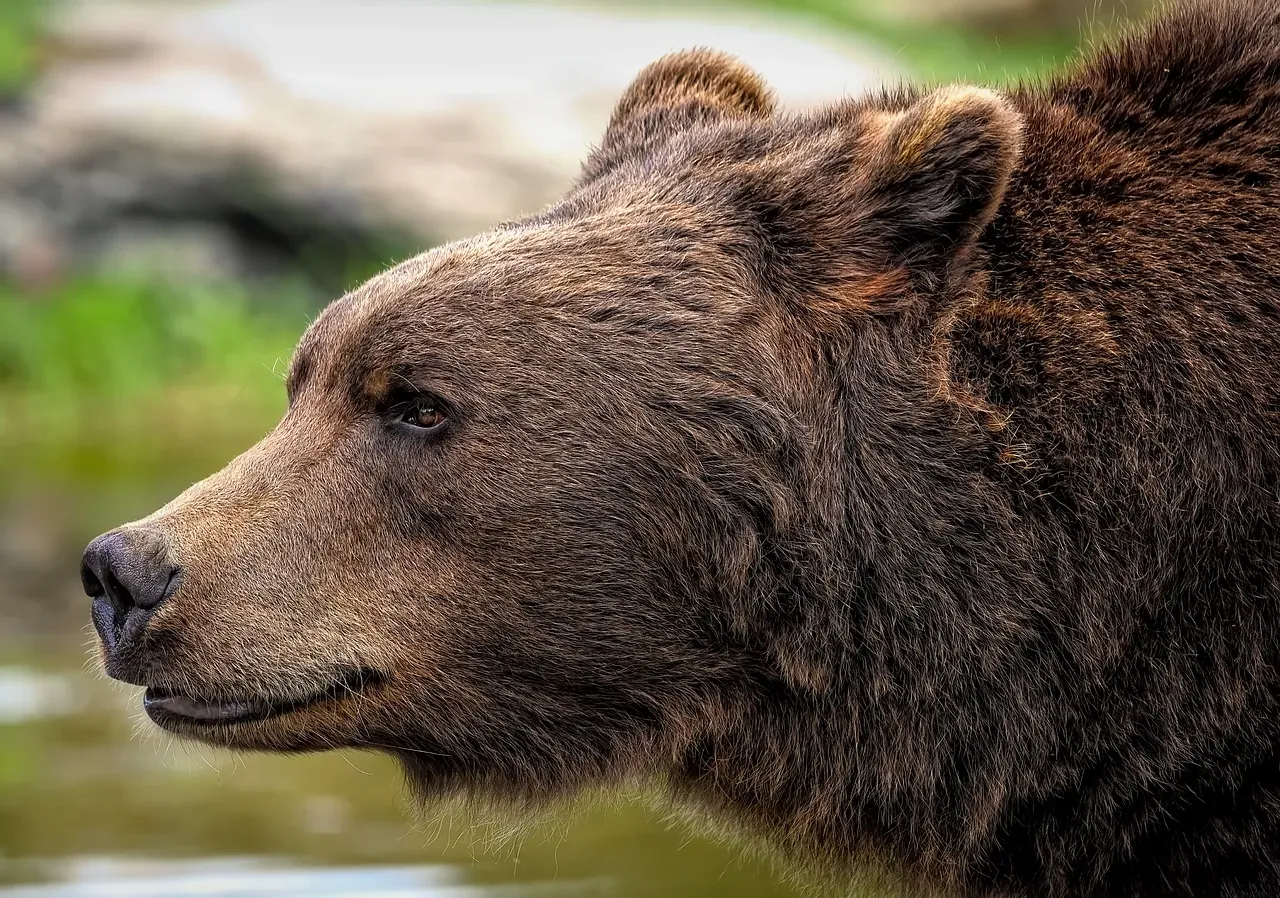
The grizzly bear is one of the most powerful symbols of American wilderness. Yet this apex predator came shockingly close to disappearing from the contiguous United States entirely. Grizzly bears once roamed across much of western North America, with an estimated 50,000 bears inhabiting the western United States before European settlement. By the 1970s, hunting, habitat destruction, and persecution had reduced their numbers to fewer than 1,000 bears in the lower 48 states, confined to less than 2% of their historic range.
Protected under the Endangered Species Act in 1975, grizzlies have slowly reclaimed territory, particularly in the Greater Yellowstone Ecosystem, where populations have increased from about 136 bears in 1975 to approximately 700 today. That growth from 136 to 700 represents roughly five times as many bears. Slow, patient, methodical progress.
A hundred years ago, the grizzly bear, wolf, and bison had already been decimated in Greater Yellowstone and most of the American West. Their relative recovery in Greater Yellowstone to stable or increasing numbers is a splendid example of wildlife conservation’s broad progress in the 20th century. The grizzly’s return is a signal that wild places still exist and that they are still worth protecting ferociously.
11. The Whooping Crane: Teaching Birds to Fly Home Again
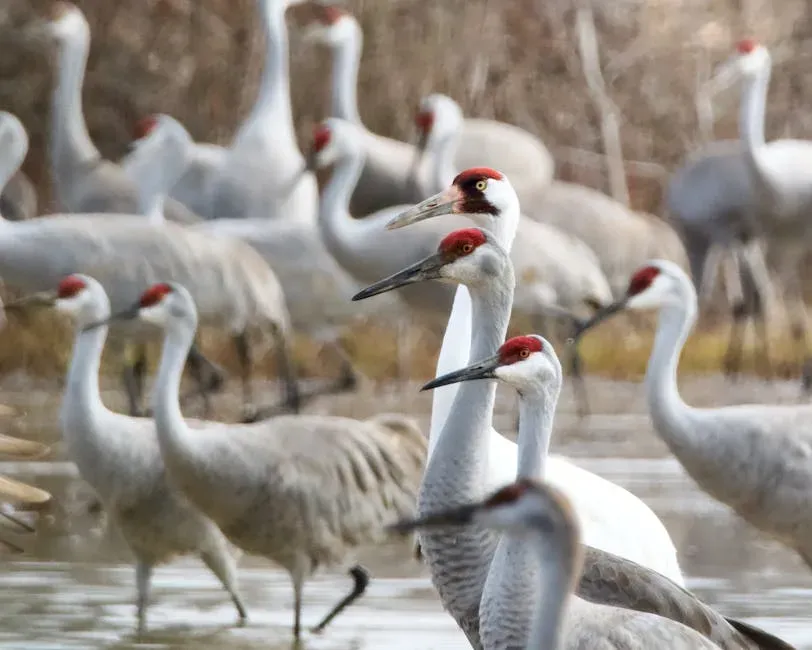
The whooping crane story has one of the most astonishing chapters in all of wildlife conservation. Standing five feet tall with a seven-foot wingspan, these majestic white birds declined to just 15 individuals worldwide by 1941 due to hunting and wetland drainage. Fifteen birds. The entire species, reduced to a number you could invite to a small dinner party.
Today, thanks to extraordinary conservation measures, there are over 800 whooping cranes, including approximately 500 in the wild. Recovery strategies have included captive breeding, creation of multiple wild populations, and the remarkable use of ultralight aircraft to teach captive-raised birds their ancestral migration routes. The Aransas-Wood Buffalo population, which migrates between Texas and Canada, has grown from 15 to about 500 birds.
Conservationists literally had to dress in white crane costumes to raise young birds without imprinting them on humans. Then they flew ultralight aircraft as surrogate “parent cranes” to teach the birds the entire 1,000-mile migration route south. It sounds completely absurd. It absolutely worked. Though still endangered, the whooping crane’s ongoing recovery demonstrates how dedicated conservation can save even the most imperiled species when science, innovation, and persistence are applied.
A Conclusion Worth Celebrating
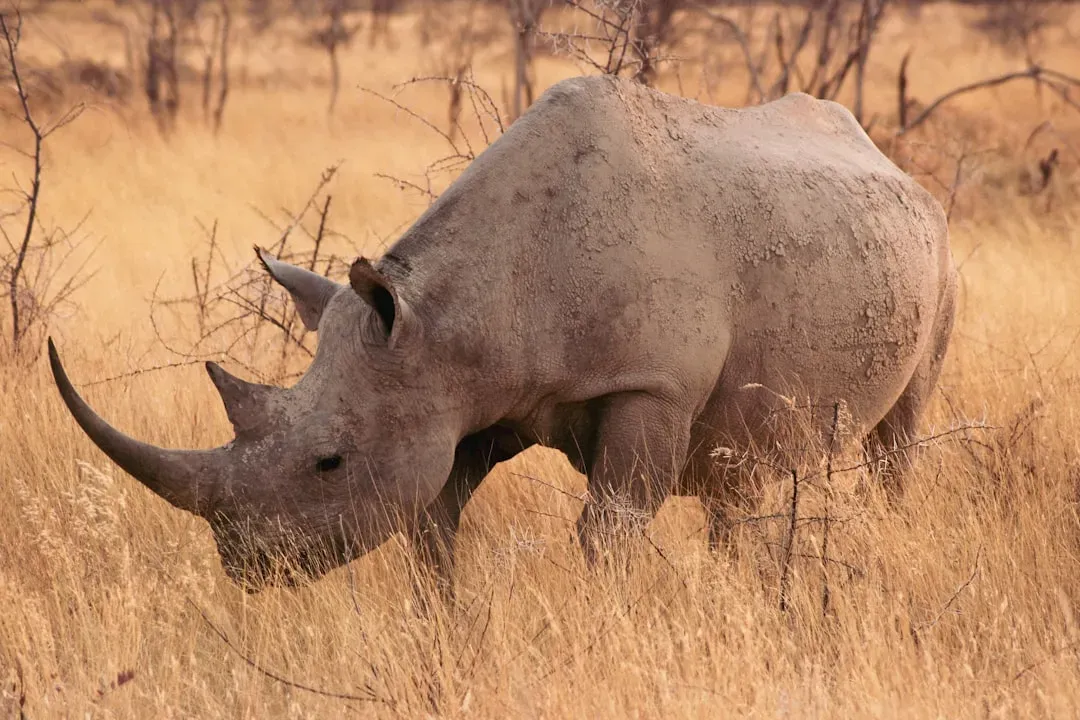
What ties all eleven of these stories together is something deeper than laws and breeding programs. It is the belief, held by enough people at the right moment in history, that these animals deserved to exist. The Endangered Species Act has played an integral role in helping many species recover from being endangered and preventing them from going extinct. The Endangered Species Act celebrated its 50th birthday in 2024 and, in those 50 years, has helped save 99% of listed species from extinction.
These aren’t just wildlife victories. They are proof that ecosystems can heal, that rivers can run cleaner, and that landscapes can regain a wildness that once seemed lost. Experts say we’re in the middle of the sixth mass extinction, with tens of thousands of animal species at risk of being wiped out. But history shows us that when communities put concerted effort behind conservation, species can and do recover.
The bison that nearly vanished. The wolf that changed a river. The crane that learned to migrate behind an airplane. Each one of these stories is a reminder that extinction is not always inevitable, and that sometimes, just sometimes, we get it right. Which of these incredible recoveries surprised you the most? Share your thoughts in the comments below.
