
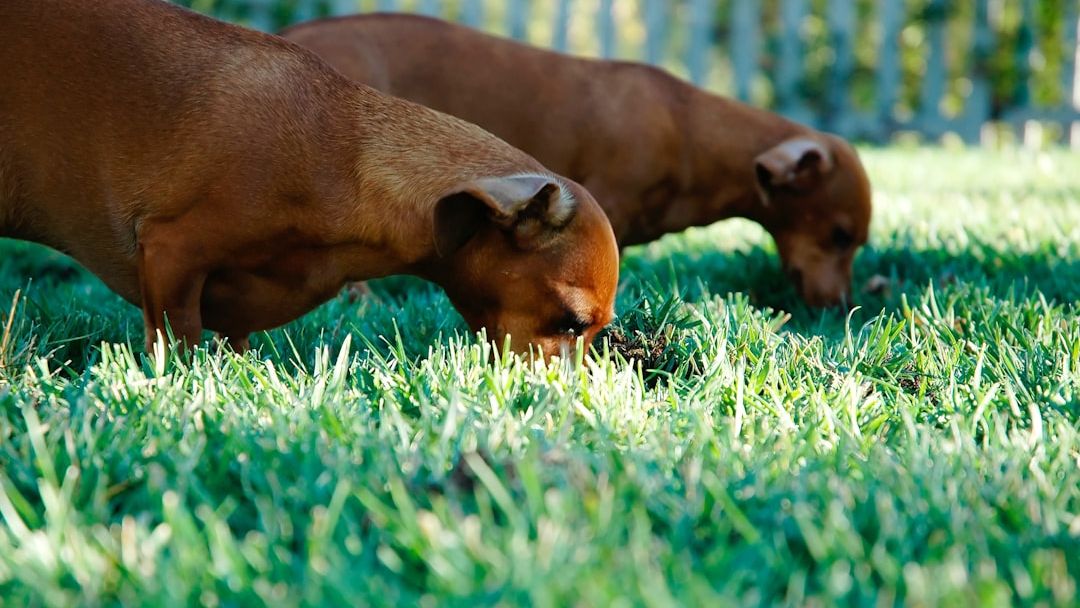
You’ve seen it a hundred times. Your dog trots out into the yard, sniffs around for a second, and then starts chomping away on a patch of grass like the lawn is suddenly the most appealing thing on the planet. It’s one of those moments that makes dog owners stop and wonder what on earth is going on inside that furry head.
There isn’t much hard evidence to explain exactly why dogs do it, and behaviorists and veterinarians have been perplexed by the behavior for decades. What researchers do know, though, is that this habit is far more common than most people realize, and the reasons behind it are layered in instinct, biology, and sometimes pure preference. Understanding what’s actually driving your dog to the lawn might just change the way you see the whole thing entirely.
#1: It’s Deeply Rooted in Wild Instinct

Your dog’s relationship with grass didn’t start in your backyard. It goes back thousands of years to their wild ancestors. Dogs in the wild balanced their diets by eating what they hunted, including meat, bones, internal organs, and stomach contents, and consuming an entire animal provided a fairly balanced diet, especially when the prey’s stomach contained grass and plants that fulfilled the dog’s need for fiber.
The wild cousins of domestic dogs, including wolves, coyotes, and foxes, are scavengers that hunt for prey but also eat plants, and research on wolves has found that grass is a normal part of their summer diet. Stool samples show that between roughly one in ten and nearly half of wolves eat grass, and modern dogs have not lost the instinct to scavenge, meaning some dogs will eat grass as a reflection of their scavenger ancestry even when they love their commercial dog food.
Wild canines consumed plant material along with prey as a natural part of their diet, and even though your dog dines on premium kibble today, those ancestral instincts haven’t disappeared – grass is just one way they express them. It’s a surprisingly ancient behavior wearing a very modern and slightly puzzling costume.
#2: Your Dog Might Be Looking for Fiber
Dogs need roughage in their diets, and grass is a good source of fiber. A lack of fiber affects the dog’s ability to digest food and pass stool, so grass may help their bodily functions run more smoothly. This is one of the more practical explanations behind the behavior, and it holds up under scrutiny.
Grass might serve as a source of fiber, aiding digestion by helping stool move more easily through the intestines, and similar to how humans eat leafy greens for digestive benefits, dogs might instinctively seek out grass to supplement their diet. A dog may eat grass for more fiber if their diet lacks the proper vitamins, minerals, or adequate fiber, and speaking with a vet about putting your dog on a higher-fiber diet can help address this.
If your dog eats grass on a regular basis, it may indicate a nutrient deficiency, and pica has been associated with dietary deficiencies in iron, calcium, zinc, thiamine, niacin, vitamin C, and vitamin D. The grass itself offers very little in the way of nutrition, but as a roughage source, its role in a dog’s gut health is worth taking seriously.
#3: Boredom and Anxiety Play a Bigger Role Than You’d Think

Dogs frequently eat grass out of boredom or anxiety, similar to how people bite their nails, and if your dog isn’t showing any signs of digestive problems but is constantly munching on grass, it’s worth considering psychological reasons for the behavior. The lawn, in this case, is less a salad bar and more a fidget toy.
If your dog spends long periods alone in the yard, grass-eating may become a habitual behavior, and anxious dogs may develop repetitive behaviors that include chewing grass, while increasing exercise and mental stimulation often reduces the pattern. Eating grass can also serve as a coping mechanism that helps stressed or anxious dogs calm down, similar to licking and chewing.
A 2019 study in Japan found that younger dogs and neutered dogs were more likely to eat non-food items, and these groups are often the ones who get bored more easily. If your dog tends to graze most when left alone or when their routine is disrupted, boredom or mild anxiety is very likely the driving force behind it.
#4: The Vomiting Myth – What the Research Actually Says
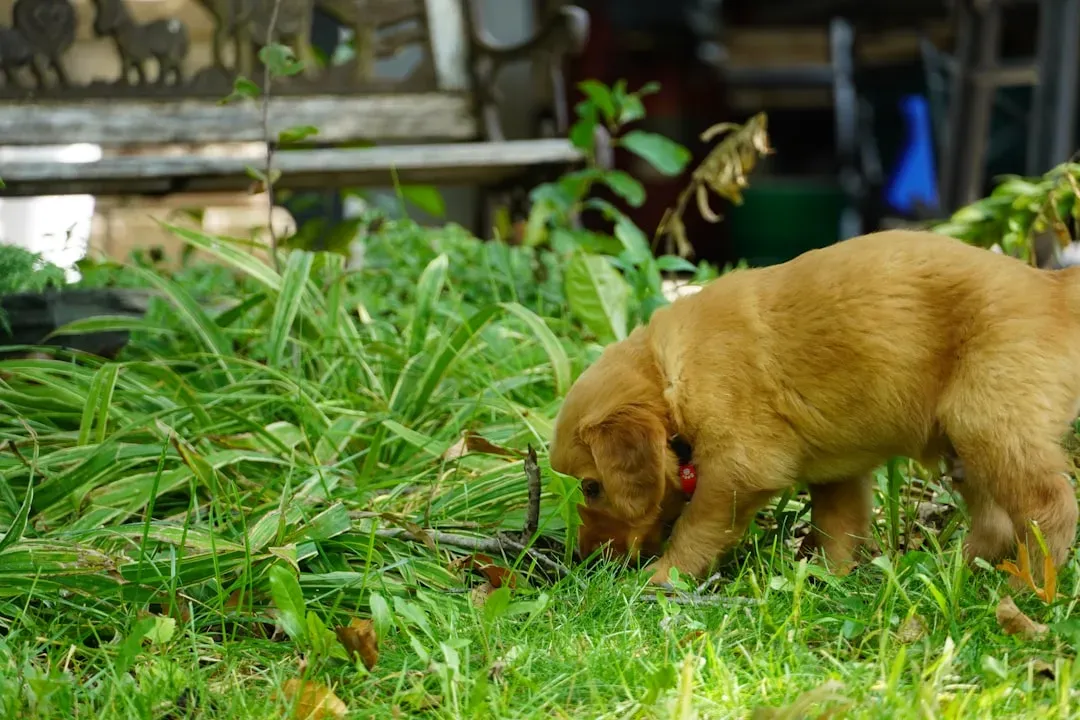
One of the most persistent beliefs about dogs eating grass is that they do it deliberately to make themselves sick. It sounds logical, but the data tells a very different story. The widespread belief that dogs eat grass to induce vomiting isn’t backed up by conclusive evidence, and in a 2008 study examining plant eating in dogs, only one in four dogs vomited after eating grass, while fewer than one in ten showed signs of feeling unwell beforehand, leading researchers to conclude that grass eating is a normal behavior not specifically associated with vomiting.
Many people believe that dogs eat grass to induce vomiting, but research suggests this is not usually intentional. Most dogs that consume grass do not appear ill beforehand and do not vomit afterward, and while occasional vomiting can occur because grass blades may irritate the stomach lining, it is rarely a purposeful self-treatment strategy.
Still, there are dogs that do seem to seek grass when they’re feeling off. Dogs who eat grass to make themselves sick tend to swallow it down quickly, barely bothering to chew, and it is believed that the fibers of the grass can tickle the back of the throat, which causes them to retch and vomit. The difference between casual grazing and urgent, frantic swallowing is an important distinction worth watching for.
#5: When the Lawn Snack Becomes a Red Flag
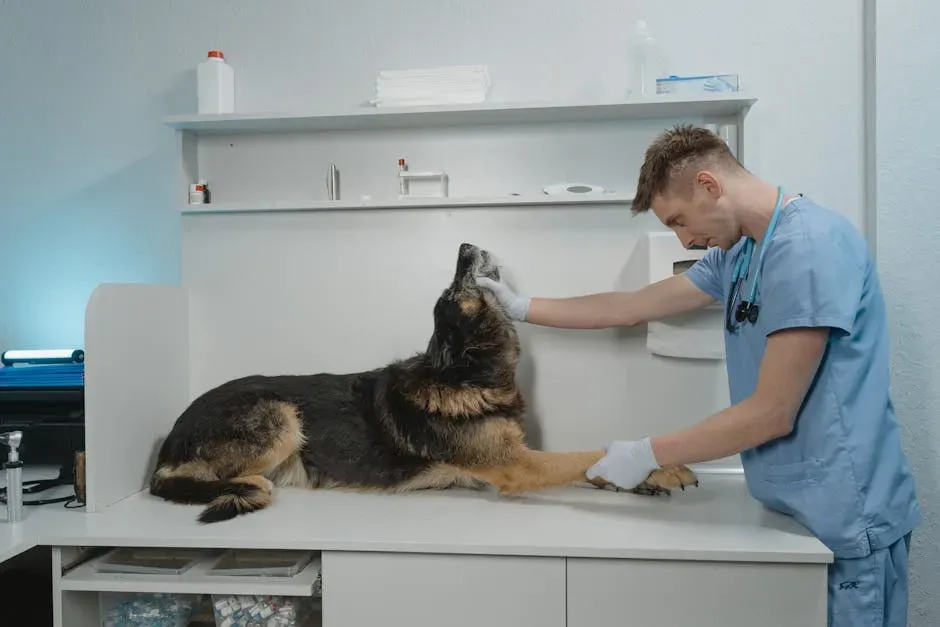
Occasional grass eating is typically normal and harmless, but if your dog frequently grazes or shows signs of distress afterward, it’s a good idea to consult a veterinarian. The question isn’t really whether your dog eats grass – it’s how, how often, and what else is going on alongside it.
Frequent grass eating, combined with vomiting, diarrhea, or changes in appetite, may indicate digestive issues, parasites, or nutritional deficiencies. If your dog shows signs of stomach discomfort while eating grass, they may have a medical problem such as gastric reflux, inflammatory bowel disease, or pancreatitis, and a vet visit is needed to rule out serious conditions and receive appropriate treatment.
Eating grass is not inherently toxic to dogs, but it can become dangerous depending on what’s on or in the grass. Lawns treated with pesticides, herbicides, or chemical fertilizers can pose a serious poisoning risk, and grass contaminated with parasite eggs such as roundworms or hookworms from the feces of other animals can expose your dog to intestinal parasites. Frantic or obsessive grass eating alongside retching, bloating, or drooling needs same-day veterinary care. Those are the moments where the casual lawn snack has crossed into something that genuinely warrants attention.
The Bottom Line
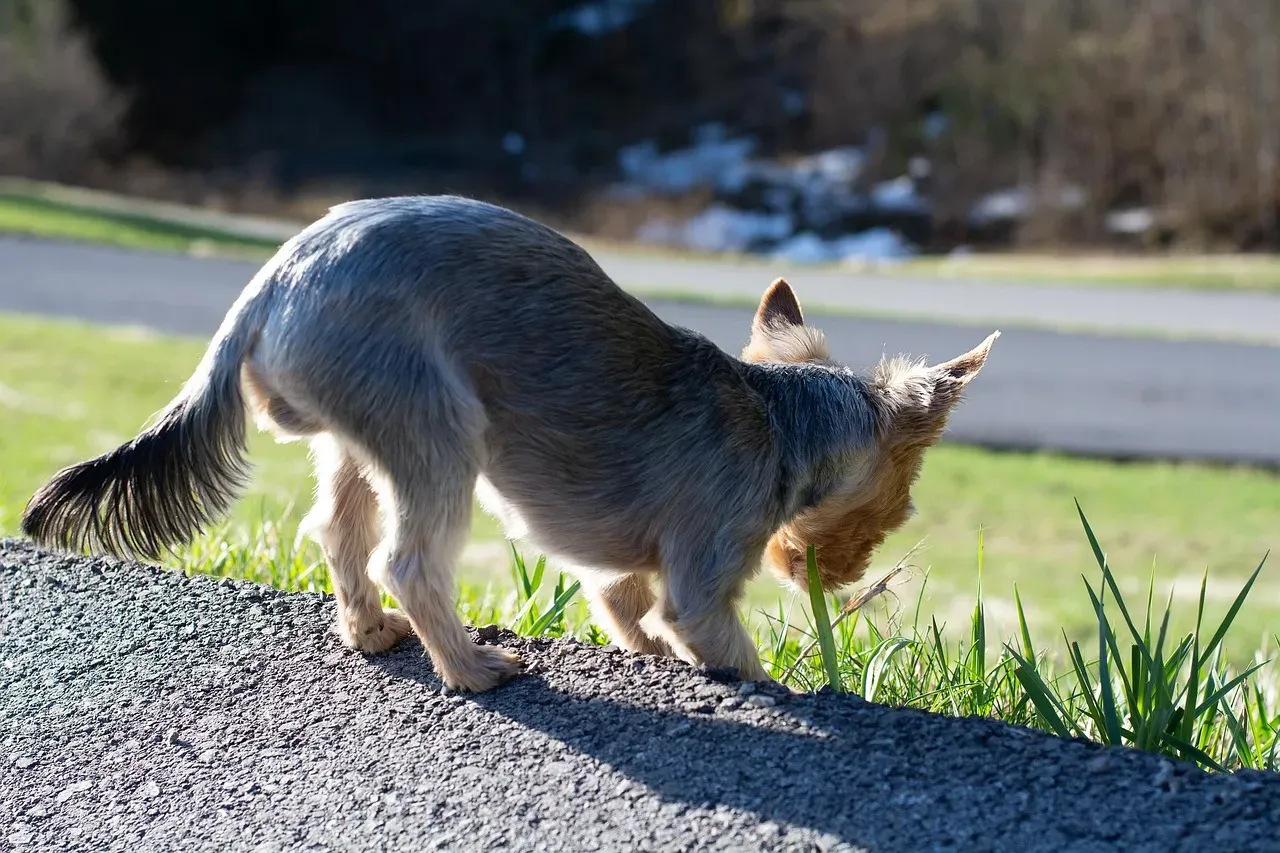
Many dogs eat grass, and in most cases, it’s normal behavior – not a sign that something is wrong. The behavior is ancient, layered, and rooted in instincts that predate the dog bowl by thousands of years. Most of the time, a grass-munching dog is simply being a dog.
Most grass eating is completely harmless, and the best approach is knowing your dog’s habits well enough to spot when something shifts. Pay attention to how quickly they eat it, whether they seem unwell before or after, and whether the lawn has been treated with any chemicals. Those three details alone will tell you most of what you need to know.
The real takeaway here isn’t that grass-eating is dangerous or meaningless. It’s that your dog has a complex inner world shaped by millions of years of evolution, and sometimes that world just looks like a dog eating your lawn on a Tuesday afternoon. Know the difference between normal and concerning, keep the grass chemical-free, and trust that a little grazing is very rarely the crisis it looks like.
