
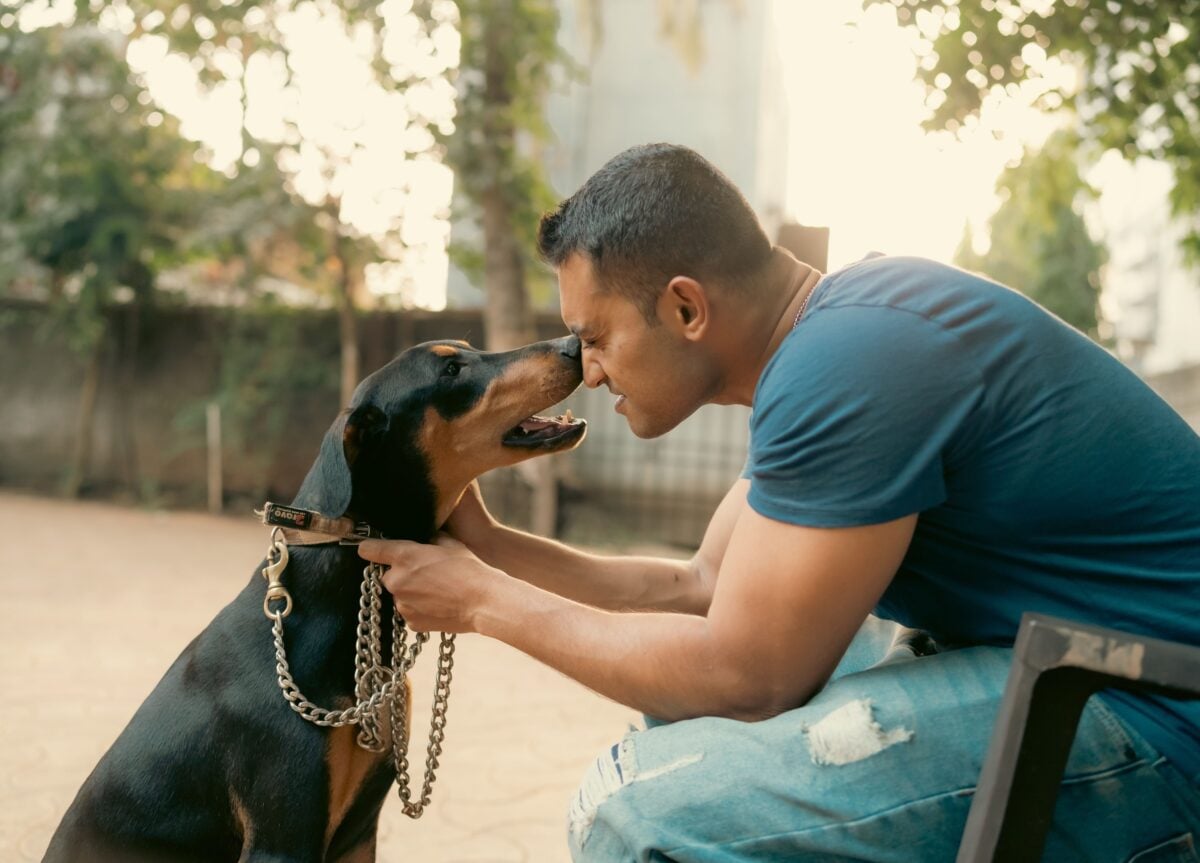
Picture a rescue dog walking into a living room full of cheerful, chatty people. Everyone coos and reaches. The dog slips past all of them and settles near the one person who hasn’t said a word. If your rescue has done something like this, you’re not imagining it, and it isn’t random.
Most people assume a rescue bonds fastest with the warmest, most talkative person in the room. Many dogs seem to choose someone else: the person who doesn’t crowd them or demand anything. Researchers haven’t tested “quietest person” directly. But decades of attachment science explain why these eleven routines keep showing up, and the last one is the one every adopter secretly hopes to see.
#11 – The Shadow Walk
🔥 Would you like to save this?
We'll email this post to you, so you can come back to it later!
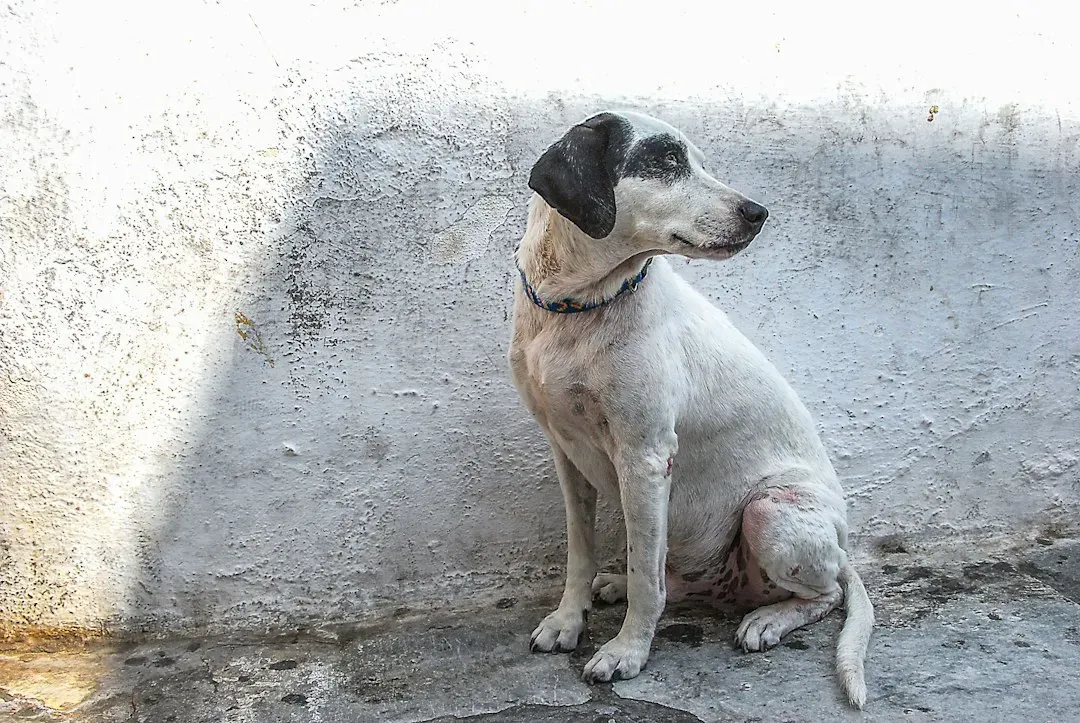
Your rescue dog isn’t being clingy. It’s gathering information.
Watch where the dog goes when the quiet person stands up. Many rescues trail them from sofa to kitchen to hallway, staying a few steps back. This is rarely a plea for attention. It’s a dog keeping its safest reference point in sight.
Researchers say dogs meet the criteria for attachment bonds. They seek proximity to their caregiver in novel situations, show distress when separated, and approach the caregiver when stressed. Shadowing is proximity seeking in action, and in a brand-new home, almost everything is novel.
Fast Facts
- Proximity seeking: the dog stays close to its person, especially somewhere new.
- Separation distress: the dog reacts when that person leaves.
- Safe haven: the dog moves toward its person when something feels threatening.
- Secure base: the dog explores more freely with that person nearby.
Here’s the part nobody mentions. In shelter conditions, the strong demand for social contact may form attachment surprisingly fast, even in adult dogs. A dog doesn’t need years to pick its person.
To be clear, no study has crowned the quiet person as the dog’s top choice. But a low-pressure human is easy to track and easy to read. That makes sense for an animal that has had to read rooms to stay safe.
But the next routine happens the moment the front door closes…
#10 – The Doorway Wait
🔥 Would you like to save this?
We'll email this post to you, so you can come back to it later!
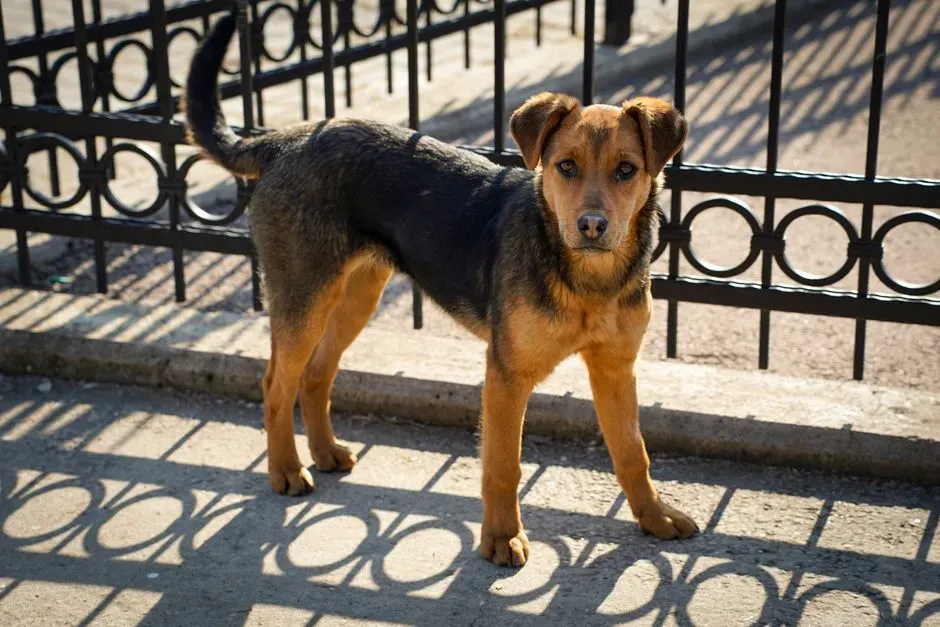
The loudest part of this dog’s day is the silence after you leave.
Many rescues park themselves near the exit when their person goes out. Some sit upright and stare at the door. Others lie flat with a chin on the floor. Either way, the dog is tracking the one person who has become a fixed point in a very unpredictable world.
That’s separation distress, one of the classic markers of an attachment bond. Researchers who adapted the human infant “strange situation” test for dogs in 1998 showed that dogs display separation distress, the secure base effect, and differentiated greetings toward primary caregivers.
Attachment and anxiety are not the same thing. One source on dog bonding warns that heavy attachment can also be separation anxiety. It adds that dogs with a secure attachment can also be left alone comfortably.
So a doorway vigil is not automatically a problem. Watch the intensity:
- Mild watching or a short wait is typical in a new rescue.
- Panting, destruction, or nonstop vocalizing deserves a professional’s input.
Most people assume the vigil means love. The truth is it can mean both love and worry, and the dog’s body language tells you which.
And the moment you walk back in? That’s where it gets interesting…
#9 – The Reunion Reset
🔥 Would you like to save this?
We'll email this post to you, so you can come back to it later!
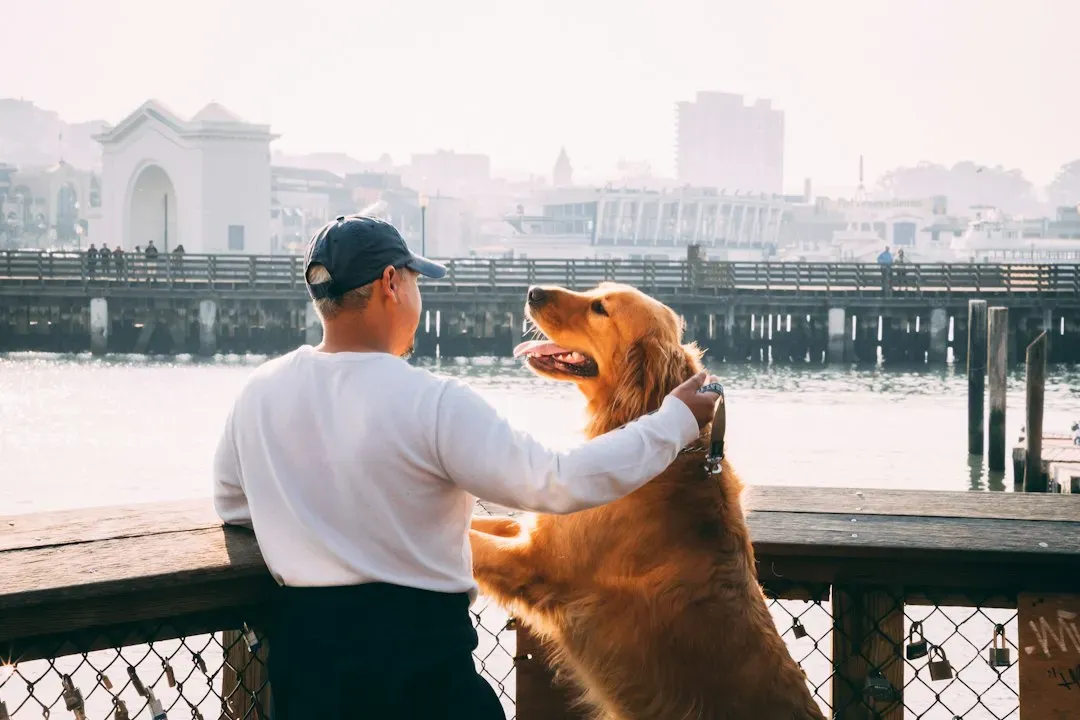
A calm greeting is a better sign than a frantic one.
Picture the scene. The quiet person comes home, and the dog trots over, sniffs, leans briefly, then goes back to its bed. No spinning. No leaping. It looks underwhelming, but it isn’t.
According to one scientific overview, dogs with a secure attachment bond greet their owners calmly after a brief separation and recover from stress quickly in their presence. The restraint is the point. The dog isn’t unmoved. It’s reassured.
Meanwhile, the research on shelter dogs flags the opposite pattern. Insecure attachments in shelter dogs are linked with excessive proximity seeking, which is less effective at reducing stress than secure attachment. The dog that clings hardest may be the least settled.
Quick Compare
- Secure greeting: a short hello, quick recovery, then back to rest.
- Insecure greeting: excessive proximity seeking that doesn’t actually bring stress down.
- The takeaway: a dog that can say hello and then settle is usually the more secure one.
Many people believe a wild welcome means a dog is thriving. Attachment researchers would suggest we may be misreading the signals. A dog that can say hello and then relax is showing real security.
But the most telling routine happens outside the house, on a leash…
#8 – The Look-Back
🔥 Would you like to save this?
We'll email this post to you, so you can come back to it later!
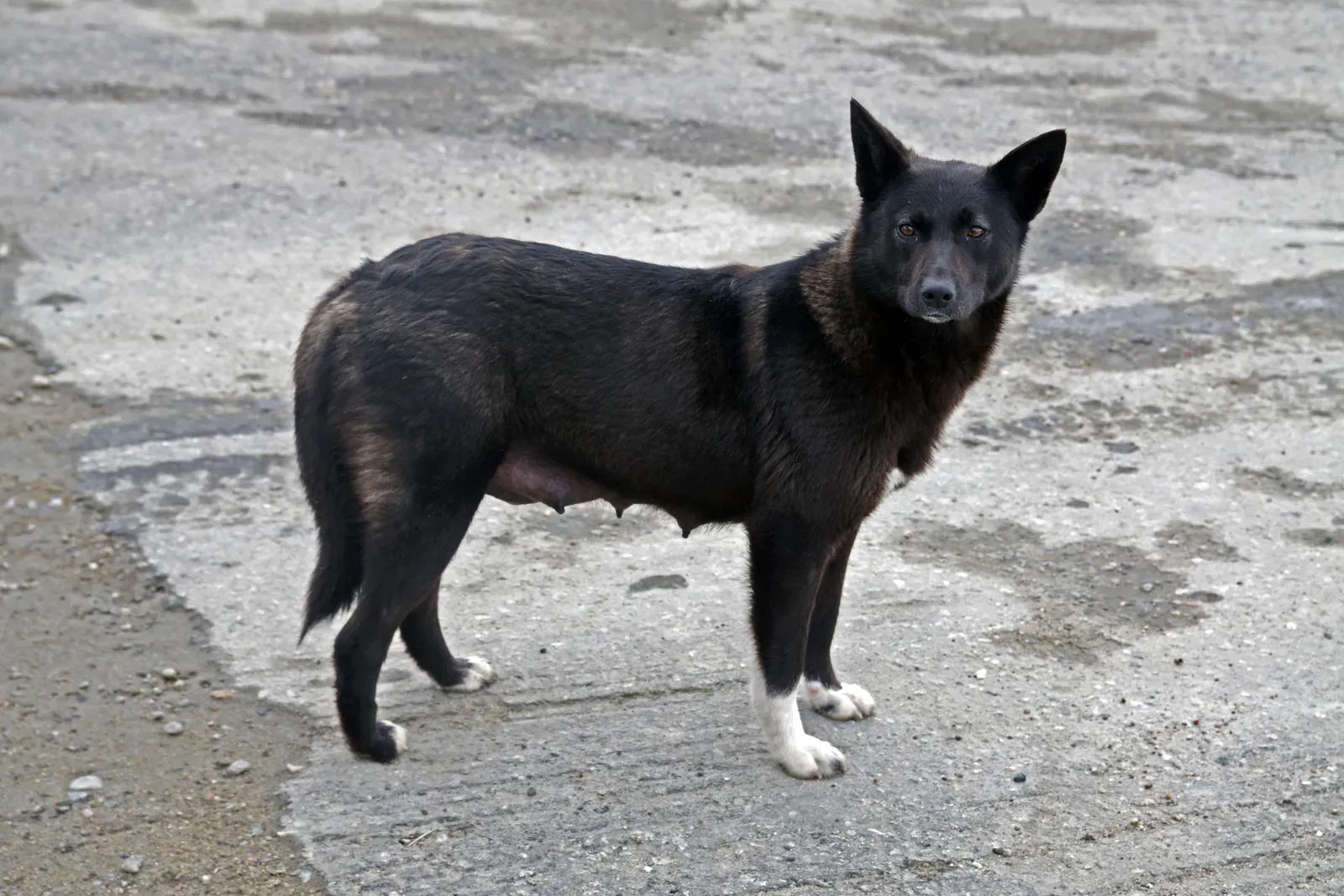
The best sign of trust on a walk is a dog that keeps glancing back at you.
Scared rescues often walk in one of two ways. Some bolt ahead with a tight, braced body. Others freeze and refuse to move. The dog that explores a few steps, then turns to check where its person is, is doing something entirely different.
That’s the secure base effect at work. Secure attachment means seeking comfort from a caregiver when stressed, then going back to play or exploration. The person is a launch pad, not just someone holding the other end of a leash.
The check-in glance is the whole attachment system in one second. The dog explores, checks in, and explores again. It’s quiet and incredibly easy to miss.
A quieter handler may help here. Constant chatter, tugging, and cheerful commands can make an uncertain dog stop and wait for instructions. A calm presence leaves space for the dog to make its own small decisions.
And once you’re inside, the dog makes a very specific choice about where to lie down…
#7 – The Settle-Down Spot
🔥 Would you like to save this?
We'll email this post to you, so you can come back to it later!
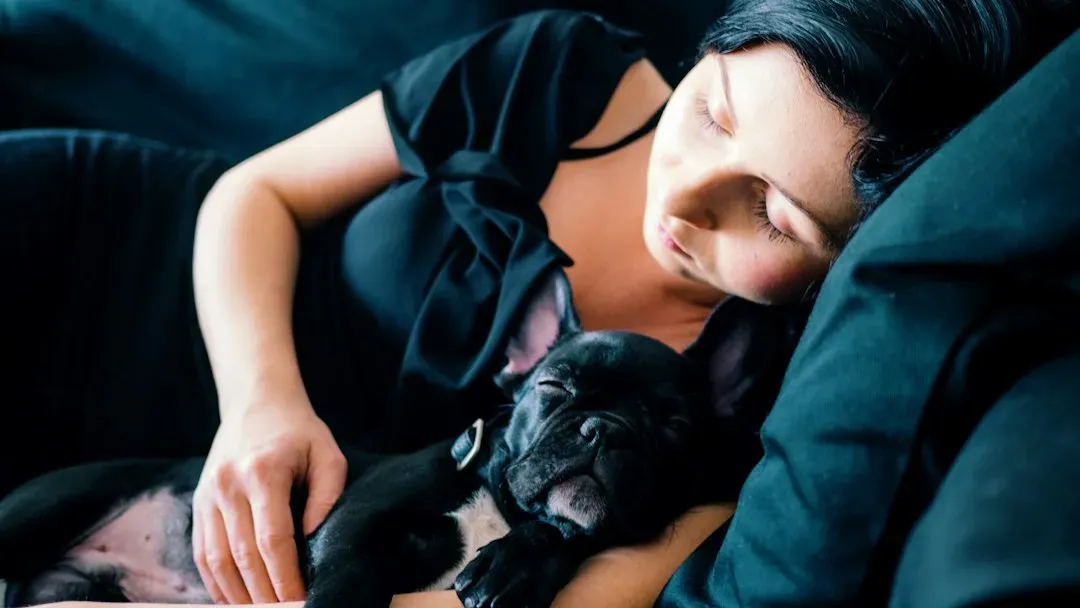
Rescue dogs choose their sleeping spots like strategists.
Notice where the dog ends up in the evening. Often it’s not on the person. It’s near them, in a spot with a clear view of the quiet person and the exits. That distance is deliberate.
Close but not touching is common in newly adopted dogs. It lets them stay in contact with their person without feeling trapped. Many trainers call it “sharing space” rather than “sharing a bed.”
There’s also a stress-relief angle. A review of the dog-human bond notes that human interaction has been shown to reduce plasma cortisol in shelter dogs, suggesting it helps dogs cope with stress almost regardless of relationship quality. Even a casual human presence may lower stress hormones in shelter dogs. That makes a calm person in the room far more than just company.
Look for these signs that the spot is working:
- Slow, heavy sighs as the dog lies down.
- Soft eyes and loose ears.
- Sleeping with the belly or flank exposed.
Here’s what experts say about the next step, and it surprises many adopters…

Halloween Cat Costume Cloak Witch Hat Pet Accessories
Check Price on AmazonAs an Amazon Associate, we earn from qualifying purchases.
10/9/2026 2:44 pm GMTi

Hand Blown Glass Hummingbird Feeders for Outdoors Hanging, 24oz Wild Bird Nectar Feeder
Check Price on AmazonAs an Amazon Associate, we earn from qualifying purchases.
10/7/2026 1:23 pm GMTi

Glass Hummingbird Feeder for Outdoors Hanging
Check Price on AmazonAs an Amazon Associate, we earn from qualifying purchases.
10/7/2026 1:21 pm GMTi

Halloween Dog Collar with Bow, Orange Cute Ghost Collar,
Check Price on AmazonAs an Amazon Associate, we earn from qualifying purchases.
10/9/2026 2:43 pm GMTi

Portable Dog Water Bottle Foldable Dog Travel Water Bottle
Check Price on AmazonAs an Amazon Associate, we earn from qualifying purchases.
10/7/2026 1:29 pm GMTi
#6 – The Slow-Roll Exploration
🔥 Would you like to save this?
We'll email this post to you, so you can come back to it later!
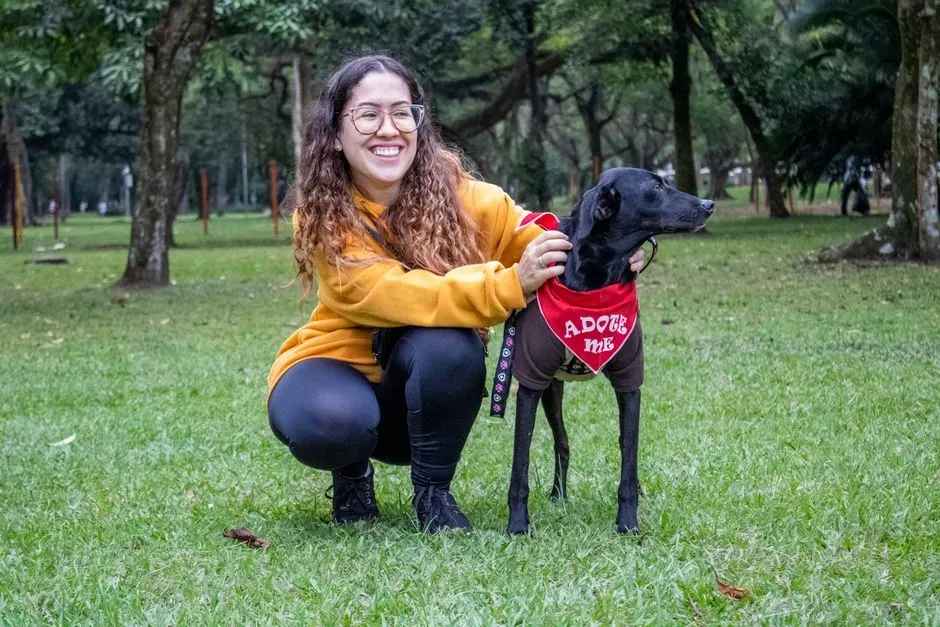
Your dog won’t explore the new house until the quiet person has settled.
Many adopters report the same pattern. The dog sniffs one room, returns to its person, then tries a second. The house expands in small steps, always anchored to one human.
Researchers call this the secure base effect. The presence of an attachment figure lets dogs investigate novel objects more freely. The dog’s curiosity is switched on by a feeling of safety, not by encouragement.
Here’s the detail that matters for quiet people. The secure base effect seems to work whether the owner is encouraging or passive. Your dog doesn’t need a cheerleader. It needs you to be there.
That’s a point in favor of the quiet type. Still, many dog trainers disagree with this idea. They argue that confident, upbeat handlers help dogs progress faster. Both views may be true depending on the dog.
But what happens when someone new walks through the door?
#5 – The Visitor Retreat
🔥 Would you like to save this?
We'll email this post to you, so you can come back to it later!
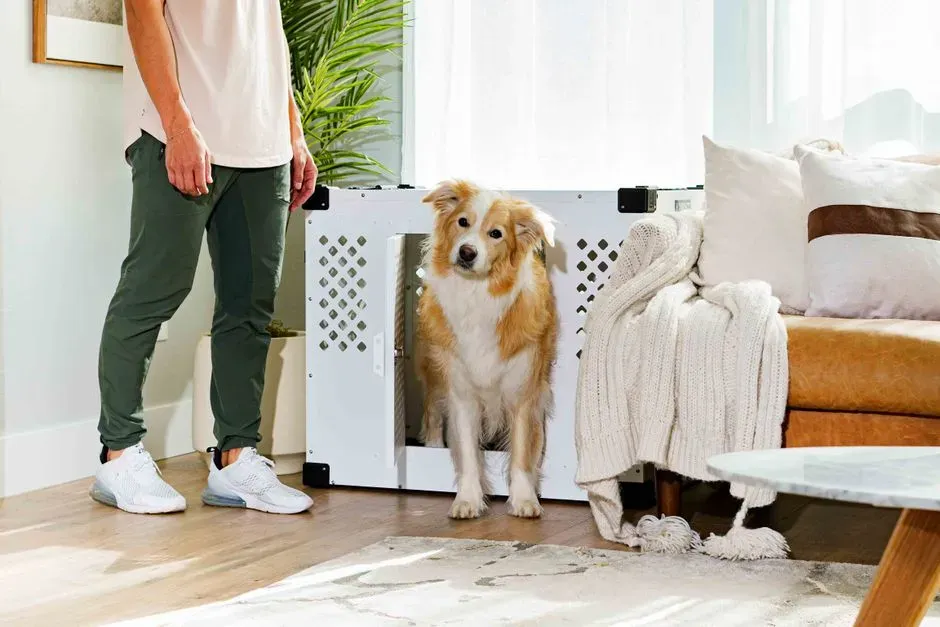
When guests arrive, your rescue heads straight for the quietest person in the room.
The dog doesn’t greet. It slides behind a leg, under a chair, or against a calf. Visitors read this as shyness. It’s actually a sophisticated move.
This is the safe haven effect. Dogs approach their owner in threatening or stressful situations. The quiet person becomes a buffer between the dog and an unpredictable stranger.
For a rescue, the difference between the person it knows and a friendly stranger is big.
Worth Knowing
- One study found that strangers do not provide a secure base effect.
- Former shelter dogs show stronger owner-stranger differentiation than other family dogs.
- Reaching, cooing, and direct eye contact all raise pressure for a nervous dog.
That’s why well-meaning guests can accidentally make things harder. Ask visitors to ignore the dog until it comes over on its own.
And yet, the routine that follows shows how much these dogs value predictability…
#4 – The Schedule Lock-In
🔥 Would you like to save this?
We'll email this post to you, so you can come back to it later!
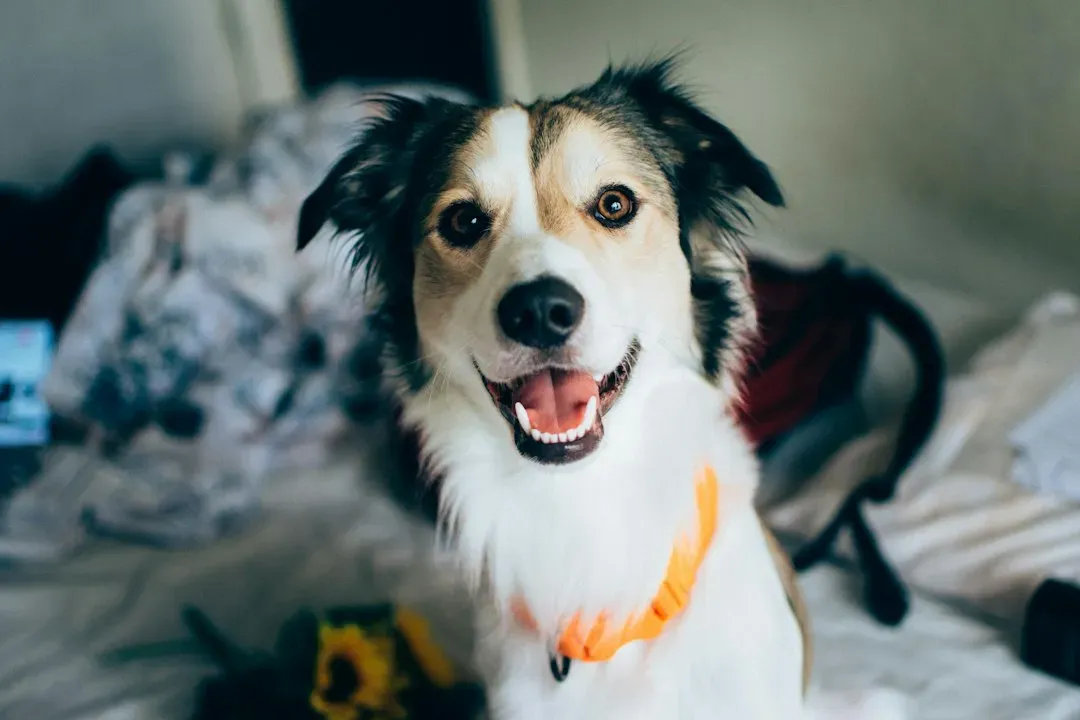
Your rescue dog knows your routine better than you do.
Within weeks, many rescues anticipate the day. They get up when the quiet person gets up and wait by the kitchen at the usual time. They lie down when the lights dim.
For a dog with an uncertain past, this isn’t trivia. It’s safety. A day that repeats in the same order removes the need to guess what happens next, and guessing is exhausting for an anxious animal.
A quiet person tends to supply what the dog needs most: the same cues, in the same order, at the same time. There are no dramatic mood swings or sudden bursts of noise. The dog learns that the pattern holds.
This ties into a wider point from the foster research. Researchers suggest that secure attachment in a foster home could benefit welfare, improve behavior, and speed up secure bonding with the later adopter. Stable routines are one practical way to build it. Consistency doesn’t have to mean rigidity:
- Keep meal, walk, and bedtime within a similar window.
- Use the same words for the same actions.
- Introduce changes one at a time.
But there’s one routine that’s easy to get wrong, and the dog is the one setting the terms…

Dog Stairs for Bed 18" H, 4-Step Dog Steps for High Bed
Check Price on AmazonAs an Amazon Associate, we earn from qualifying purchases.
10/9/2026 2:42 pm GMTi

Earth Rated XL Dog & Puppy Pee Pads, Discreet Top, Max Absorbency
Check Price on AmazonAs an Amazon Associate, we earn from qualifying purchases.
10/7/2026 1:28 pm GMTi

2 Pcs Halloween Pet Hat Bandana Set, Witch Pumpkin Costumes for Dogs
Check Price on AmazonAs an Amazon Associate, we earn from qualifying purchases.
10/9/2026 2:45 pm GMTi

Air Purifiers for Home Pets Large Room Up to 3000 Ft²,HEPA Air Cleaner with Washable Double-Side Filter, PM2.5 Air Quality Monitor,15dB Sleep Mode for Bedroom Odor Dust Pollen,White
Check Price on AmazonAs an Amazon Associate, we earn from qualifying purchases.
10/8/2026 8:23 am GMTi

Smart Bird Feeder with Camera Solar Powered, 2K HD Live Video, 10,000+ Bird Species AI Identification
Check Price on AmazonAs an Amazon Associate, we earn from qualifying purchases.
10/7/2026 1:22 pm GMTi
#3 – The Soft Approach
🔥 Would you like to save this?
We'll email this post to you, so you can come back to it later!
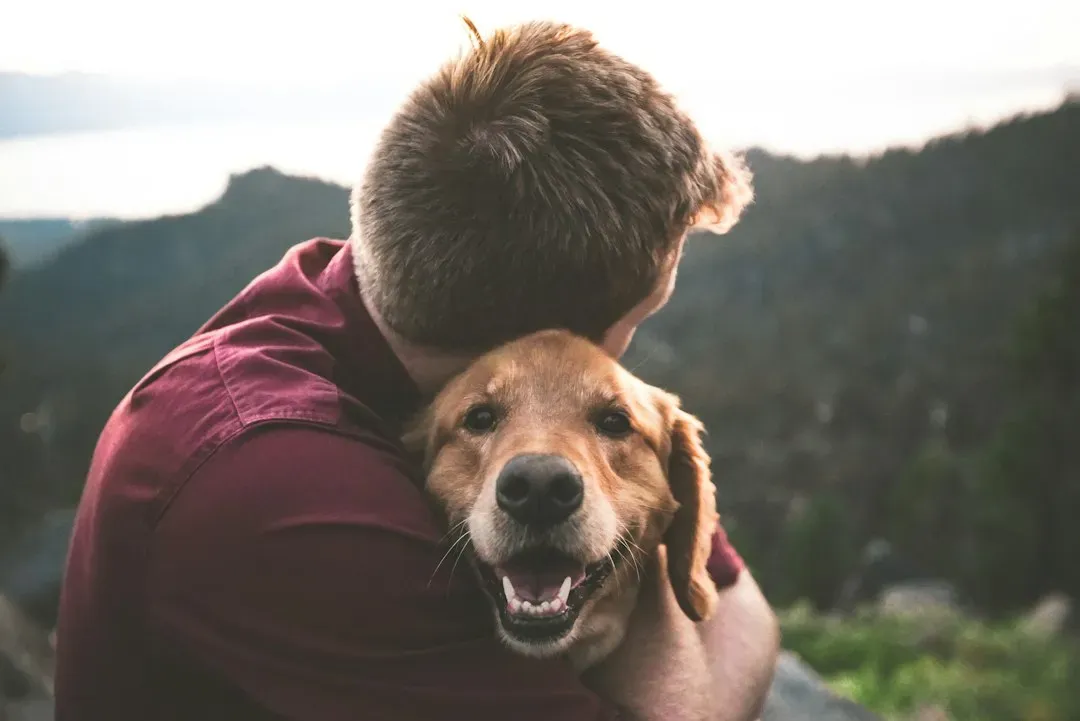
The most meaningful touch your rescue gives you is the one you didn’t ask for.
Watch for it. The dog edges closer, leans a shoulder against your leg, then waits. Or it rests its chin on your foot and looks away. These are tentative moves, made on the dog’s own terms.
Quiet people tend to allow this. They don’t grab, scoop, or hug. They let the dog come to them, and that choice seems to matter.
The truth is that many rescue dogs read a fast, enthusiastic hug as a threat, not as affection. Dogs that have been handled roughly or ignored may need contact to be optional before it feels good.
Here’s an opinion that will annoy some readers. The “just love them hard” approach to rescue is a mistake for many shy dogs. Letting the dog set the pace is slower, but it tends to produce a more settled animal.
And that restraint leads straight to the routine that most surprises first-time adopters…
#2 – The Stranger Filter
🔥 Would you like to save this?
We'll email this post to you, so you can come back to it later!
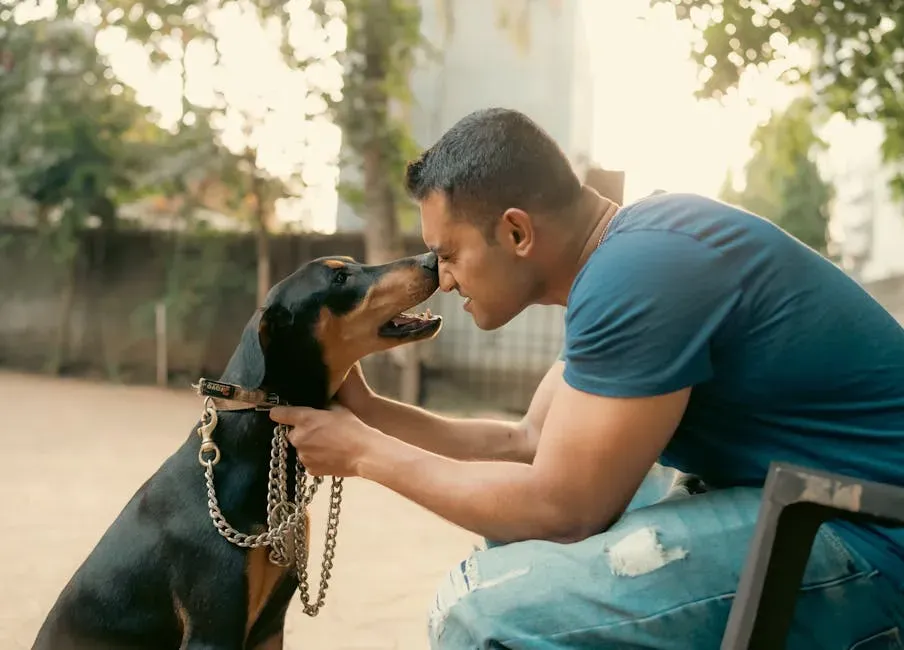
Your rescue can tell the difference between you and everyone else, and it’s not shy about it.
At the park or the vet, many rescues stick to their person and mostly ignore the crowd. Other people may find that cold. It’s actually selective trust.
The research backs this up. A study of problem-solving found that dogs spent more time working on a food toy in the presence of their owners than of an unfamiliar person. The familiar person made persistence possible.
Shelters tell a different story. Shelter dogs showed lower levels of secure attachment than companion dogs, with only 39% showing secure attachment and 61% insecure. Most shelter dogs haven’t had a chance to build a secure bond yet.
That makes the stranger filter a good sign. The dog has found one person who works as a base. For a dog that began with fewer such relationships, picking one is real progress.
But the final routine is the one every adopter hopes for, and it’s easy to miss…

Professional 7 in 1 Dog Paw Cleaner for Dogs & Cats - Includes 1 Portable Paw Washer, 1 Bath Brush
Check Price on AmazonAs an Amazon Associate, we earn from qualifying purchases.
10/7/2026 1:26 pm GMTi

Orthopedic Extra Large Dog Bed, Waterproof Washable XL Pet Bed 44"
Check Price on AmazonAs an Amazon Associate, we earn from qualifying purchases.
10/7/2026 1:32 pm GMTi

Glass Hummingbird Feeder for Outdoors Hanging, 16 oz Leak-Proof Nectar Feeder with Bee Guards & Ant Moat
Check Price on AmazonAs an Amazon Associate, we earn from qualifying purchases.
10/7/2026 1:22 pm GMTi

PetSafe Oasys Pet Fountain, 1/2 Gallon (64 oz), Small Dogs & Cats
Check Price on AmazonAs an Amazon Associate, we earn from qualifying purchases.
10/8/2026 8:14 am GMTi
#1 – The Day the Dog Stops Checking
🔥 Would you like to save this?
We'll email this post to you, so you can come back to it later!
The best routine is the one that quietly disappears.
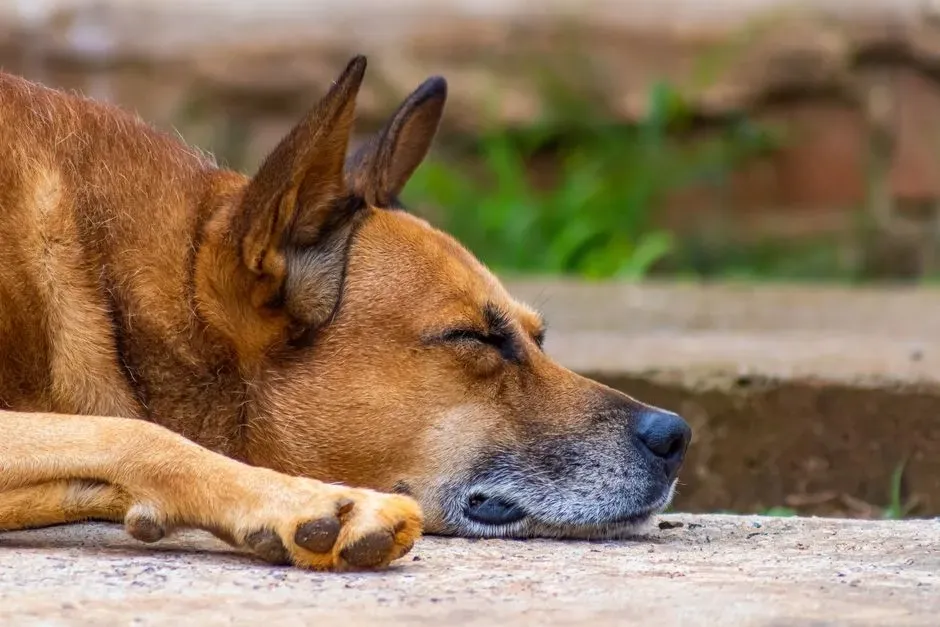
One evening, the quiet person leaves the room, and the dog stays put. It doesn’t follow or glance up. It just keeps sleeping.
That’s the payoff of everything above. The shadowing, the doorway vigils, the look-backs, and the slow approach all lead here. The dog has learned that the person will come back. The goal of every attachment routine is to make itself unnecessary.
The science gives a reason this matters. Dogs with secure attachments appeared to have some welfare and behavioral advantages compared with dogs with insecure attachments. A dog that can relax apart from you is better off than one that can’t.
There is no fixed timeline. Some dogs get there in weeks, and others take many months. A history of neglect, trauma, or inconsistent care can lengthen the process, and a trainer or veterinary behaviorist can help if progress stalls.
At a Glance
- The dog naps in another room while you move around the house.
- It greets you calmly, then goes back to resting.
- Small noises at the door no longer pull it to its feet.
- It settles with a chew or toy soon after you leave.
When it does come, it’s easy to miss. Don’t. It’s the clearest sign the dog finally feels safe.
A rescue dog’s routines around the quietest person aren’t random quirks. They map closely onto what attachment science describes: proximity seeking, secure base exploration, safe haven retreat, and selective trust. Calm, predictable presence may matter more than enthusiasm. The evidence doesn’t say quiet people are the best match, and plenty of confident handlers raise settled rescues. But it does suggest that pressure is the enemy of trust.
My view: the loud “dog person” gets too much credit. The quiet, consistent one is often doing the harder work. Do you think the quiet person really makes the better rescue match, or is that overrated? Tell us what you’ve seen.

- 11 Routines a Rescue Dog Builds Around the Quietest Person Present - November 6, 2026
- 14 Wildlife Permits American Parks Waive Entirely for Visitors Past 62 - November 6, 2026
- Before a Horse Accepts an Unfamiliar Yard 22 Quiet Signals Come First - November 6, 2026