
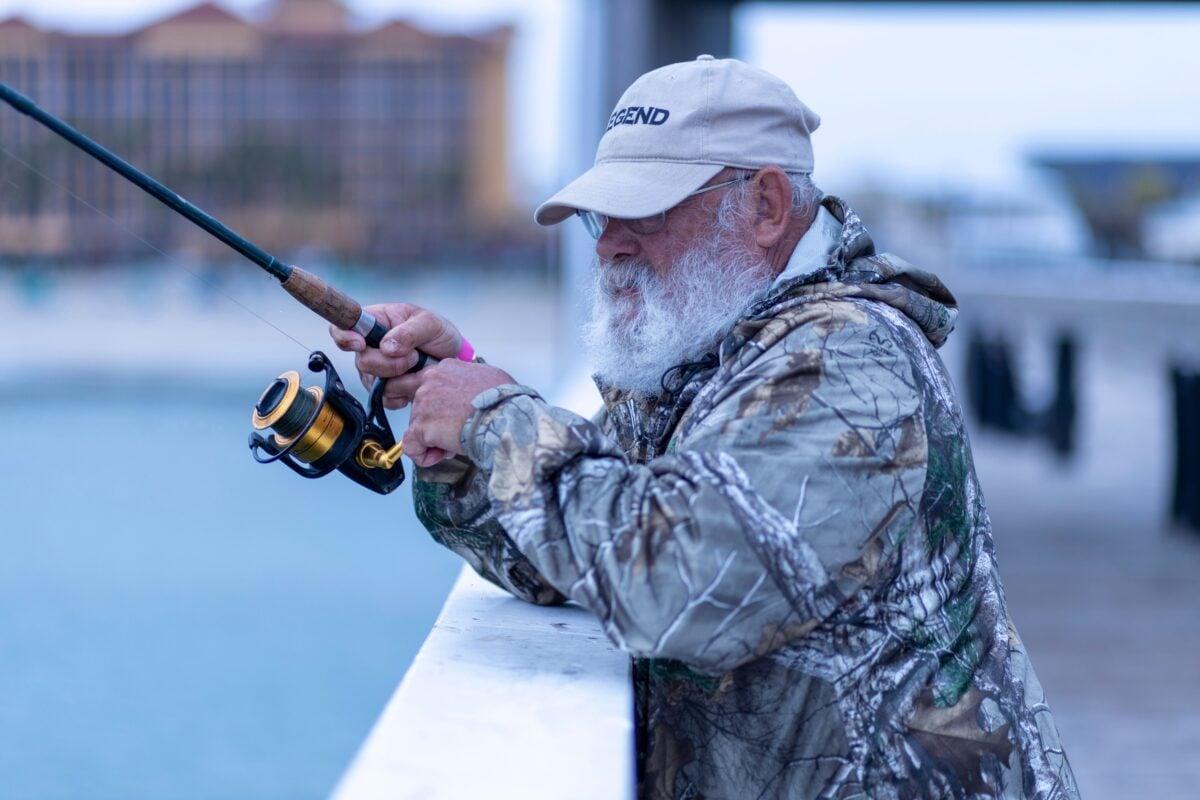
Search for “free wildlife permits at 62” and the headlines sound thrilled. One birthday, and every wildlife fee in America quietly vanishes. It’s a lovely idea, and it’s the kind of thing people repeat at campgrounds with total confidence.
Here’s the twist: no federal wildlife permit disappears at 62. Not one. But something real does happen on that birthday. One pass does serious work, a few fees get cut in half, and several costs people assume are gone stay exactly where they were. Keep reading, because the biggest surprise is a money-saving trick hiding at #1.
#14 – The “Wildlife Permit” That Doesn’t Actually Exist
🔥 Would you like to save this?
We'll email this post to you, so you can come back to it later!
There is no federal wildlife permit that switches off on your 62nd birthday.
What starts at 62 is eligibility for the America the Beautiful Senior Pass. U.S. citizens and permanent residents 62 and older can buy an annual pass for $20 or a lifetime pass for $80. You must already have turned 62 to buy it, so there’s no grabbing one a few weeks early.
Think of it as a key to the front gate, not a master key to everything behind it. It’s an entrance pass. It isn’t a hunting tag, a fishing license, or a wildlife-viewing permit. It covers thousands of recreation sites run by six federal agencies, and at many of them it also discounts extra fees such as camping, swimming, boat launching and guided tours.
The rules are simple, and there is no income test and no other qualifying condition.
- Age: 62 or older
- Status: U.S. citizen or permanent resident
- Proof: documentation of age and residency or citizenship
So what does the pass actually waive? The biggest item starts at the gate, and it comes with a catch at #13.
#13 – The Park Gate Fee
🔥 Would you like to save this?
We'll email this post to you, so you can come back to it later!
The entrance fee is the one charge the pass genuinely erases.
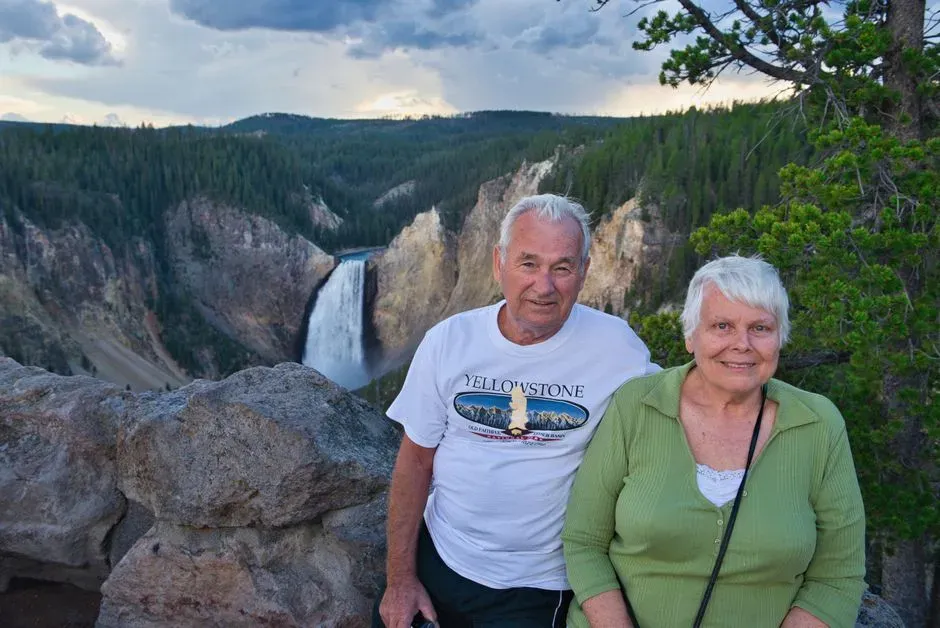
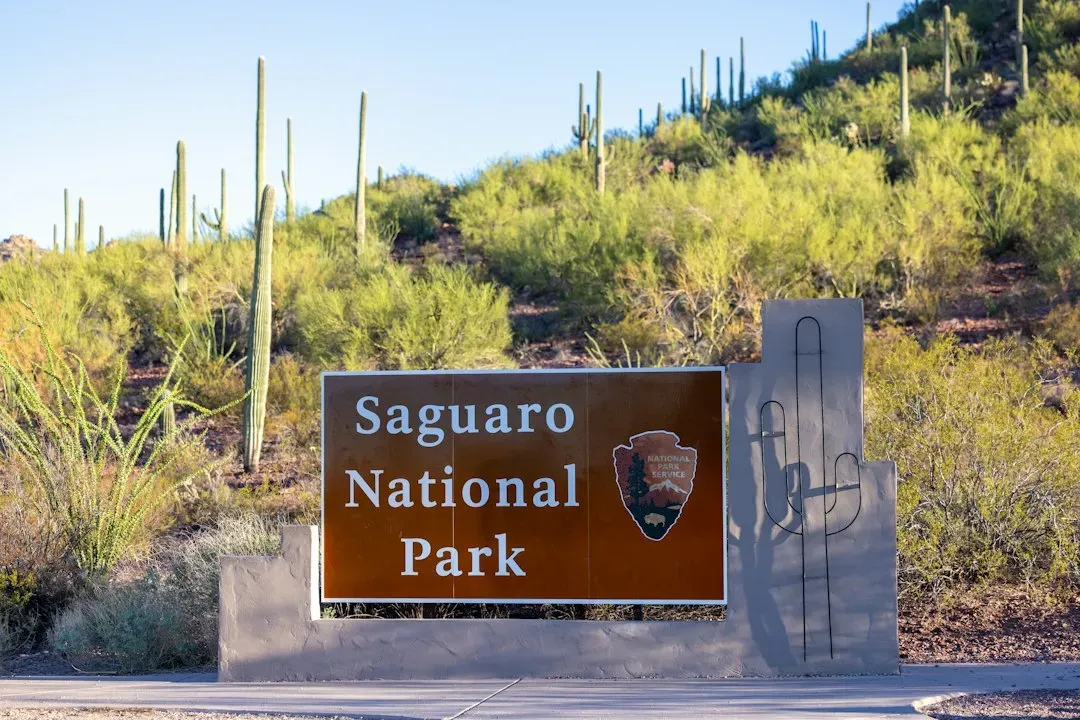
The pass covers entrance fees at all 63 national parks. That includes Yellowstone, Yosemite, the Grand Canyon and hundreds of other fee-charging sites. Entry to many parks costs $30 or more per vehicle, so a $20 annual pass can pay for itself in a single visit.
The coverage is generous. At per-vehicle sites, it covers the holder and everyone in one non-commercial vehicle. Where fees are charged per person, it admits the holder plus three adults.
Fast Facts
- Parks covered: all 63 national parks, plus many other fee sites
- Per-vehicle sites: the holder and everyone in one non-commercial vehicle
- Per-person sites: the holder plus three adults
- At the booth: sign the pass and carry photo ID
A couple driving into a per-vehicle park needs only one Senior Pass between them.
Here’s the part nobody mentions. Most National Park Service sites are free to visit anyway, so the pass only earns its keep at the ones that charge. Sign it, keep a photo ID handy, and expect a ranger to ask for both.
But the fee at wildlife refuges surprises people even more, and we get to it at #12.
#12 – Wildlife Refuge Entry Fees

🔥 Would you like to save this?
We'll email this post to you, so you can come back to it later!
This is the closest thing to a “wildlife permit” the pass actually covers.
The America the Beautiful family of passes covers entry to national wildlife refuges, and the Senior Pass carries the same entry benefits. At Parker River in Massachusetts, the listed daily fee is $5 per vehicle, or $2 for bicycles and pedestrians.
Now the twist. Entry there is also free for a Federal Duck Stamp holder, or for holders of any of four Interior passes. At Merritt Island in Florida, a refuge pass is required for Black Point Wildlife Drive, a route built for spotting birds and other wildlife. You don’t need one if you have a current signed Duck Stamp or an Interagency Pass.
Most national wildlife refuges never charge at the entrance in the first place.
Be honest about the value, too. If refuges are your only stop, an $80 lifetime purchase is a slow first buy. The $20 annual version is the safer test, and the real payoff comes when you add national parks and forests.
Next comes the fee that gets cut in half but never disappears.
#11 – The Nightly Campsite Fee
🔥 Would you like to save this?
We'll email this post to you, so you can come back to it later!
Camping is where the Senior Pass saves the most money, and it’s still not free.
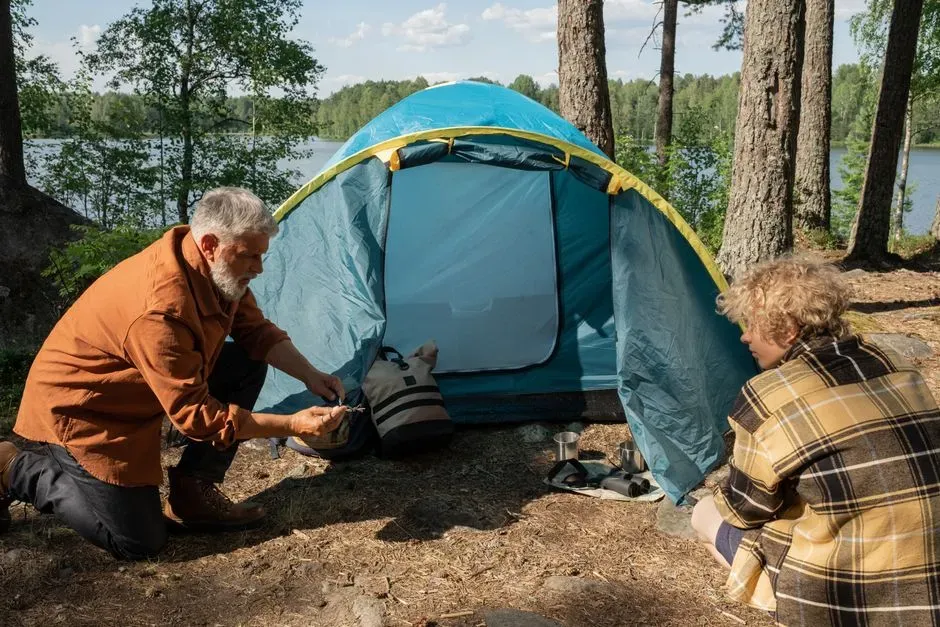
The pass takes 50% off camping fees at most federal campgrounds. That’s a discount, not a waiver. Official wording is more cautious: the pass “may” give 50 percent off some amenity fees at certain facilities.
The savings stack up fast over a long trip. Say a site costs $30 a night. Half price puts $15 back in your pocket every single night, and a two-week road trip turns that into real money.
The discount reaches beyond the National Park Service, too. One retired RV traveler reports discounts at national park campgrounds and at Army Corps of Engineers campgrounds.
Think of it as half-price camping, not free camping.
- Half price at many federal campgrounds
- Never a full waiver
- Not guaranteed everywhere
Boaters face a similar rule, and it’s at #10.
#10 – The Boat Launch Fee at the Ramp
🔥 Would you like to save this?
We'll email this post to you, so you can come back to it later!
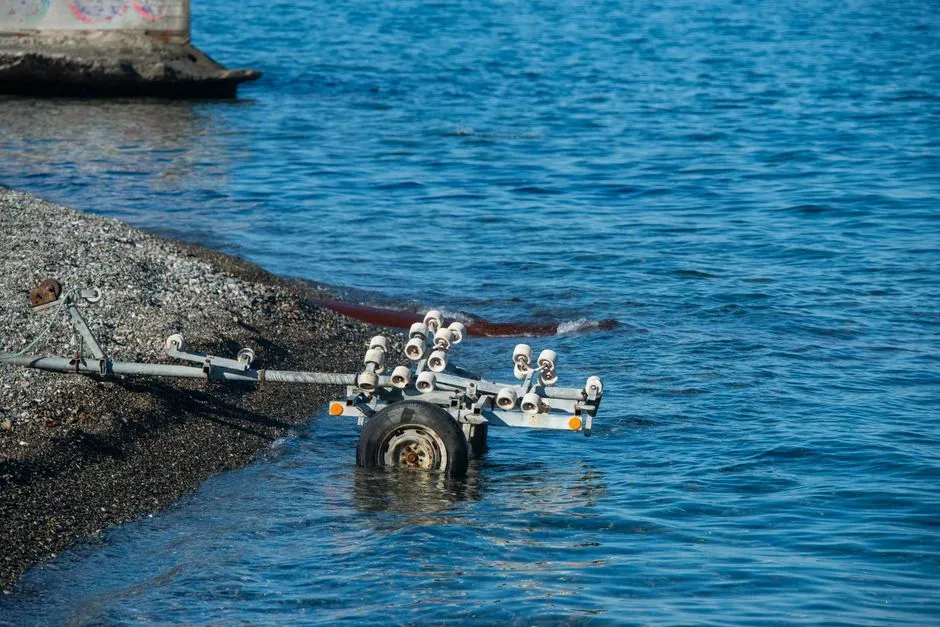
Towing a fishing boat doesn’t make the ramp free.
The Senior Pass may provide a 50 percent discount on amenity fees such as boat launches. The key word is “may.” The discount depends on the site and on how the fee is classified.
Boat launching sits in the same category as camping, swimming and guided tours. At many sites, those expanded amenity fees get a pass-holder discount. It’s a built-in feature of the pass, not a loophole.
The fishing license you need once the boat is in the water is a separate purchase. Fishing licenses and special-use permits usually have their own costs, so a cheaper launch doesn’t mean a cheaper day on the lake.
What to expect at the ramp:
- Possible 50% off the launch fee
- No effect on your state fishing license
- A different rule at privately run marinas
Swimming and tour fees follow the same logic, and they come up at #9.
#9 – Swimming and Guided-Tour Fees

🔥 Would you like to save this?
We'll email this post to you, so you can come back to it later!
Two small fees are on the pass’s discount list, and almost nobody tells you.
Official descriptions name them directly. Swimming and guided tours appear alongside camping and boat launching as amenity fees the pass can discount. The National Park Trust also lists specialized interpretive services.
Most visitors never ask. They see the sticker price at the booth and assume it’s final. The lesson is simple: if a fee is for an extra service at a federal site, ask whether the Senior Pass applies.
Don’t expect a blanket yes. These are discounts, not waivers, and they apply “at many sites,” not all of them. The worst that happens is a polite no.
Which brings us to the private operators, at #8.
#8 – Concessioner-Run Charges
🔥 Would you like to save this?
We'll email this post to you, so you can come back to it later!
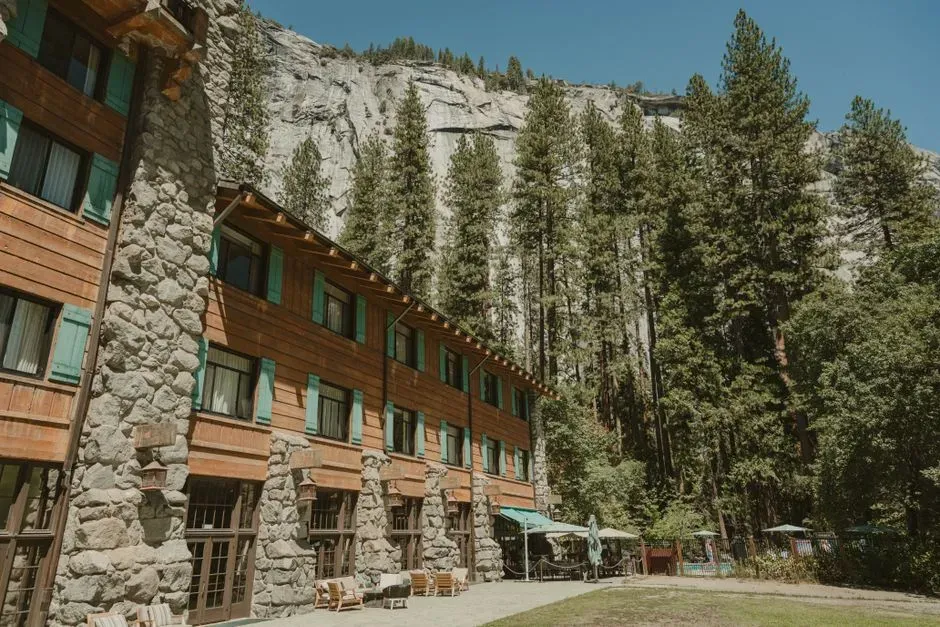
Some of the priciest charges inside parks aren’t run by the park at all.
Hotels, lodges and many tours are often run by private companies. The 50% discount usually doesn’t apply at concessioner sites, such as those run by Aramark in Yosemite or Xanterra in Death Valley.
The National Park Trust says the same. The pass generally does not cover special recreation permit fees or concessioner charges.
That means a ranger-station discount and a lodge bill can sit a few miles apart under completely different rules.
Plenty of travelers mistake this for a rip-off. It’s actually a structural split. The federal agency collects the entrance fee, and a separate company sets its own prices.
The next category trips up even experienced hikers, at #7.

2 Pcs Halloween Pet Hat Bandana Set, Witch Pumpkin Costumes for Dogs
Check Price on AmazonAs an Amazon Associate, we earn from qualifying purchases.
10/9/2026 2:45 pm GMTi

Orthopedic Extra Large Dog Bed, Waterproof Washable XL Pet Bed 44"
Check Price on AmazonAs an Amazon Associate, we earn from qualifying purchases.
10/7/2026 1:32 pm GMTi

PetSafe Oasys Pet Fountain, 1/2 Gallon (64 oz), Small Dogs & Cats
Check Price on AmazonAs an Amazon Associate, we earn from qualifying purchases.
10/8/2026 8:14 am GMTi

Dog Stairs for Bed 18" H, 4-Step Dog Steps for High Bed
Check Price on AmazonAs an Amazon Associate, we earn from qualifying purchases.
10/9/2026 2:42 pm GMTi

Professional 7 in 1 Dog Paw Cleaner for Dogs & Cats - Includes 1 Portable Paw Washer, 1 Bath Brush
Check Price on AmazonAs an Amazon Associate, we earn from qualifying purchases.
10/7/2026 1:26 pm GMTi
#7 – Special Recreation and Backcountry Permits
🔥 Would you like to save this?
We'll email this post to you, so you can come back to it later!
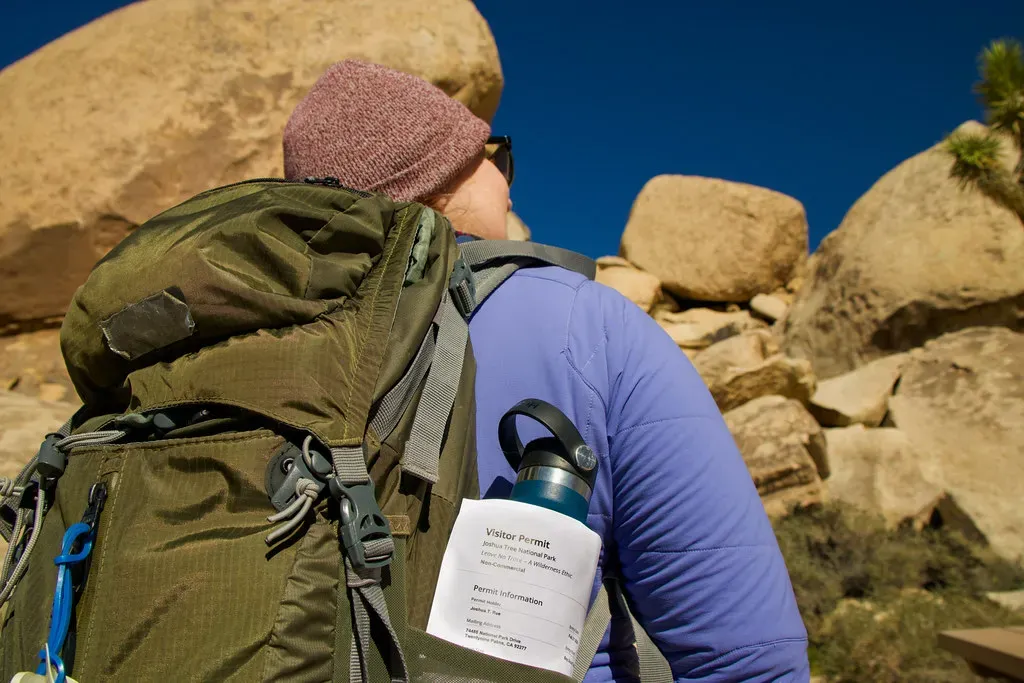
The Senior Pass won’t get you a backcountry permit.
The pass doesn’t cover special day-use or backcountry permits that may be needed in popular parks. Backcountry camping permits and special-use permits usually carry their own costs.
The biggest example is on the water. If you need a permit to float the Colorado River through the Grand Canyon, the pass doesn’t cover that fee. The same source says it won’t cover a timed-entry ticket for a crowded trail either.
Quick Compare
- The pass handles: your entrance fee at the gate
- You still pay separately for: backcountry camping permits
- You still pay separately for: river-float permits and timed-entry tickets
- You still arrange separately: reservations at high-traffic sites
Even a lifetime pass can’t buy a spot on a permit-limited trail.
Reservations are a separate system. Some high-traffic sites require one. The pass gets you through the gate, but whether you may camp, float or hike a limited-access route is decided by a different permit.
The one stamp that really does double as a wildlife pass is next, at #6.
#6 – The Federal Duck Stamp

🔥 Would you like to save this?
We'll email this post to you, so you can come back to it later!
A senior discount doesn’t touch the one stamp that doubles as a refuge pass.
Migratory bird hunters age 16 and older must carry a current Federal Duck Stamp before hunting ducks and geese. Ducks Unlimited lists the base price at $25. One third-party guide lists $28.50 for 2026-2027, so check the current price before you buy.
Seniors get no break here. One outlet reviewed state senior exemptions and found none that waives it. Mississippi’s Senior Exempt Lifetime license excludes the Federal Duck Stamp, and Louisiana’s lifetime senior license does too.
A senior hunting exemption at the state level can leave the federal stamp fully payable.
Here’s the opinion that will start arguments. If the gate fee is your only reason, the Duck Stamp costs more than the senior annual pass, so skip it. Buy it because you want to fund habitat.
State rules matter even more than federal ones, and that starts at #5.
#5 – State Fishing Licenses
🔥 Would you like to save this?
We'll email this post to you, so you can come back to it later!
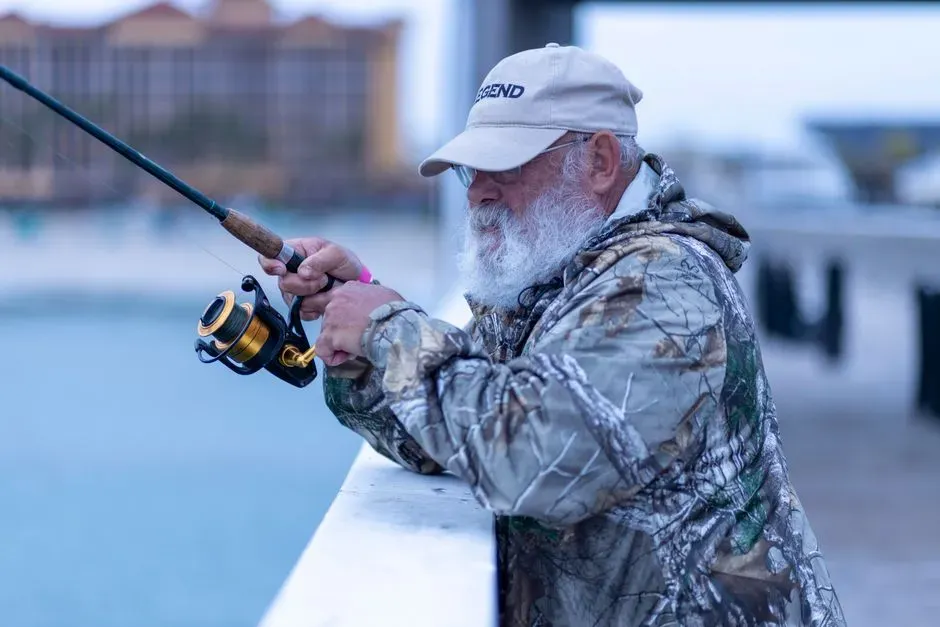
Fishing licenses are set by states, not Washington.
Senior fishing license discounts are set by individual states, not by one national program. That’s why a rule your friend swears by in one state can be flat wrong in the next.
The age threshold moves around too. Senior exemptions are the most inconsistent category across states, with qualifying ages from 60 to 75. The benefit ranges from fully free to no discount at all.
Age 62 is below the threshold in most states.
The most common senior age is 65. Some states have gone further. Louisiana requires any resident 60 or older to hold a Senior Hunting/Fishing License.
- Ages run from 60 to 75
- Benefits run from free to nothing
- Check the agency where you’ll fish
One state gets quoted more than any other, and it has a catch at #4.

Air Purifiers for Home Pets Large Room Up to 3000 Ft²,HEPA Air Cleaner with Washable Double-Side Filter, PM2.5 Air Quality Monitor,15dB Sleep Mode for Bedroom Odor Dust Pollen,White
Check Price on AmazonAs an Amazon Associate, we earn from qualifying purchases.
10/8/2026 8:23 am GMTi

Halloween Cat Costume Cloak Witch Hat Pet Accessories
Check Price on AmazonAs an Amazon Associate, we earn from qualifying purchases.
10/9/2026 2:44 pm GMTi

Glass Hummingbird Feeder for Outdoors Hanging, 16 oz Leak-Proof Nectar Feeder with Bee Guards & Ant Moat
Check Price on AmazonAs an Amazon Associate, we earn from qualifying purchases.
10/7/2026 1:22 pm GMTi

Smart Bird Feeder with Camera Solar Powered, 2K HD Live Video, 10,000+ Bird Species AI Identification
Check Price on AmazonAs an Amazon Associate, we earn from qualifying purchases.
10/7/2026 1:22 pm GMTi

Portable Dog Water Bottle Foldable Dog Travel Water Bottle
Check Price on AmazonAs an Amazon Associate, we earn from qualifying purchases.
10/7/2026 1:29 pm GMTi
#4 – Florida’s Famous Exemption
🔥 Would you like to save this?
We'll email this post to you, so you can come back to it later!
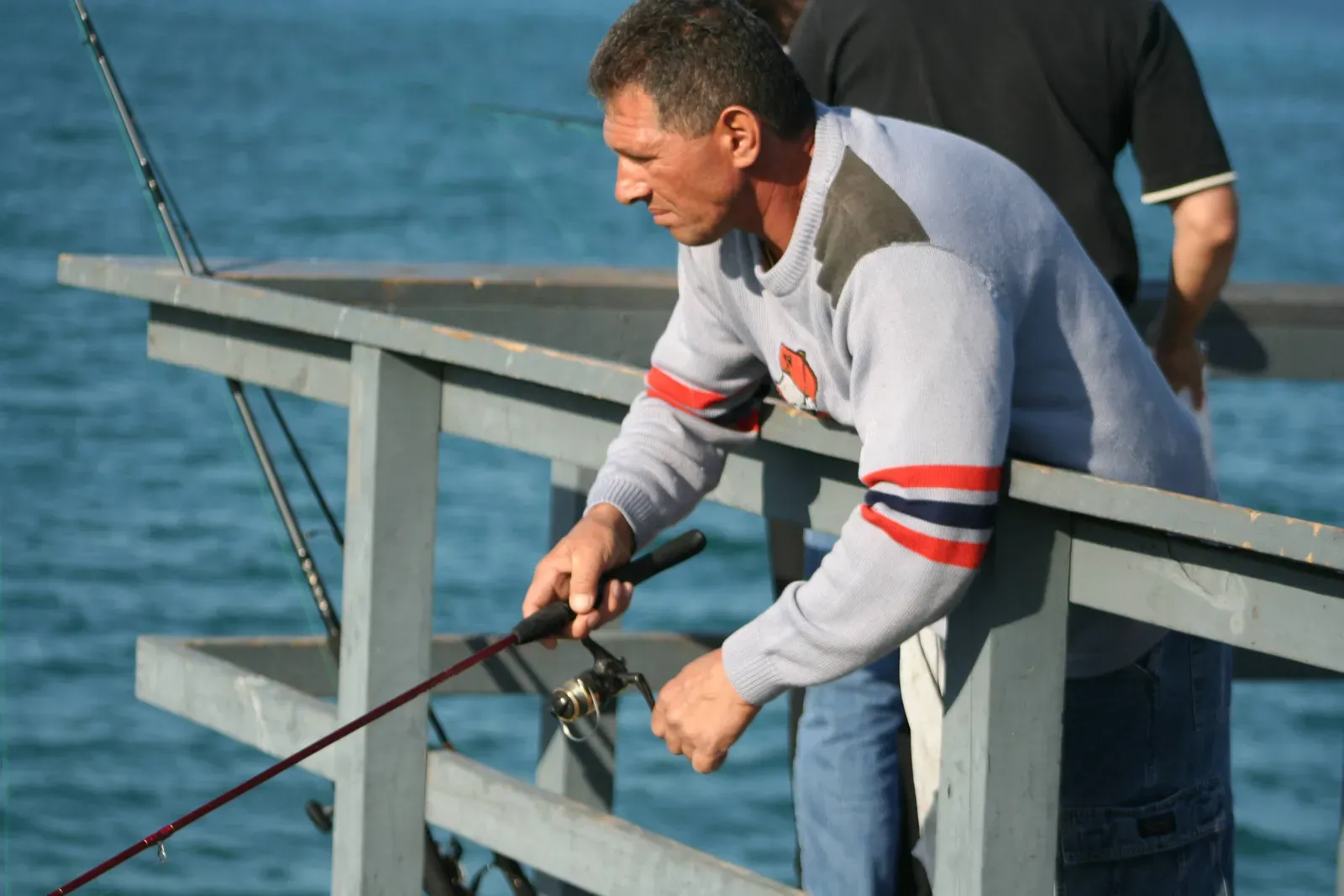
Florida’s senior break is real, but it’s for residents, and it starts at 65.
Under Florida law, a resident 65 or older doesn’t need a recreational freshwater or saltwater fishing license when carrying proof of age and residency. That’s a full exemption, which makes it rare.
Visitors don’t get it. An out-of-state resident doesn’t receive the exemption merely because the person is 65 or older. A nonresident 65 or older generally needs a license unless another exemption applies, such as fishing from a licensed charter vessel or pier.
Turning 62 gets you nothing in Florida yet.
There’s paperwork, too. A no-cost Resident 65+ Hunt/Fish Certificate is optional, and separately required tags and designations can still apply.
Where a break exists, it’s rarely this complete, as #3 shows.
#3 – The Reduced-Price States
🔥 Would you like to save this?
We'll email this post to you, so you can come back to it later!
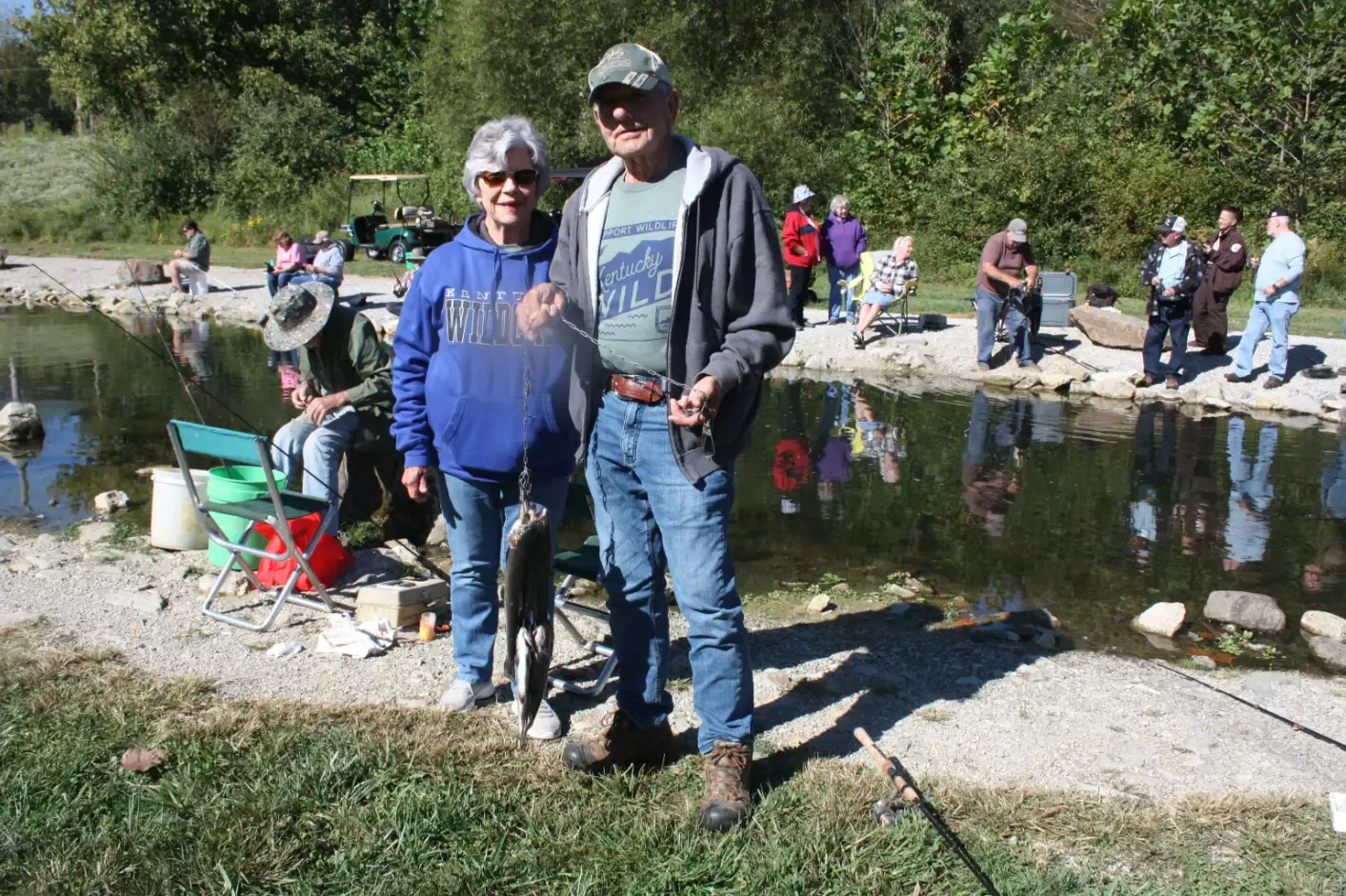
Most states discount the license. They don’t waive it.
The examples vary widely, from a few dollars a year to well into the teens. Here’s a snapshot of what three states list for older residents.
At a Glance
- New York: $5 annual freshwater license, residents 70 and older
- Colorado: $12.96, residents 64 and older
- Pennsylvania: $14.47 annual or $86.97 lifetime, residents 65 and older
Even the experts disagree. Minnesota is a good example of why you should verify. One source says Minnesota offered no formal senior-discounted fishing license as of the 2025-2026 season. Another list names Minnesota among states with free senior licenses.
Two reputable-looking guides contradict each other on Minnesota.
Your best source is the state agency itself. Some states have changed senior licensing in recent years, so don’t assume your state matches what a third-party website says.
Some states give no age break at all, as we reveal at #2.
#2 – States With No Age-Only Discount
🔥 Would you like to save this?
We'll email this post to you, so you can come back to it later!
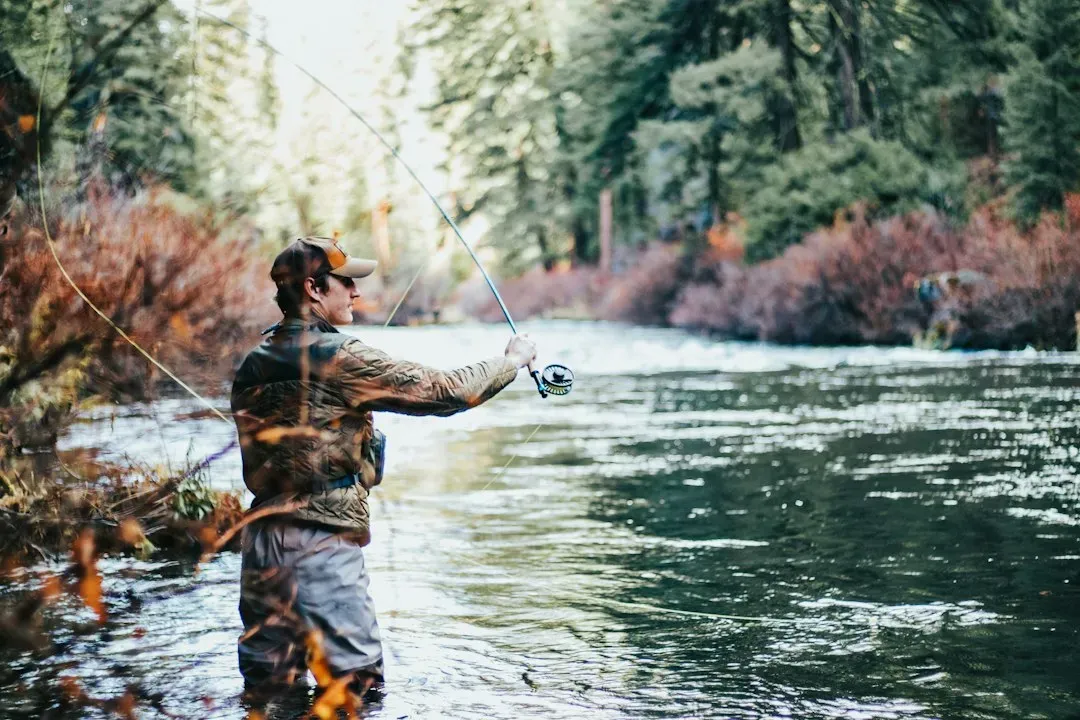
In some states, being 62, 65 or even 80 changes nothing.
California is the clearest case. It ties its senior discount to financial need, not just age. There’s no blanket senior exemption at any age, and seniors 65 and older still need a valid sport fishing license.
Need-based help does exist. A resident 65 or older who receives SSI or CAPI can get a $10.04 reduced-fee license, with annual eligibility verification. Social Security retirement benefits, Medicare and Medi-Cal do not qualify you.
Retirement income alone doesn’t unlock California’s senior fishing rate.
Visitors fare worse. Nonresident exceptions are narrow, and they don’t create a general senior discount for travelers from every state.
So the viral “seniors fish free” claim is wrong for much of the country. One real trick remains, and it’s #1.

Halloween Dog Collar with Bow, Orange Cute Ghost Collar,
Check Price on AmazonAs an Amazon Associate, we earn from qualifying purchases.
10/9/2026 2:43 pm GMTi

Earth Rated XL Dog & Puppy Pee Pads, Discreet Top, Max Absorbency
Check Price on AmazonAs an Amazon Associate, we earn from qualifying purchases.
10/7/2026 1:28 pm GMTi

Hand Blown Glass Hummingbird Feeders for Outdoors Hanging, 24oz Wild Bird Nectar Feeder
Check Price on AmazonAs an Amazon Associate, we earn from qualifying purchases.
10/7/2026 1:23 pm GMTi

Glass Hummingbird Feeder for Outdoors Hanging
Check Price on AmazonAs an Amazon Associate, we earn from qualifying purchases.
10/7/2026 1:21 pm GMTi
#1 – The Four-Pass Upgrade

🔥 Would you like to save this?
We'll email this post to you, so you can come back to it later!
The best senior deal in the federal system is secretly a payment plan.
You don’t need to pay $80 upfront. Four annual Senior Passes can be traded in for a lifetime pass, effectively spreading the $80 over four years. Each annual pass you turn in knocks $20 off the $80 lifetime price, even if the annual has already expired.
Old pass holders have an option too. Golden Age Passports can be exchanged in person for a free Senior Lifetime Pass.
Another free route is volunteering. A Volunteer Pass is free to those who log 250+ hours with federal agencies.
- Annual: $20, valid 12 months
- Four annuals: trade in for a lifetime pass
- Lifetime: $80 in person
No federal wildlife permit is waived entirely at 62. What you get is a genuine gate waiver, a possible 50% cut on camping, boat launches and similar fees, and a pass that can pay for itself fast. The rest of the bill, from backcountry permits to the Duck Stamp to your state fishing license, still lands on you.
We’d argue the “free at 62” framing does readers a disservice. It sends people to the entrance booth expecting a zero bill, and then they get hit with permit, concessioner and state license costs they never saw coming. Plan for the real rules and the pass is still one of the best deals in public land. Just don’t let a headline do your budgeting.
Which of these surprised you most, and what did your state’s senior license rules actually turn out to be?

- 14 Wildlife Permits American Parks Waive Entirely for Visitors Past 62 - November 6, 2026
- 22 Gentle Comforts an Ageing Cat Seeks Once a House Grows Colder - November 6, 2026
- 13 Things Shelters Quietly Stopped Telling People Adopting a First Dog - November 6, 2026