

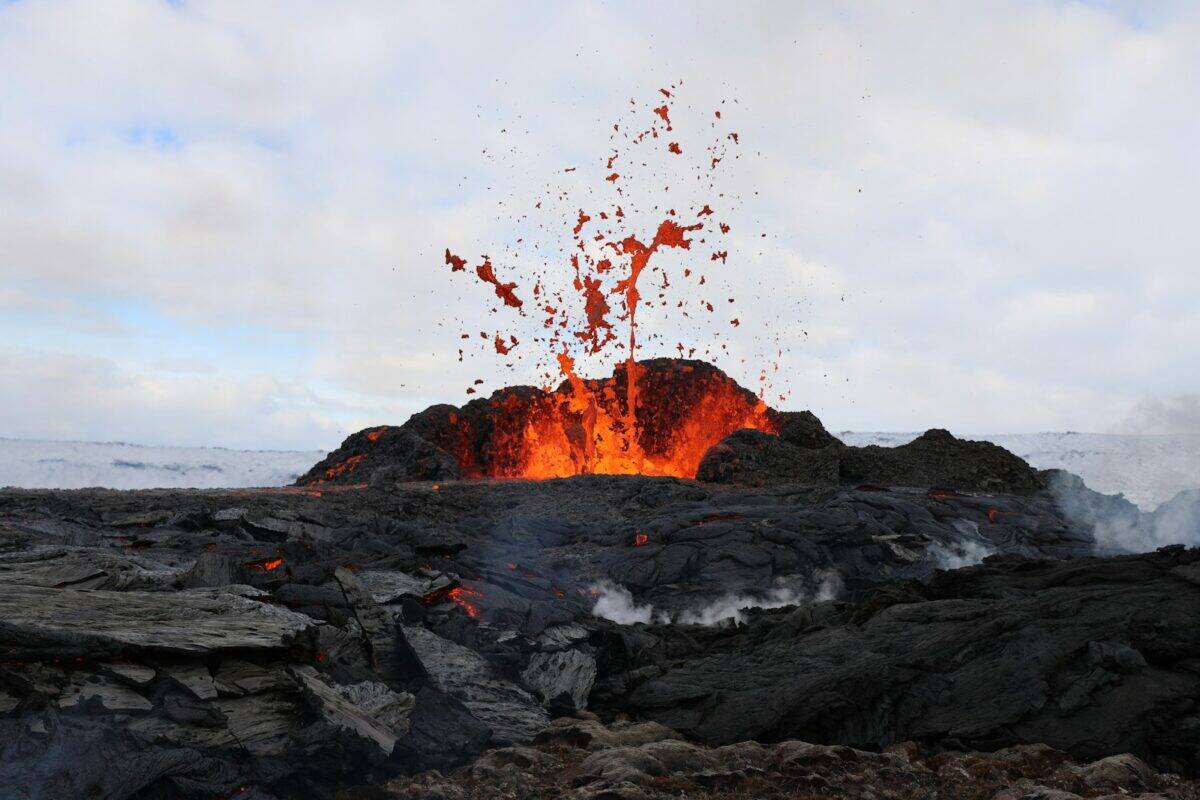
Volcanoes are among nature’s most powerful and spectacular phenomena, capable of both creating and devastating landscapes. While many volcanoes sit quietly for centuries, even dormant giants can awaken with dramatic force. Understanding the signs that a volcano is about to erupt is crucial for minimizing risks to human life and property. This article explores ten telltale indicators of impending volcanic activity, offering insights into the science behind these awe-inspiring eruptions.
11. Unusual Seismic Activity

One of the most reliable signs that a volcano might be gearing up for an eruption is increased seismic activity. Earthquakes near a volcano can indicate that magma is moving towards the surface. These tremors, known as “volcanic tremors,” often precede an eruption and provide valuable data to volcanologists monitoring the situation.
10. Ground Deformation
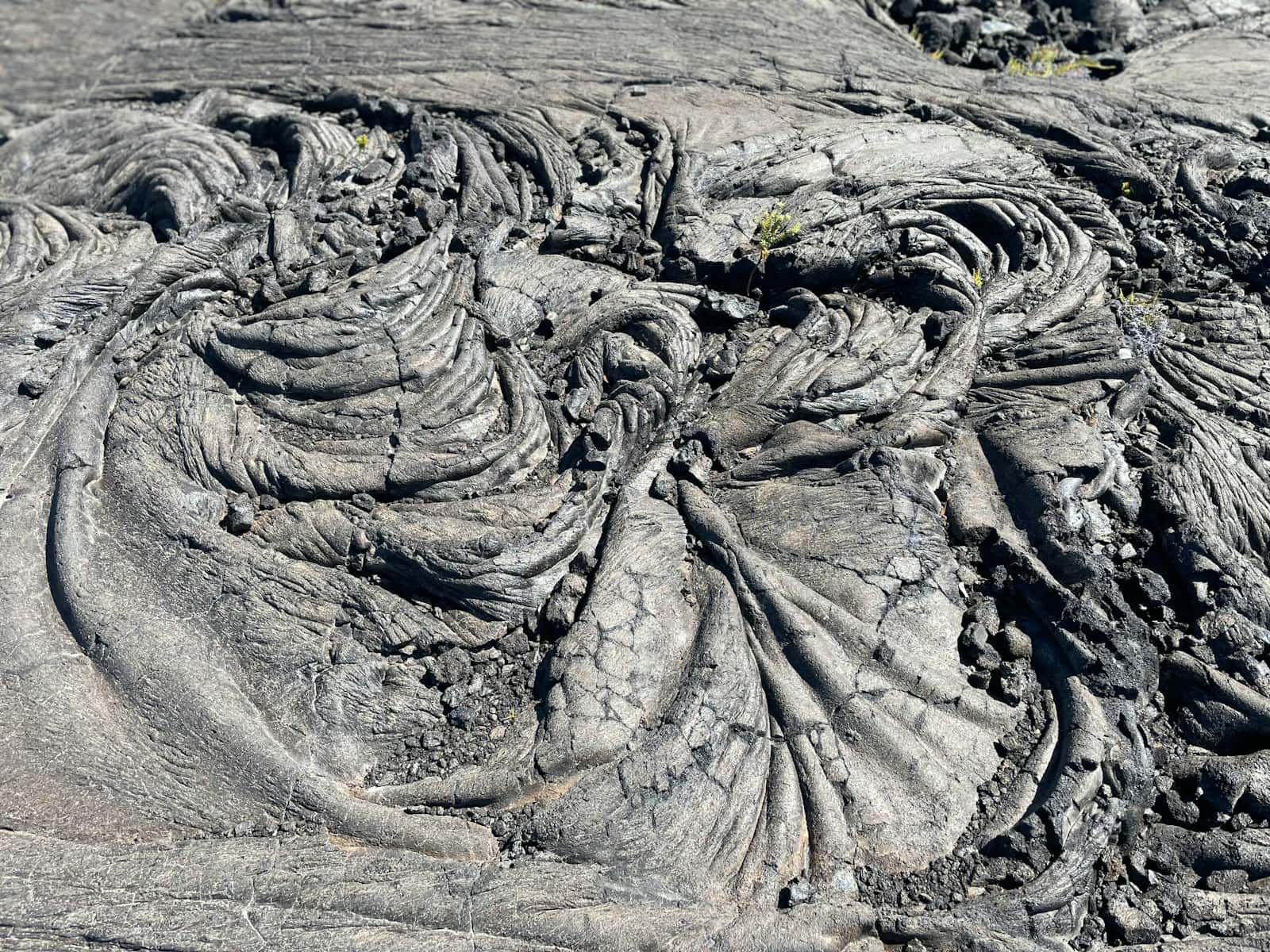
As magma accumulates beneath the surface, it can cause the ground to deform. Scientists use satellite imagery and ground-based instruments to measure these deformations, which can include the swelling, tilting, or sinking of the earth. This change in the landscape is a strong precursor to an eruption.
9. Gas Emissions Increase
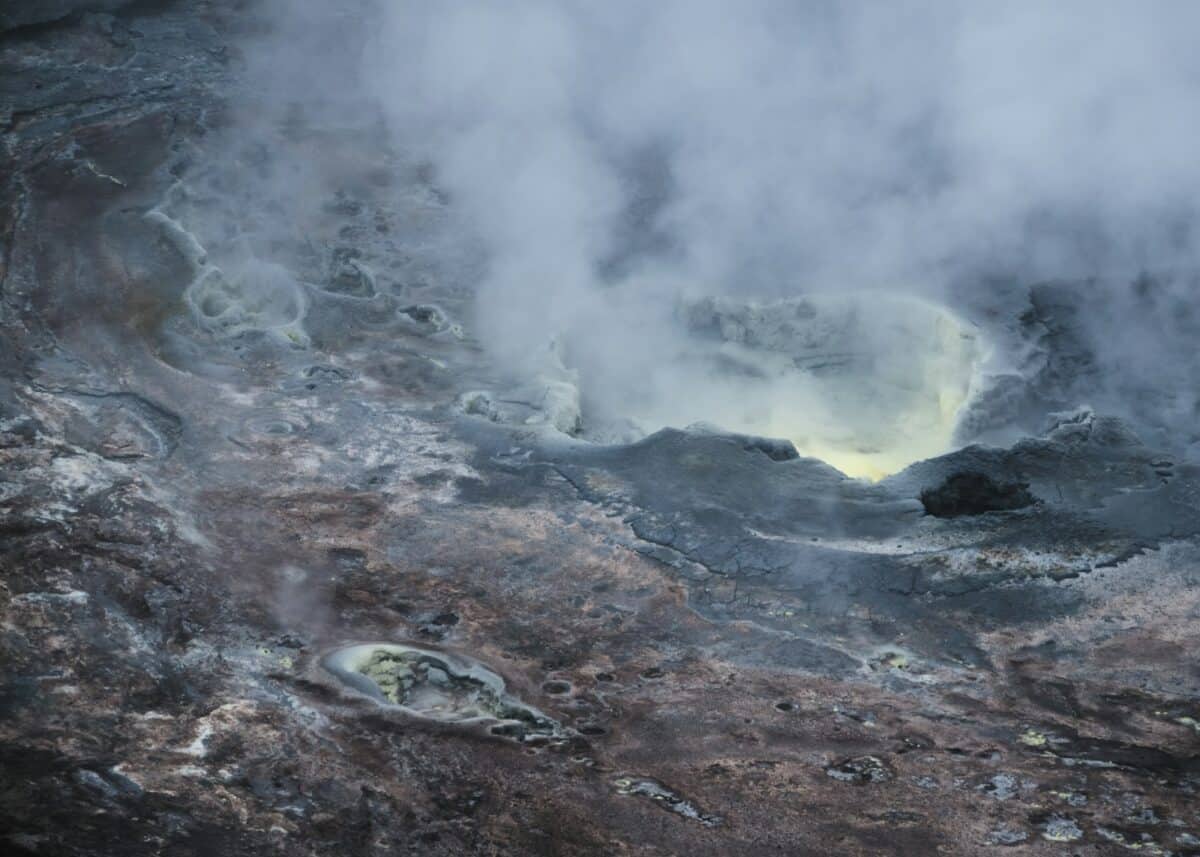
Volcanoes emit gases such as sulfur dioxide, carbon dioxide, and water vapor. A sharp increase in these emissions often indicates that magma is rising closer to the surface. Instruments like gas spectrometers are used to monitor these emissions, and significant changes can foreshadow an impending eruption.
8. Changes in Hydrothermal Activity
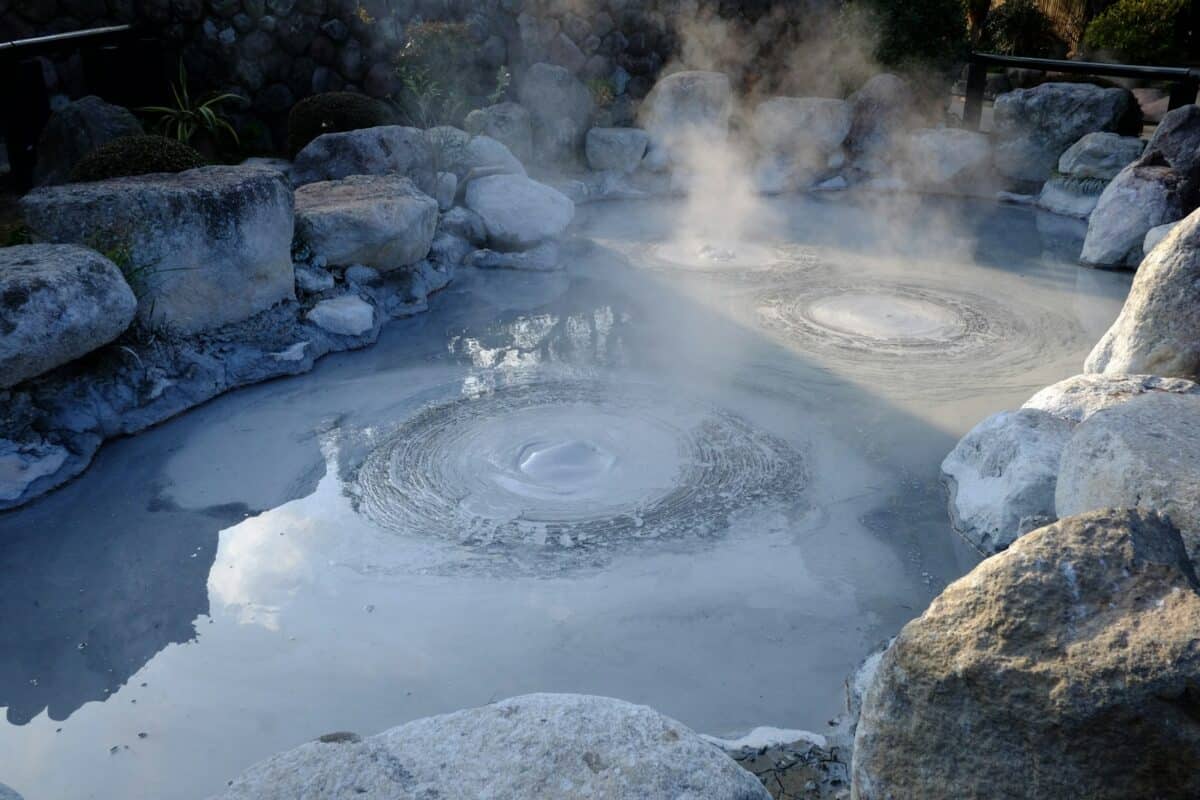
Volcanic activity can significantly alter hydrothermal systems such as geysers, hot springs, and fumaroles. An increase in temperature or changes in the chemical composition of these features often hints at subsurface magma movement, serving as a warning that an eruption could be approaching.
7. Geophysical Measurements
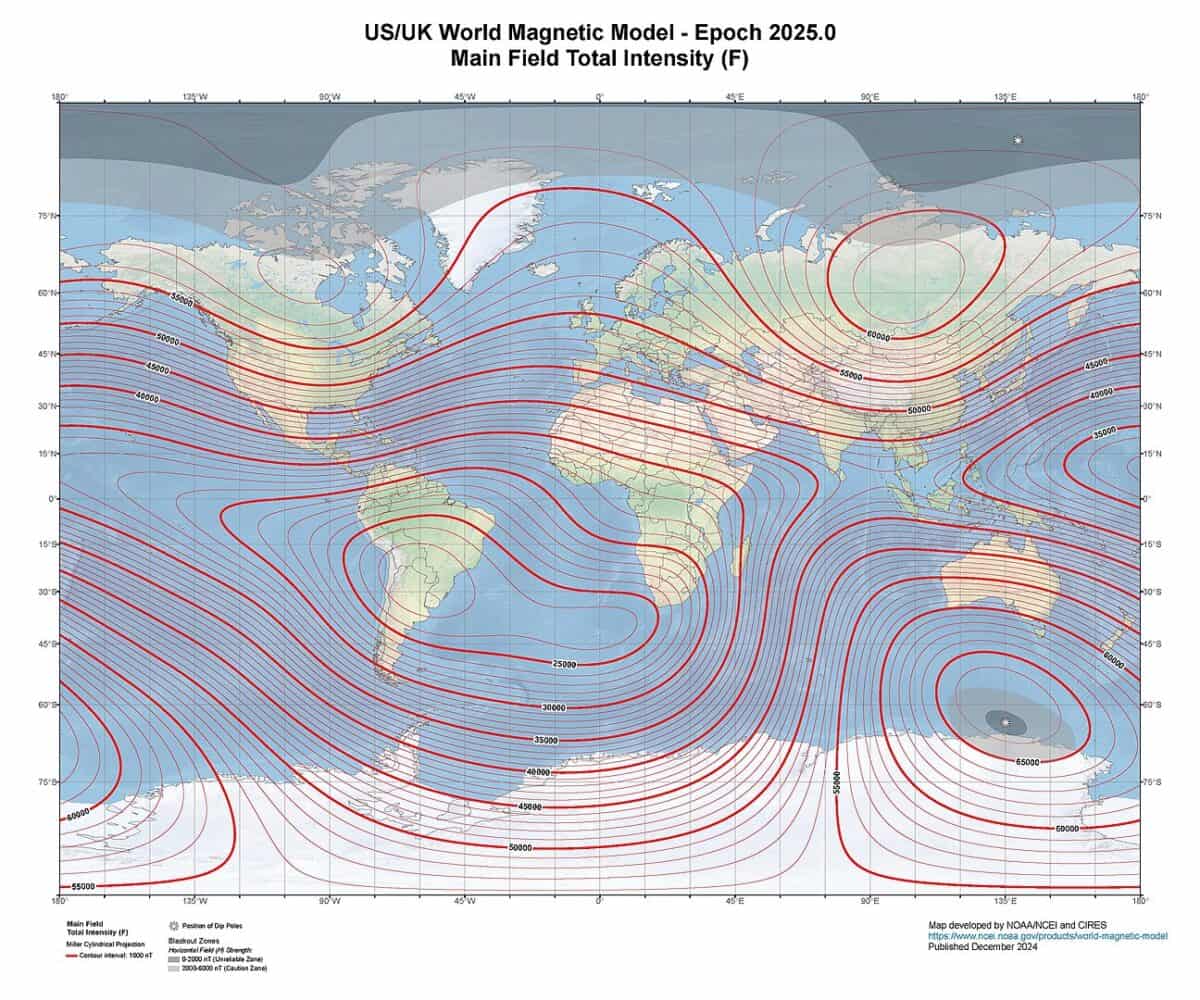
Volcanologists employ various geophysical techniques to observe changes in a volcano’s structure. Methods like ground-based gravity measurements can detect variations in the magma chamber’s mass, while magnetic field changes can indicate shifts in the volcanic system, both of which can signal an upcoming eruption.
6. Increased Surface Temperature

Rising magma can cause the volcano’s surface temperature to increase. Thermal imaging and satellite observations can detect these changes, offering another clue that an eruption might be on the horizon. Heat flux is carefully monitored to ensure early warning signs are not missed.
5. Sound and Noise Changes

Many volcanoes emit a range of sounds, from low-frequency rumblings to high-frequency emissions. Changes in the noise levels or patterns can be indicative of movements within the volcano. Acoustic monitoring can provide real-time alerts for potential eruptions.
4. Cracks and Fissures

The formation of cracks and fissures on a volcano can be a visual sign that magma is exerting pressure on the surface. As the ground strains to contain the rising magma, these structural changes are often some of the most obvious indicators visible even to casual observers.
3. Landslide Activity
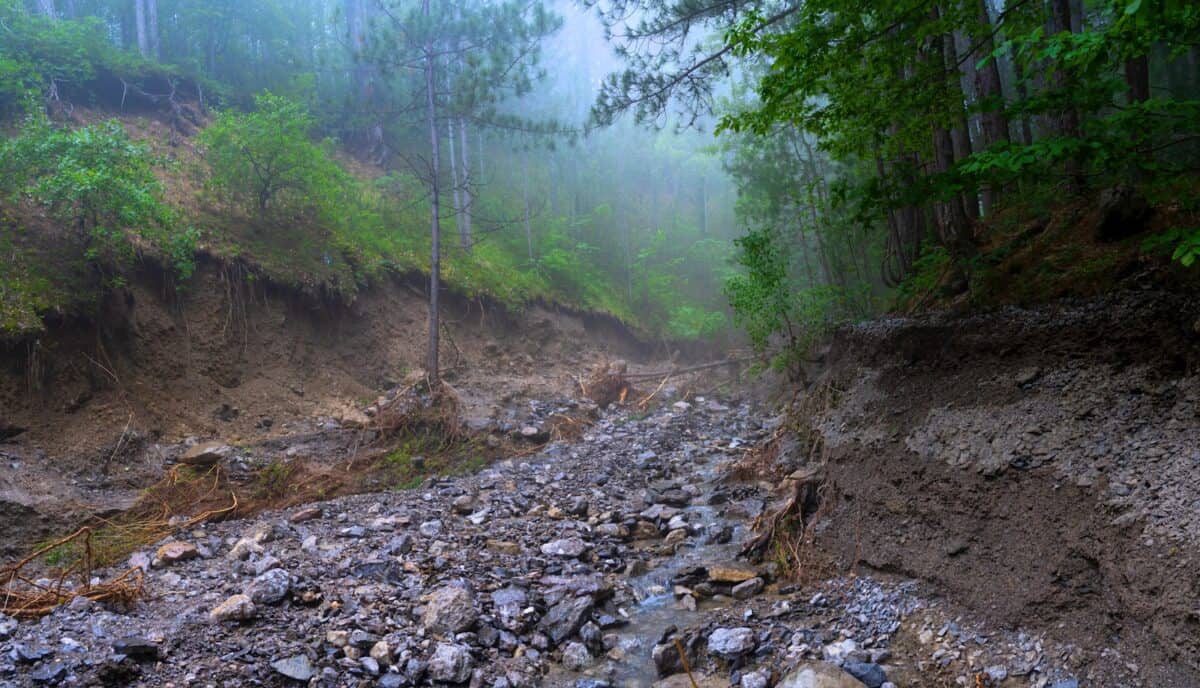
Increased landslide occurrences in volcanic areas can be another signal that an eruption is imminent. Such landslides may be caused by the loosening of rock and soil due to ground deformation or seismic activity as magma pushes upwards, disturbing the stability of the volcano’s slopes.
2. Animal Behavior Changes

Animals often react to environmental changes before humans notice them. Unusual animal behavior, such as sudden migrations or changes in local wildlife patterns, has been observed prior to some eruptions. While not scientifically conclusive, these behaviors are often monitored as part of a broader assessment of volcanic activity.
1. Historical Eruption Patterns

Studying a volcano’s historical activity can provide insights into potential future eruptions. Many volcanoes have cyclical eruption patterns, and understanding these can help predict when the next event might occur. Historical data serves as a valuable context for interpreting present signs.
Recognizing the signs of an impending volcanic eruption is crucial for ensuring the safety and preparedness of communities living in the shadow of these magnificent natural features. Through the use of advanced technology, scientific observation, and shared knowledge, it is possible to mitigate the risks associated with volcanic eruptions. By staying informed and prepared, we can appreciate the raw power of volcanoes while safeguarding lives and property.

- Why Koalas Rarely Drink Water—And What’s Changing That - July 26, 2026
- Balancing Growth and Conservation: Can We Share the Planet? - July 25, 2026
- Tips for Wildlife-Safe Composting in Your Garden - July 25, 2026