


Sea otters are among the ocean’s most charming and captivating inhabitants, with their playful antics and vital ecological roles. These marine mammals are not just adorable; they are packed with remarkable traits and capabilities that reflect the intricacies of life underwater. Join us as we dive into the world of sea otters and uncover twelve amazing facts that will enhance your appreciation for these furry creatures.
Sea Otters Have Insulating Fur

Unlike most marine mammals that rely on blubber for warmth, sea otters boast the densest fur in the animal kingdom. With up to a million hair follicles per square inch, their fur provides a warm, waterproof barrier that insulates them in chilly waters. This incredible fur helps sea otters maintain their body temperature without the need for a thick layer of fat.
Masters of Tool Use

Sea otters are one of the few non-human species known to use tools. They skillfully employ rocks or other hard objects to crack open shellfish, their favorite cuisine. Observing an otter float on its back, using a rock on its chest to smash open a clam or sea urchin, is a testament to their intelligence and adaptability.
Keystone Species

As a keystone species, sea otters play a crucial role in maintaining the balance in coastal ecosystems. They help regulate sea urchin populations, which prevents the overgrazing of kelp forests. These forests, in turn, provide habitat for numerous marine species and serve as important carbon sinks.
Remarkable Diet Adaptations

Sea otters have a diverse diet primarily consisting of shellfish, crabs, and fish. Their high metabolism requires them to consume about 25% of their body weight daily. This impressive appetite facilitates their role in controlling prey populations, further highlighting their environmental significance.
Unique Social Structures

Sea otters exhibit fascinating social behaviors. Females and their pups often form groups known as “rafts,” which provide safety and support. These rafts can consist of a few individuals to several dozen, showcasing their cooperative nature and social bonds.
Expert Divers

While sea otters are mostly seen floating on the surface, they are also proficient divers. Capable of diving up to 250 feet, they can hold their breath for several minutes while foraging on the ocean floor. Their diving skills are crucial for accessing food sources and avoiding predators.
Threats and Conservation

Historically, sea otters were hunted to near extinction for their fur. Today, they face new threats, including oil spills, fishing nets, and habitat degradation. Conservation efforts are crucial to ensuring their survival, with various organizations working to protect their habitats and promote sustainable fishing practices.
High Intelligence Level

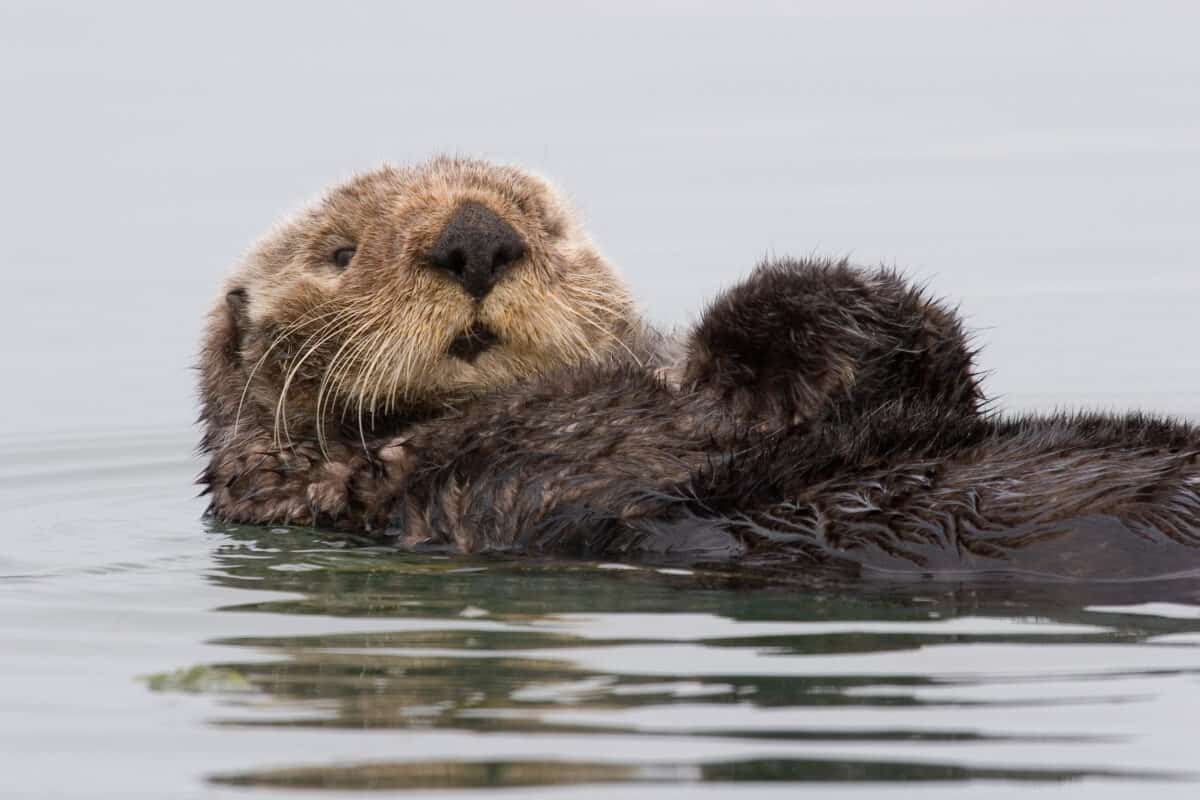
Sea otters hold hands while floating in the water, creating a charming “raft” that helps them stay connected and prevent drifting apart. Photo by Mazin Omron via pexels.
Sea otters exhibit signs of high intelligence, such as problem-solving skills and the ability to learn from observing others. Their tool use, social interactions, and playful behavior indicate their cognitive capacities, making them fascinating subjects of study.
Unique Reproductive Strategies
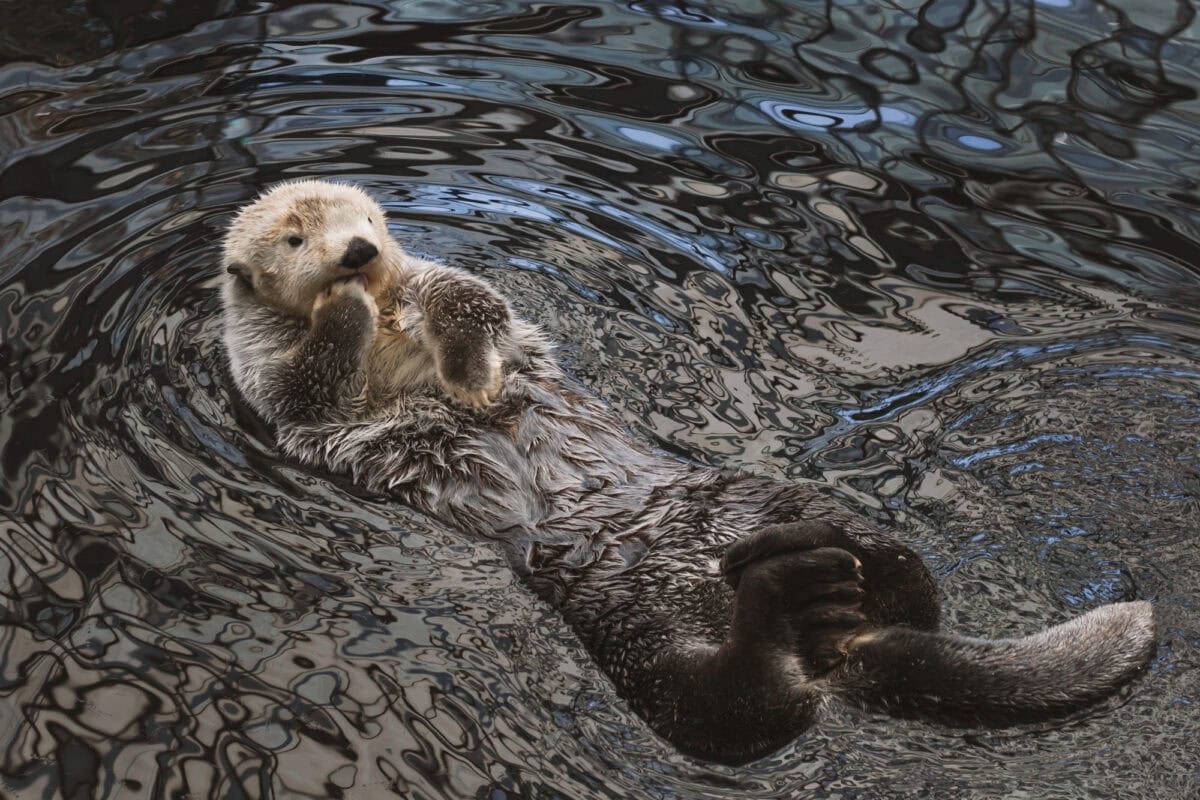
Female sea otters have an unusual reproductive capacity known as delayed implantation, allowing them to time the birth of their pups for ideal environmental conditions. This adaptation ensures that the young are born into favorable situations, enhancing their chances of survival.
Natural Groomers
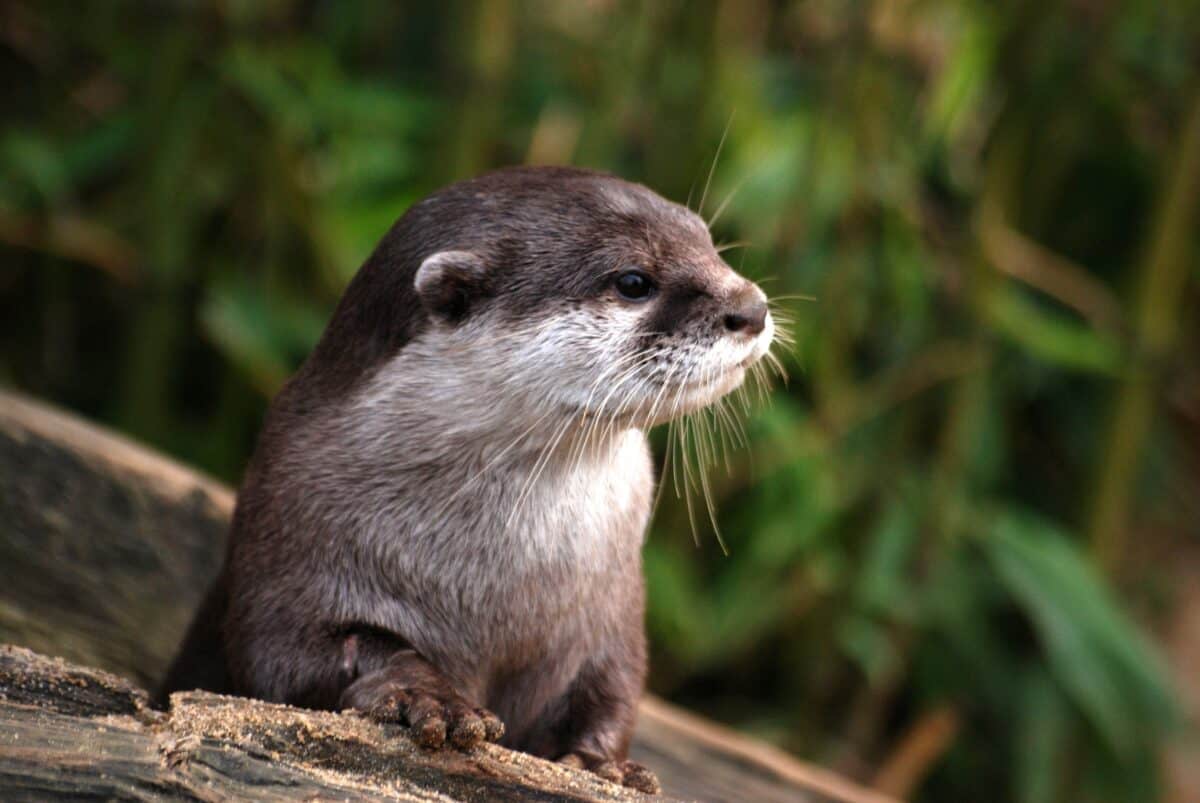
Maintaining their impeccable fur is essential for insulation; therefore, sea otters spend a significant amount of time grooming themselves. They use their paws and teeth to clean and aerate their fur, ensuring its effectiveness in keeping them warm and buoyant.
Strong Maternal Instincts
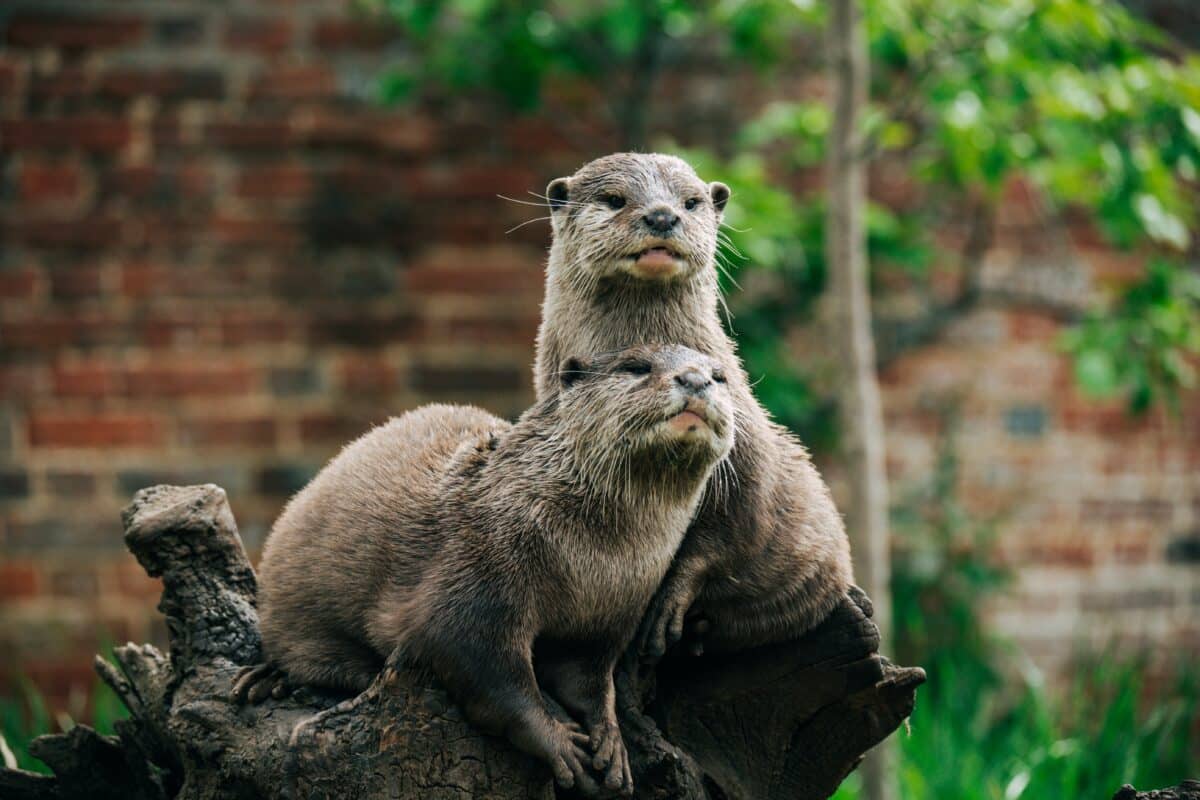
Female sea otters exhibit profound maternal care, nurturing their pups with incredible dedication. They keep their pups afloat by holding them on their chests and wrapping them in kelp to prevent drifting. These attentive behaviors ensure the young’s safety and development during their early, vulnerable months.
Ecological Engineers
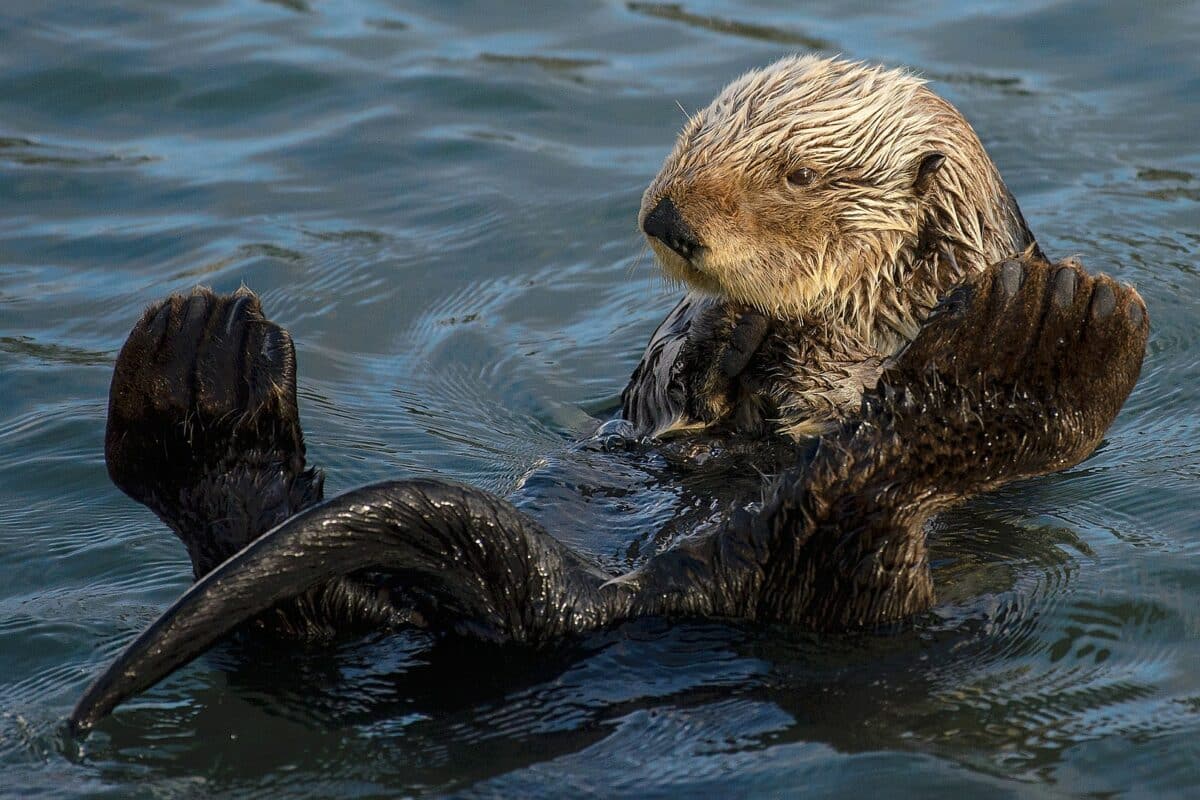
By regulating prey populations, sea otters indirectly support the health of coastal ecosystems. Their presence encourages the growth of kelp forests, supports biodiversity, and helps maintain biological balance. This ecological engineering underscores their role in promoting environmental resilience and stability.
Conclusion:
In summary, sea otters are more than just charming marine mammals; they are crucial players in their ecosystems, with intricate lives and behaviors that captivate scientists and animal lovers alike. Preserving sea otter populations is vital, not only for their own survival but for the health of marine habitats they help sustain. The more we understand these amazing creatures, the better we can protect and conserve their natural environments for future generations.

As a little kid, I fell in love with nature, wildlife, and animals. Living in the USA, South Africa, Italy, China and Germany gave me the opportunity to discover the world's Wildlife. My favorite animals are Mountain Gorillas, Siberian Tigers, and Great White Sharks.
I'm a certified PADI Open Water Diver, went to Everest Base Camp and Trekked Gorillas in Uganda. I hold a Master of Science in Economics and Finance.
Please send any feedback to feedback@animalsaroundtheglobe.com
- 14 Most Beautiful Bird Songs You Can Hear in America - July 15, 2026
- The Longest Snake Ever Found Slithering in the U.S. - July 15, 2026
- Why Humpback Whales Are Singing Louder Off U.S. Shores - July 15, 2026