
Most gardeners care deeply about the creatures that visit their yards. The sight of a bumblebee drifting through lavender or a cardinal perching on a seed head feels like a reward for all that effort. What’s harder to see is the quiet damage done by perfectly ordinary habits, ones that look responsible and even thoughtful on the surface.
The troubling truth is that some of the most common gardening practices work against the very wildlife we’re trying to attract. Gardening feels like a wholesome, eco-friendly activity, but many everyday habits can unintentionally harm the environment. People often assume these practices help their gardens flourish, when in reality they can backfire. What makes it trickier is that most of these mistakes are passed down as conventional wisdom, so gardeners may not even realize they’re causing harm. Here are twelve of those mistakes, and what’s actually going on beneath the surface.
#1 Reaching for Pesticides at the First Sign of Trouble
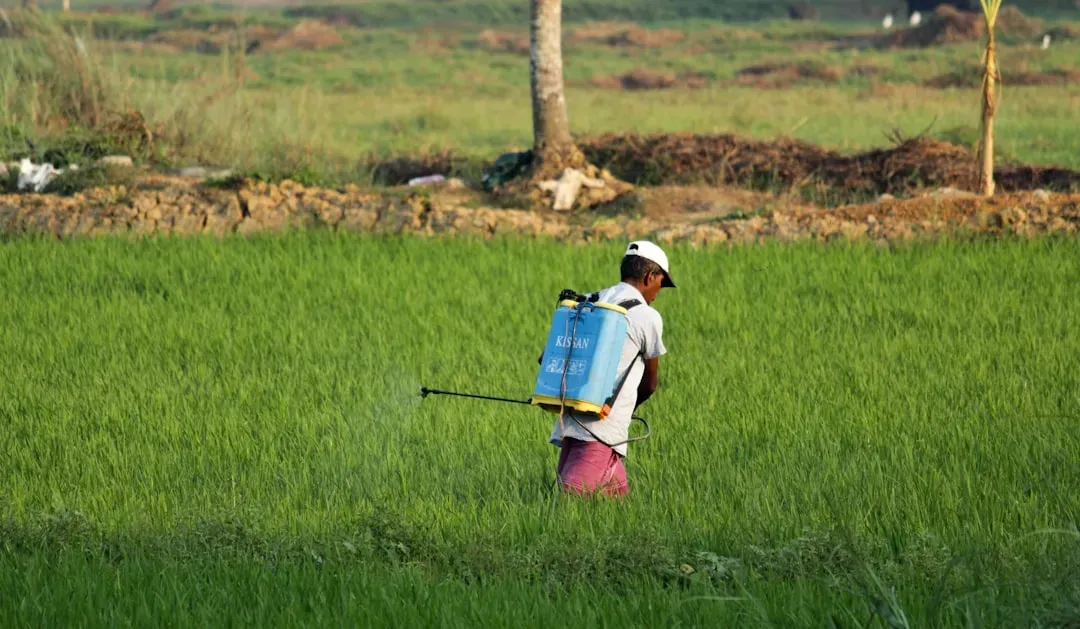
There’s an instinct to spray the moment you notice aphids or caterpillar damage, but that reflex comes at a serious cost. Many gardeners reach for chemical pesticides at the first sign of pests, but these substances can harm beneficial pollinators. Chemicals often don’t discriminate between harmful insects and helpful ones like bees. The collateral damage extends well beyond what you can see.
Pesticide treatments do not differentiate between specific pests and beneficial insects like ladybugs, bees, or other pollinators. One crucial example is the impact of pesticides in home gardens on caterpillars. Using pesticides on or near butterfly host plants can kill caterpillars before they grow up into butterflies. On top of harming butterfly populations themselves, this can hurt your backyard birds, too. Caterpillars are a nutrient-rich food source for many bird species, so this can lead to a decline in food for birds. Fewer caterpillars means less food for nesting birds during the season when they need it most.
#2 Using Herbicides to Keep Weeds Under Control
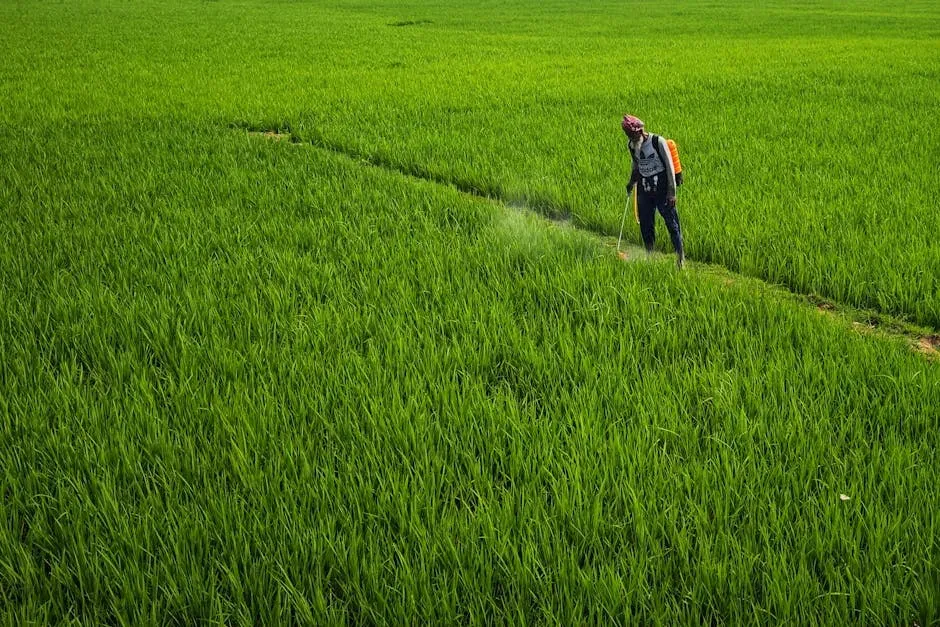
A tidy lawn edge is satisfying to look at, but achieving it with herbicides quietly removes food sources that pollinators depend on. Herbicides can eliminate the flowering plants that provide essential food sources for pollinators. Even for plants that aren’t killed, herbicides can disrupt the amount of nectar and pollen they produce, as well as the nutrients within them. That’s a double blow: fewer flowers and lower-quality ones.
Herbicides can create a pristine lawn, but they can also deter pollinators by removing flowering plants. Many herbicides remain in the soil, affecting plants and insects long after application. Opting for natural weed control methods can preserve vital food sources. Hand-pulling weeds or using mulch can keep your lawn healthy without harming pollinators. The residual soil effects are often the part that surprises people most.
#3 Planting Non-Native or Heavily Hybridized Flowers
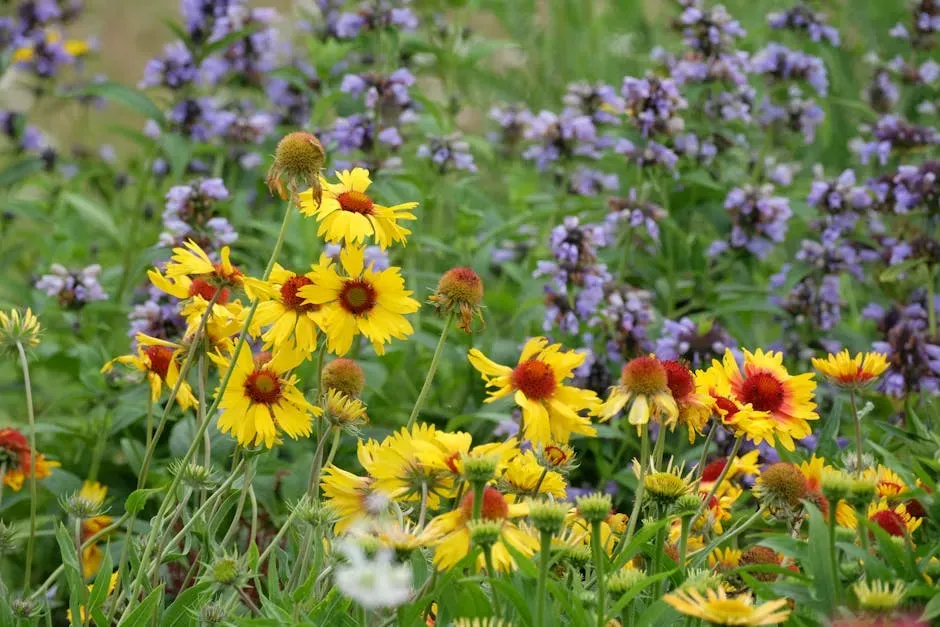
Walking into a garden centre and grabbing whatever looks beautiful is understandable, but not all attractive plants actually feed local wildlife. Gardens filled exclusively with non-native plants can be a challenge for local pollinators. These plants may not provide the right nutrients or blooming schedule that native pollinators depend on. Incorporating native wildflowers and shrubs offers a familiar habitat with the necessary pollen and nectar.
Those modern hybrids you find at plant nurseries may have pollen, nectar, and even scent bred out of them. A little research into your local climate and soil will reveal which plants work best in your yard. Non-native plants might not provide the nutrients pollinators need, or they might be inedible to local pollinators. Plus, some cultivated plant varieties, particularly those with “double flowers,” lack accessible pollen and nectar. A gorgeous double peony is essentially a closed door for bees.
#4 Cleaning Up the Garden Too Early in Spring
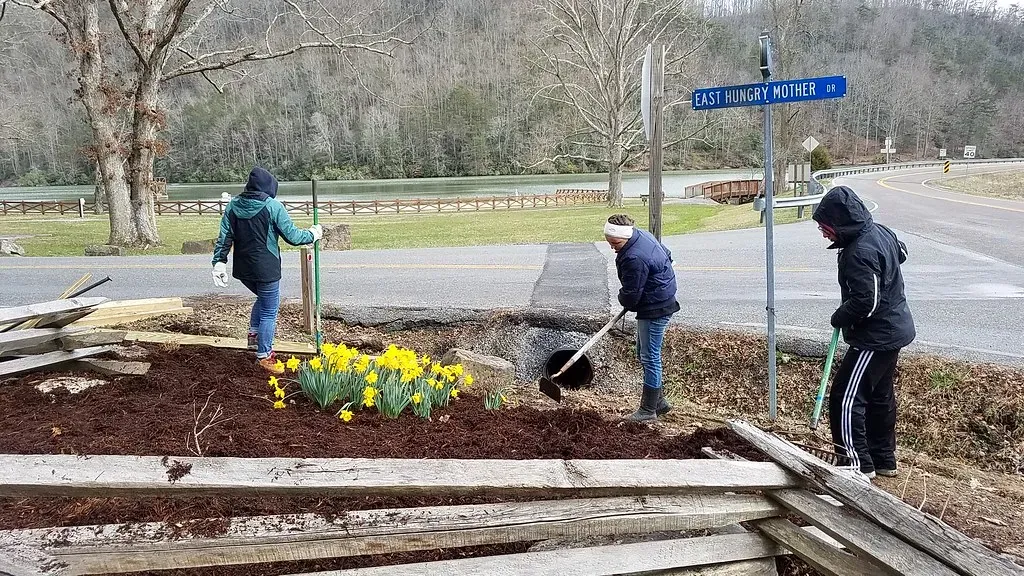
The eagerness to get out and tidy up after a long winter is completely natural. The problem is that what looks like garden debris is often functioning wildlife habitat. Many butterflies, bees and other pollinators overwinter in the dead leaves and hollowed out stems of last year’s plants. If you clean your garden prematurely, you will literally be throwing away this year’s butterflies, bees and other beneficial pollinators.
If you cut down the stalks and stems bees are nesting in too soon in the spring, or while the bees are settling in for the winter, it is game over for your pollinator pals. If you apply a thick layer of wood mulch over the top of ground-nesting bees, roughly seventy percent of native bees are ground-nesting, or till your garden in spring or fall, then you’ve wiped out your best allies. That includes bees who emerge early in the spring to pollinate fruit trees. Patience by just a few extra weeks in spring makes a remarkable difference.
#5 Doing a Thorough Autumn Leaf Removal
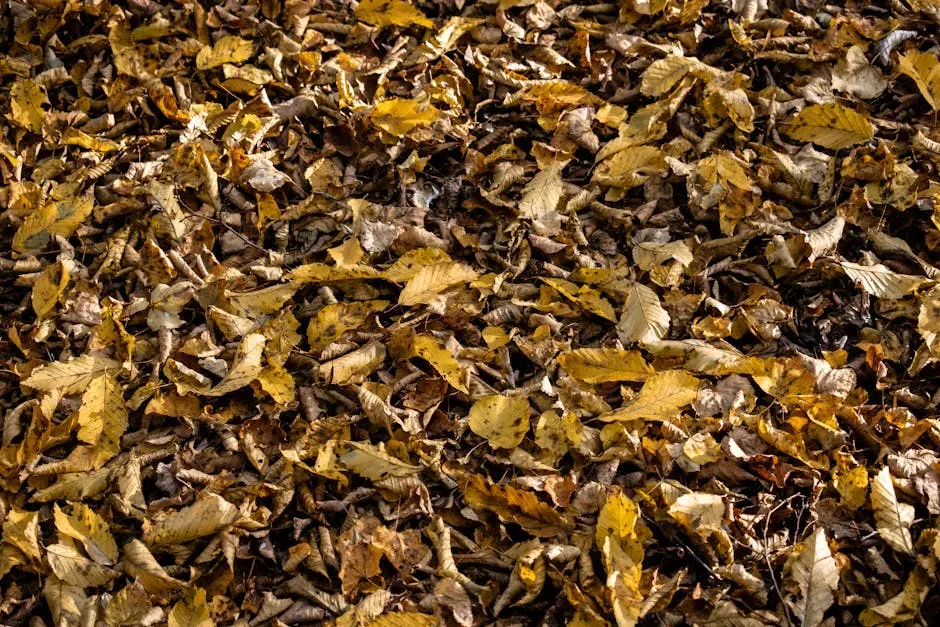
Bagging and removing every fallen leaf each autumn feels responsible, but it strips away one of the most important forms of overwintering habitat in the garden. The need to dispose of leaves is “one of the biggest false assumptions about fall cleanup,” and it’s a bad idea if you want to help wildlife survive winter, see butterflies in spring or have your vegetables pollinated in summer. Leaf litter on a garden bed creates habitat for wildlife, from small mammals and reptiles and amphibians to overwintering bees and moth and butterfly larvae.
The survival of queen bees, moths, butterflies, snails, spiders and many arthropods depend on nature’s dormant ecosystem during the winter months. When we rake, mow, and blow away the leaf cover we are interrupting the lifecycle of these critters, as well as that of birds and other animals that rely on them for sustenance. Insect-eating birds like chickadees, wrens, titmice, nuthatches, and bluebirds are very welcome in the garden because they consume thousands of caterpillars and other pest insects. Not cleaning up the garden means there will be more protein-rich insects available to them during the coldest part of the year. These birds are quite good at gleaning hibernating insects off of dead plant stems and branches, and out of leaf litter.
#6 Removing Seed Heads at the End of the Season
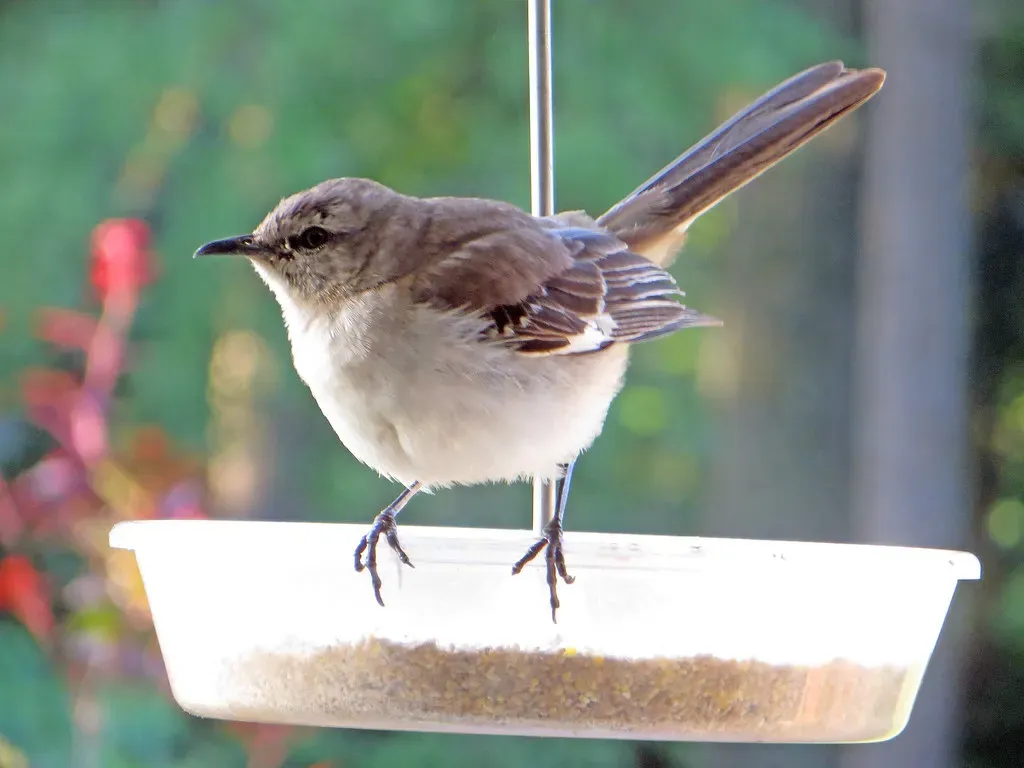
Cutting spent flower heads back to the ground once blooming finishes looks tidy, but it removes a critical winter food source for seed-eating birds. Leaf litter and dried stems provide habitat for insects, and dead seed heads can be a food source for overwintering and migrating birds. What looks untidy is actually functioning as a winter pantry.
Many perennials, such as coneflowers, sedums, black-eyed Susan, Joe-Pye weed, and marigolds, can be an important food source for seed-eating birds like finches during the winter. Allowing their seed heads to ripen until they turn brown and split open is the key. These seed capsules are like salt shakers full of tiny seeds. Resisting the urge to deadhead everything in autumn costs you almost nothing and pays real dividends for birds through the coldest months.
#7 Planting Invasive Species Without Realizing It
Some of the most popular garden plants sold at nurseries are actually invasive, and they do more harm to local ecosystems than most people realize. One mistake many gardeners make is planting invasive species, and it’s not surprising. Many gardeners don’t even realize invasives are harmful; they just see pretty plants. The damage compounds over time as these plants crowd out native vegetation.
Invasive plants frequently don’t have adequate pollen and nectar resources, and invasive species are among the main drivers of the loss of biodiversity globally. When native plants are pushed out, so are the pollinators and the wildlife that relied on them for food and shelter. One example is the butterfly bush. Adult butterflies and other pollinators do feed on its copious nectar resources, but butterfly larvae cannot use the leaves of the butterfly bush as a food source. This slows population growth and harms butterflies overall. It feeds the adults while quietly undermining the next generation.
#8 Keeping the Garden Too Tidy Year-Round
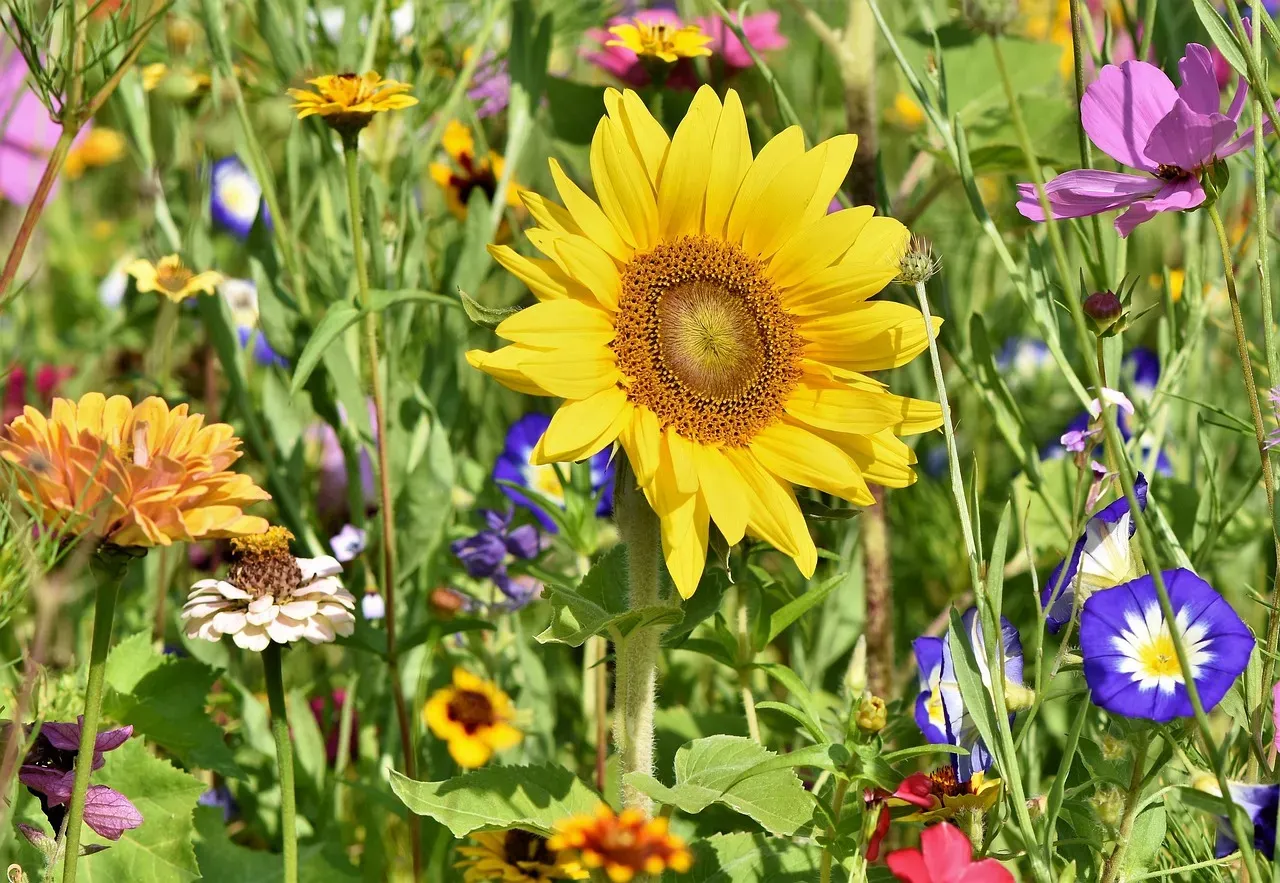
There’s enormous cultural pressure to maintain a groomed, weed-free garden. Tidiness, however, works against the small, messy habitats that many species genuinely need. If you’re overly tidy in the garden, you could be removing pollinators’ natural habitats like leaf litter and dead wood. Maintaining some wild areas in your garden with logs, bare soil, and undisturbed undergrowth gives pollinators safe places to shelter, hide, and rest.
Some bees and pollinating beetles may use downed tree limbs and logs; many butterflies lay eggs and rear their young on plants; a small patch of bare ground might serve ground-nesting bees. These aren’t signs of a neglected garden. They’re signs of a genuinely functioning one. Leaving even one corner slightly unkempt can have a disproportionate positive effect on the insects and birds that move through your space.
#9 Using Synthetic Fertilizers Routinely
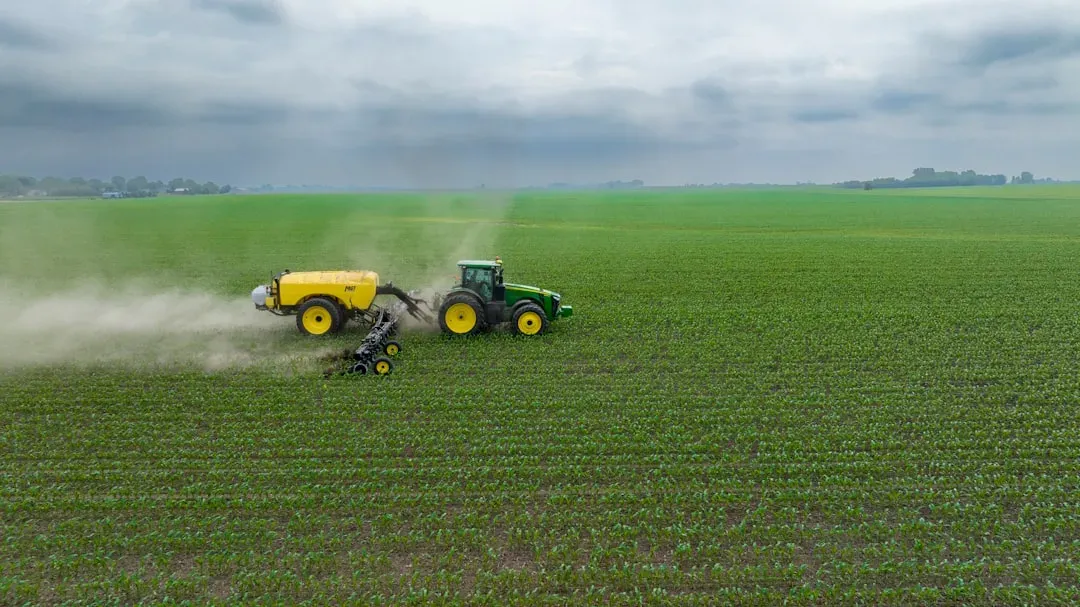
The appeal of synthetic fertilizers is straightforward: fast results, greener plants, bigger blooms. The cost, though, runs deeper than most gardeners expect. Synthetic fertilizers might promise quick results, but they can disrupt soil health and deter pollinators. These chemicals can leach into the soil, affecting the microorganisms that support plant and insect life. Opting for organic fertilizers or compost enriches the soil naturally.
Synthetic fertilizers, especially those containing nitrogen, can alter the electric field around flowers, which bumblebees and other pollinators use to locate plants. That’s a surprisingly specific mechanism of harm, and not one most people consider when opening a bag of granular fertilizer. Chemical fertilizers also wreak havoc on soil health, causing it to become acidic, compacted, and inhospitable to beneficial microbes. With microbial diversity in decline, the soil struggles to break down organic matter, cycle nutrients, and suppress plant diseases.
#10 Leaving No Source of Water in the Garden
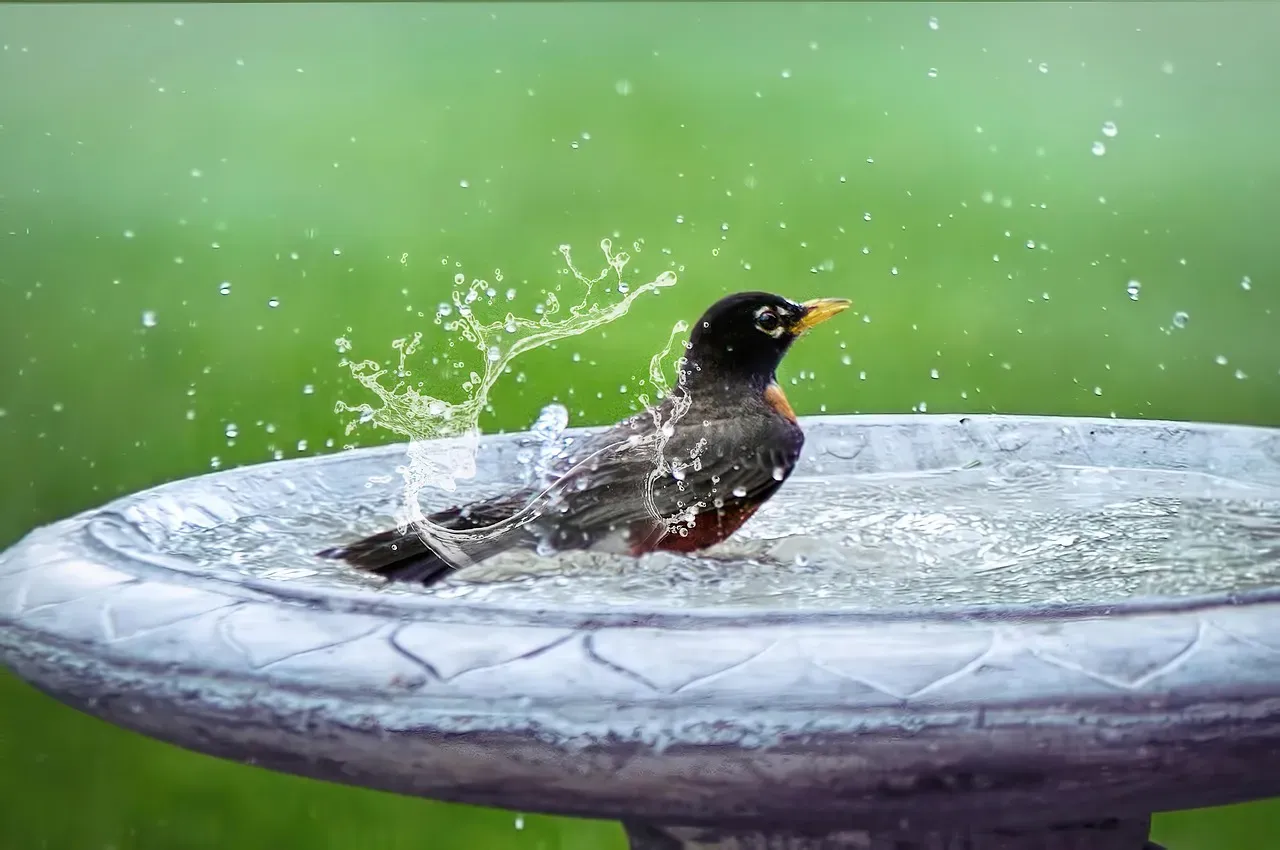
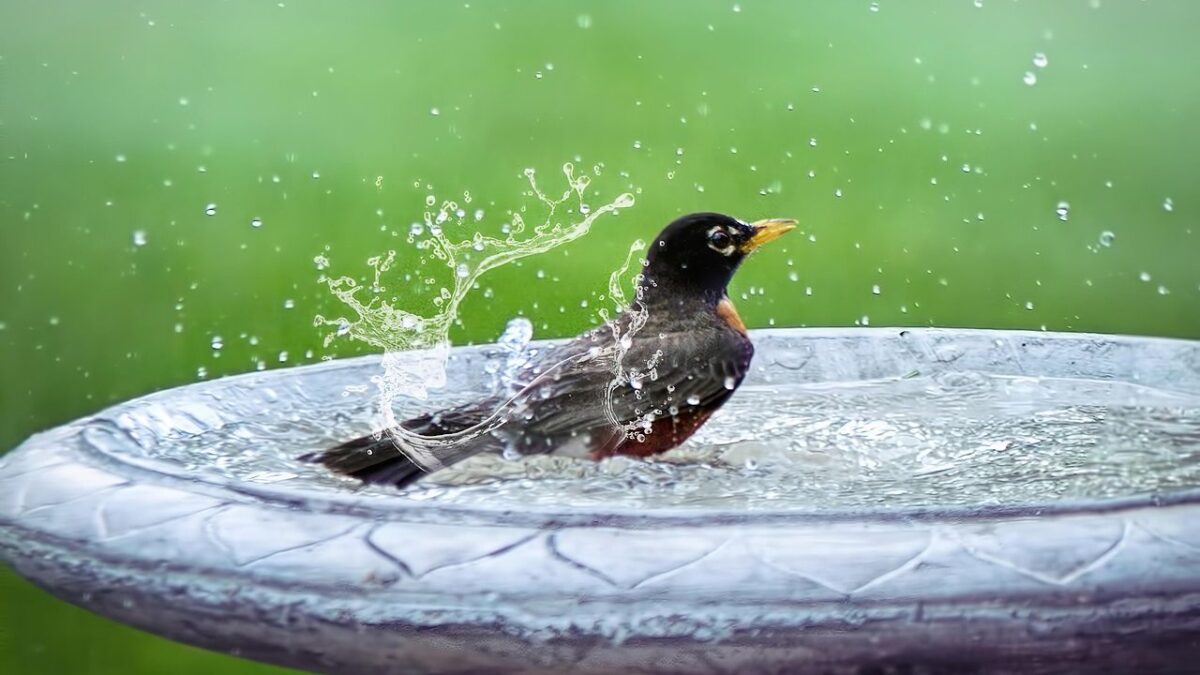
Food and habitat get most of the attention, but water is equally essential and equally overlooked. Pollinators need water, but not all gardens provide it, especially during dry spells. A shallow water source with stones for perching can attract bees and butterflies. Providing clean, fresh sources of water through features like a shallow dish with pebbles or a birdbath with regularly changed water is a straightforward fix.
Bird baths or small ponds can double as decorative elements while serving the needs of wildlife. Changing the water regularly prevents it from becoming a breeding ground for unwanted insects. By providing fresh water, you’re creating a hospitable environment that supports a wide range of beneficial creatures in your garden. The solution here is one of the simplest on this list, and one of the most rewarding to watch in action.
#11 Leaving No Gaps in Bloom Time Through the Seasons
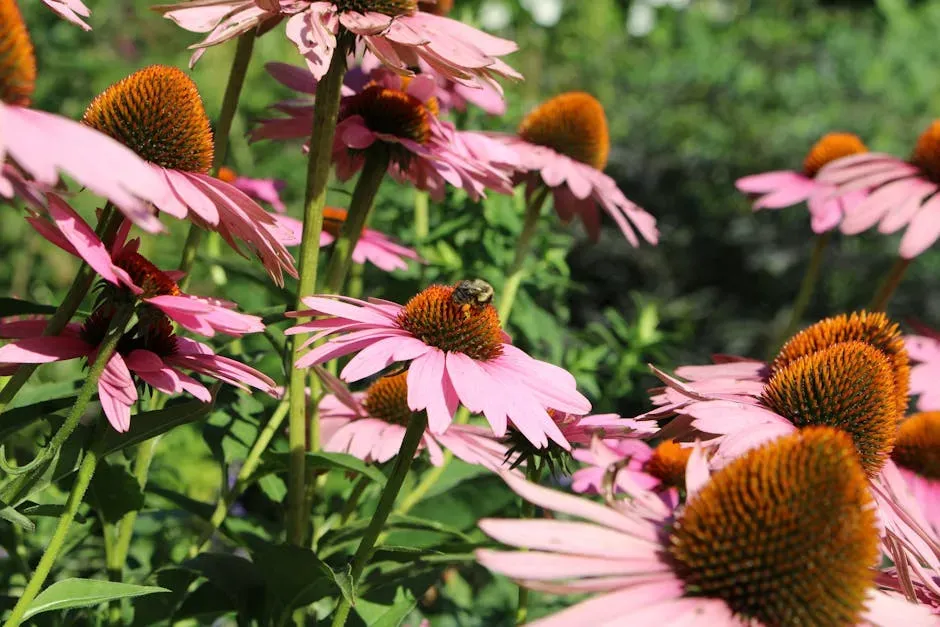
It’s easy to plant heavily for spring and summer colour and then let the garden go quiet by late summer and autumn. For pollinators, that gap represents a genuine food shortage at a critical time. You can start by planting native flowers and milkweed, and by choosing perennials that return each year to create long-term habitats. Staggering bloom times across spring, summer, and fall ensures pollinators always have food.
Ensuring that different types of pollinators visit your yard means planting flowers of different shapes, sizes, and colors. Planting flowers in clumps, rather than scattering single flowers throughout the yard, makes it easier for pollinators to locate their next meal. A garden that blooms in waves from early spring through to first frost is far more valuable to local wildlife than one that puts on a brief spectacular show and then goes silent for half the year.
#12 Leaving Outdoor Lights On Through the Night
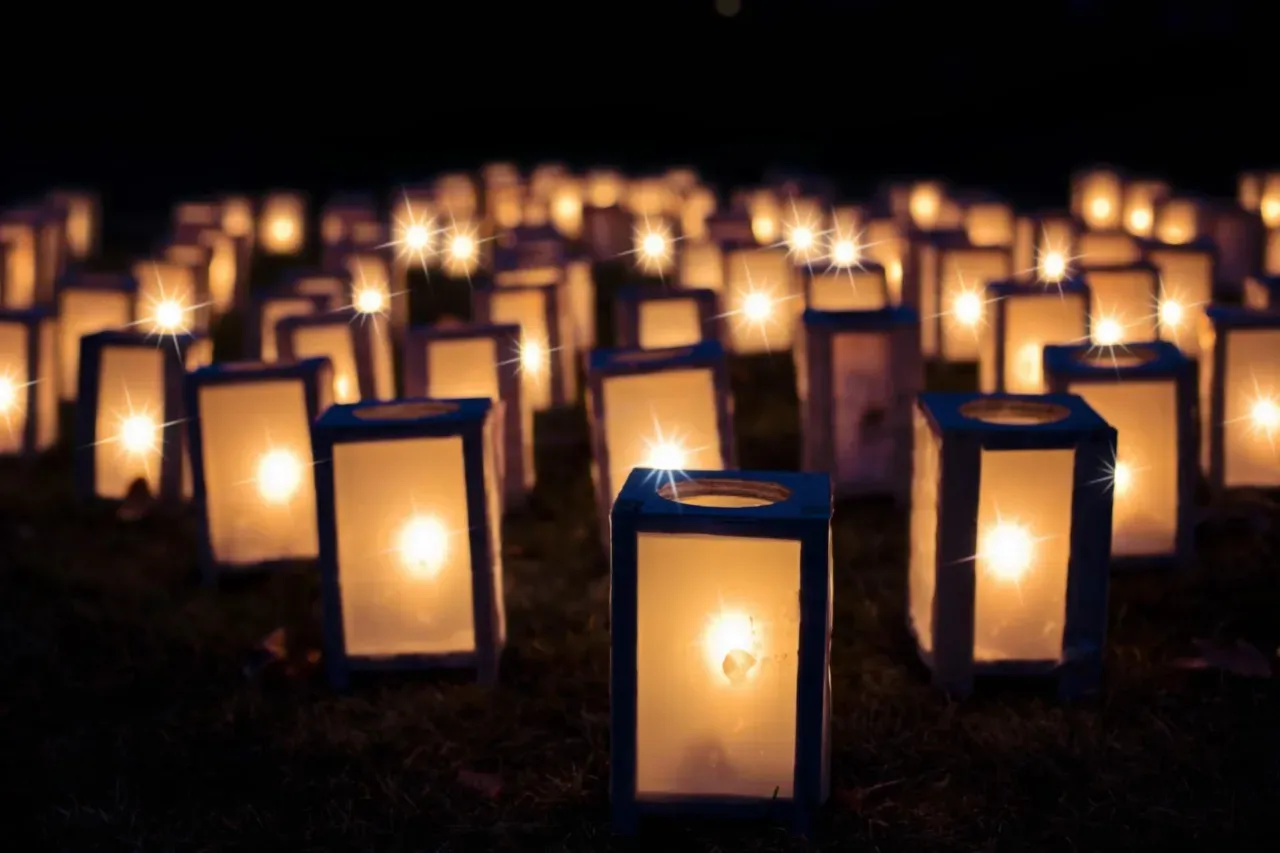
Garden lighting feels entirely separate from wildlife concerns, but it has real consequences for both birds and nocturnal pollinators. Insects and birds are particularly susceptible to the effects of artificial lighting. Artificial lighting affects normal foraging, migration, reproduction and predation. Moths, for example, are drawn to artificial lights, which prevents them from carrying out usual pollination activity at night and often leads them to tire themselves out and perish.
Birds exposed to artificial lights can become distressed and lose sleep; they may wake earlier in the day and lay their eggs earlier in the season, too far ahead of available food for their young. Meanwhile, pollinators that are attracted to light, like moths, are spending more time swarming artificial lights and less time visiting flowers. That can directly translate to lower fruit yields in your edible garden. It also confuses other insects who normally rely on darkness as a cue that it’s time to find shelter and rest. Dimming outdoor lights, fitting timers, or switching to motion-activated fixtures are small changes that meaningfully reduce this pressure.
The Bigger Picture
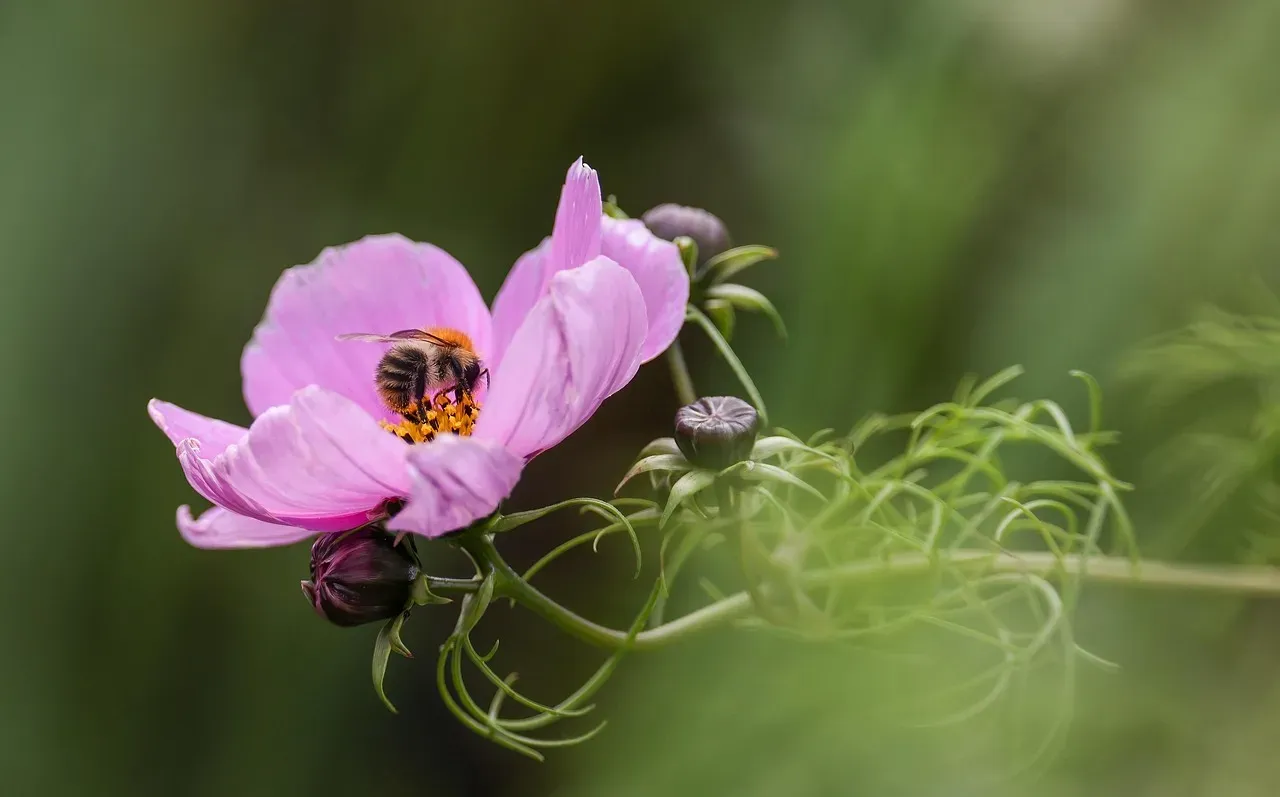
None of these mistakes happen out of carelessness. Most are the result of habits passed along for generations, combined with a garden culture that prizes tidiness and control over ecological value. Pollinators play a key role in the reproduction of the vast majority of plant species, which in turn form the base of food chains and habitats for countless other creatures. The yard outside your door, however small, is part of that network.
A comprehensive 2025 assessment of nearly 1,600 native North American pollinators found that over one in five species face elevated extinction risk. Bees are the most threatened insect group, with approximately thirty-five percent of assessed bee species at risk. Those numbers are sobering, but they’re also a reminder of why what happens in individual gardens actually matters.
The changes required here aren’t dramatic. They’re mostly about doing a little less: less spraying, less tidying, less lighting, less rushing to clean up after the seasons change. Letting the garden breathe, linger, and stay a little wilder is often all it takes to make it genuinely alive.
