


From the pages of beloved classics to contemporary favorites, certain animals consistently capture the imagination of young readers around the world. Children’s literature has long used animal characters to teach important life lessons, spark curiosity about the natural world, and create memorable stories that stay with readers throughout their lives. Publishers and librarians report that specific animals dominate children’s book searches year after year, reflecting both timeless appeal and cultural significance. Let’s explore the twelve animals that appear most frequently in children’s book searches, examining why they continue to enchant young readers and what makes them such enduring literary figures.
12. Bears

Bears consistently rank at the top of children’s book searches, with characters like Winnie the Pooh, Paddington, and the Berenstain Bears becoming household names across generations. The appeal of bears in children’s literature stems from their unique combination of traits—they appear simultaneously powerful yet gentle, wild yet familiar. This duality makes them perfect vehicles for stories about courage, kindness, and family dynamics.
Research shows that bear-themed books account for approximately 15% of all animal-focused children’s book searches, with particular spikes during winter months when hibernation themes become seasonally relevant. Publishers note that bears have remarkable staying power, with classics like “Brown Bear, Brown Bear, What Do You See?” remaining bestsellers decades after publication. Bears also cross cultural boundaries easily, appearing in folk tales and modern stories across continents, making them universally recognizable characters for young readers worldwide.
11. Dogs

Dogs hold a special place in children’s literature as both faithful companions and adventurous heroes. From beloved classics like “Clifford the Big Red Dog” and “Harry the Dirty Dog” to newer favorites such as “Dog Man,” canine characters consistently rank second in children’s book searches globally. The special bond between children and dogs translates powerfully to the page, allowing young readers to explore themes of loyalty, responsibility, and unconditional love.
Statistics from children’s libraries show that dog-centered books are particularly popular among early readers aged 4-7, with approximately 14% of animal-themed searches focused specifically on canine characters. Publishers report that books featuring working dogs (rescue dogs, service dogs, farm dogs) have seen increased popularity in recent years, reflecting growing awareness of the diverse roles dogs play in human society. This trend has expanded the educational value of dog-centered literature, teaching children about different breeds, training methods, and the importance of proper animal care.
10. Cats

Feline characters have fascinated young readers for generations, with their mysterious nature and independent spirit making them perfect protagonists for children’s stories. From Dr. Seuss’s mischievous “Cat in the Hat” to the more gentle “Pete the Cat” series, cats consistently rank third in children’s book searches. Their contradictory traits—simultaneously aloof yet affectionate, domestic yet wild—create rich opportunities for character development and storytelling.
Approximately 12% of animal-focused children’s book searches center on cats, with particular popularity among urban families where cats are common pets. Educational specialists note that cat characters often help introduce complex concepts like independence, boundaries, and consent through their characteristic behaviors. Publishers have observed increasing demand for diverse representations of cats in children’s literature, with books featuring cats from different cultures and traditions gaining popularity. The digital age has also boosted feline characters’ appeal, with internet cat culture influencing newer releases featuring tech-savvy or social media-themed cat protagonists.
9. Mice
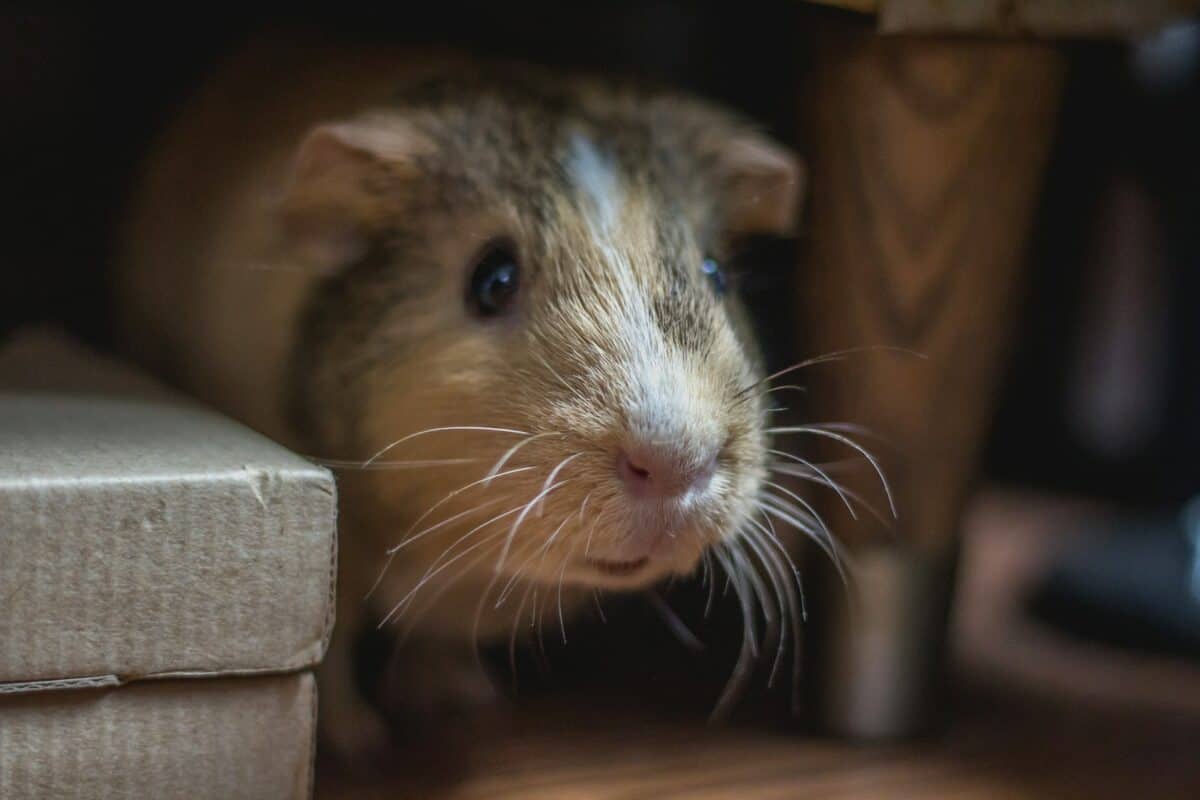
Small but mighty, mice have maintained a prominent position in children’s literature for centuries. From classics like “Stuart Little” and “The Tale of Despereaux” to beloved picture books like “If You Give a Mouse a Cookie,” these tiny characters consistently capture children’s imagination and sympathy. Their diminutive size creates immediate relatability for young readers who similarly navigate a world designed for larger beings, while their cleverness and resourcefulness offer empowering messages about overcoming obstacles.
Data from children’s publishers indicates that approximately 10% of animal-themed book searches involve mice, with particular popularity among preschool and early elementary audiences. Psychologists suggest that mouse characters provide a safe way for children to explore feelings of vulnerability and courage, as these small creatures must regularly demonstrate bravery in challenging situations. The contrast between mice’s physical limitations and their outsized achievements makes them ideal protagonists for stories about determination and ingenuity, themes that resonate strongly with developing minds.
8. Elephants

Elephants emerge as surprisingly frequent stars of children’s literature, with their combination of intelligence, emotional depth, and impressive physical presence making them compelling characters. From classics like “Babar” and “Horton Hears a Who” to newer titles like “Strictly No Elephants,” these majestic animals consistently appear in approximately 8% of animal-focused children’s book searches. Their long lifespans and complex social structures make them ideal vehicles for exploring themes of memory, family bonds, and community responsibility.
Educational researchers note that elephant-centered books often introduce important concepts about conservation and environmental stewardship, as many feature wild elephants in their natural habitats. Publishers report that elephant characters are particularly effective for addressing complex emotional topics like grief, loyalty, and forgiveness, thanks to the widely known emotional intelligence of actual elephants. This science-based approach to characterization creates stories that are both entertaining and scientifically informative, helping children develop empathy for wildlife while learning accurate information about these endangered species.
7. Rabbits

Hopping their way into approximately 7.5% of animal-focused children’s book searches, rabbits have maintained enduring popularity in young readers’ literature. From Beatrix Potter’s mischievous Peter Rabbit to the adventurous protagonist of “The Miraculous Journey of Edward Tulane,” rabbit characters blend approachability with a hint of wildness that captivates children’s imagination. Their natural characteristics—quick movement, alertness, and fertility—translate into literary themes of adventure, caution, and family abundance.
Publishers note that rabbit-centered books experience seasonal spikes around Easter but maintain steady popularity year-round. Child development specialists suggest that rabbit characters effectively bridge the gap between domestic and wild animals in children’s understanding, as rabbits exist in both contexts. This duality makes them versatile characters for exploring both home-centered stories and wilderness adventures. Additionally, the widespread cultural significance of rabbits across different traditions—from the Easter Bunny to the Rabbit in the Moon—gives these characters built-in familiarity that resonates with diverse audiences.
6. Wolves
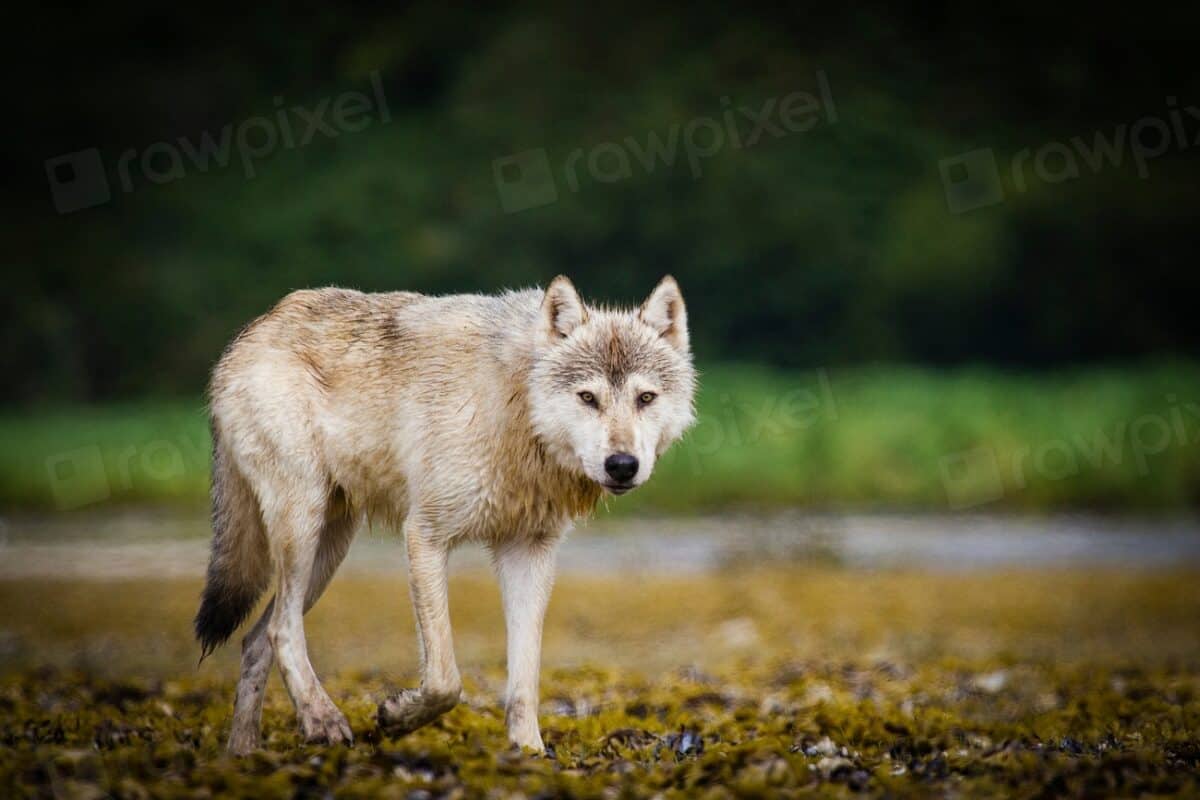
Despite their fearsome reputation in traditional fairy tales, wolves have evolved into complex and frequently searched characters in contemporary children’s literature. From retellings of “Little Red Riding Hood” from the wolf’s perspective to conservation-minded stories like “The Wolves Return,” these animals appear in approximately 7% of animal-themed book searches. Their transformation from villains to misunderstood creatures reflects changing cultural attitudes toward predators and wild animals in general.
Educational content analysis shows that modern wolf-centered children’s books often focus on ecology and the importance of predators in healthy ecosystems, marking a significant shift from earlier portrayals. Child psychologists note that wolf characters help children process and understand concepts of fear, danger, and judgment, allowing for nuanced discussions about not judging by appearance or reputation alone. Publishers report growing interest in scientifically accurate wolf books that maintain narrative appeal while correcting misconceptions perpetuated by older stories, demonstrating how children’s literature evolves alongside scientific understanding.
5. Monkeys

Playful, curious, and remarkably similar to human children in their behavior, monkeys consistently appear in about 6.5% of animal-themed children’s book searches. Characters like Curious George have entertained generations with their mischievous antics and inadvertent adventures, while newer titles like “Grumpy Monkey” use primate characters to help children understand and process complex emotions. The physical similarities between monkeys and humans create immediate visual connection, while their playful nature resonates with children’s own approach to exploring the world.
Educational researchers note that monkey-centered books often serve as gentle introductions to scientific concepts like evolution, biodiversity, and primate behavior. Publishers report increasing demand for books that accurately distinguish between different primate species rather than using “monkey” as a catchall term, reflecting growing awareness of scientific literacy even in picture books. This trend toward greater accuracy hasn’t diminished the appeal of these characters, as their natural behaviors—swinging, climbing, social grooming, and tool use—translate perfectly into engaging visual storytelling that captures young readers’ attention while subtly conveying accurate information.
4. Birds

From wise owls to adventurous penguins, birds of various species collectively account for approximately 6% of animal-focused children’s book searches. Their diversity makes them particularly versatile characters, with different species embodying different traits—owls represent wisdom, eagles symbolize freedom, and penguins often personify loyalty and family bonds. This variety allows authors and illustrators to select precisely the right avian character for their intended theme and message.
Library data shows that bird-centered books are especially popular for early science education, as they naturally introduce concepts like migration, adaptation, and flight mechanics through narrative contexts. Publishers note that bird books featuring accurate illustrations and species information have seen increased demand as parents and educators seek literature that combines storytelling with factual content. Research into children’s reading preferences suggests that the appeal of bird characters crosses gender lines more successfully than some other animal categories, making these books particularly valuable for diverse classroom settings and family reading time.
3. Lions

Majestic, powerful, and culturally significant across numerous traditions, lions consistently appear in approximately 5% of animal-themed children’s book searches. From classics like C.S. Lewis’s Aslan in “The Chronicles of Narnia” to picture books like “The Lion and the Mouse,” these apex predators embody strength, courage, and leadership. Their status as “king of the beasts” creates immediate narrative gravity, making them ideal characters for stories addressing themes of power, responsibility, and moral courage.
Cultural researchers note that lion characters often serve as entry points for introducing children to diverse global traditions, as lions hold symbolic importance in African, Middle Eastern, and European cultural contexts. Publishers report that lion-centered books experience particular popularity during units on Africa or savanna ecosystems in school curricula. Child development specialists observe that lion family structures, with their complex pride dynamics, provide excellent frameworks for exploring themes of community, protection, and cooperation in terms accessible to young readers, combining entertainment value with social-emotional learning opportunities.
2. Pigs
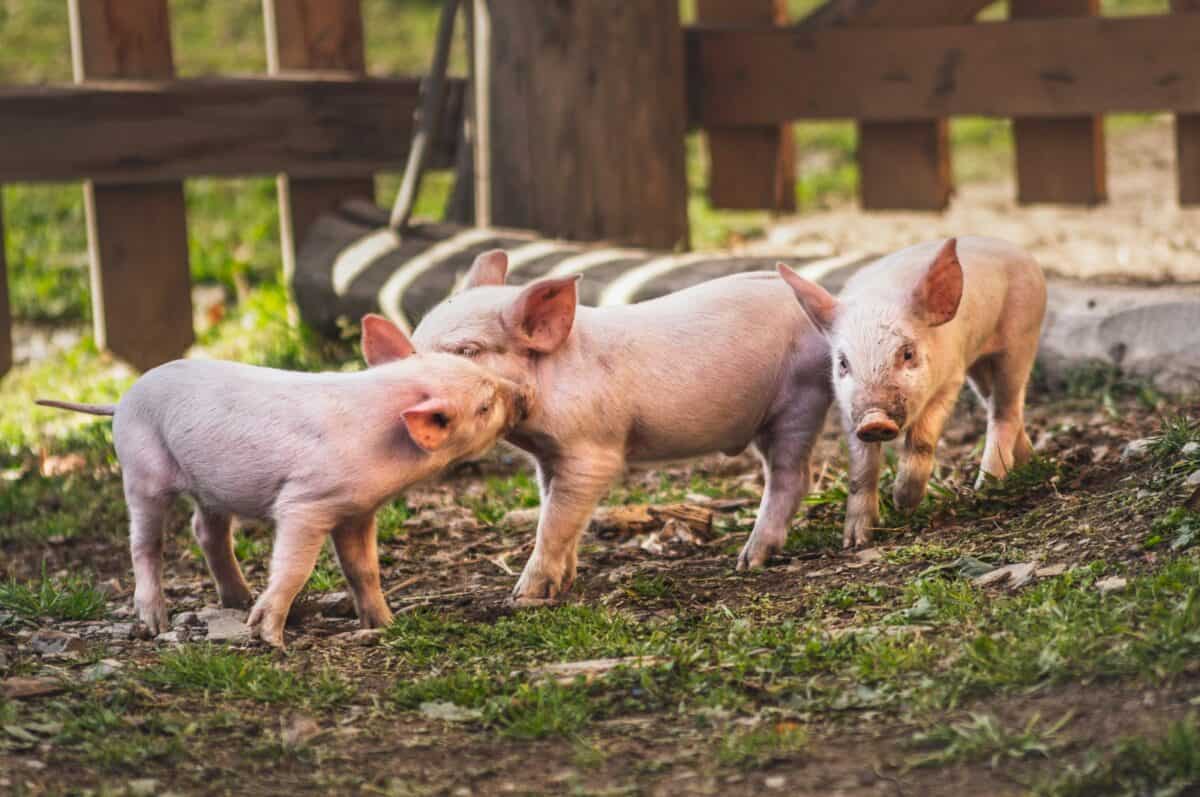
Perhaps surprisingly, pigs rank consistently high in children’s book searches, appearing in approximately 4.5% of animal-themed queries. From beloved characters like Wilbur in “Charlotte’s Web” and the protagonists of “The Three Little Pigs” to modern favorites like Olivia and Peppa Pig, these farmyard animals have demonstrated remarkable literary staying power. Their intelligence combined with their somewhat comical appearance creates characters that can be simultaneously taken seriously and provide light-hearted humor.
Educational analysis suggests that pig characters often challenge stereotypes and expectations, making them effective vehicles for stories about not judging by appearances. Publishers note that pig-centered books frequently address themes of cleanliness, order, and self-acceptance—playing with and ultimately subverting common associations with pigs. Market research indicates that pig characters resonate particularly strongly with children in transitional phases like starting school or developing independent habits, possibly because these animals straddle the line between wild and domestic in agricultural settings, mirroring children’s own journey toward greater independence while maintaining family connections.
1. Dinosaurs

Though extinct for millions of years, dinosaurs maintain a powerful hold on children’s imagination, appearing in approximately 4% of animal-themed book searches. Their enormous size, exotic appearance, and scientific mystery make them perennially fascinating subjects for young readers. From factual books like “How Do Dinosaurs Say Goodnight?” to fantasy adventures featuring living dinosaurs, these prehistoric creatures combine educational value with pure excitement in ways few other animals can match.
Library circulation data shows that dinosaur books are particularly popular among children aged 3-8, with a slight statistical skew toward boys, though publishers are actively working to create dinosaur content with broader appeal. Educational researchers note that dinosaur literature often serves as children’s first introduction to scientific concepts like paleontology, evolution, and geological time scales. The fact that dinosaurs are known only through fossil evidence creates natural opportunities for books that teach the scientific process, encouraging children to analyze evidence and draw conclusions—skills that transfer to other areas of learning and critical thinking.
Conclusion: The Enduring Appeal of Animal Characters in Children’s Literature

The consistent popularity of these twelve animal categories in children’s book searches reveals fundamental aspects of how young readers engage with literature. Animals provide the perfect balance of familiarity and distance, allowing children to explore complex emotions and situations through characters that are relatable yet safely removed from human dynamics. Developmental psychologists suggest that animal characters help children process difficult feelings and scenarios by creating emotional distance that makes challenging topics more approachable.
Publishers report that animal-centered books consistently outperform those with exclusively human characters in early childhood markets, reflecting children’s natural affinity for the animal world. This enduring connection between young readers and animal characters serves multiple developmental purposes, from building empathy and environmental awareness to providing symbolic frameworks for understanding human behavior. As children’s literature continues to evolve, these twelve animal categories will likely maintain their dominance in searches and sales, even as the specific stories and illustrations adapt to reflect changing cultural values and scientific understanding.

As a little kid, I fell in love with nature, wildlife, and animals. Living in the USA, South Africa, Italy, China and Germany gave me the opportunity to discover the world's Wildlife. My favorite animals are Mountain Gorillas, Siberian Tigers, and Great White Sharks.
I'm a certified PADI Open Water Diver, went to Everest Base Camp and Trekked Gorillas in Uganda. I hold a Master of Science in Economics and Finance.
Please send any feedback to feedback@animalsaroundtheglobe.com
- The Fearsome Komodo Dragon Earth’s Largest Lizard - August 18, 2026
- How Bears Are Adapting to Urban Life in the U.S. - August 18, 2026
- Animals and Wildlife in North America - August 18, 2026