
Most of us measure a long life in decades. A person who reaches ninety has done well, and one who reaches a hundred makes the local news. Out in the oceans, in forests and on remote islands, though, some animals treat a century as a warm-up.
Some of them were alive before your great grandparents were born. A few will still be going long after you’re gone. Here’s a countdown of twelve creatures that can easily outlast us, starting with the merely impressive and ending with the truly ancient.
12. Aldabra Giant Tortoise
🔥 Would you like to save this?
We'll email this post to you, so you can come back to it later!
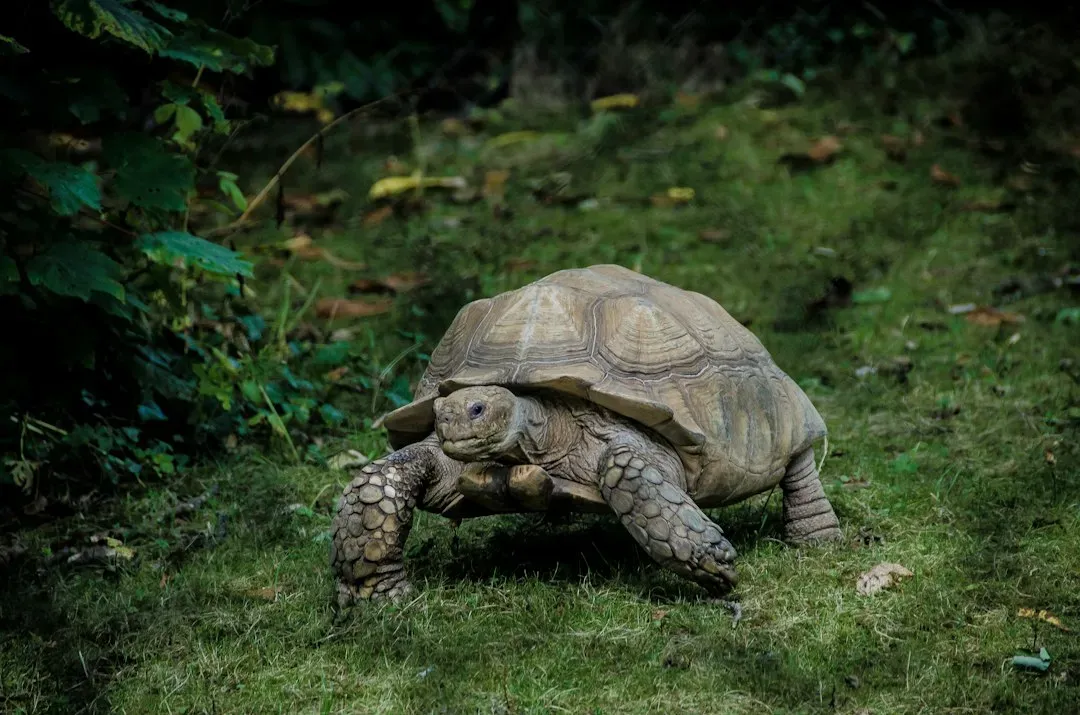
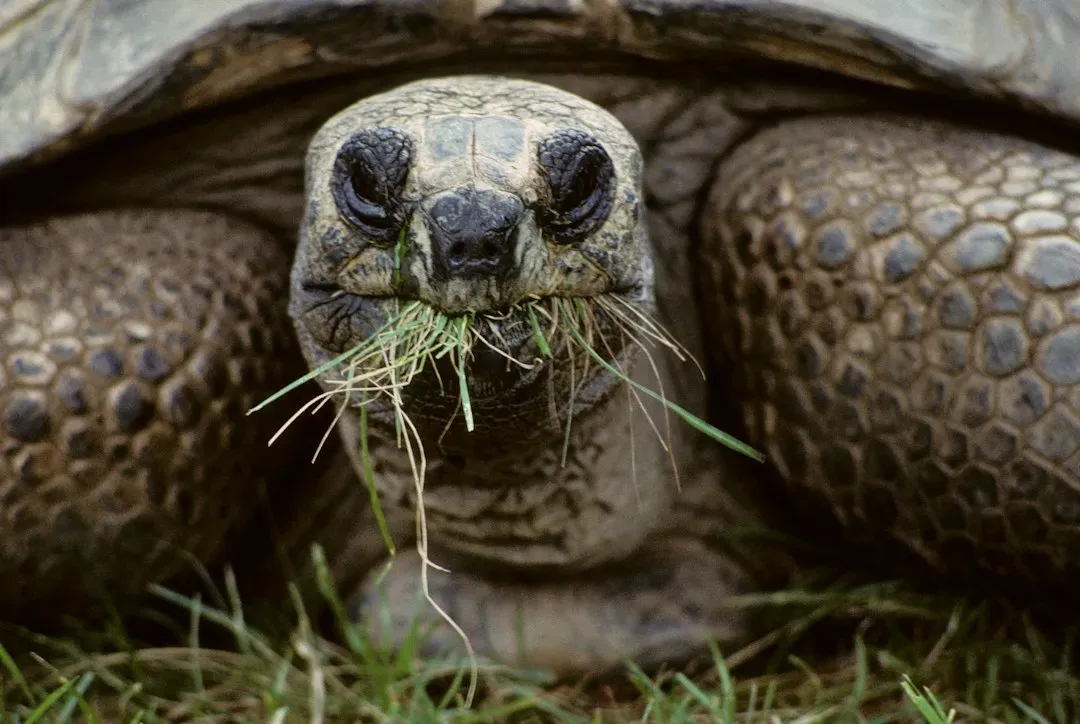
Giant tortoises are the classic symbol of a long life, and the reputation is earned. Many live well past a hundred years in good conditions. The best known individual is Jonathan, a Seychelles giant tortoise living on the island of Saint Helena.
He’s believed to have hatched around 1832, which makes him the oldest known living land animal. That would put him in his nineties before photography became common.
Slow metabolism is part of the explanation. Tortoises move little, eat plants and conserve energy. Their lives are quiet, and quiet seems to last.
11. Tuatara
🔥 Would you like to save this?
We'll email this post to you, so you can come back to it later!
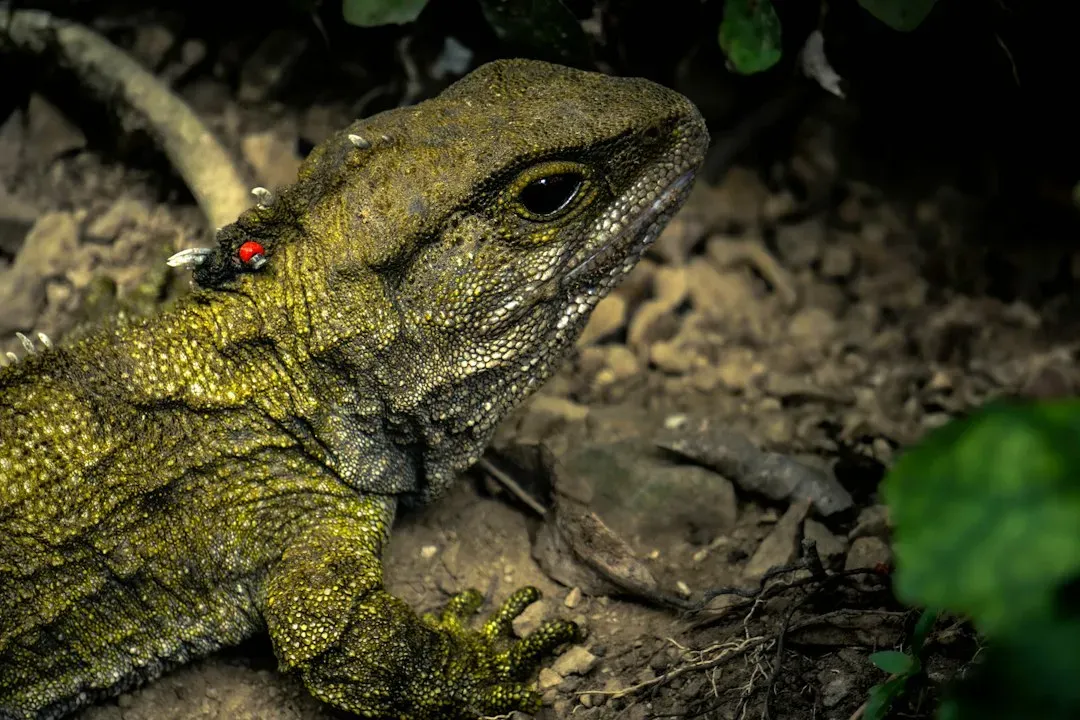
Tuatara look like lizards, but they belong to a separate ancient lineage found only in New Zealand. They are the last survivors of a group that goes back well over two hundred million years. Their lifespans are long too, with individuals commonly reaching beyond a hundred years.
The secret seems to be a slow pace of life. They live in cool climates, grow gradually and take many years to mature. Females may breed only every few years.
That slow rhythm has a downside. If a population is disturbed, it recovers very slowly, which is why conservation work matters so much for them.
10. Red Sea Urchin
🔥 Would you like to save this?
We'll email this post to you, so you can come back to it later!
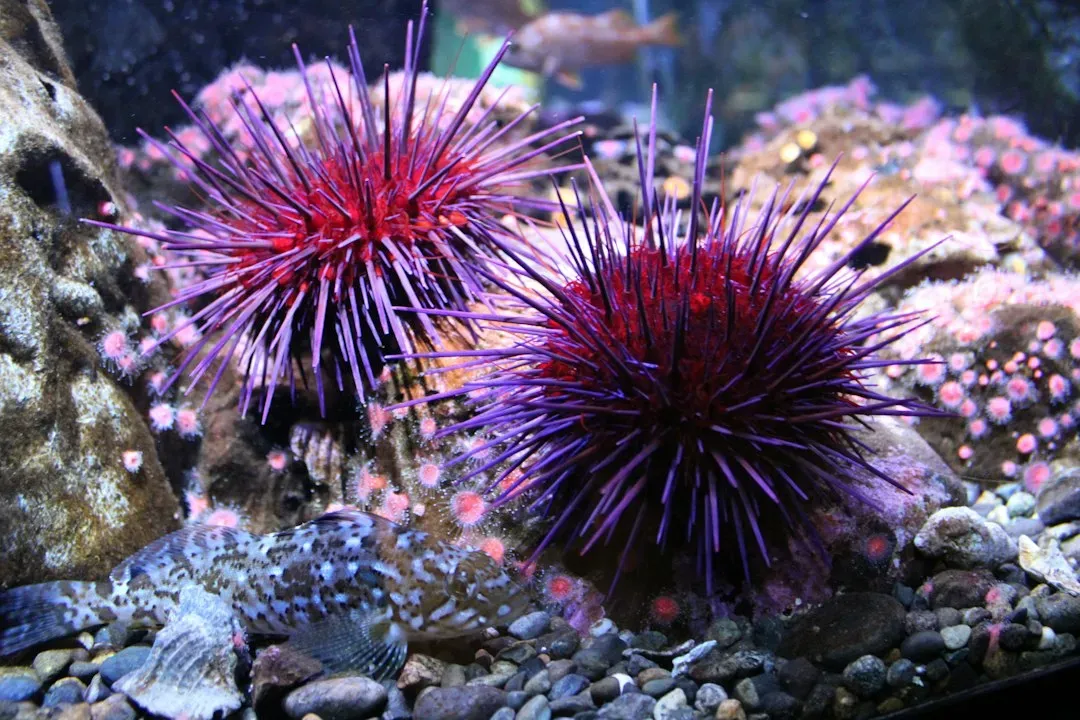
It’s easy to dismiss a spiky blob on the Pacific seafloor. Yet red sea urchins can live well over a century, and some estimates push beyond two hundred years. Researchers have found they show very little of the decline we expect with age.
Older urchins keep reproducing and stay physically capable. Their cells seem to resist the kind of wear that slows most animals down.
Scientists studying them hope to learn how tissues stay healthy over time. It’s a reminder that valuable biology often hides in unglamorous animals.
9. Rougheye Rockfish
🔥 Would you like to save this?
We'll email this post to you, so you can come back to it later!
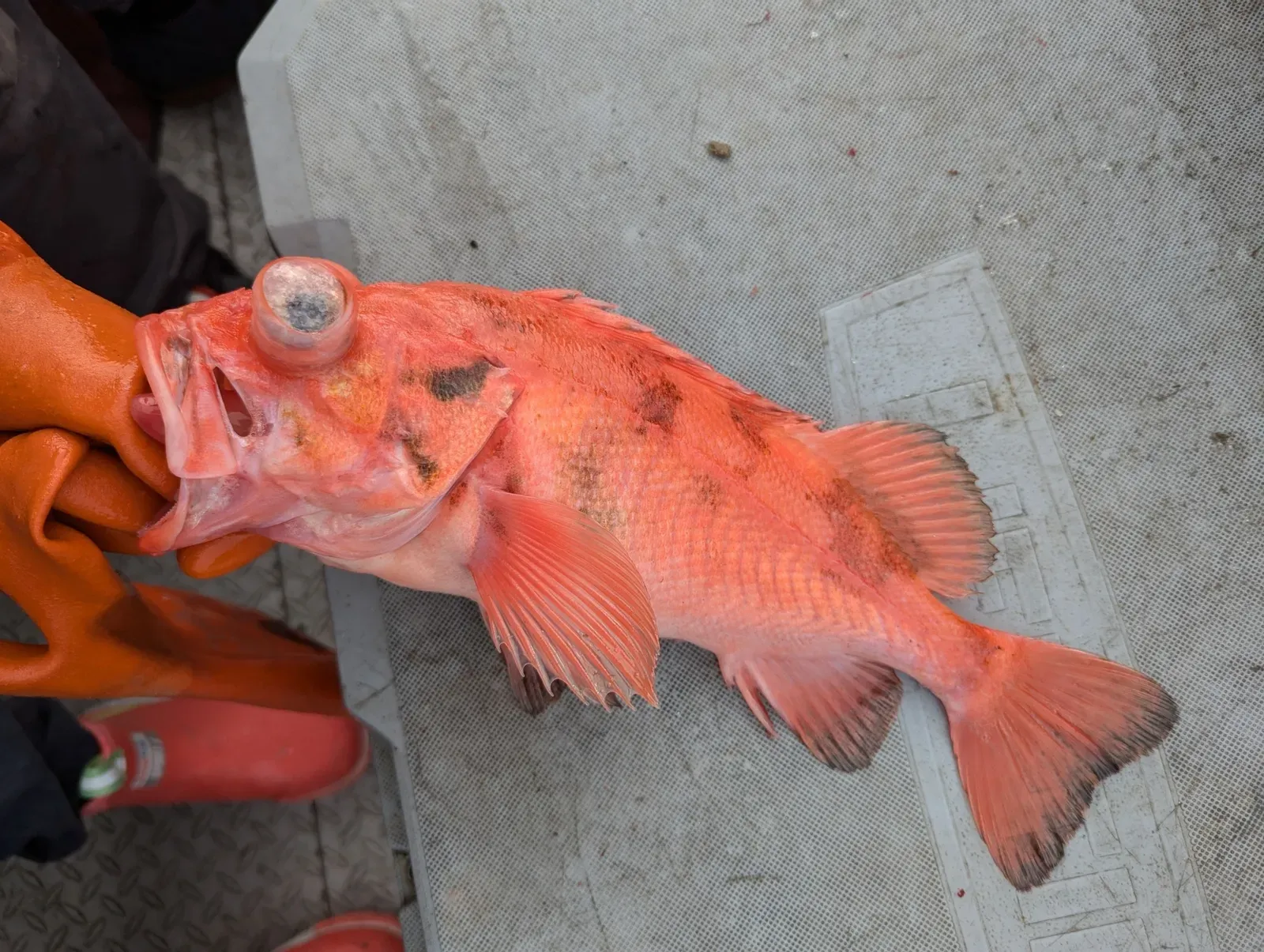
Rockfish are a common sight on fish counters, but one species is a quiet record holder. The rougheye rockfish of the North Pacific has been aged at more than two hundred years. Scientists work this out by counting growth rings in the small ear bones called otoliths.
Living in cold, deep water seems to help. Growth is slow, and so is everything else.
The long lifespan also makes these fish vulnerable. A population that takes generations to replace itself can’t bounce back quickly from heavy fishing.
8. Bowhead Whale
🔥 Would you like to save this?
We'll email this post to you, so you can come back to it later!
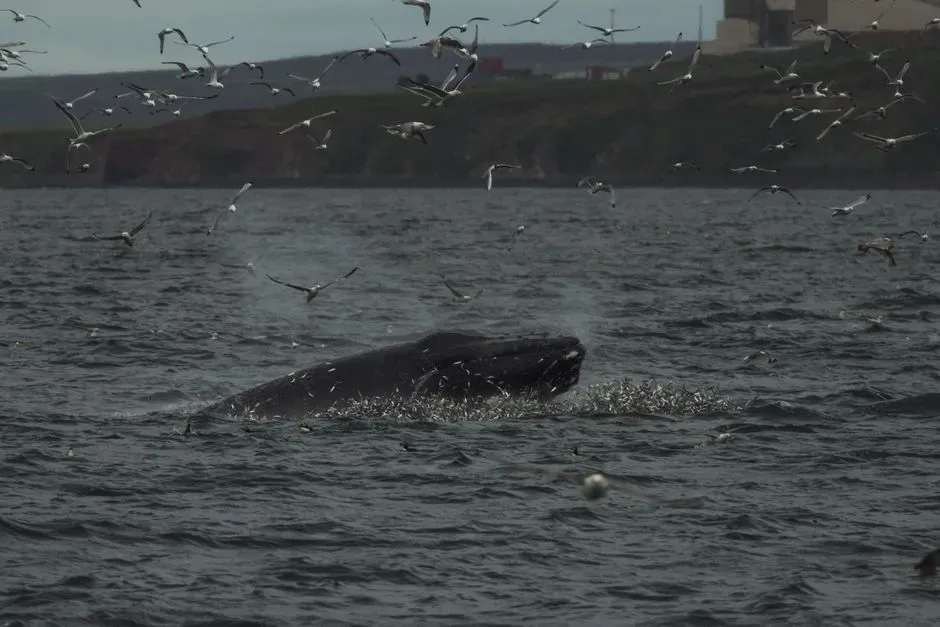
Among mammals, the bowhead whale stands almost alone. It lives in the icy Arctic and is thought to live beyond two hundred years. Some evidence comes from old stone and ivory harpoon fragments found embedded in living whales.
That’s a striking detail. It means an animal swimming today may have survived hunting that took place in the nineteenth century.
Their huge bodies should make cancer more likely, since they have so many cells. Yet bowheads rarely seem to suffer from it, and researchers have been studying their DNA repair for clues.
7. Lamellibrachia Tubeworm
🔥 Would you like to save this?
We'll email this post to you, so you can come back to it later!
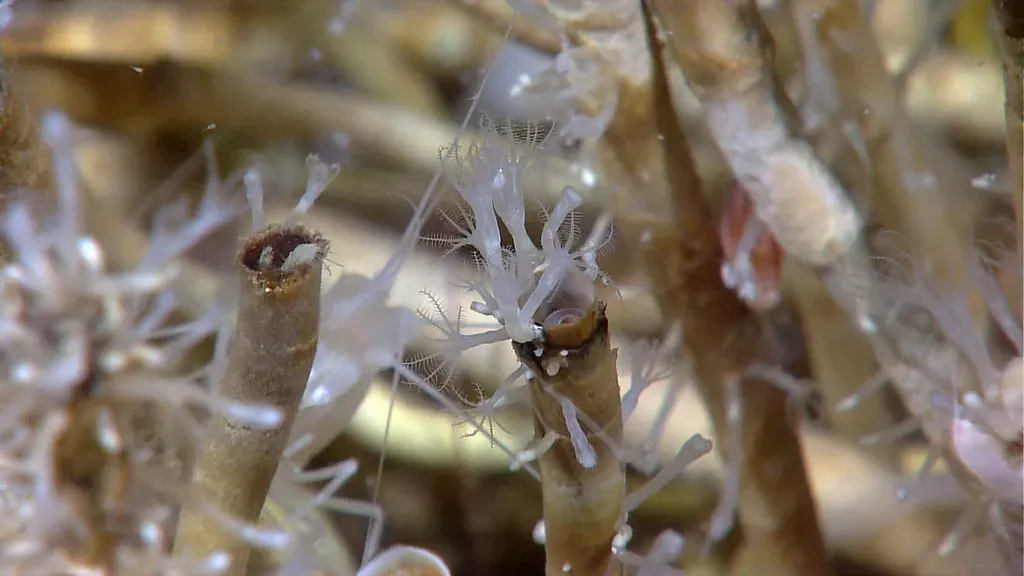
Deep on the seafloor, near cold seeps where chemicals leak from the rock, live tall tubeworms in clusters. Some of them are estimated to live more than two hundred and fifty years. They have no mouth or gut, which sounds like a poor start for a long career.
Instead, bacteria inside them turn chemicals from the seep into food. It’s a partnership that works steadily and slowly.
Because the seeps supply energy at a gentle, reliable pace, the worms don’t need to hurry. Their long lives suit that calm, predictable environment.

Halloween Cat Costume Cloak Witch Hat Pet Accessories
Check Price on AmazonAs an Amazon Associate, we earn from qualifying purchases.
10/9/2026 2:44 pm GMTi

Halloween Dog Collar with Bow, Orange Cute Ghost Collar,
Check Price on AmazonAs an Amazon Associate, we earn from qualifying purchases.
10/9/2026 2:43 pm GMTi

Hand Blown Glass Hummingbird Feeders for Outdoors Hanging, 24oz Wild Bird Nectar Feeder
Check Price on AmazonAs an Amazon Associate, we earn from qualifying purchases.
10/7/2026 1:23 pm GMTi

PetSafe Oasys Pet Fountain, 1/2 Gallon (64 oz), Small Dogs & Cats
Check Price on AmazonAs an Amazon Associate, we earn from qualifying purchases.
10/8/2026 8:14 am GMTi

Air Purifiers for Home Pets Large Room Up to 3000 Ft²,HEPA Air Cleaner with Washable Double-Side Filter, PM2.5 Air Quality Monitor,15dB Sleep Mode for Bedroom Odor Dust Pollen,White
Check Price on AmazonAs an Amazon Associate, we earn from qualifying purchases.
10/8/2026 8:23 am GMTi
6. Ocean Quahog
🔥 Would you like to save this?
We'll email this post to you, so you can come back to it later!
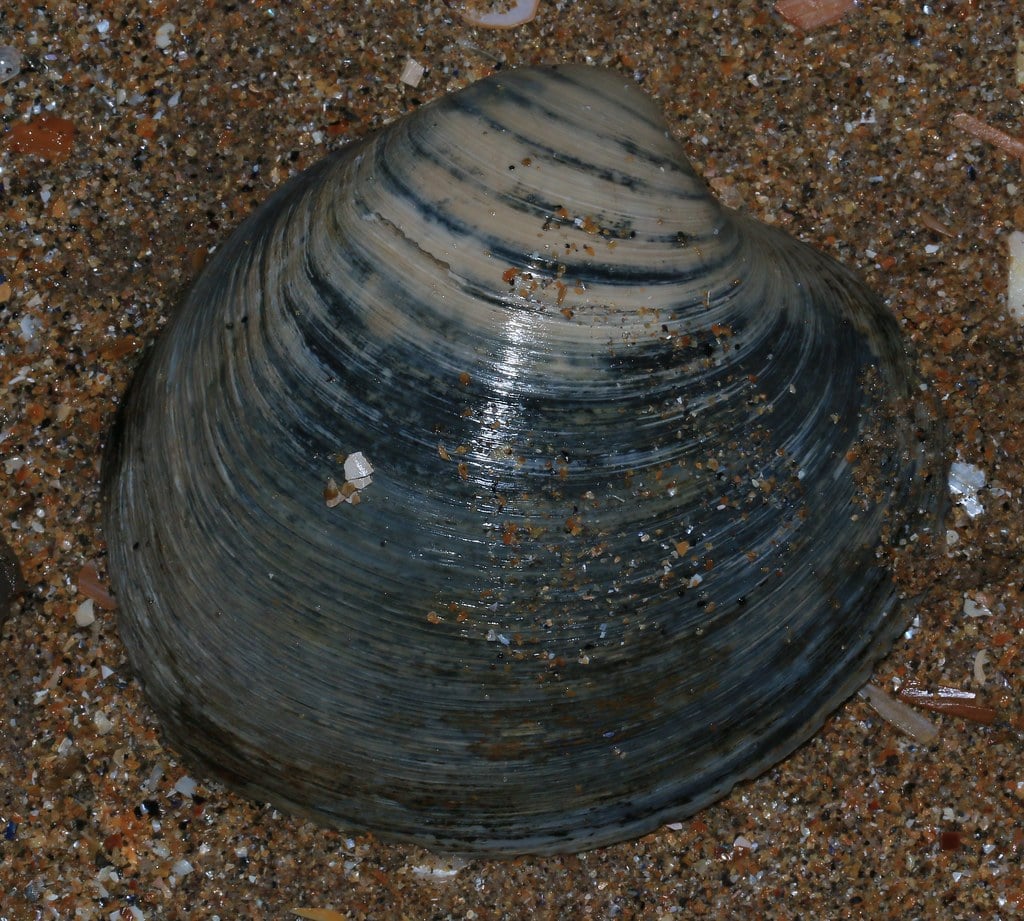
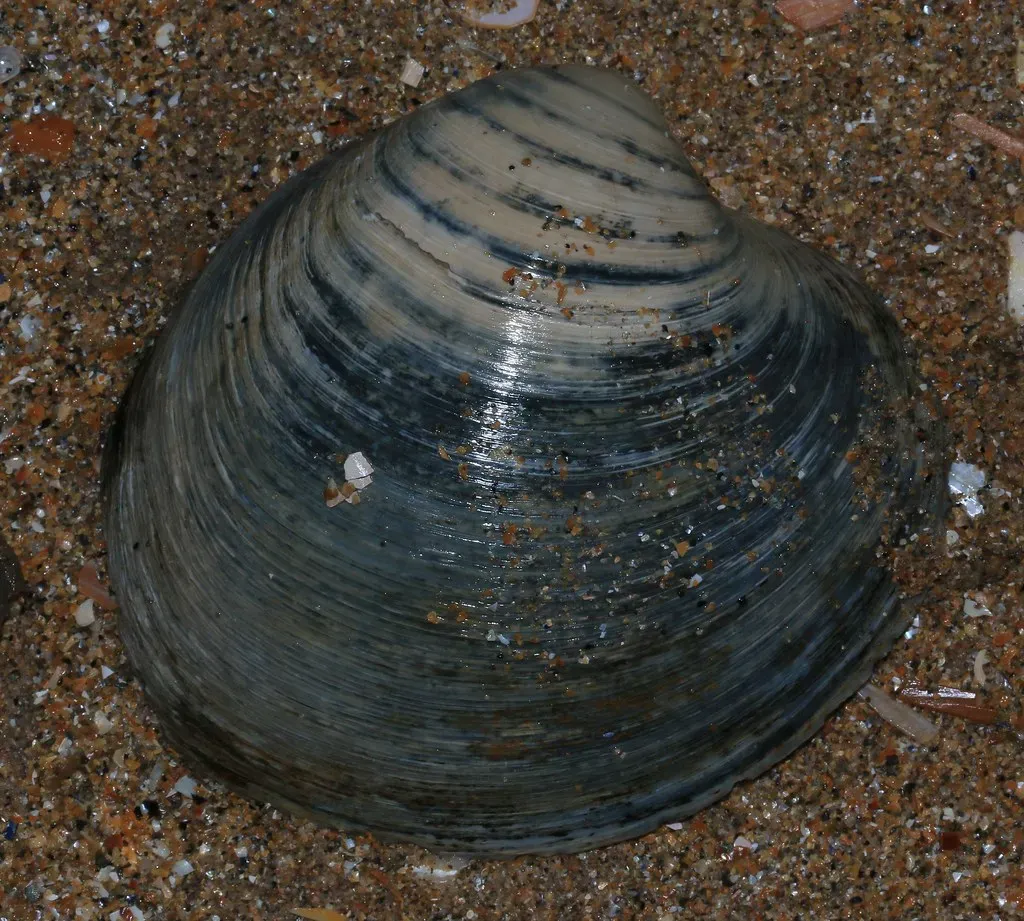
This humble clam holds one of the most famous age records. In 2006, researchers dredged one up off the coast of Iceland that was later aged at around five hundred years. The clam was nicknamed Ming, after the Chinese dynasty that ruled when it was young.
Sadly, the scientists did not realize how old it was until after it had died. Its age was worked out by counting growth lines in its shell, much like rings in a tree.
Ocean quahogs live in cold North Atlantic water and grow very slowly. That chilly, steady life appears to be the key to their staying power.
5. Greenland Shark
🔥 Would you like to save this?
We'll email this post to you, so you can come back to it later!
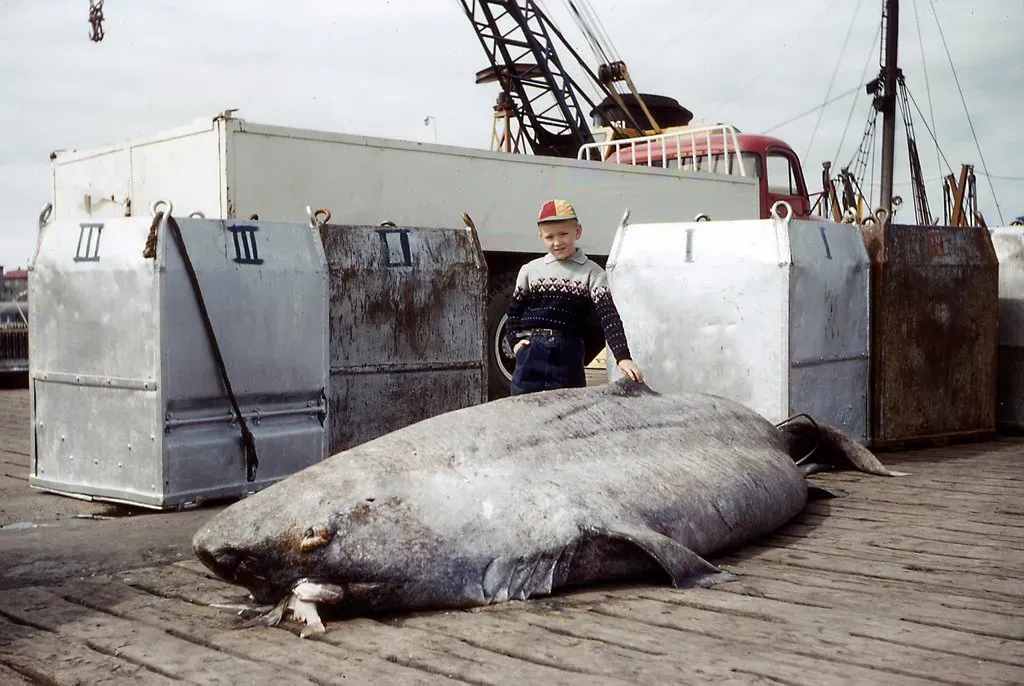
The Greenland shark is the longest lived vertebrate known. A well known 2016 study estimated one female at around four hundred years old, with a wide margin of uncertainty, so the exact figure is debated. Even the conservative reading puts these sharks well beyond any human lifespan.
They swim in freezing Arctic waters at a leisurely pace. They also grow remarkably slowly, and are thought not to reach maturity until roughly a century and a half of age.
Dating them is tricky because sharks lack the hard growth bands that other fish have. Researchers relied on radiocarbon dating of the eye lens, which is why the estimates come with caveats.
4. Hydra
🔥 Would you like to save this?
We'll email this post to you, so you can come back to it later!
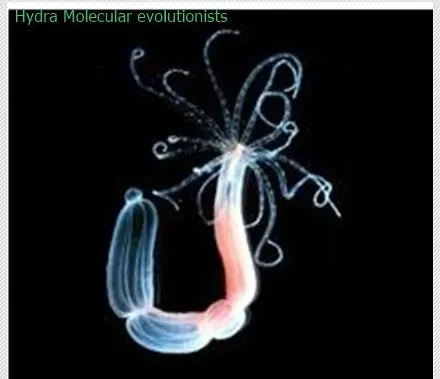
Hydra are tiny freshwater creatures, only a centimeter or so long, related to jellyfish and corals. In lab studies, they’ve shown almost no signs of aging. Their bodies are constantly renewed by a large supply of stem cells.
That doesn’t make them invincible in the wild. They can still be eaten, starved or poisoned.
Still, in protected conditions, they may in principle keep going far longer than any human. Biologists use them to study how regeneration works, and why most animals lose that ability.
3. Turritopsis Dohrnii, the Immortal Jellyfish
🔥 Would you like to save this?
We'll email this post to you, so you can come back to it later!
This thumbnail sized jellyfish has a famous party trick. When injured or stressed, it can revert to an earlier life stage, essentially restarting its life cycle. In theory, that loop could repeat many times.
The word immortal is a bit of a stretch. In the wild, most of these jellyfish are probably eaten or killed by disease long before they get the chance to do it again and again.
Even so, no other animal does this so convincingly. It’s a real biological reset, and scientists are keen to understand it.

Glass Hummingbird Feeder for Outdoors Hanging, 16 oz Leak-Proof Nectar Feeder with Bee Guards & Ant Moat
Check Price on AmazonAs an Amazon Associate, we earn from qualifying purchases.
10/7/2026 1:22 pm GMTi

2 Pcs Halloween Pet Hat Bandana Set, Witch Pumpkin Costumes for Dogs
Check Price on AmazonAs an Amazon Associate, we earn from qualifying purchases.
10/9/2026 2:45 pm GMTi

Dog Stairs for Bed 18" H, 4-Step Dog Steps for High Bed
Check Price on AmazonAs an Amazon Associate, we earn from qualifying purchases.
10/9/2026 2:42 pm GMTi

Glass Hummingbird Feeder for Outdoors Hanging
Check Price on AmazonAs an Amazon Associate, we earn from qualifying purchases.
10/7/2026 1:21 pm GMTi

Professional 7 in 1 Dog Paw Cleaner for Dogs & Cats - Includes 1 Portable Paw Washer, 1 Bath Brush
Check Price on AmazonAs an Amazon Associate, we earn from qualifying purchases.
10/7/2026 1:26 pm GMTi
2. Black Coral
🔥 Would you like to save this?
We'll email this post to you, so you can come back to it later!
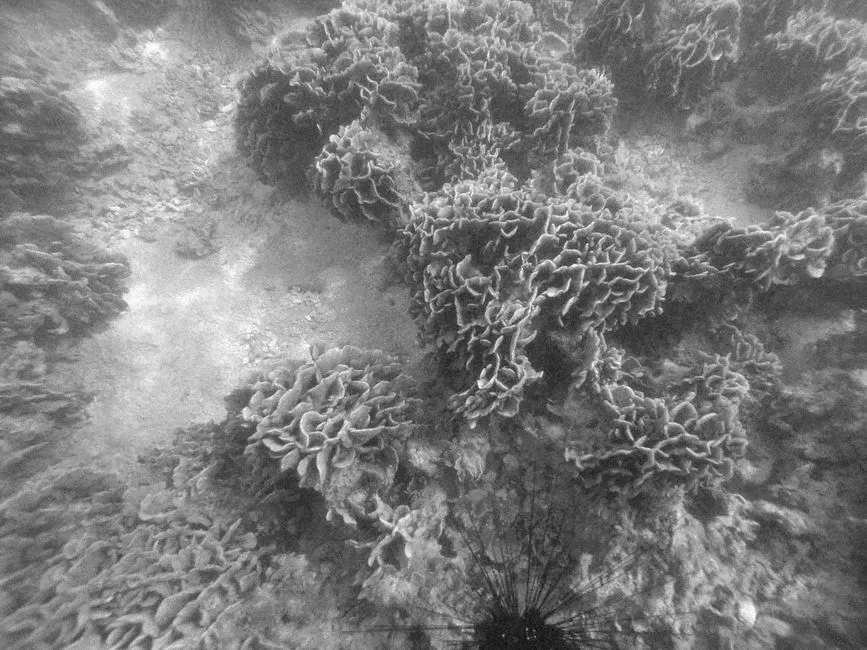
Black corals live in deep, dark water and grow as slow branching colonies. Radiocarbon dating of one Hawaiian specimen suggested an age of more than four thousand years. That is older than the pyramids at Giza.
It’s worth remembering that a coral colony is made of many small polyps working together. The colony itself keeps growing, adding a thin layer at a time.
Deep, cold and stable water suits them. Sadly, they are also collected for jewelry, and damage from fishing gear is a threat to their survival.
1. Glass Sponge
🔥 Would you like to save this?
We'll email this post to you, so you can come back to it later!
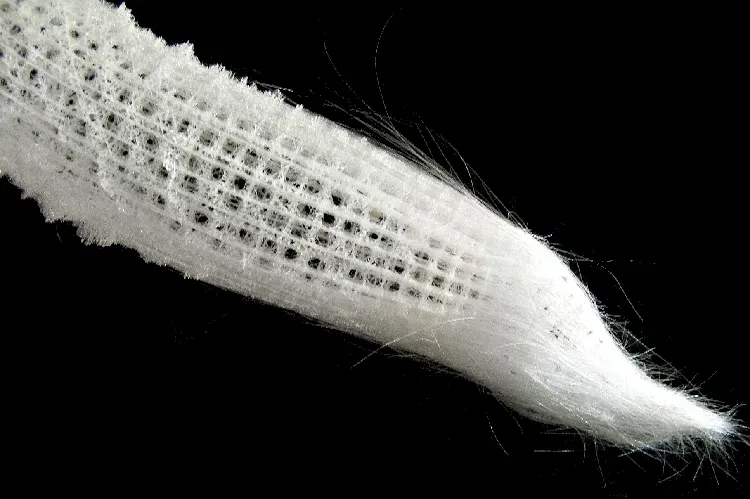
At the very top sit the glass sponges. These deep sea animals build skeletons from silica, and they look like delicate glass baskets. One species, Monorhaphis chuni, has been estimated to live for around eleven thousand years.
That figure comes from analyzing growth patterns in a giant spicule, so it’s an estimate rather than a certainty. Even if the true age is somewhat lower, it dwarfs everything else on this list.
Sponges don’t have a brain, a heart or any organs we’d recognize. They simply sit on the seafloor, filter water and wait. It turns out that doing very little, very slowly, can be a winning strategy.

Portable Dog Water Bottle Foldable Dog Travel Water Bottle
Check Price on AmazonAs an Amazon Associate, we earn from qualifying purchases.
10/7/2026 1:29 pm GMTi

Orthopedic Extra Large Dog Bed, Waterproof Washable XL Pet Bed 44"
Check Price on AmazonAs an Amazon Associate, we earn from qualifying purchases.
10/7/2026 1:32 pm GMTi

Smart Bird Feeder with Camera Solar Powered, 2K HD Live Video, 10,000+ Bird Species AI Identification
Check Price on AmazonAs an Amazon Associate, we earn from qualifying purchases.
10/7/2026 1:22 pm GMTi

Earth Rated XL Dog & Puppy Pee Pads, Discreet Top, Max Absorbency
Check Price on AmazonAs an Amazon Associate, we earn from qualifying purchases.
10/7/2026 1:28 pm GMTi
Final Thoughts
🔥 Would you like to save this?
We'll email this post to you, so you can come back to it later!
Looking at this list, a pattern jumps out. Cold water, slow growth and low energy use keep showing up again and again. The animals that live longest are rarely the fastest or flashiest.
My own view is that we spend too much effort chasing speed and not enough time paying attention to what these creatures are doing. Several of them also resist diseases such as cancer, and studying them may be more useful than any new fad. Many are threatened by fishing and warming oceans, so we’d better protect them before we’ve learned what they can teach us.
A creature that survives for centuries has already proved something. The least we can do is leave it alone long enough to keep proving it.

- 12 Animals That Can Outlive a Human - November 9, 2026
- 9 States Where Wild Turkeys Made a Huge Comeback After Nearly Disappearing - November 9, 2026
- 8 U.S. States Where Black Bears Are Increasingly Showing Up in Suburbs - November 9, 2026