
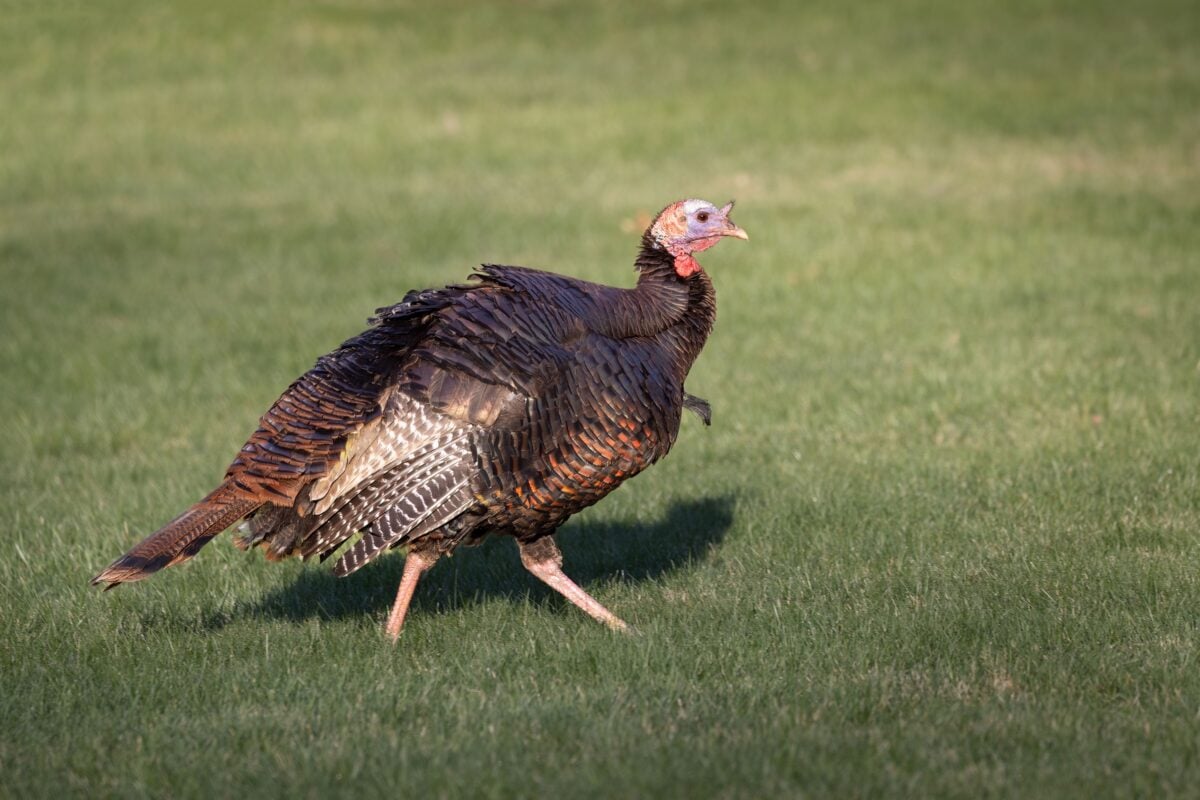
Drive through a farm town in Iowa or a suburb outside Boston this morning, and you might see a flock of wild turkeys crossing the road like they own it. That’s ordinary now. A century ago, it would have been astonishing.
By the early 1900s, unregulated hunting and the clearing of forests had wiped wild turkeys out of much of their historic range. By the 1930s, the national population is often estimated at only a few tens of thousands. Today it’s in the millions. How did that happen, and where did it work best?
9. Missouri: The Donor State
🔥 Would you like to save this?
We'll email this post to you, so you can come back to it later!
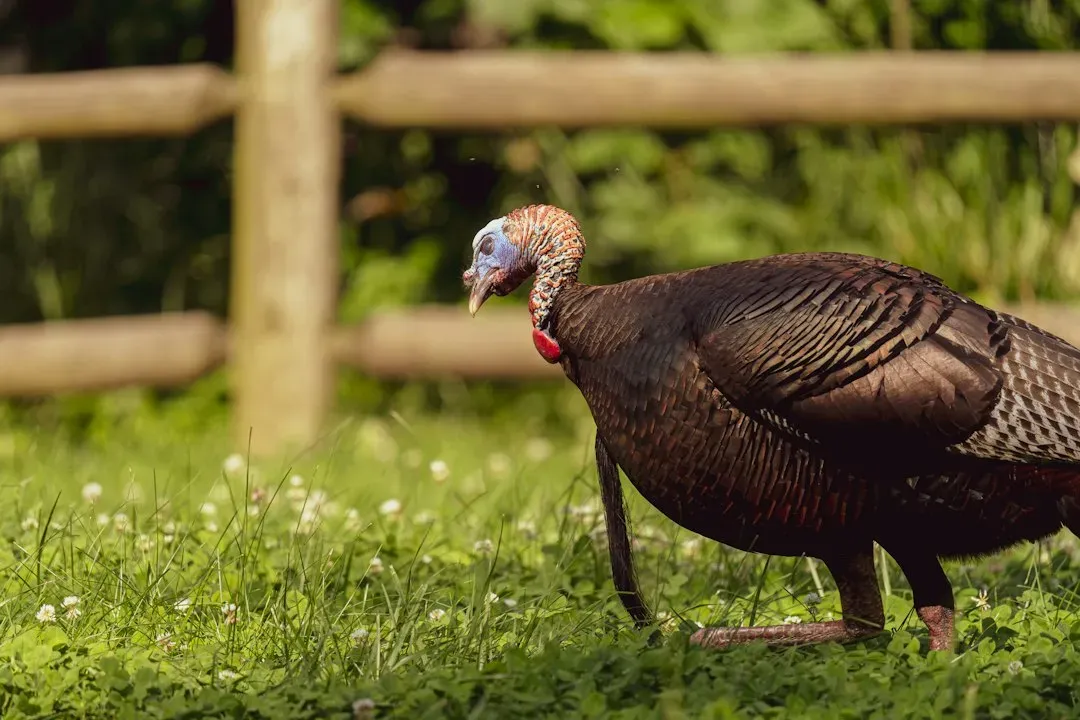
Missouri’s turkeys were in real trouble by the middle of the twentieth century, when the state held only a few thousand birds. The Missouri Department of Conservation responded with restoration work, and the effort paid off so well that Missouri became a source of birds for other states.
That matters more than it sounds. Wildlife agencies often swapped animals, and Missouri turkeys helped seed flocks across the Midwest. A few good habitat blocks and careful protection turned one state’s recovery into a regional one.
Missouri now has a large, stable population and one of the more devoted hunting cultures in the country. It’s a reminder that restoration can be contagious when it works.
8. Iowa: From Absent to Abundant
🔥 Would you like to save this?
We'll email this post to you, so you can come back to it later!
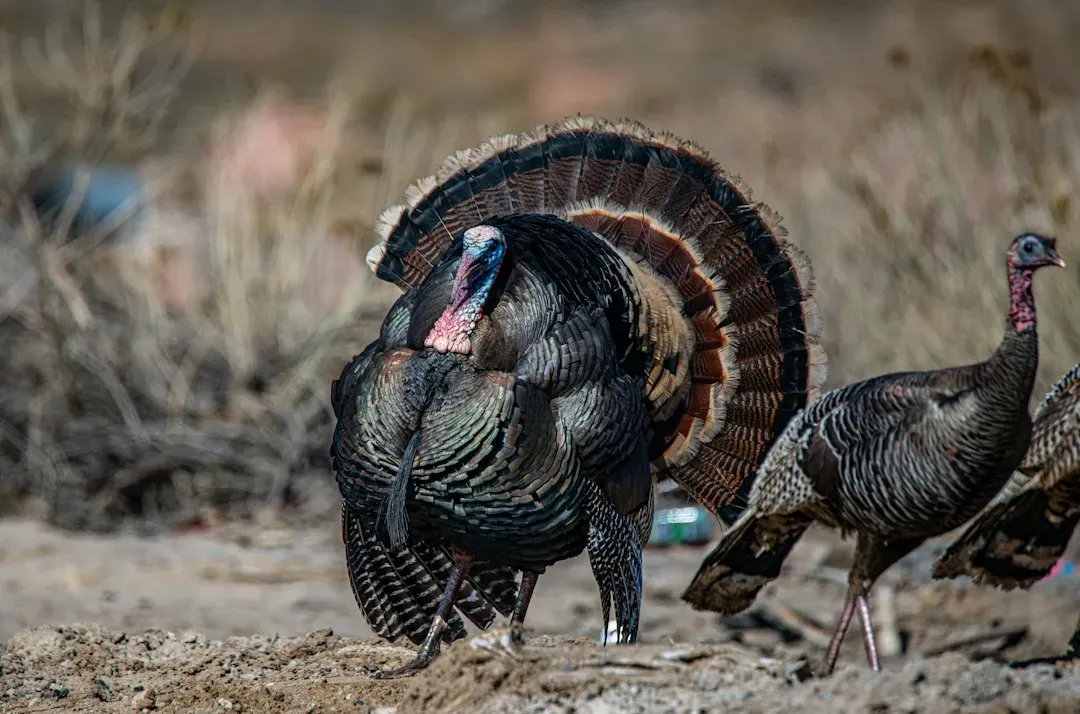
Iowa lost its wild turkeys completely in the late 1800s. Settlement turned woodland into cropland, and the birds simply ran out of places to live and hide.
Restoration began in the 1960s, using birds from other states, and early releases in the hilly, wooded northeast corner took hold. Biologists then used those flocks to stock new areas across the state. Turkeys adapted to the patchwork of timber and farm fields better than many people expected.
The bird that was once a memory is now widespread in Iowa and a fixture of fall and spring hunting seasons. Few comebacks in the Corn Belt feel as complete.
7. Pennsylvania: The Wild Stock That Hung On
🔥 Would you like to save this?
We'll email this post to you, so you can come back to it later!
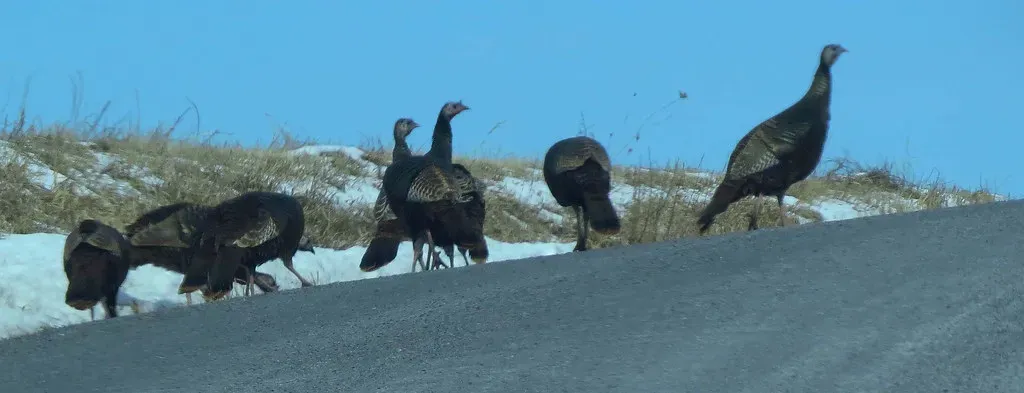
Pennsylvania had an advantage many states lacked. Some wild turkeys survived in the rugged forests of the south central mountains, and those genuinely wild birds became hugely valuable.
Early efforts with pen raised turkeys mostly failed, because farm bred birds lacked the survival instincts of wild ones. The breakthrough came with trapping wild birds and moving them to new areas. The cannon net, developed in the mid twentieth century, made catching large flocks without injuring them far more practical.
Pennsylvania’s wild birds were later used to restock other states, including parts of the Northeast and Midwest. The lesson was blunt: real wild turkeys beat domestic ones every time.
6. New York: Rebuilding the Northeast
🔥 Would you like to save this?
We'll email this post to you, so you can come back to it later!
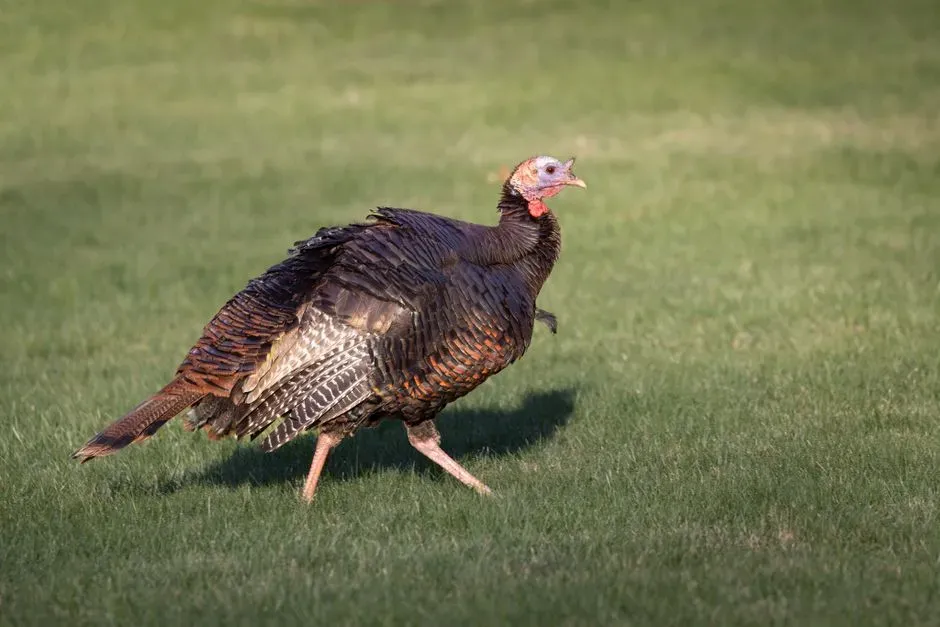
Turkeys had vanished from New York by the mid 1800s. The state began its modern restoration in the late 1940s, releasing Pennsylvania birds in the southwestern part of the state.
Those first flocks were small, and the early years were uncertain. Yet the birds spread steadily through the Southern Tier and beyond, helped by maturing second growth forests on abandoned farmland. Regrown woods gave them acorns, cover, and roosting trees.
New York eventually shipped turkeys to neighbors as well. That ripple effect shaped the comeback across much of New England.
5. Massachusetts: Thirty Seven Birds and a Big Payoff
🔥 Would you like to save this?
We'll email this post to you, so you can come back to it later!
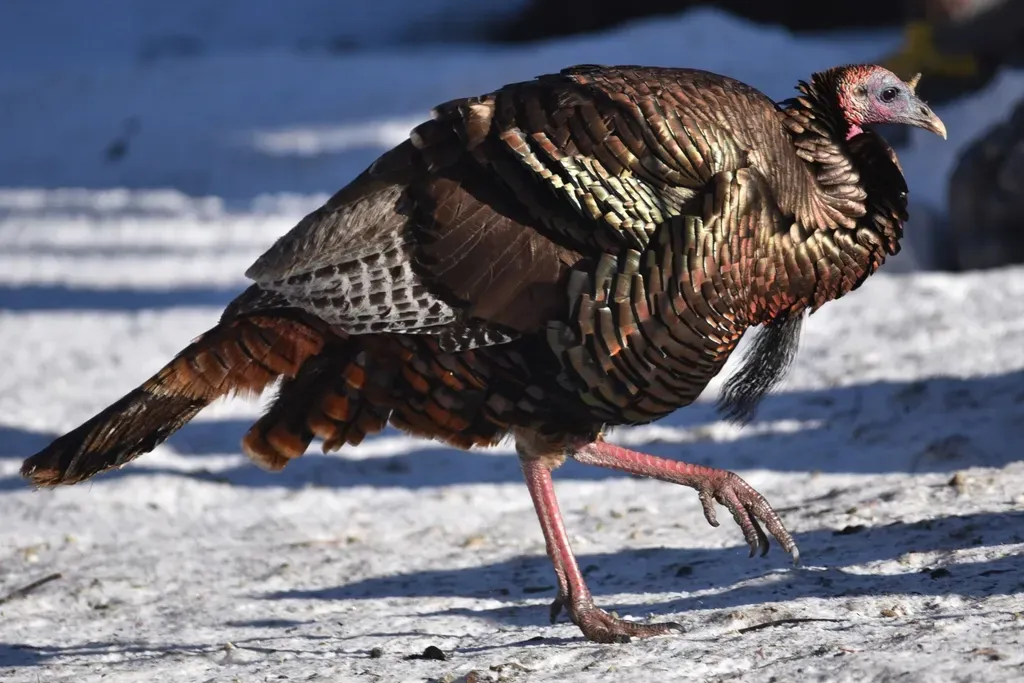
Massachusetts hadn’t seen wild turkeys for roughly a century and a half when wildlife officials tried again in 1972. They released a few dozen birds, brought from New York, in the Berkshires.
It was a modest start. The flock grew, and the state later moved turkeys into other regions. Today they live across most of the state, including suburbs and small towns, where residents sometimes find them strutting down streets or perching on cars.
Their success has created a new kind of challenge. Fewer people worry about turkeys disappearing, and more worry about them causing traffic jams or taking over a yard.

Air Purifiers for Home Pets Large Room Up to 3000 Ft²,HEPA Air Cleaner with Washable Double-Side Filter, PM2.5 Air Quality Monitor,15dB Sleep Mode for Bedroom Odor Dust Pollen,White
Check Price on AmazonAs an Amazon Associate, we earn from qualifying purchases.
10/8/2026 8:23 am GMTi

Professional 7 in 1 Dog Paw Cleaner for Dogs & Cats - Includes 1 Portable Paw Washer, 1 Bath Brush
Check Price on AmazonAs an Amazon Associate, we earn from qualifying purchases.
10/7/2026 1:26 pm GMTi

2 Pcs Halloween Pet Hat Bandana Set, Witch Pumpkin Costumes for Dogs
Check Price on AmazonAs an Amazon Associate, we earn from qualifying purchases.
10/9/2026 2:45 pm GMTi

Glass Hummingbird Feeder for Outdoors Hanging, 16 oz Leak-Proof Nectar Feeder with Bee Guards & Ant Moat
Check Price on AmazonAs an Amazon Associate, we earn from qualifying purchases.
10/7/2026 1:22 pm GMTi

Smart Bird Feeder with Camera Solar Powered, 2K HD Live Video, 10,000+ Bird Species AI Identification
Check Price on AmazonAs an Amazon Associate, we earn from qualifying purchases.
10/7/2026 1:22 pm GMTi
4. Vermont: A Small Release, a Big Result
🔥 Would you like to save this?
We'll email this post to you, so you can come back to it later!
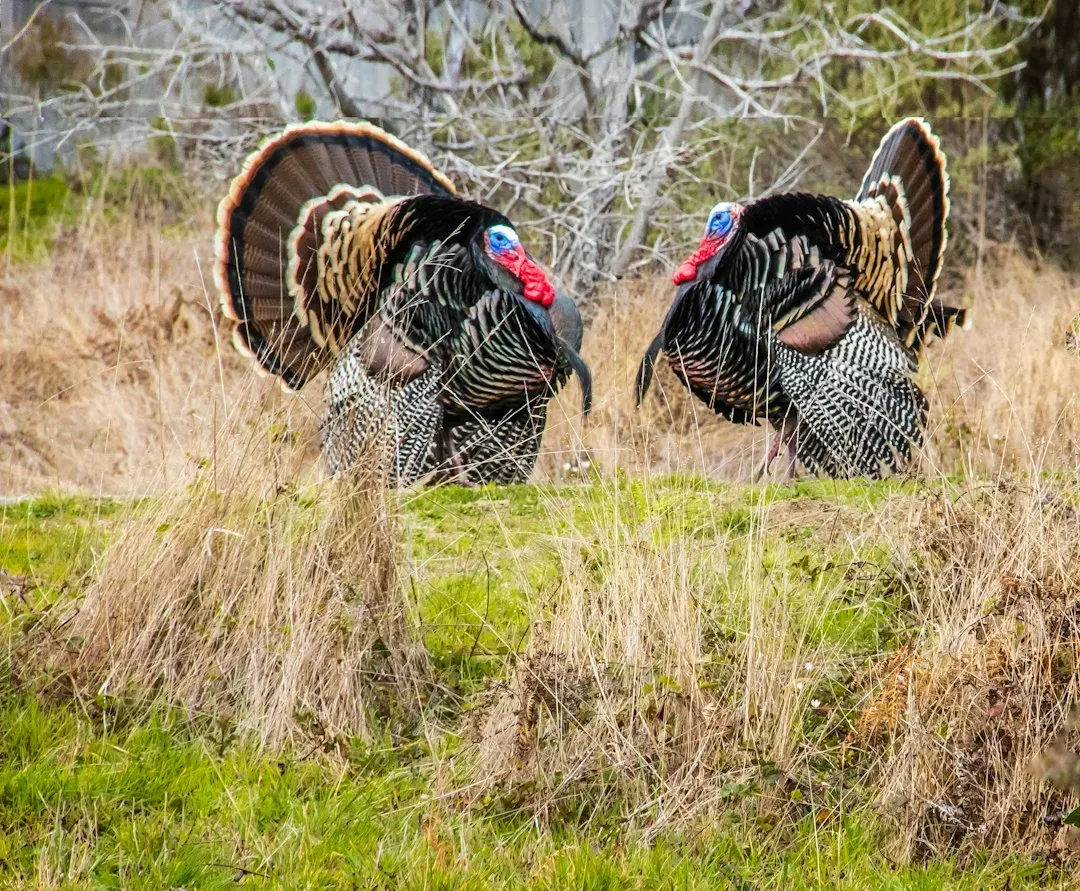
Vermont’s story is similar, only quieter. Turkeys were gone from the state by the 1800s, as forests were cleared for sheep pastures and farms.
In the late 1960s, wildlife officials released a small group of birds from New York. Over time the population grew into the tens of thousands, a striking result from such a tiny founding group. As farmland reverted to forest, the habitat improved with each decade.
Harsh winters are the main limit in Vermont. Deep snow can make it hard for turkeys to find food, so the population tends to rise and fall with winter severity.
3. Wisconsin: Cold Country, Surprising Success
🔥 Would you like to save this?
We'll email this post to you, so you can come back to it later!
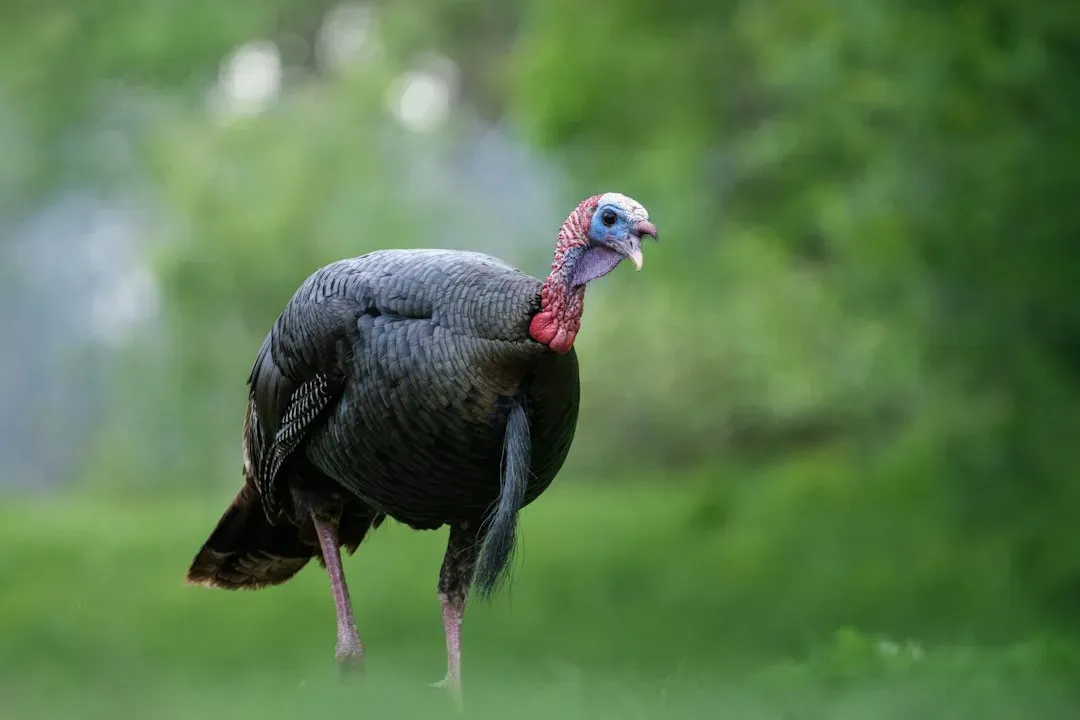
Few people would have predicted that wild turkeys could thrive in Wisconsin. They’d been gone since the late nineteenth century, and the winters seemed too tough.
Restoration began in the 1970s, and the birds proved tougher than expected. Wisconsin’s mix of oak woods, farmland, and river valleys offered good feeding areas, especially in the southwest part of the state. Biologists then relocated flocks into new counties.
The state now supports a well established hunting season and a healthy statewide population. It shows that careful site selection can make a species succeed where common sense said otherwise.

Portable Dog Water Bottle Foldable Dog Travel Water Bottle
Check Price on AmazonAs an Amazon Associate, we earn from qualifying purchases.
10/7/2026 1:29 pm GMTi

Orthopedic Extra Large Dog Bed, Waterproof Washable XL Pet Bed 44"
Check Price on AmazonAs an Amazon Associate, we earn from qualifying purchases.
10/7/2026 1:32 pm GMTi

Halloween Dog Collar with Bow, Orange Cute Ghost Collar,
Check Price on AmazonAs an Amazon Associate, we earn from qualifying purchases.
10/9/2026 2:43 pm GMTi

Halloween Cat Costume Cloak Witch Hat Pet Accessories
Check Price on AmazonAs an Amazon Associate, we earn from qualifying purchases.
10/9/2026 2:44 pm GMTi

Earth Rated XL Dog & Puppy Pee Pads, Discreet Top, Max Absorbency
Check Price on AmazonAs an Amazon Associate, we earn from qualifying purchases.
10/7/2026 1:28 pm GMTi
2. Michigan: A Northern Test Case
🔥 Would you like to save this?
We'll email this post to you, so you can come back to it later!
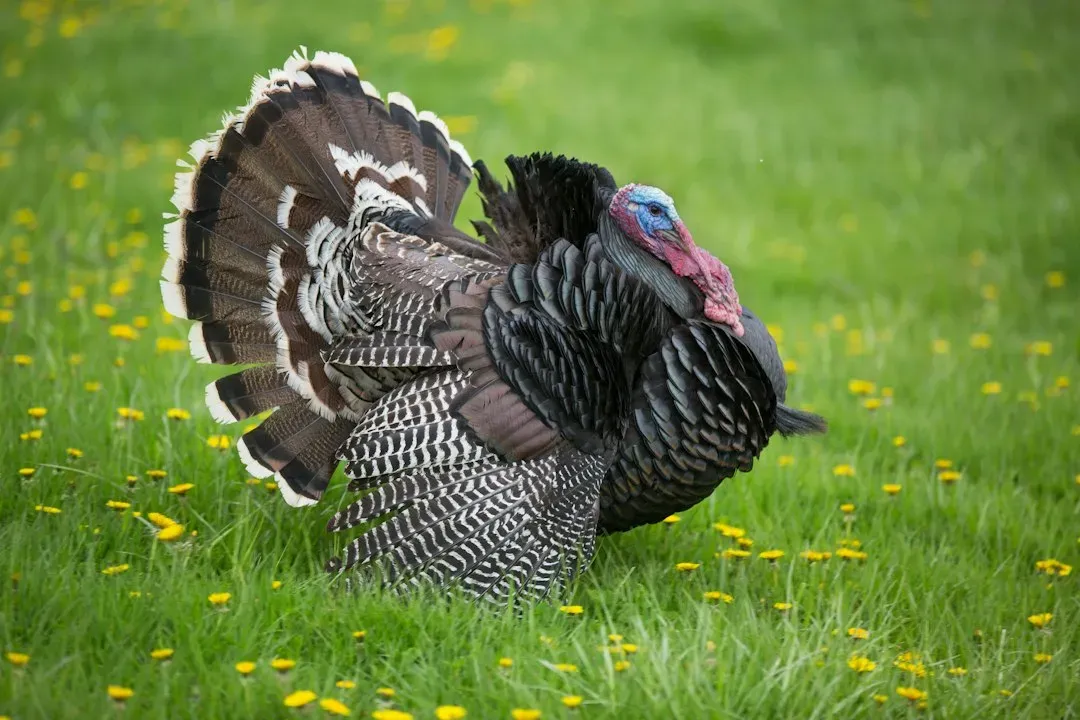
Michigan lost its turkeys around the turn of the twentieth century. Restoration started in the 1950s, though early attempts had mixed results as managers learned what these birds needed.
Later releases using wild trapped birds worked far better. Turkeys expanded across the southern Lower Peninsula and eventually into the northern part of the state, where they’ve become established despite deep snow.
Michigan’s recovery gave biologists confidence that turkeys could handle northern climates. That helped shape plans in neighboring states.
1. Ohio: Proof That Patience Pays
🔥 Would you like to save this?
We'll email this post to you, so you can come back to it later!
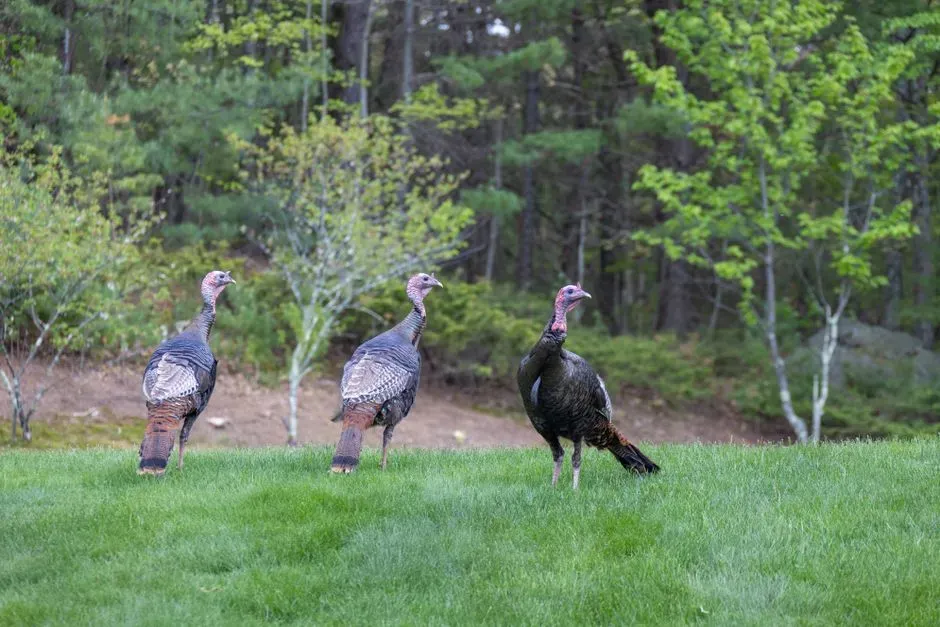
Ohio’s turkeys disappeared in the early 1900s as the state’s forests shrank. Restoration began in the 1950s, using wild trapped birds rather than pen raised ones.
Success wasn’t instant. As forests regrew across the hills of southern and eastern Ohio, the flocks grew too, and the state opened its first modern hunting season in the 1960s. Wildlife managers have since moved birds into many other parts of the state.
Ohio is probably the clearest illustration of the pattern behind all nine stories. Give turkeys habitat, protection, and genuine wild stock, and they’ll do the rest.

Hand Blown Glass Hummingbird Feeders for Outdoors Hanging, 24oz Wild Bird Nectar Feeder
Check Price on AmazonAs an Amazon Associate, we earn from qualifying purchases.
10/7/2026 1:23 pm GMTi

PetSafe Oasys Pet Fountain, 1/2 Gallon (64 oz), Small Dogs & Cats
Check Price on AmazonAs an Amazon Associate, we earn from qualifying purchases.
10/8/2026 8:14 am GMTi

Dog Stairs for Bed 18" H, 4-Step Dog Steps for High Bed
Check Price on AmazonAs an Amazon Associate, we earn from qualifying purchases.
10/9/2026 2:42 pm GMTi

Glass Hummingbird Feeder for Outdoors Hanging
Check Price on AmazonAs an Amazon Associate, we earn from qualifying purchases.
10/7/2026 1:21 pm GMTi
Why This Comeback Is Worth Defending
🔥 Would you like to save this?
We'll email this post to you, so you can come back to it later!
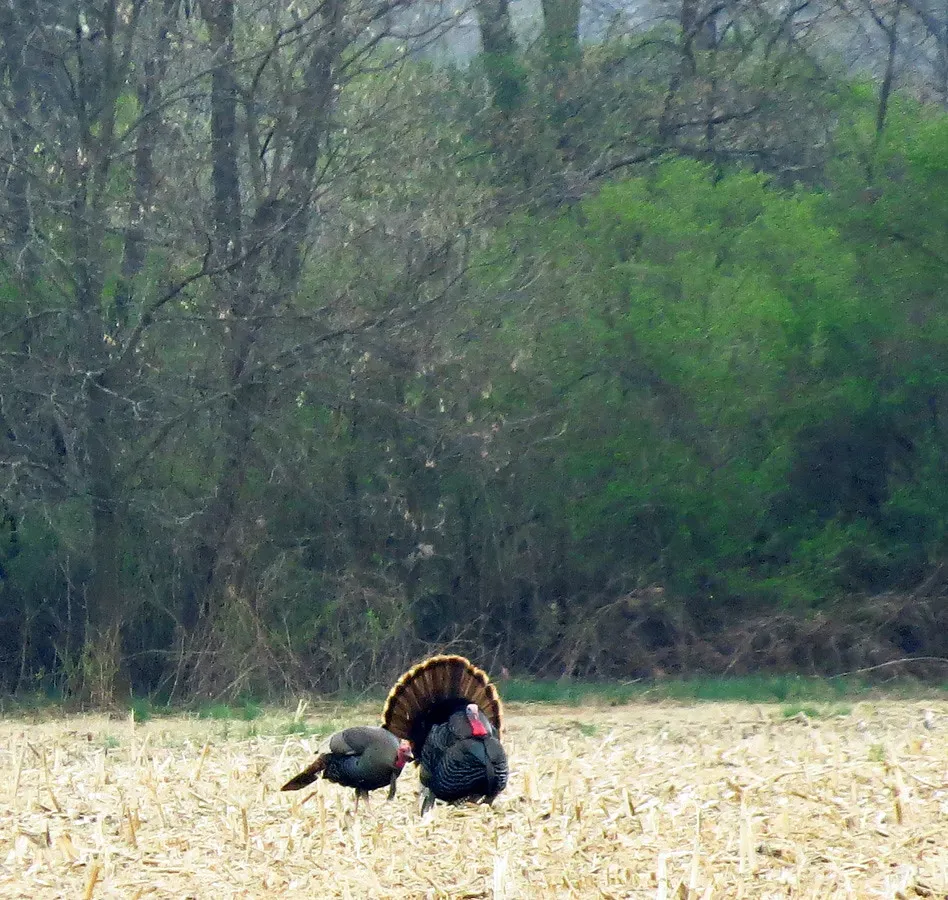
I’ll say it plainly: the wild turkey recovery is one of the best conservation stories we have, and it didn’t happen by accident. Hunters funded much of it through license fees and excise taxes under the Pittman Robertson Act, and groups like the National Wild Turkey Federation, founded in 1973, pushed it forward. Few conservation models are that practical.
That doesn’t mean the job is done. In parts of the Southeast and elsewhere, biologists have reported declines in recent years, and researchers are still studying the causes, which likely include habitat change, predation, and weather. The evidence is mixed, so it’s too early to blame any single factor.
Still, the history gives me some optimism. A bird that fell to a few tens of thousands is now in the millions, and that only happened because people decided it mattered. If we can do it for turkeys, we can do it for the species that need help next.

- 12 Animals That Can Outlive a Human - November 9, 2026
- 9 States Where Wild Turkeys Made a Huge Comeback After Nearly Disappearing - November 9, 2026
- 8 U.S. States Where Black Bears Are Increasingly Showing Up in Suburbs - November 9, 2026