

For centuries, humans have prided themselves on being the only species capable of complex future planning and foresight. However, recent scientific research has shattered this anthropocentric view, revealing that numerous animals possess remarkable abilities to plan. From storing food for lean times to preparing tools for future use, these cognitive abilities demonstrate that thinking about the future isn’t exclusively human. In this fascinating exploration, we’ll discover 12 remarkable animals that have evolved impressive future-planning capabilities, challenging our understanding of animal cognition and blurring the lines between human and animal intelligence.
Western Scrub Jays The Strategic Hoarders
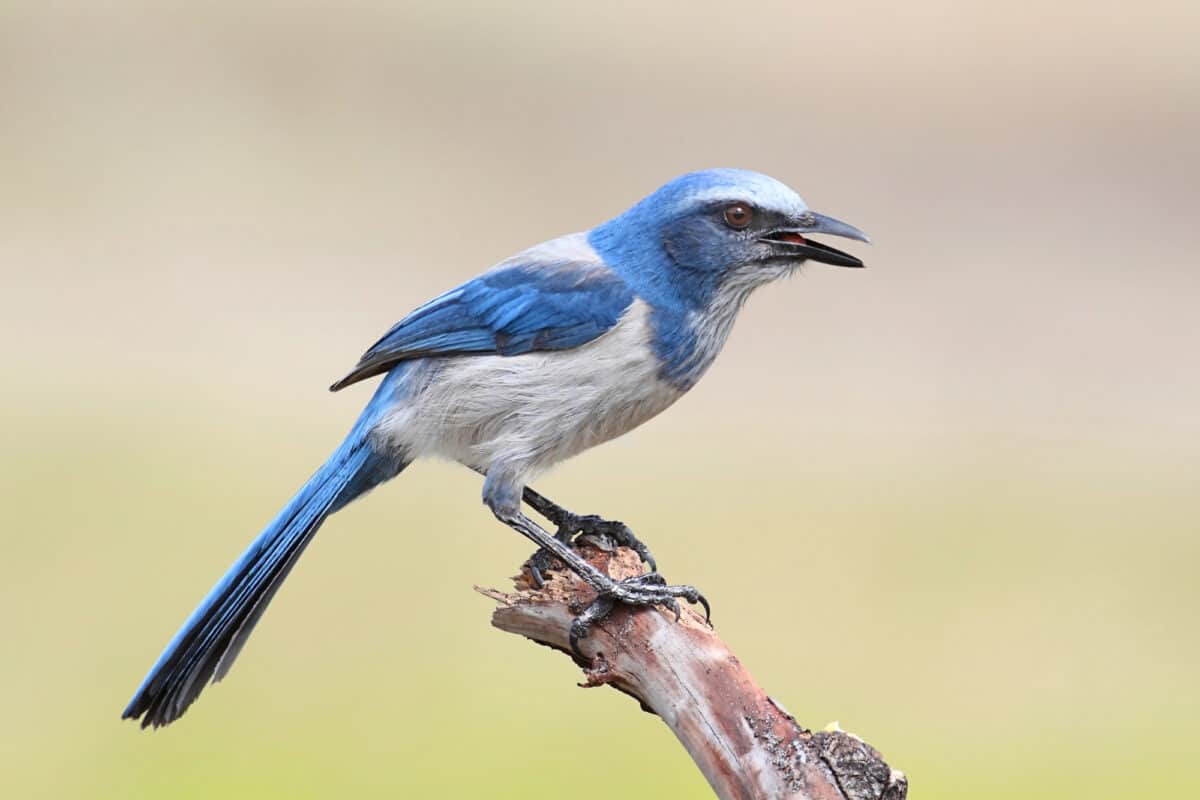
Western scrub jays (Aphelocoma californica) demonstrate extraordinary foresight through their sophisticated food-caching behaviors. Unlike simple instinctual hoarding, these intelligent corvids remember specific details about what food they’ve hidden, where they’ve hidden it, and when they stored it—a cognitive ability called “episodic-like memory.” Research from the University of Cambridge revealed that scrub jays will strategically cache different types of food based on anticipated future needs, storing perishable foods only when they expect to retrieve them soon, while saving non-perishable items for longer periods. Even more remarkably, these birds can plan for specific hunger states they’ll experience in the future, caching particular foods in locations where they anticipate being hungry for that specific item. This level of mental time travel was once thought to be exclusively human.
Chimpanzees Tool-Makers with Foresight

Our closest living relatives, chimpanzees (Pan troglodytes), display impressive future planning in multiple contexts. In a groundbreaking study at Lund University, researchers observed chimpanzees collecting and storing stones to use as tools for later nut-cracking, sometimes preparing these tools hours before they would be needed. Even more impressively, chimps have been documented carrying appropriate tools over long distances to retrieve honey from beehives, showing they can anticipate future needs across different contexts. At Sweden’s Furuvik Zoo, a male chimpanzee named Santino became famous for collecting and storing piles of rocks during calm morning hours, which he would later use as projectiles against zoo visitors—clear evidence of premeditated behavior. This complex planning ability requires mental processes that were previously considered unique to humans.
Bonobos Planning Social Interactions

Bonobos (Pan paniscus), sometimes called “pygmy chimpanzees,” demonstrate future planning particularly in social contexts. Research from the Max Planck Institute has shown that bonobos can anticipate future social interactions and prepare accordingly. In controlled experiments, bonobos were observed retrieving and saving tools they would need to access food in the future, even when there was a significant delay between obtaining the tool and using it. Perhaps more fascinatingly, bonobos demonstrate planning in their social dynamics, where they appear to remember past alliances and conflicts, using this information to strategically form coalitions for future advantages. Unlike many animals whose planning is limited to immediate survival needs, bonobos’ social planning involves complex understanding of relationships and potential future scenarios in their social hierarchy.
Orangutans Long-Term Travel Planners
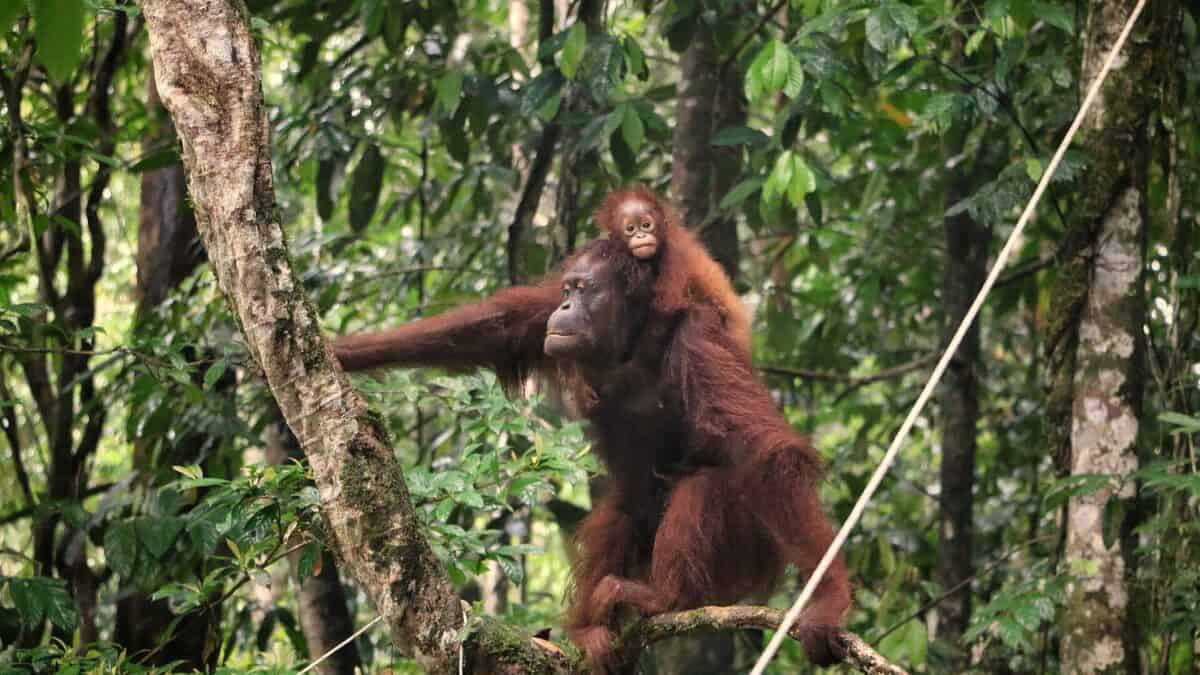
Orangutans (Pongo spp.) have evolved remarkable long-distance travel planning abilities that help them navigate the rainforests of Borneo and Sumatra. Research published in PLOS ONE revealed that male orangutans plan and communicate their travel direction up to 24 hours in advance through specific long calls. Female orangutans use these calls to anticipate the male’s movements and decide whether to seek or avoid him. What’s particularly impressive is that orangutans develop detailed mental maps of fruiting trees’ locations and their ripening schedules, planning journeys that can span several days. They’ve been observed changing direction unexpectedly but purposefully, suggesting they’re following a predetermined route rather than simply responding to immediate environmental cues. This advanced spatial cognition allows orangutans to efficiently navigate their complex forest environments and maximize their foraging success across changing seasons.
Corvids The Bird Geniuses

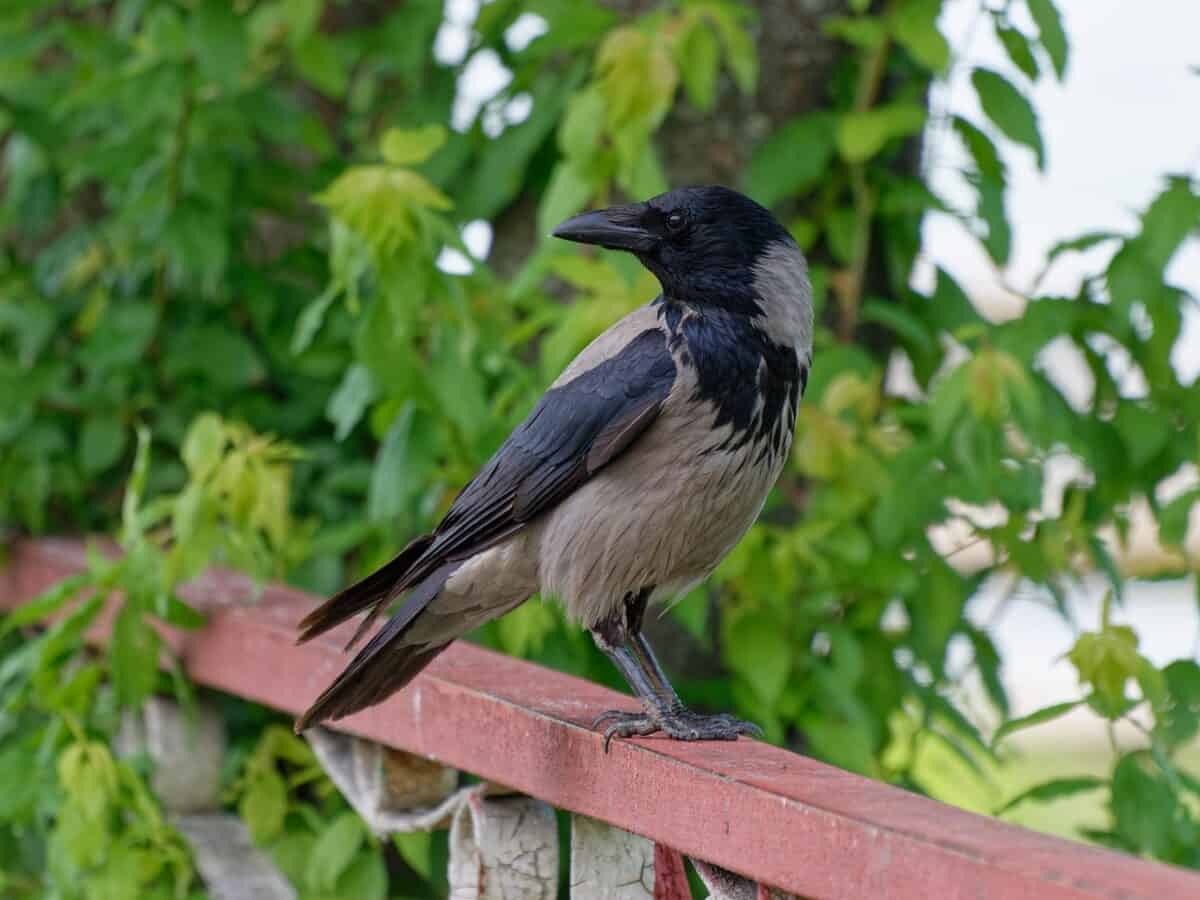
The corvid family—including ravens, crows, jays, and magpies—stands out among birds for exceptional cognitive abilities, including sophisticated future planning. New Caledonian crows (Corvus moneduloides) craft specialized tools from twigs and leaves to extract insects from hard-to-reach places, often preparing these tools well in advance of needing them. Ravens (Corvus corax) demonstrate even more impressive planning; research from Lund University showed they can select appropriate tools for future use and barter with humans, saving tokens they know can be exchanged later for better rewards. Perhaps most impressively, corvids practice “cache protection strategies”—complex behaviors like false caching or relocating food stores when they believe they’re being watched by potential thieves. These behaviors require the birds to anticipate not just their own future needs but also the potential future actions of others, suggesting a rudimentary theory of mind once thought to exist only in primates.
Rats The Surprising Planners

Despite their simple reputation, rats display sophisticated future planning capabilities that challenge our understanding of rodent cognition. In laboratory studies at the University of Minnesota, rats demonstrated the ability to plan multi-stage journeys through complex mazes, mentally mapping the entire route before beginning. More impressively, research published in Current Biology revealed that rats engage in “preplay” during rest periods—a neural phenomenon where they mentally rehearse routes they haven’t yet physically taken but plan to navigate in the future. This suggests rats can simulate future scenarios in their minds. Rats also show remarkable food-hoarding behaviors, making decisions about what to store based on anticipated future food availability and their own likely future hunger states. Some rats have even been observed collecting specific items with no immediate value, like shiny objects—suggesting they might be planning for future bartering opportunities or nest-building, demonstrating cognitive flexibility previously underestimated in these common rodents.
Elephants Memory for Future Needs

Elephants’ legendary memory serves a critical purpose in future planning, particularly regarding water and food resources. African elephant (Loxodonta africana) matriarchs, who can live 60+ years, maintain mental maps of water sources across vast territories, leading their herds on precisely timed migrations to reach seasonal water sources, sometimes hundreds of miles away. Research from the Amboseli Elephant Research Project documented cases where elephant herds diverted to water sources they hadn’t visited in over 30 years, but which the matriarch remembered from her youth. Elephants also demonstrate tool-use planning, modifying branches to use as fly swatters or scratching implements, and carrying these tools considerable distances before using them. Perhaps most poignantly, elephants show evidence of planning for death—they’ve been observed revisiting the bones of deceased herd members in what appears to be deliberate mourning behavior, sometimes traveling significant distances specifically to visit these “elephant graveyards.”
Great-Tailed Grackles Adaptable Planners
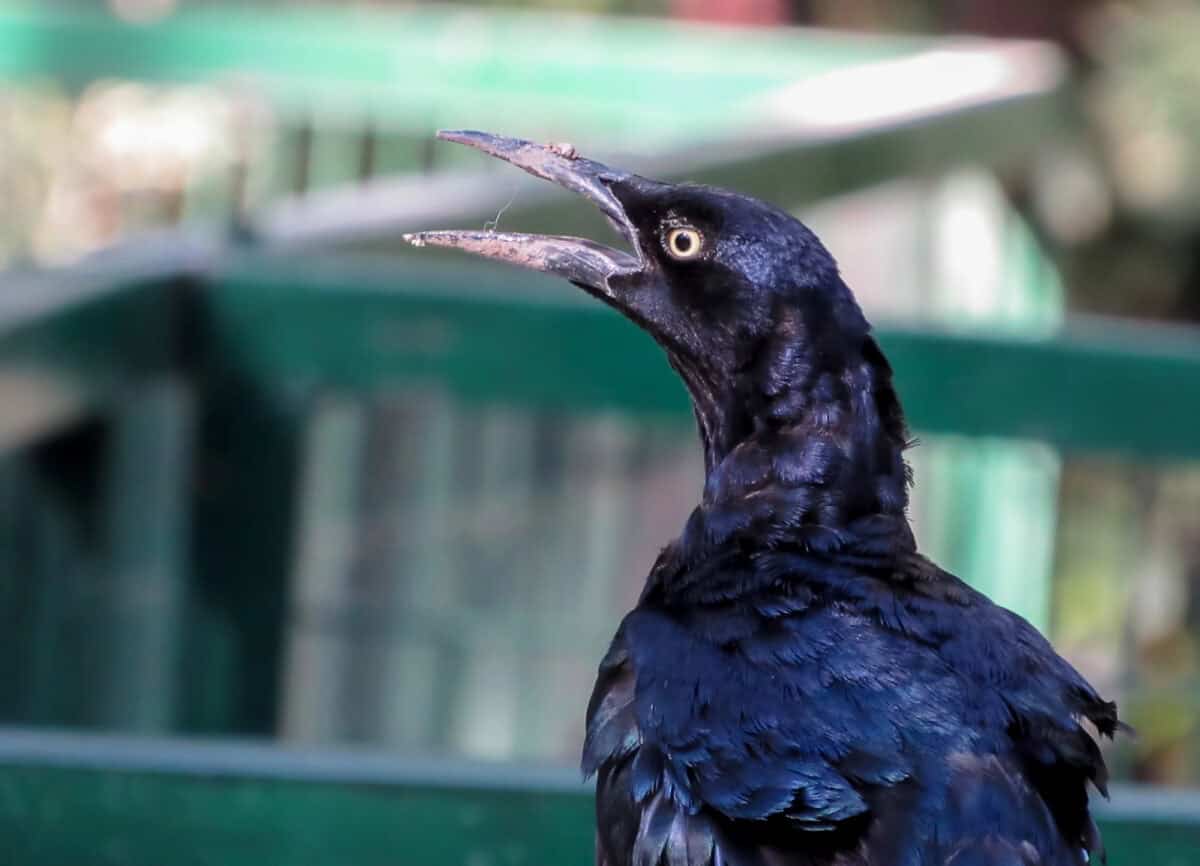
Great-tailed grackles (Quiscalus mexicanus), while less studied than corvids, display remarkable planning abilities that have helped them become one of North America’s most successful expanding species. Research from Arizona State University demonstrated that these birds can solve complex puzzles requiring multiple steps of planning, often succeeding on their first attempt. Unlike species with innate, specialized planning behaviors, grackles show extraordinary behavioral flexibility, adapting their planning strategies to novel urban environments. They’ve been observed collecting and storing specific materials for future nest-building, even when nesting season is months away. Perhaps most impressively, grackles demonstrate sophisticated social planning—they’ve been documented working together to distract humans or other animals, creating diversions that allow other grackles to retrieve food or other resources. This combination of cognitive flexibility and social coordination in planning makes these common birds far more remarkable than their ubiquity might suggest.
Octopuses The Invertebrate Planners
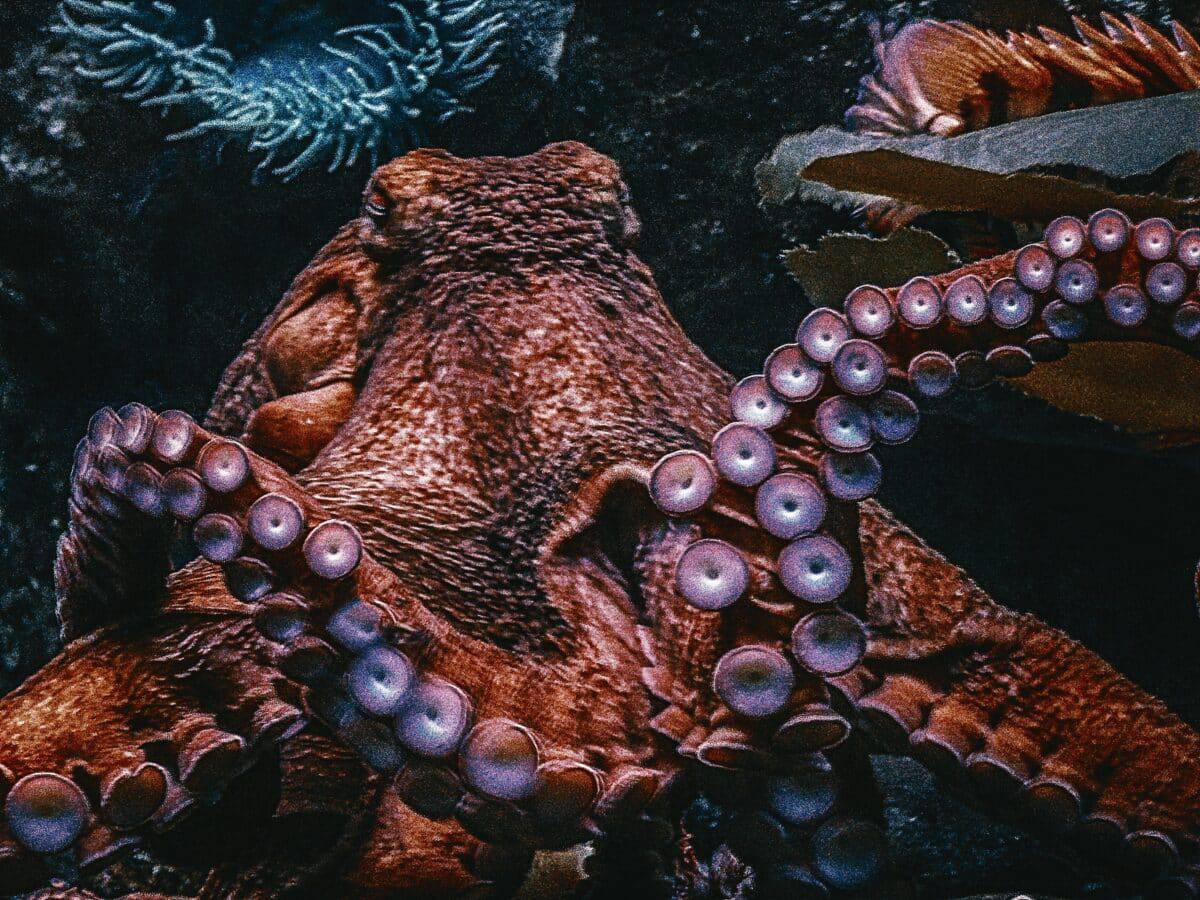
Octopuses represent a fascinating evolutionary puzzle—highly intelligent invertebrates whose cognitive abilities evolved entirely separately from vertebrates like mammals and birds. Despite having a nervous system dramatically different from our own, octopuses display remarkable planning abilities. Researchers at the University of Otago documented veined octopuses (Amphioctopus marginatus) collecting coconut shell halves, carrying these cumbersome objects across the ocean floor for future use as protective shelters. This represents true tool use with future planning, as the octopuses endure the significant immediate cost of awkward movement while carrying the shells for the future benefit of protection. Common octopuses (Octopus vulgaris) have been observed gathering rocks and other materials to barricade their den entrances before sleeping, anticipating potential threats. Perhaps most remarkably, octopuses in laboratory settings solve multi-step puzzles that require planning several moves ahead, sometimes pausing to seemingly contemplate their approach before executing a complex sequence of actions—cognitive abilities all the more impressive given their evolutionary distance from mammals.
Squirrels Masters of Food Security Planning

Fox squirrels (Sciurus niger) and gray squirrels (Sciurus carolinensis) elevate food caching to an art form that involves sophisticated future planning. Unlike simpler hoarding animals, squirrels employ “strategic caching”—a complex system where they organize thousands of nuts and seeds based on type, nutritional value, and perishability. Research from the University of California, Berkeley, revealed that squirrels create elaborate mental maps of their hundreds of cache locations, remembering details for months. What’s particularly impressive is their “theft planning”—squirrels will create fake caches when they feel observed, pretending to bury food while keeping it in their cheek pouches. They’ll also organize their real caches by food type, creating hierarchical memories that allow efficient retrieval based on future needs. During autumn abundance, squirrels make decisions about which nuts to eat immediately and which to store based on sophisticated assessments of fat content, shell thickness, and tannin levels—all calculations about future energy requirements through winter scarcity that demonstrate remarkable foresight for an animal with a brain weighing just a few grams.
Dolphins Strategic Hunters with Foresight

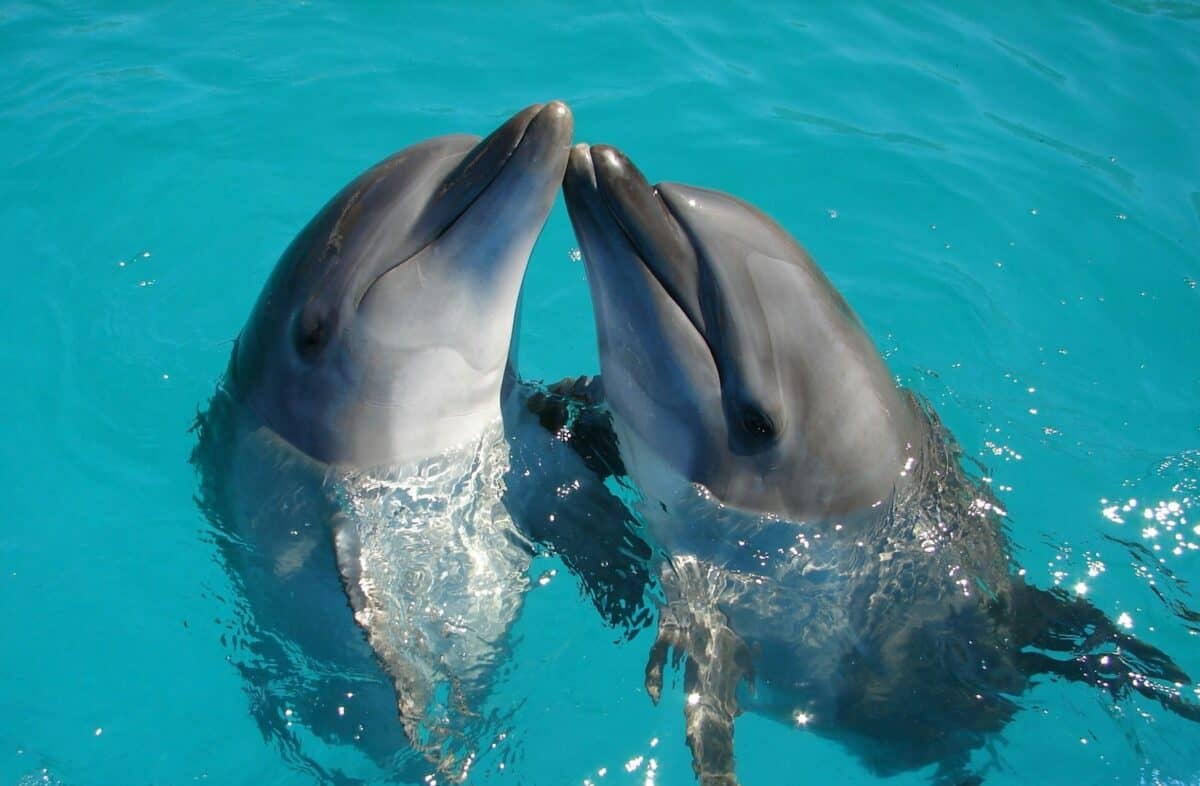
Bottlenose dolphins (Tursiops truncatus) display extraordinary planning abilities, particularly in their hunting strategies. Research in Shark Bay, Australia, documented dolphins carrying marine sponges on their rostrums (beaks) as protective tools when foraging on the rough ocean floor—a behavior that is taught between generations and requires the foresight to collect the proper sponge before hunting begins. More impressively, dolphins have been observed coordinating complex hunting strategies that require substantial planning, including “mud-ring feeding” where dolphins create circular mud plumes to trap fish, requiring precise timing and coordination among multiple individuals. Some dolphin pods even demonstrate knowledge of tidal patterns, planning hunting excursions to coincide with specific tidal states that maximize hunting efficiency days in advance. Perhaps most remarkably, studies from the Dolphin Communication Project have shown evidence that dolphins can communicate about future events, using signature whistles and body language to coordinate activities that will occur later—suggesting they possess not just individual planning abilities but also the capacity to communicate these plans to others in their social group.
Apes and Monkeys Diverse Planning Strategies

Beyond chimpanzees, bonobos, and orangutans, other primates display fascinating future planning abilities tailored to their ecological niches. Capuchin monkeys (Cebus spp.) have been observed gathering stones of specific shapes and sizes to use later as hammers for cracking nuts, carrying these tools considerable distances to food sources—behavior requiring understanding of future needs. Long-tailed macaques (Macaca fascicularis) in some regions of Thailand have developed complex planning behaviors involving human interactions: they selectively steal high-value items from tourists, then only return these items when offered their preferred foods, effectively creating a planned bartering system. Gorillas (Gorilla spp.), despite their less tool-oriented lifestyle, demonstrate planning in their foraging patterns, creating mental maps of seasonal food availability and planning daily movement patterns to maximize efficiency. What’s particularly interesting is how different primate species have evolved planning adaptations specific to their environments—some focused on tool preparation, others on food cultivation, and still others on social dynamics—suggesting that future planning abilities have evolved multiple times in different primate lineages to solve diverse ecological challenges.
Conclusion: Rethinking Animal Cognition
The remarkable future planning abilities demonstrated by these 12 diverse animal species forces us to reconsider long-held assumptions about the uniqueness of human cognition. From the complex social planning of dolphins and bonobos to the elaborate food-caching strategies of corvids and squirrels, these examples reveal that the capacity to think ahead and prepare for future scenarios is widely distributed across the animal kingdom. This cognitive convergence across evolutionarily distant species suggests that future planning provides such significant survival advantages that it has evolved independently multiple times. As our research methods become more sophisticated and we shed anthropocentric biases, we continue to discover that the cognitive gap between humans and other animals is narrower than previously believed. Understanding these planning capabilities not only enriches our appreciation of animal intelligence but also raises important ethical considerations about how we treat species that demonstrate such remarkable cognitive abilities.

As a little kid, I fell in love with nature, wildlife, and animals. Living in the USA, South Africa, Italy, China and Germany gave me the opportunity to discover the world's Wildlife. My favorite animals are Mountain Gorillas, Siberian Tigers, and Great White Sharks.
I'm a certified PADI Open Water Diver, went to Everest Base Camp and Trekked Gorillas in Uganda. I hold a Master of Science in Economics and Finance.
Please send any feedback to feedback@animalsaroundtheglobe.com
- Why the Great Barrier Reef Is the Best Place to Spot Sea Turtles - June 3, 2026
- 2 Animals With Super Sized Body Parts and What They are For - June 3, 2026
- Explore The Azores - June 3, 2026