
12. Scorpions
🔥 Would you like to save this?
We'll email this post to you, so you can come back to it later!
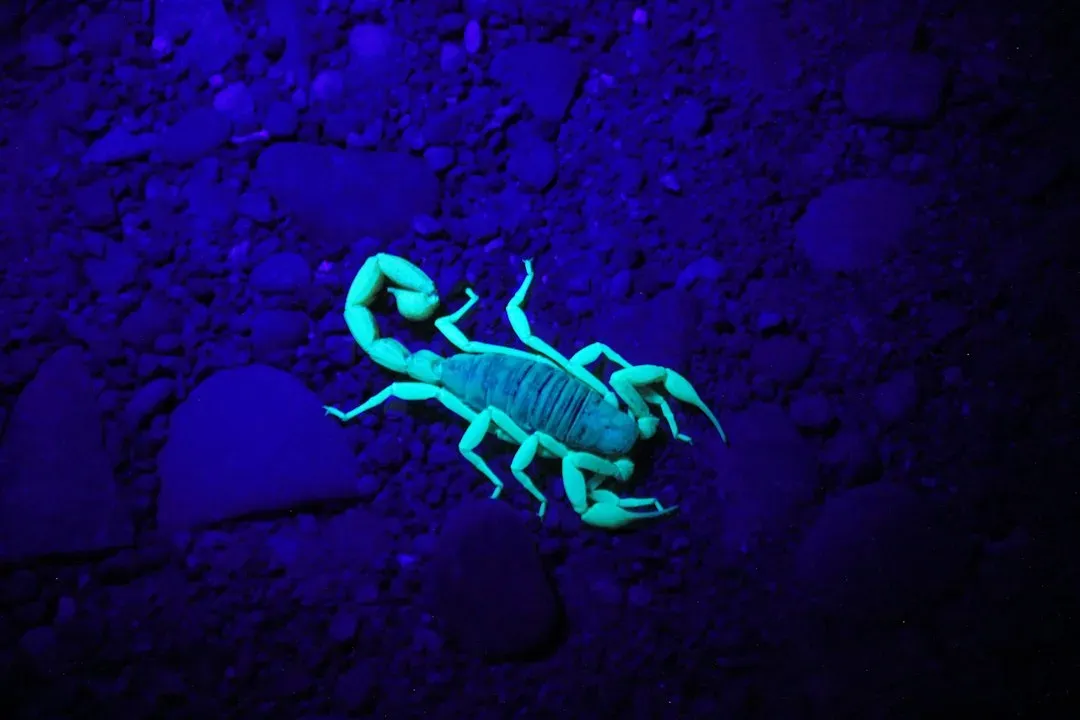
Scorpions stand out as one of the most reliable examples of fluorescence . Their exoskeletons emit a bright blue or greenish glow that researchers have noted for decades. This trait holds across all known species, making nighttime searches with UV flashlights a standard method for locating them in the wild.
The glow likely stems from compounds in the cuticle that serve protective roles against parasites or dehydration. It does not appear tied to active communication or hunting in most observations. Still, the consistent presence across diverse habitats suggests an ancient evolutionary origin that persists today.
11. Platypuses
🔥 Would you like to save this?
We'll email this post to you, so you can come back to it later!
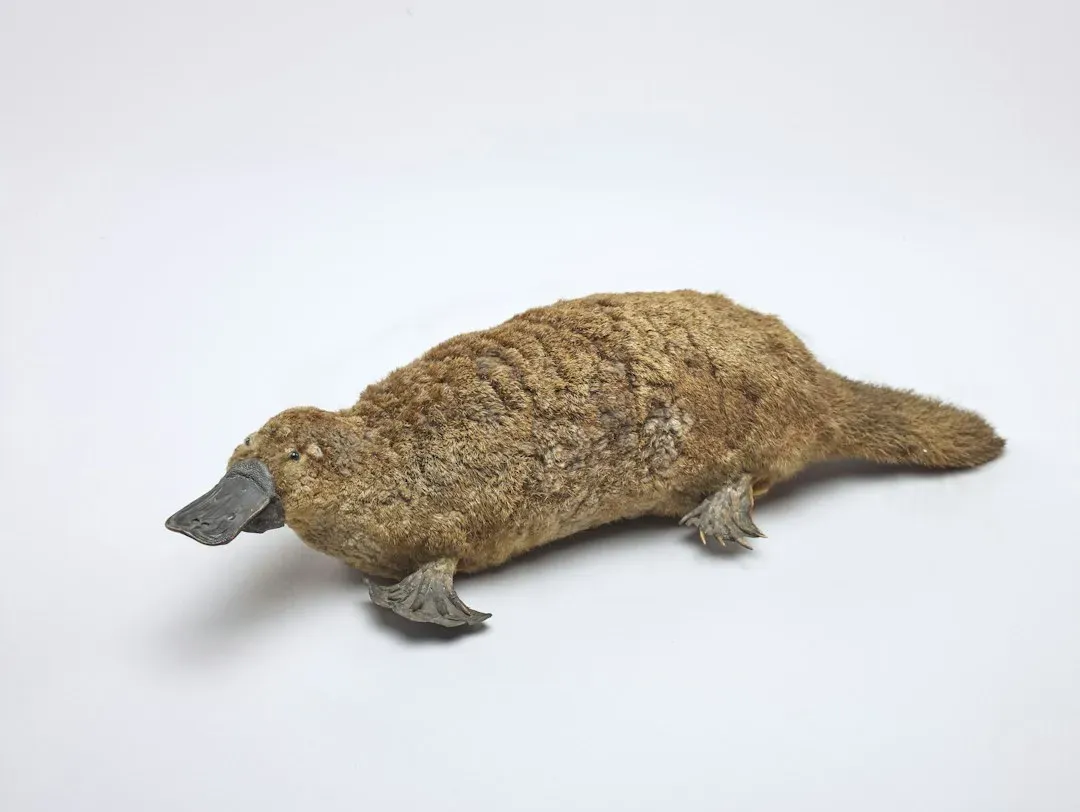
Platypuses produce a distinctive blue-green fluorescence along their fur when exposed to ultraviolet light. Early tests on museum specimens confirmed the effect, and later work showed it extends to living animals as well. The glow concentrates in the white patches of their coat and sometimes appears on the bill area.
This monotreme was among the first mammals widely recognized for the trait, sparking broader interest in mammalian fluorescence. The emission spectrum matches patterns seen in other species with pale fur. Researchers note that the intensity can vary with the exact wavelength of UV used during observation.
10. New World Flying Squirrels
🔥 Would you like to save this?
We'll email this post to you, so you can come back to it later!
New World flying squirrels display a vivid pink fluorescence across much of their fur under ultraviolet illumination. The color stands out against their otherwise muted daytime appearance. Observations from multiple populations confirm the trait appears consistently in the three species within the group.
The pink hue comes primarily from the fur itself rather than underlying skin. It may relate to social signaling or camouflage in low-light forest environments where UV levels fluctuate. Citizen scientists and researchers alike have documented the glow during evening outings with portable lights.
9. Polar Bears

🔥 Would you like to save this?
We'll email this post to you, so you can come back to it later!
Polar bears exhibit strong white fluorescence in their thick fur when viewed . The effect turns their coat into a bright, uniform glow that researchers describe as particularly intense among mammals. Pale yellow or white animals in general tend to show this response more readily than darker-coated species.
The fluorescence occurs in the hair shafts and does not require special conditions beyond exposure to UV sources. It appears in both museum specimens and observations of living bears in their natural range. This trait aligns with patterns seen in other arctic or light-furred mammals that spend time in environments rich in reflected UV.
8. Bare-nosed Wombats
🔥 Would you like to save this?
We'll email this post to you, so you can come back to it later!
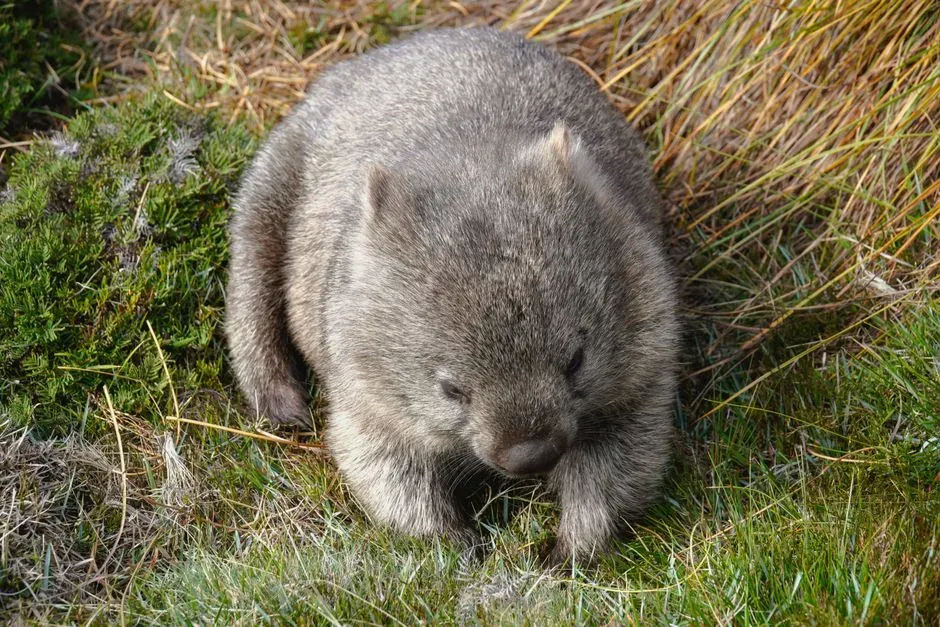
Bare-nosed wombats show fluorescence in patches of their coarse fur, often producing green or white tones under UV. The glow appears along the back and sides where lighter hairs predominate. Studies of Australian marsupials highlighted wombats as reliable examples alongside several relatives.
The property extends to skin in some areas and varies slightly between individuals. It fits into the broader finding that fluorescence occurs in nearly all tested mammal species to some degree. Field researchers have noted the effect during nighttime surveys in the animals’ burrowing habitats.
7. Short-beaked Echidnas
🔥 Would you like to save this?
We'll email this post to you, so you can come back to it later!
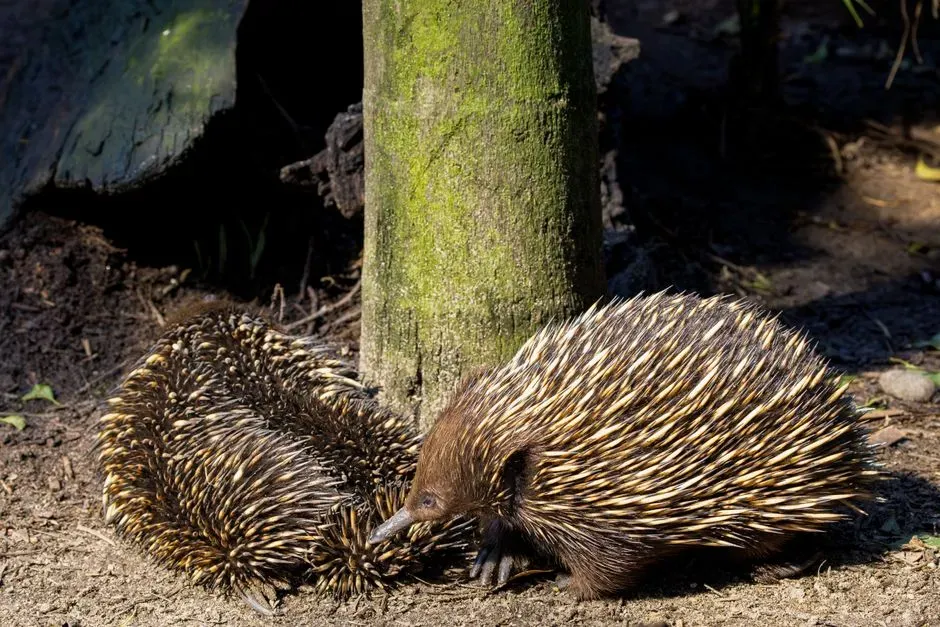
Short-beaked echidnas fluoresce along their spines and in areas of lighter fur when ultraviolet light strikes them. The spines, which function like modified hairs, produce a noticeable glow that stands out from the darker body. This monotreme joins the platypus in early reports of mammalian fluorescence from Australia.
The emission colors range from white to subtle greens depending on the exact UV wavelength. Researchers confirmed the trait through spectral analysis of museum samples and living animals. It adds to evidence that fluorescence appears across all major mammal groups rather than remaining limited to a few unusual species.

Dog Stairs for Bed 18" H, 4-Step Dog Steps for High Bed
Check Price on AmazonAs an Amazon Associate, we earn from qualifying purchases.
10/9/2026 2:42 pm GMTi

Earth Rated XL Dog & Puppy Pee Pads, Discreet Top, Max Absorbency
Check Price on AmazonAs an Amazon Associate, we earn from qualifying purchases.
10/7/2026 1:28 pm GMTi

Hand Blown Glass Hummingbird Feeders for Outdoors Hanging, 24oz Wild Bird Nectar Feeder
Check Price on AmazonAs an Amazon Associate, we earn from qualifying purchases.
10/7/2026 1:23 pm GMTi

Air Purifiers for Home Pets Large Room Up to 3000 Ft²,HEPA Air Cleaner with Washable Double-Side Filter, PM2.5 Air Quality Monitor,15dB Sleep Mode for Bedroom Odor Dust Pollen,White
Check Price on AmazonAs an Amazon Associate, we earn from qualifying purchases.
10/8/2026 8:23 am GMTi

2 Pcs Halloween Pet Hat Bandana Set, Witch Pumpkin Costumes for Dogs
Check Price on AmazonAs an Amazon Associate, we earn from qualifying purchases.
10/9/2026 2:45 pm GMTi
6. Greater Bilbies
🔥 Would you like to save this?
We'll email this post to you, so you can come back to it later!
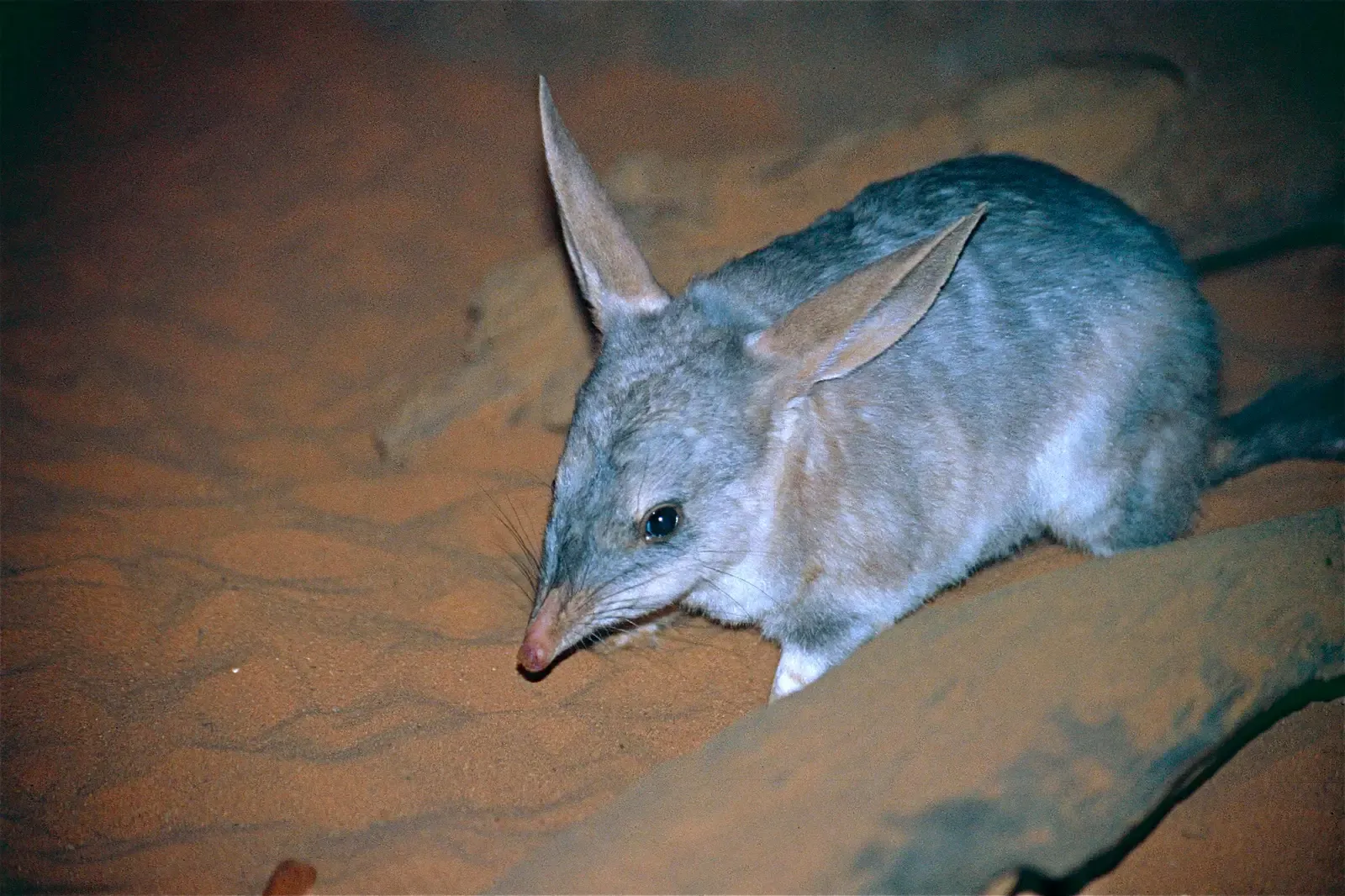
Greater bilbies light up with bright white or pink fluorescence in their ears, tails, and portions of their fur under ultraviolet conditions. The effect creates a striking contrast against their typical sandy coloration. Australian researchers documented the glow during systematic checks of museum collections.
The fluorescence concentrates in pale or white regions, consistent with patterns across many other mammals. It may play a role in nocturnal communication or simply represent a byproduct of fur chemistry. Ongoing observations continue to refine understanding of how widespread and variable the trait remains within the species.
5. Koalas
🔥 Would you like to save this?
We'll email this post to you, so you can come back to it later!
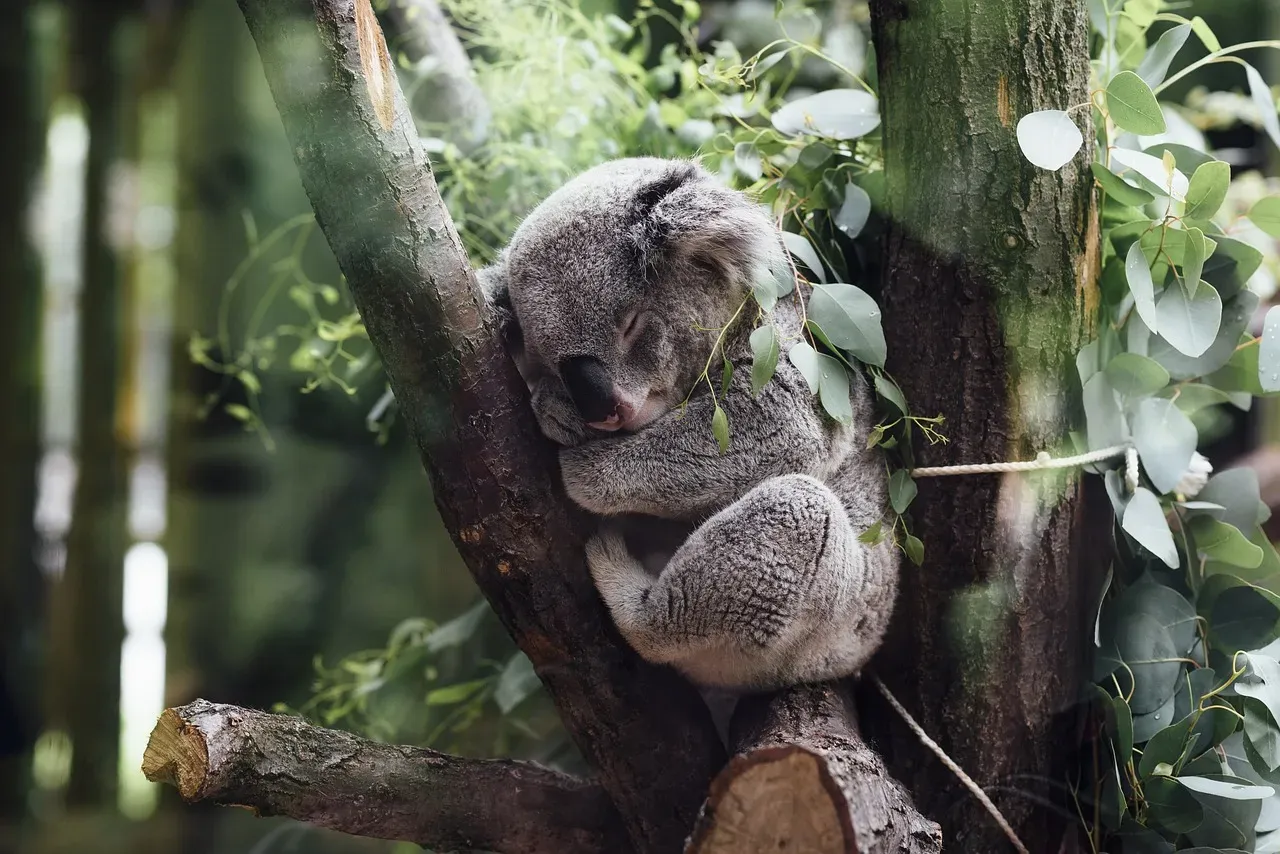
Koalas display fluorescence in their white chest fur and sometimes along the edges of their ears when exposed to ultraviolet light. The glow tends toward soft greens or whites that become visible only under the right illumination. This arboreal marsupial fits into the expanding list of fluorescent Australian mammals.
The property appears tied to the structure of the fur rather than any active biological process. Studies of multiple specimens showed consistent results across different individuals. It contributes to the realization that fluorescence occurs even in species not previously suspected of carrying the trait.
4. Hawksbill Sea Turtles

🔥 Would you like to save this?
We'll email this post to you, so you can come back to it later!
Hawksbill sea turtles transform into striking patterns of green and red , with chevron markings along their shells becoming especially vivid. The fluorescence highlights shell textures and skin areas that look plain in normal daylight. Marine researchers have noted the effect during examinations of both living and preserved animals.
The colors arise from compounds in the carapace and soft tissues that respond to UV wavelengths common in ocean environments. This adds a visual dimension to an already distinctive species known for its patterned shell. The glow may assist in species recognition or simply reflect shared chemistry with other fluorescent marine life.
3. Squirrel Tree Frogs
🔥 Would you like to save this?
We'll email this post to you, so you can come back to it later!
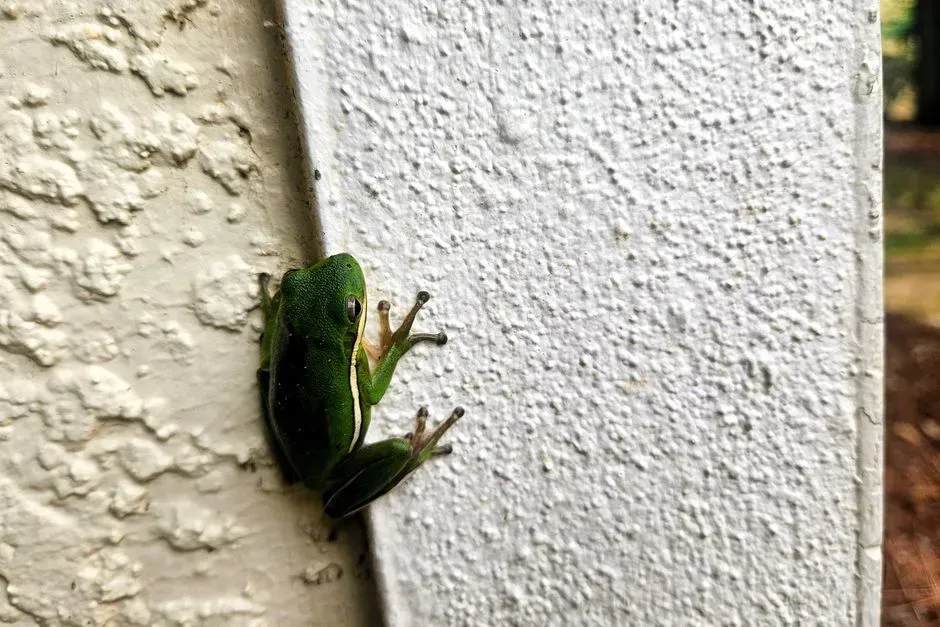
Squirrel tree frogs show fluorescence along their lateral stripes and body surfaces when ultraviolet light reaches them. The effect often produces teal or green tones that accentuate markings used in mating displays. Recent citizen science reports have added fresh examples of this amphibian trait.
Studies indicate that a high percentage of frog species exhibit some level of photoluminescence in their skin. The glow can vary with the frog’s age, health, or environmental conditions. It offers one more layer to the complex visual world these animals navigate during nocturnal activity.

Glass Hummingbird Feeder for Outdoors Hanging, 16 oz Leak-Proof Nectar Feeder with Bee Guards & Ant Moat
Check Price on AmazonAs an Amazon Associate, we earn from qualifying purchases.
10/7/2026 1:22 pm GMTi

Professional 7 in 1 Dog Paw Cleaner for Dogs & Cats - Includes 1 Portable Paw Washer, 1 Bath Brush
Check Price on AmazonAs an Amazon Associate, we earn from qualifying purchases.
10/7/2026 1:26 pm GMTi

Smart Bird Feeder with Camera Solar Powered, 2K HD Live Video, 10,000+ Bird Species AI Identification
Check Price on AmazonAs an Amazon Associate, we earn from qualifying purchases.
10/7/2026 1:22 pm GMTi

Halloween Cat Costume Cloak Witch Hat Pet Accessories
Check Price on AmazonAs an Amazon Associate, we earn from qualifying purchases.
10/9/2026 2:44 pm GMTi

Glass Hummingbird Feeder for Outdoors Hanging
Check Price on AmazonAs an Amazon Associate, we earn from qualifying purchases.
10/7/2026 1:21 pm GMTi
2. Mediterranean House Geckos
🔥 Would you like to save this?
We'll email this post to you, so you can come back to it later!
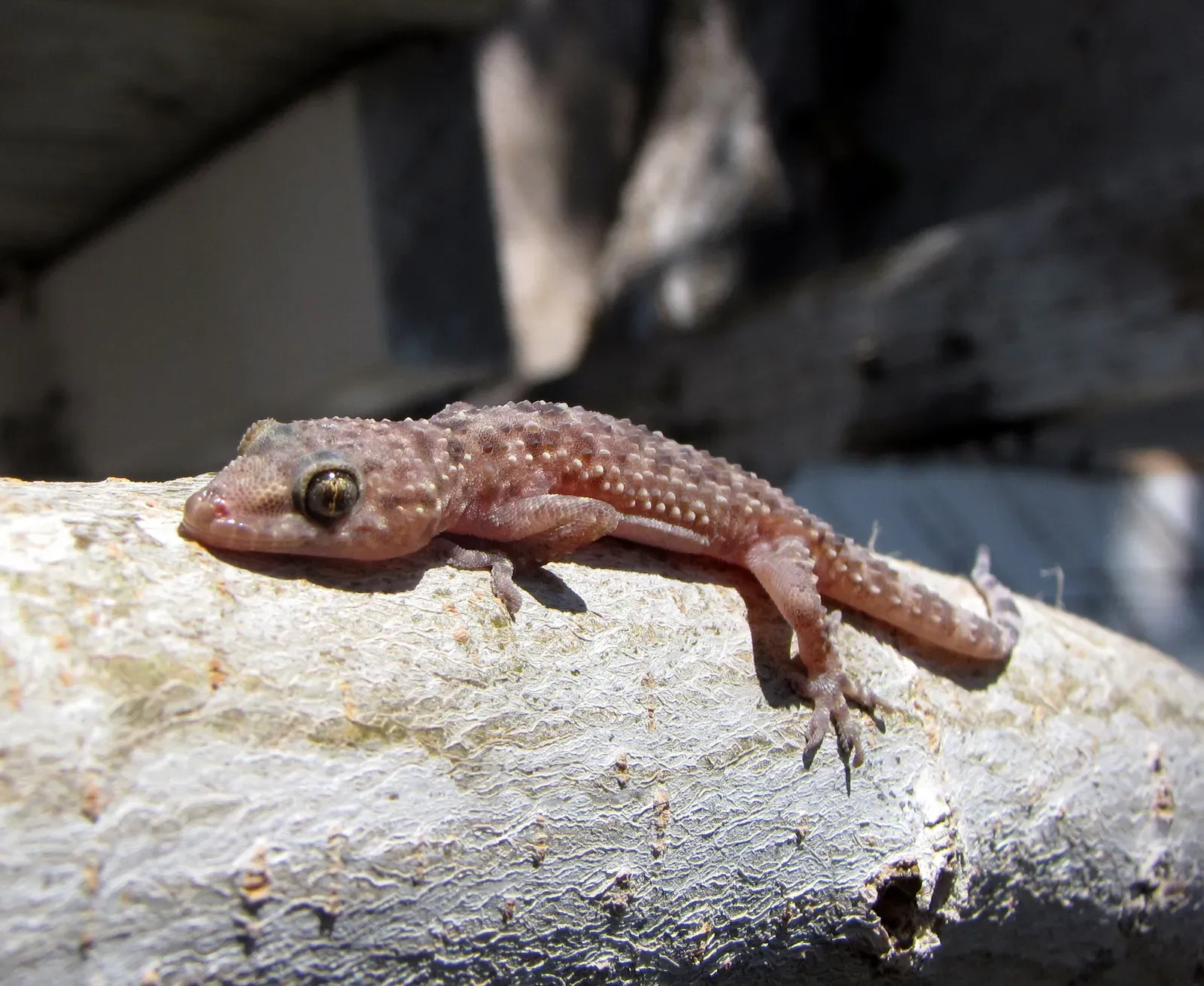
Mediterranean house geckos fluoresce along their skulls and spines, with the glow sometimes visible through translucent skin . The green emission accentuates skeletal features and body patterns. Submissions from observers have helped document this trait in both wild and captive populations.
The fluorescence may support intraspecific signaling or species identification in low-light settings. It aligns with broader findings that many gecko species carry photoluminescent qualities. Researchers continue to explore whether the glow influences behavior or remains largely incidental to skin chemistry.
1. Southern Cassowaries
🔥 Would you like to save this?
We'll email this post to you, so you can come back to it later!
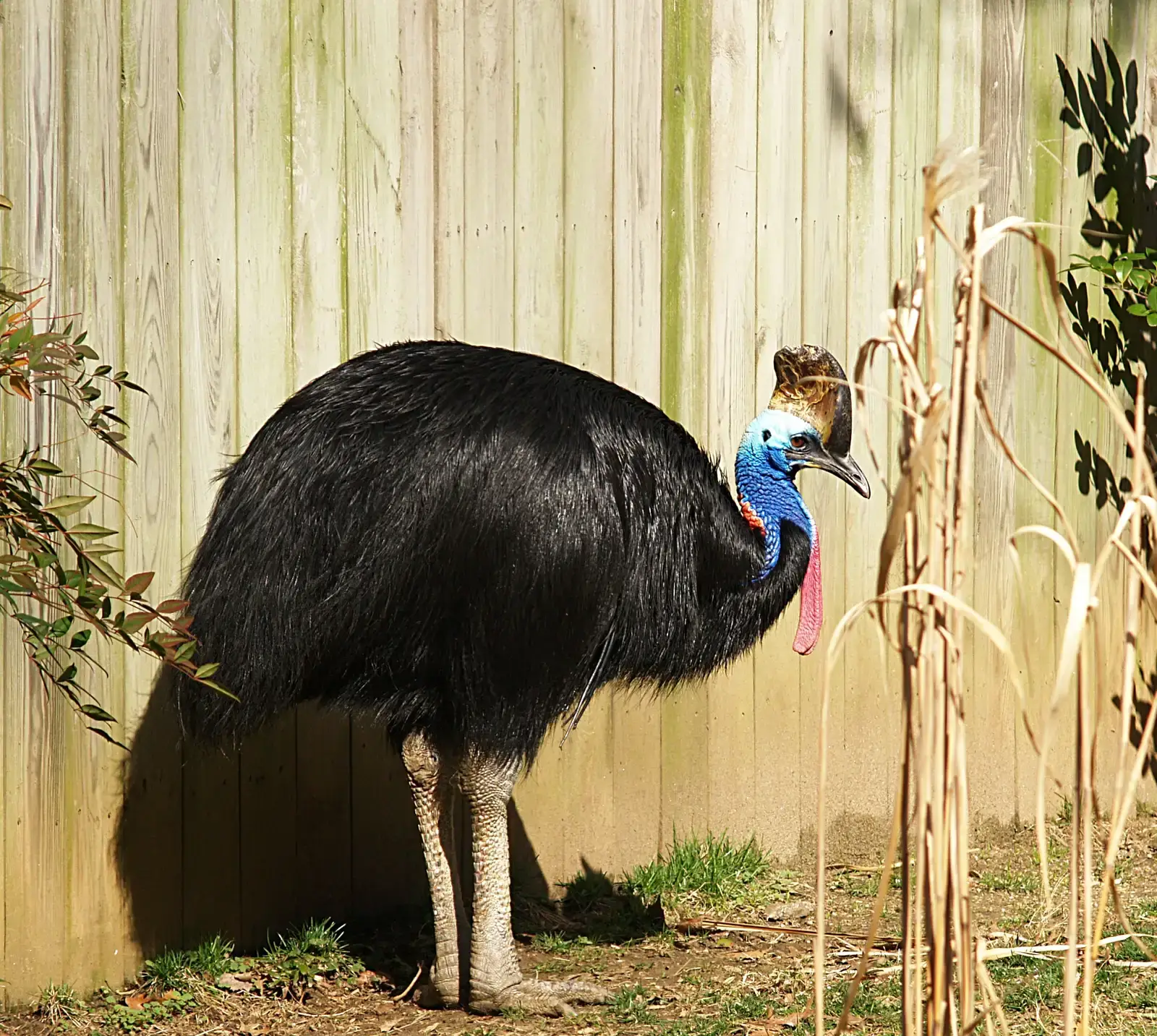
Southern cassowaries produce one of the brightest fluorescence responses recorded among birds, with their casque glowing vivid blue-green . The pattern differs between individuals and species, creating distinct visual signatures. Recent examinations of living birds confirmed the effect in ways that surprised observers.
The casque, a prominent head structure, absorbs UV and re-emits it in striking colors that stand out against the bird’s dark plumage. This discovery expands the known range of fluorescent birds beyond feathers alone. It suggests that even large, ground-dwelling species carry hidden visual traits that become apparent only under specific lighting conditions.

Portable Dog Water Bottle Foldable Dog Travel Water Bottle
Check Price on AmazonAs an Amazon Associate, we earn from qualifying purchases.
10/7/2026 1:29 pm GMTi

Halloween Dog Collar with Bow, Orange Cute Ghost Collar,
Check Price on AmazonAs an Amazon Associate, we earn from qualifying purchases.
10/9/2026 2:43 pm GMTi

PetSafe Oasys Pet Fountain, 1/2 Gallon (64 oz), Small Dogs & Cats
Check Price on AmazonAs an Amazon Associate, we earn from qualifying purchases.
10/8/2026 8:14 am GMTi

Orthopedic Extra Large Dog Bed, Waterproof Washable XL Pet Bed 44"
Check Price on AmazonAs an Amazon Associate, we earn from qualifying purchases.
10/7/2026 1:32 pm GMTi
The Quiet Wonder of Hidden Colors
🔥 Would you like to save this?
We'll email this post to you, so you can come back to it later!
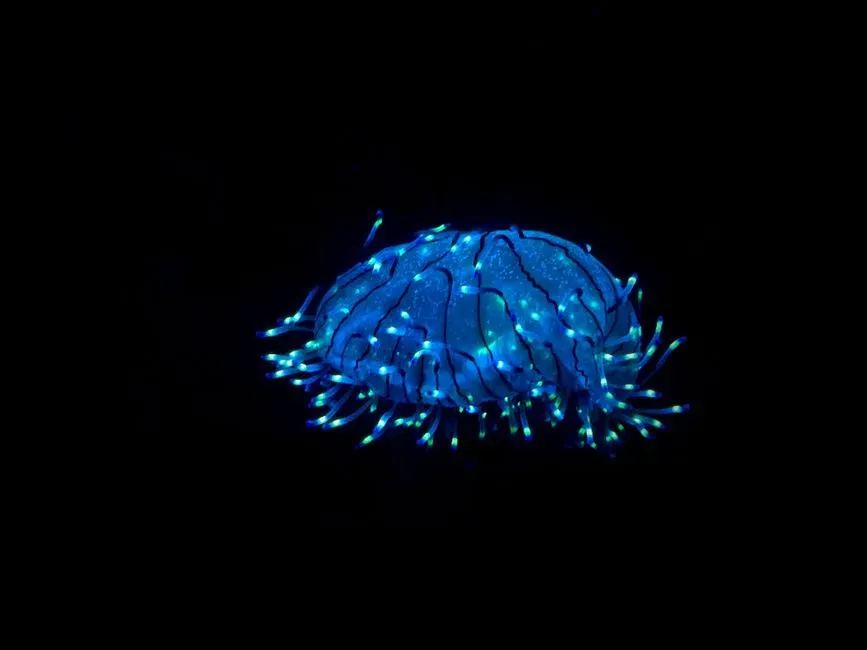
Fluorescence turns out to be less of a rare curiosity and more of a baseline feature across much of the animal kingdom. The consistent presence in white fur, spines, shells, and skin points to shared biochemical roots rather than specialized adaptations in every case. This widespread occurrence invites a shift in how we think about animal appearance and the environments they inhabit.
Appreciating these glows encourages more careful observation of the natural world at night or with simple tools like UV lights. It also underscores how much remains unknown about potential functions, from communication to protection. The animals themselves continue their lives unaware of the human fascination their hidden colors inspire, yet the patterns persist across continents and lineages.

- 12 Animals That Glow Under Ultraviolet Light - November 8, 2026
- 9 Cat Behaviours Vets Always Notice - November 8, 2026
- 9 Morning Habits a Dog Learns Faster Than Any Owner Expects - November 8, 2026