
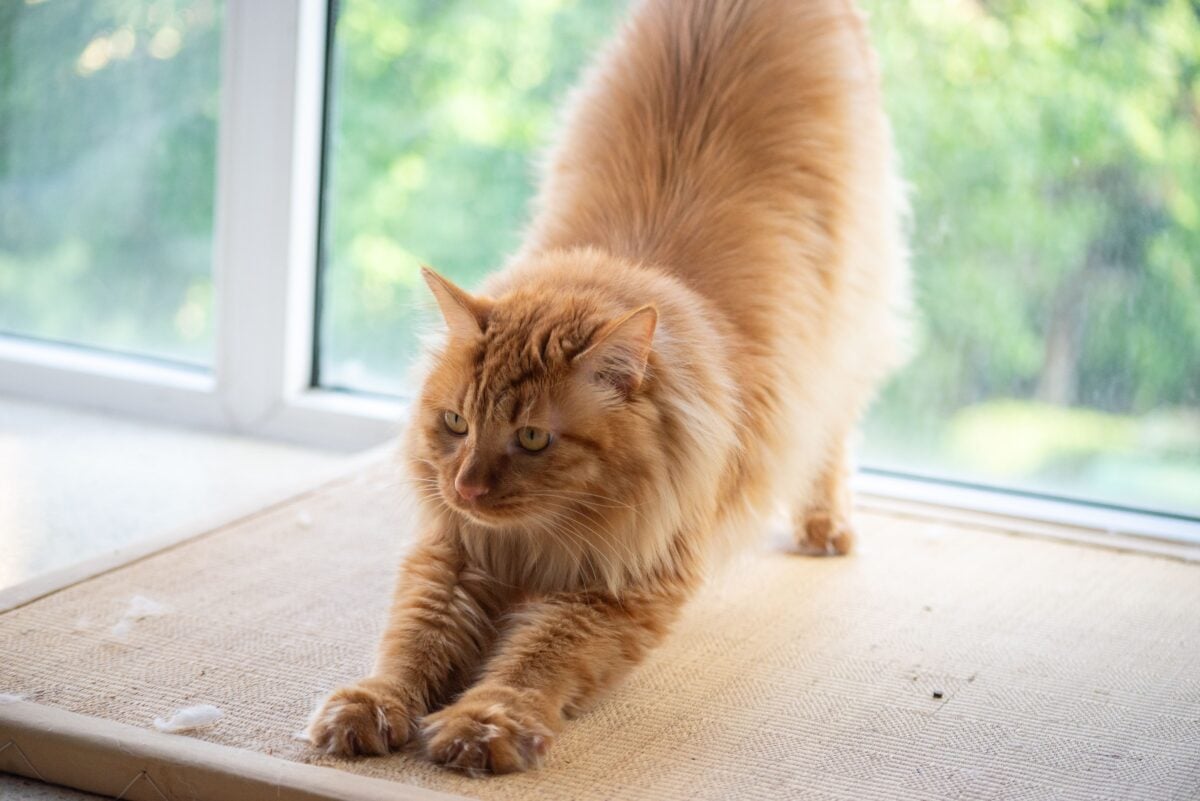
Your cat isn’t being dramatic, aloof, or mysterious. That “quirk” you’ve laughed about for months may be the only way a world-class poker player can tell you something hurts. If you clicked to find out what vets spot in seconds that owners miss for weeks, you’re in the right place, and a few of these will probably surprise you.
Cats are both predator and prey, so evolution trained them to hide weakness. By the time vomiting or visible weight loss shows up, a problem like kidney disease, arthritis, or hyperthyroidism may have been building for a long time. The earliest clues look suspiciously like normal cat life. And one of them is so small that most owners have never once thought to look for it.
#9 – The Grooming Shift Vets Flag First
🔥 Would you like to save this?
We'll email this post to you, so you can come back to it later!
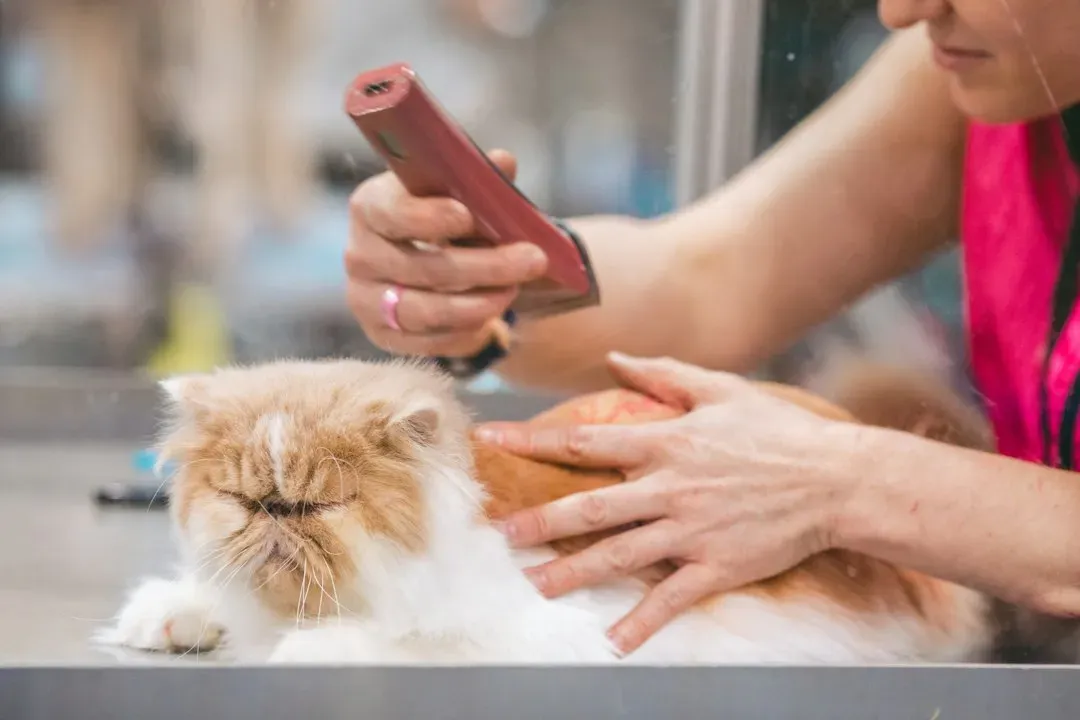
Before a vet ever touches your cat, they’re often reading the coat. Fur works like a diary, and it records weeks of how your cat has felt. A sleek, tidy cat tells one story. A dull, greasy, or matted one tells another.
The red flag is a routine that flips. A fastidious cat that starts licking one spot raw, or a cat that stops grooming altogether, is rarely “just bored.” Over-grooming often lands right on the area that hurts, like the lower back in an arthritic cat or the belly in a cat with urinary discomfort.
Under-grooming is the quieter version. Greasy fur, dandruff, and tangles around the hindquarters can point to dental disease, obesity, arthritis that makes twisting painful, or a systemic illness like diabetes. Stress can also cause over-grooming, but vets generally rule out medical causes first.
Owners miss this because it creeps in over weeks. You see your cat every day, so a slow change becomes invisible.
- Watch for bald patches on the belly or flanks that appear without obvious skin irritation.
- Note any new matting around the hindquarters that the cat can no longer reach comfortably.
- Track whether grooming sessions shorten dramatically or become frantic and repetitive.
The Science Behind This: Healthy cats can spend up to half of their waking hours grooming, so a sustained change from your individual cat’s baseline is a meaningful clinical clue. It reflects mobility, pain, and metabolism all at once.
And grooming is the easy one. The next clue only shows up when the house goes quiet.
#8 – Nighttime Vocalizing That Isn’t Just “Chatty”
🔥 Would you like to save this?
We'll email this post to you, so you can come back to it later!
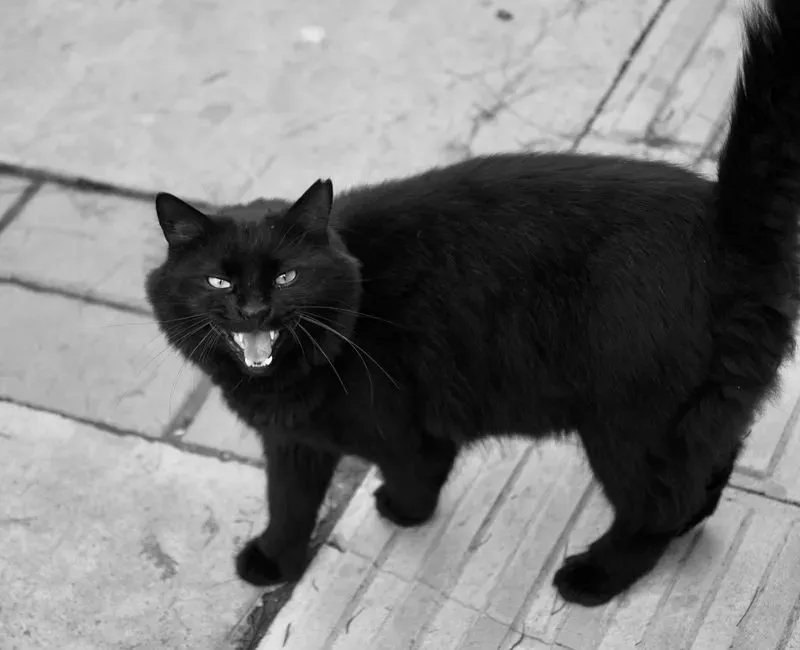
It’s 3 a.m., and your cat is howling at the hallway like it owes them money. Most owners assume it’s attention-seeking, or just what senior cats do. Vets hear that explanation constantly, and they don’t accept it at face value.
New or increased vocalizing can be linked to cognitive dysfunction, which is similar to dementia in older cats. It can also point to hypertension, hyperthyroidism, or pain that feels worse when nothing else is distracting them. Hyperthyroid cats are often restless, hungry, and loud, which is a combination owners tend to blame on age.
At a Glance
- Usually fine: short chirps or meows when you come home or head for the food cupboard.
- Worth a call: new yowling at night, especially in a senior cat.
- Worth a call: loud calling paired with restlessness, extra hunger, or extra thirst.
- The key question: is this louder or different from your cat’s own normal?
Here’s a detail that changes how you hear every meow. Adult cats rarely meow at each other. They developed that voice mostly for us, so a sudden increase aimed at you is often a message, not a conversation.
Some cats also use a “solicitation purr,” a purr with a high-pitched, cry-like note woven in. It’s designed to tug at human instincts. If it’s paired with restlessness, your cat may be asking for help rather than breakfast.
- Distinguish between normal greeting meows and prolonged, plaintive yowling.
- Note timing: nighttime spikes often correlate with disorientation or discomfort.
- Observe whether the cat seems restless or stares at walls afterward.
Did You Know: Meowing is largely a cat-to-human language. A sudden jump in how much your cat talks to you can be a medical clue rather than simple chattiness.
Loud cats are easy to . The next group does the opposite, and that’s why it gets missed.
#7 – Hiding That Goes Beyond Normal Solitude

🔥 Would you like to save this?
We'll email this post to you, so you can come back to it later!
Every cat loves a good nap spot under the bed. But a cat that’s feeling unwell often disappears on purpose, and owners tend to file it under “likes quiet.” Vets see this as one of the earliest and most consistent red flags.
In the wild, looking vulnerable invites predators. So a cat in pain or with nausea may retreat to the bathtub, a closet shelf, or the gap behind the washing machine. Kidney disease, dental pain, and even early cancer can all trigger this withdrawal.
The giveaway is change. A cat that used to greet you at the door and now emerges only for dinner is telling you something. A cat that has always been a bit shy may simply be a shy cat, and what matters is how far they’ve drifted from their own normal.
Because the shift is gradual, it often slips past a household until the cat stops showing up to the door altogether.
- Compare current hiding spots and duration to the cat’s established patterns.
- Note whether the cat emerges only for food or avoids interaction completely.
- Watch for accompanying changes like reduced play or slower movements.
Editor’s Note: A “shy” cat and a sick cat can look identical from the couch. What separates them is change, not personality.
Hiding is stealthy. The next sign is stinkier, and far more urgent.
#6 – Litter Box Avoidance That Signals More Than Preference
🔥 Would you like to save this?
We'll email this post to you, so you can come back to it later!
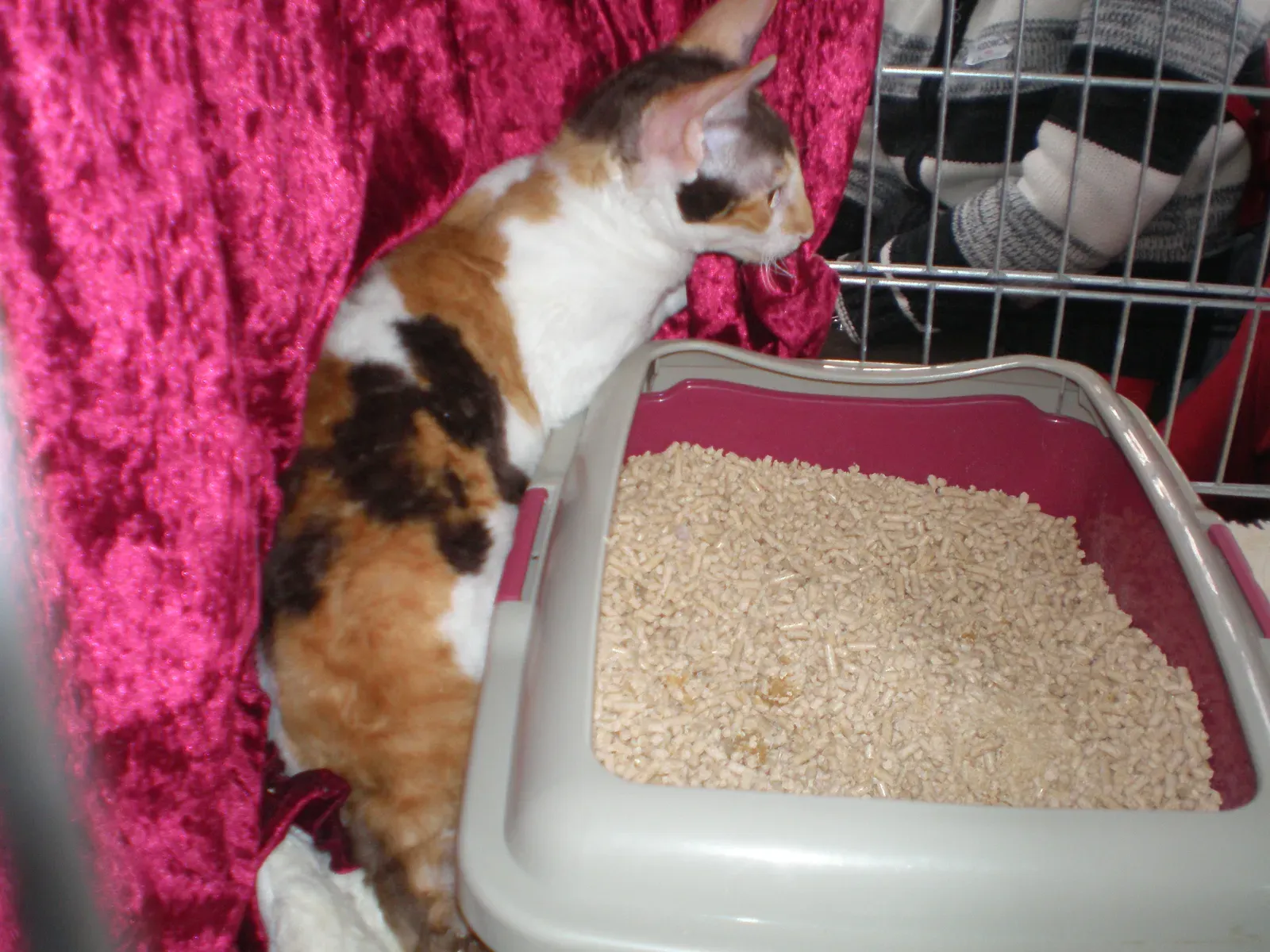
Few things frustrate owners faster than a cat that pees next to the box. It feels personal, like spite. Vets see it differently: they treat sudden litter box changes as a medical problem until proven otherwise.
Painful conditions like cystitis can make a cat associate the box with discomfort, so they look for somewhere else. Arthritis can make stepping over a high-sided box hurt. And in male cats, straining with little or no urine can mean a urinary blockage, which is an emergency.
Owners often wait it out, assuming it’s a behavior phase, and that delay can be costly. A cat that is crying, licking at their rear end, or making repeated trips with almost nothing to show for it needs to be seen quickly.
Fast Facts
- Typical output: a healthy cat usually urinates roughly two to four times a day.
- Box math: a common guideline is one litter box per cat, plus one extra.
- Easier access: a low-sided box can make a big difference for a stiff, arthritic cat.
- Red alert: a male cat straining with little or no urine needs a vet right away, not tomorrow.
Multi-cat homes complicate the picture, because one cat may guard the box. Even then, vets want to rule out a medical trigger first.
- Measure urine clump size and frequency against normal output.
- Check for blood, strong odor, or small amounts passed repeatedly.
- Observe posture: hunching or vocalizing while eliminating is never normal.
Why It Works: Paying attention to box habits lets you catch trouble days or even weeks sooner than waiting for an accident on the rug. In a urinary emergency, that head start can matter enormously.
So the box tells you what’s going out. The next clue is about what’s going in.

Air Purifiers for Home Pets Large Room Up to 3000 Ft²,HEPA Air Cleaner with Washable Double-Side Filter, PM2.5 Air Quality Monitor,15dB Sleep Mode for Bedroom Odor Dust Pollen,White
Check Price on AmazonAs an Amazon Associate, we earn from qualifying purchases.
10/8/2026 8:23 am GMTi

Smart Bird Feeder with Camera Solar Powered, 2K HD Live Video, 10,000+ Bird Species AI Identification
Check Price on AmazonAs an Amazon Associate, we earn from qualifying purchases.
10/7/2026 1:22 pm GMTi

Halloween Cat Costume Cloak Witch Hat Pet Accessories
Check Price on AmazonAs an Amazon Associate, we earn from qualifying purchases.
10/9/2026 2:44 pm GMTi

Dog Stairs for Bed 18" H, 4-Step Dog Steps for High Bed
Check Price on AmazonAs an Amazon Associate, we earn from qualifying purchases.
10/9/2026 2:42 pm GMTi

Hand Blown Glass Hummingbird Feeders for Outdoors Hanging, 24oz Wild Bird Nectar Feeder
Check Price on AmazonAs an Amazon Associate, we earn from qualifying purchases.
10/7/2026 1:23 pm GMTi
#5 – Appetite Swings Owners Dismiss as Fussiness
🔥 Would you like to save this?
We'll email this post to you, so you can come back to it later!
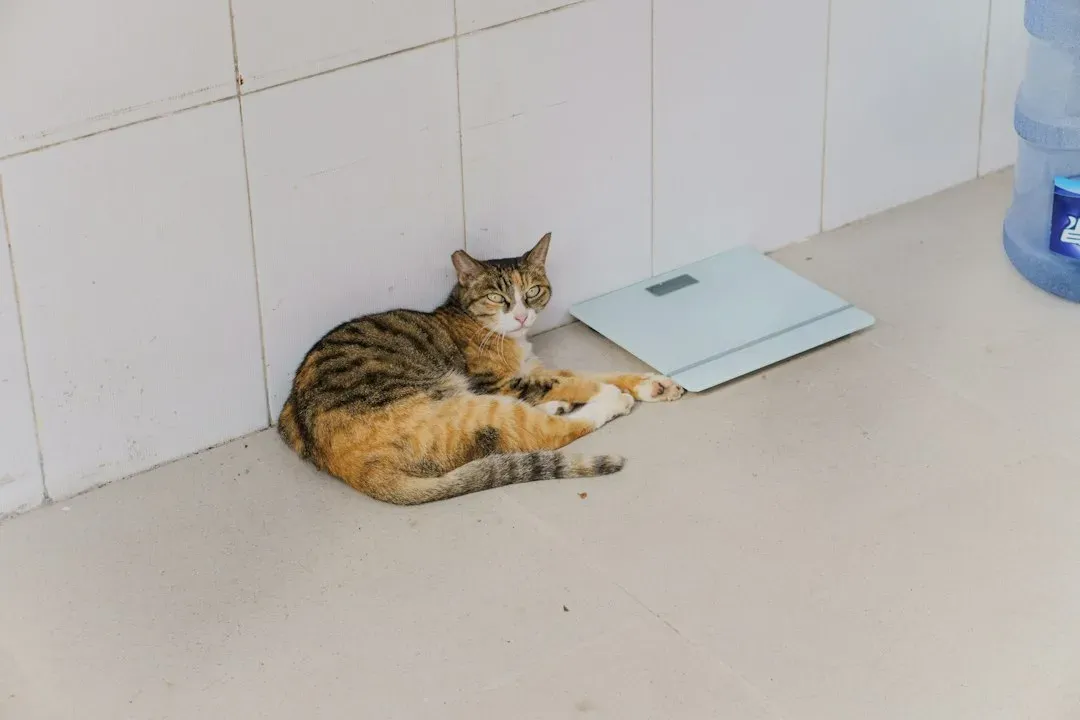
“He’s just picky.” Vets could probably print that sentence on a T-shirt. A change in eating that lasts more than a day or two is worth a call, whether the cat is eating less or suddenly ravenous.
A cat that’s inhaling food while the weight melts off is a classic picture of hyperthyroidism or diabetes. A cat that sniffs the bowl and walks away may have dental pain, nausea, or kidney disease. Same bowl, very different stories.
Cats that stop eating can also get into serious trouble quickly. Even a couple of days without food can put a cat at risk of hepatic lipidosis, a dangerous liver condition, and overweight cats are especially vulnerable.
Owners tend to respond by trying a new flavor or brand, which can hide the real problem. Vets would rather you note exactly what your cat is eating and bring that to the exam.
- Weigh the cat weekly and note any trend, even without visible thinness.
- Track exact amounts eaten rather than “seems normal.”
- Watch for chewing on one side or dropping food, which are classic dental clues.
By The Numbers: Weight loss despite a good appetite is one of the most consistent early markers across hyperthyroidism, diabetes, and gastrointestinal disease. In a 10-pound cat, losing just half a pound is a 5% drop, which is easy to overlook by eye.
Food tells you a lot. But the way your cat carries their body can say even more.
#4 – Posture Changes That Reveal Hidden Discomfort
🔥 Would you like to save this?
We'll email this post to you, so you can come back to it later!
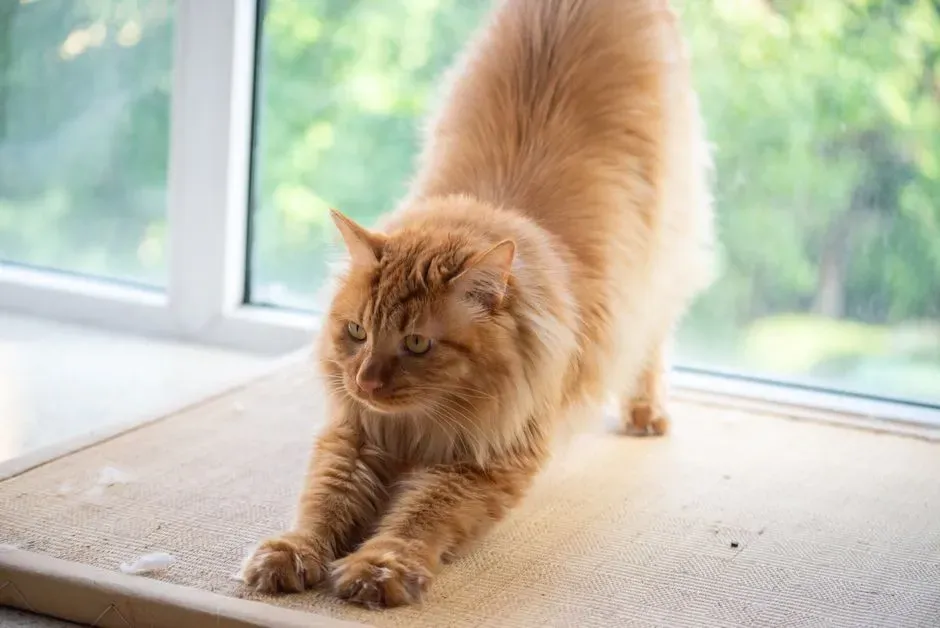
When a cat stops leaping onto the kitchen counter, most owners think, “Well, he’s getting older.” Vets think, “Where does it hurt?” That one quiet shift is among the most missed signs of pain in cats.
Arthritis is extremely common in senior cats, with figures as high as 90% often cited for cats over age 12. Yet many are never diagnosed, because cats don’t limp like dogs. They simply do less: fewer jumps, shorter zoomies, more floor-level naps.
Vets watch how a cat lands from a counter, how they stand after resting, and how they hold their body at rest. A hunched back, a tucked tail, or a lowered head can all be protective postures. Even facial expression counts: squinting eyes and a tense muzzle are part of how pain looks on a cat’s face.
Worth Knowing
- Pain has a face score. Researchers developed the Feline Grimace Scale to rate pain from facial expressions.
- Five features are checked: ear position, eye tightening, muzzle tension, whisker position, and head position.
- It can come and go, so a quick photo or video at the moment you it can help your vet.
Other hints are easy to miss. Overgrown claws can mean a cat has stopped scratching, and a high-sided litter box may suddenly become a problem.
- Compare jumping ability and landing grace to six months ago.
- Look for a lowered head or stiff gait after rest.
- Note any new preference for floor-level resting spots.
The Psychology Behind This: Cats mask pain to avoid looking vulnerable, so what seems like calm loafing can actually be a protective posture. Vets learn to tell the difference.
Posture is about the whole body. The next clues come down to two very expressive body parts.
#3 – Tail and Ear Signals That Never Lie
🔥 Would you like to save this?
We'll email this post to you, so you can come back to it later!
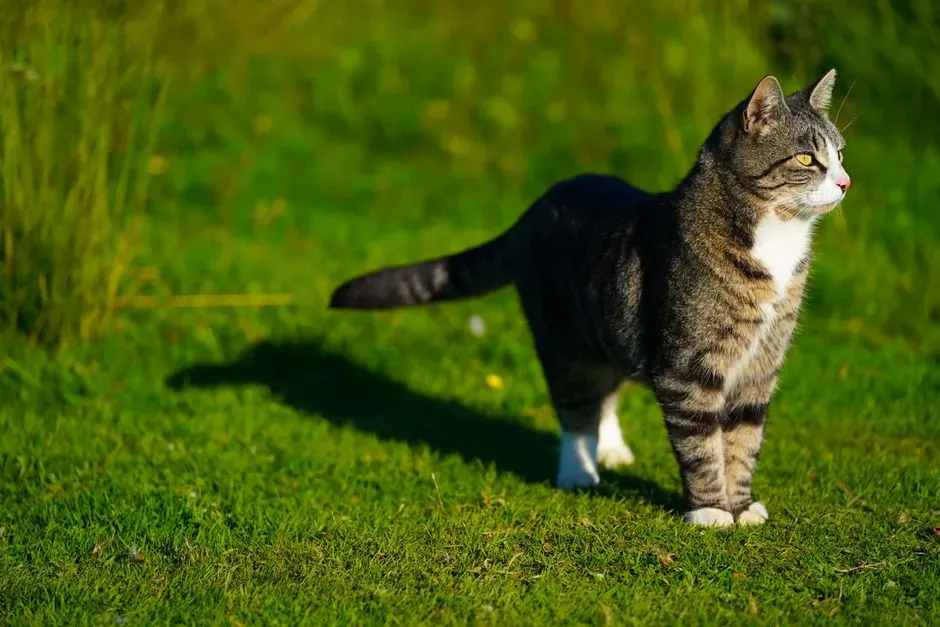
If you grew up around dogs, you were probably taught that a moving tail means a happy animal. Cats didn’t get that memo. A fast-lashing tail usually signals irritation, and a tail held low or tucked can signal fear, stress, or pain.
A tall tail with a gentle curl at the tip is the friendly greeting. A tail that stays low even when your cat is relaxed, or flicks constantly with no obvious trigger, is worth noticing. Ears work the same way: forward and relaxed is calm, while flattened or sideways “airplane” ears point to tension.
Vets read the whole cat rather than any one signal, because an isolated tail flick can mislead. But when low tails, tense ears, and dilated pupils show up together and stick around, they correlate with urinary issues, arthritis, or environmental stress.
The takeaway is that persistent signals matter more than momentary ones. Everybody gets annoyed now and then, and your cat is no exception.
- Observe tail position during greetings versus alone time.
- Note ear rotations that persist beyond obvious triggers.
- Watch for combined signals like dilated pupils with tucked posture.
Insider Tip: Film short clips of your cat’s normal behavior. Showing them to your vet often reveals patterns that a stressful, single exam visit can’t.
Now for a signal that almost every owner reads backward.

Portable Dog Water Bottle Foldable Dog Travel Water Bottle
Check Price on AmazonAs an Amazon Associate, we earn from qualifying purchases.
10/7/2026 1:29 pm GMTi

2 Pcs Halloween Pet Hat Bandana Set, Witch Pumpkin Costumes for Dogs
Check Price on AmazonAs an Amazon Associate, we earn from qualifying purchases.
10/9/2026 2:45 pm GMTi

Earth Rated XL Dog & Puppy Pee Pads, Discreet Top, Max Absorbency
Check Price on AmazonAs an Amazon Associate, we earn from qualifying purchases.
10/7/2026 1:28 pm GMTi

Orthopedic Extra Large Dog Bed, Waterproof Washable XL Pet Bed 44"
Check Price on AmazonAs an Amazon Associate, we earn from qualifying purchases.
10/7/2026 1:32 pm GMTi

Halloween Dog Collar with Bow, Orange Cute Ghost Collar,
Check Price on AmazonAs an Amazon Associate, we earn from qualifying purchases.
10/9/2026 2:43 pm GMTi
#2 – Purring That Continues Through Obvious Tension
🔥 Would you like to save this?
We'll email this post to you, so you can come back to it later!
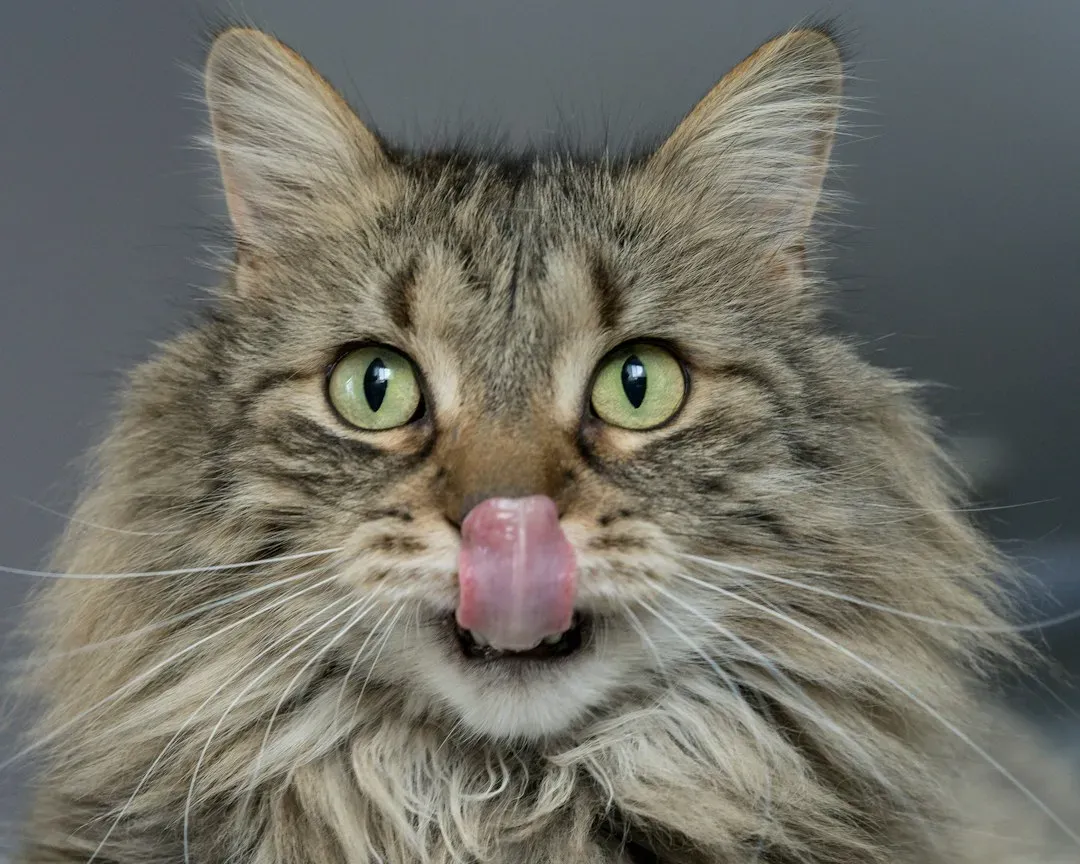
Purring equals happy, right? Mostly, but not always, and vets know it. Cats may purr when they’re frightened, injured, recovering, or simply trying to calm themselves down.
Many owners have watched their cat purr on the exam table, which seems to contradict everything they’ve been told. A cat with a rigid body, squinted eyes, and a purr isn’t being content in the middle of a stressful visit. That’s often a self-soothing purr.
Quick Compare
- Content purr: loose limbs, slow blinks, soft kneading.
- Stress purr: stiff body, squinted eyes, flattened ears, avoiding contact.
- Unwell purr: purring while hunched, hiding, or turning down food.
Purring occurs at low frequencies, commonly cited at about 25 to 150 Hz, and some researchers have suggested these vibrations may help with healing. It’s an appealing theory, and it may help explain why some sick cats purr so much. It’s not proof that the purr means “I feel great.”
So vets listen for context. Does the purr come with relaxed limbs and slow blinks, or with tense muscles and avoidance? The purr is only one line of a longer sentence.
- Note whether purring occurs only during petting or also when alone and still.
- Observe accompanying body language: relaxed limbs versus tense muscles.
- Track any new purring during handling of previously tolerated areas.
The Science Behind This: Purring shows up across many emotional states, and the vibration itself may have a calming, possibly healing effect. That’s one theory for why cats sometimes purr even when they’re ill.
And the last clue? It might be right in front of you, and it takes about two seconds to check.

Glass Hummingbird Feeder for Outdoors Hanging, 16 oz Leak-Proof Nectar Feeder with Bee Guards & Ant Moat
Check Price on AmazonAs an Amazon Associate, we earn from qualifying purchases.
10/7/2026 1:22 pm GMTi

Glass Hummingbird Feeder for Outdoors Hanging
Check Price on AmazonAs an Amazon Associate, we earn from qualifying purchases.
10/7/2026 1:21 pm GMTi

PetSafe Oasys Pet Fountain, 1/2 Gallon (64 oz), Small Dogs & Cats
Check Price on AmazonAs an Amazon Associate, we earn from qualifying purchases.
10/8/2026 8:14 am GMTi

Professional 7 in 1 Dog Paw Cleaner for Dogs & Cats - Includes 1 Portable Paw Washer, 1 Bath Brush
Check Price on AmazonAs an Amazon Associate, we earn from qualifying purchases.
10/7/2026 1:26 pm GMTi
#1 – The Third Eyelid That Owners Rarely
🔥 Would you like to save this?
We'll email this post to you, so you can come back to it later!
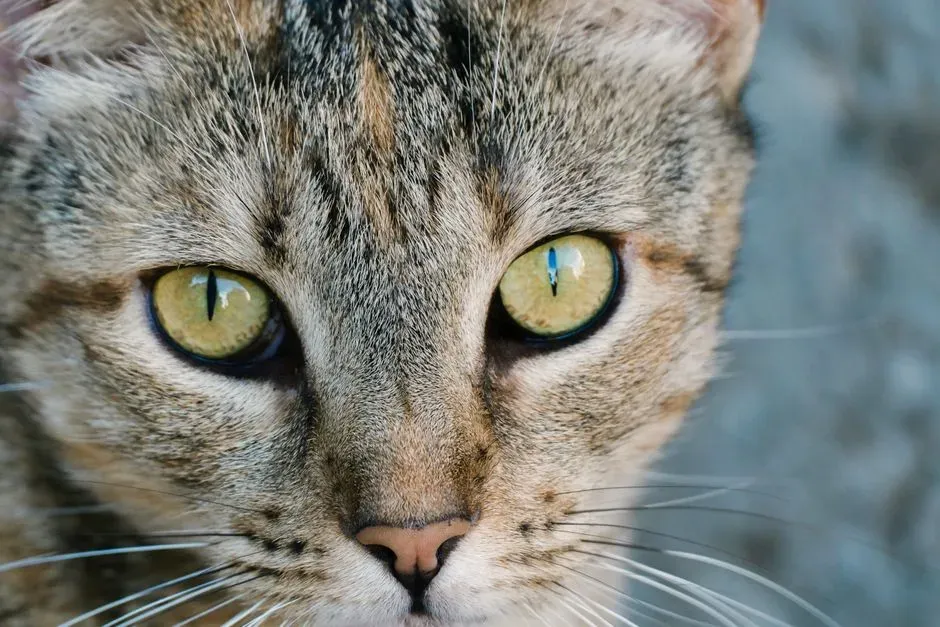
Tucked into the inner corner of each cat’s eye is a thin membrane called the third eyelid, or nictitating membrane. Most of the time you never see it, which is exactly why it’s such a useful tell. When it creeps across the eye while your cat is awake, vets pay attention.
It can show up when a cat is dehydrated, in pain, or unwell with something systemic, and it’s often more telling than dramatic symptoms. When it appears in both eyes, vets tend to think of a whole-body problem. In just one eye, they often look for a local eye issue. A sleepy or freshly sedated cat can show it too, so awake and alert is the key.
Owners miss it because it starts subtly, and the cat may squint to compensate. It also rarely appears in the way people describe their pets, because it doesn’t sound like a symptom. “He looks a bit off” is how it usually comes out.
- Check both eyes in good lighting for asymmetry or partial coverage.
- Note any accompanying redness, discharge, or pupil changes.
- Compare to the cat’s normal eye appearance during relaxed moments.
Did You Know: The third eyelid normally stays hidden, so its appearance during wakefulness is a classic veterinary cue that something is wrong.
Here’s my take. The most dangerous phrase in cat ownership is “he’s just being a cat.” It’s lovingly meant, and it has delayed more diagnoses than any rare disease.
None of these nine signs means disaster on its own. What they all have in common is change, and you’re the only one who knows your cat’s normal. Take photos, short videos, and a weekly weight, and trust your gut when something feels off.
Don’t wait for a dramatic symptom. Annual checkups matter, and many vets recommend twice a year for seniors, but the daily noticing is where early catches happen. Did your vet point out a sign we missed? Drop it in the comments.

- 9 Cat Behaviours Vets Always Notice - November 8, 2026
- 9 Morning Habits a Dog Learns Faster Than Any Owner Expects - November 8, 2026
- 8 Bird Habits That Shift in Deep Cold - November 8, 2026