
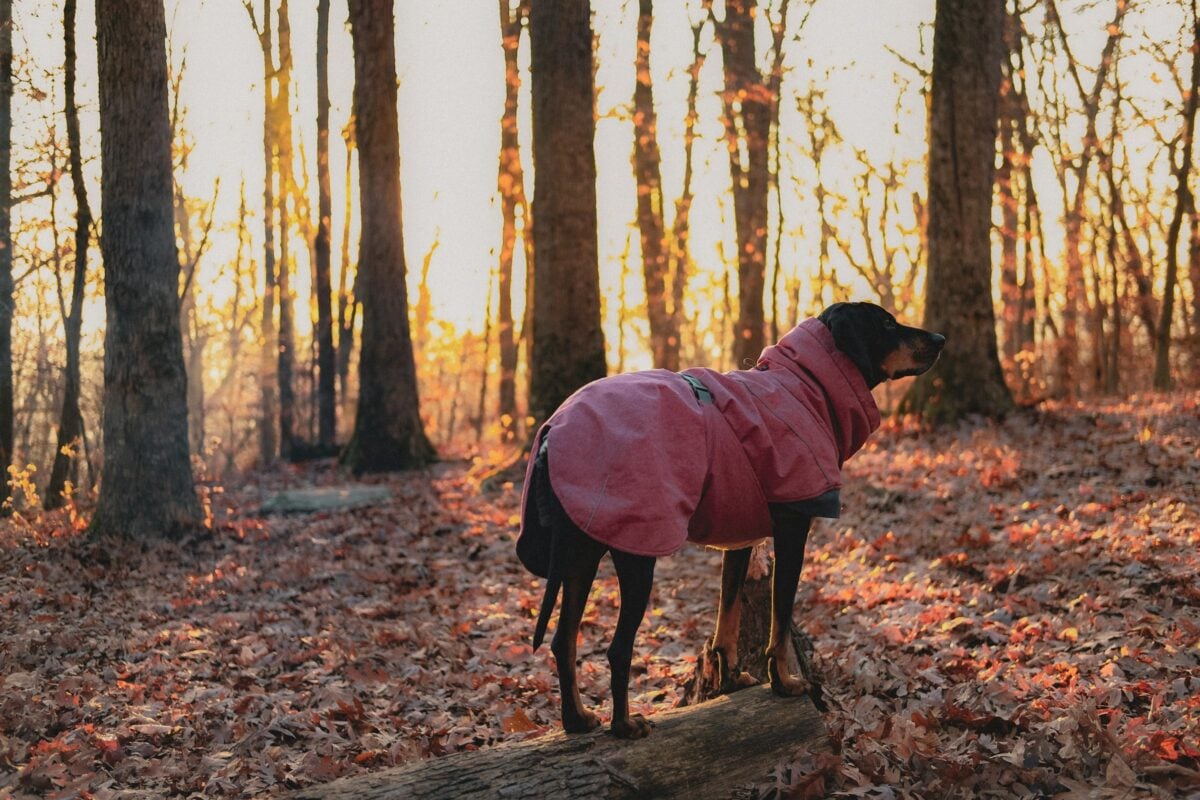
Most of us were told that dogs need weeks, even months, of repetition before a routine sticks. So when your dog is waiting at the bowl five minutes early, or trotting toward the door before you’ve found your shoes, it feels like a small miracle. It isn’t. Dogs are built to learn patterns, and your mornings are full of them.
The nine habits below show up in ordinary homes after only a few days. Some of them you taught on purpose. Others you taught by accident, just by being a creature of habit with a coffee machine. The most revealing one is waiting at #1, and it says more about you than about your dog.
#9 – Waking Right Before the Alarm Sounds

🔥 Would you like to save this?
We'll email this post to you, so you can come back to it later!
Plenty of owners swear their dog lifts its head seconds before the alarm goes off, usually after only a few mornings. It feels like psychic timing. Underneath it is classical conditioning, the same learning Pavlov made famous. The alarm becomes a reliable signal that something good is about to happen: a potty break, breakfast, your attention.
Here’s the twist. The dog may not be reacting to the alarm at all. Dogs hear far higher frequencies than we do, and they sit right next to you while you sleep. They can pick up the faint click of the phone waking, the change in your breathing as you surface, or the shift of the mattress. Your own body gives the countdown away before the beep does.
Dogs also seem to sort mornings by context. The weekday version of you gets up fast, turns on lights, and heads for the kitchen. The weekend version rolls over and stays put. Many dogs learn to tell these apart quickly, which is why some pups seem to know it’s Saturday.
- The sound of the alarm itself
- Small changes in your breathing and movement as you wake
- Early light levels in the room
- What happened on previous weekdays versus weekends
Consistency in the first week matters most. If the alarm reliably leads to the same chain of events, the dog locks the pattern in fast. If it sometimes means a lazy hour of snoozing, the signal gets muddy.
That’s only the opening act, though. The next habit is about a clock no one installed in your dog.
#8 – Expecting Breakfast at the Same Minute Every Day
🔥 Would you like to save this?
We'll email this post to you, so you can come back to it later!
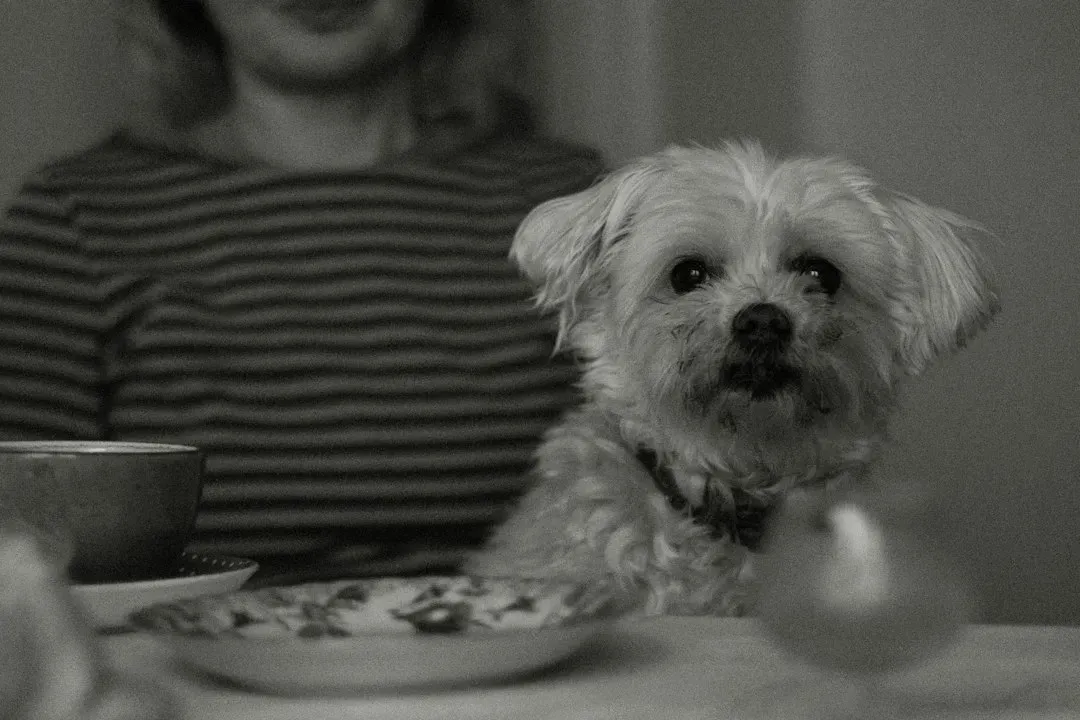
A dog can learn the breakfast window faster than a family can agree on who’s feeding it. Within days, many dogs start pacing, sitting by the bowl, or staring at you from the kitchen doorway a little before the usual time. Animals in general show what scientists call food-anticipatory activity: the body and behavior gear up for a meal that reliably arrives at the same time.
How dogs sense the time is still debated. Some dog cognition researchers have suggested that scent plays a role, since smells in a home change through the day, and a dog’s nose is vastly more sensitive than ours. Light through the window, the sound of your feet on the stairs, and the rattle of the kibble scoop all add to the picture. The dog isn’t reading a clock. It’s reading a whole scene.
Daylight saving time shows how this works. Your dog’s stomach says breakfast was due an hour ago, and no phone update can change that. Humans reset a dozen devices. Dogs simply sigh at the empty bowl and wait for the household to catch up.
- Pacing or hovering near the kitchen
- Sitting by the bowl or food storage
- Following you the moment you pick up the scoop
Why it works: dogs link the sequence of your movements to the reward, so the whole chain starts to feel automatic. If you want a calmer breakfast, add a short cue, such as a sit or a hand signal, before the bowl goes down. The dog learns that waiting politely is part of the deal.
#7 – Treating Morning Sunlight as a Wake-Up Signal
🔥 Would you like to save this?
We'll email this post to you, so you can come back to it later!
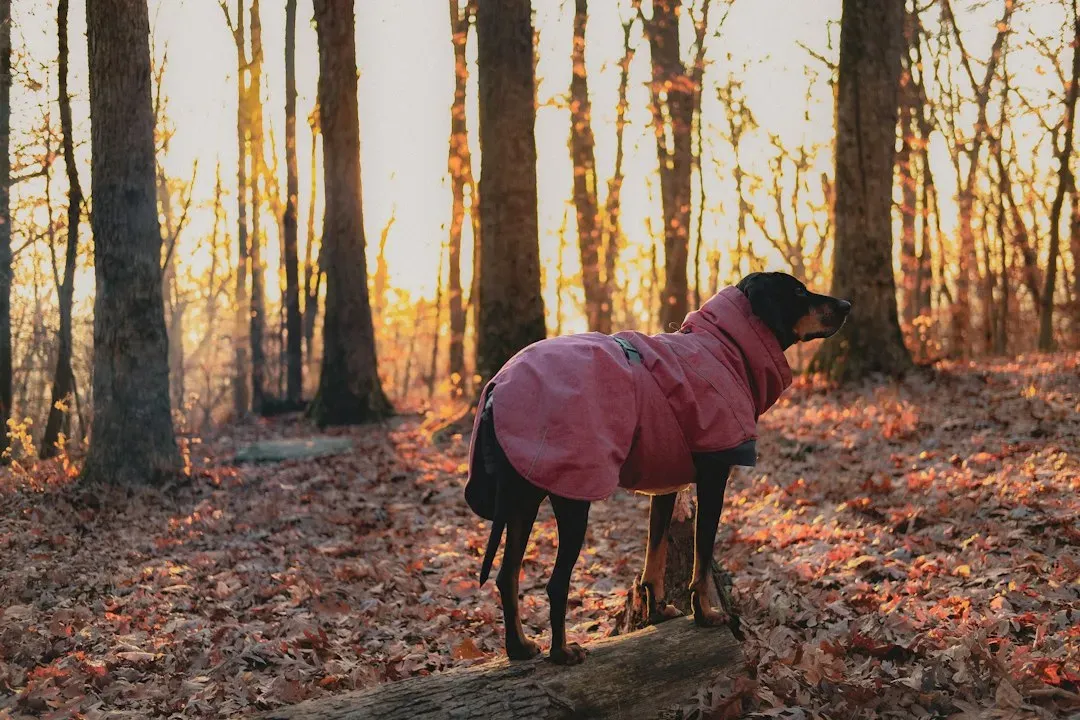
Many owners assume dogs need a nudge to get up at sunrise. Plenty of them get there on their own within a week or so. Dogs’ wild relatives were active around dawn and dusk, and that sensitivity to light hasn’t disappeared in the modern living room.
Like other mammals, dogs have an internal body clock, centered in a brain region called the suprachiasmatic nucleus, that is nudged daily by light. In dogs, household routine nudges it too. That’s why an indoor dog can begin stretching, sighing, or heading for the door right as the room brightens, even behind curtains or blinds. The pattern often holds on cloudy days, because other cues like your stirring and the household sounds reinforce it.
The setup of your home matters more than you’d think. A dog who sleeps in a room that gets early sun has a clear, dependable signal. A dog in a blackout-curtain bedroom has to lean on other cues, and the habit can take a bit longer to settle. Neither dog is slower. One simply got a cleaner clue.
Fast Facts
- Adult dogs typically sleep about 12 to 14 hours a day, spread across several naps.
- Dogs can hear sounds up to roughly 45,000 Hz, while people top out near 20,000 Hz.
- The suprachiasmatic nucleus acts as the brain’s master clock and responds to light.
- Dogs descend from ancestors that were most active around dawn and dusk.
If your dog wakes you too early, light is a good place to start. Shifting when the room brightens, with curtains or a nightlight timer, can change the dog’s internal sense of morning more than scolding ever will.
#6 – Memorizing the Morning Walk Route
🔥 Would you like to save this?
We'll email this post to you, so you can come back to it later!
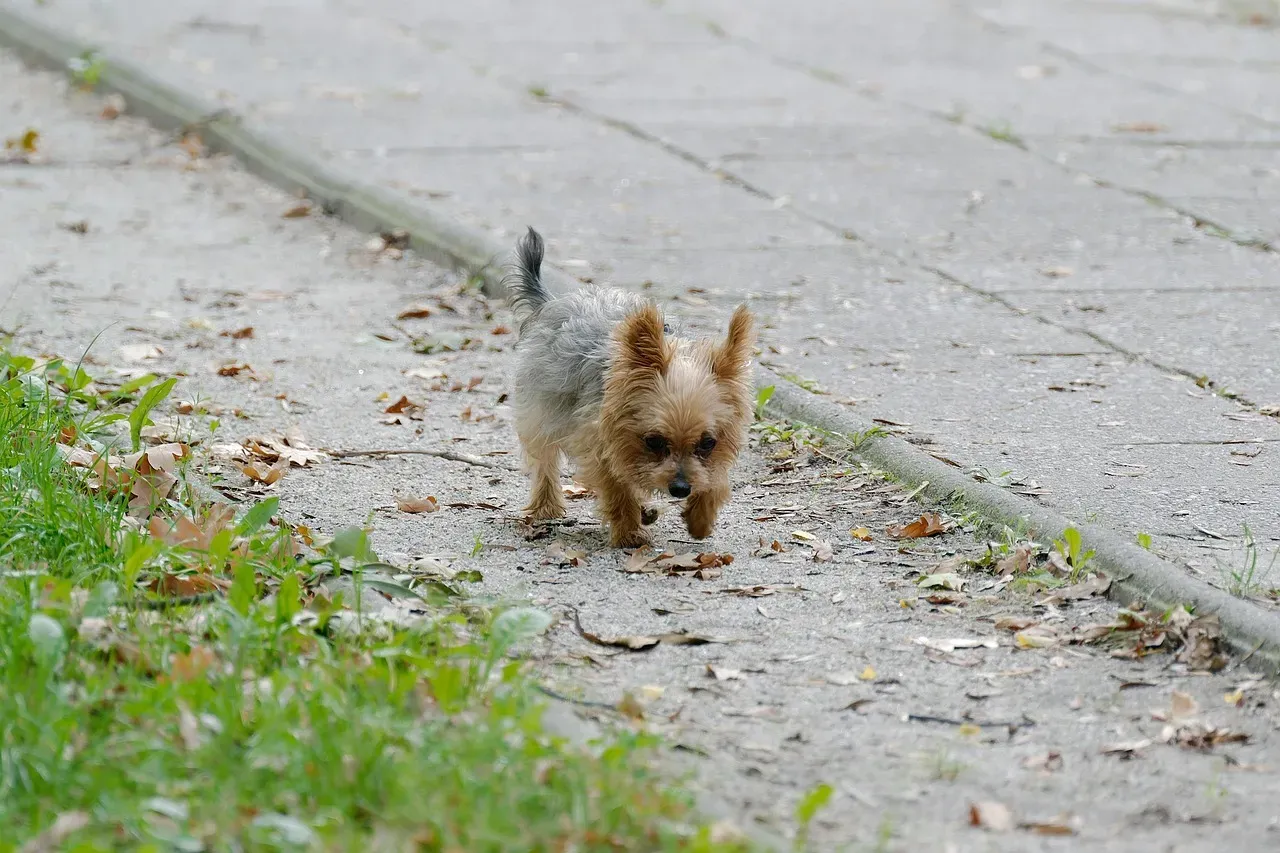
After two or three outings, many dogs already know the loop. They pull toward the usual turn, slow at the usual tree, and know exactly where the sidewalk ends. This is spatial learning at work, and it leans on a sense we barely use: smell. Dogs have hundreds of millions of scent receptors compared with our few million. Your street is a layered map of who passed by, and when.
The route becomes a sequence of landmarks, each tied to an expectation. The hydrant means sniffing. The corner means a pause. The last block means home, and breakfast might not be far behind. When you change the route, you can see the confusion for a moment. Then, usually quickly, the dog starts building a new map.
There’s a real debate here. Some trainers argue that a predictable route gives a nervous dog a deep sense of security. Others point out that new routes are enrichment, because every unfamiliar smell is mental exercise. The practical answer for many dogs is a steady morning loop with an occasional adventure walk when time allows.
- Specific trees, posts, and hydrants act as landmarks
- Your pace and energy signal how long the walk will be
- The turn for home becomes a predictable cue
A familiar route can also take the edge off anxiety around leaving the house, since the dog knows how the story goes. It’s one of the easiest ways to make mornings feel safe from the dog’s side of the leash.

Halloween Dog Collar with Bow, Orange Cute Ghost Collar,
Check Price on AmazonAs an Amazon Associate, we earn from qualifying purchases.
10/9/2026 2:43 pm GMTi

Portable Dog Water Bottle Foldable Dog Travel Water Bottle
Check Price on AmazonAs an Amazon Associate, we earn from qualifying purchases.
10/7/2026 1:29 pm GMTi

PetSafe Oasys Pet Fountain, 1/2 Gallon (64 oz), Small Dogs & Cats
Check Price on AmazonAs an Amazon Associate, we earn from qualifying purchases.
10/8/2026 8:14 am GMTi

Glass Hummingbird Feeder for Outdoors Hanging, 16 oz Leak-Proof Nectar Feeder with Bee Guards & Ant Moat
Check Price on AmazonAs an Amazon Associate, we earn from qualifying purchases.
10/7/2026 1:22 pm GMTi

Hand Blown Glass Hummingbird Feeders for Outdoors Hanging, 24oz Wild Bird Nectar Feeder
Check Price on AmazonAs an Amazon Associate, we earn from qualifying purchases.
10/7/2026 1:23 pm GMTi
#5 – Reading Your Mood Within Seconds of You Waking
🔥 Would you like to save this?
We'll email this post to you, so you can come back to it later!
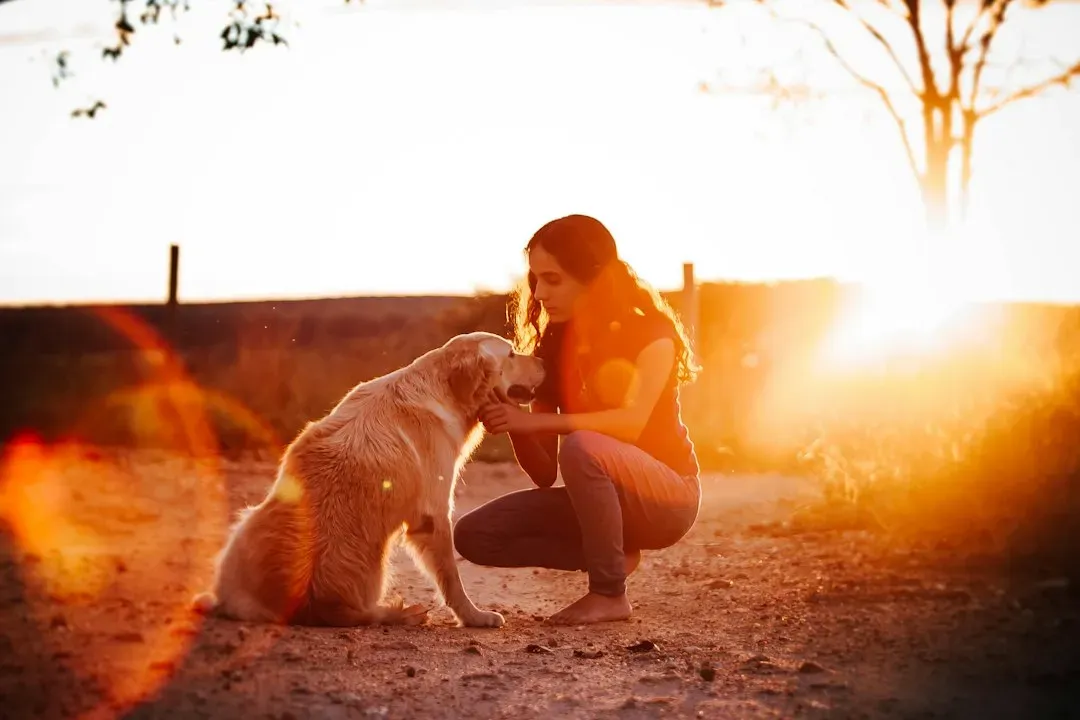
Before you’ve said a word, your dog has often decided what kind of morning it’s going to be. A slammed drawer, fast footsteps, a short sigh: dogs track all of it. Nobody trains this. It develops from simply living next to you and watching how your body behaves when you’re rushed versus relaxed.
Dogs are unusually tuned to human signals. Research has shown they can follow our gaze and pointing, and that they can tell happy human faces from angry ones. Some work also suggests dogs may pick up on chemical cues linked to stress. The result is a dog that gives you space on a frantic morning and leans against your leg on a slow one.
This is where mornings get interesting. The dog isn’t just reacting to you, it’s adjusting itself to you. A calm owner often has a calmer dog. A hurried, tense morning can send the dog’s energy in either direction: clingy and worried, or wired and restless.
- Faster, heavier footsteps
- A sharper tone of voice
- Whether you make eye contact or rush past
- The speed and rhythm of your breathing
Did you know? Dogs are among the few animals that have been shown to use human facial expressions and body posture to guide their own behavior. That’s a skill they’ve been refining alongside us for thousands of years, and your Monday-morning face is just the latest lesson.
Quick Compare
- Slow, relaxed morning: softer movement, leaning in, easy tail, willingness to settle.
- Rushed, tense morning: pacing, clinginess, or sudden bursts of energy.
- Your takeaway: a one-minute pause before the chaos starts often sets a calmer tone for both of you.
#4 – Sitting Automatically Before the Leash Goes On
🔥 Would you like to save this?
We'll email this post to you, so you can come back to it later!
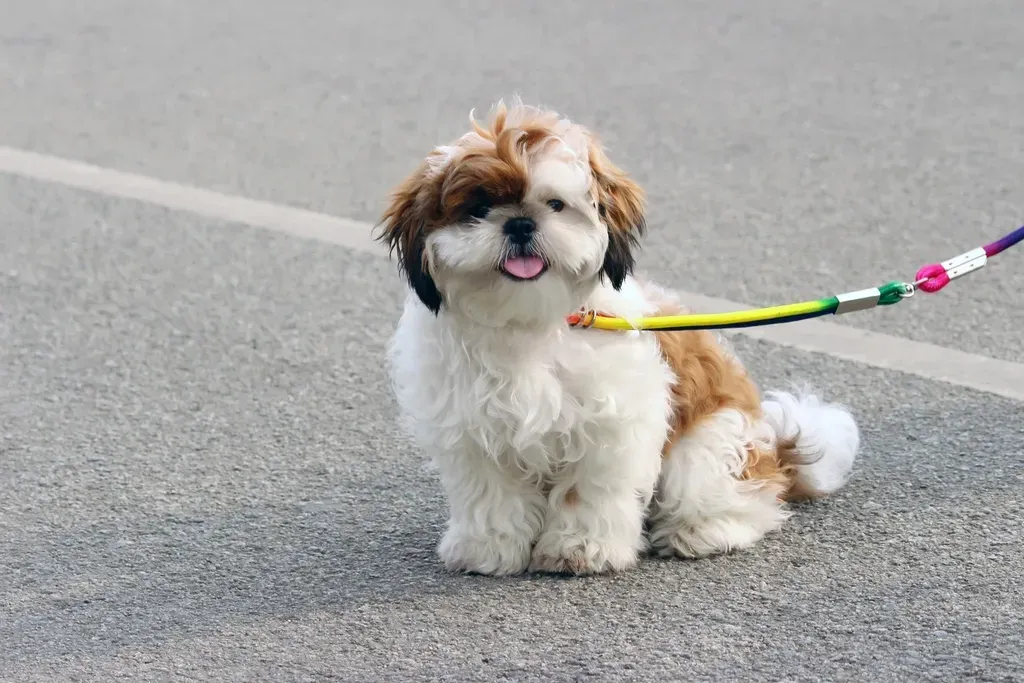
Here’s a habit that makes people feel like genius trainers. Hold the leash, wait a beat, and the dog sits. It forms quickly because the logic is simple: sitting leads to the door opening. Behavior that earns a reward gets repeated, and dogs are experts at working out which behavior earns what.
Soon the dog starts offering the sit before you ask, just from the sight of the leash. That’s a good thing. It builds impulse control and can prevent door-dashing, which is one of the more dangerous morning habits a dog can have. The skill also tends to spread. Once the idea clicks, many dogs begin sitting at other doors too.
Puppies can pick this up astonishingly fast, but don’t count out adults. Older dogs and rescues can learn the same routine quickly when the sequence stays steady. What slows everyone down is inconsistency: a different word every day, or a door that sometimes opens without the sit.
- Pick up the leash and wait.
- Reward the sit with the clip-on and the open door.
- Repeat the same order every morning for a week.
Try this: add a small hand signal used only for the morning leash routine. It gives the dog an extra visual cue, and the habit tends to lock in without extra training sessions.
#3 – Connecting the Coffee Maker to Outdoor Time
🔥 Would you like to save this?
We'll email this post to you, so you can come back to it later!
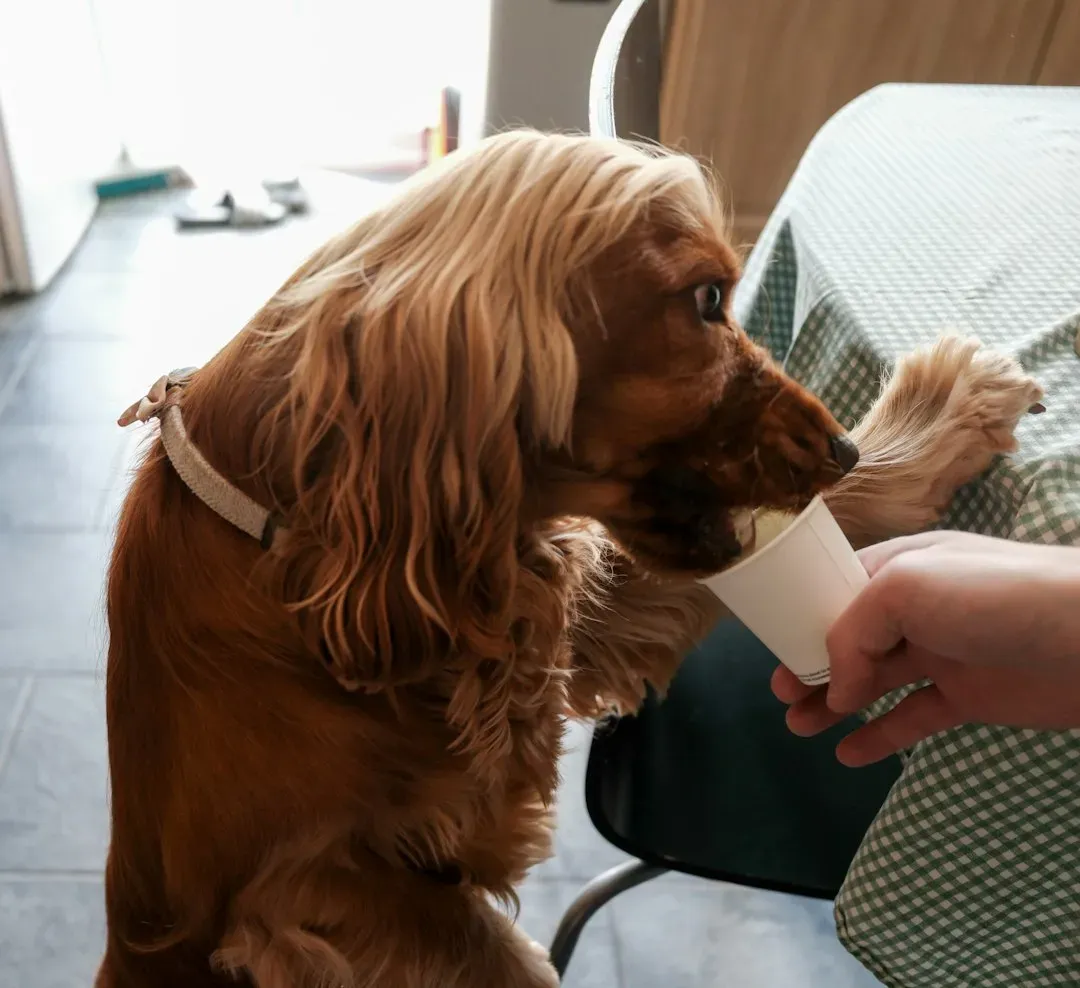
Your coffee maker has a second job you never gave it: it’s a dog alarm. The gurgle, the beep, the hiss at the end of the brew cycle can become a signal that the walk is coming. Dogs link one cue to the next, so sounds that happen right before something good start to carry meaning of their own.
That’s chaining, and it’s impressive to watch. First the alarm, then the coffee machine, then the shoes. By the time the machine finishes, a dog who knows the pattern may already be waiting at the door. Some owners even notice the dog getting alert partway through the brew, because the cue arrives before the pot does.
You’ve probably heard that dogs tune out everyday kitchen noise. They do, until a noise predicts something they care about. In the morning, with the same sequence repeating, the coffee machine stops being background sound and becomes breaking news.

Professional 7 in 1 Dog Paw Cleaner for Dogs & Cats - Includes 1 Portable Paw Washer, 1 Bath Brush
Check Price on AmazonAs an Amazon Associate, we earn from qualifying purchases.
10/7/2026 1:26 pm GMTi

Earth Rated XL Dog & Puppy Pee Pads, Discreet Top, Max Absorbency
Check Price on AmazonAs an Amazon Associate, we earn from qualifying purchases.
10/7/2026 1:28 pm GMTi

Smart Bird Feeder with Camera Solar Powered, 2K HD Live Video, 10,000+ Bird Species AI Identification
Check Price on AmazonAs an Amazon Associate, we earn from qualifying purchases.
10/7/2026 1:22 pm GMTi

2 Pcs Halloween Pet Hat Bandana Set, Witch Pumpkin Costumes for Dogs
Check Price on AmazonAs an Amazon Associate, we earn from qualifying purchases.
10/9/2026 2:45 pm GMTi

Air Purifiers for Home Pets Large Room Up to 3000 Ft²,HEPA Air Cleaner with Washable Double-Side Filter, PM2.5 Air Quality Monitor,15dB Sleep Mode for Bedroom Odor Dust Pollen,White
Check Price on AmazonAs an Amazon Associate, we earn from qualifying purchases.
10/8/2026 8:23 am GMTi
Why It Stands Out
- It shows how ordinary household sounds can become meaningful signals.
- It proves dogs learn the order of events, not just single cues.
- It often works with no formal training at all.
- It can survive a skipped coffee, because the expectation lives in the dog.
The psychology behind it is simple. Anticipation reduces uncertainty, so dogs invest effort in learning reliable sequences that predict positive outcomes like exercise and attention. If you skip coffee one day, many dogs keep the expectation anyway. The habit has already left the kitchen and moved into their head.
#2 – Anticipating the Entire Morning Sequence Without Reminders
🔥 Would you like to save this?
We'll email this post to you, so you can come back to it later!
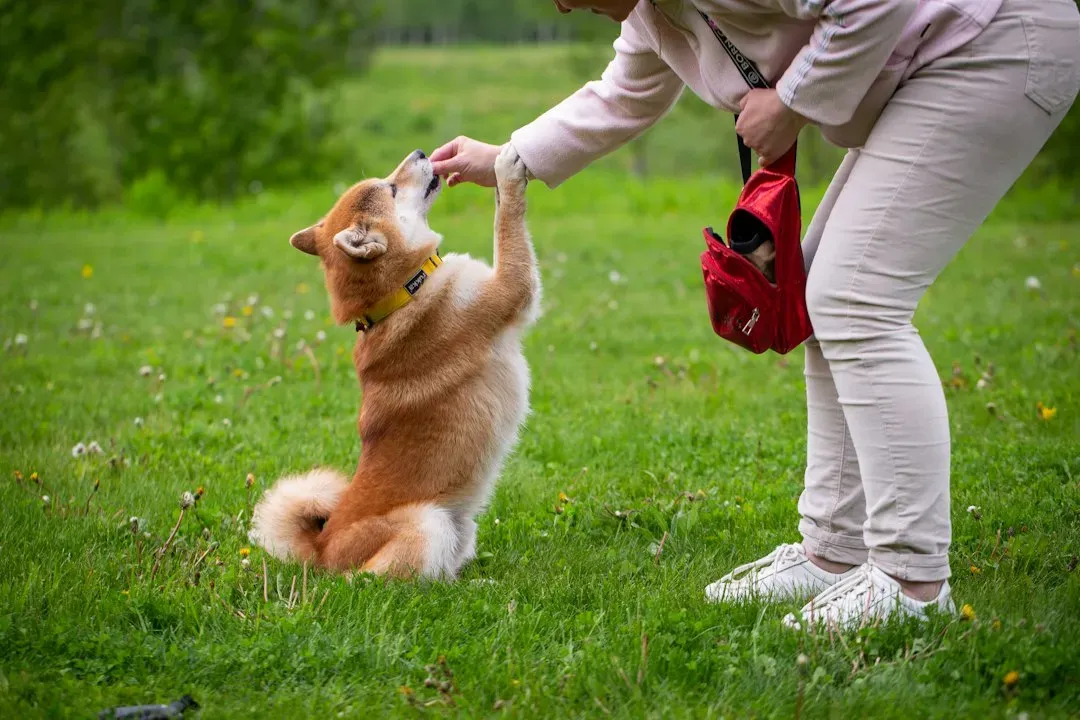
This is where the individual habits snap together. Wake up, potty, water, breakfast, walk. Dogs don’t treat these as separate lessons. They learn them as one flowing story, and once the first cue fires, they begin moving to the next step on their own.
That kind of sequence learning comes from repeated full cycles, not isolated drills. It means fewer verbal prompts and a smoother start for the whole house. Some owners joke that the dog is managing them, and there’s some truth to it. A dog that leads you from kitchen to door in the right order isn’t being bossy. It’s following a script you wrote.
The most telling moment is when the script breaks. Forget the treat pouch and many dogs will stand at the spot where it lives, or look from you to the shelf and back. Dogs notice small deviations from the order they’ve learned, and they let you know.
- Wake and stretch
- Potty break
- Breakfast and water
- Leash and walk
Insider tip: when you’re building the sequence, add only one new element at a time over the first two weeks. Piling on changes at once makes it harder for the dog to see what predicts what.

Glass Hummingbird Feeder for Outdoors Hanging
Check Price on AmazonAs an Amazon Associate, we earn from qualifying purchases.
10/7/2026 1:21 pm GMTi

Dog Stairs for Bed 18" H, 4-Step Dog Steps for High Bed
Check Price on AmazonAs an Amazon Associate, we earn from qualifying purchases.
10/9/2026 2:42 pm GMTi

Orthopedic Extra Large Dog Bed, Waterproof Washable XL Pet Bed 44"
Check Price on AmazonAs an Amazon Associate, we earn from qualifying purchases.
10/7/2026 1:32 pm GMTi

Halloween Cat Costume Cloak Witch Hat Pet Accessories
Check Price on AmazonAs an Amazon Associate, we earn from qualifying purchases.
10/9/2026 2:44 pm GMTi
#1 – Matching Their Energy to the Household Pace
🔥 Would you like to save this?
We'll email this post to you, so you can come back to it later!
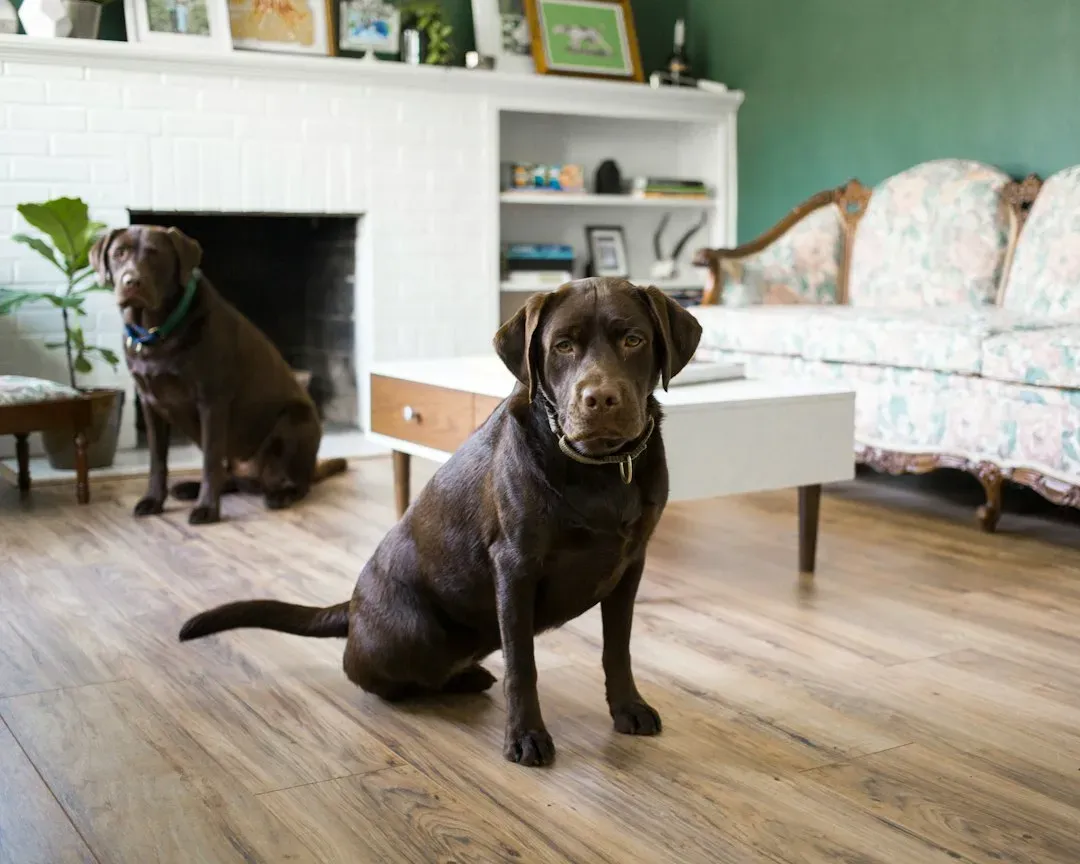
This is the habit that surprises people most, because it looks like maturity. A dog learns when big excitement pays off and when quiet waiting works better. On rushed workdays, the dog settles. On slow weekends, it’s ready to play. It isn’t obeying a command. It’s reading the room.
This goes beyond basic obedience. A sit or a stay happens on cue. Self-regulation means the dog decides, without being told, that this is a settling kind of morning. It usually shows up as less barking on busy days and more willingness to lie down while you get ready.
Owners play a bigger role here than they may realize. A study from Sweden found that the long-term stress levels of dogs and their owners tended to match, which suggests dogs are tuned into our emotional weather. Steady energy from you tends to produce steady energy from them, often within a week or two of consistent mornings.
Editor’s note: this habit pays off most in homes where schedules shift, with kids, shift work, or travel. A dog with good self-regulation can adapt to a changing household without needing to be retrained every time the calendar changes.
Here’s my honest take. We love to say dogs are slow to change, because it lets us off the hook. They aren’t. They’re learning all the time, and our mornings are the curriculum. A chaotic start doesn’t mean a badly behaved dog. It often means a dog who learned the chaos perfectly.
The good news is that the same speed works in your favor. A few steady mornings can change a dog’s whole outlook on the day, and yours along with it. So stop treating mornings as the thing you get through before training starts. They are the training, and your dog has been paying attention since the first alarm.

- 9 Cat Behaviours Vets Always Notice - November 8, 2026
- 9 Morning Habits a Dog Learns Faster Than Any Owner Expects - November 8, 2026
- 8 Bird Habits That Shift in Deep Cold - November 8, 2026