
Most people think of their backyard birds as decoration. A little flicker of color at the feeder, a pleasant soundtrack on a slow morning. What they don’t realize is that those birds are running a fully operational alarm system, one that’s been refined over millions of years.
Unlike the melodious songs birds use for courtship and territory marking, alarm calls are typically sharp, brief, and designed to travel quickly. What makes the system so fascinating is how it’s evolved differently across species, with some birds developing remarkably specific calls that can even identify the type of threat present. When you start to learn these signals, your backyard stops being background noise. It becomes a live feed.
#1: Black-Capped Chickadee – The Backyard’s Most Sophisticated Alarm System
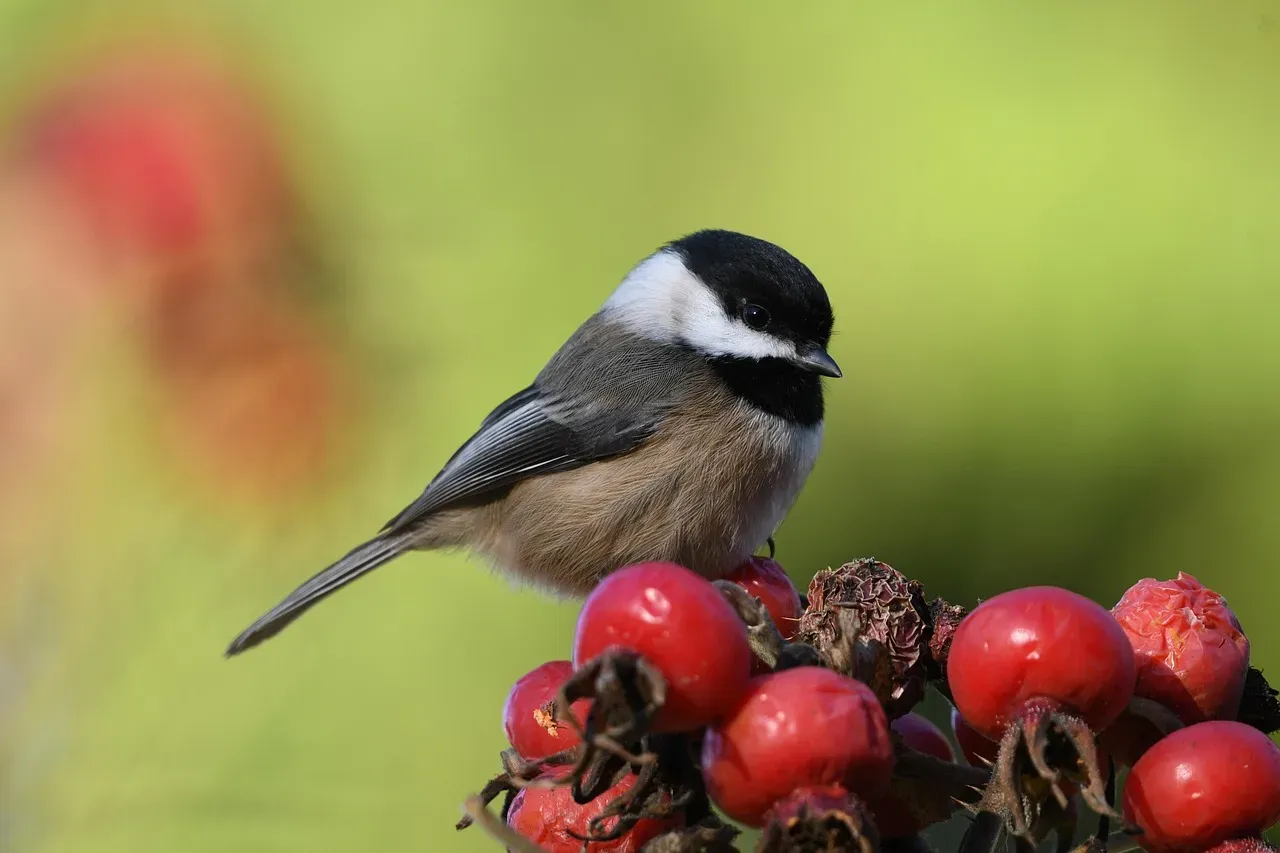
The chickadee is, without question, the most scientifically studied alarm caller in North America. Researcher Erick Greene at the University of Montana reported in the journal Science that a higher number of “dee” syllables in a chickadee’s call translates to a higher, more serious threat. That tiny bird isn’t just making noise. It’s broadcasting a coded threat level to every creature within earshot.
High-pitched “seet” calls are used to tip off other birds about a raptor flying far overhead, while the eponymous “chick-a-dee” cry rings out whenever a perched raptor is nearby. Extra “dee” syllables are added if the threat looks especially dangerous. What’s remarkable is the reach of the signal. More than 50 different species will respond to a chickadee’s alarm call, making it the closest thing the natural world has to a public emergency broadcast.
#2: American Robin – The Quiet Alarm You Almost Can’t Hear
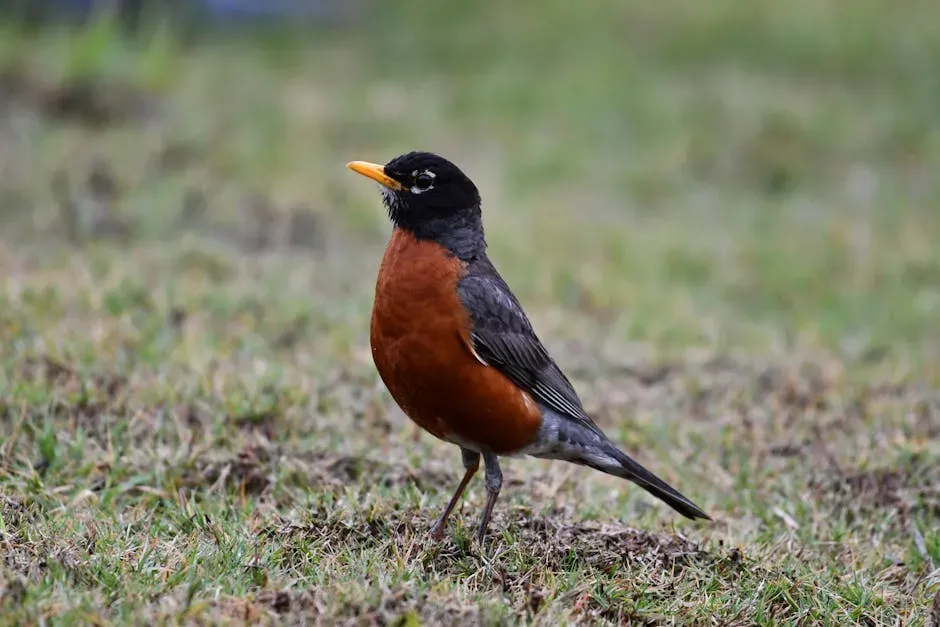
Robins are one of the most common backyard birds in North America, and most people have no idea they double as neighborhood watch captains. The robin utters its calls about high-risk danger from deep within a shrub or vine tangle, counting on the hawk being unable to locate the source. The intent is probably to warn the robin’s own mate and offspring, but other species have learned to heed them too.
Catbirds, sparrows, finches, and nuthatches dash for safety when they hear a robin’s barely-audible-to-humans “seet-seet” sound, because they know a bird-eating hawk is hunting nearby. Even chipmunks, red squirrels, and woodchucks heed these warnings, running for cover. The robin’s ground-level alarm for cats is different – a soft, rhythmic tutting call that repeats at a steady pace. Learning to separate its two alarm modes is one of the most useful skills a backyard observer can develop.
#3: Blue Jay – The Loud One That Everyone Ignores (and Shouldn’t)
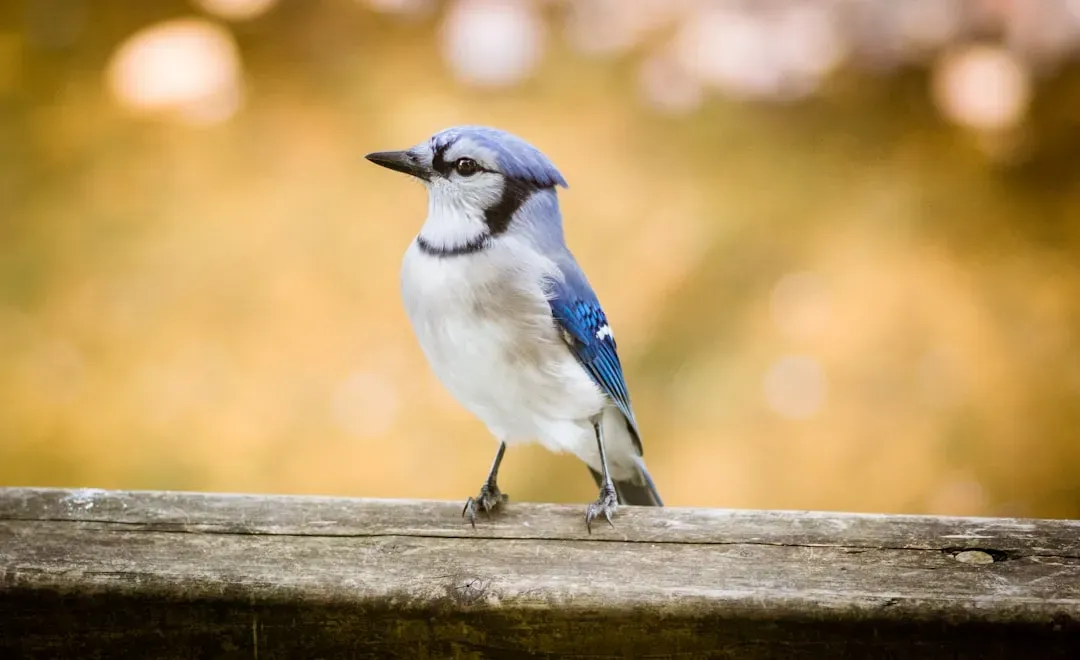
Blue Jays have a loud, unmistakable, slightly metallic vocalization usually heard in the mornings, but it’s also common throughout the day when they spot hawks, snakes, or even raccoons. They’re noisy enough that people often tune them out entirely, which is unfortunate. Many smaller songbirds use them as security monitors – if the Blue Jay calls, there is danger present.
Blue Jays are capable of imitating a Red-shouldered Hawk’s scream, and may use this to warn other Blue Jays to watch out. They may also use this call to trick other birds and scare them away from a food source they want to dominate. So a Blue Jay alarm doesn’t always mean a hawk is present, though it’s always worth pausing to look. When you hear that sharp, jagged screech cut through the morning, your yard just changed character.
#4: American Crow – The Aerial Scout With a Long Memory
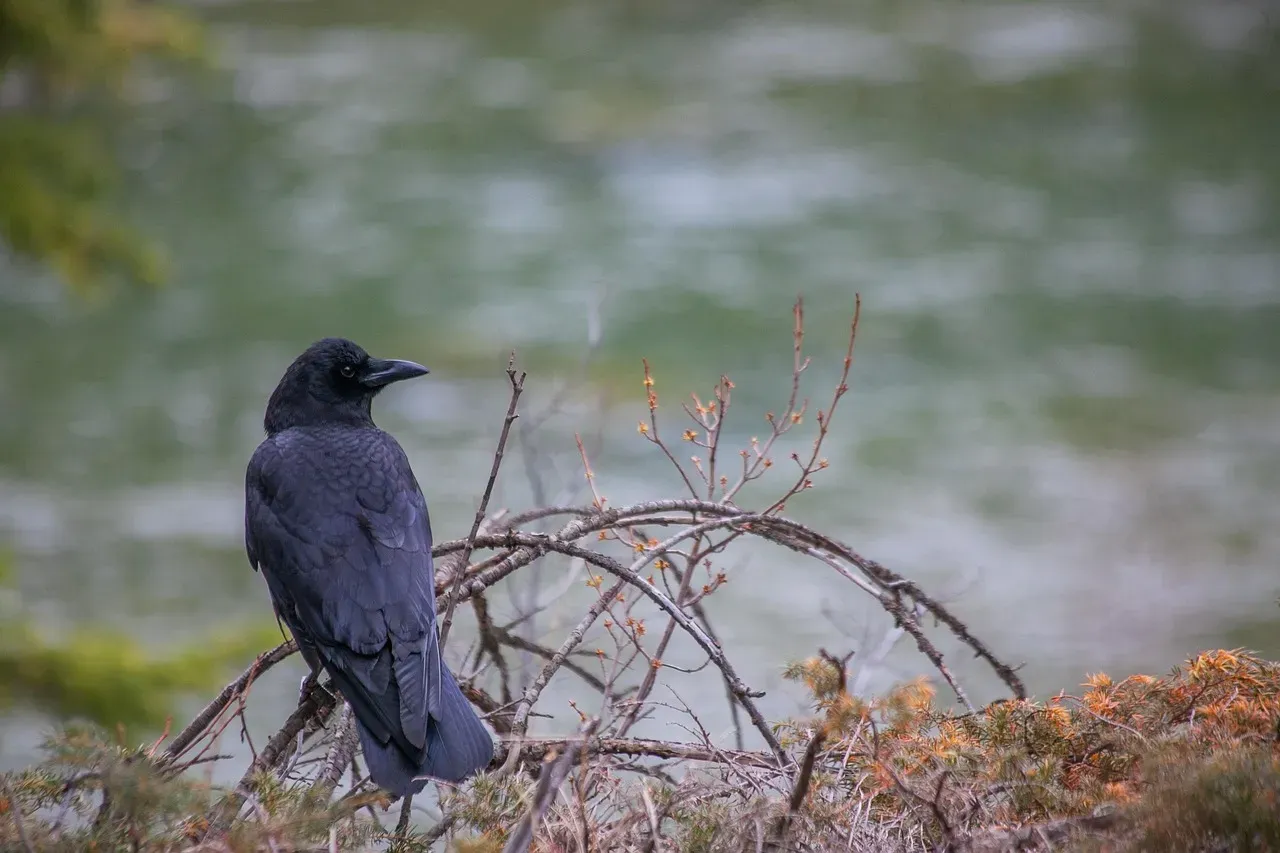
Crows operate on a different level than most backyard birds. They’re larger, smarter, and their alarm behavior tends to be more organized. Like Blue Jays, crows will mob hawks, eagles, and other birds of prey to stop them from hunting in their territory. When you hear a sudden eruption of loud, relentless cawing, and multiple crows appear to be converging on a single point in the tree canopy, something with wings and talons is almost certainly the cause.
Other nearby birds soon join in and a chorus of alarm calls is directed at the threatening entity. It is believed that mobbing functions to harass the potential predator, reducing its element of surprise and driving it from the area. Crows also remember individual threats. Research has documented that they can recognize specific human faces associated with perceived danger. A crow that suddenly caws at you from a low branch after you’ve trimmed a nearby nest tree isn’t panicking. It’s scolding you specifically.
#5: Tufted Titmouse – The Scolding Sentinel of the Feeder
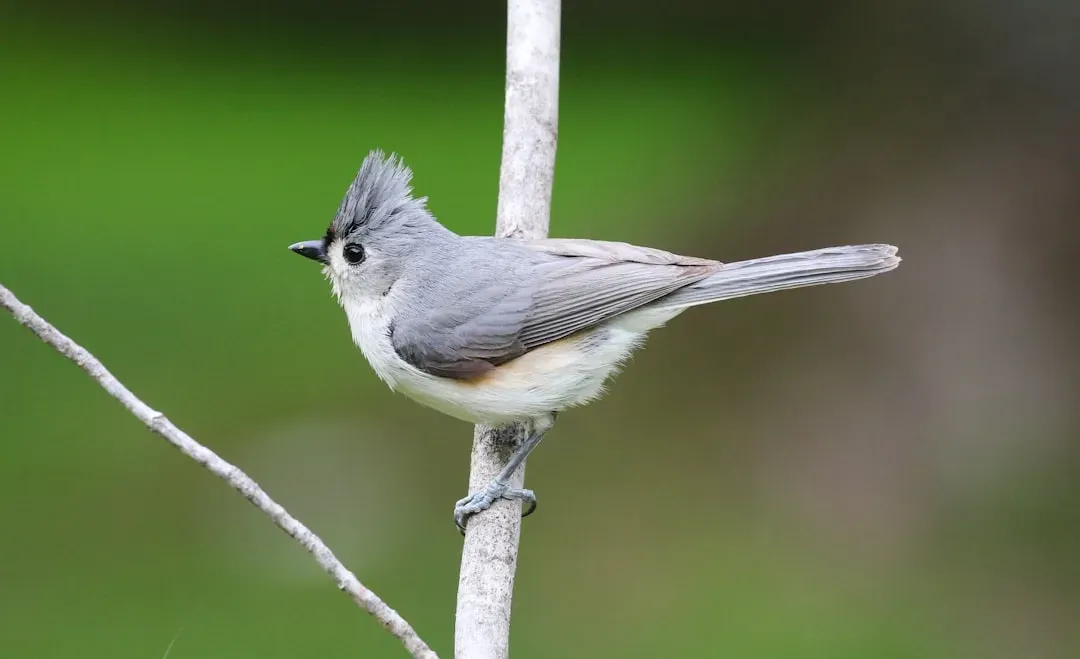
The tufted titmouse is a compact, crested bird that tends to stay near the feeder, but its vocal behavior under threat is anything but relaxed. A scratchy, chickadee-like “tsee-day-day-day” is the most common call. Tufted Titmice also give fussy, scolding call notes and, when predators are sighted, a harsh distress call that warns other titmice of the danger.
The alarm call ricochets from chickadees to nuthatches to titmice to jays, and soon an angry horde of songbirds arrives to mob the intruder. The titmouse functions as an active relay in this network, picking up signals from chickadees and amplifying them outward. Experiments where chickadees and titmice are shown stuffed hawks and owls demonstrate that the birds tailor their alarm calls to the predator species and the threat it poses to them. That’s not instinct alone. That’s learned, nuanced communication.
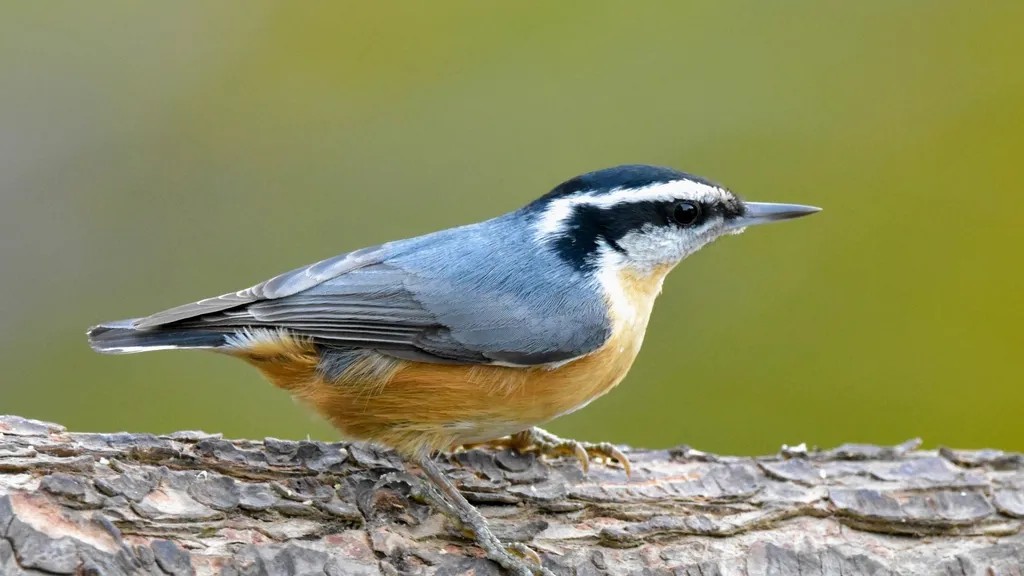
#6: Red-Breasted Nuthatch – The Fact-Checker of the Alarm Network
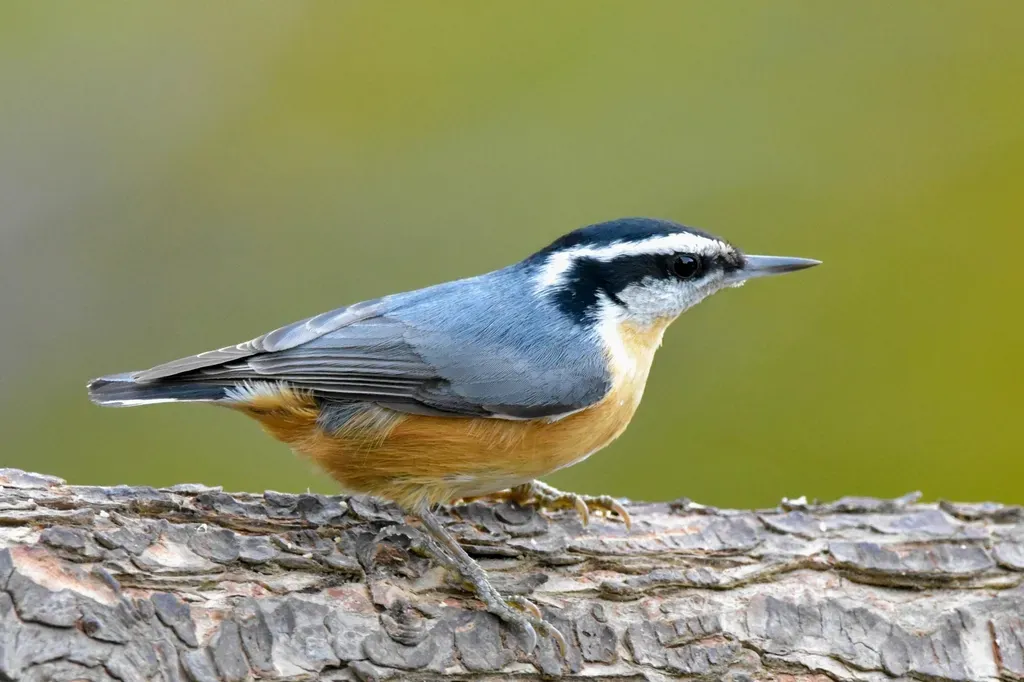
Nuthatches spend most of their time creeping headfirst down tree trunks, scanning bark for insects. Because of their position against tree bark, woodpeckers, nuthatches, and Brown Creepers can’t easily see predators while climbing, so they partially depend on chickadees and titmice, which flit around looking in all directions, to let them know when trouble arrives. The nuthatch isn’t passive in this arrangement, though.
Red-breasted nuthatches eavesdrop on chickadee mobbing calls and vary their behavior depending on the threat encoded in those calls. Their research shows that like any good reporter, the nuthatch checks its facts – the birds will repeat the general chickadee alarm call, but they don’t vocalize more specific information about the predator until they can verify it. There’s something almost journalistic about that behavior. It’s a bird that doesn’t spread unconfirmed rumors.
#7: Song Sparrow – The Rhythmic Ground-Level Alarm
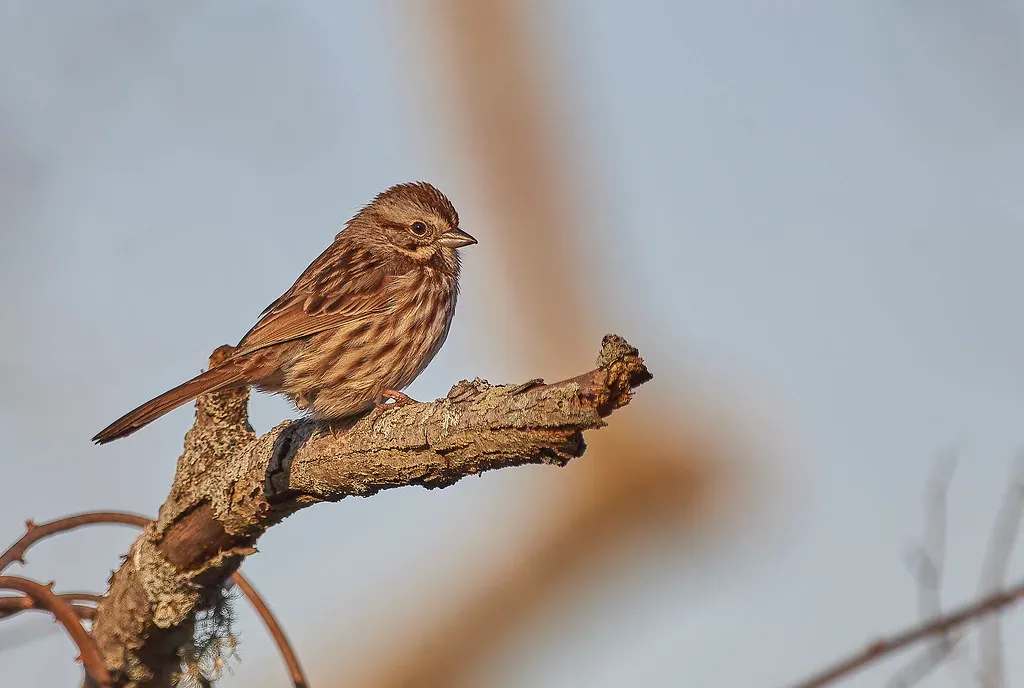
Song sparrows are ground feeders and brush dwellers, which puts them closer to terrestrial threats like cats, foxes, and snakes than many other backyard species. Their alarm calls tend to be sharp, repetitive chip notes that carry a distinct, metronomic quality. Dangers coming from the ground will elicit a very different set of vocalizations and behaviors compared to dangers flying through the air. The key to interpreting bird language is not only identifying bird alarms, but also reading the specific ways those calls are expressed toward different animals.
When a song sparrow sounds alarmed, notice whether its attention is directed upward or downward. A hawk threat sends the bird pressing low into vegetation with upward glances. A cat threat often triggers wing flicking and scolding from a shrub edge. In experiments using extensive microphone networks, alarm signals were recorded relayed across several different species, from Black-capped Chickadees to Lazuli Buntings to House Finches to Song Sparrows. The song sparrow is a consistent link in that chain.
#8: Northern Mockingbird – The Relentless Guardian of Its Patch
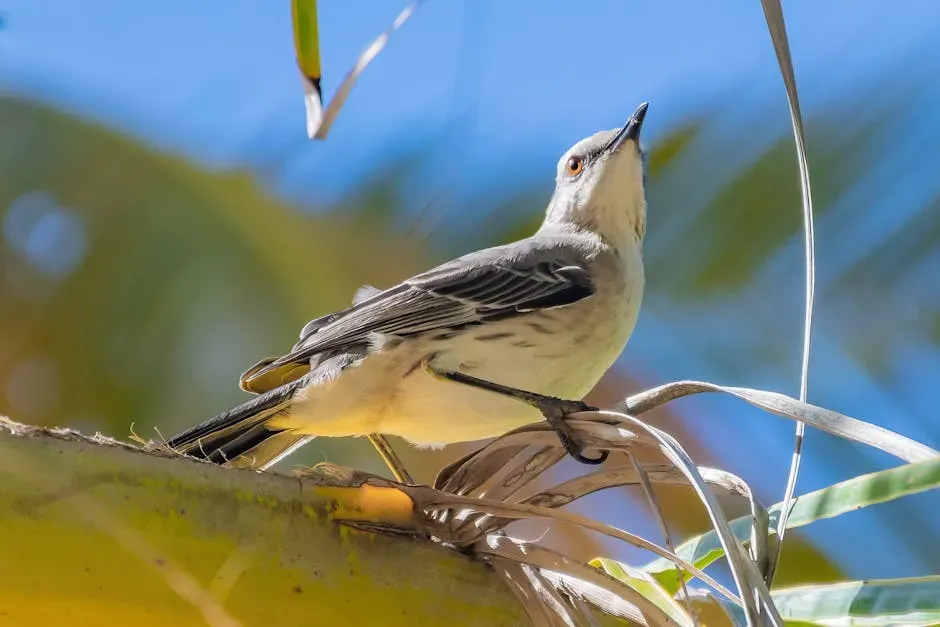
Few birds defend their territory as aggressively as the northern mockingbird, and that aggression serves as a remarkably reliable warning signal. Mockingbirds will dive-bomb cats, dogs, and humans who stray too close to a nest, and the commotion they produce is loud enough to put every nearby bird on high alert. Their alarm behavior is physical as much as vocal – repeated diving passes, wing spreading, and sharp staccato calls that escalate in urgency.
Birds’ alarm calls serve both to alert other birds to danger and to warn off predators, and some birds can pull a ventriloquist’s trick, singing from the side of their mouths. Mockingbirds occasionally exploit this by projecting calls in shifting directions, making it harder for a predator to locate them by sound alone. If a mockingbird in your yard suddenly shifts from song to sharp, agitated calling and begins moving in short, aggressive dashes, something has entered its defended space.
#9: Downy Woodpecker – The Freeze-and-Signal Specialist
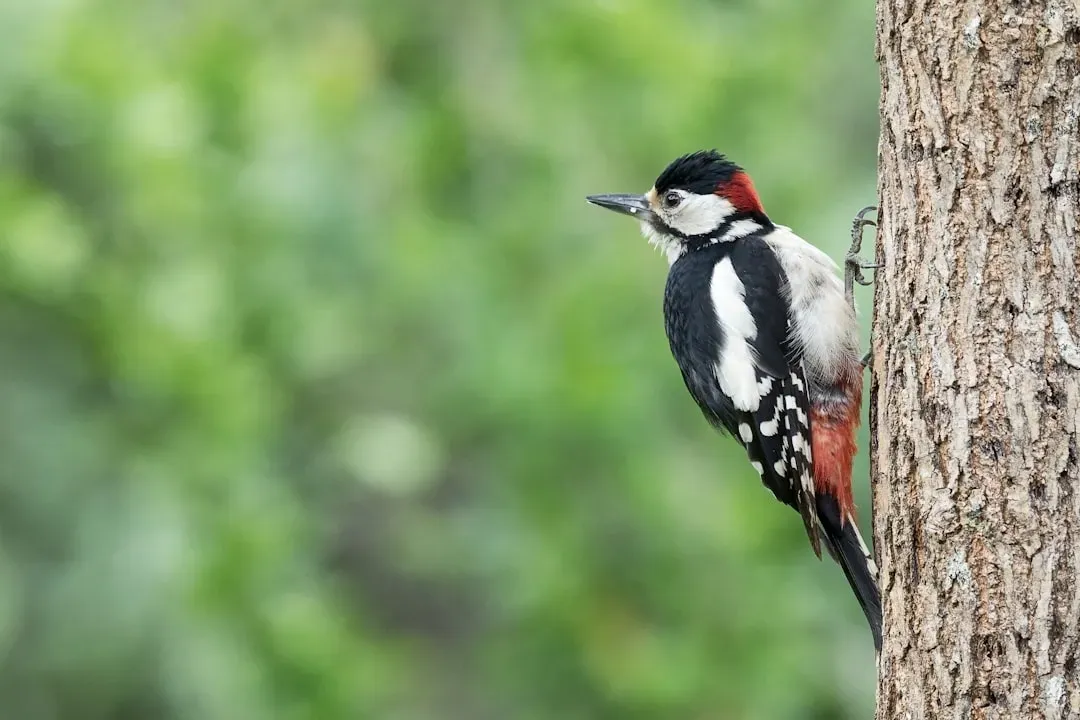
The downy woodpecker’s response to danger is different from most birds, and that contrast itself is a signal worth reading. Woodpeckers will often freeze in place at a suet or peanut feeder, hoping to escape a hawk’s notice. That sudden, complete stillness at a feeder that was active moments ago is one of the clearest danger signals a backyard observer can learn to read.
When multiple birds at a feeder freeze simultaneously and become silent, it almost always means an aerial predator has been spotted nearby. The woodpecker’s small, sharp alarm note, a thin “pik” sound delivered in a clipped series, occasionally breaks the silence when a perched threat is detected at distance. If all the backyard birds suddenly fly frantically away, it’s generally because one bird has called out the signal to flee, having spied a bird-eating hawk on the wing. Woodpeckers will often freeze in place at a suet or peanut feeder, hoping to escape the hawk’s notice.
#10: House Finch – The Subtle Chip Note in the Chorus
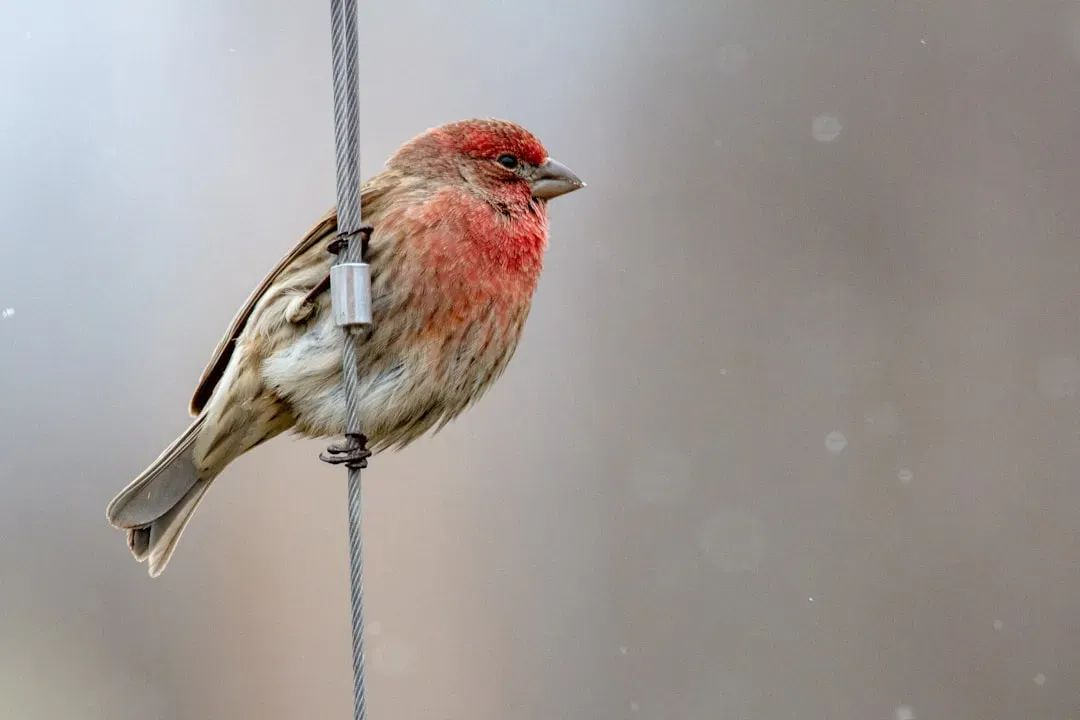
House finches are among the most abundant backyard birds across North America, and their alarm behavior, while less dramatic than a blue jay’s, is a consistent part of the broader warning network. Their alarm note is a sharp, rising “eep” or a rapid series of chip calls, typically delivered while the bird perches exposed and faces the direction of the threat. The pitch and pace of the call shifts noticeably depending on how close the danger is.
Many animals respond vocally when they detect predators, but it’s not always clear to whom they are signaling. They might be warning others of the threat, but they might also be telling the predator, “I’ve seen you.” For the house finch, both purposes seem plausible. When the finch flock at your feeder suddenly compresses into a tight cluster or scatters low into a nearby hedge with short, sharp calls, something has caught their collective eye. Overall, birds’ alarm calls in research settings were relatively omnidirectional, suggesting they are given to warn other birds in the vicinity.
#11: American Goldfinch – The Aerial Warning in the Canopy
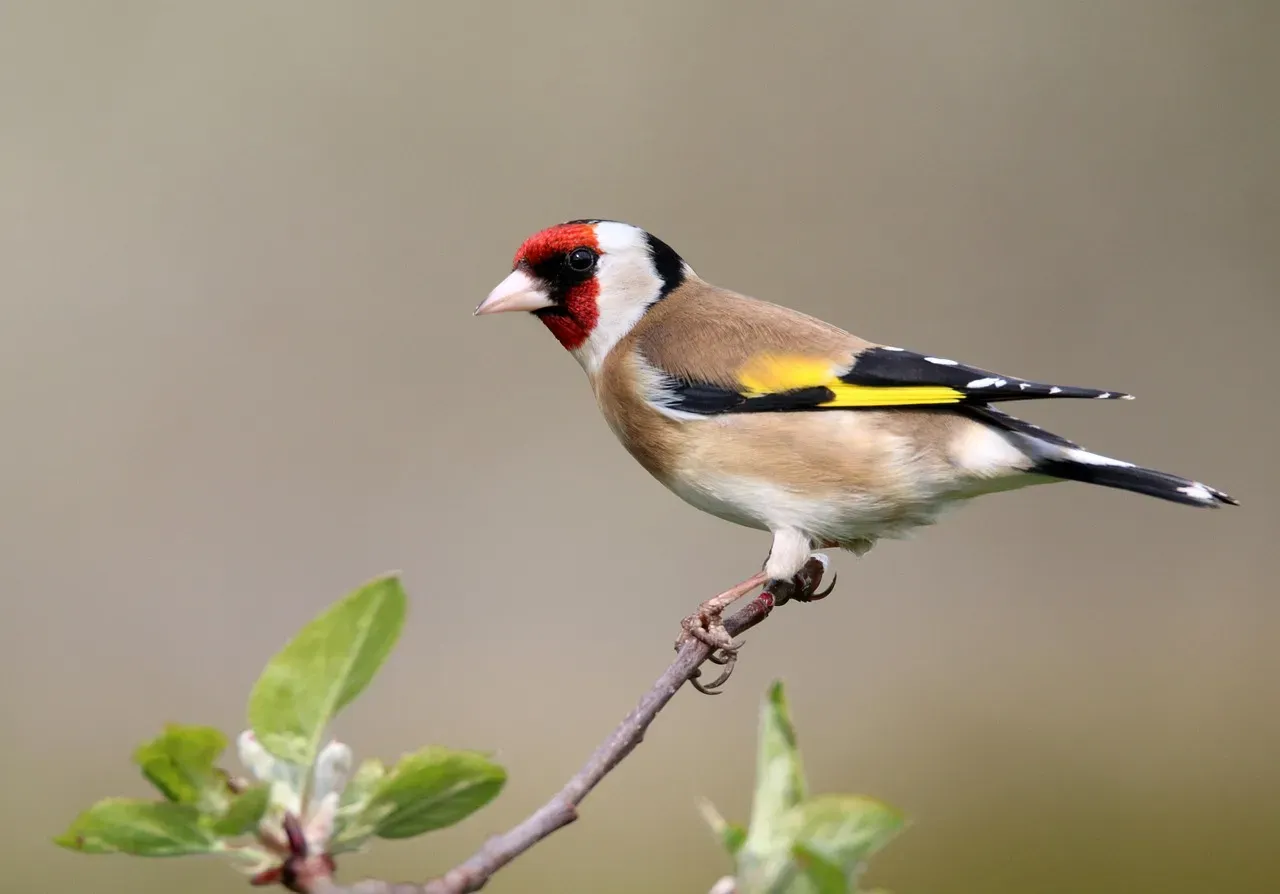
Goldfinches are social, cheerful birds in normal conditions, traveling in small flocks and maintaining near-constant chattering contact calls. That makes silence from a goldfinch flock one of the easiest danger signals to detect. When the canopy-level twittering stops abruptly and the birds drop to lower vegetation, it usually signals the silhouette of a hawk crossing overhead. Their contact calls switch from fluid warbling to short, clipped notes almost instantly.
Some calls are shorter bandwidth, high-pitched “seets” that don’t travel as far as individual sounds, but spread quickly from bird to bird to warn of a predator on the move. Goldfinches participate in exactly this kind of relay. Their seet calls are easy to miss under background noise, but once you’ve heard one in context, the quality of it – thin, almost whispered, repeated at short intervals – becomes unmistakable. Their behavior is as much of the signal as the sound itself.
#12: European Starling – The Murmuration That Reads the Sky
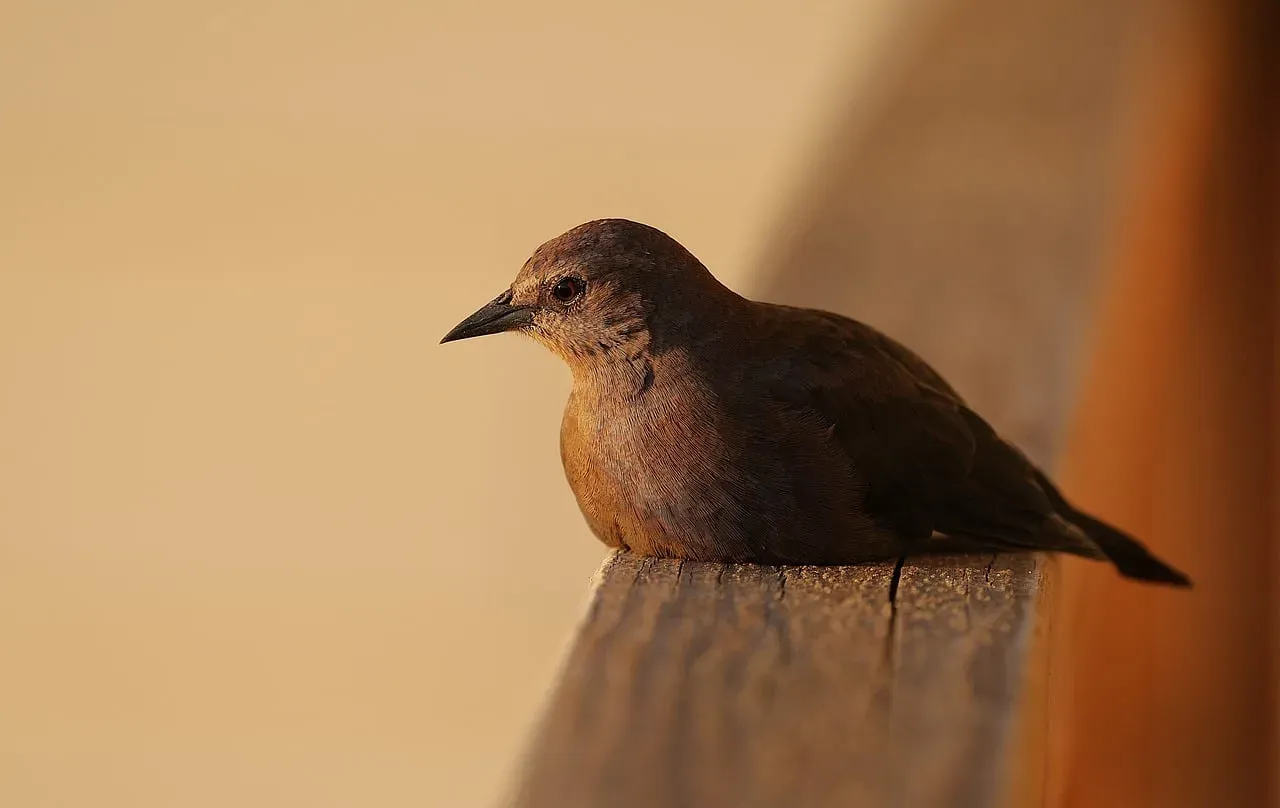
Starlings are controversial birds in many circles, but their collective alarm behavior is genuinely impressive. In a flock, they respond to aerial predators with a speed and coordination that borders on uncanny. Even after a hawk gives up and flies off, the alarm call network keeps buzzing with a wave of real-time reports that the threat is on the move. This information can travel at speeds exceeding 100 miles per hour, giving birds advance warning to take cover.
A flock of starlings that suddenly contracts into a tight, swirling mass, or drops sharply toward rooftop level and goes quiet, is reacting to a falcon or hawk in the airspace above. Their alarm calls on the ground are a rapid, scratchy chatter that accelerates in intensity as the threat closes. Vulnerable birds may be clued in to a predator’s movements before it comes near, giving them time to take cover. Even chipmunks and some squirrels seem to pay heed to the birds’ red alert. Starlings, for all their reputation, are a real-time weather vane for what’s moving through your sky.
How to Start Reading These Signals in Your Own Yard
If you learn to recognize bird alarms in your backyard, you’ll be able to travel to a completely different part of the world and recognize alarms there too. The principles transfer. Start by learning the baseline behavior of two or three species you see regularly. What does a relaxed chickadee sound like? What does your robin sound like when it’s just foraging? Once you have that baseline, deviations become obvious.
Research indicates that species living in more predator-rich environments typically develop more complex alarm communication systems, demonstrating a direct correlation between threat levels and call sophistication. Your suburban backyard is richer in that tension than it looks. The birds are already fluent in a language they’ve been speaking for millions of years. The only thing missing from the conversation is a listener who knows what to hear.
Pay attention the next time everything in your yard goes quiet at once. That silence has a meaning. The birds already know what it is.

- What It Means When Your Cat Stares at the Same Empty Corner at the Same Time Every Night – and the Three Explanations Competing for It - July 19, 2026
- What It Means When a Snake Crosses Your Path From Left to Right According to Every Southern Appalachian Tradition That Recorded It - July 19, 2026
- What It Means When Deer Stop Coming to an Area They Have Visited for Years – and What Wildlife Biologists Say They Are Detecting - July 19, 2026