

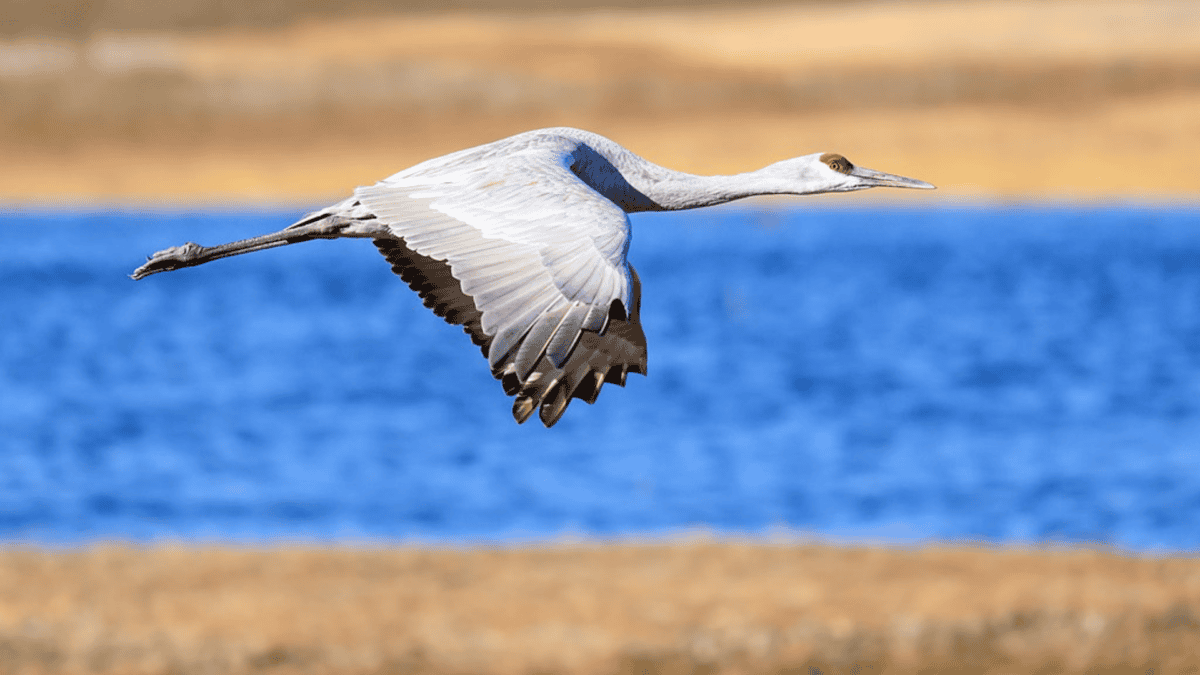
Have you ever wondered what it’s like to fly halfway across the world, powered only by your own wings and a burning sense of purpose? For millions of birds, these journeys aren’t just remarkable — they’re a matter of survival. Some birds cross oceans, scale mountains, and brave wild storms, all for a single goal: to find food, raise their young, and stay alive. Their migrations are filled with danger, drama, and awe-inspiring feats that seem almost impossible. Get ready to discover twelve bird migrations that are so epic, they’ll leave you wondering if birds might just be the greatest adventurers on Earth.
The Arctic Tern Master of the Longest Journey

The Arctic Tern holds the world record for the longest migration of any animal on the planet. Each year, this dainty white and gray bird travels from its breeding grounds in the Arctic all the way to Antarctica and back again. That’s a round trip of about 44,000 miles! Imagine crossing from one end of the Earth to another, only to return again the next year. The Arctic Tern spends most of its life in daylight, chasing summer around the globe. Along the way, it faces freezing winds, hungry predators, and endless stretches of open sea. Yet, this small bird seems to possess an unstoppable spirit, driven by a wild instinct to survive and thrive at the planet’s extremes.
The Bar-tailed Godwit Nonstop Flight Champion

If there were Olympic medals for endurance, the Bar-tailed Godwit would be a gold medalist. This remarkable shorebird makes a jaw-dropping nonstop flight from Alaska to New Zealand, covering up to 7,000 miles in just over a week. Even more astonishing, the godwit doesn’t eat, drink, or rest during this entire journey. Its body shrinks its digestive organs to lighten the load, converting muscle to energy as it goes. Flying over the vast Pacific Ocean, the godwit braves storms, headwinds, and exhaustion, relying on a built-in compass and an unbreakable resolve to guide it safely to the other side of the world.
The Common Swift Aerial Marathoner

The Common Swift might be the world’s most tireless traveler. Once it takes flight for migration, it can stay airborne for up to ten months without landing. Swifts travel from Europe all the way to Central and Southern Africa, soaring at dizzying heights and even sleeping on the wing. Scientists have tracked these birds as they glide, feed, and rest — all while in flight! Their wings are perfectly built for speed and endurance, allowing them to cover tens of thousands of miles each year. The Common Swift’s migration is a testament to what’s possible when nature’s design meets relentless determination.
The Sooty Shearwater A Circular Odyssey

The Sooty Shearwater’s migration forms one of the largest loops in the animal kingdom. These birds travel from their nesting sites in New Zealand and Chile, sweeping across the Pacific to feed off the coasts of Japan, Alaska, and California. Their annual journey can total over 40,000 miles. Sooty Shearwaters glide with effortless grace above the ocean waves, using wind currents to save energy. Their migration follows a figure-eight pattern, as if drawing invisible ribbons across the world’s largest ocean. This grand adventure ensures they always have access to rich feeding grounds, no matter the season.
The Ruby-throated Hummingbird Tiny Traveler with a Big Heart

It’s hard to believe that a bird weighing just a few grams can cross the Gulf of Mexico in one breathtaking leap. Yet, each year, the Ruby-throated Hummingbird does just that, flying nonstop for up to 18 hours over open water from the southern United States to Central America. With wings beating up to 80 times a second, this tiny marvel burns through energy rapidly and must build up fat reserves before its journey. The hummingbird’s migration is a true test of endurance, courage, and resilience, proving that even the smallest creatures can achieve the greatest feats.
The Amur Falcon The Indian Ocean Crossing

The Amur Falcon’s migration is filled with peril and wonder. These small raptors breed in northeast Asia and then make their way to southern Africa, a journey that requires them to cross the vast Indian Ocean. This leg alone can be up to 2,400 miles of nonstop flying over water, with no place to land or rest. Along the way, they depend on favorable winds and sheer willpower. When they reach India, people gather to witness the incredible spectacle of thousands of falcons roosting together, a living testament to the power of unity and survival.
The Blackpoll Warbler Crossing Continents on Fragile Wings
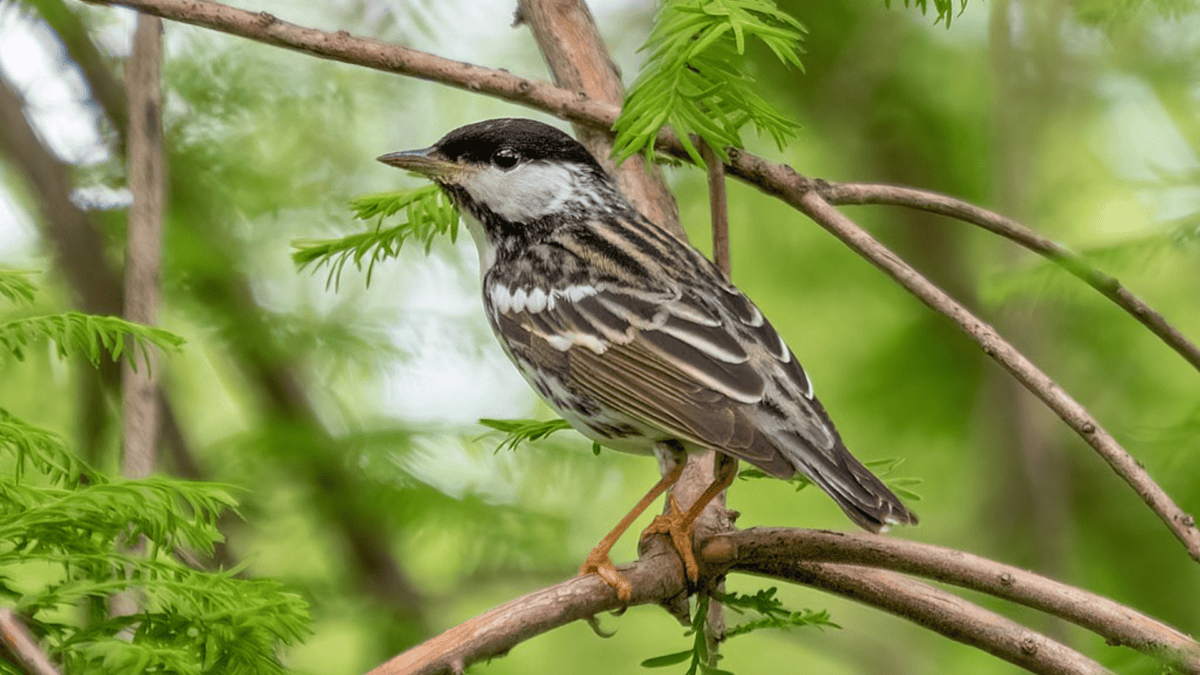
Weighing less than a ballpoint pen, the Blackpoll Warbler pulls off one of the most astonishing migrations in the bird world. Each autumn, it leaves North America’s boreal forests and heads for South America, embarking on a nonstop flight over the Atlantic that can last up to three days and cover 1,800 miles. Battling storms, fatigue, and hunger, it relies on fat reserves built up during the summer. This journey is one of nature’s finest balancing acts, where every ounce of weight counts and survival hangs in the balance.
The White Stork A Journey Steeped in Tradition

The migration of the White Stork is not only a natural wonder but also a symbol of renewal and hope in many cultures. These elegant birds travel from Europe to Africa each year, following ancient routes over the Strait of Gibraltar and the Bosphorus. Storks soar on thermal currents, rarely flapping their wings, conserving energy for the long journey. Their arrival in spring is celebrated in villages across Europe, where their nests atop chimneys signal good luck and the promise of new beginnings. The stork’s migration is a powerful reminder of the deep connections between birds and human history.
The Sandhill Crane A Chorus in the Sky

Few migrations are as breathtaking — or as noisy — as that of the Sandhill Crane. Each year, hundreds of thousands of these tall, graceful birds travel from their breeding grounds in the northern U.S. and Canada to wintering sites in the southern United States and Mexico. Their journey is marked by spectacular gatherings at stopover points, where flocks fill the sky and their haunting calls echo for miles. Sandhill Cranes use the power of community, traveling in family groups and teaching the young to navigate the same paths. Their migration is an annual symphony, a celebration of continuity and connection.
The Red Knot Racing the Clock

The Red Knot’s migration is a thrilling race against time and tide. These plump, fast-flying shorebirds travel from the Arctic Circle to the southern tip of South America, a journey of nearly 9,000 miles. Timing is everything: along the way, they stop at crucial feeding sites, such as Delaware Bay, where they gorge on horseshoe crab eggs to refuel. If they arrive too early or too late, there isn’t enough food, and survival is at risk. The Red Knot’s migration is a delicate dance, perfectly choreographed with the rhythms of nature.
The Swainson’s Thrush Navigating by the Stars

Swainson’s Thrushes are known for their sweet, spiraling song, but it’s their navigation skills that truly set them apart. These small brown songbirds migrate at night, relying on the stars and Earth’s magnetic field to guide them from North America to South America. The journey is long and arduous, passing over dense forests, mountains, and deserts. Swainson’s Thrushes travel alone, not in flocks, making their migration even more impressive. Their ability to find their way across continents, guided by the night sky, is nothing short of magical.
The Whooping Crane A Flight of Hope

The Whooping Crane’s migration is a story of survival against the odds. Once on the brink of extinction, these majestic white birds now make a yearly journey from their breeding grounds in Canada to wintering spots along the Gulf Coast of Texas. The route is perilous and long, but each successful migration signals hope for a species brought back from the edge. Biologists have even used ultralight aircraft to teach young cranes the way, creating one of the most heartwarming collaborations between humans and wildlife. The sight of a flock of Whooping Cranes in flight is a reminder that miracles can happen with effort and care.
The Northern Wheatear A Globe-Trotting Songbird

The Northern Wheatear may seem unassuming, but its migration is massive. These small birds breed in the Arctic tundra of Alaska and northern Canada, then travel all the way to sub-Saharan Africa for the winter. That means crossing the entire North American continent, the Atlantic Ocean, and the Sahara Desert — a journey of more than 9,000 miles each way. The Wheatear’s migration bridges continents and cultures, linking the wild and remote with the warm and bustling. It’s a reminder that even the smallest creatures can connect the world in surprising ways.
The Lesser Flamingo Following the Alkaline Lakes

The Lesser Flamingo’s migration is a search for safety and sustenance. These brilliant pink birds move between Africa’s harsh, alkaline lakes, where they breed and feed on microscopic algae. When conditions change — if the water dries up or becomes too salty — the flamingos take flight in vast, shimmering flocks, searching for new lakes to call home. Their journey is one of resilience, as they adapt to some of the planet’s most extreme environments. The sight of thousands of flamingos rising together at dawn is a vision of pure beauty.
The Great Snipe Speed Demon of the Skies

If speed is your thing, the Great Snipe has you covered. This chunky, secretive bird migrates from Scandinavia to central Africa at a pace that leaves most other birds in the dust. In a single, nonstop flight, it can travel nearly 4,000 miles at speeds up to 60 miles per hour. The Great Snipe flies mostly at night, dodging predators and storms, with only the moon and stars for company. Its journey is a high-speed dash across continents, a thrilling reminder of nature’s capacity for surprise.
The Snow Goose A White Wave Across the Sky

Every year, millions of Snow Geese take to the skies in one of North America’s most impressive wildlife spectacles. Their migration takes them from the Arctic tundra to warmer southern marshes, creating swirling white clouds that stretch for miles. The geese travel in huge, noisy flocks, filling wetlands and fields with their honking calls. The journey is perilous, with predators and hunters along the way, but the Snow Goose’s strength lies in numbers. Their migration is a living river in the sky, a testament to the power of unity and the rhythm of the seasons.
The Pacific Golden Plover Navigational Wonders
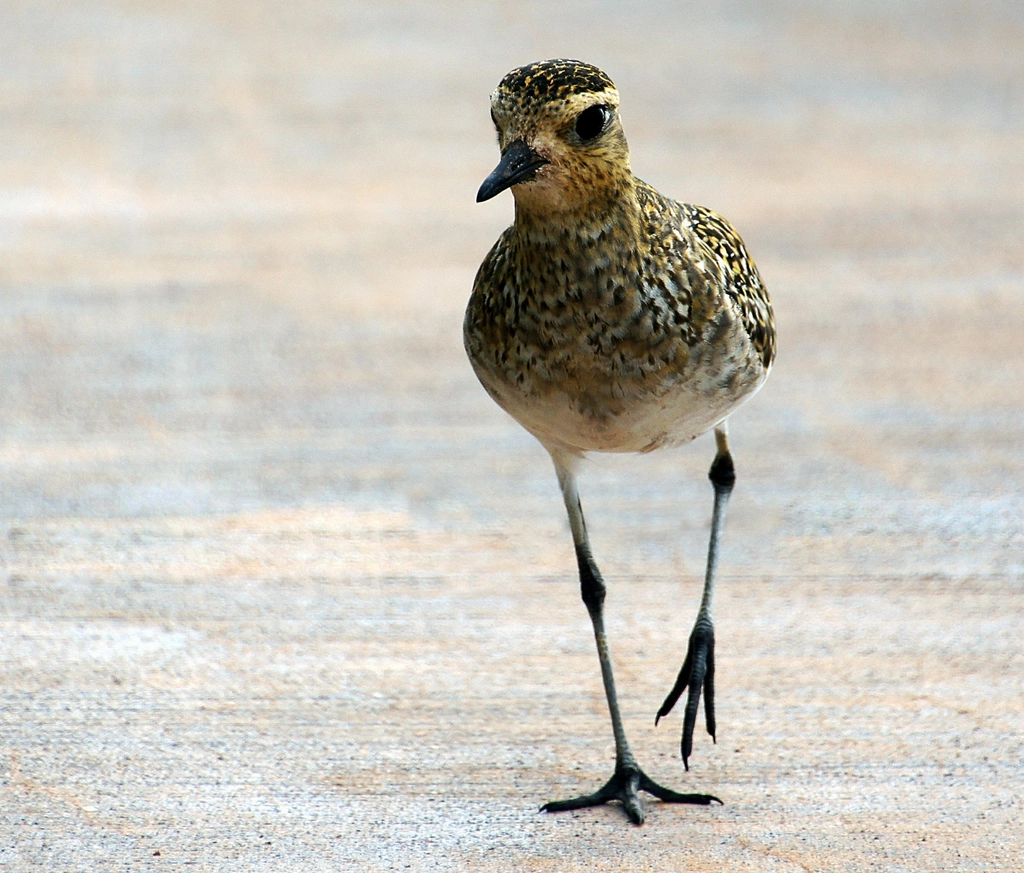
The Pacific Golden Plover’s migration is a marvel of navigation. These elegant birds breed in Alaska and Siberia, then wing their way to islands across the Pacific, including Hawaii, Fiji, and even Australia. Some fly more than 7,000 miles nonstop over the open ocean, guided by instincts scientists are still trying to fully understand. The plover’s ability to find tiny islands in the vast blue expanse is nothing short of miraculous. Their journey is a celebration of nature’s mysteries, inviting us to imagine what it’s like to set out into the unknown and find your way home.

As a little kid, I fell in love with nature, wildlife, and animals. Living in the USA, South Africa, Italy, China and Germany gave me the opportunity to discover the world's Wildlife. My favorite animals are Mountain Gorillas, Siberian Tigers, and Great White Sharks.
I'm a certified PADI Open Water Diver, went to Everest Base Camp and Trekked Gorillas in Uganda. I hold a Master of Science in Economics and Finance.
Please send any feedback to feedback@animalsaroundtheglobe.com
- Why the Great Barrier Reef Is the Best Place to Spot Sea Turtles - June 3, 2026
- 2 Animals With Super Sized Body Parts and What They are For - June 3, 2026
- Explore The Azores - June 3, 2026