


In a startling ecological shift, tropical and subtropical fish species are increasingly being found in the Great Lakes—an ecosystem traditionally too cold to support them. This phenomenon has raised significant concerns among environmental scientists, conservationists, and local communities. Once considered impossible due to the frigid waters of these northern lakes, the survival of warm-water fish species signals profound changes in this crucial freshwater ecosystem. Climate change, human activity, and the remarkable adaptability of certain fish species are converging to create new ecological realities in North America’s largest freshwater system. Understanding why and how these tropical interlopers are establishing themselves reveals much about our changing planet and the unintended consequences of human actions.
The Great Lakes’ Changing Thermal Profile

The Great Lakes have experienced significant warming over recent decades, with average water temperatures rising approximately 2°F (1.1°C) since 1980. While this might seem modest, even small temperature increases can fundamentally alter aquatic ecosystems. Summer surface temperatures now regularly exceed 75°F (24°C) in shallow areas and bays—temperatures that were once rare but now create seasonal “thermal windows” hospitable to warm-water species.
Winter temperatures are also moderating, with ice cover on the Great Lakes declining by approximately 71% since 1973. This thermal shift creates conditions where traditionally tropical species can survive through seasonal warm periods, and increasingly, some can even persist through milder winters in thermal refuges like power plant discharge areas or urban heated effluent zones.
Aquarium Releases: The Main Introduction Pathway
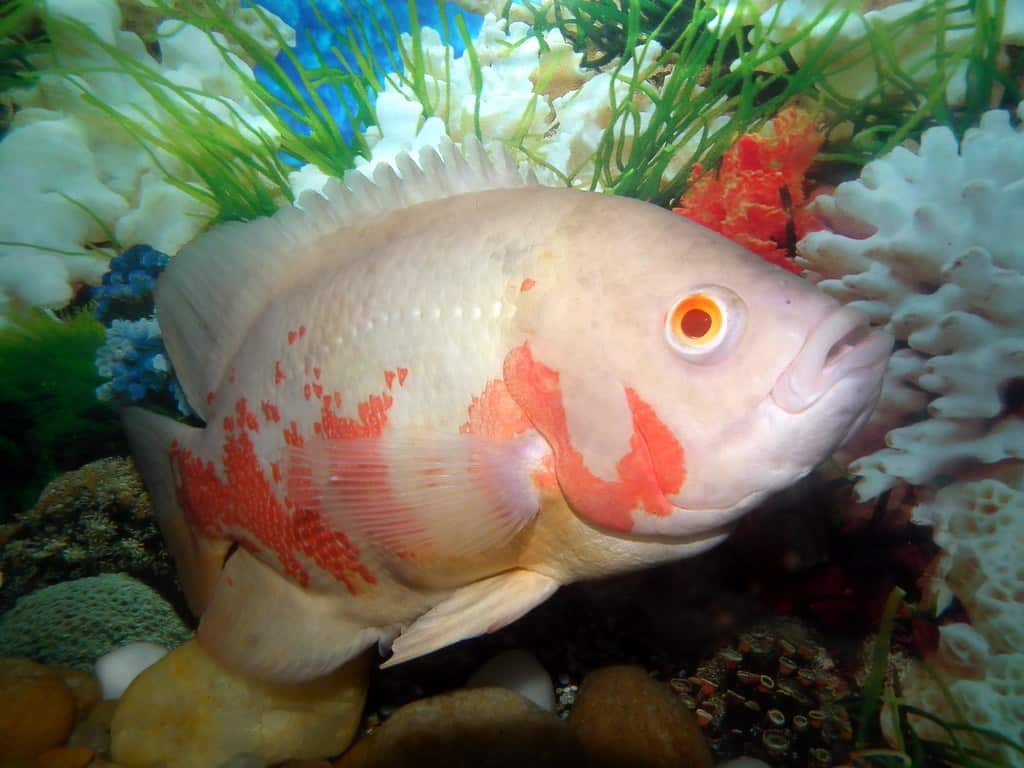
The primary vector for tropical fish entering the Great Lakes is the release of unwanted aquarium pets. When aquarium hobbyists can no longer care for their fish, some mistakenly believe releasing them into local waterways is humane. Each year, thousands of non-native fish are intentionally released into North American freshwater ecosystems. Notable examples include the discovery of panther groupers near Milwaukee, oscar cichlids in Lake Michigan, and pacus (relatives of piranhas) in multiple Great Lakes locations.
A 2018 survey of aquarium owners found that 38% had released aquatic pets into the wild at some point, often unaware of the ecological consequences. These individual releases create constant propagule pressure—the recurring introduction of non-native species that increases the likelihood of successful establishment.
Thermal Effluent Zones as Survival Hotspots

Industrial facilities and power plants along the Great Lakes create localized warm-water habitats that serve as sanctuaries for tropical species. These thermal effluent zones discharge heated water that can be 10-15°F (5.5-8°C) warmer than the surrounding lake. The most notable example is the warm water discharge from the Donald C. Cook Nuclear Plant on Lake Michigan, where researchers have documented over a dozen non-native tropical species surviving year-round within this artificial thermal refuge.
These heated zones can span several acres, creating microhabitats where species like sailfin mollies, amazon swordtails, and various cichlid species can persist through winter months that would otherwise be lethal. As climate change progresses, these thermal refuges serve as potential bridgeheads from which tropical species can spread as lake temperatures continue to rise.
Species Adaptability and Rapid Evolution
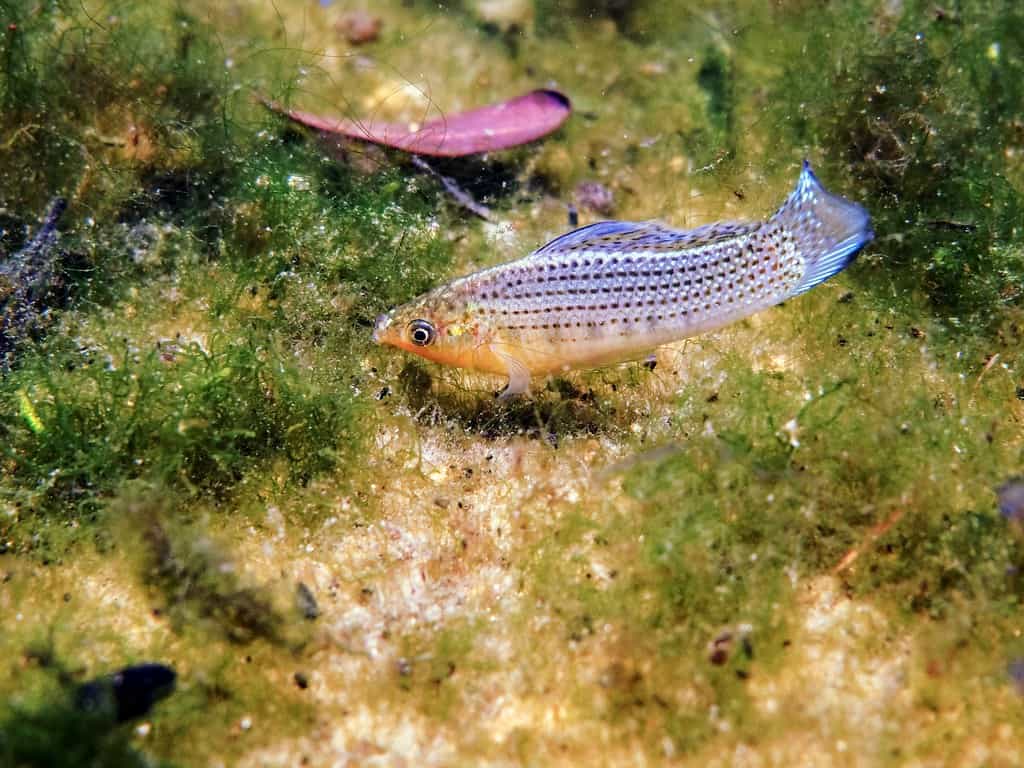
Some tropical fish species demonstrate remarkable adaptability through rapid evolutionary responses to new conditions. Research published in the journal Evolutionary Applications documented that certain tropical aquarium species, like the sailfin molly (Poecilia latipinna), can develop increased cold tolerance within just 3-5 generations when exposed to gradually cooling temperatures. This adaptation occurs through both phenotypic plasticity (non-genetic adaptations within an individual’s lifetime) and genetic selection for cold-hardy traits.
Scientists have observed that populations of guppies in the Great Lakes’ warm water outflows now demonstrate cold tolerance thresholds approximately 4°C lower than their tropical ancestors. This rapid adaptation suggests that some species may eventually evolve sufficient cold tolerance to spread beyond the current thermal refuges and establish more widely throughout the Great Lakes system.
Notable Tropical Species Found in the Great Lakes

Several tropical fish species have been documented surviving in the Great Lakes ecosystem, often surprising researchers with their persistence. The blue tilapia (Oreochromis aureus), native to North Africa and the Middle East, has established reproducing populations in warm discharge areas of Lakes Michigan and Erie. Plecos (Hypostomus plecostomus), common aquarium algae-eaters from South America, have been found repeatedly in Lake Michigan near Chicago and Milwaukee, with evidence suggesting winter survival in some locations.
More alarming is the discovery of breeding populations of Oriental weatherfish (Misgurnus anguillicaudatus) in tributaries of Lake Erie, demonstrating how these Asian tropical fish can adapt to seasonal temperature fluctuations. Even more exotic species like the Amazon sailfin catfish, jaguar cichlid, and red-bellied pacu have been caught by fishermen, though these individuals likely represent recent releases rather than established populations. The diversity of species found indicates the breadth of the aquarium release problem.
The Role of Climate Change in Expanding Suitable Habitat

Climate change projections indicate that thermal conditions in the Great Lakes will become increasingly hospitable to tropical and subtropical fish species over the coming decades. Models from the National Oceanic and Atmospheric Administration (NOAA) project an additional 2-7°F (1.1-3.9°C) warming of Great Lakes waters by 2100, depending on emission scenarios. This warming will extend the annual period of suitable temperatures for tropical species and expand the geographic areas where they might survive year-round.
Research published in the Journal of Great Lakes Research used climate models to predict that by 2050, approximately 35% of Great Lakes nearshore areas could maintain thermal conditions suitable for subtropical fish survival throughout the year—a dramatic increase from the current 8% estimate. This expanding thermal envelope means that species currently confined to isolated warm water refuges may eventually find much broader areas habitable, potentially triggering larger-scale ecological changes.
Ecological Impacts of Tropical Fish Establishment
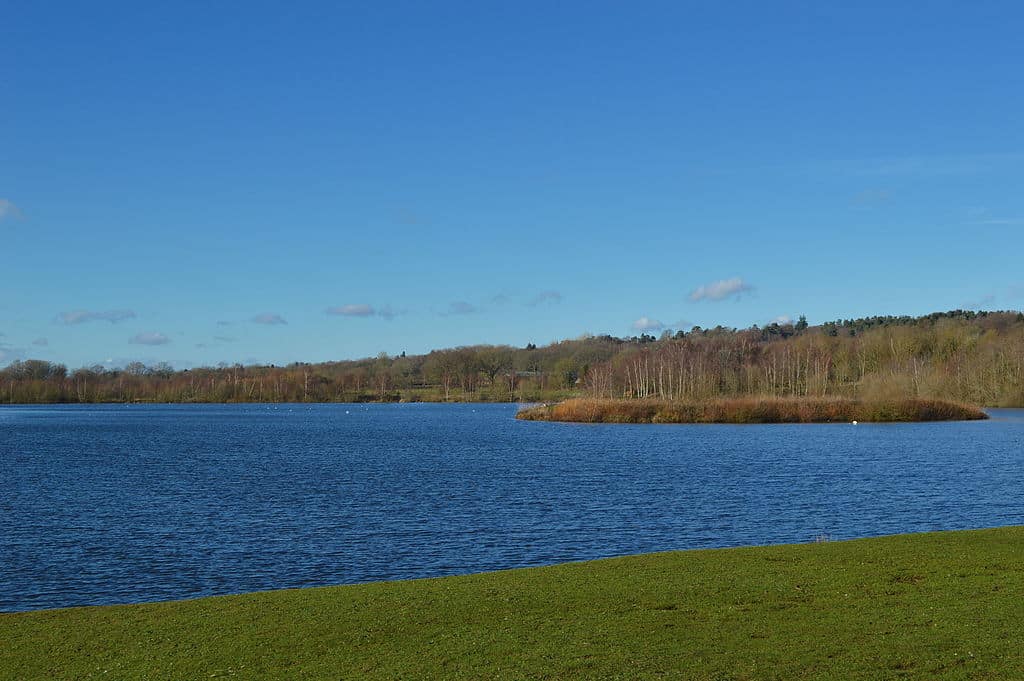
The ecological consequences of tropical fish establishing in the Great Lakes range from minor to potentially severe, depending on the species involved and their abundance. Herbivorous tropical species like tilapia can alter aquatic plant communities and water clarity by consuming large amounts of vegetation. Predatory cichlids may compete with native predators like smallmouth bass and yellow perch for prey resources. Perhaps most concerning are the potential disease vectors these tropical fish represent.
A 2019 study in the journal Conservation Biology found that 35% of sampled introduced tropical fish in the Great Lakes carried parasites or pathogens not previously documented in the ecosystem. The risk of these diseases spreading to native species represents an understudied threat. Additionally, some tropical species like armored catfish can alter habitat by digging burrows in banks, potentially increasing erosion and turbidity. As these populations grow and spread, their cumulative ecological impact is likely to increase.
Bait Bucket Transfers and Secondary Introductions

While aquarium releases represent the primary introduction pathway, tropical fish are also entering the Great Lakes through the bait trade. Commercial bait operations, particularly in southern states, sometimes accidentally mix tropical species with native baitfish shipped to Great Lakes states. When anglers release unused bait, these non-native fish enter the ecosystem. Golden topminnows, native to the southeastern United States but considered tropical/subtropical, have been documented in Lake Erie wetlands after likely introduction via bait releases.
Some tropical fish, once established in the Great Lakes, are then spread further by recreational activities. For example, water from one location containing eggs or juvenile fish may be inadvertently transported in boat bilges, live wells, or equipment to new areas. This secondary spread significantly complicates management efforts, as it creates multiple introduction points across the vast Great Lakes system.
Physiological Adaptations Enabling Survival

The survival of tropical fish in seasonally cold environments relies on remarkable physiological adaptations. Some species demonstrate metabolic flexibility, reducing their metabolic rates by up to 80% during cold periods to conserve energy—a form of dormancy that allows survival even when feeding becomes difficult. Others show phenotypic plasticity in producing antifreeze proteins and cold-shock proteins that protect cellular functions at temperatures that would normally be lethal.
Interestingly, research published in the Proceedings of the Royal Society B found that tropical fish raised in fluctuating temperature environments develop greater temperature tolerance than those raised in stable conditions, suggesting that aquarium-raised fish may actually have advantages when adapting to the seasonally variable Great Lakes. Some species also exhibit behavioral adaptations, seeking out the warmest microhabitats available during cold periods or burying themselves in sediment where temperatures remain more stable than in the water column.
Management Challenges and Control Efforts

Managing tropical fish in the Great Lakes presents unique challenges compared to other invasive species. Traditional control methods like chemical treatments risk harming native species, and physical removal becomes increasingly difficult once populations are established. The Great Lakes Restoration Initiative has allocated funding specifically for early detection and rapid response to new tropical fish sightings, recognizing that preventing establishment is far more effective than later control efforts.
Public education campaigns like “Habitattitude” aim to prevent aquarium releases by promoting responsible pet ownership and providing surrender alternatives. Some states have implemented more stringent regulations on the aquarium trade, including Michigan’s prohibitions on selling high-risk tropical species and Illinois’ requirements for pet stores to provide educational materials about release impacts. Thermal effluent zones are now monitored more closely, with some facilities required to install barriers or filtration systems to prevent tropical fish from establishing in their warm water outflows.
The Ongoing Monitoring and Research Efforts

Scientists across the Great Lakes region have established comprehensive monitoring programs to track the spread and impact of tropical fish species. The Great Lakes Aquatic Nonindigenous Species Information System (GLANSIS) maintains a database of all non-native fish observations, including tropical species, helping researchers identify emerging trends. Environmental DNA (eDNA) sampling programs now routinely test for tropical fish genetic material in water samples, allowing detection of species even when traditional sampling misses them.
Citizen science initiatives like the Invasive Carp Network have expanded to include reporting of all unusual fish, creating an early warning system across the basin. Research priorities have shifted to include predicting which tropical species pose the greatest establishment risk under future climate scenarios. The Great Lakes Fishery Commission now coordinates international research on tropical species potential impacts on commercially and recreationally important fish populations, recognizing that this emerging threat requires coordinated binational attention.
Future Projections and Ecological Forecasts

Looking ahead, ecological modeling suggests the Great Lakes may experience significant shifts in fish communities as tropical and subtropical species gain footholds. By 2050, researchers at the University of Toronto project that up to 30 new non-native fish species could establish permanent populations in the Great Lakes, with tropical and subtropical species representing approximately half of these new arrivals. Areas likely to see the greatest changes include southern Lake Michigan, western Lake Erie, and sheltered bays throughout the system where summer temperatures rise highest and winter cooling is moderated.
Some models predict the formation of novel ecosystems with no historical analogue, where communities combine elements of temperate and subtropical aquatic systems. Of particular concern is the potential for established tropical species to facilitate the invasion of additional tropical species through habitat modification and other ecological interactions—a phenomenon known as invasional meltdown. While complete transformation of the Great Lakes into tropical ecosystems remains unlikely even under extreme warming scenarios, the ecological character of nearshore areas and embayments may change substantially in coming decades.
Conclusion: A Warming Future for the Great Lakes

The increasing presence of tropical fish in the Great Lakes represents a visible indicator of the profound changes occurring in freshwater ecosystems worldwide due to climate change and human activity. What was once considered ecologically impossible—the survival of warm-water tropical species in northern temperate lakes—is now an emerging reality that challenges our understanding of ecosystem boundaries and species limitations.
The combination of warming waters, continuous introduction pressure from aquarium releases, thermal refuges, and rapid evolutionary adaptation suggests that tropical fish will likely become an increasingly common component of Great Lakes ecosystems in the decades ahead. This phenomenon serves as a compelling reminder that ecological systems are dynamic and responsive to changing conditions, often in ways that surprise even experienced scientists. As we navigate this uncertain future, continued research, public education, and adaptive management will be essential to understanding and mitigating the impacts of these unexpected Great Lakes residents.

From exploring the marine wonders in the Azores and witnessing the vast savannas of Kenya, to delving deep into the rich biodiversity of South Africa and traversing iconic landscapes in Australia and the US like Yellowstone, Chris's experiences are vast.
With a penchant for diving alongside sharks, the ocean holds a special place in his heart.
Through his academic insights, he champions wildlife conservation, striving with 'Animals Around The Globe' to cultivate a profound connection between humans and animals, enhancing our mutual appreciation.
Connect with him at Feedback@animalsaroundtheglobe.com.
- How Tigers Mark Their Territory Using Scent and Scratches - July 29, 2026
- The Deadly Volcano That Erased a Town Is Now Active Again - July 29, 2026
- 12 Deep Sea Animals With Terrifying Adaptations - July 29, 2026