


Cats, with their mysterious aura and enigmatic eyes, have been human companions for thousands of years. However, these furry friends have a world of secrets hidden behind their purrs and playful antics. While they share our homes and sometimes even our beds, there’s a lot more to them than meets the eye. Let’s delve into the intriguing world of feline mysteries and uncover the secrets cats keep from their humans.
The Art of Communication

Cats are masters of subtle communication. While dogs might bark or wag their tails to express emotions, cats rely on a more nuanced approach. They use a combination of body language, vocalizations, and pheromones to convey their feelings. A flick of the tail, a slow blink, or even the way they position their ears can speak volumes. Often, humans miss these cues, not realizing their feline friend is trying to communicate something important. For instance, a cat may purr not just out of contentment but also to self-soothe when anxious or in pain. Understanding these silent signals can strengthen the bond between humans and their cats.
Hidden Hunting Instincts

Despite their domesticated lifestyle, cats are natural-born hunters. Beneath their fluffy exteriors lies the heart of a predator. Even the most pampered house cat possesses an innate hunting instinct. When they play with toys or chase after a laser pointer, they’re honing their skills. This behavior is not just for fun; it’s rooted in survival instincts. Some cats may even bring home “gifts” like mice or birds, proudly displaying their prowess. While this may be an unwelcome surprise for many cat owners, it’s a testament to their enduring wild side.
The Mysterious Purr

A cat’s purr is one of the most comforting sounds in the world, but its purpose is shrouded in mystery. While it’s often associated with happiness, cats purr for various reasons. They might purr when they’re frightened, in pain, or even when they’re hungry. Research suggests that the frequency of a cat’s purr can have healing properties, promoting bone growth and easing pain. This secret power of the purr remains one of nature’s most fascinating phenomena, and understanding it can provide insights into a cat’s well-being.
Territorial Tactics
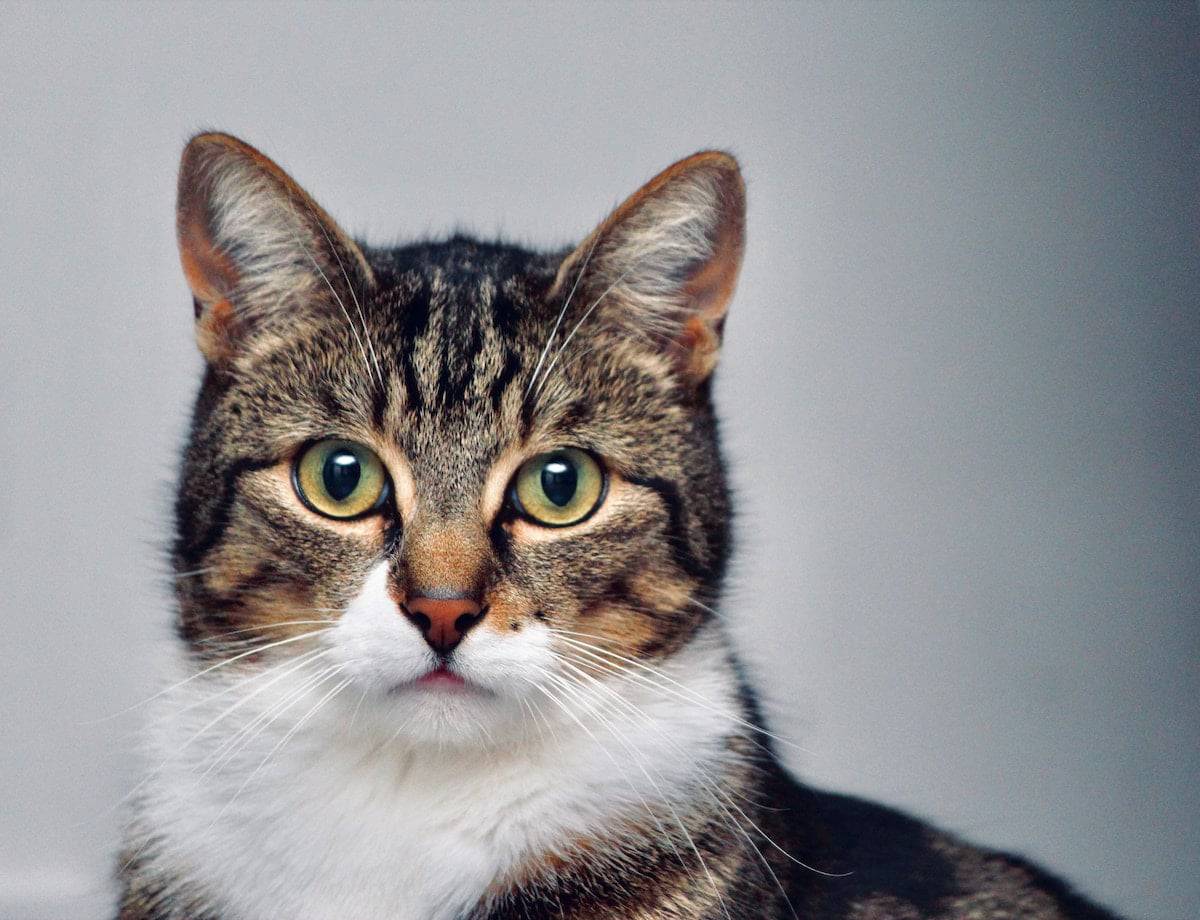
Cats are territorial creatures, and they have a unique way of marking their domain. They possess scent glands on their cheeks, paws, and even their tails. When a cat rubs against furniture or even their human, they’re leaving behind pheromones to claim their space. This behavior is not just about marking territory; it’s also a way of creating a familiar and comforting environment. By understanding this secret, cat owners can better appreciate the importance of their feline’s personal space and the need for a stable environment.
The Secret of Solitude

While cats can be affectionate and enjoy human company, they also cherish their alone time. Solitude is essential for a cat’s mental well-being. It allows them to rest, recharge, and process the world around them. Unlike dogs, who are pack animals, cats are more solitary by nature. They don’t always feel the need to be around others, and humans must respect this aspect of their personality. Giving cats their space and understanding their need for solitude can lead to a happier and more harmonious home environment.
Nocturnal Adventures

Many cat owners wonder why their feline friends seem to come alive at night. The secret lies in their evolutionary history. Cats are crepuscular animals, meaning they are most active during the dawn and dusk. Their ancestors hunted during these times to avoid larger predators. This behavior persists in domestic cats, leading to those midnight zoomies and playful antics. Understanding this can help humans create a more cat-friendly environment by providing toys and activities that cater to their natural rhythms.
The Catnap Conundrum

Cats are famous for their love of sleep, often napping for up to 16 hours a day. However, this isn’t just laziness; it’s a survival tactic. In the wild, conserving energy is crucial for hunting and staying alert to potential threats. Even while dozing, a cat’s senses are still active, allowing them to react quickly if necessary. This secret of the catnap is a reminder of their wild origins and the importance of rest in their daily routine.
The Unseen Hierarchy

In multi-cat households, there exists a hidden hierarchy that governs their interactions. Cats are not pack animals, but they do establish a pecking order. This hierarchy can influence feeding times, sleeping spots, and even who gets the prime sunbathing spot. Observing these interactions can provide insights into their social dynamics and help humans manage their multi-cat households more effectively. Recognizing this secret can prevent conflicts and promote a more peaceful coexistence.
The Secret Language of Tails

A cat’s tail is an expressive tool that reveals much about their mood and intentions. A high, quivering tail often signals excitement and affection, while a puffed-up tail indicates fear or aggression. The position and movement of a cat’s tail can tell a story all on its own. By paying attention to this secret language, humans can better understand their cat’s emotions and responses, leading to a more empathetic and responsive relationship.
The Enigmatic Whiskers
Whiskers are not just a charming facial feature; they are sophisticated sensory tools. Cats use their whiskers to navigate their environment, gauge the width of openings, and even detect changes in the air. These sensitive hairs are deeply connected to a cat’s nervous system, providing critical information about the world around them. By understanding the importance of whiskers, humans can ensure their cats have a safe and stimulating environment without unnecessary obstacles.
The Hidden World of Scent

Cats experience the world through their noses, and scent plays a pivotal role in their daily lives. They use smells to recognize other animals, mark territory, and even find their way home. This secret world of scent is why cats are so particular about their surroundings and why changes can be distressing. By considering the olfactory experience of their feline friends, humans can create a more comforting and predictable environment.
The Power of Play

Playtime is more than just fun for cats; it’s a vital part of their development and well-being. Through play, they hone their hunting skills, relieve stress, and engage their minds. Different types of play can fulfill various needs, from stalking and pouncing to chasing and capturing. Understanding the secret power of play can help humans provide enriching activities that cater to their cat’s instincts, leading to a happier and healthier pet.
The Quiet Bond of Trust

Trust is a cornerstone of the human-cat relationship, but it is a silent and gradual process. Cats are naturally cautious animals, and gaining their trust requires patience and respect. Simple actions like maintaining a routine, providing a safe environment, and allowing them to approach on their terms can build a strong bond. This unspoken trust is a secret that, once unlocked, can lead to a deeply rewarding companionship.
The Unseen Stressors

Cats are sensitive creatures, and even small changes can cause them stress. Unfamiliar visitors, a new piece of furniture, or even a different brand of food can disrupt their sense of security. Often, these stressors go unnoticed by humans, leading to behavioral changes or health issues. By recognizing and minimizing these unseen stressors, humans can ensure their cats lead a comfortable and stress-free life.
The Secret of Adaptability

Despite their seemingly aloof nature, cats are highly adaptable creatures. They have an incredible ability to adjust to new environments and situations, provided they feel safe and secure. This adaptability is a survival trait that has allowed cats to thrive in diverse settings, from bustling cities to quiet countryside homes. Understanding this secret can help humans appreciate their cat’s resilience and provide the support they need during transitions.
The Unspoken Love

Cats may not express love in the overt ways dogs do, but their affection runs deep. They show their love through subtle gestures, like rubbing against you, kneading with their paws, or following you from room to room. These quiet acts of affection are a testament to the bond they share with their humans. Understanding and appreciating these signs of love can deepen the connection between humans and their feline companions, creating a harmonious and fulfilling relationship.

As a little kid, I fell in love with nature, wildlife, and animals. Living in the USA, South Africa, Italy, China and Germany gave me the opportunity to discover the world's Wildlife. My favorite animals are Mountain Gorillas, Siberian Tigers, and Great White Sharks.
I'm a certified PADI Open Water Diver, went to Everest Base Camp and Trekked Gorillas in Uganda. I hold a Master of Science in Economics and Finance.
Please send any feedback to feedback@animalsaroundtheglobe.com
- 10 Unique Animals You Can Find Only In California - July 21, 2026
- 10 Loudest Animals on Land - July 21, 2026
- 13 Animals With Extra Limbs or Heads - July 21, 2026