

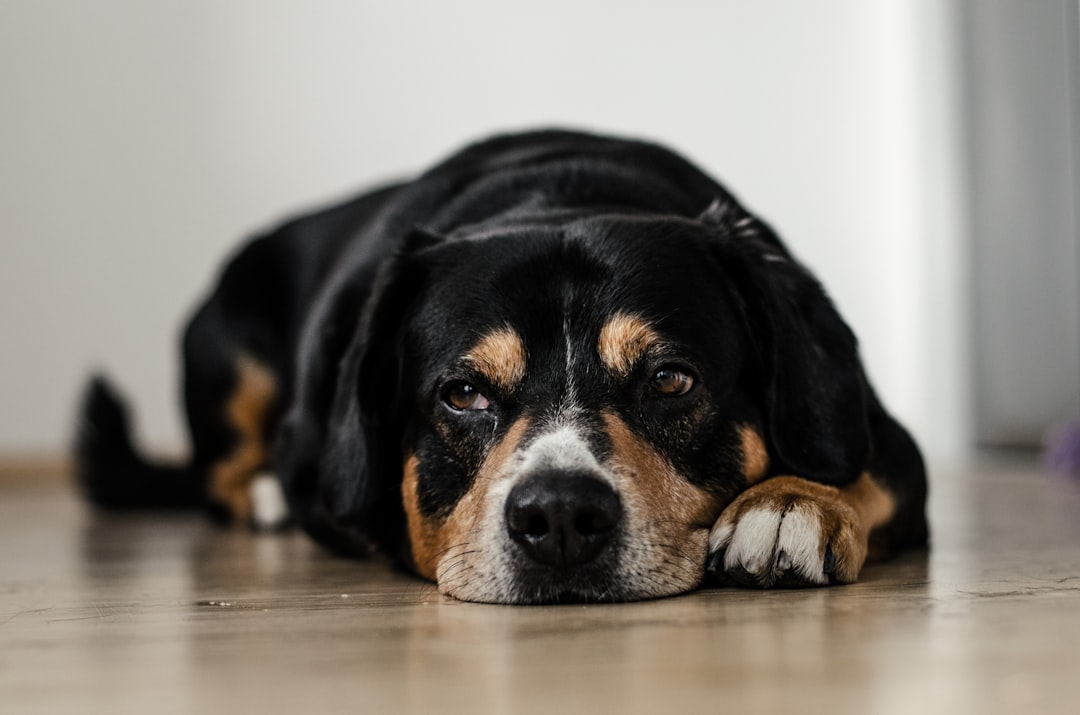
Every dog owner knows that sick, sinking feeling when their furry friend isn’t acting like themselves. Unlike us humans, dogs can’t simply tell us when their tummy hurts or they’re feeling under the weather. They rely on us to recognize the subtle and not-so-subtle signs that something’s wrong. Whether you’ve got a tiny Chihuahua or a massive Great Dane, stomach problems can affect any pup, and knowing what to look for could save your dog from unnecessary pain and potentially serious complications. here are 12 signs of stomach ache in dogs.
#12 The Classic Prayer Position
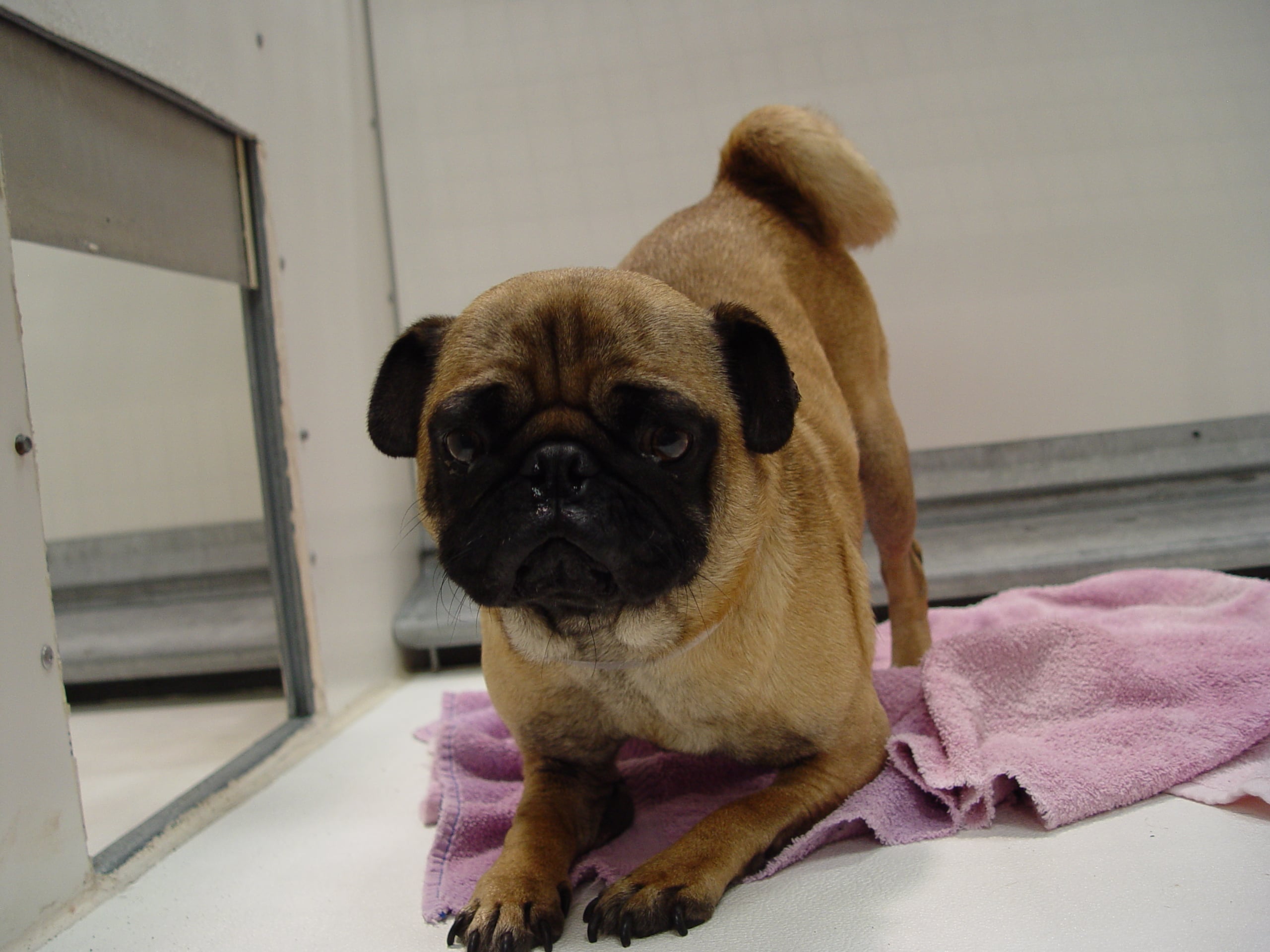
When dogs experience stomach pain, they often assume what veterinarians call the “prayer position” – front legs stretched out on the floor while their hindquarters remain elevated. This distinctive posture isn’t your dog being playful or stretching after a nap. Dogs often take this position when suffering from abdominal pain as it allows them to stretch out the affected area.
You might notice your Great Dane lowering their massive chest to the ground while keeping their rear end high, or see your little Beagle doing the same thing on a much smaller scale. This position appears to provide some relief from the discomfort they’re experiencing. It’s one of the most telltale signs that your dog’s belly is bothering them, so don’t dismiss it as normal stretching behavior.
#11 Vocalization and Whimpering
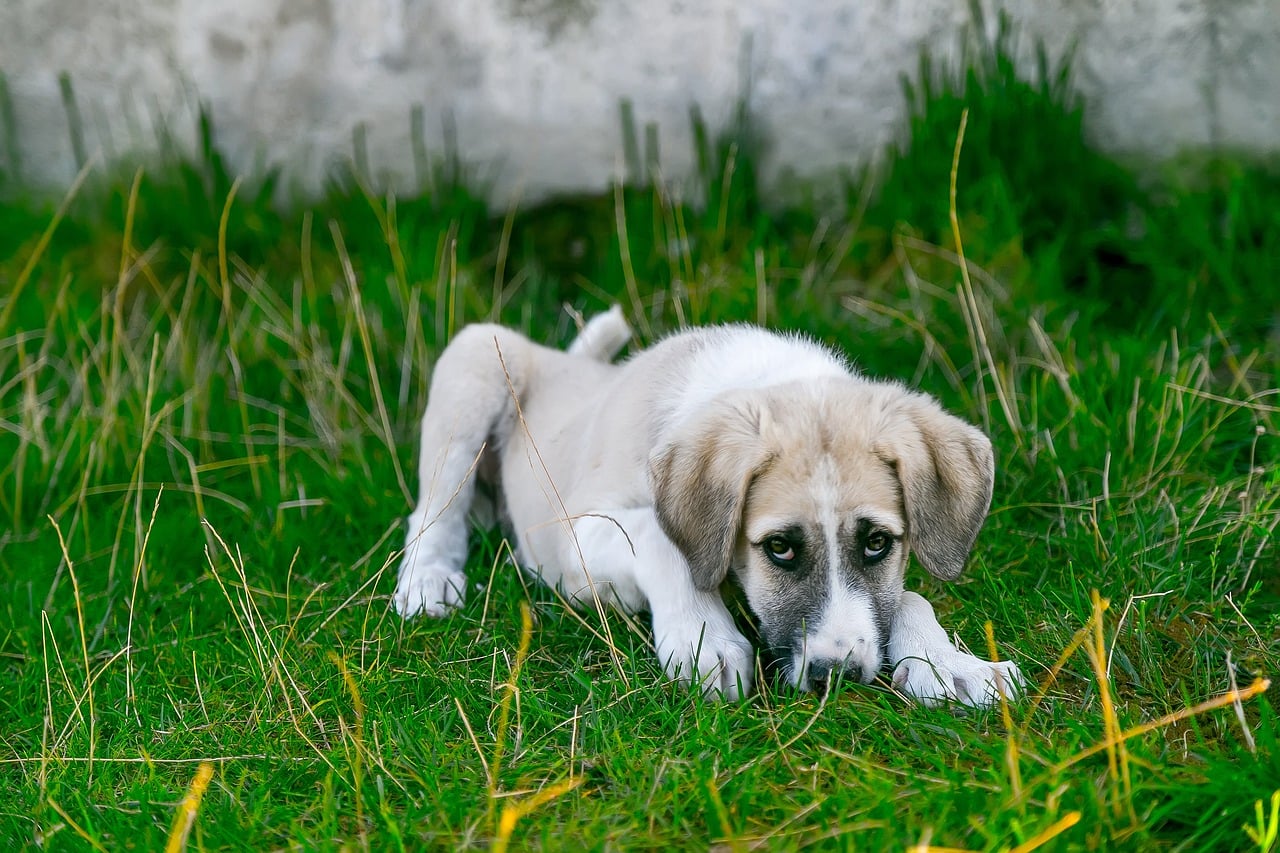
Dogs may vocalize when you try to pick them up or when their stomach area is touched. This isn’t your typical happy bark or attention-seeking whine. If your dog whimpers or groans, it could be a sign of severe abdominal pain. The sounds might be subtle – a soft groan when they move or a sharp yelp when you accidentally brush against their belly.
Even the gentlest golden retriever might growl if their stomach hurts badly enough and you try to touch the painful area. Small dogs like terriers might become especially vocal since they often express discomfort more dramatically than their larger counterparts. Pay attention to these vocalizations, especially if they happen when your dog is trying to get comfortable or when you’re handling them.
#10 Loss of Appetite and Food Refusal
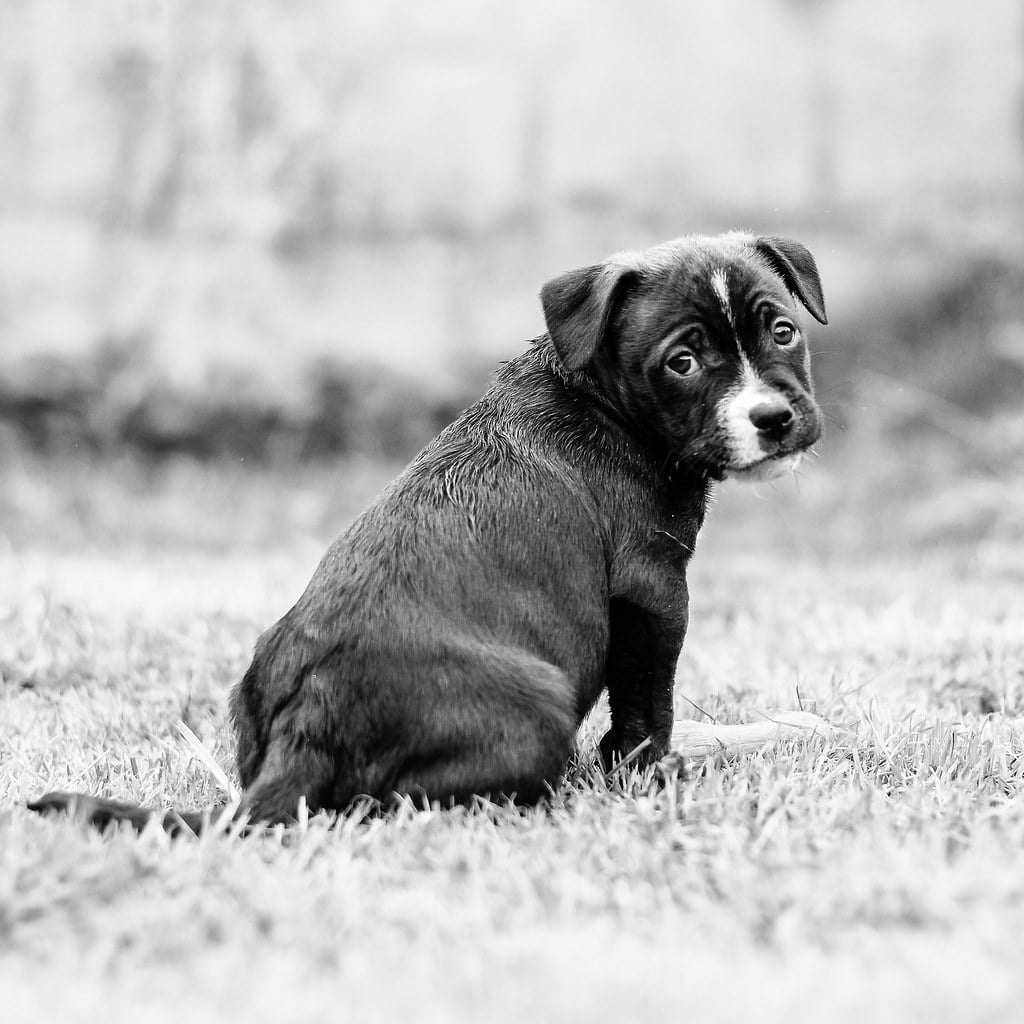
If your dog suddenly isn’t interested in food, this could indicate an upset stomach, and if it lasts more than 24 hours, it’s time to take action. Think about it – when you have a stomachache, food is probably the last thing on your mind. Dogs feel the same way. Your usually food-motivated Labrador might turn their nose up at even their favorite treats.
This can range from reduced appetite to complete loss of appetite. Small dogs like Yorkshire Terriers or Pomeranians can become dangerously dehydrated more quickly than larger breeds, so appetite loss in tiny pups should be monitored especially closely. If your normally food-obsessed beagle walks away from their dinner bowl, something’s definitely not right in their belly.
#9 Vomiting and Retching

Vomiting or retching (heaving without bringing anything up) are common signs of gastroenteritis in dogs. While occasional vomiting might not be serious, repeated episodes should never be ignored. These are the most obvious and immediate signs of upset stomach, and repeated vomiting or diarrhea can have serious health consequences from dehydration.
Watch for different types of vomit too – it might contain food, bile, foam, or even blood. Large breed dogs like German Shepherds might handle occasional vomiting better than small breeds, but any dog that’s vomiting repeatedly needs attention. The retching motion alone, even without producing anything, indicates your dog’s stomach is in distress and trying to expel whatever’s bothering it.
#8 Diarrhea and Changes in Stool
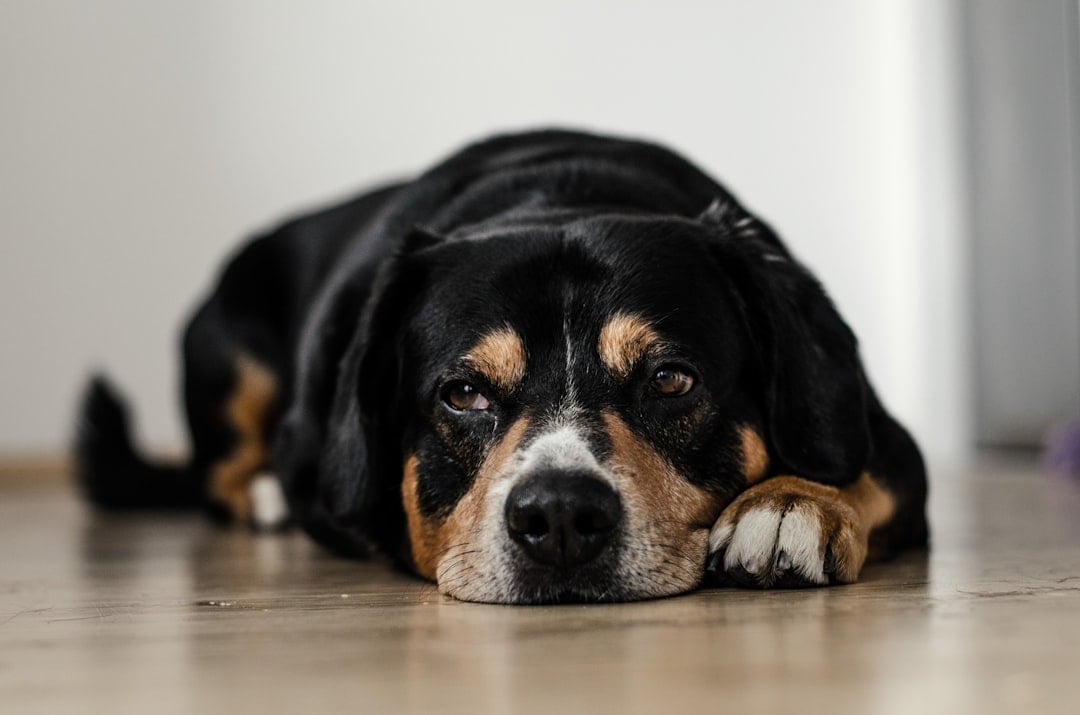
Gastroenteritis often presents as diarrhea in dogs, ranging from loose stools to watery bowel movements. Normal, healthy dog poop should be firm and well-formed. When your dog’s digestive system is upset, you might notice anything from slightly soft stools to completely liquid diarrhea. If your dog’s stool contains a significant amount of blood, it’s important to contact your vet as it may indicate a more severe condition.
Large dogs like mastiffs will obviously produce more waste than tiny breeds like Chihuahuas, but the consistency and appearance matter more than the amount. Don’t ignore changes in your dog’s bathroom habits – they’re often one of the first indicators that something’s wrong with their digestive system.
#7 Excessive Drooling and Lip Licking
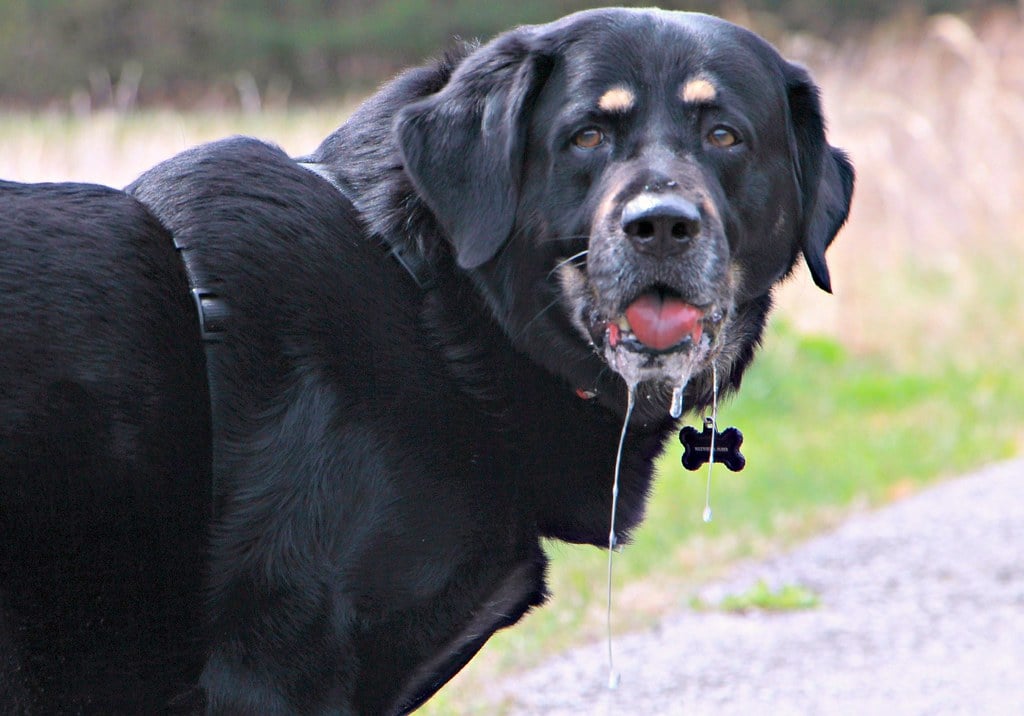
Excessive drooling, lip licking, or gulping could be signs of nausea, as dogs often do this to try to soothe their stomachs. While some breeds like Saint Bernards are naturally drooly, unusual amounts of drooling paired with other symptoms should raise red flags. Gulping, gagging and lip smacking all indicate your dog is struggling with nausea and may be trying to hold back an urge to vomit.
You might notice your normally dry-mouthed border collie suddenly having strings of saliva, or your typically neat poodle constantly licking their lips. This behavior often precedes vomiting, so it’s your dog’s way of saying their tummy feels queasy. Small dogs might be more subtle about this, while larger dogs might be more obvious in their discomfort.
Read: 26 Loyal Dog Breeds That Will Protect You With Their Life
#6 Restlessness and Inability to Get Comfortable

Restlessness is an indicator of pain in dogs, and if your dog is pacing back and forth repeatedly or has difficulty getting comfortable, there could be an underlying issue. When your stomach hurts, you probably toss and turn trying to find a position that feels better. Dogs do the same thing. You might notice distress or inability to get comfortable.
Your normally laid-back golden retriever might keep getting up and lying back down, or your typically calm bulldog might pace around the house. Large breed dogs might have trouble settling into their usual sleeping spots, while smaller dogs might seem unable to find a comfortable position in their beds. This restless behavior often indicates internal discomfort that they can’t easily resolve.
#5 Gas and Stomach Gurgling

Gas or loud gurgling noises from the stomach can indicate digestive issues, and while occasional flatulence is normal, excessive gas can point to an upset stomach. If your dog is releasing more flatulence or burping more than usual, that indicates gas building up in their stomach, and bloating or swelling of the abdominal cavity can also indicate gas build-up.
Every dog passes gas occasionally, but when it becomes excessive or is accompanied by loud stomach rumbling, it’s worth paying attention to. Large dogs like Great Danes are particularly susceptible to dangerous bloat conditions, while smaller dogs might just have temporary digestive upset. Listen to your dog’s belly – if it sounds like a washing machine, their digestive system is working overtime.
#4 Changes in Body Posture and Movement
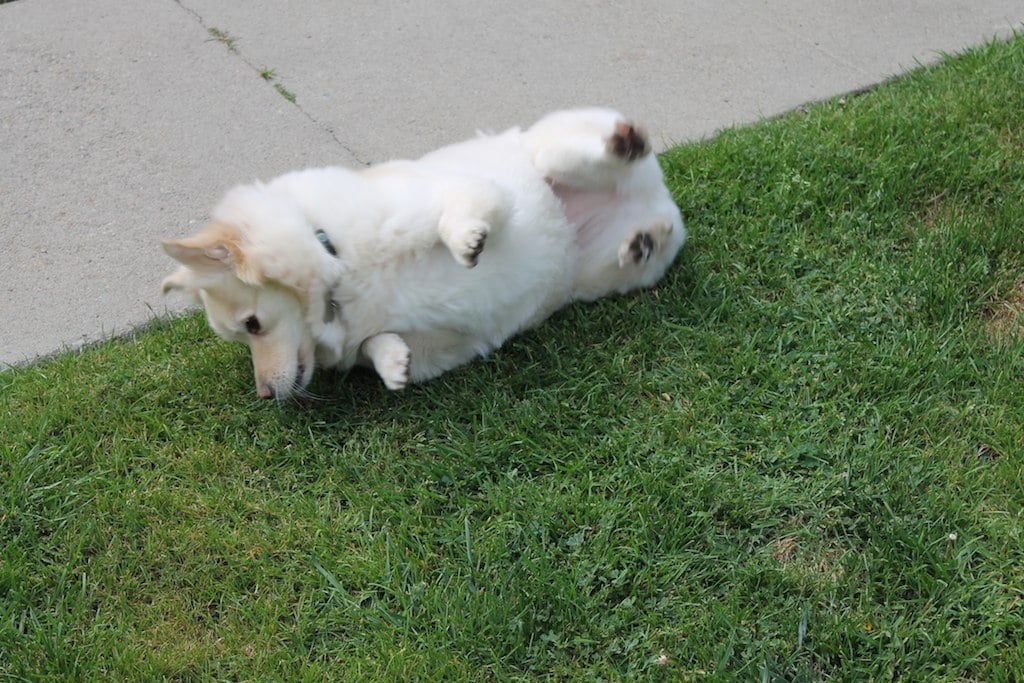
When in pain, some dogs have a very rigid and hunched stance while others assume the prayer posture. They may stay in a scrunched-up or tense position similar to how humans clutch their stomach, or start stretching their front paws out repeatedly in a doggie bow. This isn’t normal playful behavior – it’s a clear sign of discomfort.
Watch how your dog moves around the house. Are they walking more slowly than usual? Does your normally bouncy Jack Russell seem stiff and careful? Large breed dogs might move more cautiously to avoid jarring their painful stomach, while small dogs might hunch their backs or keep their bellies tucked up. These subtle changes in posture and movement are your dog’s way of protecting their sore tummy.
#3 Lethargy and Depression
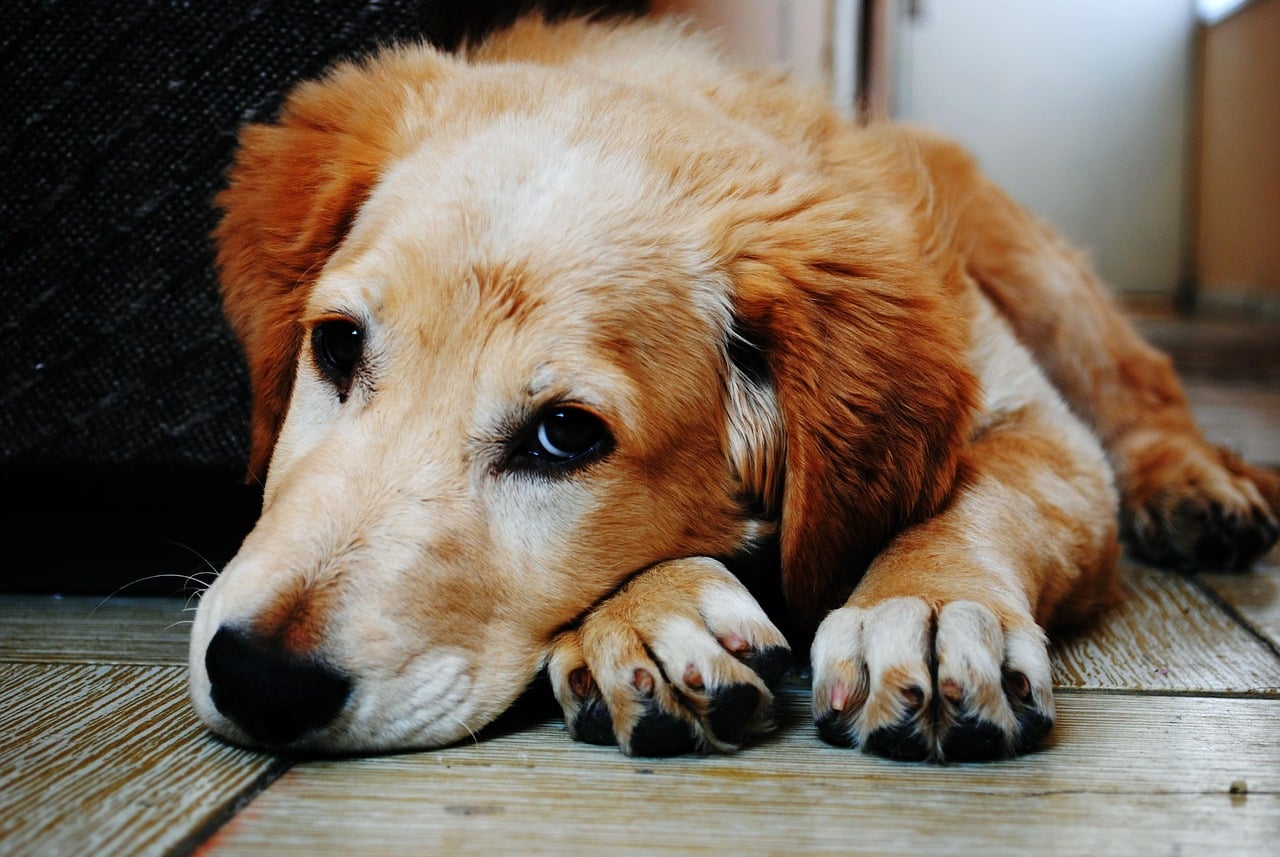
Other symptoms of an upset stomach in dogs include nausea, acid reflux, loss of appetite, and lethargy. A pup that suddenly seems extra tired and reluctant to play or go on walks could be dealing with an upset stomach, as not feeling well can be exhausting for dogs just like for us.
Your typically energetic border collie might refuse their morning walk, or your playful lab mix might just lie around all day. Depressed dogs may seem “checked out” or uninterested in their daily routine and may not respond when you call them. This behavioral change is particularly noticeable in high-energy breeds but can affect any dog when they’re not feeling well.
#2 Behavioral Changes and Aggression

A normally gentle dog may display aggressive behavior, or a typically outgoing pup may hide away from household activity, and unlike a painful belly, behavior changes can have many causes. Pain can make even the sweetest dog snappy or defensive. Pain can trigger aggression and behaviors such as growling, snapping, and even biting in dogs, and if you attempt to touch a dog experiencing extreme pain, there’s a good chance they will respond with aggression.
Your normally social golden retriever might hide under the bed, or your gentle giant mastiff might growl when you approach. Small dogs might become especially defensive since they feel more vulnerable when in pain. This isn’t your dog being “bad” – it’s a natural response to feeling unwell and wanting to protect themselves from anything that might make the pain worse.
#1 Excessive Licking and Self-Soothing

You may have heard the phrase “lick your wounds,” and that’s exactly what dogs do – if you see your dog constantly licking themselves, they may be trying to soothe pain. Dogs often bite at, gnaw on, or lick parts of their bodies that hurt, and dogs with arthritis may obsessively lick painful joints or limbs. When it comes to stomach pain, they might lick their belly area or paws.
You might notice your dog paying unusual attention to their stomach area, licking or even gently nibbling at their belly. Some dogs will lick their paws excessively when they feel nauseous – it’s a self-soothing behavior. Large breed dogs might be more obvious about this behavior, while smaller dogs might be more subtle, but both are trying to comfort themselves through repetitive licking motions.
When to Seek Veterinary Care
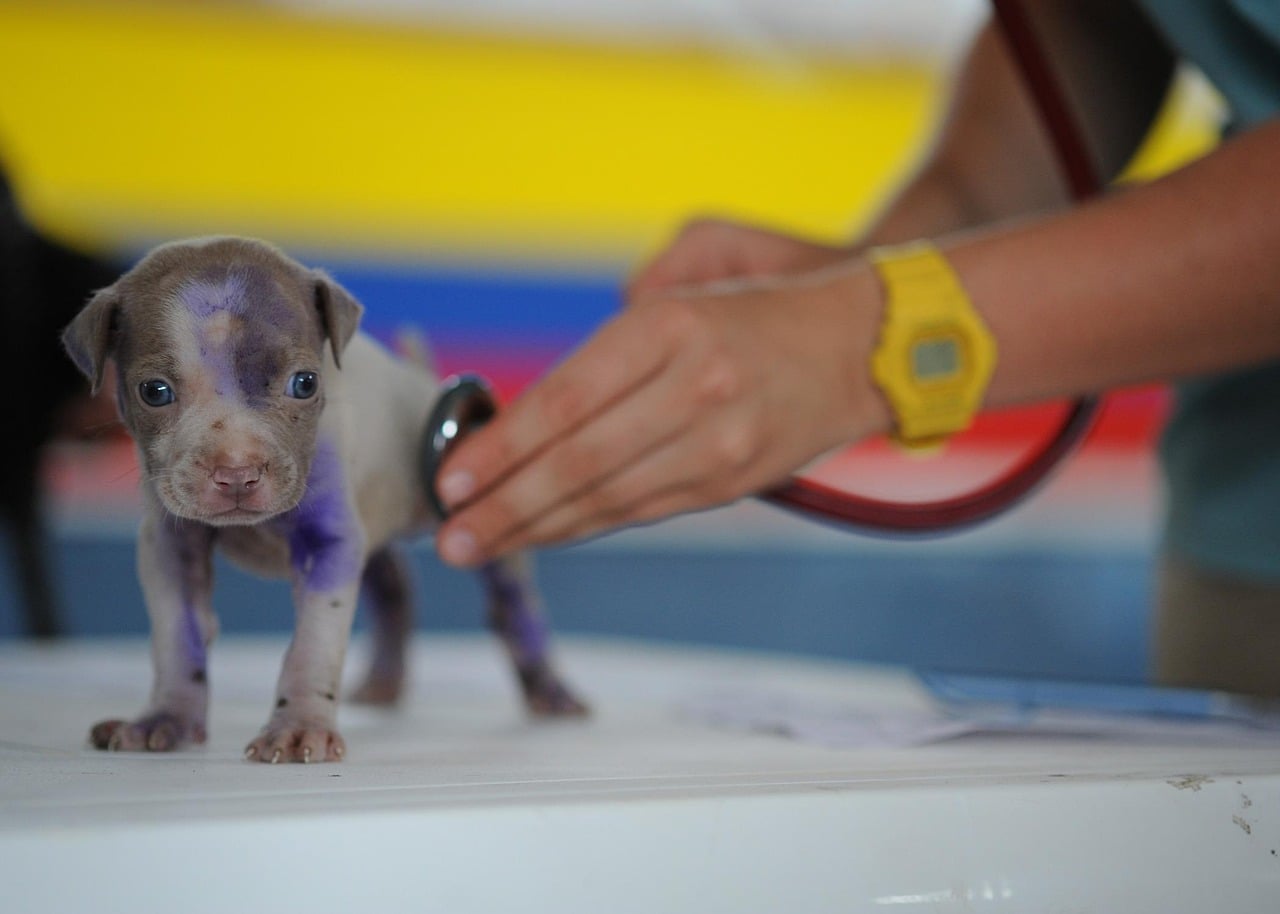
Several symptoms warrant a trip to the veterinarian, including if the dog stops eating or drinking, is depressed/lethargic, has frequent or persistent vomit or diarrhea lasting beyond 24 hours, blood in vomitus or diarrhea, or is known to have ingested a foreign object. Symptoms lasting longer than 24-48 hours require medical intervention by your vet, and if left untreated, some causes of upset stomach can be fatal.
Don’t wait if you notice multiple symptoms together or if your dog seems to be getting worse instead of better. If you have a puppy between 6 weeks and 6 months old showing severe signs of upset stomach, call your vet immediately, as parvovirus is a very serious and contagious condition that can be fatal for puppies. Trust your instincts – you know your dog better than anyone else.
Conclusion

Recognizing these ten signs of stomach ache in your dog can make all the difference between a minor digestive upset and a serious health emergency. From the telltale prayer position to changes in appetite and behavior, your dog is constantly communicating how they feel through their body language and actions. Whether you have a massive Newfoundland or a tiny Maltese, these signs remain consistent across all breeds and sizes.
Remember that dogs are masters at hiding discomfort, so even subtle changes shouldn’t be ignored. When in doubt, it’s always better to contact your veterinarian than to wait and see. Your vigilance and quick action could prevent a minor stomach ache from becoming something much more serious. After all, our four-legged family members depend on us to be their voice when they can’t tell us what’s wrong – and now you know exactly what to listen for.
Read: 13 Popular Dog Breeds Vets Secretly Wish You’d Stop Choosing
