

In the grand theater of evolution, nature has crafted some remarkable survivors. While humans pride themselves on intellectual superiority, numerous species have developed survival strategies that regularly outsmart our best efforts to control, contain, or comprehend them. These biological marvels demonstrate that intelligence manifests in diverse ways beyond human cognition. From regenerating lost body parts to manipulating other species, these creatures showcase survival adaptations that often leave scientists amazed and pest controllers frustrated. Let’s explore sixteen remarkable species whose evolutionary ingenuity continues to challenge human understanding and intervention.
12. Tardigrades The Nearly Indestructible Micro-Animals
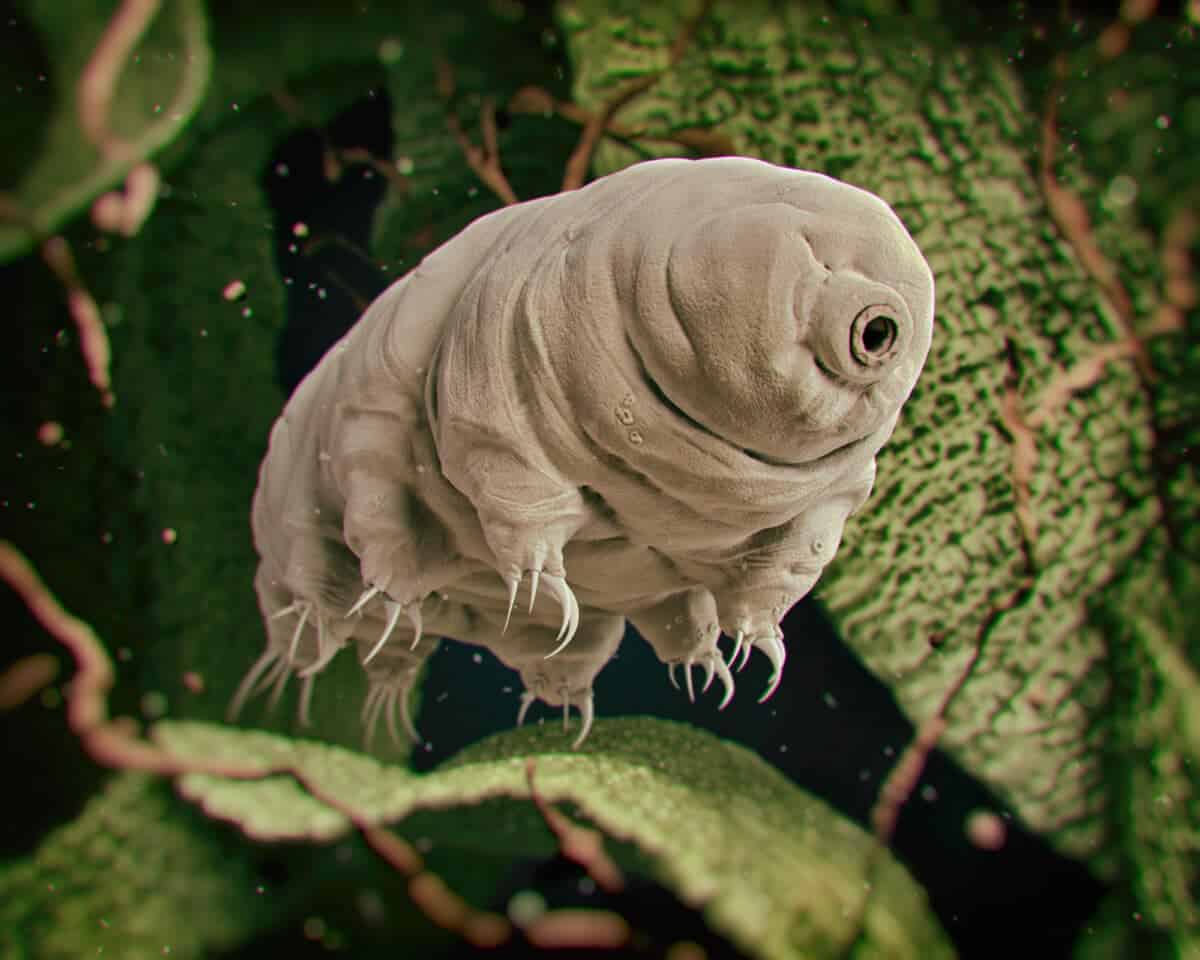
Tardigrades, commonly known as water bears, represent perhaps the ultimate survivors in Earth’s biological roster. These microscopic creatures can withstand environmental conditions that would instantly kill humans and most other life forms. They can survive temperatures from near absolute zero (-458°F/-272°C) to well above boiling (300°F/149°C), pressure six times greater than the ocean’s deepest trenches, radiation levels thousands of times higher than what would be lethal to humans, and complete dehydration for up to 30 years. Their secret lies in cryptobiosis—entering a state of suspended animation by replacing water in their cells with a special sugar called trehalose and producing protective proteins. When reintroduced to water, they simply rehydrate and continue life as normal. Remarkably, tardigrades have even survived in the vacuum of space during controlled experiments, making them the only animals known to withstand exposure to space without protection.
11. Cockroaches Masters of Adaptation and Resistance
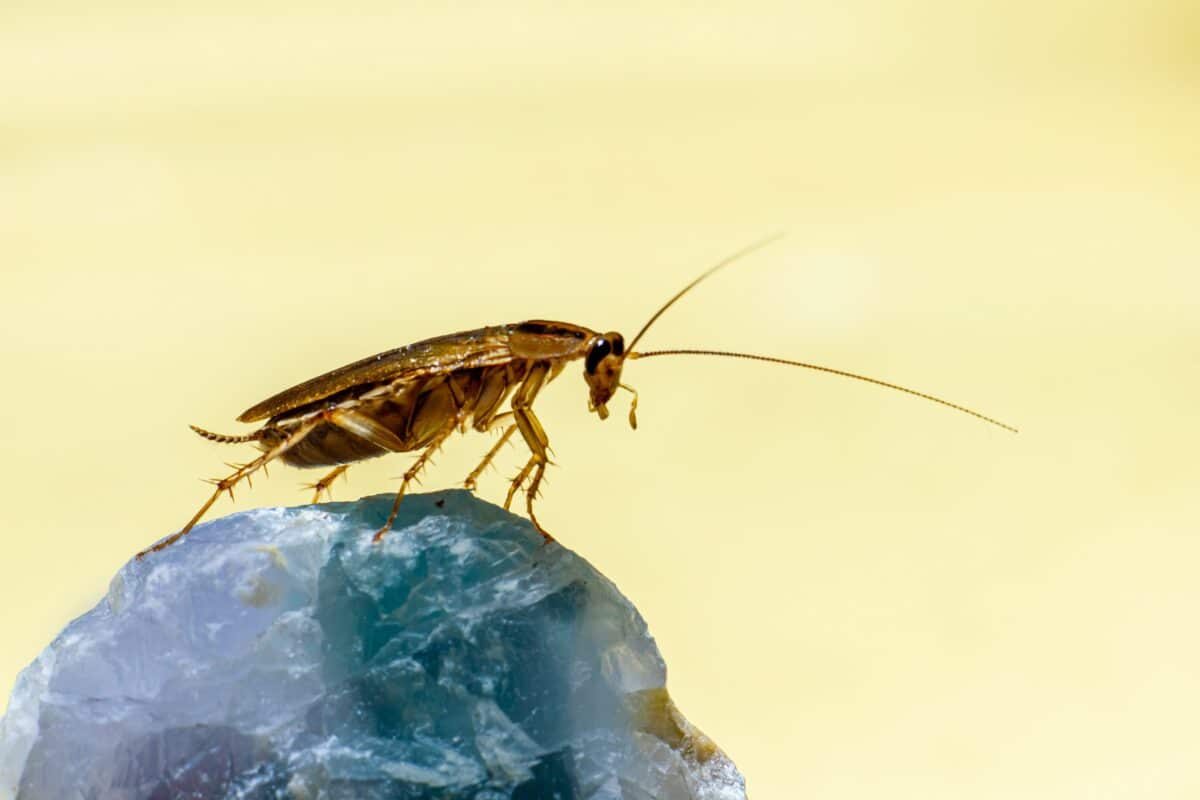
Cockroaches have earned their reputation as the ultimate pest survivors through remarkable adaptations that consistently frustrate human extermination efforts. These insects can survive without food for a month, subsist on minuscule crumbs, live without their heads for weeks (until they die from dehydration, not decapitation), hold their breath for 40 minutes, and withstand radiation levels significantly higher than humans. Perhaps most concerningly, they’ve developed genetic adaptations that render many pesticides ineffective through a process called cross-resistance. German cockroaches, one of the most common household species, have evolved to find glucose-laced poisons bitter rather than sweet, causing them to avoid these baits entirely. Their flattened bodies allow them to squeeze through cracks as thin as a dime, and their remarkable speed—up to 3.4 miles per hour relative to their size—would equal a human running nearly 210 mph. These adaptations explain why cockroaches have remained essentially unchanged for over 300 million years and will likely continue to thrive alongside humans despite our best eradication efforts.
10. Naked Mole Rats Cancer-Resistant Social Mammals
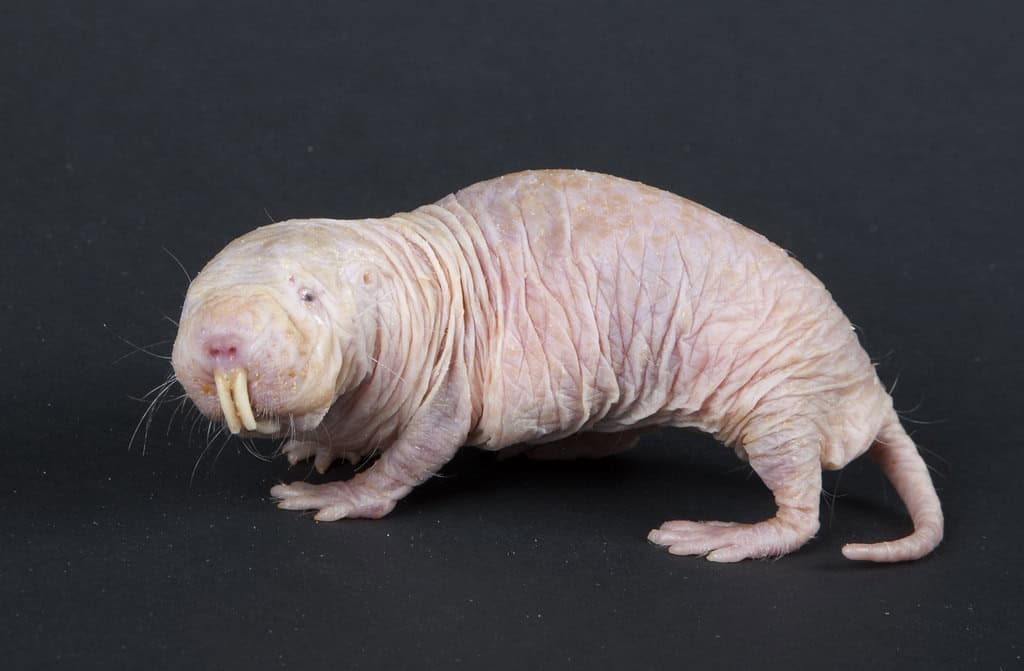
The naked mole rat defies numerous biological rules that constrain other mammals, including humans. These wrinkled, hairless rodents live up to 32 years—nearly ten times longer than similar-sized rodents—and remain fertile throughout their entire lifespan. Most remarkably, they appear almost completely resistant to cancer, a feat scientists attribute to a unique substance called high-molecular-mass hyaluronan that prevents cells from overcrowding and turning cancerous. These subterranean creatures can survive in extremely low-oxygen environments that would cause brain damage in humans within minutes. They accomplish this through a metabolic switch that allows them to use fructose instead of glucose when oxygen is scarce—similar to how plants produce energy. Their social structure mirrors that of insects rather than mammals, living in eusocial colonies with a single breeding queen and worker castes. Their pain insensitivity to certain stimuli, including acid and capsaicin (the chemical that makes peppers spicy), stems from adaptations to their crowded underground environments. These extraordinary adaptations have made naked mole rats crucial research subjects for scientists studying cancer prevention and longevity.
9. Axolotls The Regeneration Champions

The axolotl, a salamander native to Mexico, possesses regenerative abilities that far surpass human healing capabilities and continue to baffle scientists. These aquatic amphibians can regrow entire limbs, parts of their brain, heart, and other vital organs without scarring or loss of function. When an axolotl loses a limb, a mass of cells called a blastema forms at the injury site, and through complex cellular processes, it develops into a fully functional replacement limb with bones, muscles, nerves, and blood vessels. Remarkably, they can regenerate the same structures multiple times without diminished quality. Their exceptional regenerative capacity extends to their spinal cord, which they can repair even after severe damage—a feat impossible for humans experiencing similar injuries. Axolotls also exhibit neoteny, retaining juvenile features throughout adulthood, including external gills and aquatic lifestyle. Scientists study axolotl genetics and cellular mechanisms intensively, hoping to unlock regenerative medicine applications for human conditions. Unfortunately, despite their biological resilience, axolotls are critically endangered in the wild, primarily due to habitat destruction, pollution, and the introduction of predatory fish in their native Mexican lakes.
8. Octopuses Problem-Solving Cephalopods
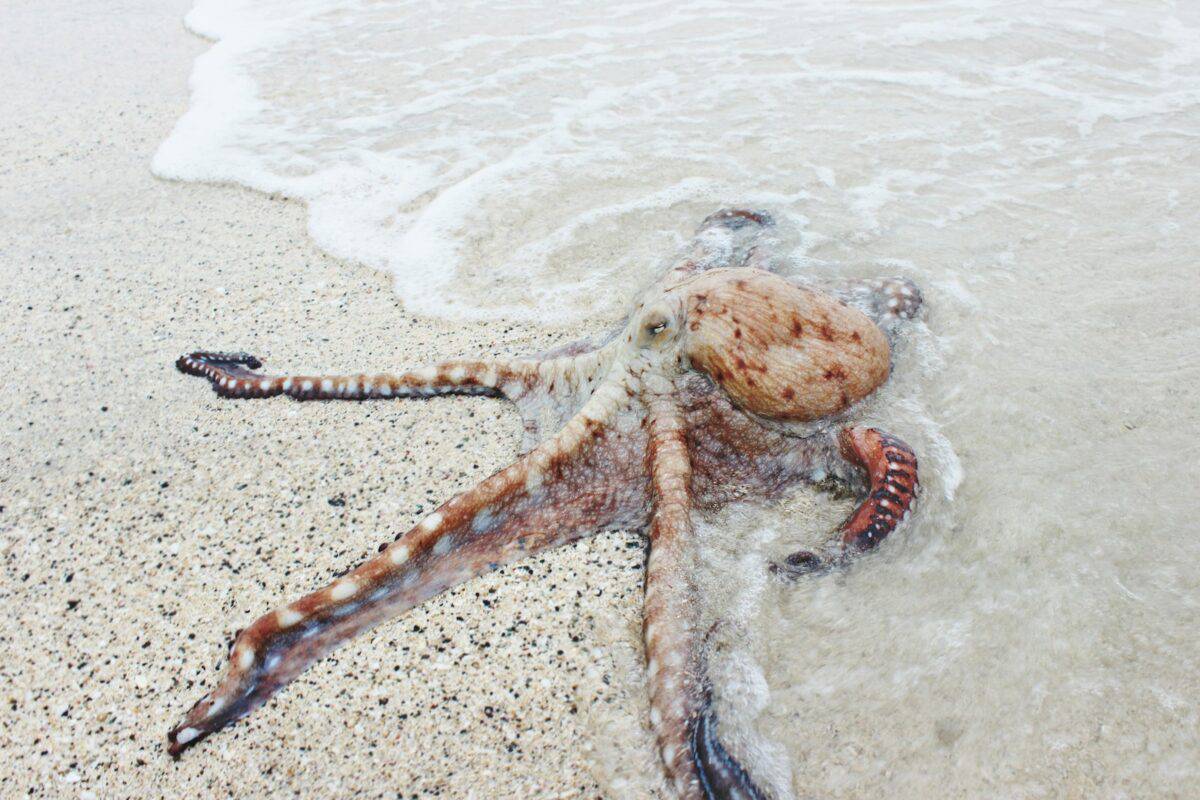
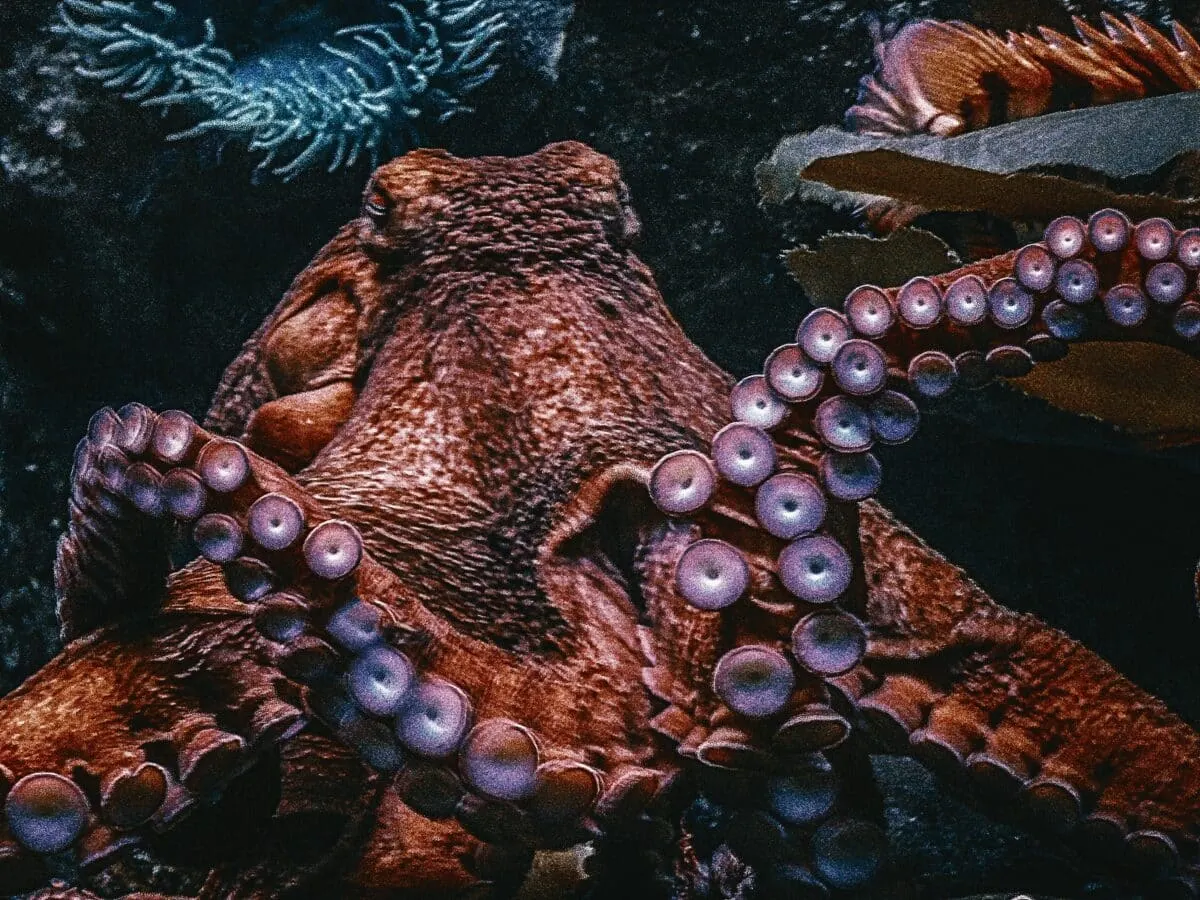
Octopuses represent perhaps the closest thing to alien intelligence on Earth, with problem-solving abilities and adaptability that regularly confound human observers. Their distributed nervous system includes nine brains—a central brain and mini-brains in each arm that can function semi-independently—containing approximately 500 million neurons. This neural architecture allows octopuses to solve complex puzzles, navigate mazes, use tools, and even escape from secured tanks by unscrewing lids, squeezing through tiny openings, or dismantling equipment. Their shape-shifting capabilities are equally impressive; they can compress their boneless bodies through spaces as small as a quarter while retaining cognitive function. Octopuses possess sophisticated camouflage abilities, changing color, texture, and shape in milliseconds to match their surroundings through specialized skin cells called chromatophores, papillae, and iridophores. They can even mimic other sea creatures to avoid predators or ambush prey. Despite diverging from humans evolutionarily over 500 million years ago, octopuses demonstrate convergent evolution in intelligence, suggesting that advanced cognition can evolve through entirely different neural architectures. Their ability to learn through observation, recognize individual humans, and solve problems through trial and error often surpasses many vertebrates, making them among the most intellectually sophisticated invertebrates on the planet.
7. Bedbugs Chemical-Resistant Nocturnal Feeders
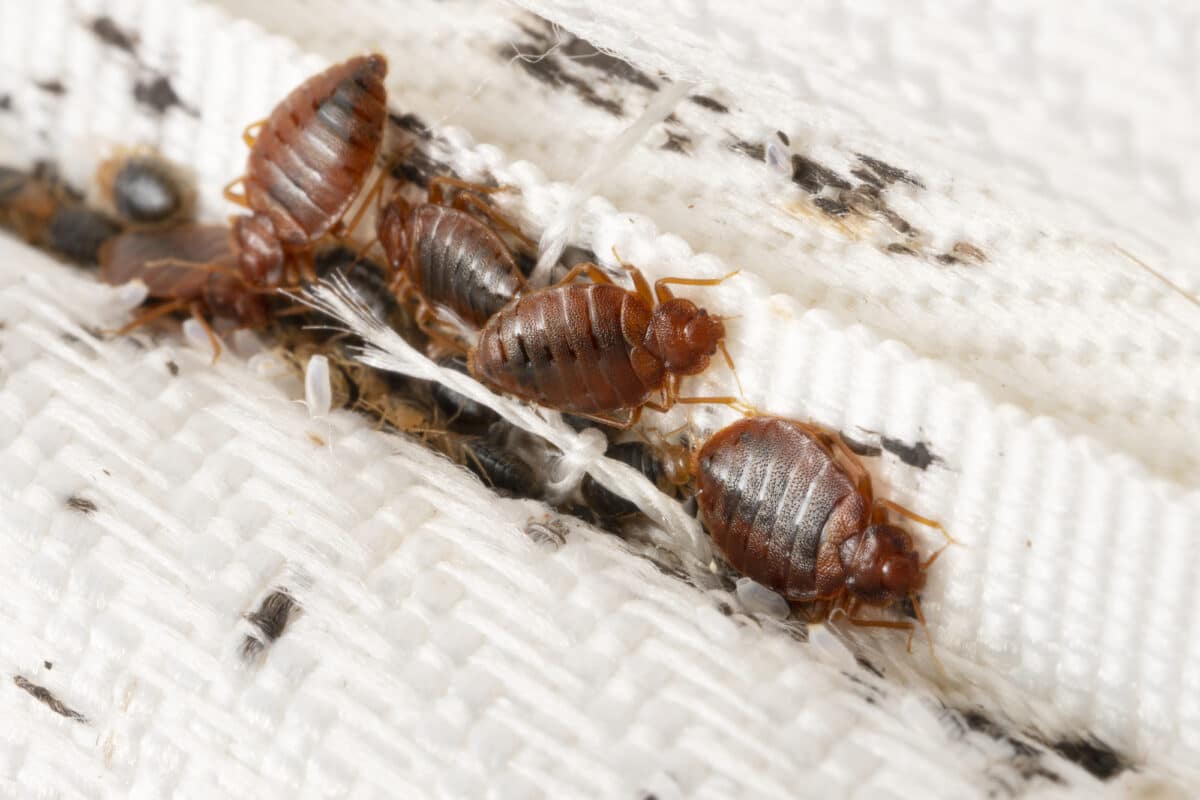
Bedbugs have mastered the art of thriving alongside humans despite our concentrated efforts to eliminate them, demonstrating remarkable adaptation to modern pest control strategies. These nocturnal parasites have developed resistance to nearly all commonly used insecticides through various genetic mutations, including enhanced production of detoxifying enzymes, thickened cuticles that reduce insecticide absorption, and altered nervous system receptors that prevent neurotoxic insecticides from functioning. Their reproductive efficiency compounds these challenges; a single female can lay 200-500 eggs in her lifetime, and populations can double every 16 days under ideal conditions. Bedbugs can survive without feeding for up to a year in dormant states, allowing them to persist through periods when homes are vacant or treated. Their flattened bodies enable them to hide in cracks as thin as a credit card, including furniture joints, electrical outlets, and behind wallpaper. Perhaps most cunningly, bedbugs have evolved a sophisticated chemical sensing system that allows them to detect human presence through CO₂ and body heat from up to 3 feet away while remaining virtually undetectable until feeding has already occurred. Their saliva contains anesthetic compounds that prevent humans from feeling their bites until after feeding is complete. This combination of chemical resistance, reproductive efficiency, and stealth feeding makes bedbugs one of the most persistent and challenging urban pests despite centuries of human eradication efforts.
6. Rats Urban Adaptation Specialists

Rats represent some of humanity’s most successful competitors, having evolved alongside human settlements for millennia while consistently outsmarting our attempts to control them. These rodents demonstrate remarkable neophobia—suspicion of new objects—which helps them avoid traps and poisoned baits. When new control measures are introduced, rats will often watch other members of their colony interact with these items before approaching themselves, effectively using sacrificial members to test for danger. Biologically, rats have evolved to thrive in human-modified environments, with some populations developing genetic resistance to common rodenticides through mutations affecting blood clotting. Their physical capabilities are equally impressive; they can squeeze through holes as small as a quarter, jump up to 3 feet vertically, fall from heights of 50 feet without injury, and swim for up to three days continuously. Rats also demonstrate exceptional reproductive capacity, with females able to produce up to 12 litters annually, each containing 5-10 pups, leading to exponential population growth when resources are abundant. Cognitively, rats possess remarkable spatial memory, allowing them to create detailed mental maps of their territories and quickly identify the safest pathways. This combination of cautious behavior, physical adaptability, reproductive efficiency, and cognitive capabilities explains why rats continue to thrive in urban environments despite extensive human eradication efforts spanning centuries.
5. Crows and Ravens Avian Intellectuals

Corvids—particularly crows and ravens—display cognitive abilities that rival primates despite their dramatically different brain structure, demonstrating a remarkable case of convergent evolution in intelligence. These birds manufacture and use complex tools, solving multi-step problems that would challenge many primates. New Caledonian crows craft specialized hooks from materials to extract insects from logs, refining these tools through generations in what appears to be a form of cultural transmission. Their problem-solving abilities include understanding water displacement to raise floating food items, dropping nuts onto traffic intersections to crack them open, and using passing cars as nutcrackers while waiting for traffic lights to change before safely retrieving their food. Corvids demonstrate exceptional social intelligence, recognizing individual human faces for years and distinguishing between threatening and non-threatening people. They communicate this information to other crows across generations, creating lasting “cultural memories” of dangerous humans within crow communities. These birds understand cause-and-effect relationships at a level previously thought unique to humans and great apes. They engage in complex play behavior, sliding down snowy roofs repeatedly for apparent enjoyment, and have demonstrated self-awareness in mirror tests—a cognitive achievement few animals accomplish. Their ability to plan for the future, cache food in dozens of locations and remember these spots weeks later, and adapt to human-dominated landscapes showcases intelligence that frequently outmaneuvers human attempts to control or understand their behavior.
4. Slime Molds Intelligence Without Brains

Slime molds challenge our understanding of intelligence by demonstrating sophisticated problem-solving abilities despite completely lacking a brain or nervous system. These peculiar organisms exist between the fungal and protist kingdoms and can solve complex spatial problems with startling efficiency. When presented with food sources scattered across an area, the slime mold Physarum polycephalum will extend its body to create networks connecting these resources that often mirror optimal human-engineered solutions. In experiments replicating the Tokyo rail system, slime molds created networks nearly identical to those designed by human engineers but achieved this feat in hours rather than years. They demonstrate a form of memory despite lacking a neural system, avoiding areas previously explored that contained no resources—essentially remembering where they’ve been. When exposed to periodic unfavorable conditions, slime molds can anticipate and prepare for these cycles, suggesting a primitive form of learning. They can navigate mazes to find the shortest path to food sources and solve the “traveling salesman problem” (finding the shortest possible route between multiple points) more efficiently than many algorithms. Scientists have even used slime molds to control robots and solve computational problems. Their decision-making occurs through the distribution of chemical signals and mechanical pressure waves throughout their single-celled but multinucleated body. These remarkable abilities demonstrate that intelligence can emerge from entirely different biological systems than those found in animals, challenging human-centric definitions of cognition.
3. Mosquitoes Evolutionary Arms Race Champions

Mosquitoes have engaged in an evolutionary arms race with humans for millennia, consistently developing countermeasures to our most sophisticated control strategies. These insects have evolved resistance to nearly every insecticide class through mechanisms including target-site insensitivity, metabolic detoxification, and behavioral avoidance. Some mosquito populations can develop resistance to new chemicals within as few as 50 generations, or roughly two years. Their sensory adaptations allow them to detect human presence with remarkable precision, identifying carbon dioxide from human breath at distances up to 50 meters and detecting body heat, lactic acid, and other chemical signatures that signal a potential blood meal. Female Aedes mosquitoes, vectors for diseases like Zika and dengue, have adapted to human environments by preferentially laying eggs in small, artificial water containers and developing eggs that can withstand desiccation for months until conditions become favorable. Their feeding behavior has evolved to minimize detection, with some species developing specialized mouthparts and saliva containing anticoagulants and vasodilators that allow for nearly painless feeding until after the mosquito has departed. Perhaps most concerning is their rapid evolutionary adaptation to climate change, with disease-carrying species expanding their ranges into previously inhospitable regions. Mosquitoes’ genetic diversity and short generation times allow them to quickly adapt to selection pressures, making them among the most successful organisms at countering human control efforts despite being responsible for more human deaths throughout history than any other animal.
2. Bacteria Microscopic Resistance Developers

Bacteria demonstrate perhaps the most dramatic example of evolutionary adaptation outpacing human ingenuity through their rapid development of antibiotic resistance. These single-celled organisms can share genetic material horizontally through processes like conjugation, transformation, and transduction, allowing beneficial mutations to spread through populations and even across species—a capability humans lack. When exposed to antibiotics, bacteria employ numerous defense mechanisms: some produce enzymes that neutralize antibiotics, others modify their cell walls to prevent antibiotic penetration, and some develop efflux pumps that actively expel antibiotics before they can cause harm. Their extremely short generation times—some bacteria replicate every 20 minutes—allow for rapid evolution under selective pressure. This explains why resistance to penicillin appeared within just years of its introduction, and why many modern “superbugs” now resist nearly all available antibiotics. Some bacteria form protective biofilms—complex communities encased in protective matrices—that can be up to 1,000 times more resistant to antibiotics than free-floating cells. Particularly concerning are persister cells, which enter a dormant state during antibiotic treatment, then resume growth once treatment ends. Bacteria have even developed the ability to communicate through quorum sensing, coordinating group behaviors such as virulence factor production only when their population reaches sufficient density to overcome host defenses. Despite our most sophisticated medical technology and understanding of microbiology, bacterial adaptation continues to outpace human pharmaceutical development, creating a global health crisis as previously treatable infections become increasingly dangerous.
1. Fungi Resilient Decomposers and Invaders

Fungi possess remarkable survival strategies that frequently circumvent human control efforts across medical, agricultural, and structural domains. In medical settings, pathogenic fungi like Candida auris demonstrate alarming adaptability, having independently evolved resistance to multiple antifungal drug classes across different global regions simultaneously. Many fungi can alternate between yeast and filamentous forms, allowing them to adapt to different environments and escape immune detection. Their cell walls contain unique compounds like chitin and glucans that resist many antimicrobial treatments. In agriculture, crop pathogens such as wheat rust continuously evolve to overcome resistant plant varieties, with some fungal plant diseases capable of producing over 100,000 genetic variations annually through recombination. Fungi like Ophiocordyceps unilateralis display sophisticated host manipulation, altering ant behavior to climb vegetation and clamp onto leaves at precise heights with optimal temperature and humidity for fungal reproduction before killing their host. In buildings, dry rot fungi (Serpula lacrymans) can transport water through specialized structures called rhizomorphs, creating their own moisture in otherwise dry environments to continue decomposing wooden structures. Some fungi produce thousands of microscopic spores that remain viable for decades under adverse conditions, germinating only when favorable conditions return. Underground, mycorrhizal networks connect trees and plants through fungal filaments, allowing for resource sharing and communication that can determine forest succession patterns despite human management efforts. These capabilities demonstrate fungi’s evolutionary sophistication and remarkable ability to adapt to human interventions across multiple domains.
Conclusion:

While humans often view intelligence through the narrow lens of abstract reasoning and technological innovation, the natural world offers a broader, more humbling perspective. The species highlighted in this list—from microscopic tardigrades to brainless slime molds—demonstrate that survival intelligence can take many forms. Whether it’s resisting poisons, regenerating lost limbs, anticipating environmental changes, or solving complex problems, these organisms have evolved mechanisms that frequently outpace human efforts to control or replicate them. Their continued success challenges the assumption that humans sit unchallenged at the pinnacle of evolution.

As a little kid, I fell in love with nature, wildlife, and animals. Living in the USA, South Africa, Italy, China and Germany gave me the opportunity to discover the world's Wildlife. My favorite animals are Mountain Gorillas, Siberian Tigers, and Great White Sharks.
I'm a certified PADI Open Water Diver, went to Everest Base Camp and Trekked Gorillas in Uganda. I hold a Master of Science in Economics and Finance.
Please send any feedback to feedback@animalsaroundtheglobe.com
- The Best Ways to Introduce New Fish to an Existing Aquarium - July 30, 2026
- 10 Creatures With the Strongest Jaws on Earth - July 30, 2026
- 14 Animals Endangered in the U.S. And Whats Being Done - July 30, 2026