
Picture a veterinarian who has practiced for twenty years, seen thousands of patients, and can still tell you the last time a Dalmatian walked through her door. That’s not a flex. It’s a warning sign about how fast “common” dogs can quietly vanish from everyday life.
Most people assume the mutts and purebreds from their childhood are still filling waiting rooms everywhere. Vets say otherwise, and what they describe is stranger than nostalgia. Some of these dogs haven’t disappeared because they’re unhealthy or unlovable. They disappeared because trends, grooming demands, and social media rewired what an “everyday dog” even looks like. Here’s what’s actually happening behind the exam room door.
#16 – Dalmatian
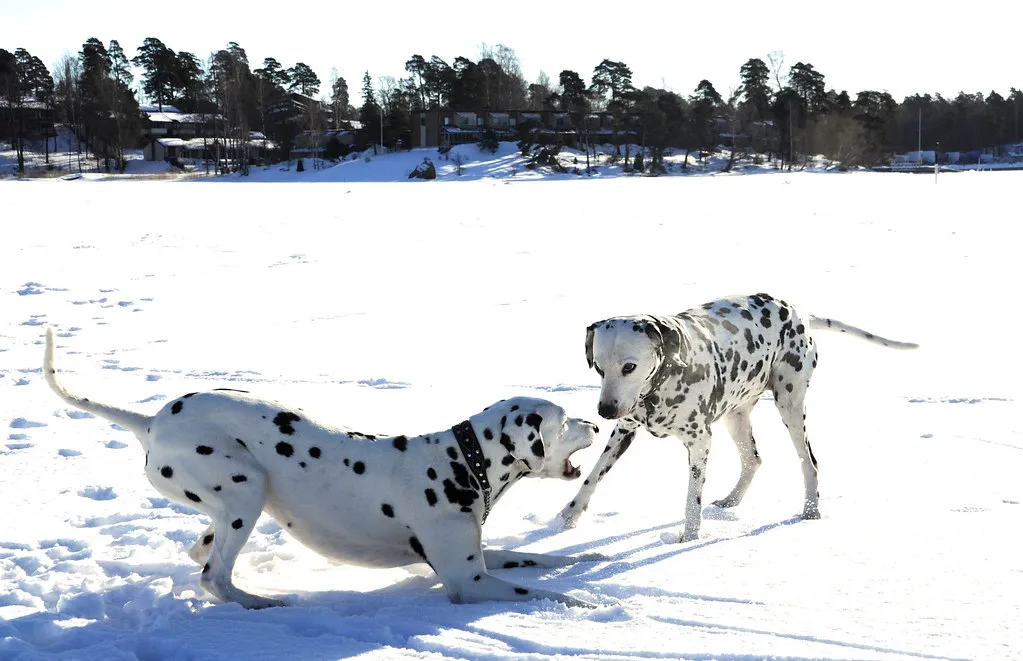
Ask any vet over 50 and they’ll tell you: Dalmatians used to be everywhere after the “101 Dalmatians” explosion. Today, many younger vets say they might see one Dalmatian every few years, if that.
The drop makes sense once you know the breed. Intense energy, a tendency toward deafness, and a real risk of urinary stones scared off casual owners who wanted a spotted couch potato, not an athlete. Dalmatians never became the easy urban pet doodles and Frenchies did, and as breeders shrank their programs to match shrinking demand, clinics noticed the waiting room seats that dog used to fill just stopped getting filled.
Fast Facts
- Congenital sensorineural deafness – a type of deafness present at birth – is reported in up to 30% of Dalmatians worldwide.
- The Dalmatian is the breed with the highest reported prevalence of CSD being as high as 30% in the United States, split between one-ear and two-ear cases.
- On the upside, generally hardy and healthy, they have a good lifespan of 11-13 years and often live into their late teens.
- Reputable Dalmatian breeders perform hearing tests on puppies, known as BAER tests, to identify hearing ability early.
#15 – Old English Sheepdog
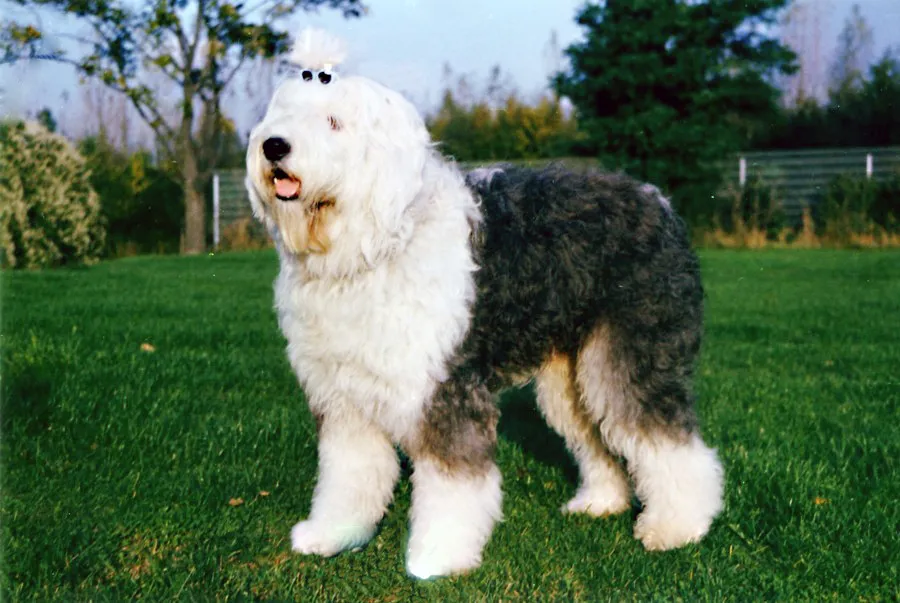
That shaggy, cartoonish Old English Sheepdog used to be visual shorthand for “family dog” in commercials. Now, vets in busy suburban practices admit they can’t remember the last time they saw one under 10 years old.
The grooming alone is brutal. This is a coat that mats if you glance at it wrong, and most modern families don’t have the time, patience, or budget for that kind of upkeep. Add in hip dysplasia and eye issues, and even backyard breeders eventually bailed because the work-to-reward ratio stopped making sense. Clinics that used to see a couple a month now might see one aging survivor in an entire year.
#14 – Cocker Spaniel (American)
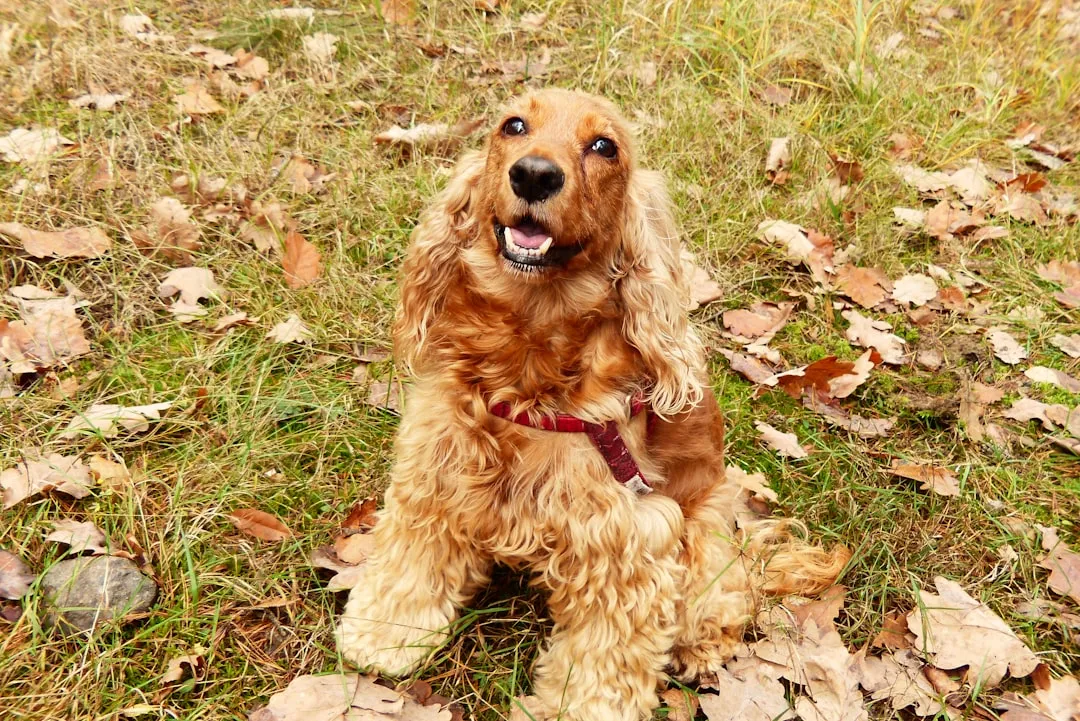
In the 1980s and ’90s, American Cocker Spaniels were one of the most commonly treated purebreds in small animal practice. Ear infections, eye issues, skin allergies – an entire generation of vets learned their craft on Cockers.
Today, many clinics go long stretches with zero new Cocker puppies on the books. The teacup and doodle boom stole their spot as the default small family dog, and overbreeding for looks left the Cocker with a rough reputation for temperament that families were eager to avoid. Responsible breeders still exist, but they’re producing far fewer litters, which means entire graduating classes of new vets have barely handled one.
#13 – Collie (Rough and Smooth)
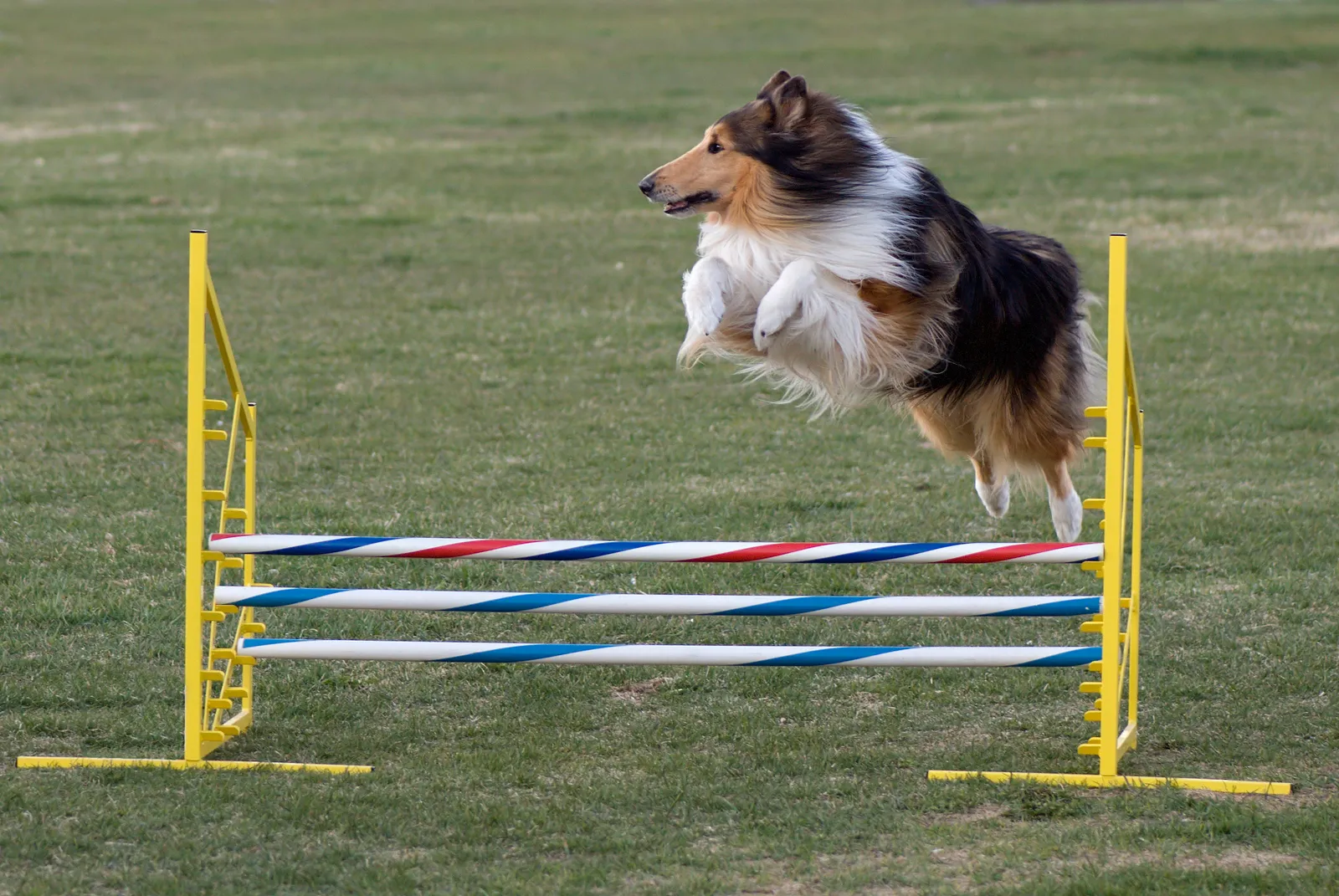
“Lassie” made Collies a cultural icon, but in real clinics today, many vets say they see more Collie mixes through rescue than purebred Rough or Smooth Collies. The signature long coat is an instant deal-breaker for owners already drowning in shedding season.
Add herding intensity, sensitivity to certain medications like ivermectin, and a total absence from social media’s spotlight, and the mass market simply drifted elsewhere. In many suburban practices, a Collie puppy exam has become a genuine event – vets will call teammates from the back just to come see one, because it’s that rare.
#12 – English Setter
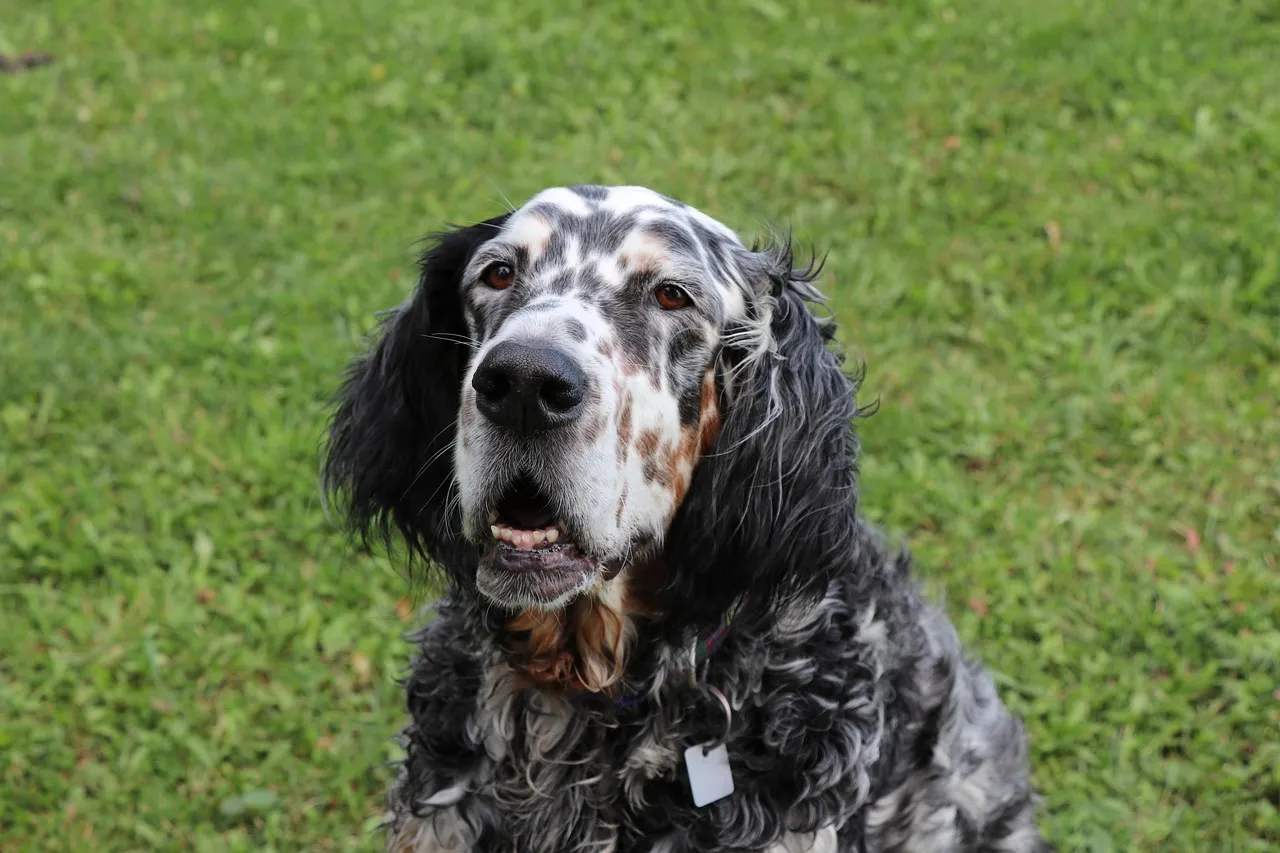
English Setters were once the gentleman’s bird dog: elegant, athletic, and built for rural, hunting-heavy life. Now, in plenty of urban and suburban clinics, vets say they might not treat a single one for years at a stretch.
The decline of traditional bird hunting and the rise of apartment living stripped this breed of its natural audience. Hunters who once picked Setters now favor Labs, German Shorthairs, or doodle mixes that can hunt on the weekend and nap on the couch all week. What’s left of the English Setter world lives in tight-knit breeder circles that simply don’t produce many puppies.
#11 – Cardigan Welsh Corgi
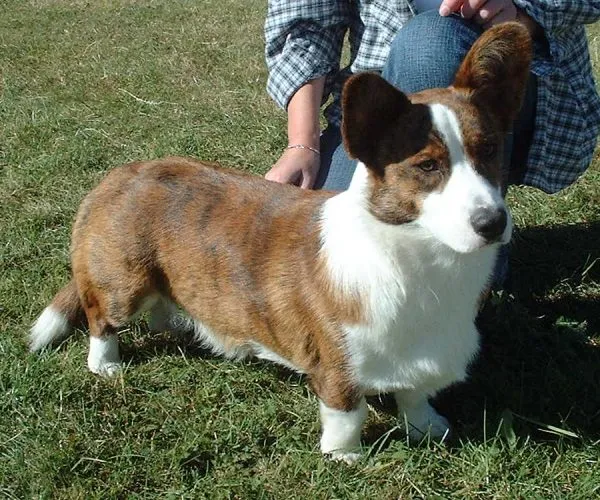
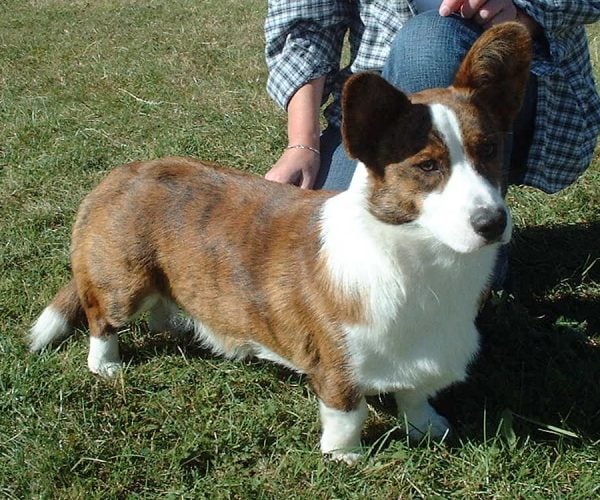
Everyone online thinks corgis are everywhere, but vets know a quiet twist: almost all of those corgis are Pembrokes. Cardigans – longer tails, bigger frames, a completely different temperament – are a separate and much rarer breed, and in many general practices a true Cardigan might not appear for years at a time.
Social media skewed the whole equation. The Queen’s famous dogs were Pembrokes, and influencers pushed the tail-less, foxier look until it became the only “corgi” most people recognize. Cardigan breeders stayed small and focused on health over virality, so it’s not unusual for younger vet techs to say they’ve only ever seen one at a dog show, never on an exam table.
Quick Compare
- Tail: Cardigans keep a long, foxlike tail; Pembrokes are known for a naturally bobbed or docked tail.
- Build: Cardigans run longer and heavier-boned; Pembrokes are lighter and more compact.
- History: Cardigans are the older of the two corgi breeds, developed independently in Wales for cattle herding.
- Visibility: Pembrokes dominate social feeds and litter registrations; Cardigans remain a true specialty breed.
#10 – Afghan Hound
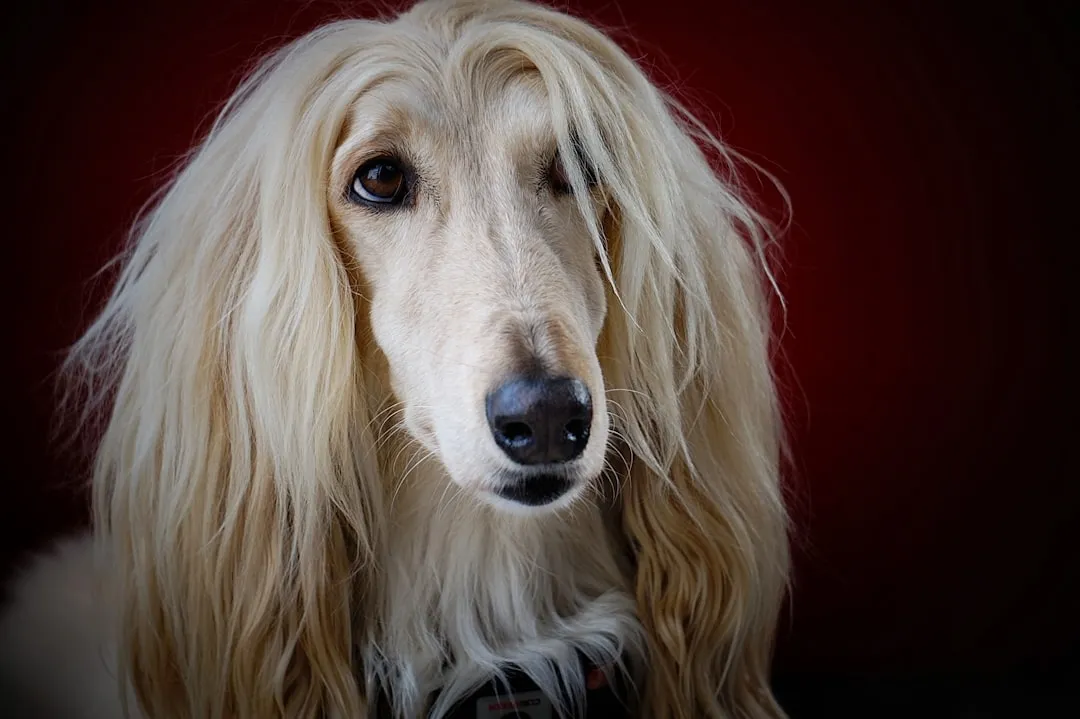
Afghan Hounds are the runway models of the dog world – dramatic, aloof, and borderline impossible to maintain for a busy modern household. That silky coat demands daily brushing and expert grooming as a non-negotiable, which quietly removes the breed from the “normal pet owner” pool entirely.
There’s also a personality mismatch that catches people off guard. Afghans can be independent and cat-like, which shocks anyone expecting a velcro Lab, and once that reality set in, demand collapsed along with it. Some younger vets now only encounter this breed in textbook photos, not on their actual patient list – so when one does show up, it’s a clinic-wide event.
#9 – Irish Wolfhound
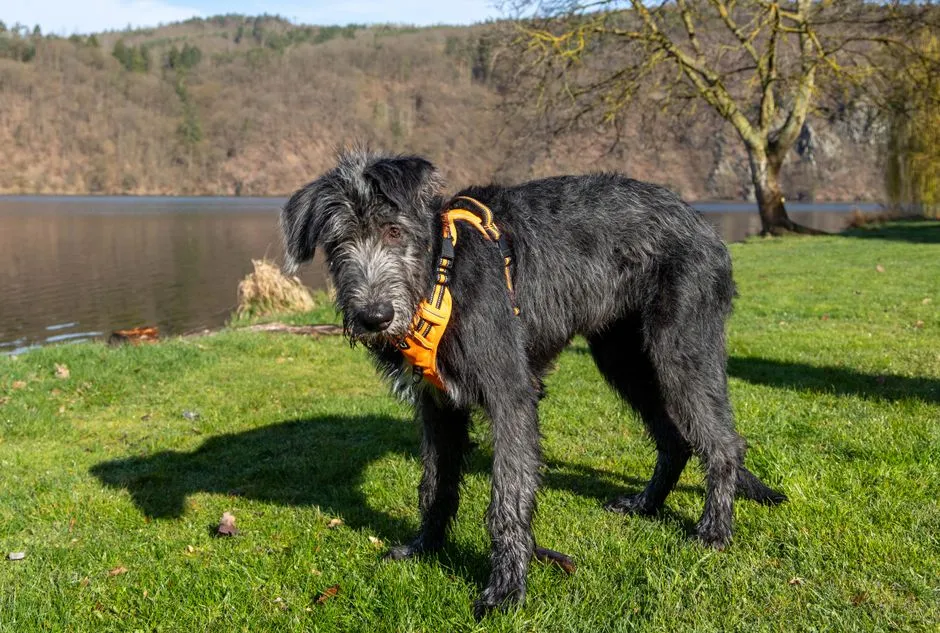
Irish Wolfhounds were once the ultimate “wow” dog – towering, gentle giants that stopped foot traffic on the street. Yet most vets today say they see far more Great Danes and giant doodles than actual Wolfhounds.
Giant breeds already carry short lifespans and steep medical bills, and combined with a tiny, careful breeder base, that means very few Wolfhound puppies ever randomly land in an ordinary suburban home. Bloat, orthopedic problems, and heart disease make ownership a serious emotional and financial bet, and families who might have chosen a Wolfhound decades ago now go for a giant breed that’s marketed harder and easier to find.
#8 – Brittany (Brittany Spaniel)
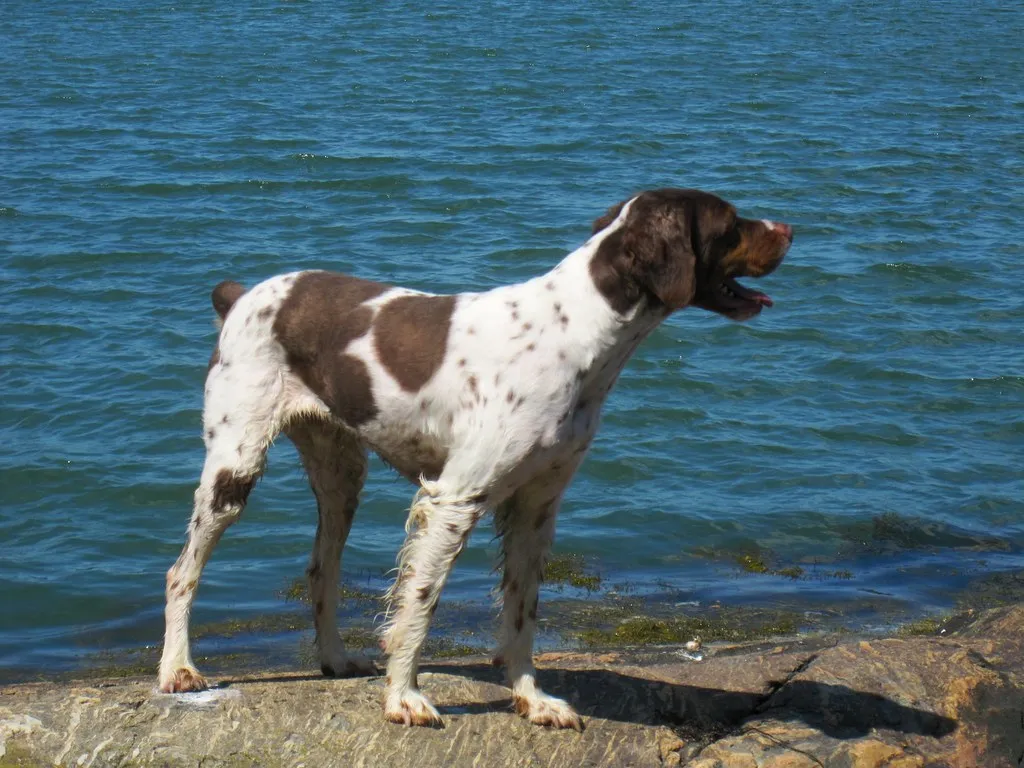
Brittanys used to be the go-to bird dog across rural North America, before “family Labs” swallowed the entire hunting-dog category. Compact, energetic, and brilliant in the field, they’re the kind of dog built for people who don’t exist as much anymore – families with all-day outdoor lives.
Many city and suburban vets say they rarely, if ever, see a Brittany puppy, and when they do, it’s almost always from a multi-generation hunting family, not a first-time buyer. As hunting weekends turned into soccer tournaments and screen time, demand for an intense, all-day working dog simply shrank, and without a designer-cross gimmick to save it, the breed slipped quietly under the radar.
#7 – Chow Chow
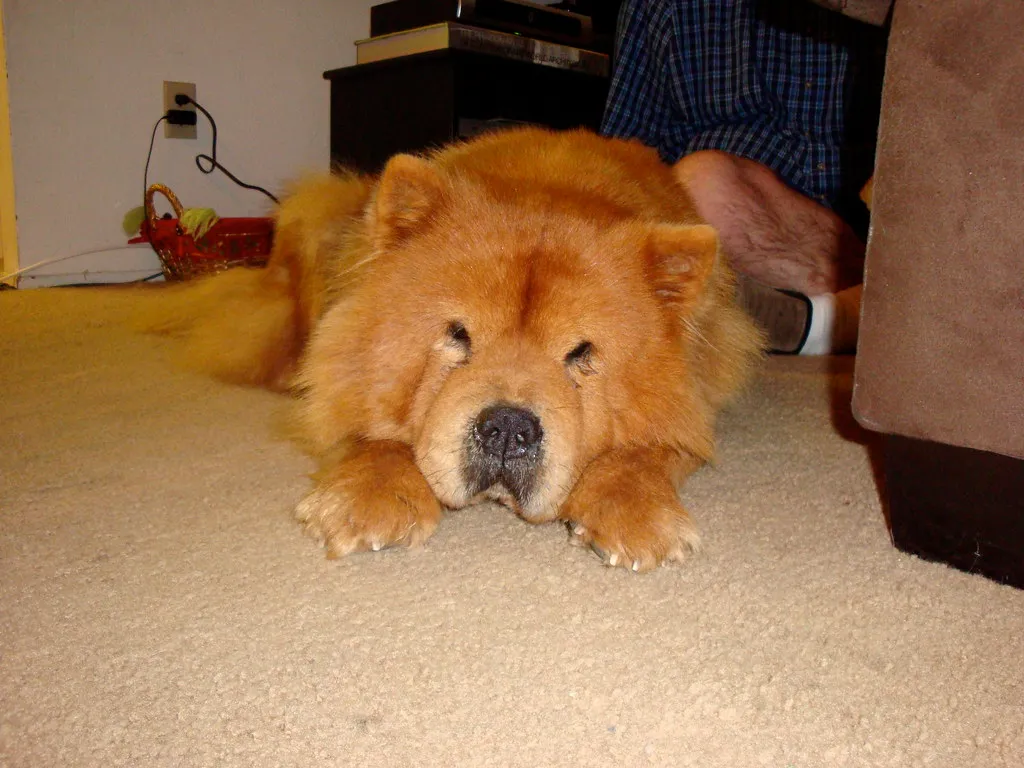
Chow Chows were a suburban status symbol in the 1980s and ’90s – lion-mane fluff, a blue tongue, and a reputation for being wonderfully different. Today, plenty of vets report long stretches with zero Chows on the schedule, especially in newer neighborhoods.
The reason is blunt: they’re not beginner-friendly. Aloof, occasionally reactive, and easy for a first-timer to mishandle, Chows earned a reputation for tense vet and groomer visits that stuck hard and never really faded. Insurance companies, landlords, and even some HOAs quietly lumped them in with restricted breed lists, and once that happened, mass-market breeders largely moved on – leaving new grad vets to hear “spicy Chow appointment” stories from older colleagues instead of living them.
Worth Knowing
- Chow Chows are one of the oldest recognized dog breeds, with roots in China stretching back thousands of years.
- Their blue-black tongue is a genetic quirk shared by only one other breed, the Chinese Shar-Pei.
- Some homeowner’s insurance policies and local ordinances still list Chows among restricted or “high-risk” breeds.
- The dense double coat needs serious brushing several times a week to avoid painful matting.
#6 – Basenji
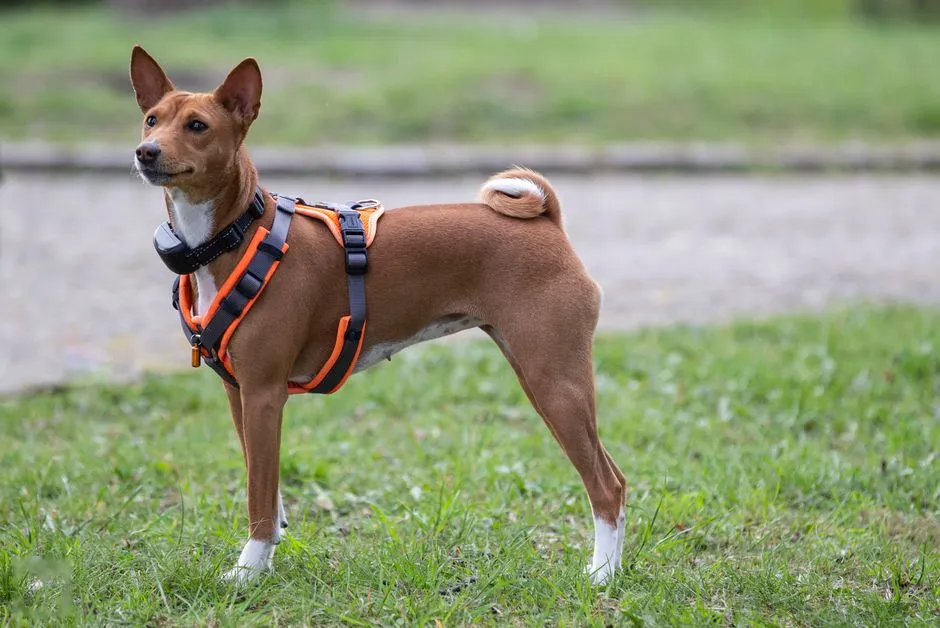
The “barkless dog” fascinated people decades ago, but it never actually broke into the mainstream. Today, many vets say they can go an entire year of practice without seeing a single Basenji.
They’re still around, just tucked into small, dedicated circles that understand the breed’s cat-like independence and serious prey drive – not exactly ideal for a city full of squirrels. Certain hereditary health considerations keep responsible breeding numbers low by design, and with no Instagram virality to artificially inflate demand, a Basenji exam has become the kind of story a vet brings up at lunch because it’s genuinely rare.
#5 – Gordon Setter
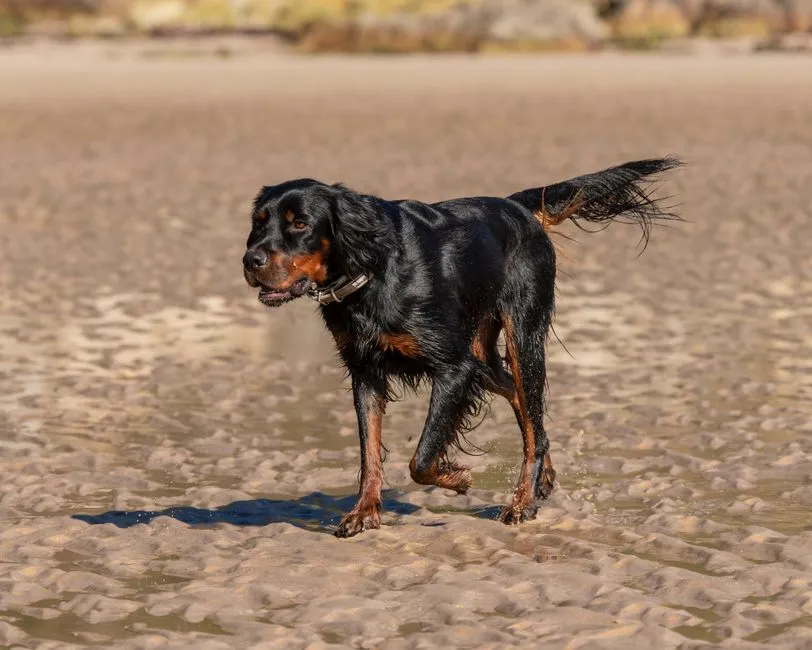
Gordon Setters were the serious hunter’s partner – big, black-and-tan, and built for stamina over rocky terrain. In an age of quick, casual hunts, they’ve been overshadowed by more flexible, more heavily marketed breeds, and many suburban practices say years can pass without a single Gordon Setter patient.
Part of it is branding. Labradors and German Shorthaired Pointers became the default bird dogs, while Gordon Setters stayed a connoisseur’s choice for owners who genuinely understood the commitment. As that older generation of owners ages out and fewer young hunters take up the tradition, the breed slides further into invisibility – to the point where most younger vet staff only recognize a Gordon Setter from a breed chart, not from experience.
#4 – Skye Terrier
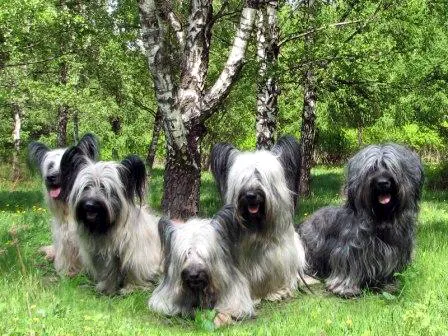
Even devoted dog people will admit they’ve never met a Skye Terrier in real life, and vets agree. Once a proud Scottish breed with royal admirers, Skyes are now so rare that some general practitioners go their entire careers without treating one.
The breed has flirted with “vulnerable native” status back in its Scottish homeland, and things aren’t much better in North America. Long, low, and heavily coated, Skyes don’t scream “easy family dog” at first glance, and with tiny breeder numbers and infrequent litters, the odds of a local clinic regularly seeing one are close to zero. When a Skye does show up, it’s almost always from a show home or a lifelong terrier enthusiast – never a casual buyer.
#3 – Kuvasz
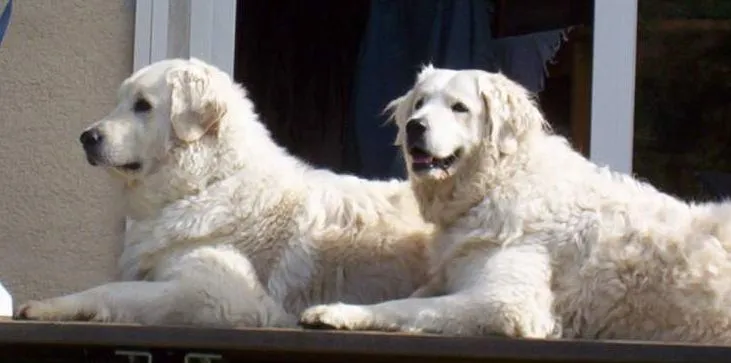
The Kuvasz is a massive, white livestock guardian from Hungary, bred to think independently and protect flocks without any human micromanagement. Drop that instinct into a crowded suburb and it becomes a serious liability in the wrong hands – which is exactly why vets say they can go years without treating a single one.
Guardian breeds have surged in popularity overall, but usually under more familiar names like Great Pyrenees or Anatolian Shepherd. Kuvaszok remain a specialty choice for serious livestock owners and breed devotees, guarded by tiny networks that screen ruthlessly and almost never place puppies with first-time city owners. A Kuvasz on the schedule is rare enough that experienced vets will pause, double-check their handling plan, and call in extra hands.
#2 – Otterhound
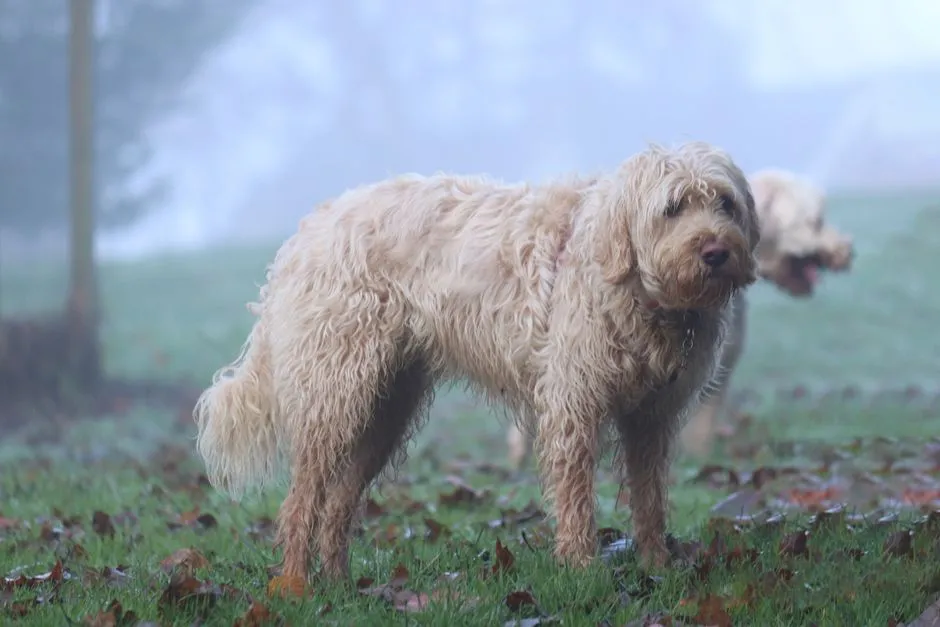
The Otterhound sounds made up until you actually see one: huge, scruffy, with webbed feet and a hunting pedigree that goes back centuries. Globally, their numbers are so low that some kennel clubs have flagged them as critically endangered – which means many U.S. vets will never treat one in their entire career.
Originally bred to hunt otters, a practice now illegal in most places, the breed lost its job and never found a modern replacement. Big, noisy, and scent-driven, it’s nobody’s idea of a minimalist apartment dog, and today’s breeders are almost entirely preservation-focused, producing tiny numbers just to keep the line alive. Ask your own vet how many Otterhounds they’ve seen – the honest answer is usually “zero.”
At a Glance
- Otterhounds are a rare breed with less than 800 Otterhounds worldwide.
- Today the Otterhound is more rare than a Giant Panda.
- This scarce breed is known for his dense shaggy coat, webbed feet, acute sense of smell and love of water.
- The Otterhound was bred in medieval England for the now-outlawed activity of otter hunting.
#1 – Harrier
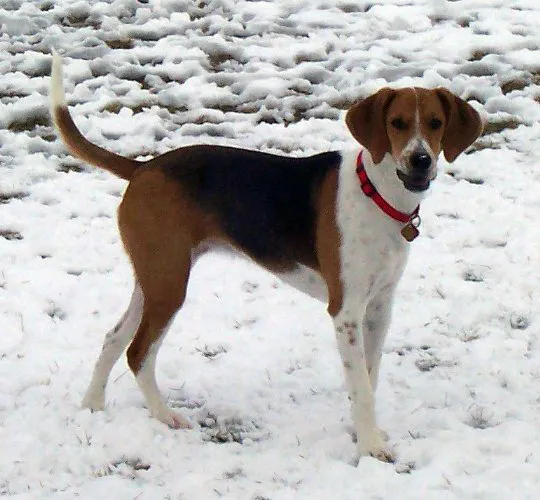
Harriers look like slightly oversized Beagles, but in most vet clinics they might as well be unicorns. In many regions, vets say they’ve never seen a Harrier outside of a textbook, a dog show, or a breed seminar.
That’s wild considering this was once a legitimate working pack hound. As traditional pack hunting faded and Beagles claimed the entire “small hound” niche, Harriers quietly vanished from everyday life, to the point where entire states may have only a handful left. Breed clubs and preservation breeders fight hard just to keep the line from disappearing entirely, prioritizing health over headcount – which means your average suburban vet could practice for decades without ever putting a Harrier on the table.
The Bottom Line
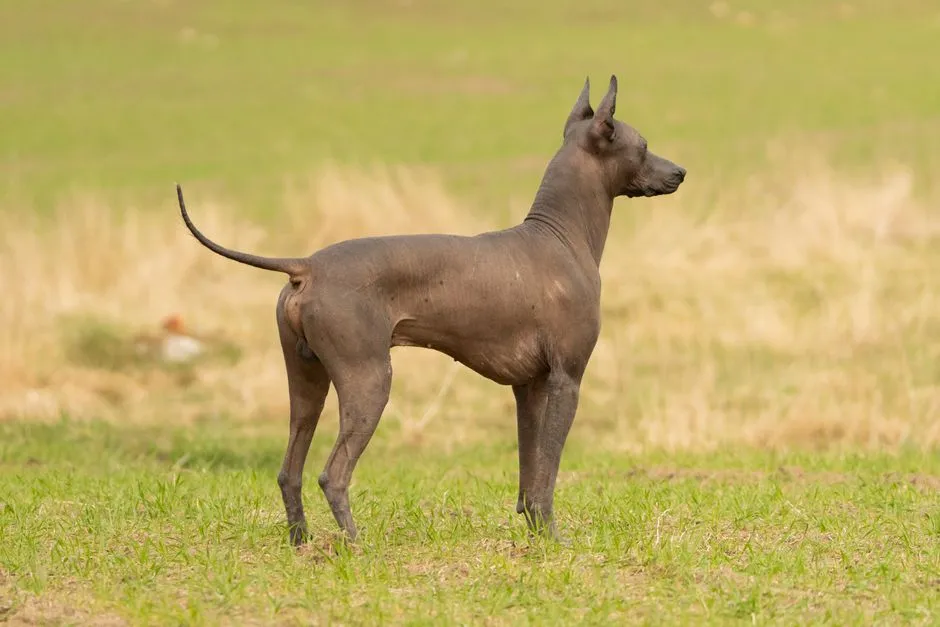
Vets see the truth long before social media catches up to it. While every feed insists your neighborhood is wall-to-wall doodles, Frenchies, and bully mixes, the quieter story is which once-familiar breeds are essentially disappearing from everyday practice.
From Harriers and Otterhounds to Dalmatians and Old English Sheepdogs, entire categories of dogs are sliding into rarity – not because they’re bad breeds, but because modern lifestyles, marketing, and grooming tolerance simply stopped matching them.
That’s the uncomfortable part nobody wants to say out loud: popularity was never really about health or quality. It’s about convenience, aesthetics, and whatever look is trending on your feed this year. Some of the healthiest, most fascinating dogs alive right now are the ones your own vet almost never gets to treat – and that should bother us more than it does.

- 16 Once-Common Dog Breeds Vets Say They Now Go Entire Years Without Ever Treating - July 31, 2026
- The 17 Garden Regrets Experienced Growers Say They Hear From Almost Every Single Beginner They Meet - July 31, 2026
- If Your Cat Is Over 14, These 16 Quiet Changes Are the Ones Vets Want You Watching - July 31, 2026