
There’s something quietly disarming about watching a cheetah curl up next to a Labrador, or a baby hippo trail behind a giant tortoise as if following a parent. These moments don’t fit neatly into what we know about predator-prey dynamics, territorial instincts, or survival logic. Yet they happen, they get documented, and they keep surprising the scientists who study them.
An interspecies friendship is generally understood as a nonsexual bond formed between animals of different species, and numerous such cases among wild and domesticated animals have been reported and documented with photography and video. What makes them so compelling isn’t just the cuteness factor. It’s the quiet challenge they pose to the idea that animals operate purely on hard-wired instinct. These 12 friendships are real, observed, and worth knowing about.
Owen the Hippo and Mzee the Tortoise
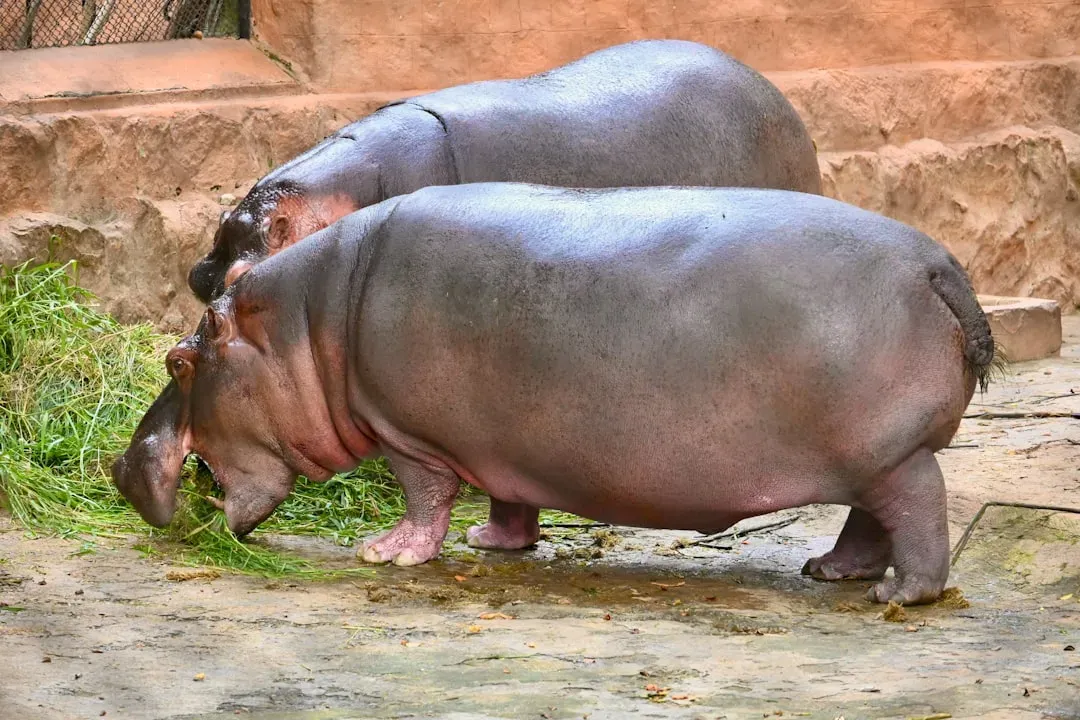
Few interspecies stories have captured the public imagination quite like this one. One of the most famous documented cases involved Owen, a baby hippopotamus orphaned by the 2004 tsunami, who formed a bond with a 130-year-old giant tortoise named Mzee in Kenya.
Perhaps one of the most bizarre and touching friendships recorded at a Kenyan wildlife sanctuary, the orphaned hippo bonded with the ancient tortoise after losing its mother, and the two were often seen nuzzling, swimming together, and displaying a comforting relationship that transcended species and age boundaries.
Researchers and caregivers who observed them noted that Owen seemed to treat Mzee as a surrogate parent figure, following the tortoise wherever he moved. The tortoise, initially reluctant, gradually accepted the company. It remains one of the clearest examples of an orphaned animal seeking connection across all biological odds.
Kasi the Cheetah and Mtani the Labrador
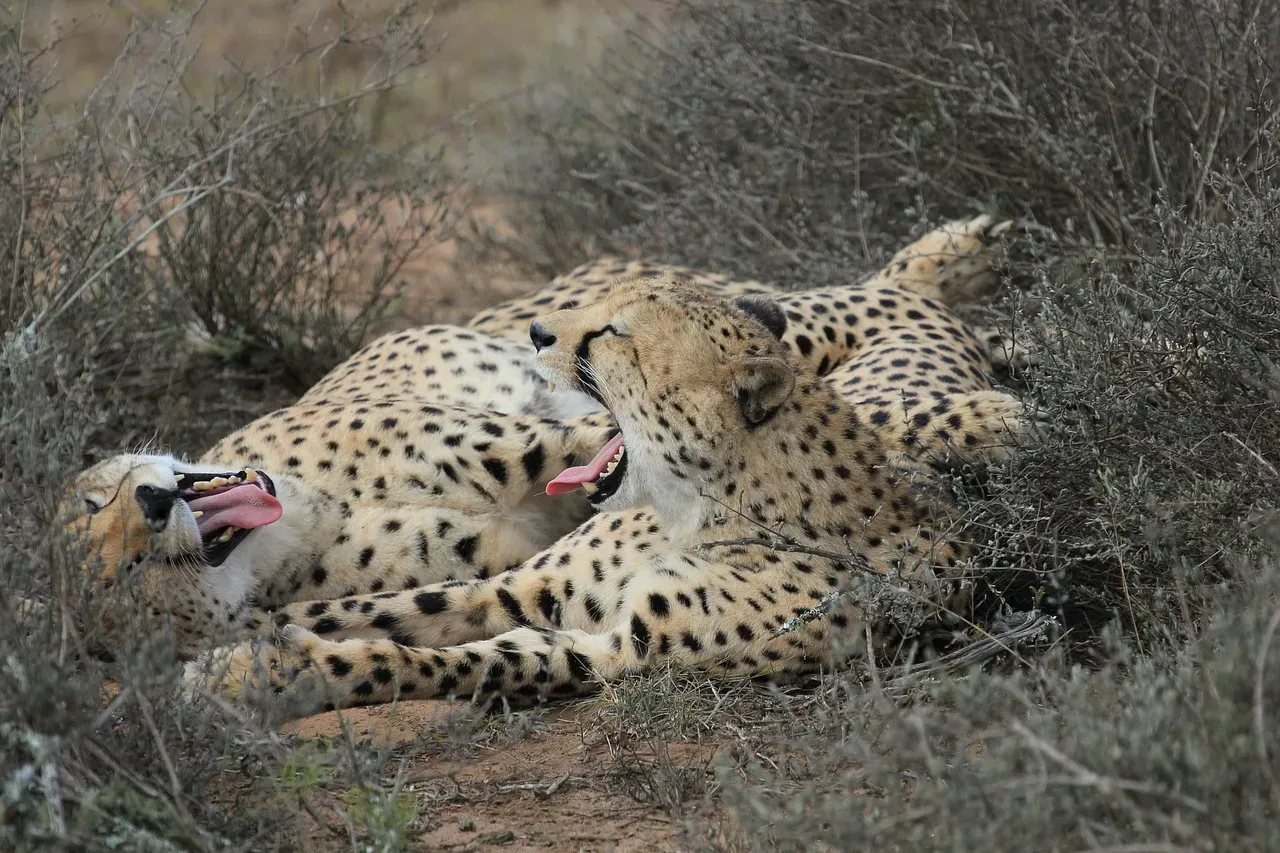
Kasi the cheetah and Mtani the Labrador retriever developed a companionship at Busch Gardens in Tampa, Florida. The two were raised together from a young age, and their bond became one of the most-watched interspecies relationships in any American wildlife attraction.
In zoos and sanctuaries around the world, relationships between different species are shedding new light on the inner lives of animals and the powerful bonds that link them all. Kasi and Mtani were a textbook example of that. The cheetah, a species prone to anxiety and stress in captivity, visibly relaxed in the Labrador’s presence.
Cheetahs, sometimes challenged by stress, have been paired with Labrador retrievers in some conservancies to help them relax, and the calming influence of dogs encourages socialization and improves the overall well-being of these fast but sensitive cats, with cheetah companions often thriving as a result. What started as an experiment became a genuine, lasting friendship.
Tarra the Elephant and Bella the Dog
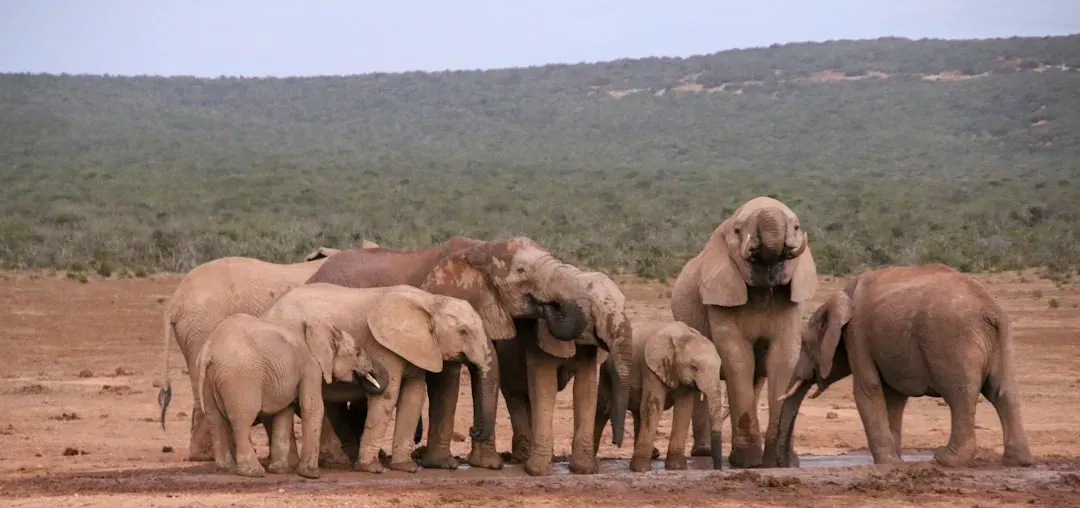
At an animal sanctuary in Tennessee, an elephant named Tarra and a dog named Bella formed an inseparable bond, spending years enjoying each other’s company and displaying affection in ways that mirrored human friendships, with Tarra’s gentle trunk carefully stroking Bella, who would reciprocate by snuggling up to her massive friend.
The pair roamed the sanctuary grounds together daily. When Bella was once injured and confined to the sanctuary building, Tarra was observed waiting outside for weeks, refusing to wander far. Despite the extreme difference in size, the elephant and the black Labrador became great friends after Bubbles was brought to a safari reserve following her rescue from ivory poachers, while the dog had been left there by a contractor.
Their story is a quiet reminder that social need doesn’t always respect size, species, or evolutionary distance.
Suryia the Orangutan and Roscoe the Dog
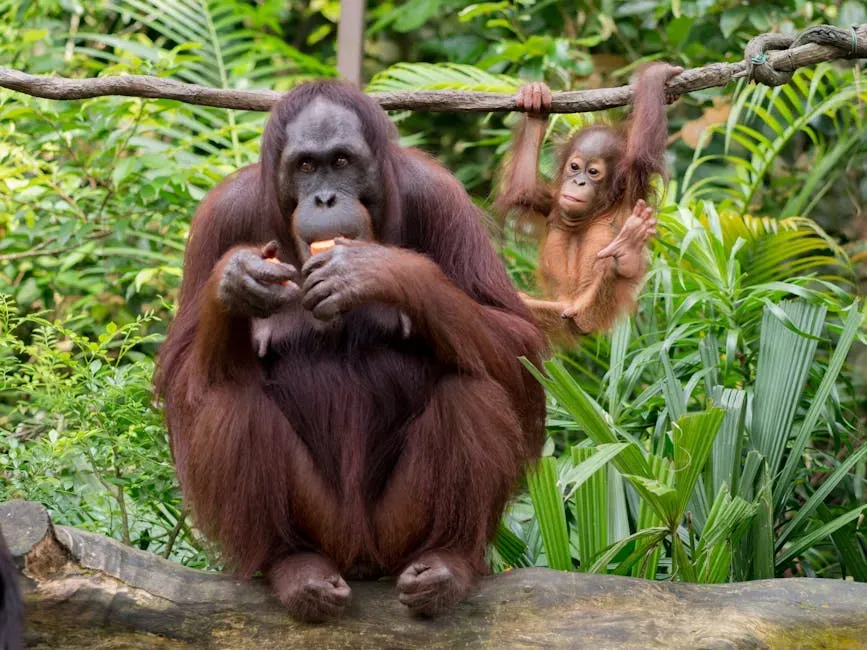
In a South Carolina wildlife preserve, Suryia the orangutan befriended a stray dog named Roscoe, and the two played together daily, swimming and cuddling, showing how animals can form genuine, joyful friendships regardless of species.
The orangutan and dog made headlines when their friendship came to light, with the relationship involving the orangutan playfully swinging through the trees and the dog following along eagerly on the ground, their days filled with shared walks and playful interactions.
Suryia’s intelligence was clearly a factor. Orangutans are among the most cognitively complex primates, and Suryia seemed to genuinely enjoy Roscoe’s company rather than simply tolerating it. The friendship was widely photographed and became a touchstone for discussions about primate emotional depth.
The Coyote and the Badger
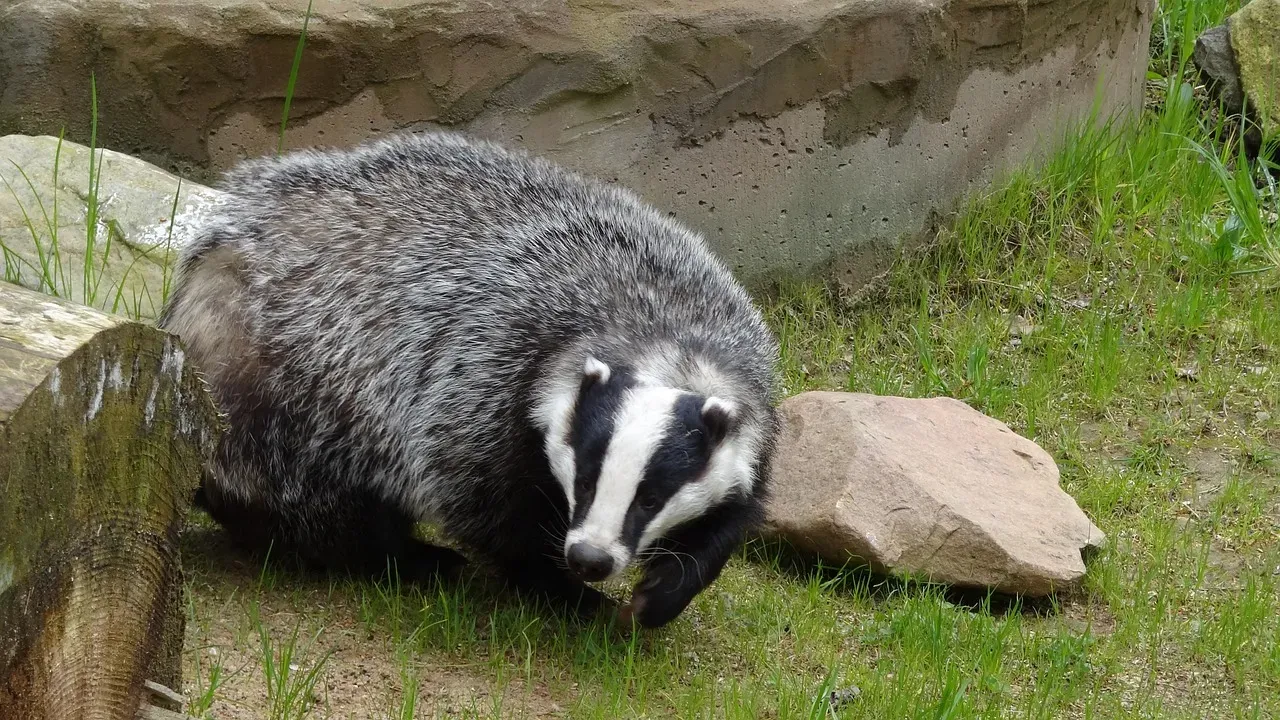
Wildlife cameras spotted a coyote and badger traveling together through a culvert under a highway in the South Bay, in what was believed to be the first observation of its kind documenting these two together.
Studies have shown that a badger and coyote hunting together can be beneficial for both species, as they pursue favorite prey such as ground squirrels. The coyote can chase prey above ground while the badger digs it out from burrows below, making the partnership genuinely effective.
The mutualistic relationship observed between coyotes and badgers after hunting ground squirrels together is an example of mutualism developing into an unlikely interspecies friendship. Whether it counts as true friendship or a very clever arrangement is a question scientists continue to debate. The footage, though, looked unmistakably playful.
Themba the Elephant and Albert the Sheep
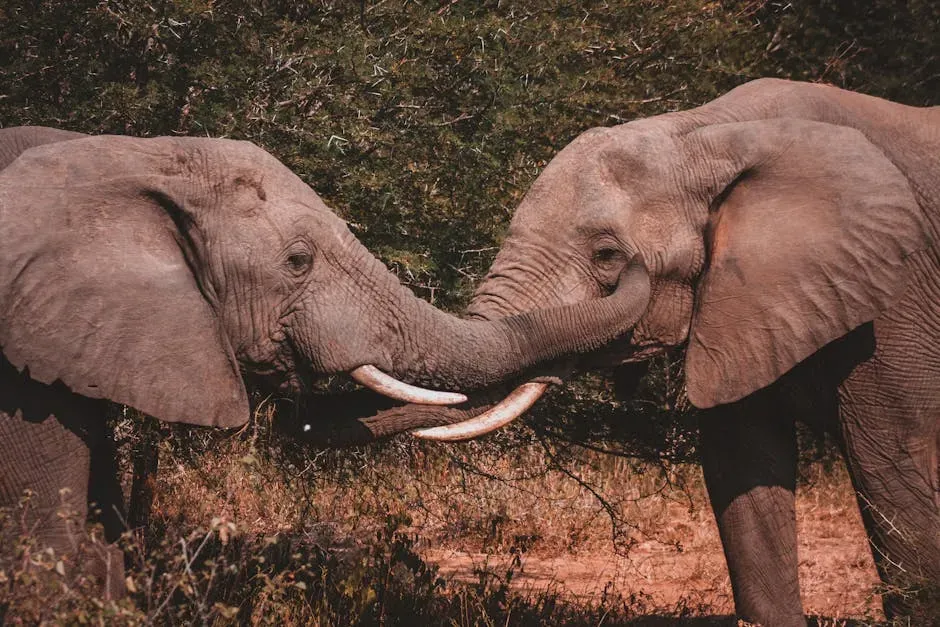
A baby elephant was rescued by a team at Shamwari Rehabilitation Centre in South Africa and placed in an enclosure with a sheep named Albert. The introduction did not start smoothly.
By the next morning, Albert began venturing out into the main enclosure, and Themba wouldn’t leave Albert’s side, with the two seen exploring together while Themba’s trunk rested on Albert’s back, the pair becoming inseparable from that moment on.
Sadly, while the team at the centre hoped to eventually introduce Themba back into the wild, the elephant died suddenly in 2010. Their bond, brief as it was, illustrated how profoundly a social animal like an elephant can attach to another creature when left without its own kind.
Tinni the Dog and Sniffer the Wild Fox
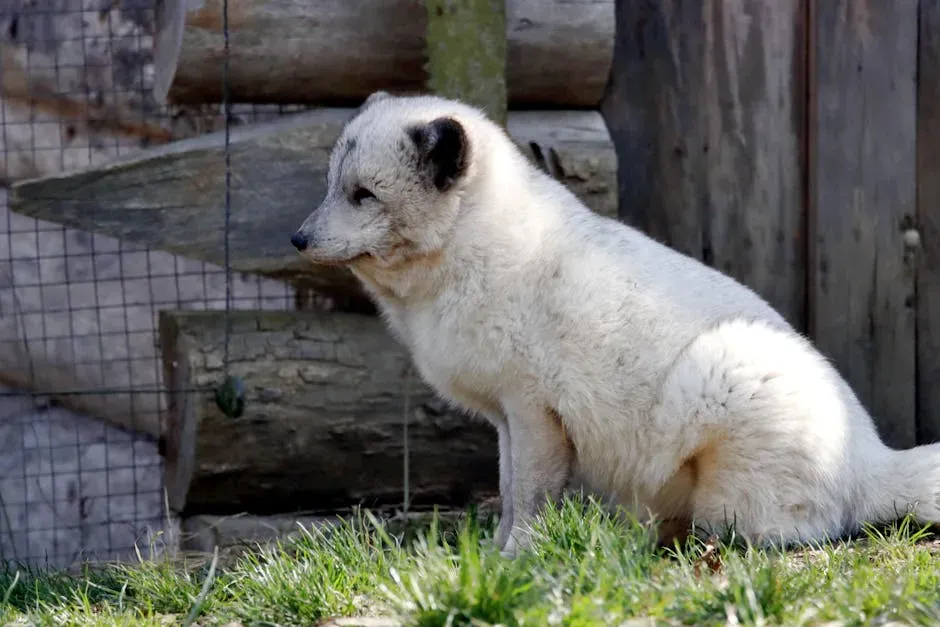
Norwegian photographer Torgeir Berge was out on a walk with his dog Tinni when the two stumbled across a wild fox, and the dog and the fox, since named Sniffer, regularly raced through the woods while Berge tried to keep up to document their friendship.
The two pals gained a popular song on YouTube and a book was published about them, with “Sniffer and Tinni: A True Tale of Amazing Animal Friendship” released in June 2016. What made this case stand out was that Sniffer was genuinely wild, not a rescued or captive animal shaped by human contact.
A domesticated dog and a wild fox, two animals that share ancestry but live entirely different lives, chose to play together repeatedly across the Norwegian forest. That’s worth pausing on.
West African Diana Monkeys and Campbell’s Monkeys
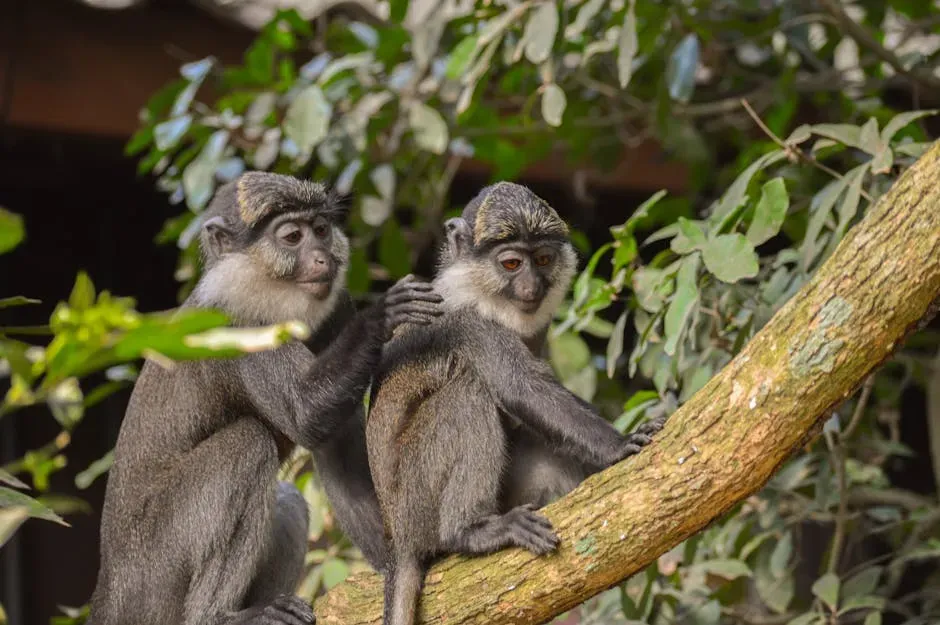
Not all interspecies bonds are between cuddly mammals. Some are built on something more austere: survival. West African Diana monkeys and Campbell’s monkeys seem to understand and react to the alarm calls of the other species, forming associations with each other through mutual protection.
Interspecies communication can form the basis of an interspecies friendship because it facilitates mutualism and bonds between animals. These two monkey species share forest territory and have developed what is effectively a bilingual alarm system, each reading the other’s distress calls and responding accordingly.
It’s a reminder that interspecies connection doesn’t always look like two animals grooming each other in a sunny enclosure. Sometimes it’s built quietly, through attention, communication, and the very practical business of staying alive.
Napoleon the Owl and Ingo the Belgian Shepherd
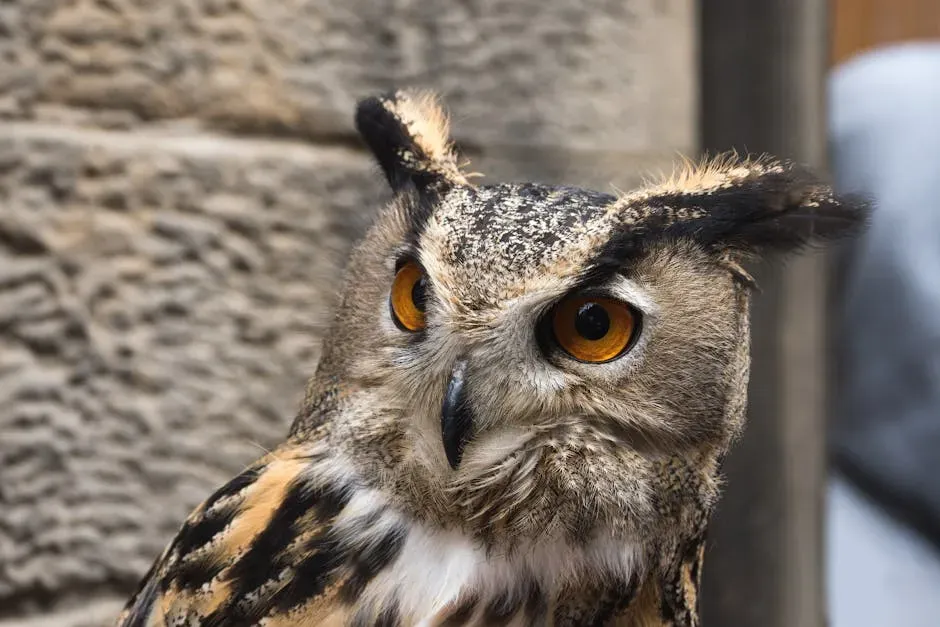
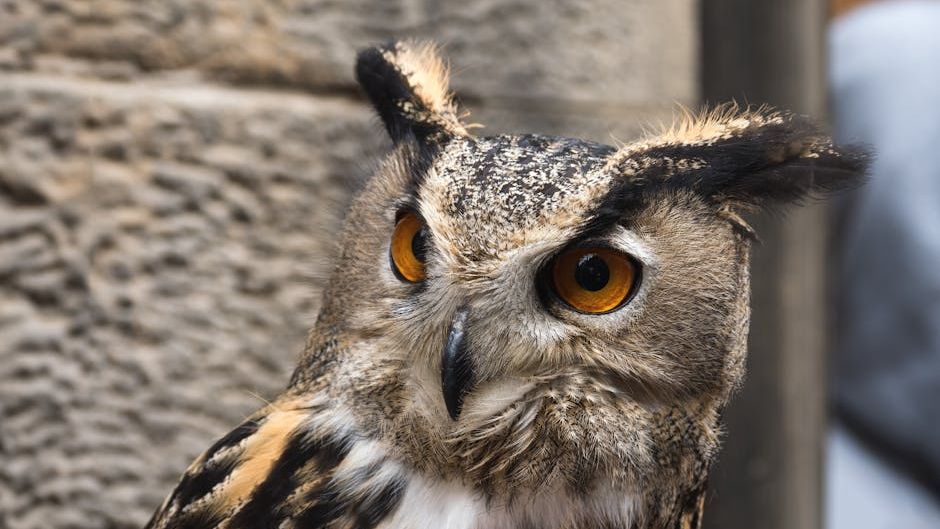
A pet owl and dog in a German household became an internet sensation due to their unlikely friendship, with the owl, typically a solitary and nocturnal bird, forming a special bond with the family dog, and Napoleon the owl and Ingo the Belgian Shepherd doing everything together from walks outside to simply napping indoors.
The pairing defied almost every behavioral expectation. Owls are solitary by nature, and large dogs can be unpredictable around birds. Yet this pair developed a rhythm of companionship that their owner photographed extensively across the German countryside.
The rare bond between dogs and owls, often referred to as a dog-owl friendship, involves two species vastly different in nature and lifestyle that have been observed forming an unlikely camaraderie, displaying vivid companionship signs. Napoleon and Ingo became the most well-documented example of this particular pairing.
Ben the Labrador and Duggie the Dolphin
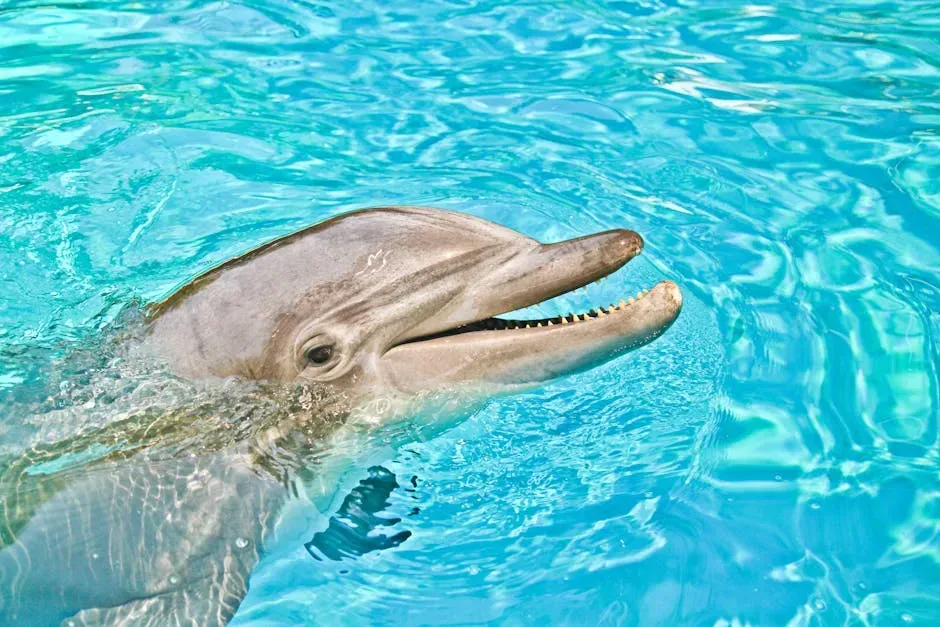
In a small town in Ireland, a local Labrador Retriever named Ben formed an extraordinary bond with a wild dolphin named Duggie, with the dog swimming out to meet the dolphin every day and engaging in playful antics, showcasing cross-species communication and the joy such interactions can bring.
This friendship crossed not just species lines but entire biological worlds, land and sea. Duggie was wild, under no human management, and could have simply ignored Ben or retreated to open water. Instead, the dolphin returned daily.
These rare and often heartwarming relationships occur when animals of different species form social bonds that go beyond convenience or survival, and while some happen in captivity, many have also been observed in the wild, involving mutual grooming, protection, play, or simply companionship. Ben and Duggie belong firmly in that category.
The Honeyguide Bird and Human Hunters
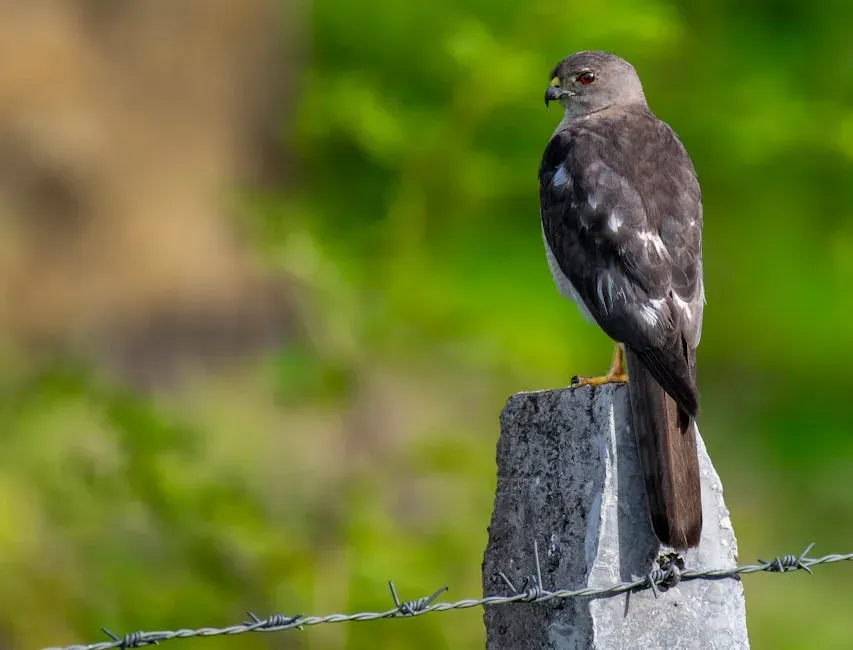
This one reads like something from a nature fable, but it’s thoroughly documented. The greater honeyguide bird leads humans directly to beehives in parts of Africa, a remarkable partnership that crosses the species barrier entirely, where humans use smoke to subdue the bees and harvest honey, leaving beeswax for the birds, a relationship that has evolved over thousands of years.
The bird actively seeks out specific human hunters, using distinct calls to signal it has found a hive. The hunters follow. Both parties get what they came for. This represents one of the few documented examples of wild animals actively seeking human cooperation.
There is no domestication here, no shared enclosure, and no human intervention shaping the behavior. This is a truly wild bird choosing to work with a different species because, over generations, it learned that doing so works.
The Pistol Shrimp and the Goby Fish
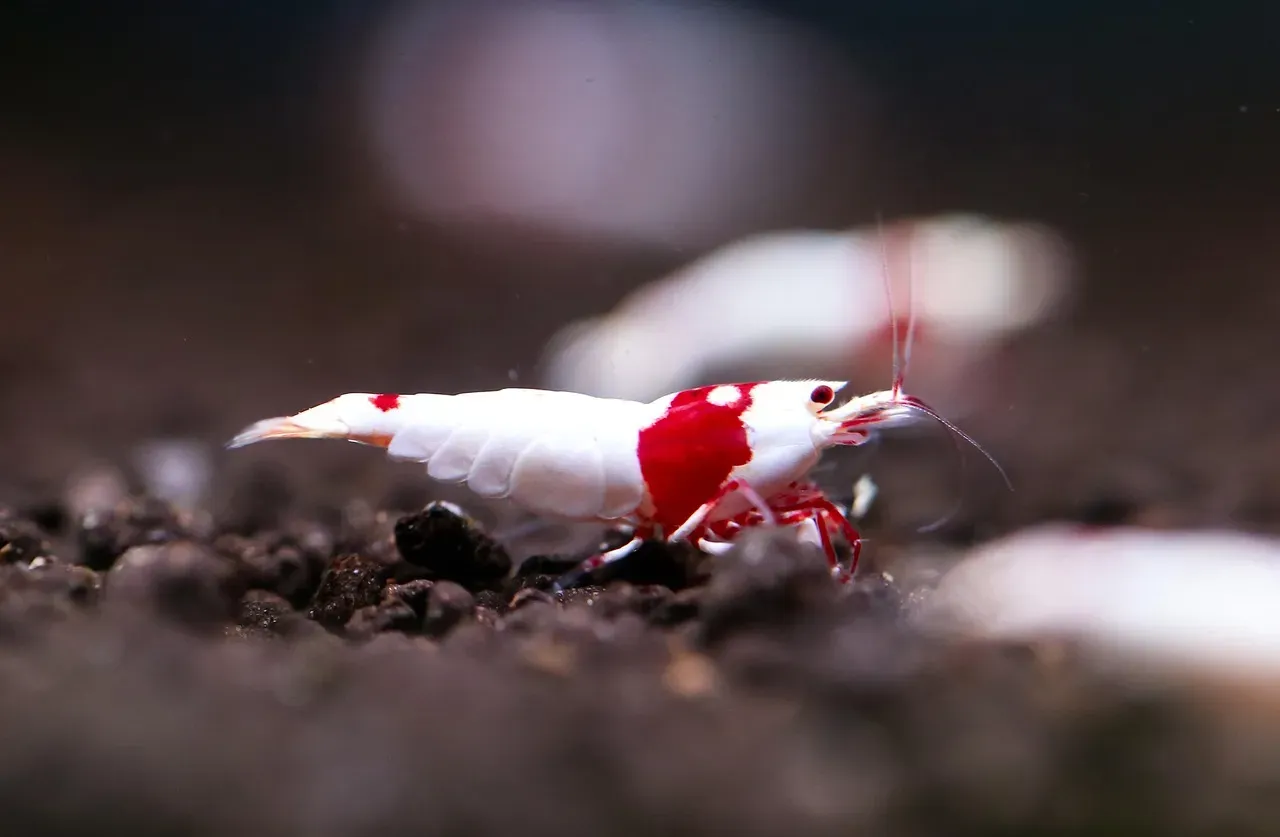
The pistol shrimp and vigilant goby fish exemplify cooperation through shared housing, with the nearly blind shrimp digging and maintaining a burrow while the fish stands guard, alerting its roommate to approaching dangers through specific tail movements, and when threatened, both animals retreating to safety in their shared home.
This partnership is ancient, refined, and beautifully efficient. The shrimp provides the architecture; the fish provides the eyes. Neither could do quite as well alone. Together, they create a more effective early warning system against predators than either species could maintain alone, showing how different evolutionary adaptations can work together.
It might lack the warmth of a dog napping beside an elephant, but the goby and pistol shrimp live out one of nature’s most enduring interspecies commitments, day after day, in the same burrow, watching out for each other.
What These Friendships Actually Tell Us
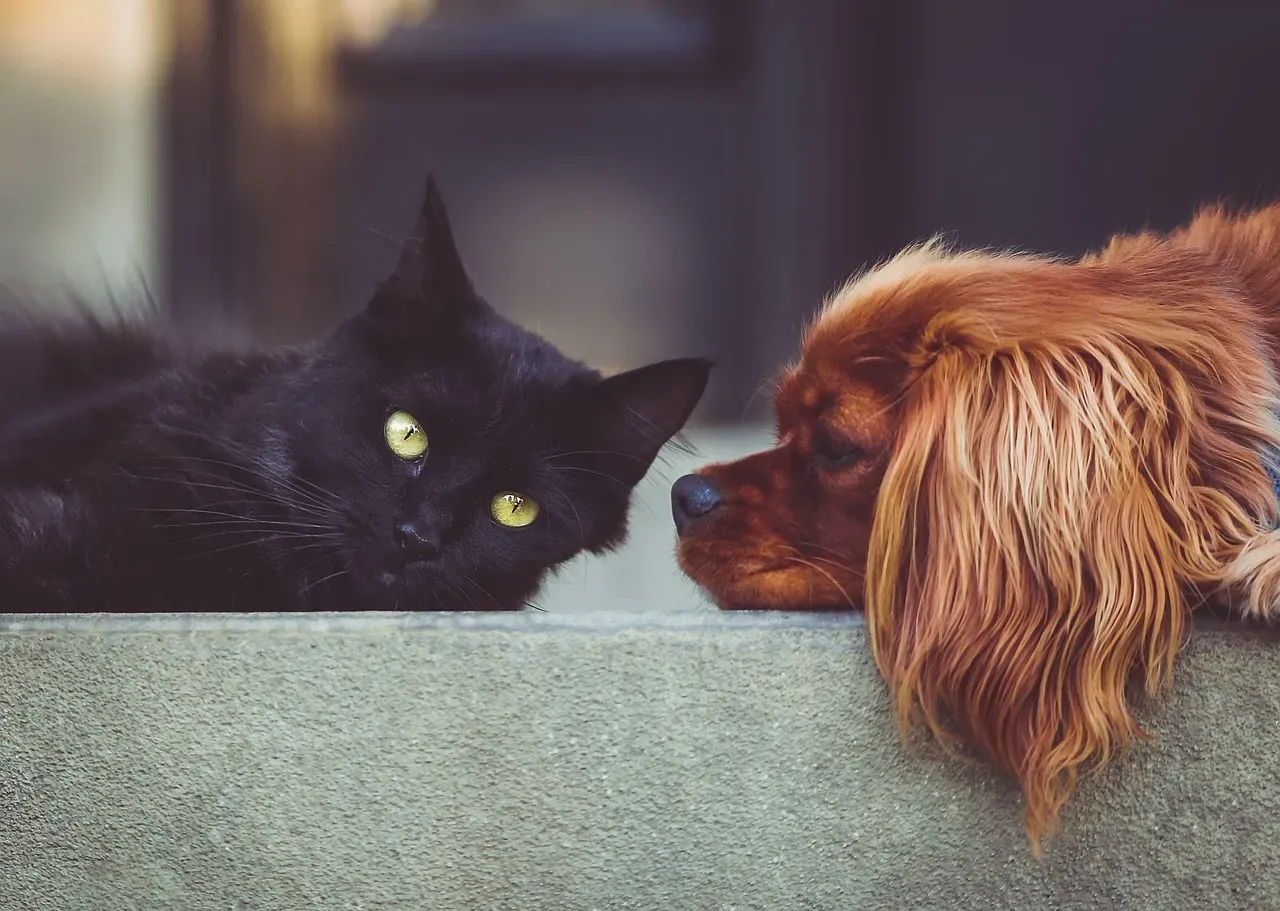
Surprising interspecies friendships aren’t just heartwarming anecdotes. They offer powerful windows into the emotional and social inner worlds of animals, challenging outdated notions that animals act only on instinct, and as more of these relationships are observed and studied, a deeper truth emerges: animals are far more emotionally complex, socially intelligent, and behaviorally adaptable than long assumed.
Reasons for the formation of interspecies friendships include domestication, interspecies communication, mutually beneficial exchanges, and a desire for social bonding or protection, though the exact cause is often unknown. That uncertainty is part of what makes them so interesting to researchers.
The idea that nature is a place of constant, brutal competition is being replaced by a more accurate view: nature is also a place of collaboration and resilience, with these unlikely friendships showing that cooperation can evolve naturally even among different species, and that kindness and support are not uniquely human behaviors.
The twelve stories here span continents, species classes, and wildly different circumstances. Some formed out of loss. Some out of shared territory. Some, seemingly, out of nothing more than curiosity and an open moment. Whatever the mechanism, what remains is the connection itself, quiet, persistent, and a little hard to explain. Perhaps that’s exactly the point.
