

Emitting Sharp Alarm Screams
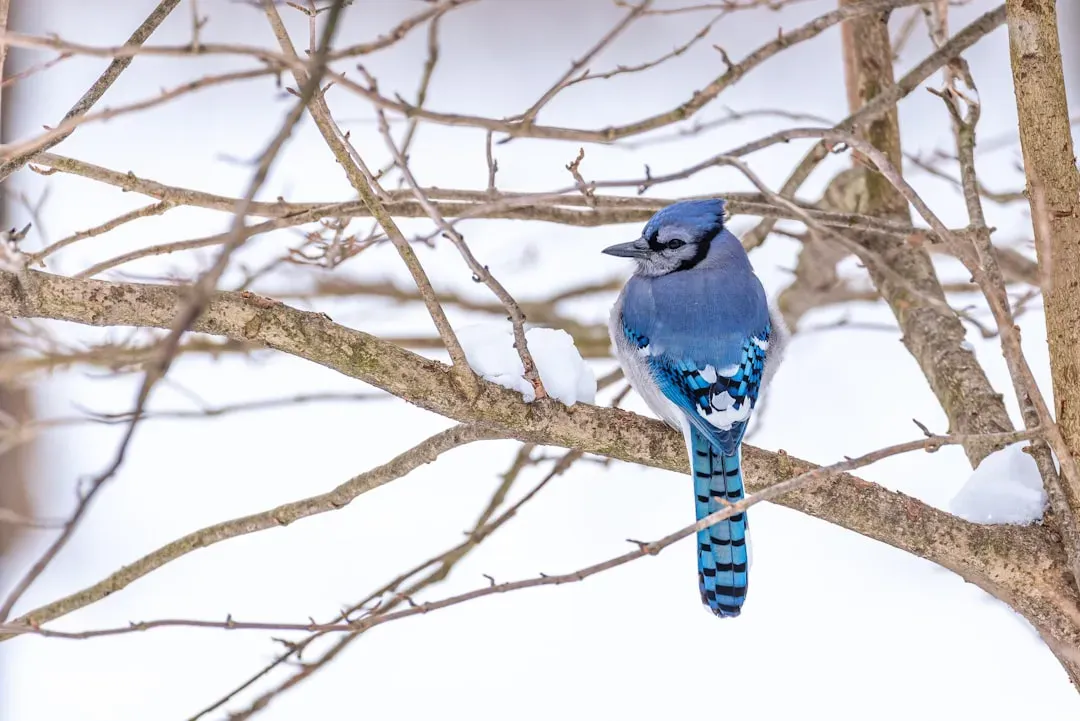
Blue jays produce piercing screams that cut through the air when they spot a predator. These calls serve as an immediate heads up to nearby birds and even small mammals like squirrels. The sound carries far, giving others time to seek cover before the threat gets closer.
Observers often notice the calls intensify when a hawk circles overhead or a cat prowls below. The jays repeat the screams in quick succession to emphasize the urgency. This vocal outburst helps disrupt the predator’s stealth and reduces its chances of a successful hunt.
Mimicking Hawk Calls

Blue jays copy the cries of hawks with surprising accuracy. They use this mimicry during tense moments near feeders or nesting areas. The imitation can confuse other birds into thinking a real raptor is present.
Sometimes the jays deploy the fake calls to clear competitors from food sources while also signaling real risk. Listeners who recognize the difference hear how the mimicry blends with genuine alarm notes. This dual purpose keeps the birds one step ahead in their environment.
Issuing Rapid Jeer Calls

When a perched owl or hawk appears, blue jays switch to fast jeer calls that sound excited and insistent. Multiple birds join in, creating a chorus that draws attention to the exact location of the danger. The calls differ from their usual songs in rhythm and volume.
These jeers rally others to the scene without requiring visual confirmation from every participant. The pattern repeats until the predator shifts position or departs. Such vocal persistence marks a clear shift from routine activity to active warning mode.
Forming Mobbing Groups
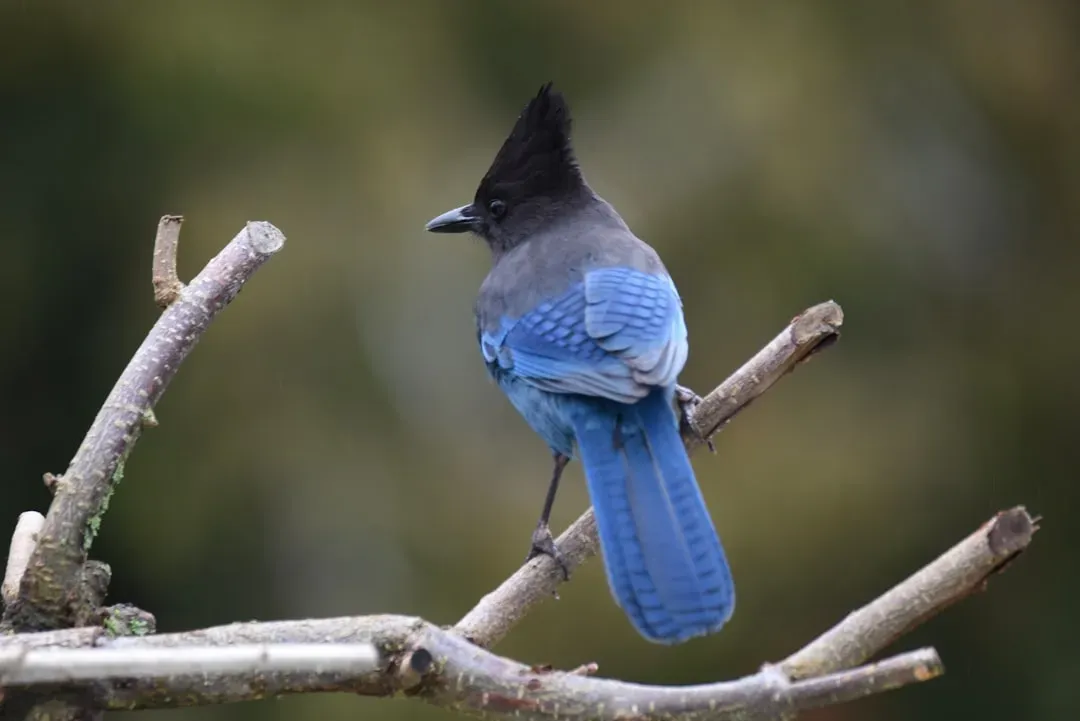
Blue jays quickly assemble in small flocks when they detect a threat. They converge from nearby trees and call others over with their distinctive sounds. The group dynamic turns individual alerts into a collective response.
Numbers matter here because a larger gathering makes the warning harder to ignore. Birds that arrive later add their voices and presence to the effort. This assembly often happens within minutes of the first detection.
Dive Bombing Predators
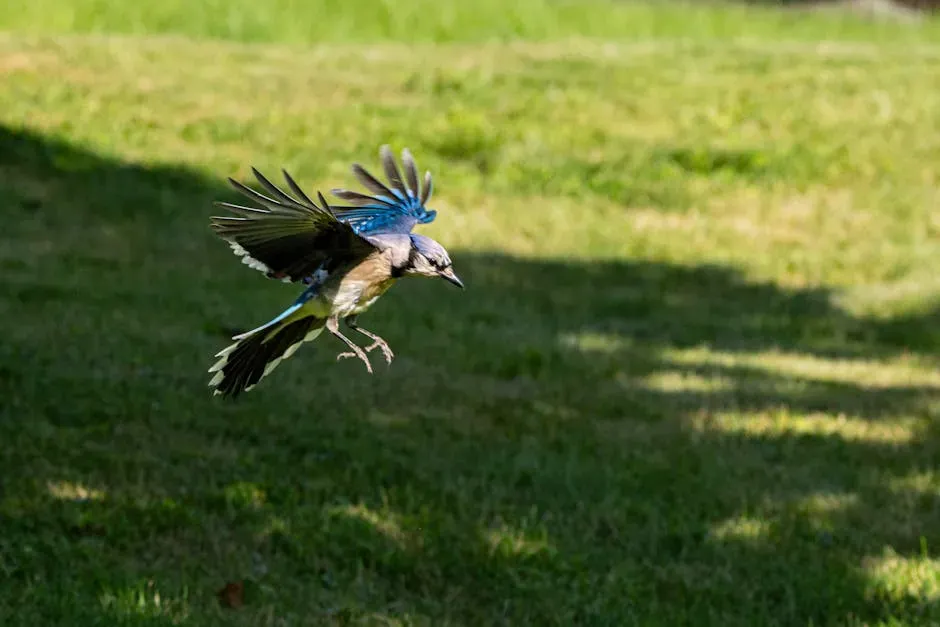
Once gathered, blue jays may swoop low over the predator in short, bold dives. These movements keep the threat occupied and visible to everyone in the area. The action pairs with continued calling to maintain pressure.
The dives stay calculated rather than reckless, allowing the jays to retreat quickly if needed. Smaller birds sometimes join the effort after hearing the commotion. This physical layer adds weight to the vocal warnings already in progress.
Perching High and Scanning Repeatedly
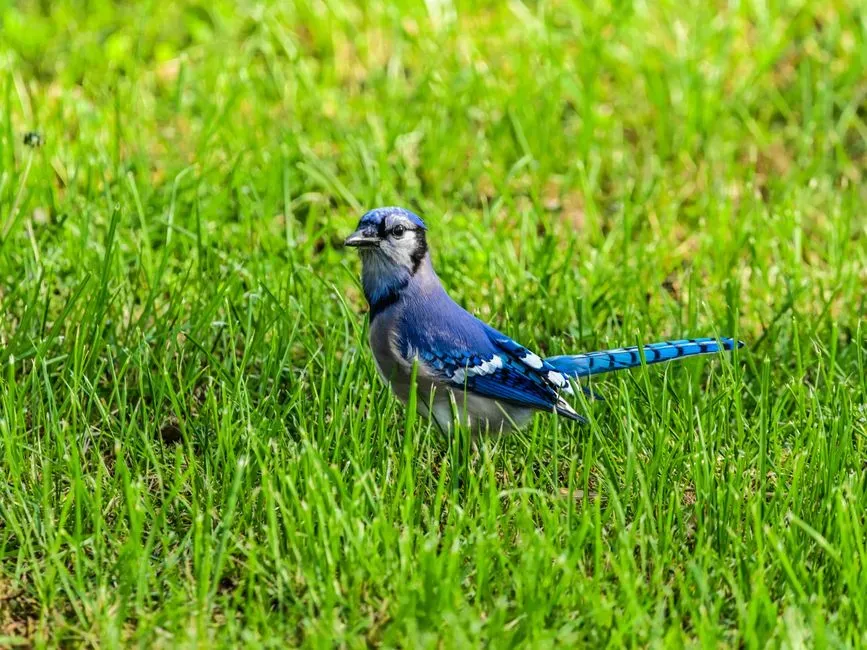
Blue jays often take elevated positions on branches or rooftops during alerts. From there they scan the surroundings while delivering calls at regular intervals. The height gives them a better view of approaching dangers.
They shift perches frequently to cover different angles without losing sight of the original threat. This behavior keeps the warning active even as conditions change. Other animals learn to associate these high perches with incoming alerts.
Switching Call Types for Different Threats
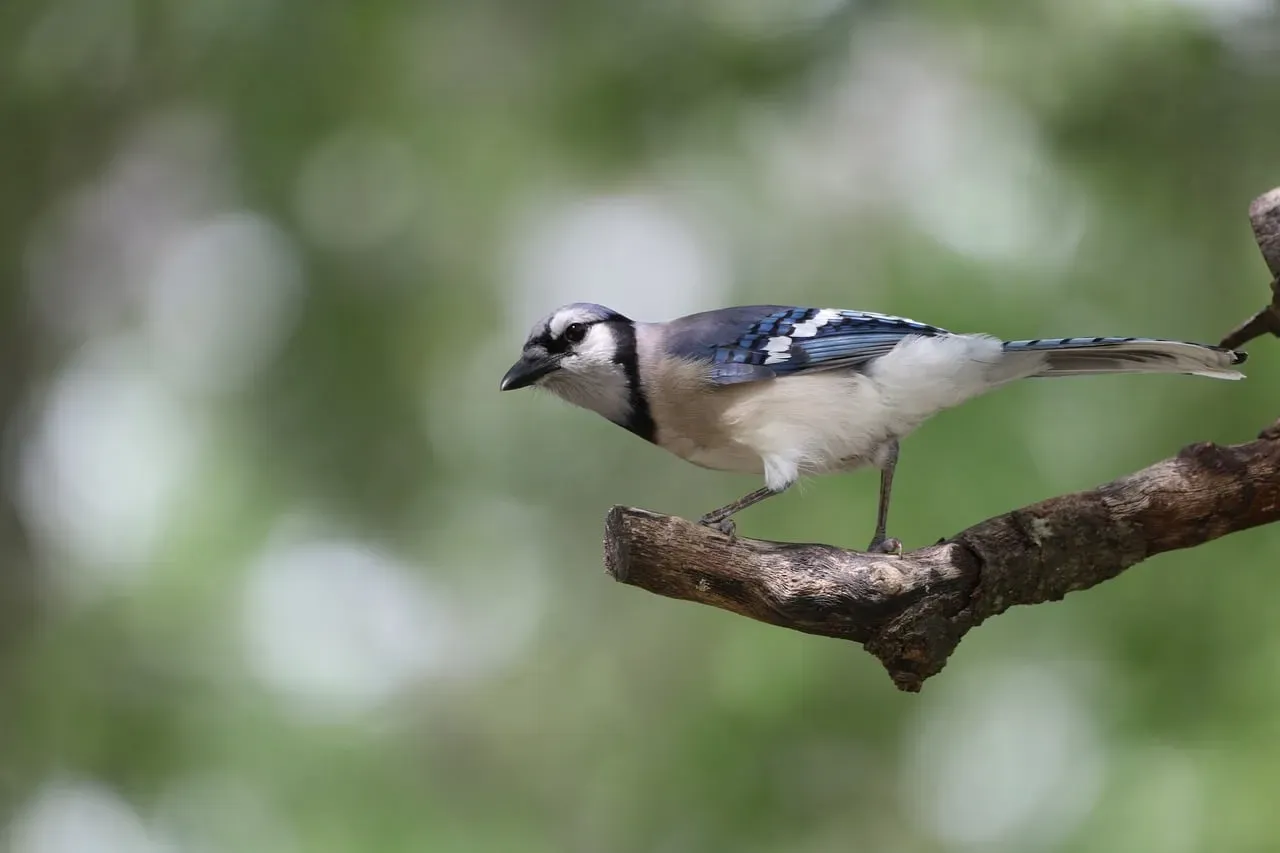
Blue jays adjust their sounds based on whether the predator flies overhead or sits still. Aerial threats trigger one set of notes while ground or perched ones prompt another. The variation helps listeners understand the nature of the risk.
Studies of their vocal range show distinct patterns tied to specific situations. This flexibility makes their system more effective across varied encounters. Nearby species pick up on these differences over time.
Recruiting Birds from Farther Away

The initial calls often bring in jays from outside the immediate area. These newcomers add volume and numbers to the response. The recruitment spreads the alert across a wider zone.
Family groups and neighbors respond especially well to familiar voices. The growing crowd amplifies the message until the danger feels surrounded. This chain reaction turns a single sighting into a neighborhood event.
Harassing the Threat Until It Leaves
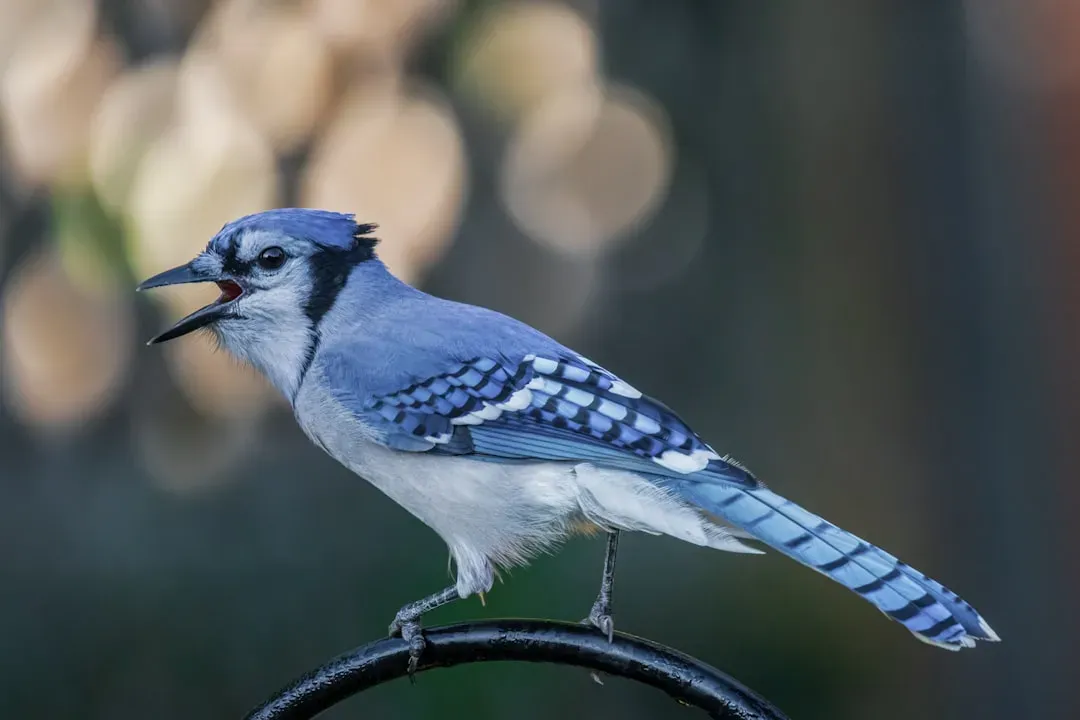
Blue jays maintain pressure on the predator through sustained noise and movement. They follow it short distances while continuing their calls. The goal appears to be driving the intruder out of the shared space.
Success shows when the hawk or owl finally relocates to a quieter spot. The jays then ease off gradually rather than stopping abruptly. This follow through ensures the warning achieves its practical result.
Signaling to Non Bird Species

Alarm calls from blue jays reach beyond their own kind. Squirrels and other small animals react by freezing or retreating to safety. The jays benefit indirectly as the shared vigilance protects the whole area.
Observations confirm that these cross species responses happen regularly in mixed habitats. The jays do not single out recipients yet their sounds function as a general broadcast. Everyone gains from the extra eyes and ears.
Monitoring After Initial Detection
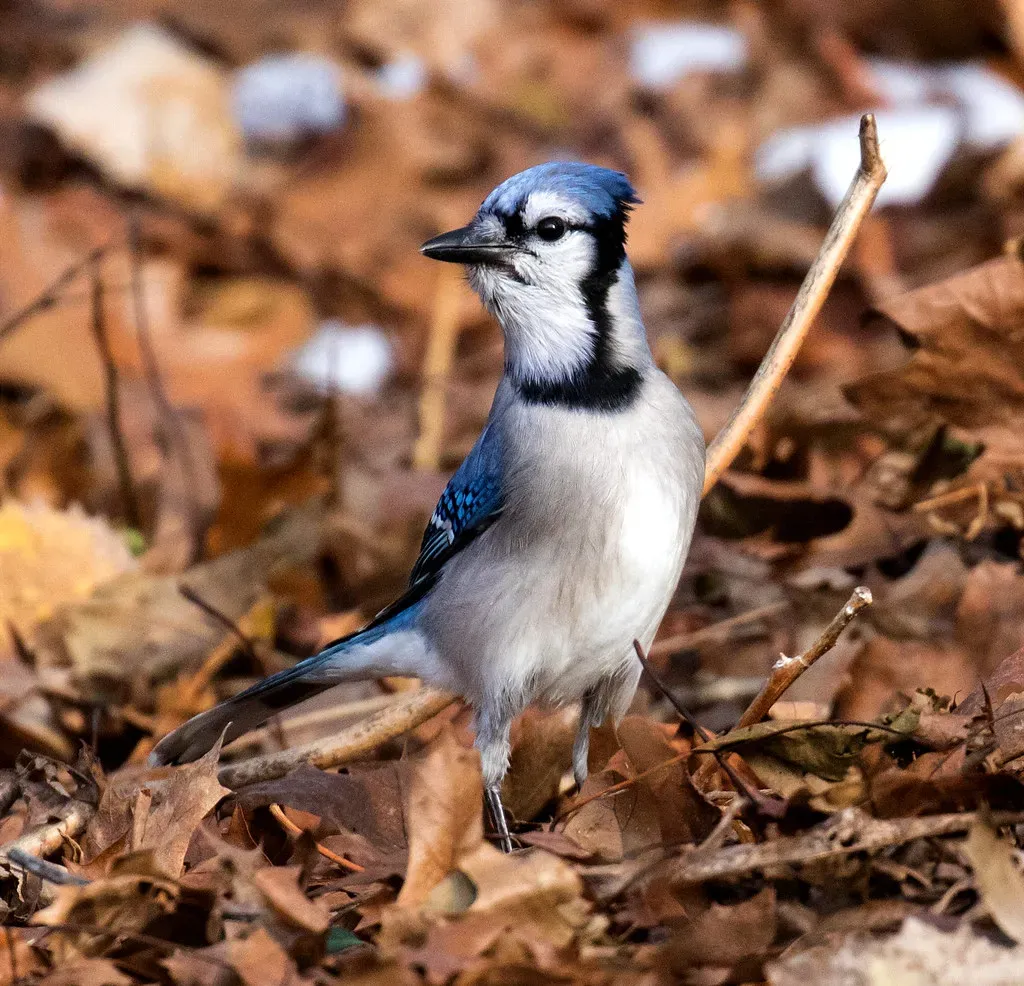
Even after the first burst of activity, blue jays keep watch on the predator’s movements. They issue occasional reminder calls to maintain awareness. This ongoing check prevents the threat from regaining surprise.
The birds rotate positions to avoid fatigue while staying engaged. Their persistence reflects how seriously they treat each encounter. The behavior often lasts until the danger fully departs the vicinity.
Resuming Normal Activity Once Clear

Blue jays gradually return to feeding and quieter interactions after the predator moves on. The shift happens once calls taper off and the group disperses. This return signals safety to everyone who tuned in earlier.
The transition feels noticeable because the sudden quiet contrasts with the earlier intensity. Birds that had hidden now reappear at feeders or perches. The cycle completes with a return to everyday routines.
Blue jays earn their place as reliable backyard informants through these consistent habits. Their efforts benefit far more than just their own nests. Noticing these patterns adds a layer of connection to the wildlife already sharing your space.