


Dolphins have long fascinated humans with their playful behavior and apparent smiles, but beneath their charming exterior lies one of the most sophisticated minds in the animal kingdom. Over decades of research, marine biologists and cognitive scientists have documented numerous instances where dolphin intelligence has not only surprised them but fundamentally changed our understanding of non-human cognition. From complex problem-solving and tool use to emotional intelligence and cultural transmission of knowledge, dolphins continue to challenge our assumptions about what it means to be intelligent. This article explores twelve remarkable cases where dolphins demonstrated cognitive abilities that left scientists astonished and prompted us to reconsider the boundaries of animal intelligence.
1. The Mirror Test Breakthrough

In 1995, researchers at the New York Aquarium conducted what would become a landmark study in animal cognition. They marked dolphins with temporary ink in places the animals couldn’t see without a mirror and observed their reaction when presented with reflective surfaces. The dolphins immediately examined the marked areas, demonstrating they recognized themselves in the mirror—a feat previously only achieved by great apes and humans. This self-recognition indicates a level of self-awareness that most animals simply don’t possess. When Diana Reiss and Lori Marino published their findings, it sent shockwaves through the scientific community, as it suggested dolphins had a concept of “self” previously thought to be uniquely human. In subsequent studies, dolphins have been observed using mirrors to examine various parts of their bodies, further confirming their extraordinary self-awareness.
2. Spontaneous Tool Use in the Wild

In 2005, scientists in Shark Bay, Australia, documented something remarkable: dolphins breaking sponges off the seafloor and wearing them on their rostrums (beaks) while foraging. This behavior, known as “sponging,” protects their sensitive snouts while they probe the rough seafloor for fish. What made this discovery particularly surprising was that it represented the first documented case of tool use in cetaceans. Further research revealed this behavior wasn’t innate but culturally transmitted, primarily from mother to daughter. The complexity of this behavior lies not just in the use of tools, but in the social learning aspect—dolphins were teaching each other specialized hunting techniques across generations. This discovery challenged the notion that sophisticated tool use was limited to primates and some bird species, expanding our understanding of convergent cognitive evolution.
3. Complex Communication Systems

In 2016, researchers using specialized underwater microphones recorded a dolphin conversation that stunned the scientific community. Two dolphins were observed taking turns producing distinct series of pulses and whistles without interrupting each other—essentially taking turns in conversation. Dr. Vyacheslav Ryabov of the Karadag Nature Reserve found that dolphins produce signature whistles that function like names, and they can mimic the signature whistles of other dolphins to call to them. Perhaps most astonishingly, the recorded communication appeared to maintain a semantic structure similar to human sentences. While scientists haven’t yet “translated” dolphin language, the evidence suggests they communicate in ways far more complex than simple signaling systems used by most animals. Some researchers now believe dolphins may communicate using holistic concepts rather than just simple references, sharing information about their environment and coordinating complex group behaviors.
4. Multi-Generational Teaching

In 2018, marine biologists in Australia documented a remarkable case of multi-generational teaching among dolphins. They observed adult dolphins deliberately slowing down their hunting techniques when accompanied by calves, apparently to demonstrate the proper method of catching prey. In one particularly striking case, a mother dolphin was observed releasing a partially injured fish multiple times, allowing her calf to practice capturing it before finally permitting the calf to consume it. This teaching behavior shows remarkable patience and an understanding that novices need simplified demonstrations—cognitive capabilities previously associated primarily with higher primates. The researchers noted that dolphins appear to adapt their teaching methods based on the age and experience level of the learner, suggesting they possess a theory of mind—an understanding that others have different knowledge levels than themselves. This discovery represented a fundamental shift in our understanding of cetacean cognition.
5. Cooperative Problem-Solving with Humans

At the Dolphin Research Center in Florida, a 2013 study revealed dolphins’ extraordinary ability to understand the concept of cooperative teamwork—even across species boundaries. Researchers set up a task requiring two individuals to pull different ends of a rope simultaneously to obtain a reward. Without training, the dolphins quickly grasped that they needed to coordinate their actions with a human partner to succeed. What astonished scientists was how rapidly the dolphins understood the need for synchronicity and how they would wait for their human partner if they arrived at the apparatus first. In some trials, dolphins would even use vocalizations apparently to coordinate timing. This level of cooperative problem-solving demonstrates not only intelligence but also an understanding of others’ roles in a shared task—a sophisticated cognitive ability previously thought to be rare outside of human societies. The study suggested dolphins may possess rudimentary forms of shared intentionality, a cognitive skill considered crucial to human cultural development.
6. Cultural Transmission of Unusual Behaviors

In 2019, scientists documented a peculiar behavior among a pod of dolphins in Western Australia: some dolphins were observed carrying large conch shells to the surface, draining them of water, and then using them as funnels to catch fish that swam inside. What made this observation remarkable wasn’t just the tool use, but how the behavior spread through the population. Using detailed observations spanning over a decade, researchers determined this wasn’t an innate behavior but rather a learned technique that spread horizontally (between peers) rather than just vertically (parent to offspring). This represents a form of cultural transmission similar to human cultural practices. The researchers noted that such transmission requires sophisticated social learning mechanisms, including observation, imitation, and possibly even teaching. This discovery further eroded the notion that complex cultural transmission is unique to humans and great apes, suggesting dolphins possess the cognitive infrastructure for rudimentary cultural development and innovation.
7. Metacognition Awareness of Their Own Knowledge
A groundbreaking 2010 study at the Dolphin Research Center in Florida tested whether dolphins possess metacognition—awareness of their own knowledge states. Researchers trained dolphins to respond to specific sounds by pressing a paddle, but they also provided an “opt-out” option for ambiguous sounds. Strikingly, the dolphins chose to opt out when sounds were difficult to categorize, much like humans say “I don’t know” when uncertain. This suggests dolphins can reflect on the reliability of their own knowledge and make decisions accordingly. What particularly surprised scientists was how closely the dolphins’ uncertainty responses matched those of humans and great apes in similar experiments. This metacognitive ability represents a sophisticated form of self-awareness beyond simple mirror recognition, suggesting dolphins possess an understanding of their own mental states. Some researchers have proposed this indicates a rudimentary form of consciousness similar to that found in humans—a radical suggestion that continues to influence research in comparative cognition.
8. Spontaneous Innovation Under Pressure

In 2004, at the Institute for Marine Mammal Studies in Mississippi, researchers discovered something unexpected about dolphin problem-solving. Kelly, a captive dolphin, developed a brilliant strategy to maximize rewards during training. She was taught to retrieve trash from her pool in exchange for fish, but soon began hiding pieces of paper under rocks at the bottom of her pool. When trainers arrived, she would tear off small pieces of the hidden paper, delivering them one by one to receive multiple rewards from a single piece of trash. Even more remarkably, she taught this technique to her calf. This spontaneous innovation demonstrated not only creative problem-solving but also an understanding of how human reward systems work. The researchers were particularly surprised by the dolphin’s apparent grasp of resource management and delayed gratification—cognitive abilities typically associated with advanced planning in humans. This case represented one of the clearest examples of a non-human animal manipulating a human-designed system for maximum benefit, suggesting dolphins possess a sophisticated understanding of cause-effect relationships beyond what was previously recognized.
9. Comprehension of Abstract Human Commands

In 2011, researchers at the Dolphin Research Institute published findings from a study testing dolphins’ ability to understand abstract commands. They trained dolphins to respond to the command “create,” which meant the dolphin should perform any behavior not specifically taught during training. Astonishingly, the dolphins understood this concept and consistently performed novel, creative behaviors when given this command. In some cases, dolphins combined multiple known behaviors into new patterns never before demonstrated. The scientists were particularly stunned by how quickly the dolphins grasped this abstract concept—much faster than most primates in comparable studies. This experiment revealed dolphins’ ability to understand semantic abstraction and generalization, cognitive processes previously thought to be highly developed only in humans and a few great ape species. The study suggested dolphins possess a degree of linguistic comprehension that extends beyond simple stimulus-response associations to include understanding of abstract concepts—a cognitive leap that fundamentally altered our understanding of cetacean intelligence.
10. Emotional Intelligence and Empathetic Behavior
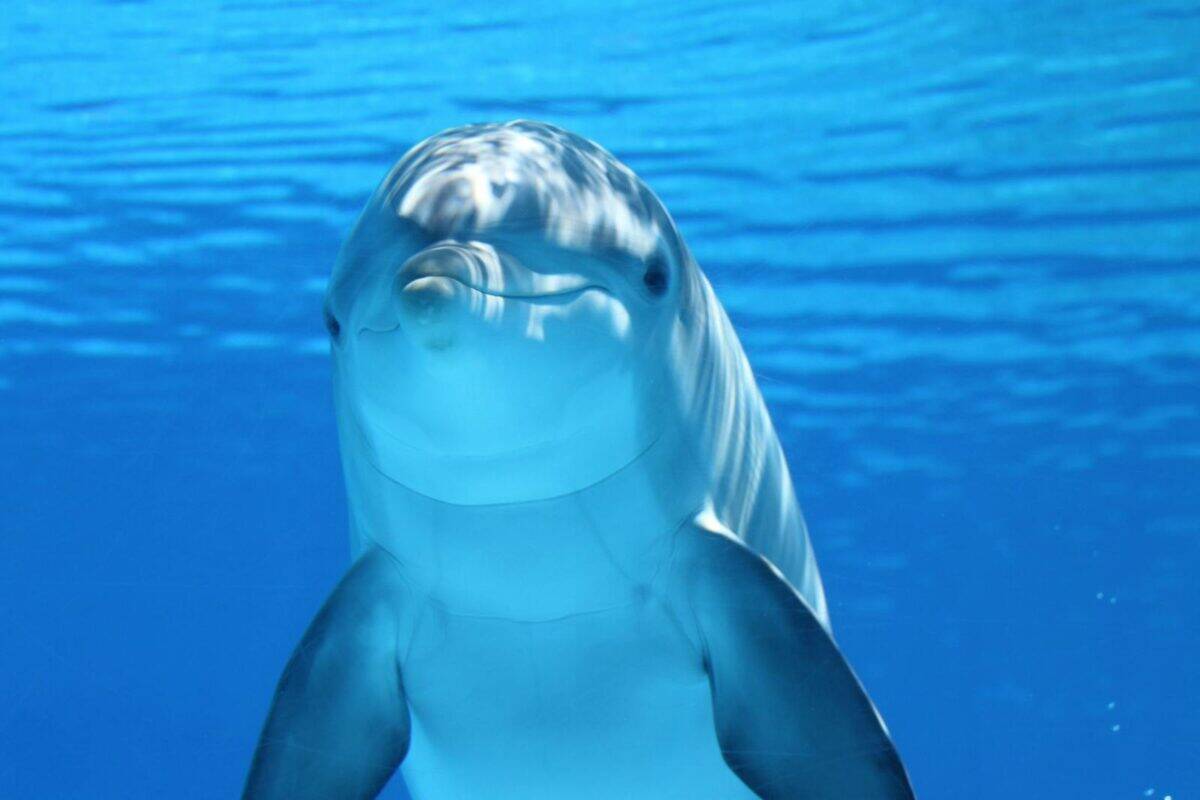
Marine biologists in 2018 documented multiple cases of dolphins exhibiting what appears to be empathetic behavior toward injured conspecifics and even other species. In one dramatic instance, researchers observed dolphins supporting an injured companion at the surface to help it breathe, taking turns to ensure it survived. In another case, dolphins were documented forming a protective circle around a human swimmer being approached by a shark. These behaviors suggest dolphins possess a form of emotional intelligence that includes recognizing distress in others and taking appropriate action to provide assistance. What particularly surprised scientists was the apparent absence of immediate benefit to the helpers, suggesting genuine altruistic motivation. Brain imaging studies have since found that dolphins possess an expanded limbic system with specialized spindle cells similar to those associated with empathy and social awareness in humans. These findings have led some researchers to propose that dolphins experience complex emotions comparable to those of humans—a controversial but increasingly supported hypothesis that continues to reshape our understanding of animal consciousness.
11. Adaptive Response to Human Technology
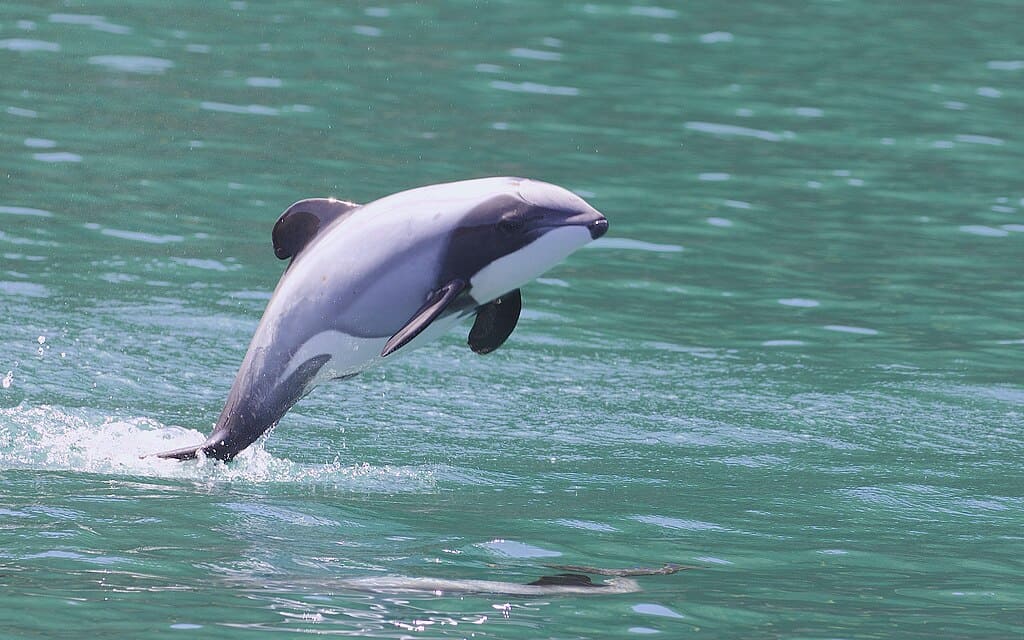
In 2017, researchers studying bottlenose dolphins in Laguna, Brazil, documented a remarkable cooperative hunting relationship between dolphins and human fishermen that has evolved over generations. The dolphins herd schools of fish toward waiting fishermen and signal precisely when and where to cast nets with distinctive body movements. What astonished scientists was not just this cooperation, but how quickly younger dolphins adapted their signaling behavior when fishermen began using modern technology. When some fishermen began using underwater microphones to detect fish, certain dolphins modified their vocalizations in ways that were more easily detected by these devices. This represents an extraordinary level of behavioral flexibility and understanding of human technological systems. The research team noted this rapid adaptation suggests dolphins possess a sophisticated understanding of cause-effect relationships involving human tools they’ve never directly interacted with, demonstrating cognitive flexibility beyond what most researchers previously considered possible in non-human animals.
12. Complex Social Networks and Politics

A comprehensive 15-year study published in 2020 by marine biologists studying dolphin populations off the Bahamas revealed social structures of astonishing complexity. Using advanced network analysis, researchers discovered dolphins form multiple levels of social alliances—relationships between individuals, small teams, and larger coalitions—that rival the complexity of human political systems. The study documented cases where dolphin “coalitions” would strategically form or break alliances to protect resources or territory, with some individuals serving as connectors between different social groups. Most surprisingly, researchers identified certain “broker” dolphins that appeared to mediate conflicts between groups, suggesting a level of social intelligence previously unrecognized in non-human species. The coalition formation required dolphins to track dozens of different relationships simultaneously and understand complex social hierarchies. This discovery forced scientists to reconsider long-held assumptions about the cognitive requirements for complex social organization, as dolphin social structures now appear to approach human tribal systems in complexity, despite evolving along an entirely separate evolutionary path.
Conclusion: The Future of Dolphin Intelligence Research
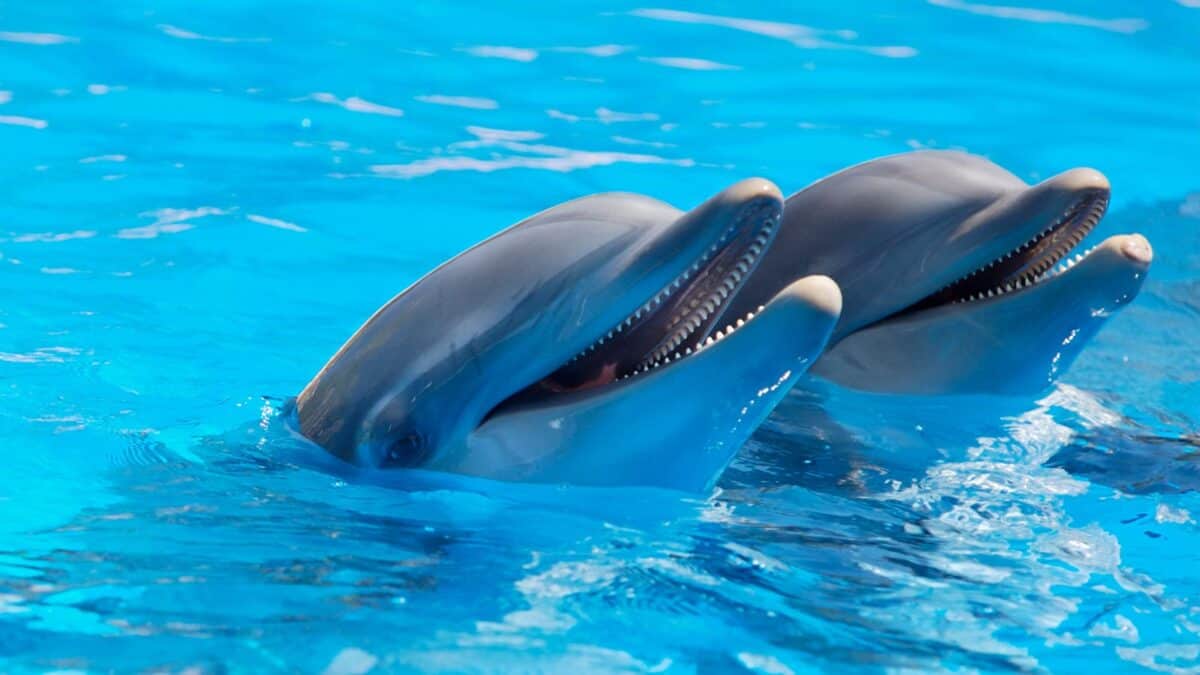
The discoveries outlined in this article represent just the beginning of our understanding of dolphin intelligence, with new research continually expanding the boundaries of what we know these remarkable marine mammals can achieve. As technology advances, scientists are developing more sophisticated methods to study dolphin cognition, including underwater touch screens, hydrophones capable of capturing the full range of their vocalizations, and non-invasive brain imaging techniques. The ethical implications of these discoveries are profound, challenging us to reconsider how we interact with and protect these highly intelligent beings. As we continue to learn more about dolphin cognition, we may need to fundamentally revise our understanding of intelligence itself—recognizing it not as a linear scale with humans at the top, but as a diverse set of adaptations shaped by different evolutionary pressures across species. The future of dolphin research promises not only to reveal more about these extraordinary animals but also to provide deeper insights into the very nature of intelligence across the animal kingdom.

As a little kid, I fell in love with nature, wildlife, and animals. Living in the USA, South Africa, Italy, China and Germany gave me the opportunity to discover the world's Wildlife. My favorite animals are Mountain Gorillas, Siberian Tigers, and Great White Sharks.
I'm a certified PADI Open Water Diver, went to Everest Base Camp and Trekked Gorillas in Uganda. I hold a Master of Science in Economics and Finance.
Please send any feedback to feedback@animalsaroundtheglobe.com
- Why the Great Barrier Reef Is the Best Place to Spot Sea Turtles - June 3, 2026
- 2 Animals With Super Sized Body Parts and What They are For - June 3, 2026
- Explore The Azores - June 3, 2026