


Worried about unexpected vet bills?
Pet insurance can cover thousands in unexpected vet costs. Get a free quote from Lemonade in under 2 minutes.
Get My Free Quote →Sponsored · Opens Lemonade.com
The United States is blessed with an incredibly diverse landscape, from scorching deserts and ancient forests to towering mountain ranges. These varied ecosystems provide habitats for a remarkable array of wildlife, each species uniquely adapted to thrive in its particular environment. From the desert-dwelling Gila monster to the majestic grizzly bear of the mountains, America’s wildlife showcases nature’s ingenuity in adapting to challenging conditions. This article explores 20 fascinating animals that have made their homes in the deserts, forests, and mountains of the United States, highlighting their remarkable adaptations, behaviors, and the conservation challenges they face in our changing world.
13. Desert Bighorn Sheep – Masters of Arid Terrain
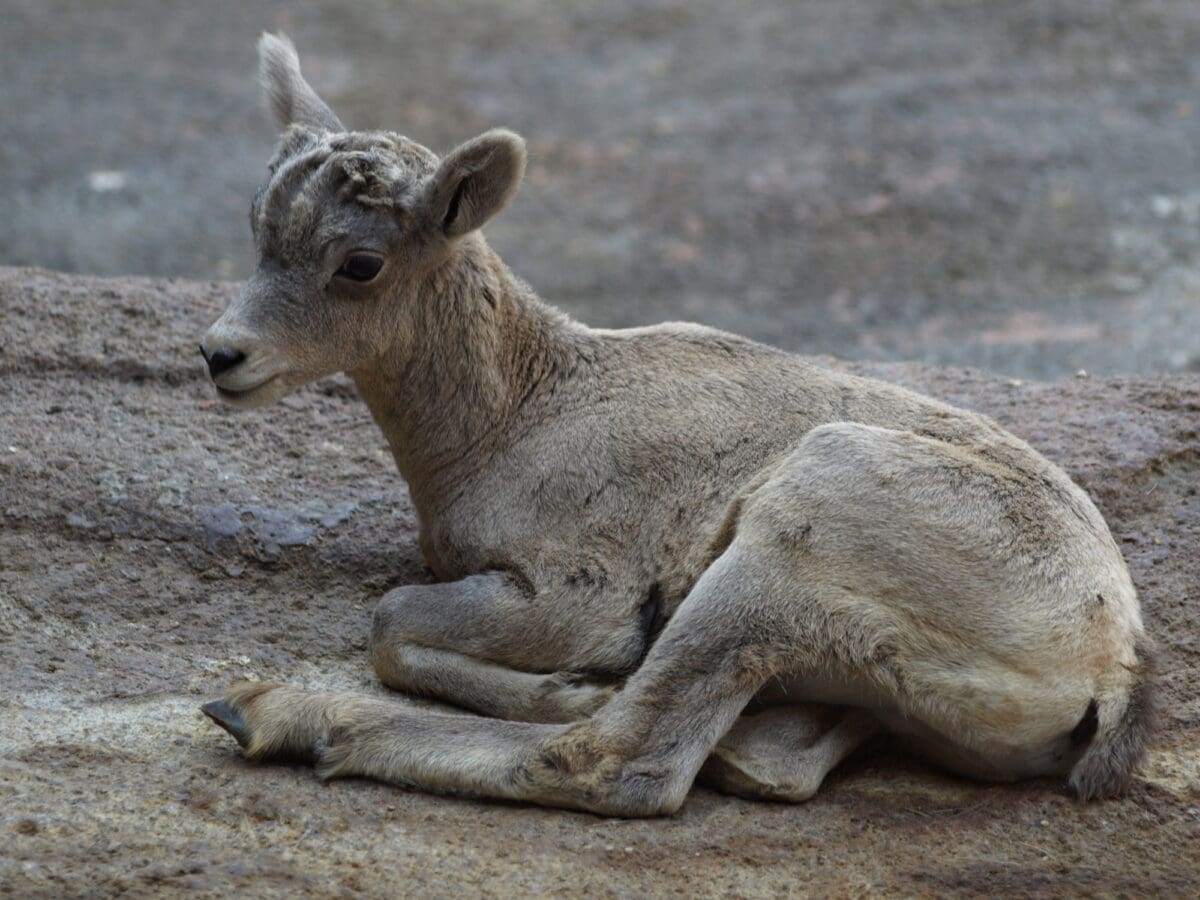
The desert bighorn sheep (Ovis canadensis nelsoni) is perfectly adapted to the harsh, rocky landscapes of the American Southwest. These agile creatures can be found navigating seemingly impossible cliff faces in places like Death Valley, the Mojave Desert, and the Grand Canyon. Their specialized hooves feature concave undersides that act like suction cups, allowing them to grip rocky surfaces with remarkable precision. Desert bighorns have evolved efficient water conservation mechanisms, enabling them to survive in areas receiving less than 10 inches of rainfall annually. Their bodies can safely withstand water loss of up to 30% of their body weight—a level that would be fatal to most mammals. Males (rams) are distinguished by their massive curved horns, which can weigh up to 30 pounds, while females (ewes) sport shorter, straighter horns. After decades of population decline due to hunting, disease, and habitat loss, conservation efforts have helped stabilize many desert bighorn populations, though they remain vulnerable.
12. Gila Monster – The Desert’s Venomous Relic

The Gila monster (Heloderma suspectum) stands as one of only two venomous lizards in the world and the only one native to the United States. These striking reptiles, with their black bodies patterned with pink, orange, or yellow beadlike scales, inhabit the Sonoran, Mojave, and Chihuahuan deserts. Unlike snakes that inject venom through fangs, Gila monsters have venom glands in their lower jaws and deliver toxins through a chewing motion. These slow-moving creatures spend up to 95% of their time underground or in burrows, emerging primarily during the spring breeding season. Their remarkable metabolism allows them to store fat in their tails and liver, enabling them to go months between meals. Scientists have discovered compounds in Gila monster venom that led to the development of a medication for type 2 diabetes, demonstrating the medical importance of preserving these ancient reptiles. Despite their fearsome reputation, Gila monsters are typically docile unless provoked and are protected by law throughout their range.
11. Pronghorn – America’s Fastest Land Animal

Often mistakenly called “antelope,” the pronghorn (Antilocapra americana) is a uniquely North American species that has inhabited the continent’s grasslands and deserts for over a million years. These remarkable mammals can sustain speeds of up to 55 mph, making them the fastest land animal in the Western Hemisphere and second only to the cheetah globally. Unlike deer, which shed and regrow their antlers annually, pronghorns have permanent horn sheaths with a forward-pointing prong that gives them their name. Their exceptional speed evolved as a response to now-extinct American cheetahs that once hunted them. Today, pronghorns roam the sagebrush plains and deserts of the American West, from southern Canada to northern Mexico. Their large eyes, positioned on the sides of their head, provide nearly 320-degree vision, allowing them to spot predators from great distances. While once numbering in the tens of millions, pronghorn populations declined dramatically due to hunting and habitat fragmentation, though conservation efforts have helped them recover to around 700,000 individuals today.
10. American Black Bear – Forest Omnivore

The American black bear (Ursus americanus) is the most common and widely distributed bear species in North America. Despite their name, these adaptable mammals can be brown, cinnamon, or even white (in the rare Kermode or “spirit bear” variant). Black bears primarily inhabit forested areas across most of the continental United States, from the dense woodlands of the East to the mountain forests of the West. As opportunistic omnivores, their diet shifts seasonally, consisting of berries, nuts, insects, honey, small mammals, and occasionally larger prey. These intelligent animals have excellent memories, particularly for food sources, and possess a sense of smell seven times more sensitive than a bloodhound’s. Prior to winter, black bears enter a state of torpor (not true hibernation), during which their heart rate and respiration slow dramatically while body temperature drops only slightly. Female bears even give birth during this winter dormancy period. While generally shy around humans, increasing development in bear habitat has led to more human-bear conflicts as bears are attracted to human food sources. Conservation education focusing on proper food storage in bear country has been critical to reducing these conflicts.
9. Mountain Lion – The Ghost Cat of North America

The mountain lion (Puma concolor), also known as cougar, puma, or panther, is North America’s largest wild cat and an apex predator with a remarkable range extending from the Canadian Yukon to the southern Andes. In the United States, these solitary and elusive cats inhabit diverse environments from the mountains and forests of the West to the swamps of Florida, where the endangered Florida panther subspecies resides. Mountain lions are incredibly adaptable, capable of living in mountains, deserts, forests, and increasingly, the urban-wildland interface. These powerful hunters can leap up to 40 feet horizontally and 15 feet vertically, taking down prey much larger than themselves, including elk and moose. Unlike other big cats, mountain lions cannot roar but instead communicate through purrs, chirps, and their haunting screams. These territorial animals require vast ranges—males may patrol territories of up to 100 square miles. Habitat fragmentation due to development poses a significant threat to mountain lion populations, as they require connected landscapes to maintain genetic diversity. Wildlife crossings over highways have proven successful in reducing vehicle collisions and allowing for safer movement between habitats.
8. Desert Tortoise – The Mojave’s Ancient Survivor
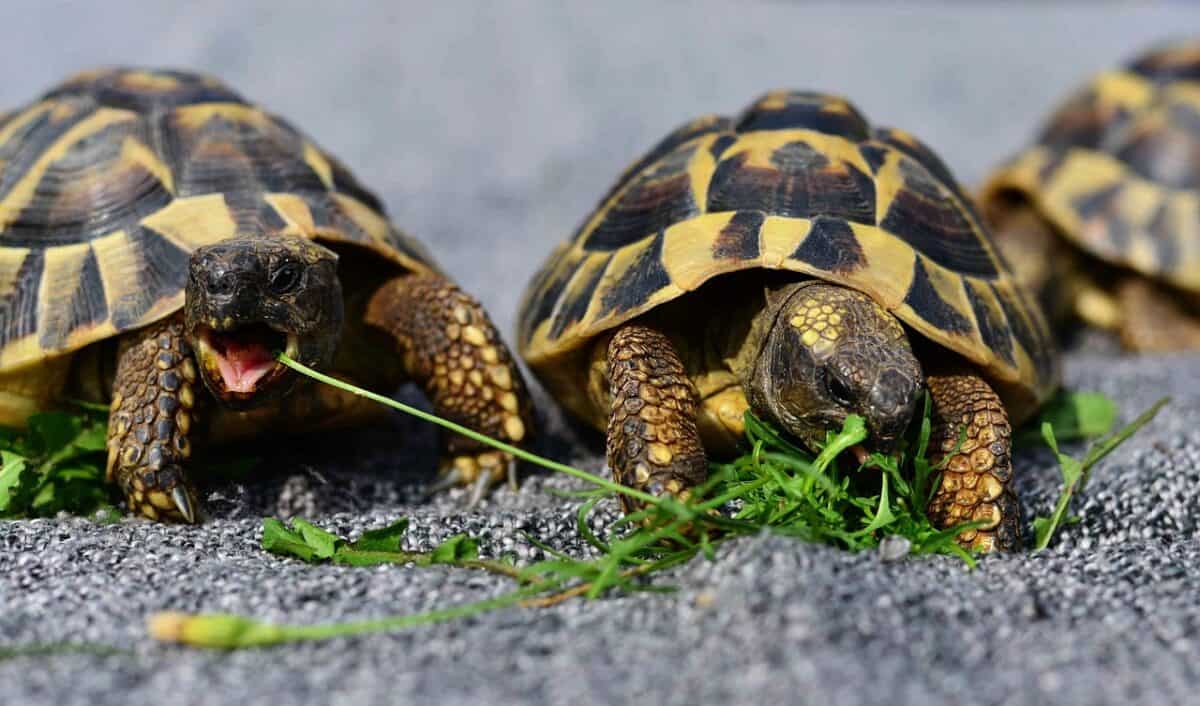
The desert tortoise (Gopherus agassizii) has roamed the American Southwest for millions of years, perfectly adapted to one of the harshest environments on Earth. These resilient reptiles can be found in the Mojave and Sonoran deserts, where they spend up to 95% of their lives in underground burrows to escape extreme temperatures that can range from below freezing to over 120°F. These burrows, which can extend up to 30 feet in length, serve as microhabitat refuges for dozens of other desert species. Desert tortoises can live for 50-80 years in the wild and possess remarkable adaptations for desert survival, including the ability to store water in their bladder for months and extract moisture from the native plants they consume. During droughts, they can survive water losses of up to 40% of their body weight. Unfortunately, these ancient creatures face numerous threats, including habitat destruction, disease, and predation by ravens, whose populations have boomed due to human development. Both the Mojave and Sonoran desert tortoise populations are protected under the Endangered Species Act, with extensive conservation programs working to ensure their survival.
7. Grizzly Bear – Icon of the American Wilderness
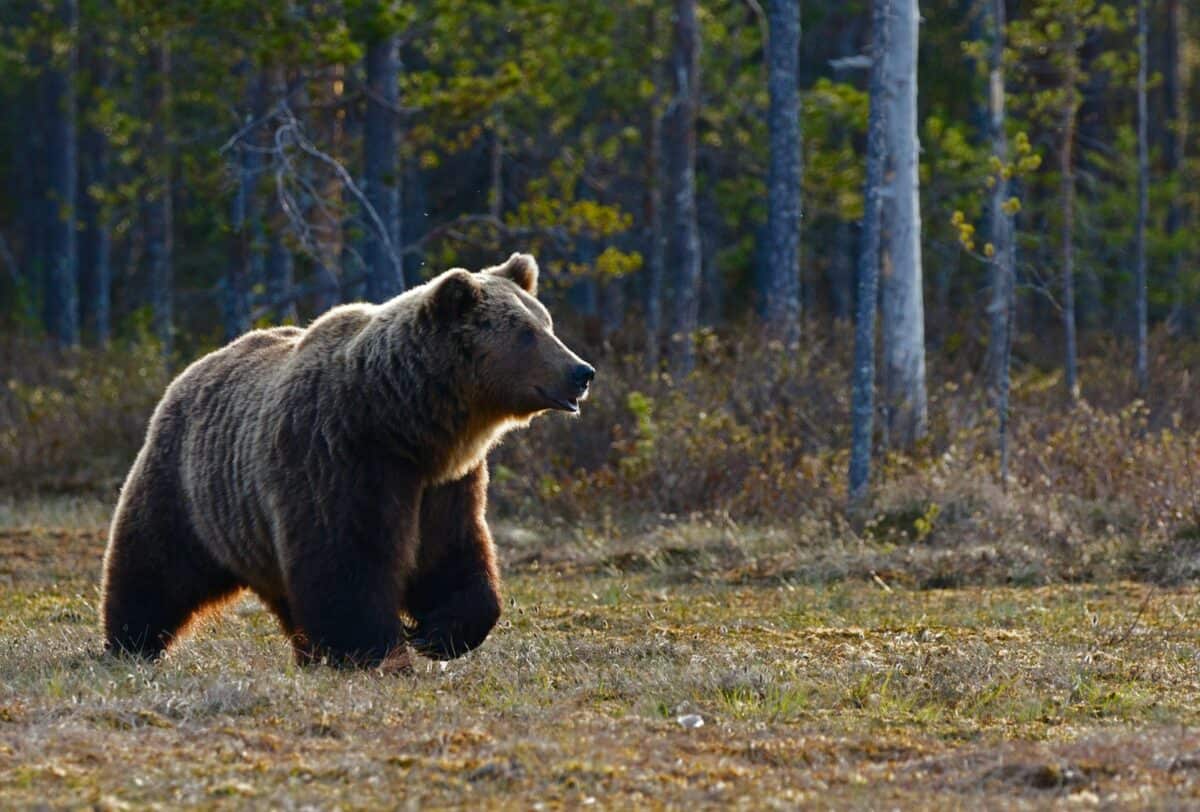
The grizzly bear (Ursus arctos horribilis), a subspecies of brown bear, once roamed across much of western North America but is now primarily confined to Alaska, western Canada, and isolated populations in the northern Rocky Mountains of the contiguous United States. These massive omnivores can weigh up to 800 pounds and stand 8 feet tall when on their hind legs. Grizzlies are identified by their distinctive shoulder hump (a mass of muscle used for digging), dish-shaped face, and long front claws that can reach 4 inches in length. Despite their fearsome reputation, plants make up about 80% of their diet, supplemented with insects, fish, small mammals, and occasionally larger prey like elk or moose. Grizzlies in places like Yellowstone National Park have developed specialized feeding behaviors, such as participating in seasonal salmon runs or excavating high-elevation moths by the thousands. These bears possess remarkable memory and intelligence, remembering food sources and returning to them year after year. While grizzly populations have recovered somewhat from their historic lows, they occupy less than 2% of their original range in the lower 48 states. Recovery efforts continue under the Endangered Species Act, with successes in the Greater Yellowstone Ecosystem and Northern Continental Divide Ecosystem serving as conservation models.
6. Spotted Owl – Sentinel of Old-Growth Forests
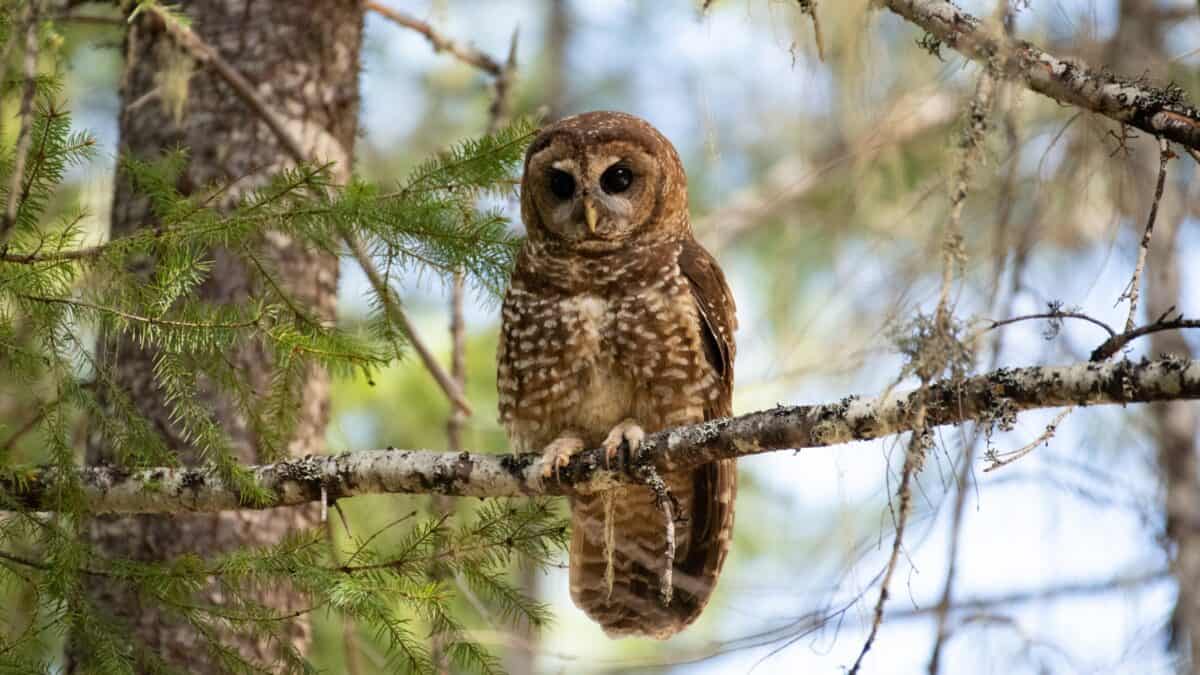
The spotted owl, particularly the northern (Strix occidentalis caurina) and Mexican (Strix occidentalis lucida) subspecies, has become both an indicator species and a symbol of conservation controversy in the United States. These medium-sized owls inhabit the mature and old-growth forests of the Pacific Northwest, Sierra Nevada, and Southwest, where they depend on the complex structure of ancient trees for nesting, roosting, and hunting. Spotted owls are specially adapted for hunting in dense forest understories, with asymmetrical ear placements that allow them to pinpoint prey by sound alone in near-total darkness. Their diet consists primarily of small mammals, particularly flying squirrels and woodrats. Unlike many owl species, spotted owls are non-migratory and extremely territorial, using the same nesting areas for generations if undisturbed. The northern spotted owl became the center of the “timber wars” in the Pacific Northwest during the 1990s when its protection under the Endangered Species Act restricted logging in old-growth forests. Today, both the northern and Mexican spotted owl subspecies remain threatened by habitat loss and competition from the more aggressive barred owl, which has expanded its range westward. Conservation efforts now focus on habitat protection and experimental management of barred owl populations.
5. Desert Kangaroo Rat – Moisture Conservation Specialist

The desert kangaroo rat (Dipodomys deserti) exemplifies evolutionary adaptation to extreme aridity, inhabiting the Mojave, Sonoran, and Chihuahuan deserts of the southwestern United States. These remarkable rodents can survive their entire lives without drinking a single drop of water, deriving all their moisture from the seeds and occasional insects they consume. Their specialized kidneys produce highly concentrated urine, minimizing water loss, while their respiratory systems recapture moisture from exhaled breath. Named for their kangaroo-like locomotion, these nocturnal creatures have elongated hind legs that allow them to leap up to 9 feet in a single bound, helping them escape predators like snakes, owls, and coyotes. Desert kangaroo rats construct elaborate burrow systems that protect them from extreme temperatures, with multiple chambers for nesting, food storage, and escape routes. Their enormous eyes enable excellent night vision, while their acute hearing can detect the movement of predatory snakes across sand. Perhaps most remarkably, kangaroo rats can leap and kick sand at approaching rattlesnakes, deterring attacks and buying time to escape. These desert specialists play crucial ecological roles as seed dispersers and as prey for numerous desert predators.
4. Elk – Majestic Dwellers of Forests and Mountains

The North American elk (Cervus canadensis), also known as wapiti, is one of the largest species in the deer family and a symbol of the American West. These magnificent ungulates inhabit a variety of landscapes, from the montane forests and alpine meadows of the Rocky Mountains to the rainforests of the Pacific Northwest. Bull elk are known for their impressive antlers, which can span up to 4 feet across, weigh up to 40 pounds, and are shed and regrown annually. During the fall rut (breeding season), bull elk engage in spectacular displays, including their distinctive bugling calls that can be heard for miles across mountain valleys. These haunting vocalizations serve to attract females and intimidate rival males. Elk are highly adaptable herbivores, shifting their diet seasonally from grasses in summer to woody browse in winter. Many elk populations undertake seasonal migrations, traveling from high mountain summer ranges to lower-elevation winter grounds, with some herds covering over 60 miles during these journeys. Once nearly eliminated from much of their range due to unregulated hunting, elk have made a remarkable recovery thanks to conservation efforts, with populations now exceeding one million across North America. In places like Yellowstone National Park, elk serve as crucial prey for recovering wolf populations, demonstrating the importance of preserving complete ecosystems.
3. Bald Eagle – America’s National Bird

The bald eagle (Haliaeetus leucocephalus), America’s national bird and symbol, inhabits a variety of environments from coastal areas to mountain forests near lakes and rivers across the United States. These majestic raptors are not actually bald—their name derives from an older meaning of the word “bald” that referred to their white-feathered heads, which contrast dramatically with their dark brown bodies and develop when eagles reach maturity at around five years of age. With wingspans reaching up to 8 feet, bald eagles are powerful fliers capable of soaring at altitudes of 10,000 feet and diving at speeds approaching 100 mph when hunting. These birds form monogamous pairs that often mate for life, building massive nests called eyries that can weigh up to a ton and measure 8 feet across—the largest bird nests in North America. Primarily fish eaters, bald eagles are opportunistic hunters and scavengers that will also take waterfowl, small mammals, and carrion. The bald eagle represents one of America’s greatest conservation success stories: once decimated by hunting, habitat destruction, and the pesticide DDT (which caused catastrophic thinning of eggshells), they recovered from just 417 nesting pairs in the 1960s to more than 71,000 individuals today thanks to protective legislation, habitat restoration, and the banning of DDT.
2. Gopher Tortoise – The Southeast’s Ecosystem Engineer

The gopher tortoise (Gopherus polyphemus) is a keystone species of the longleaf pine savannas and sandhills of the southeastern United States, ranging from southern South Carolina to eastern Louisiana and throughout Florida. These terrestrial tortoises are named for their impressive digging abilities, using their shovel-like front legs to excavate extensive burrows that can extend up to 40 feet in length and 10 feet in depth. These burrows serve as crucial habitat for more than 350 other species, including indigo snakes, burrowing owls, gopher frogs, and numerous invertebrates, earning the gopher tortoise the title of “ecosystem engineer.” The burrows also provide refuge during forest fires, which are natural and necessary components of the longleaf pine ecosystem. Gopher tortoises are herbivores, feeding primarily on low-growing plants like grasses and legumes, and play an important role in seed dispersal throughout their habitat. These long-lived reptiles can survive for more than 60 years in the wild but face significant threats from habitat fragmentation, development, and fire suppression, which prevents the maintenance of the open understory they require for foraging. As a result, gopher tortoises are listed as threatened throughout much of their range, with conservation efforts focusing on habitat protection and restoration of the once-vast longleaf pine ecosystem, which has been reduced to less than 3% of its historical extent.
1. Bighorn Sheep – Mountain Monarchs
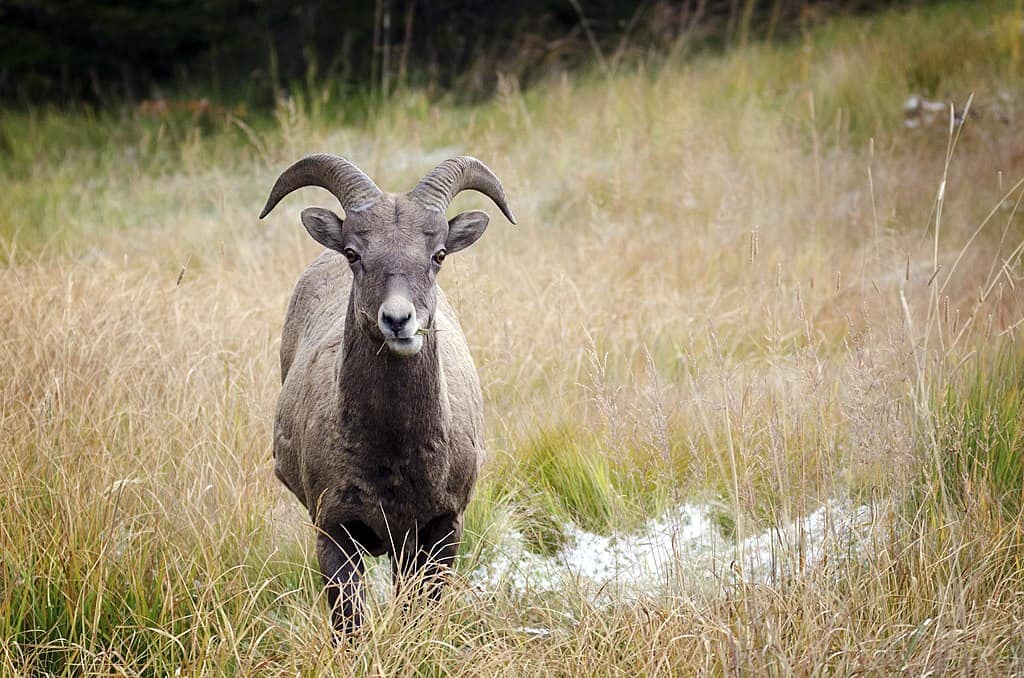
The Rocky Mountain bighorn sheep (Ovis canadensis canadensis) is an iconic symbol of the rugged mountain landscapes of western North America. These magnificent ungulates inhabit the steep, rocky terrain of the Rocky Mountains from Canada to New Mexico, displaying remarkable agility on precarious slopes. Male bighorns, known as rams, are famous for their massive curved horns, which can weigh up to 30 pounds—as much as all the bones in their body combined. These horns serve as tools for dominance displays during the fall rut, when rams engage in spectacular head-butting contests that can be heard echoing through mountain canyons from over a mile away. Their specialized hooves feature hard outer edges for gripping rock and soft, spongy centers for traction, allowing them to navigate slopes with a 60% grade at full speed. Bighorns possess exceptional vision.
Conclusion:

From the sun-scorched deserts of the Southwest to the towering peaks of the Rockies and the dense forests of the Pacific Northwest, the United States is home to a dazzling variety of wildlife uniquely adapted to its diverse landscapes. These 20 animals—each with remarkable survival strategies, specialized behaviors, and crucial roles in their ecosystems—paint a vivid portrait of nature’s creativity and resilience. Yet many of these species face growing threats from habitat loss, climate change, invasive species, and human encroachment. Understanding their adaptations and the environments they call home is the first step toward ensuring their survival. As stewards of this rich natural heritage, we have the opportunity—and responsibility—to protect the wild places that sustain these incredible creatures. Whether it’s the silent glide of a spotted owl through ancient forests or the thunderous clash of bighorn rams in alpine meadows, the wild heart of America still beats strong—and it’s worth preserving for generations to come.
Worried about unexpected vet bills?
Pet insurance can cover thousands in unexpected vet costs. Get a free quote from Lemonade in under 2 minutes.
Get My Free Quote →Sponsored · Opens Lemonade.com

As a little kid, I fell in love with nature, wildlife, and animals. Living in the USA, South Africa, Italy, China and Germany gave me the opportunity to discover the world's Wildlife. My favorite animals are Mountain Gorillas, Siberian Tigers, and Great White Sharks.
I'm a certified PADI Open Water Diver, went to Everest Base Camp and Trekked Gorillas in Uganda. I hold a Master of Science in Economics and Finance.
Please send any feedback to feedback@animalsaroundtheglobe.com
- Top 10 Animals and Wildlife in the Arctic - June 9, 2026
- 12 Monkeys That Use Tools Just Like Humans - June 9, 2026
- 10 Most Alligator-Infested Swamps in the United States - June 9, 2026