

Skunks have earned their notorious reputation through one of nature’s most effective defense mechanisms: their powerful spray. This malodorous mist is not randomly discharged but represents a sophisticated biological system that allows these small mammals to target perceived threats with remarkable accuracy. The skunk’s spray is a yellowish, oily liquid produced by specialized glands located near the base of the tail. This substance contains sulfur compounds called thiols (primarily E-2-butene-1-thiol and 3-methyl-1-butanethiol), which give the spray its distinctively foul odor that can be detected by humans up to a mile away and remain perceptible for days or even weeks.
What makes this defense mechanism particularly fascinating is not just its potent smell but the precision with which skunks can deploy it. Unlike many other animal defenses that operate on an all-or-nothing basis, skunks possess the ability to control the direction, distance, and even the amount of spray released. This precision turns what could have been a simple deterrent into a highly sophisticated targeting system that maximizes effectiveness while conserving a valuable resource, as skunks can only produce a limited amount of spray before needing time to replenish.
Anatomical Design for Precision
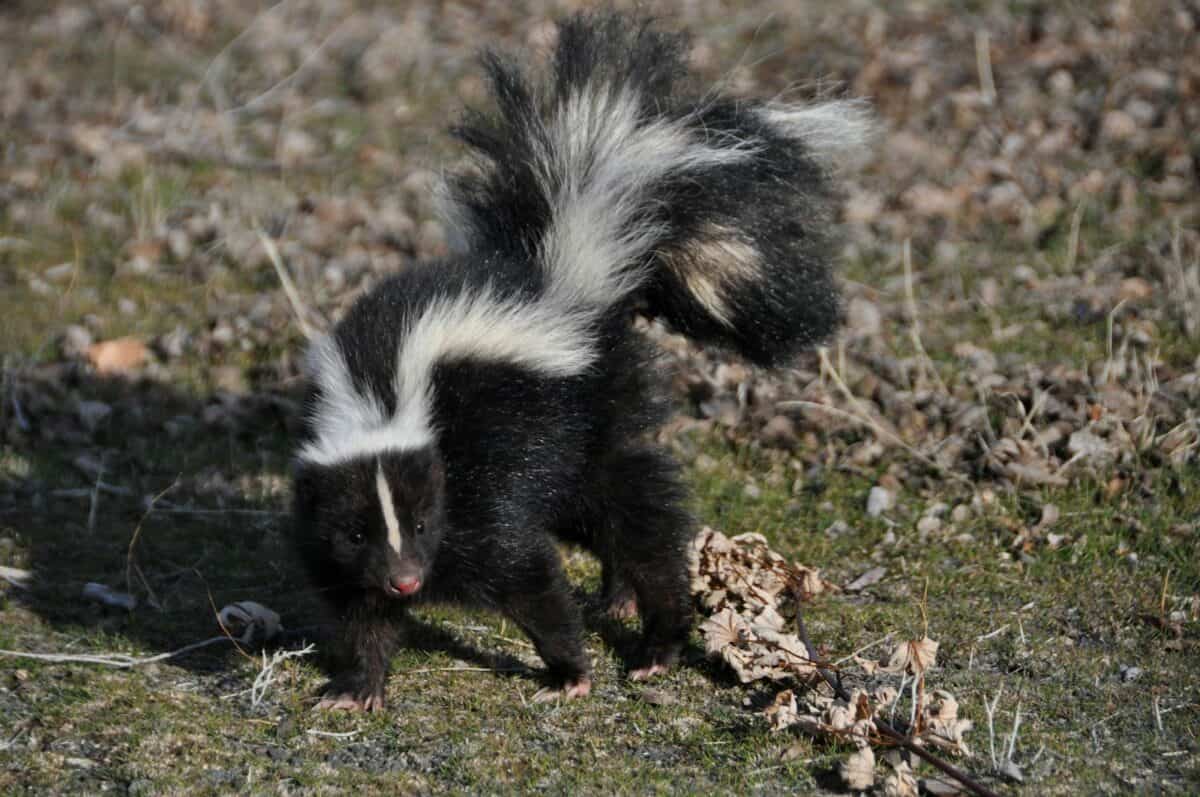
The skunk’s remarkable aim begins with specialized anatomy. Beneath the skin on either side of the anus, skunks possess two large scent glands, each containing approximately one tablespoon of the noxious fluid. These glands connect to small, muscular nipples that can be extended and precisely aimed by the skunk. The positioning of these nipples allows the skunk to spray in virtually any direction without changing the orientation of its body. This anatomical design represents a marvel of evolutionary engineering, allowing the small mammal to maintain a defensive posture while precisely targeting threats.
The muscles surrounding these glands are under voluntary control, meaning the skunk makes a conscious decision to spray rather than doing so as an automatic reflex. This voluntary control is crucial for the precision of their defense system. The muscular control extends not just to the decision of whether to spray but also to how much pressure to apply, which directly affects the distance and concentration of the spray. Some skunk species can hit targets up to 10-15 feet away with remarkable accuracy, demonstrating the fine-tuned nature of this muscular control system.
The Dual-Nozzle System
One of the most fascinating aspects of skunk spray mechanics is their dual-nozzle system. The two spray nozzles can be controlled independently, allowing skunks to direct their spray with pinpoint accuracy. This independent control enables skunks to spray in two different directions simultaneously if faced with multiple threats or to focus both streams on a single target for maximum impact. The nozzles can swivel to cover almost a complete 180-degree arc, giving the skunk an impressive field of fire without having to reposition its body.
Research has shown that skunks can adjust these nozzles with millimeter precision, effectively creating different spray patterns depending on the threat scenario. They can produce a fine, mist-like spray that hangs in the air for area denial, or a more concentrated stream for direct hits on specific targets. This adaptability makes their defense system effective against a wide range of predators, from curious house pets to large predators like bears and mountain lions, all of which learn quickly to avoid the distinctive black and white pattern after just one encounter.
Cognitive Mapping of Targets
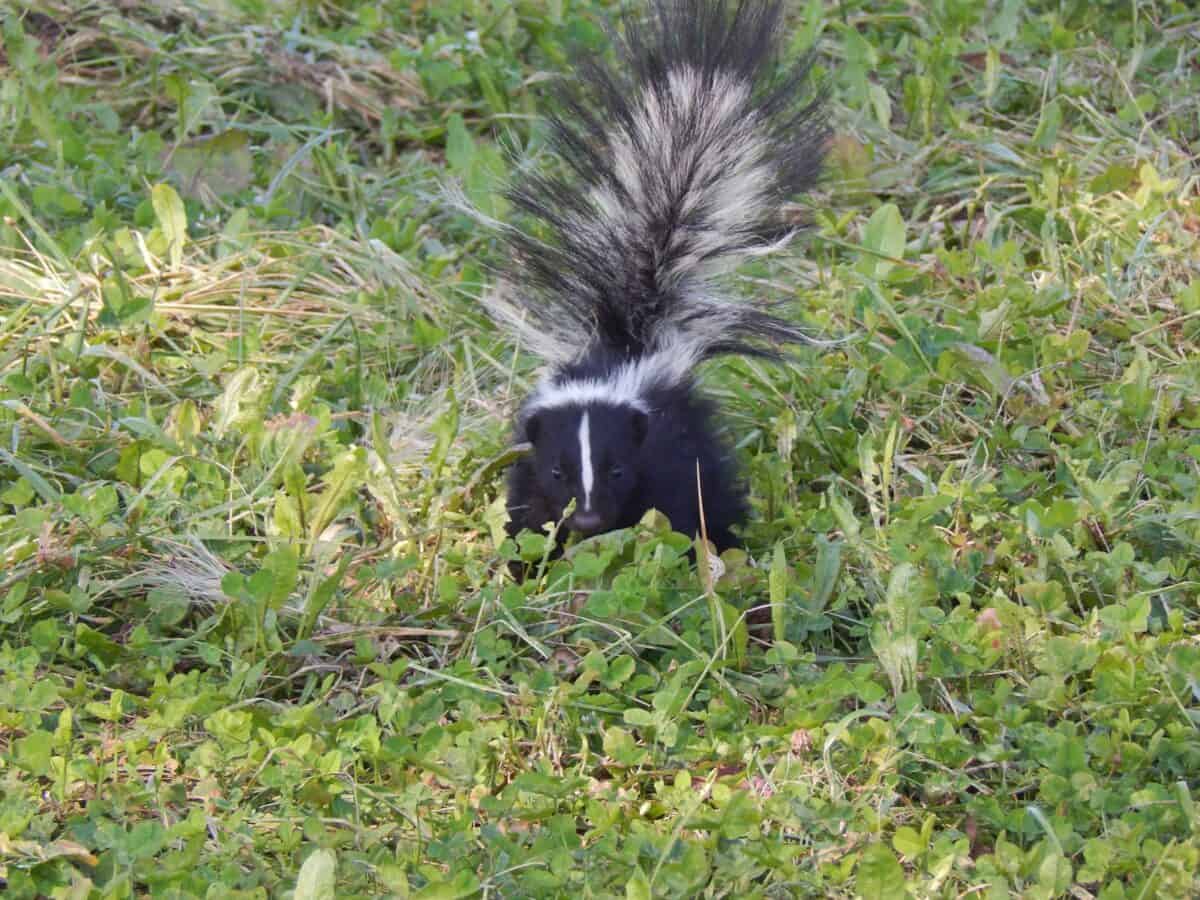
The precision of a skunk’s spray isn’t merely a matter of physical capability but also involves sophisticated spatial awareness. Studies of skunk behavior indicate they possess a form of cognitive mapping that allows them to accurately gauge the position of threats in their environment. This spatial awareness enables them to target specific areas of a predator’s body, typically aiming for the face and eyes where the spray will be most effective. Even in complete darkness, skunks demonstrate remarkable accuracy, suggesting they may integrate multiple sensory inputs including hearing and smell to create a mental map of their surroundings.
This cognitive ability is particularly impressive considering the skunk’s relatively small brain size compared to many mammalian predators. Researchers believe this specialized spatial processing may occupy a significant portion of the skunk’s neural resources, highlighting the evolutionary importance of this defense mechanism. When combined with their distinctive warning coloration and pre-spray threat displays, this spatial awareness forms part of a sophisticated multi-layered defense strategy that has allowed skunks to thrive with relatively few natural predators despite their small size and limited speed.
Pre-Spray Warning Behaviors

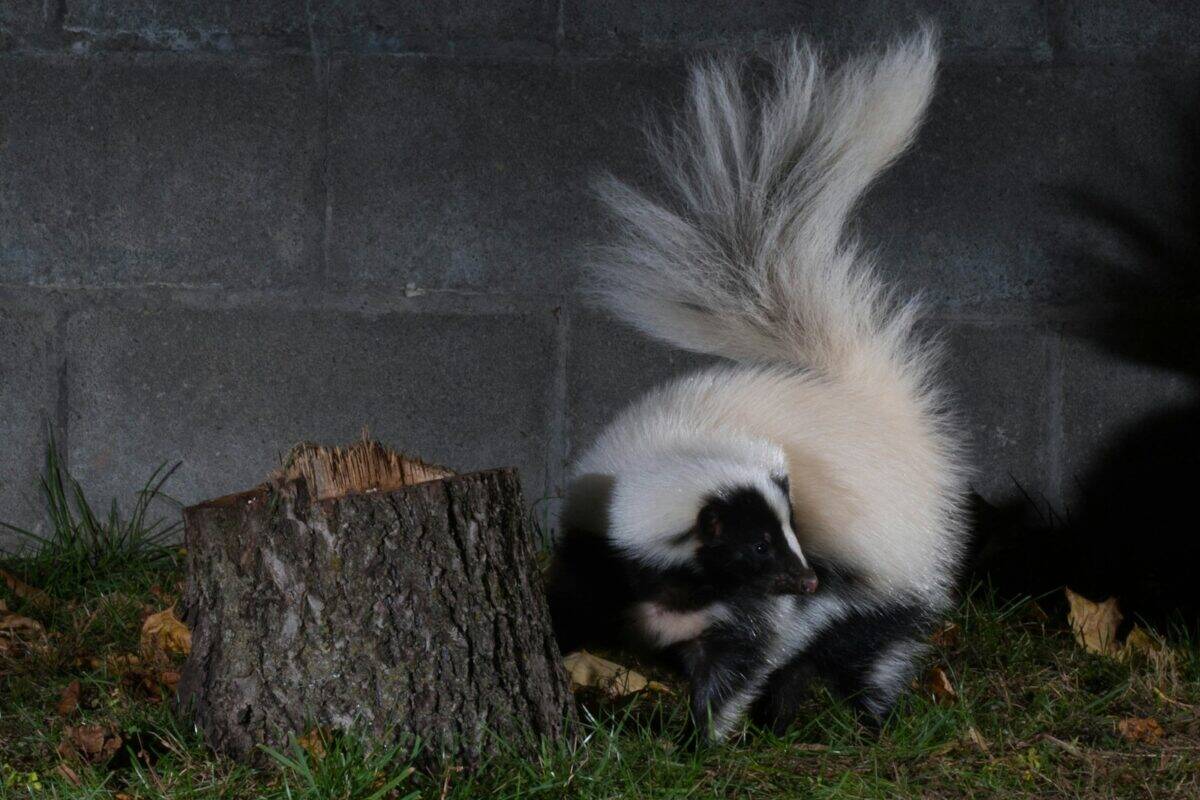
Skunks are actually reluctant sprayers, preferring to conserve their limited supply of defensive fluid whenever possible. Before resorting to spraying, they engage in a well-documented series of warning behaviors that signal their readiness to deploy their chemical defense. These warnings begin with stomping their front feet, a behavior that creates vibrations that can be felt by nearby animals. If this doesn’t deter the threat, they will raise their tail, arch their back, and turn their body sideways to appear larger while giving the potential predator a clear view of their distinctive warning coloration.
Should these warnings be ignored, the skunk will then twist its hindquarters toward the threat while still keeping its eyes on the target, a position that allows for both precise aiming and quick adjustment if the target moves. In the final warning, many skunks will actually perform a handstand, balancing on their front paws with their hindquarters and tail raised high, presenting the spray nozzles directly toward the threat. This elaborate sequence of warnings benefits both the skunk and potential predators – the skunk conserves its spray, and animals that heed the warnings avoid a highly unpleasant experience. The precision of their aiming system means these warnings should be taken very seriously.
Muscular Control Mechanisms

The extraordinary precision of skunk spray direction is made possible by a complex network of specialized muscles surrounding the scent glands and spray nozzles. These muscles work in concert to control not only the direction but also the pressure applied to the glands. High-speed video analysis of spraying skunks has revealed that these muscles can make micro-adjustments in milliseconds, allowing the skunk to track moving targets with remarkable accuracy. The anal sphincter muscles, abdominal muscles, and a series of smaller muscles attached directly to the scent glands form a sophisticated control system that gives skunks their legendary aim.
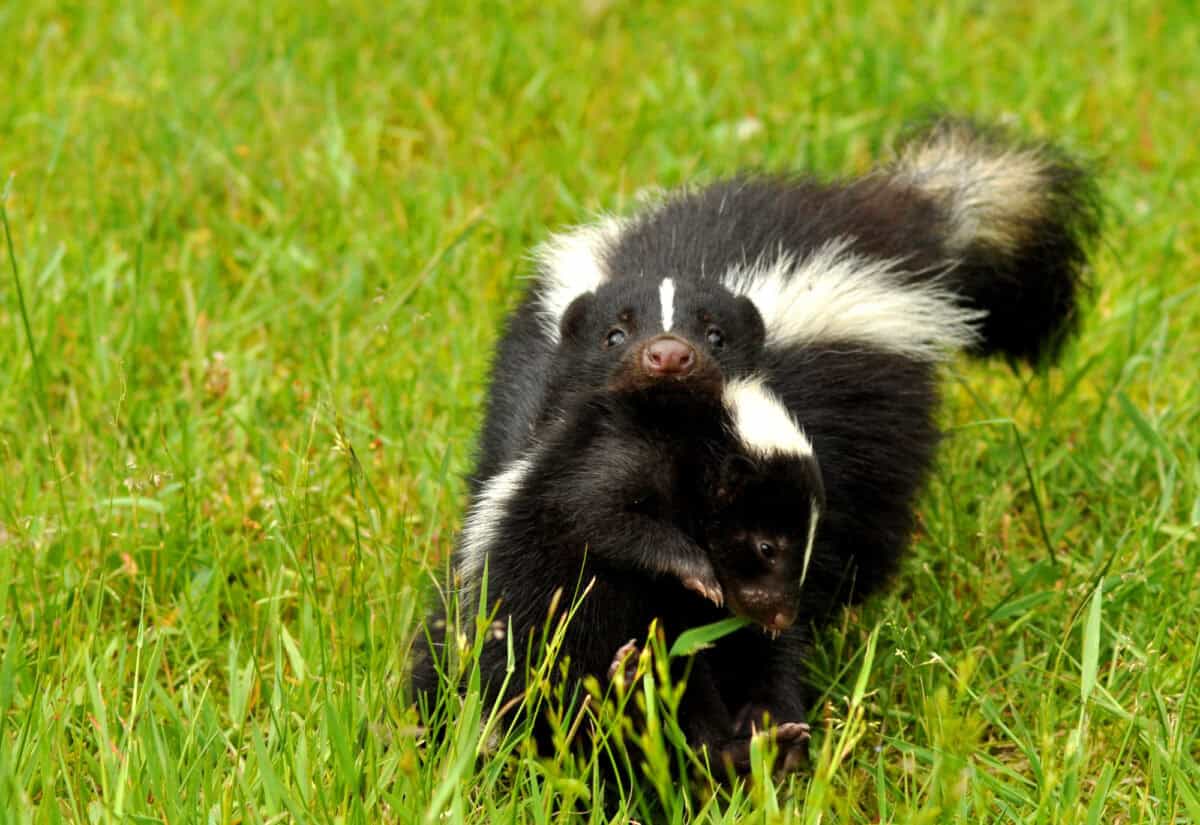
Electromyography studies have shown that different spray patterns require different muscular activation sequences. A wide dispersal pattern uses a different muscle combination than a concentrated stream, and skunks can switch between these patterns almost instantaneously. This muscular control system represents one of the most sophisticated voluntary chemical deployment mechanisms in the animal kingdom. Young skunks are born with these muscles fully developed but must practice their coordination, explaining why juvenile skunks often demonstrate less precise control over their spray direction than adults.
Conservation and Metering of Spray
A critical aspect of skunk spray precision is the conservation of this precious resource. A skunk typically has only enough spray for 5-6 consecutive discharges before their glands are temporarily depleted, after which it can take up to 10 days to replenish their supply. This limitation has driven the evolution of their remarkable ability to meter the exact amount of spray used in each defensive encounter. Studies have documented that skunks can release as little as a single drop of fluid for minor threats or full streams for serious dangers, demonstrating an impressive economy of resources.
This metering ability is controlled by the same muscular system that handles directional control, with different pressure levels resulting in different discharge volumes. The skunk’s brain must process the level of threat and make split-second decisions about how much spray to use, balancing immediate defense needs against future vulnerability if supplies are depleted. Some research suggests that skunks may even adjust their spray volume based on environmental factors, such as conserving more spray during seasons when predator encounters are more frequent, though this area requires further study.
Species-Specific Variations in Spray Control
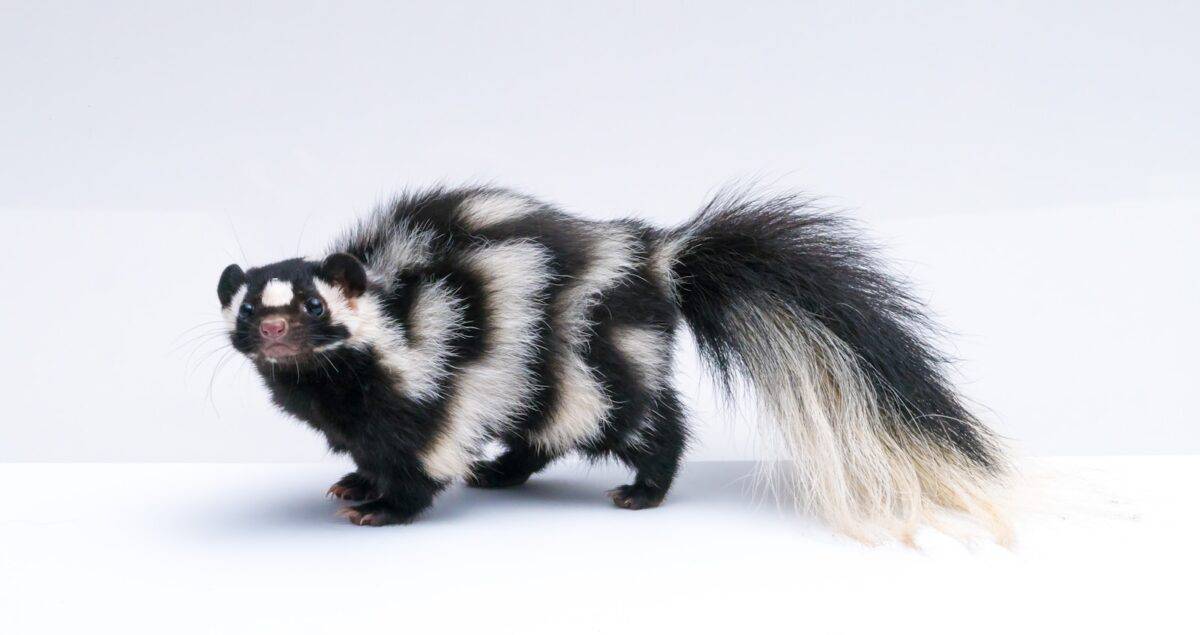
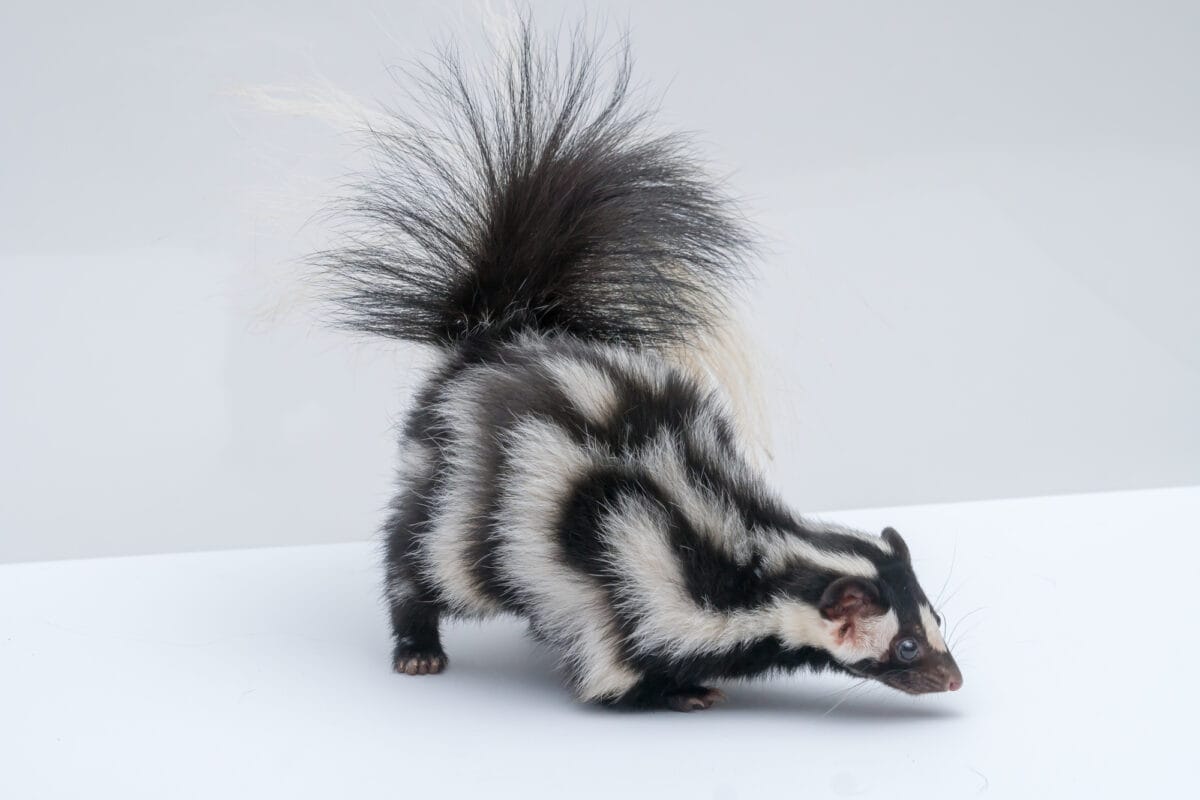
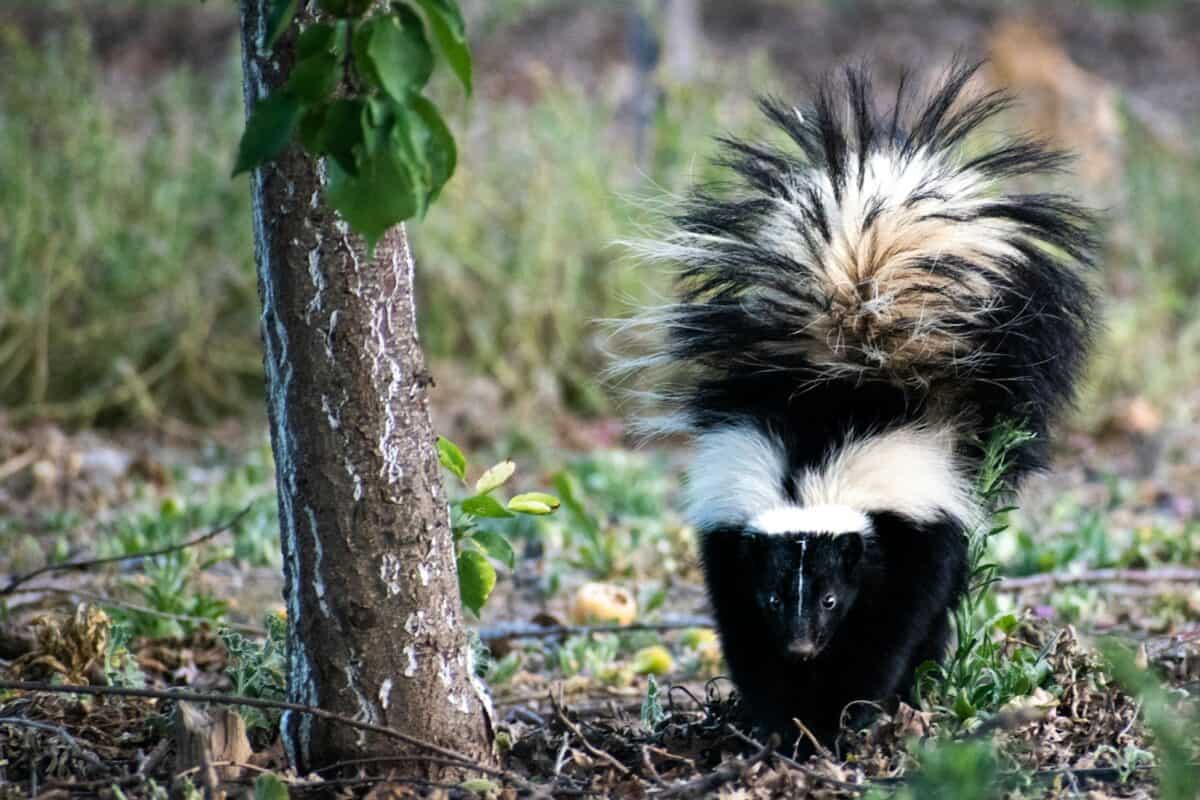
While all skunk species possess the ability to spray with precision, there are notable variations in spray control capabilities across different species. The striped skunk (Mephitis mephitis), North America’s most common skunk species, can accurately hit targets up to 10 feet away with a concentrated stream or create a fine mist that can disperse over a wider area. The spotted skunk (Spilogale putorius), despite its smaller size, demonstrates even more impressive control, with documented accuracy at distances up to 15 feet and the ability to perform their characteristic threat handstand, which allows for uniquely precise aiming.
The hog-nosed skunk (Conepatus leuconotus) has evolved slightly different spray mechanics adapted to its burrowing lifestyle, with nozzles that can be extended further from the body to spray from the safety of a partially concealed position. Research comparing these different species provides valuable insights into how environmental pressures and different predator profiles have shaped the evolution of spray control mechanisms. These variations highlight how natural selection has fine-tuned this defense mechanism to suit the specific ecological niche of each skunk species.
Neural Coordination of Aim
The neural basis for a skunk’s aiming precision involves a sophisticated integration of sensory information and motor control. Neurobiological studies indicate that skunks possess specialized neural pathways dedicated to processing spatial information and coordinating their spray response. These pathways connect visual and auditory processing centers directly to the motor neurons controlling the spray apparatus, allowing for rapid and accurate responses to perceived threats. This direct neural connection explains how skunks can react with such speed and precision even under stressful conditions.
The skunk brain also contains dedicated neural circuits for threat assessment, which help determine not just where to aim but whether spraying is necessary at all. These circuits evaluate the series of warning behaviors and their effectiveness before initiating the spray response. Interestingly, young skunks show that while the neural hardware for spray control is innate, the fine-tuning of these systems comes with experience. Juvenile skunks typically display less accuracy and more unnecessary spraying than adults, suggesting a learning component to the development of their full aiming capabilities that complements their innate neural architecture.
Environmental Factors Affecting Spray Precision
A skunk’s spray accuracy doesn’t exist in isolation but is influenced by various environmental factors. Wind conditions represent one of the most significant variables affecting spray precision, with skunks demonstrating the ability to compensate for light to moderate winds by adjusting their aim accordingly. Studies in controlled environments have shown that skunks will instinctively adjust their spray angle when facing into a crosswind, demonstrating an intuitive understanding of how their chemical projectile will be affected by air currents.
Temperature also plays a crucial role in spray behavior and effectiveness. In extremely cold conditions, the viscosity of the spray increases, potentially reducing range and dispersal patterns. Conversely, in hot weather, the more volatile components of the spray evaporate more quickly, creating different dispersal characteristics. Experienced skunks appear to make intuitive adjustments for these environmental variables, another testament to the sophisticated nature of their defense system. Some research even suggests that humidity levels may affect how long the spray remains active in the environment, potentially influencing a skunk’s decision about how much spray to deploy in different weather conditions.
Evolutionary Development of Precision Spraying

The remarkable precision of skunk spray represents the culmination of millions of years of evolutionary refinement. Paleontological and genetic evidence suggests that the common ancestor of modern skunks first developed scent glands for territorial marking rather than defense. Over time, natural selection favored individuals with stronger-smelling secretions and greater control over their deployment, gradually transforming a communication tool into a sophisticated defense weapon. The earliest skunk ancestors likely had much less control over spray direction, with each subsequent evolutionary refinement improving the precision and effectiveness of this mechanism.
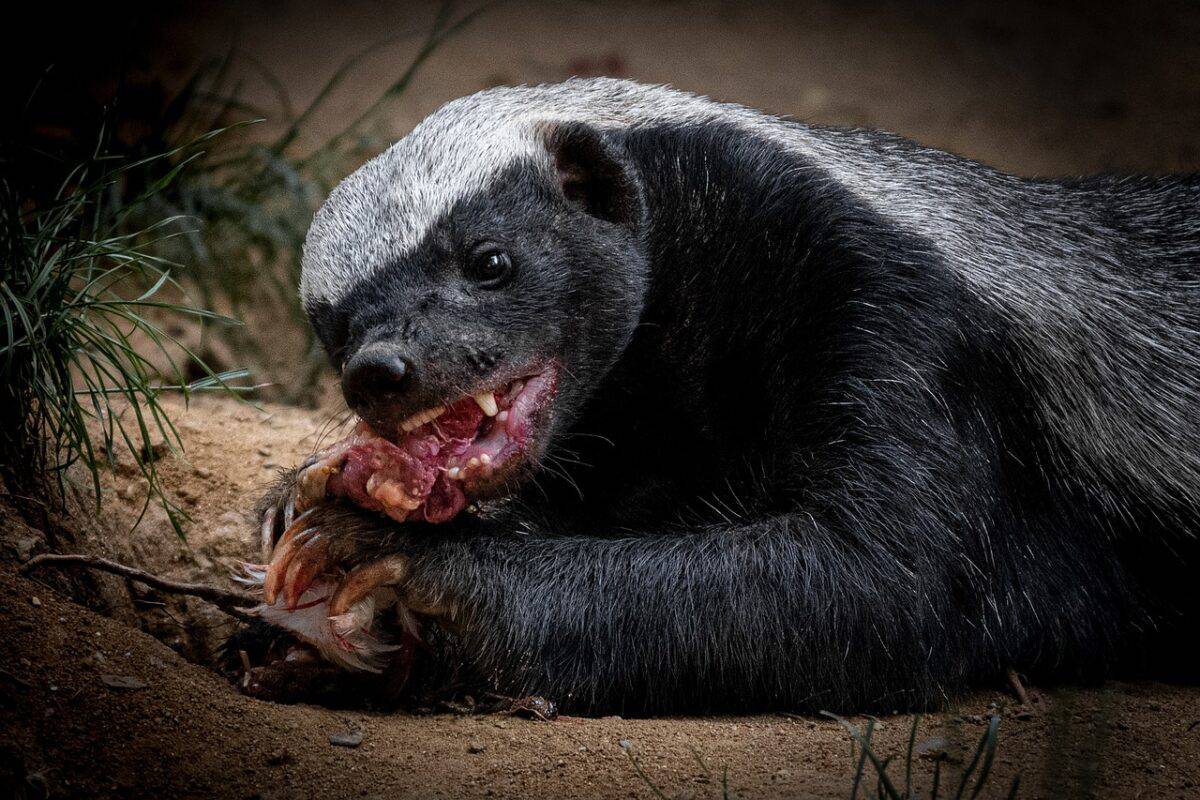
Comparative studies with related mustelid species like badgers and weasels, which have anal scent glands but lack the sophisticated spray apparatus of skunks, provide insights into this evolutionary pathway. The development of voluntary muscular control, independently articulating spray nozzles, and the neural coordination necessary for accurate aiming all represent significant evolutionary innovations. These adaptations have been so successful that they have reduced predation pressure on skunks to the point where they can afford to be relatively slow-moving and conspicuously colored, unlike many of their more cryptic and swift mustelid relatives. This evolutionary success story demonstrates how a single highly specialized defense mechanism can reshape an animal’s entire ecological role.
Understanding Skunk Spray: Nature’s Precision Defense System
The skunk’s ability to control its spray with such remarkable precision represents one of nature’s most fascinating defense adaptations. This precision isn’t merely a product of physical anatomy but emerges from the integration of specialized muscles, neural coordination, spatial awareness, and learned behaviors. The system’s effectiveness is further enhanced by the skunk’s distinctive warning coloration and behavioral displays, creating a multi-layered defense strategy that has proven remarkably successful throughout the evolutionary history of these mammals. Understanding this sophisticated mechanism gives us appreciation for the complexity that can evolve even in seemingly simple defense systems.
Research into skunk spray mechanics continues to yield insights relevant to fields ranging from chemical ecology to biomimetics, where human-designed systems might benefit from mimicking the precise fluid control demonstrated by skunks. For the skunks themselves, their remarkable aiming ability, combined with their potent chemical formula, has earned them a level of respect from predators that allows these relatively small mammals to move through their environment with a confidence unusual for animals of their size. The next time you encounter a skunk’s distinctive black and white pattern, remember that you’re observing not just a warning sign but the outward indication of one of nature’s most precisely calibrated defense systems – and one that’s best appreciated from a respectful distance.

- Why You Should Stop Feeding Ducks at the Park - July 21, 2026
- The Secret Language of Dolphins Decoded by Researchers - July 20, 2026
- 7 Animals That Can Survive Extreme Environments You Couldn’t - July 20, 2026