

When darkness falls, a hidden world awakens. The night brings forth creatures that have evolved to thrive in the absence of light, developing unique adaptations that often appear unsettling to human observers. From the silent flight of owls to the scuttling movements of scorpions, nocturnal animals have fascinated and frightened humans throughout history. Their specialized senses, unusual appearances, and mysterious behaviors have inspired countless myths and legends across cultures. This article explores thirteen of the most intriguing nocturnal creatures whose adaptations to nightlife might send shivers down your spine, yet reveal remarkable evolutionary success stories.
13. Vampire Bats Nature’s Real Blood-Drinkers

Vampire bats represent the only mammals that survive exclusively on blood, making them among the most unsettling nocturnal creatures. Found primarily in Central and South America, these specialized bats use heat sensors in their noses to locate blood vessels near the skin surface of their prey. Their razor-sharp teeth create a small incision almost painlessly, while their saliva contains anticoagulant compounds that prevent blood clotting. Despite their fearsome reputation, vampire bats are highly social animals that practice food sharing, regurgitating blood meals for hungry companions who haven’t fed. The common vampire bat (Desmodus rotundus) typically feeds on large mammals including cattle, while the rarer white-winged and hairy-legged vampire species target birds. Their ability to move silently, detect sleeping prey, and consume blood without detection makes them masterful nocturnal hunters.
12. Giant Centipedes Many-Legged Predators
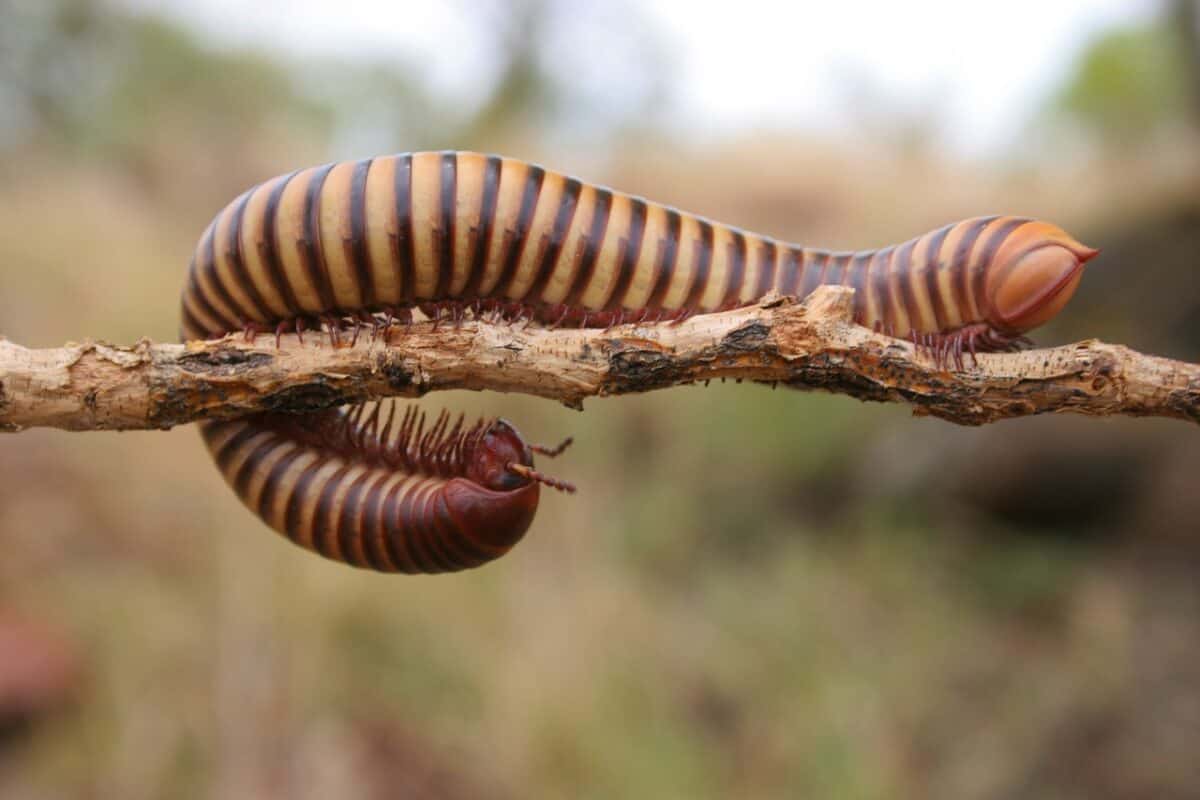
Giant centipedes emerge at night to hunt with remarkable aggression and speed. Species like the Amazonian giant centipede (Scolopendra gigantea) can grow over 12 inches long and possess modified front legs called forcipules that deliver venom. Unlike their herbivorous millipede relatives, centipedes are carnivorous predators capable of subduing prey substantially larger than themselves, including small vertebrates like lizards, frogs, mice, and even small birds. Their segmented bodies house a pair of legs per segment, allowing fluid, wave-like movement as they pursue prey across various terrains. Most disturbing is their ability to climb walls and navigate complex environments in total darkness, guided by sensitive antennae and numerous sensory organs. Though rarely fatal to humans, their painful bites contain neurotoxic venom that can cause intense pain, swelling, and in some cases, allergic reactions requiring medical attention.
11. Aye-Ayes Madagascar’s Finger-Tapping Lemurs
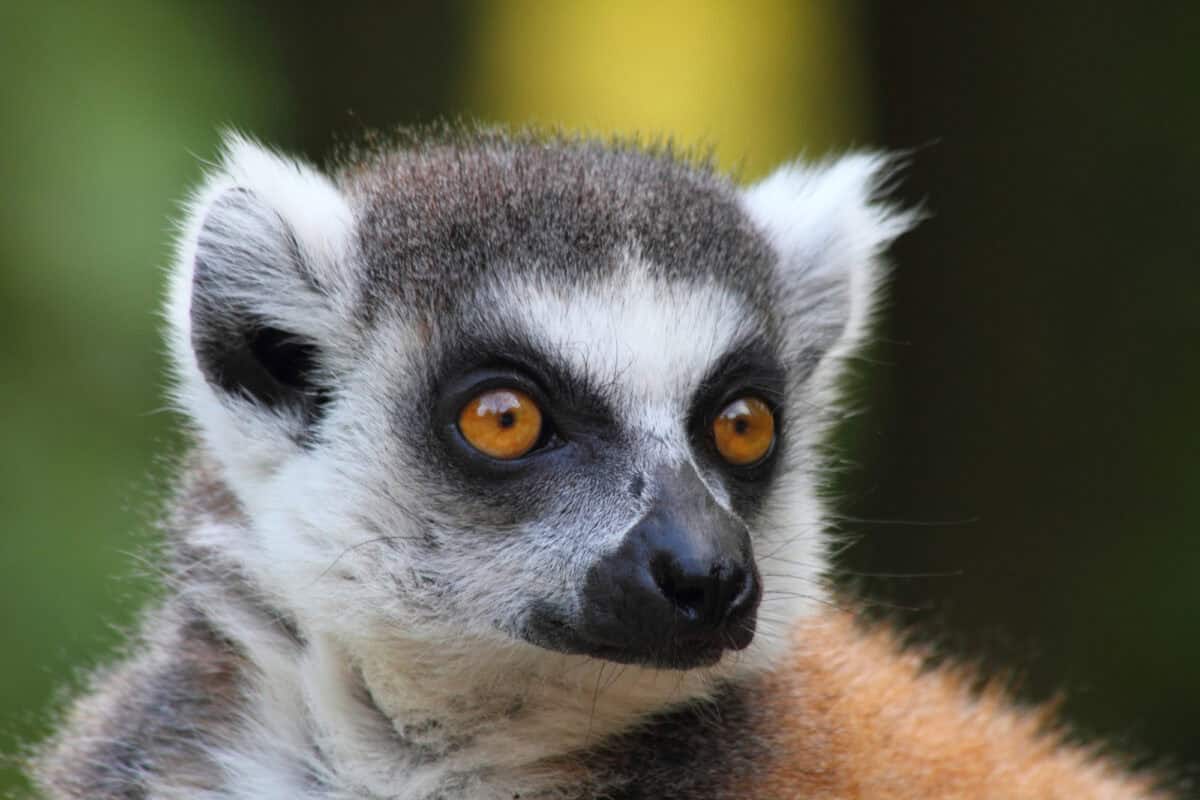
The aye-aye (Daubentonia madagascariensis) might be the most bizarre-looking primate on Earth, with its combination of bat-like ears, rodent-like teeth, and an unnaturally elongated middle finger. Native only to Madagascar, these nocturnal lemurs have been persecuted due to local superstitions that view them as omens of death. Aye-ayes use echolocation in a unique way among primates—they tap on tree bark with their specialized middle finger, listening for the hollow sounds of insect tunnels beneath. When prey is detected, they use their remarkable finger to extract larvae from wood, functioning as both a detection tool and a specialized feeding apparatus. Their large, reflective eyes appear permanently wide open, giving them an eerie, almost spectral appearance in the dark. With fewer than 10,000 individuals remaining in the wild, these peculiar primates face extinction threats from habitat loss and superstition-driven hunting.
10. Scorpions Ancient Arachnid Assassins
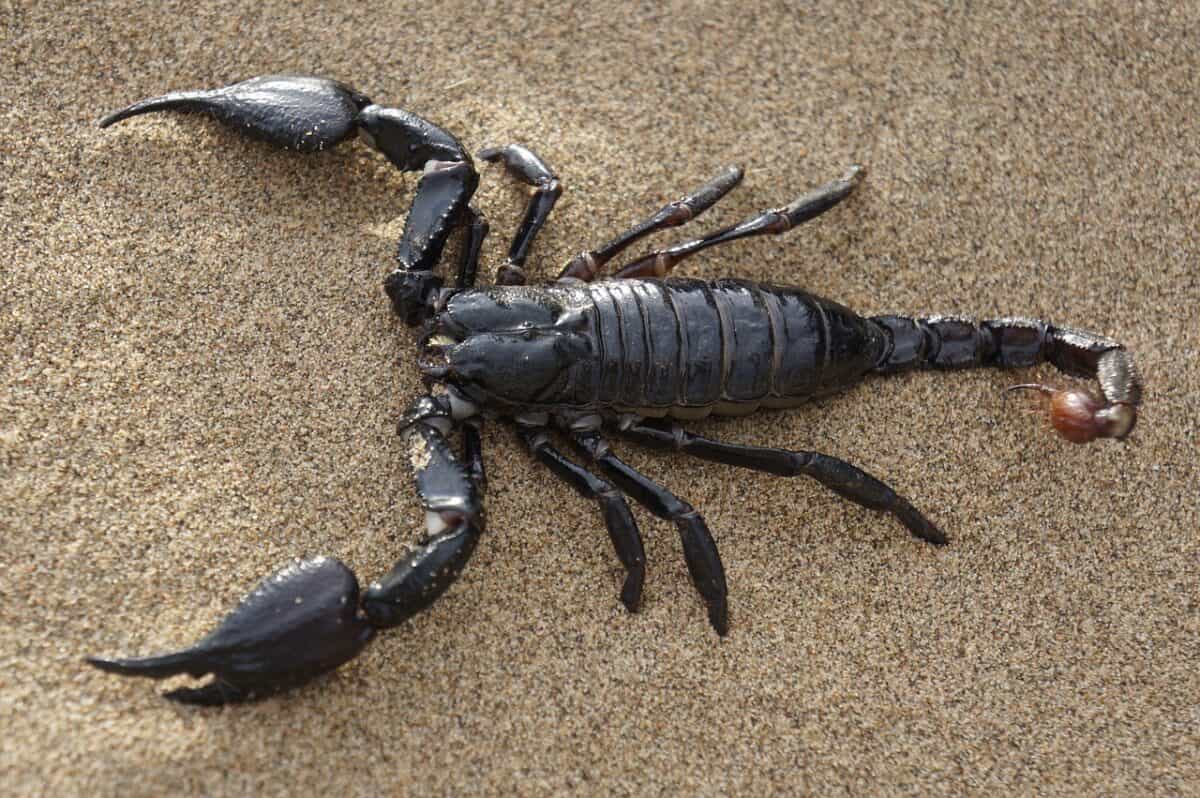
Scorpions represent one of Earth’s oldest terrestrial predators, having remained largely unchanged for over 400 million years. These nocturnal arachnids become particularly active after sunset, when they emerge from their hiding places to hunt. Most fascinating is their fluorescence under ultraviolet light—their exoskeletons glow an eerie blue-green when exposed to blacklight, a phenomenon scientists believe may help them detect moonlight and avoid exposure. Armed with powerful pincers and a venomous stinger, scorpions employ a methodical hunting strategy, using sensory hairs on their legs to detect the slightest vibrations from potential prey. Species like the Arizona bark scorpion (Centruroides sculpturatus) possess venom potent enough to cause severe pain, respiratory distress, and in rare cases, death in humans. Their ability to slow their metabolism allows some species to survive on as little as one meal per year, making them incredibly resilient predators that have outlasted countless other species throughout evolutionary history.
9. Owls Silent Night Hunters

Owls epitomize nocturnal hunting perfection, combining multiple adaptations that make them virtually undetectable to prey. Their specialized feathers feature serrated edges and velvety surfaces that break up air turbulence, allowing for near-silent flight. This acoustic stealth is complemented by facial disc feathers that function like satellite dishes, channeling sound to asymmetrically positioned ears that can pinpoint prey location with remarkable precision—even beneath snow or vegetation. The barn owl (Tyto alba) can locate prey purely by sound in complete darkness, while species like the great horned owl (Bubo virginianus) possess talons with crushing power exceeding 500 pounds per square inch. Most unsettling is their neck rotation capability of up to 270 degrees and fixed, tubular eyes that create an unblinking stare. Throughout history, their silent approach, distinctive calls, and ability to seemingly materialize from darkness have associated owls with death and the supernatural across numerous cultural mythologies.
8. Giant Water Bugs Toe-Biters of Freshwater

Giant water bugs (family Belostomatidae) earn their nickname “toe-biters” honestly—their painful bite is delivered through a pointed beak designed to inject digestive enzymes that liquefy their prey’s insides. Among the largest true bugs in the world, species like Lethocerus americanus can exceed 4 inches in length. These ambush predators hide in aquatic vegetation at night, snatching everything from small fish and amphibians to small turtles and water snakes. Most disturbing is their hunting technique: they grasp prey with powerful front legs, inject their digestive saliva, and then extract the liquefied internal tissues. In many species, males carry fertilized eggs on their backs until hatching, creating an unsettling appearance as they swim encumbered with dozens of developing offspring. Their attraction to lights during breeding season (hence another nickname, “electric light bugs”) often brings them into unwanted contact with humans at pools, ponds, and lakeside areas during summer nights.
7. Tarsiers Wide-Eyed Primate Hunters
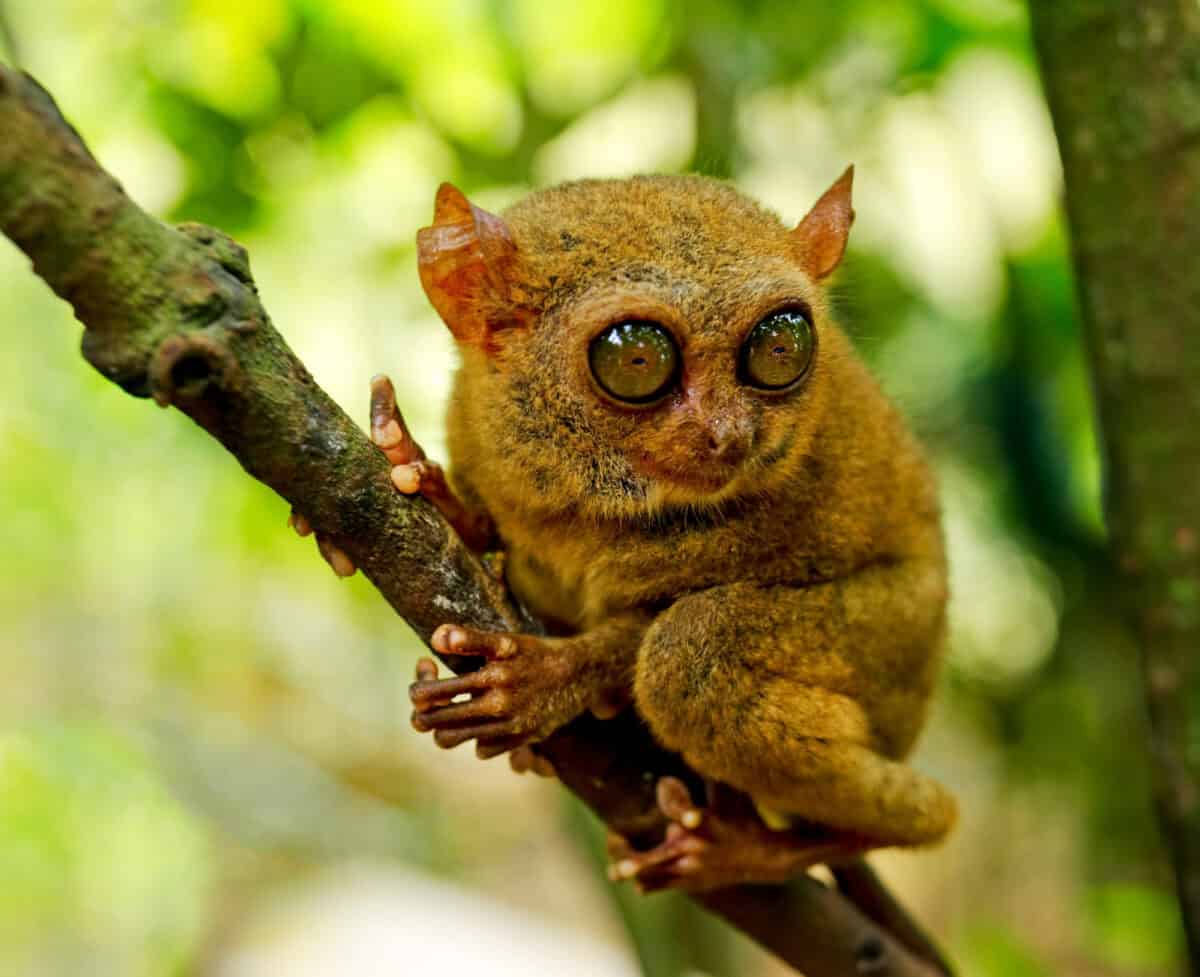
Tarsiers possess the largest eyes relative to body size of any mammal—each eyeball is approximately the same size as their brain. These tiny primates, found primarily in Southeast Asian islands, cannot move their enormous eyes within their sockets; instead, they can rotate their heads almost 180 degrees in either direction, owl-like. The disproportionate eyes enable exceptional night vision but create an unsettling appearance that has inspired numerous folklore tales. Tarsiers are the only completely carnivorous primates, hunting insects, small reptiles, and even birds using powerful hind legs that allow them to leap over 40 times their body length. Their elongated finger and toe bones, claw-like nails, and nearly silent hunting technique make them effective nocturnal predators. Adding to their unusual characteristics, tarsiers communicate using ultrasonic calls beyond human hearing range and possess a bizarre appearance with their combination of huge eyes, bat-like ears, and extraordinarily long fingers—features that seem almost alien in the dim forest light.
6. Nightjars Wide-Mouthed Sky Hunters

Nightjars represent a family of birds (Caprimulgidae) specifically adapted for nocturnal insect hunting, with physical features that have inspired superstitions throughout history. Their enormous gaping mouths, which can open wide enough to engulf their entire head width, are surrounded by specialized bristles that help funnel flying insects as they feed on the wing. Many cultures historically believed these birds drank goat milk at night (hence names like “goatsucker”), while their silent, erratic flight patterns and camouflaged plumage contributed to associations with witchcraft. Species like the common poorwill (Phalaenoptilus nuttallii) can enter torpor—a hibernation-like state—during food scarcity, the only known bird with this ability. Their reflective eyes create an unsettling red glow when caught in light beams, while their haunting calls (which often sound like moaning, wailing, or mechanical whirring) have contributed to their supernatural reputation. The Eastern whip-poor-will’s repetitive calling was traditionally believed to foretell death or misfortune in various Native American and European settler folklore.
5. Camel Spiders Desert Wind Scorpions

Camel spiders (order Solifugae) are neither true spiders nor scorpions but represent a distinct arachnid order with a terrifying appearance and hunting behavior. Despite exaggerated tales from military personnel in the Middle East, these creatures don’t grow to dinner-plate size, scream while charging, or anesthetize sleeping camels to feed on their stomachs—but the reality is unsettling enough. Growing up to 6 inches long, they possess proportionally massive chelicerae (jaws) that can constitute up to one-third of their body length. Though not venomous, these powerful jaws can deliver painful bites capable of piercing human skin. Unlike most arachnids, camel spiders actively chase prey at speeds up to 10 miles per hour, appearing to follow humans as they seek the shade cast by moving objects. Their relentless hunting style involves pursuing prey until exhaustion, then dismembering victims with their powerful jaws while digestive fluids dissolve the tissue. Their ability to navigate desert environments at night, combined with their aggressive hunting style and alien appearance, makes them among the most feared nocturnal arthropods.
4. Slow Lorises Deceptively Toxic Primates
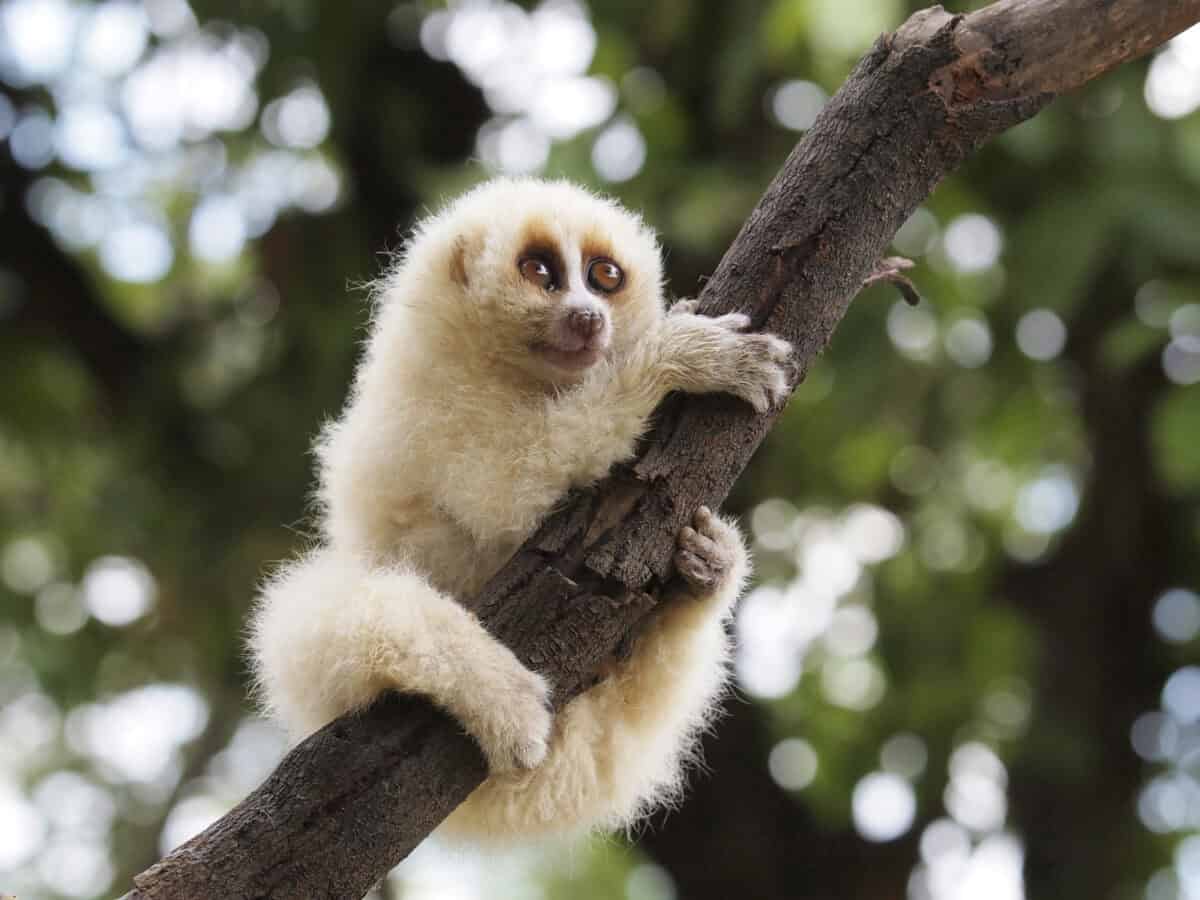
The slow loris (genus Nycticebus) presents a paradox—a primate with an adorably cute appearance that harbors a rare mammalian defense: toxic venom. These nocturnal primates, native to Southeast Asia, produce toxin from glands on their elbows, which they mix with saliva by licking their arm patches before delivering a venomous bite. This toxin can cause anaphylactic shock and painful necrotic wounds in humans. Their deliberate, slow movements (which inspired their name) allow them to move almost imperceptibly through the canopy while hunting insects and small vertebrates. Most unsettling are their large, forward-facing eyes that reflect light eerily in the darkness, creating an almost hypnotic appearance. Lorises are often depicted as harmless pets in viral videos, but their venomous nature and endangered status make this illegal trafficking particularly problematic. Their specialized adaptations include a vice-like grip that allows them to remain motionless in trees for hours, and a reduced second finger for improved grasping, creating a hand structure that appears strangely humanoid yet alien.
3. Tasmanian Devils Screaming Scavengers
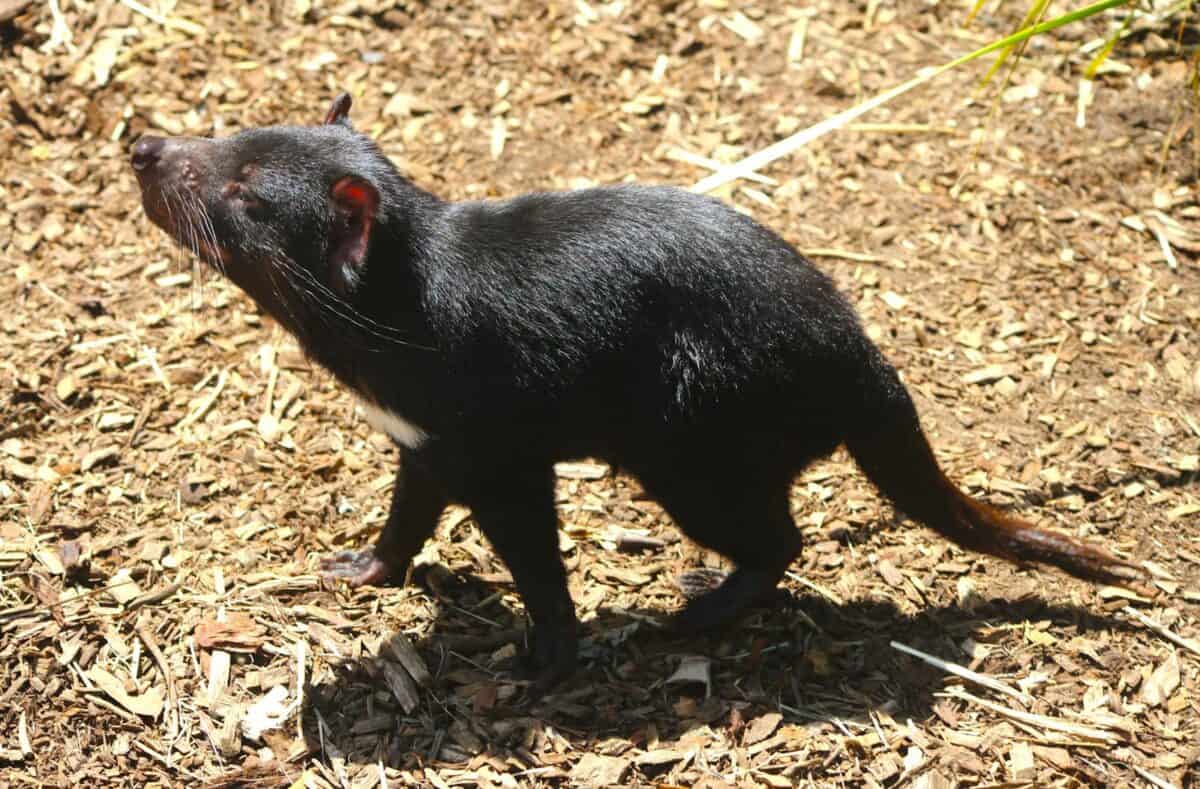
The Tasmanian devil (Sarcophilus harrisii) earned its demonic name through its disturbing vocalizations—blood-curdling screams, growls, and snarls that echo through the Australian night. As the world’s largest carnivorous marsupial following the extinction of the thylacine, these nocturnal creatures possess the strongest bite force relative to body size of any living mammal, capable of crushing bone completely. Their feeding behavior appears particularly gruesome—they consume prey entirely, including bones, fur, and organs, with audible crunching that can be heard from considerable distances. Most disturbing is their unique social feeding behavior; multiple devils may feed on the same carcass, with constant fighting, screaming, and lunging creating a chaotic scene reminiscent of medieval depictions of hell. Adding to their unsettling nature is their susceptibility to devil facial tumor disease—a rare contagious cancer that has decimated populations and creates grotesque facial tumors that eventually prevent feeding. Despite their fearsome reputation, these endangered marsupials play a crucial ecological role in Tasmania’s ecosystem by cleaning carcasses and controlling introduced pest species.
2. Giant Coconut Crabs Tree-Climbing Land Crustaceans

The coconut crab (Birgus latro) is Earth’s largest terrestrial arthropod, with leg spans exceeding three feet and weights up to 9 pounds. Unlike typical crabs, these nocturnal creatures have evolved to breathe air through specialized branchiostegal lungs—modified gill structures that function like primitive lungs. Their massive chelipeds (claws) generate crushing force exceeding 3,300 newtons, powerful enough to lift objects weighing 60 pounds and potentially sever human fingers. Recent scientific evidence suggests these crabs may have been responsible for disposing of Amelia Earhart’s remains on Pacific islands. Most unsettling is their tree-climbing ability; despite their cumbersome appearance, they scale palm trees at night to harvest coconuts and occasionally prey on sleeping seabirds. Their acute sense of smell allows them to detect food from considerable distances, including rotting meat and carrion. Once marine creatures, they’ve evolved to drown if submerged too long, making them true evolutionary anomalies. Their longevity (potentially exceeding 60 years), enormous size, and nighttime activity patterns have contributed to their mysterious reputation throughout their Indo-Pacific island habitats.
1. Bobbit Worms Ambush Predators of the Ocean Floor

The Bobbit worm (Eunice aphroditois) represents one of the ocean’s most terrifying nocturnal predators, growing up to 10 feet long yet remaining largely hidden beneath seafloor sediments. Named after the infamous Lorena Bobbitt case due to its scissor-like jaws, these polychaete worms emerge partially from their burrows at night, extending five antennae to detect passing prey. When fish or invertebrates venture too close, they strike with explosive speed, sometimes splitting prey in half with their sharp mandibles. Most disturbing is their hunting strategy—they inject a toxin that both stuns prey and begins external digestion, then drag the victim into their burrow to complete consumption. Their segmented bodies contain thousands of bristled parapodia that can inflict painful wounds if handled. Aquarium enthusiasts occasionally discover these creatures as unwanted hitchhikers in live rock, where they grow undetected until fish begin mysteriously disappearing. The worm’s iridescent coloration gives it a hypnotic, almost beautiful appearance that belies its predatory nature. Despite their fearsome reputation, Bobbit worms play important ecological roles in nutrient cycling and population control in marine ecosystems.
Conclusion: The Evolutionary Marvels of Nocturnal Adaptation

The creatures that emerge after dark represent remarkable evolutionary success stories, having developed specialized adaptations that allow them to thrive in a world where humans feel inherently vulnerable. Their seemingly “creepy” characteristics—from enormous eyes and silent movement to venomous bites and unusual hunting techniques—are sophisticated solutions to the challenges of nocturnal survival. While cultural associations have often painted these animals as sinister or supernatural, their true biological significance lies in the ecological niches they fill, controlling populations of other species and contributing to ecosystem health. As human activity increasingly disrupts natural habitats and light pollution alters the distinction between day and night, many of these nocturnal specialists face unprecedented challenges to their survival. Understanding these remarkable creatures not just as objects of fear but as evolutionary marvels may help foster greater appreciation for the importance of preserving the mysterious world that awakens when darkness falls.

As a little kid, I fell in love with nature, wildlife, and animals. Living in the USA, South Africa, Italy, China and Germany gave me the opportunity to discover the world's Wildlife. My favorite animals are Mountain Gorillas, Siberian Tigers, and Great White Sharks.
I'm a certified PADI Open Water Diver, went to Everest Base Camp and Trekked Gorillas in Uganda. I hold a Master of Science in Economics and Finance.
Please send any feedback to feedback@animalsaroundtheglobe.com