
Most gardeners have made peace with a grim trade-off: keep the water bill low, or keep the butterflies coming, but never both. The lawn goes brown, the hose stays coiled, and the garden turns into a quiet, empty patch of dirt where monarchs used to drift through in July.
Except that’s not actually true. Scattered across prairies, roadsides, and forgotten corners of the American landscape are flowers tough enough to shrug off weeks without rain, and somehow they’re the exact blooms butterflies can’t resist. Fifteen of them are lined up below, and a few near the end are the kind of plants gardeners wish someone had told them about years ago.
15 – Purple Coneflower (Echinacea purpurea)
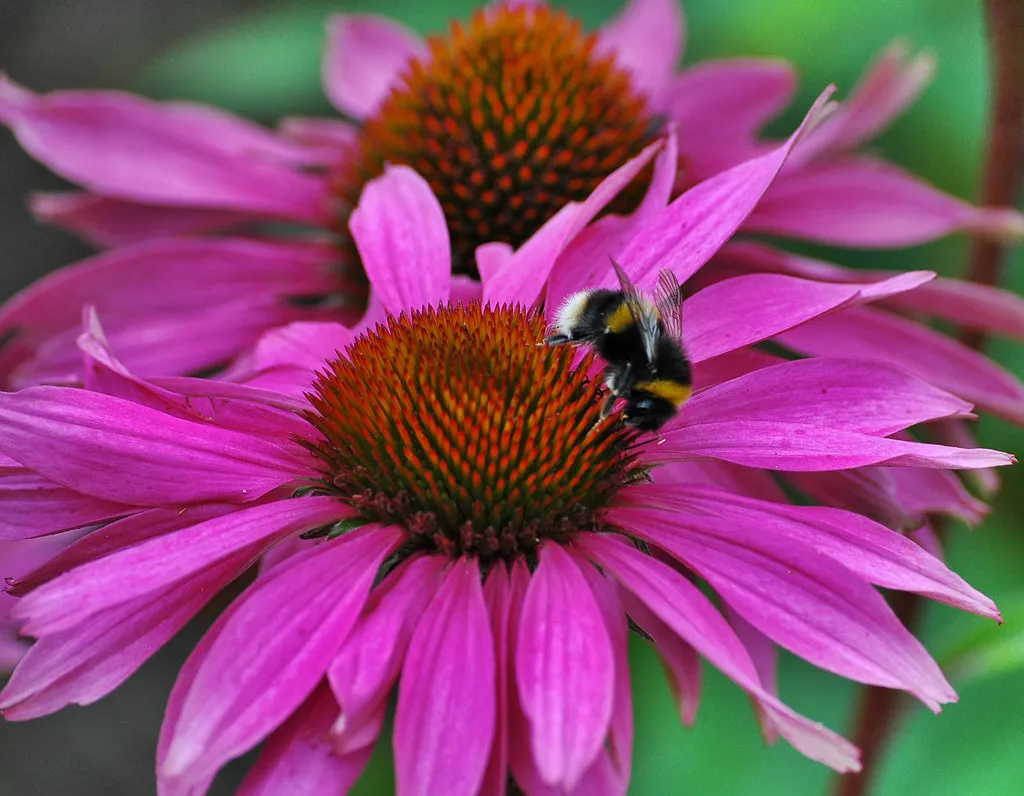
Purple Coneflower looks fragile, with its papery pink petals drooping around a spiky orange-brown cone, but underneath the soil it’s anything but delicate. Its taproot digs deep enough to find moisture long after the topsoil has turned to dust, which is exactly why it keeps blooming through the worst of a July dry spell.
Butterflies treat that raised, bristly center like a landing pad and a buffet table rolled into one. From early summer clear through fall, swallowtails and painted ladies work the blooms in steady rotation, making this one of the few flowers that pulls its weight for months instead of weeks.
Fast Facts
- Native to central and eastern North American prairies
- Deep taproot reaches moisture far below the dry surface layer
- Blooms from early summer through fall in most climates
- Leftover seed heads feed goldfinches and other songbirds through winter
14 – Blanket Flower (Gaillardia)
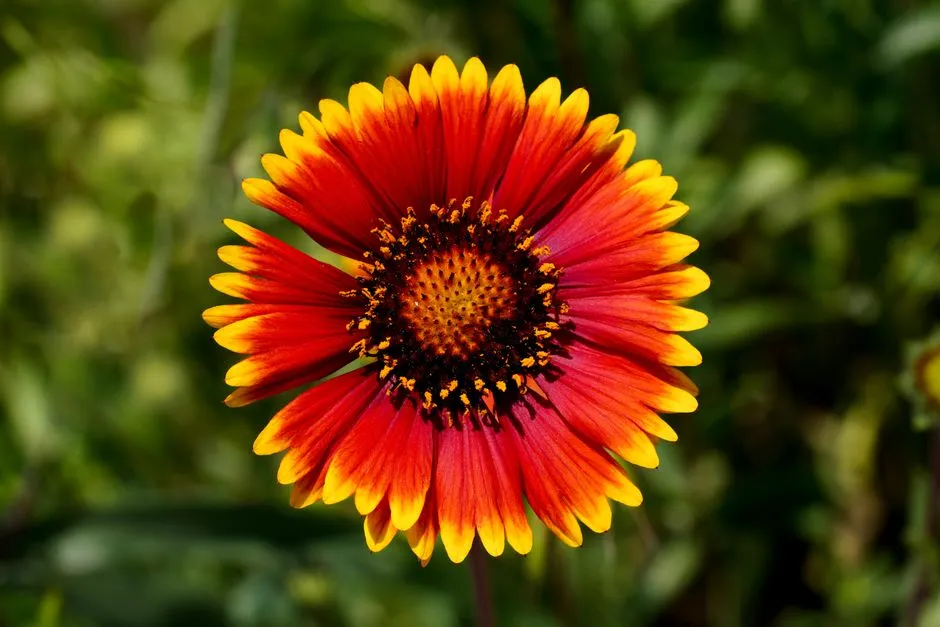
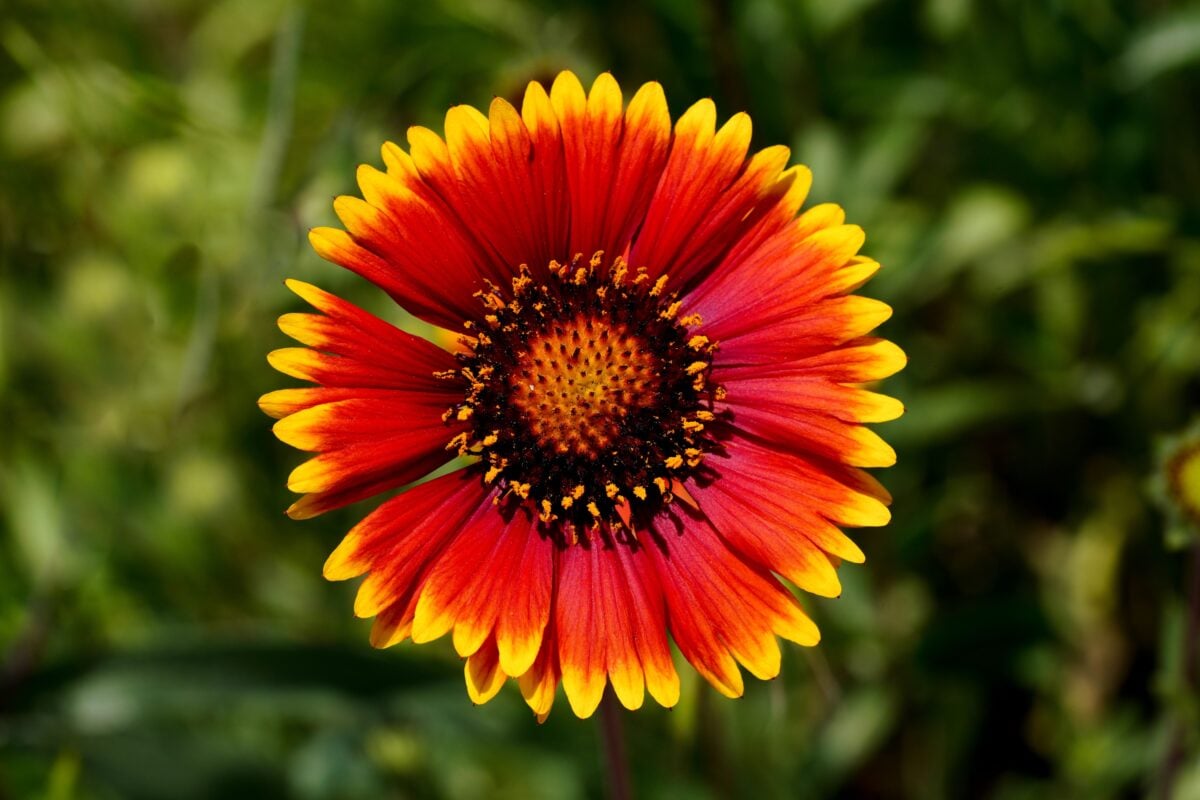
Blanket Flower looks like it was painted by someone who couldn’t decide between red and yellow, so it just used both. That fiery, sunset-colored bloom isn’t just for show, either; it’s a plant practically built for punishment, thriving in the kind of baked, sandy soil that kills off softer perennials within a season.
What makes it genuinely valuable is stamina. While other flowers fade after a few weeks of heat, Blanket Flower just keeps producing new blooms from early summer to fall, giving butterflies a nectar source that never really runs dry, even when everything around it looks half-dead.
13 – California Lilac (Ceanothus)
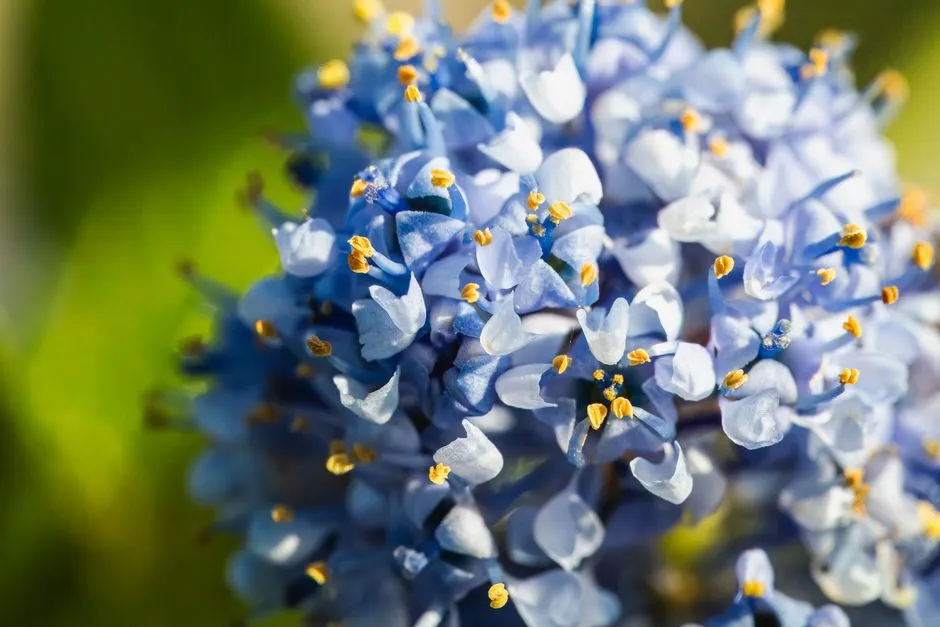
California Lilac doesn’t behave like a typical flower bed plant, it behaves like a shrub with something to prove. Come spring, it explodes into dense, fragrant clusters of blue that look almost out of place against dry, rocky hillsides, which is precisely where it grows best.
Because it’s evergreen, it’s not a one-season wonder; the structure stays green and useful year-round, while the spring bloom becomes a magnet for early-season butterflies hunting for one of the first real nectar sources after winter. In a garden built for drought, it’s one of the few plants doing double duty as both shelter and food.
12 – Bee Balm (Monarda)
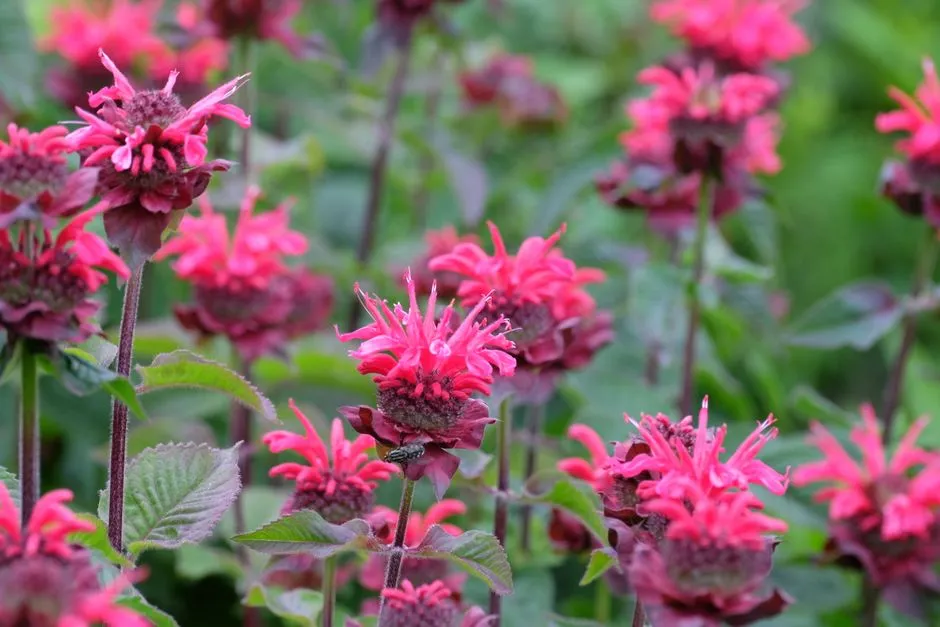
Bee Balm doesn’t ask for much once it’s settled in. The first year it needs some coddling, but after that, it shrugs off dry stretches while its tubular red, pink, or purple blooms keep firing off nectar from mid-summer into early fall.
There’s also something almost theatrical about it, the crushed foliage releases a sharp, minty scent that turns a simple flower bed into a sensory experience. Butterflies don’t care about the smell, but gardeners usually end up loving it just as much as the pollinators love the flowers.
11 – Yarrow (Achillea millefolium)
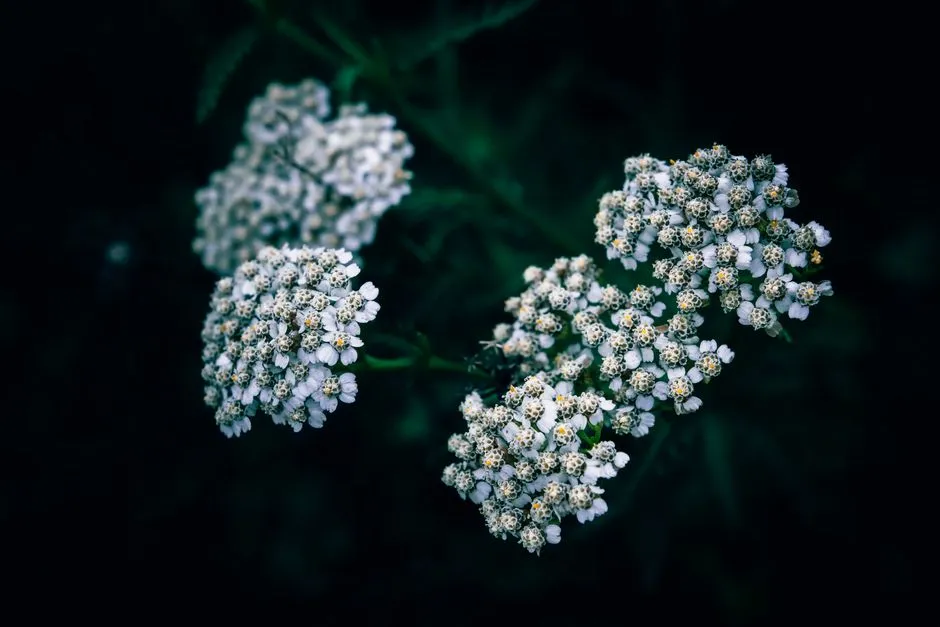
Yarrow is the plant equivalent of that one friend who never seems to get sick, tired, or bothered by anything. Deer avoid it, rabbits avoid it, and drought barely slows it down, which is a rare combination in the plant world.
Its flat-topped flower clusters aren’t flashy, but they’re functional in a way butterflies clearly appreciate, acting almost like a runway where they can land, rest, and feed without wasting energy hovering. In a garden where everything else has wilted by August, Yarrow is often still standing.
10 – Black-Eyed Susan (Rudbeckia hirta)
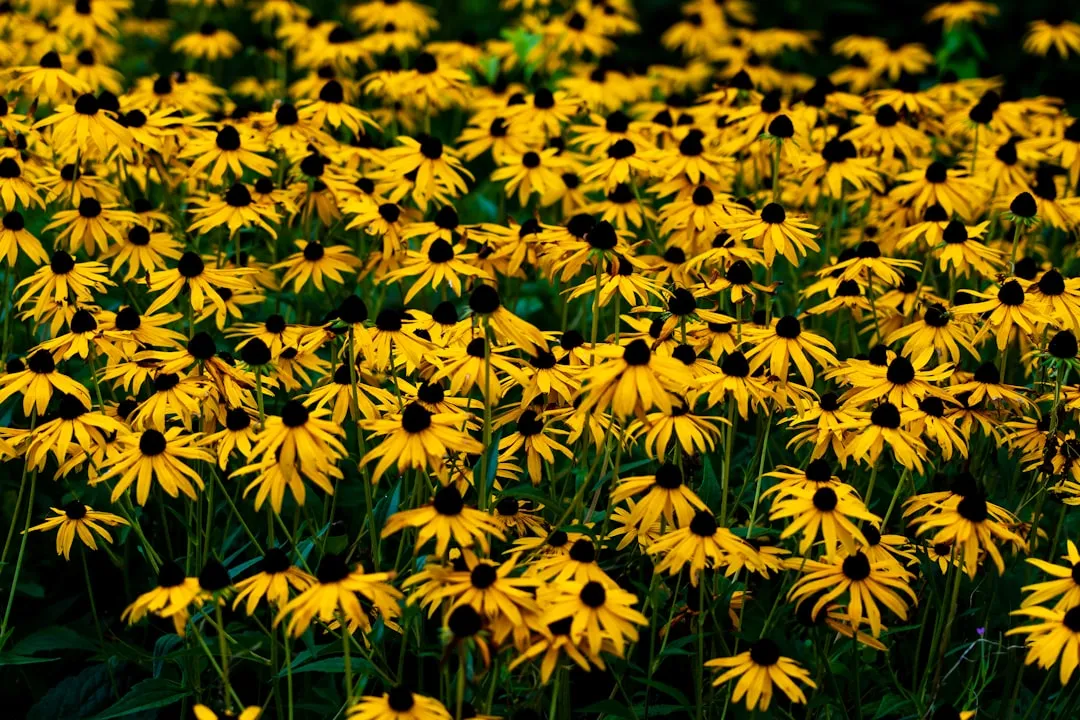
Black-Eyed Susan is the flower most people picture when they imagine an American summer meadow, and there’s a reason for that. Its bright yellow petals wrapped around a dark, almost black center are practically a visual invitation, and it takes drought conditions in stride without complaint.
It blooms hard from mid-summer through fall, which lines up almost perfectly with peak butterfly activity. For gardeners who want color and pollinators without babysitting a sprinkler system, this is about as low-effort, high-reward as native flowers get.
9 – Common Milkweed (Asclepias syriaca)
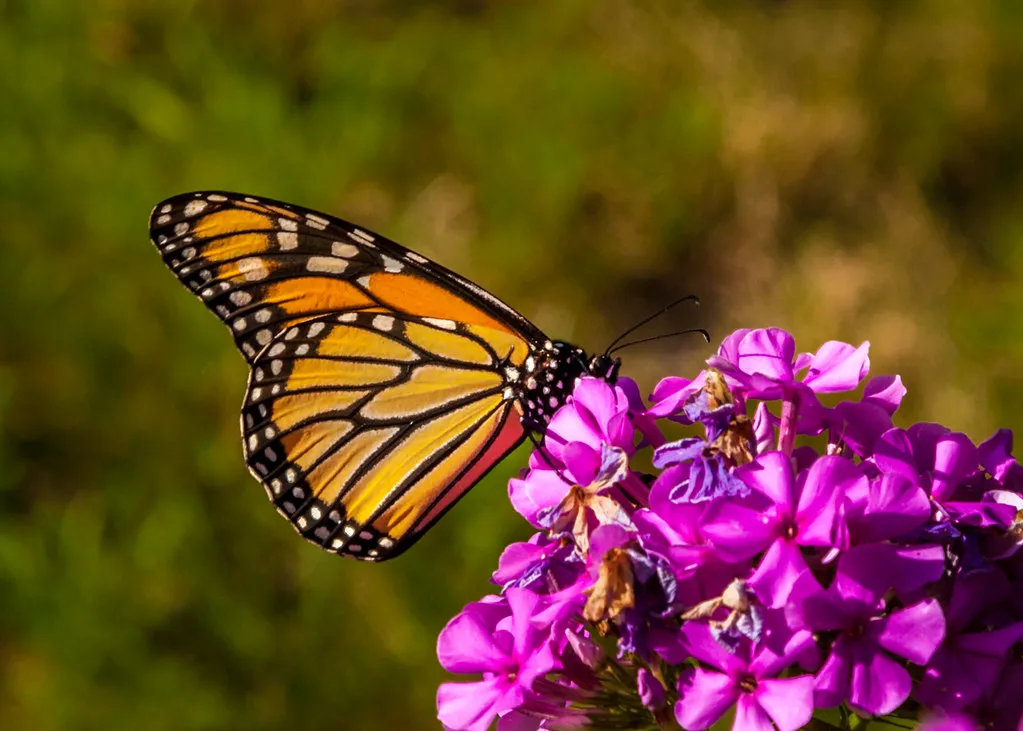
Common Milkweed carries a responsibility most flowers never have to shoulder: without it, monarch caterpillars simply don’t exist. Adult females search it out specifically to lay their eggs, because milkweed leaves are the only food their larvae can eat.
That makes this plant less of a garden accessory and more of a lifeline. Its fragrant clusters of small blooms feed adult butterflies from early to mid-summer, but the real impact happens quietly underneath, where the next generation of monarchs is already being raised.
Worth Knowing
- Milkweed is the only host plant monarch caterpillars are able to eat
- Monarch numbers have dropped sharply over recent decades, partly tied to milkweed habitat loss
- Seed pods split open and scatter windborne fluff, letting one plant spread to many new spots
- The plant’s sap contains toxins that make monarchs unappetizing to predators, a defense they keep as adults
8 – Goldenrod (Solidago spp.)
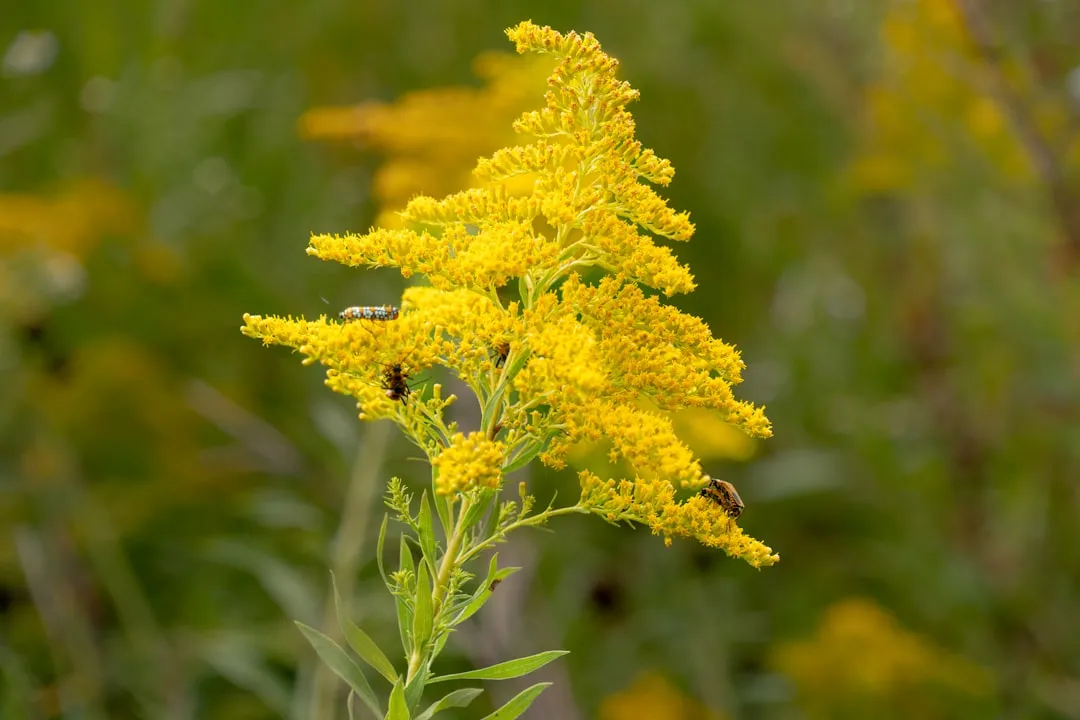
Goldenrod has spent decades getting blamed for allergies it didn’t cause. Its pollen is heavy and sticky, built to be carried by insects, not by wind, which means the sneezing fits people blame it for almost always come from something else blooming nearby.
What Goldenrod actually does is far more important than its bad reputation suggests. Its bright yellow blooms arrive late, from September into November, right when migrating butterflies desperately need fuel for the long journey south, making it one of the last real gas stations before winter.
7 – Blazing Star (Liatris spicata)
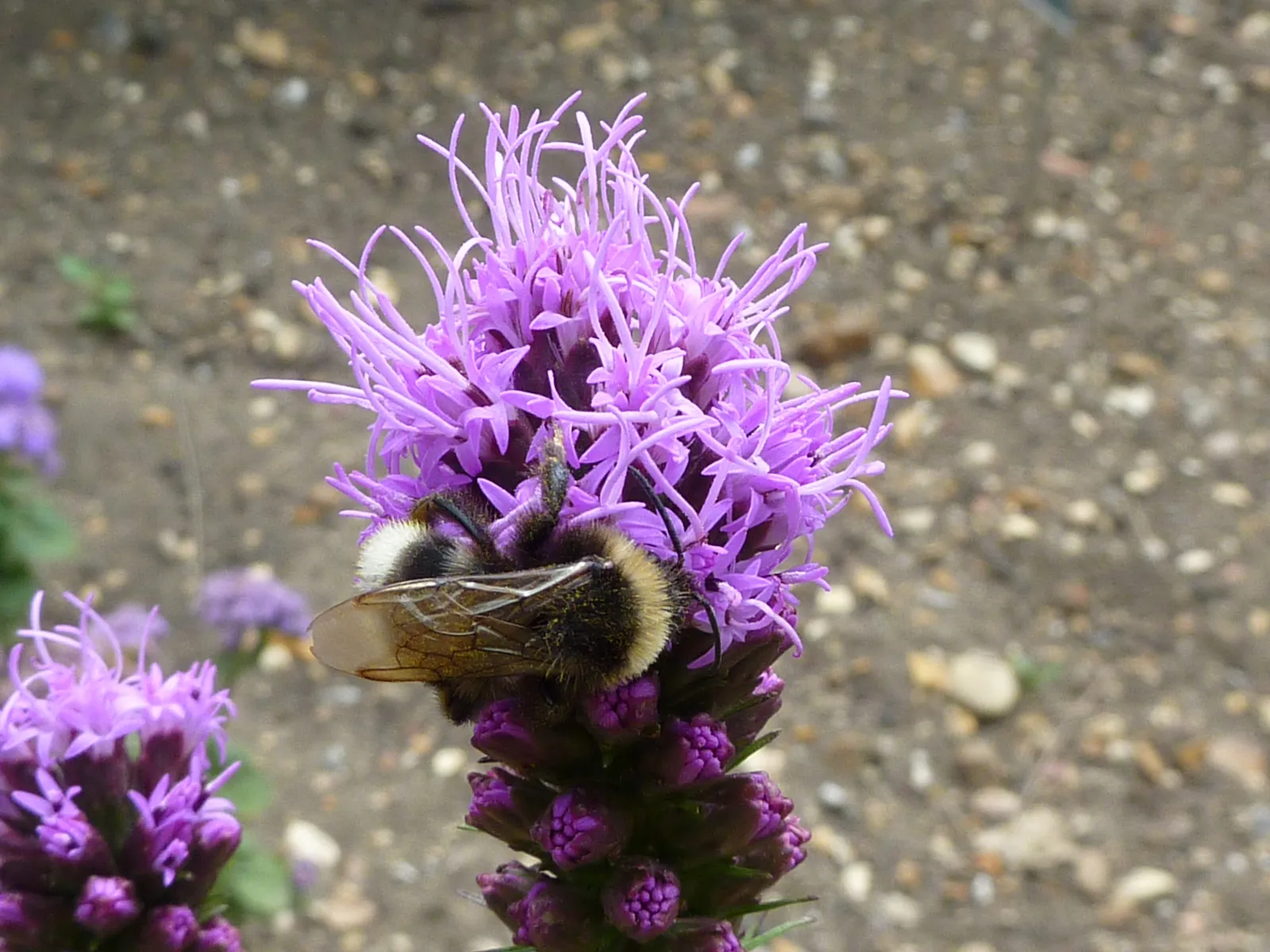
Blazing Star grows straight up in tall, purple spikes that look almost too architectural to be a wildflower, yet it’s completely at home in a dry prairie or a xeriscaped backyard. It doesn’t sprawl or flop, it stands.
Those vertical blooms are packed with nectar from mid-summer to early fall, and monarchs in particular seem drawn to them during migration season. In a garden full of low, rounded flowers, Blazing Star gives butterflies a landmark they can spot from a distance.
Quick Compare
- Blazing Star: mid-summer to early fall, tall purple spikes butterflies spot from a distance
- Goldenrod: September into November, one of the last nectar stops before migration
- New England Aster: September into October, arrives just as most other blooms fade
6 – Verbena (Verbena bonariensis)
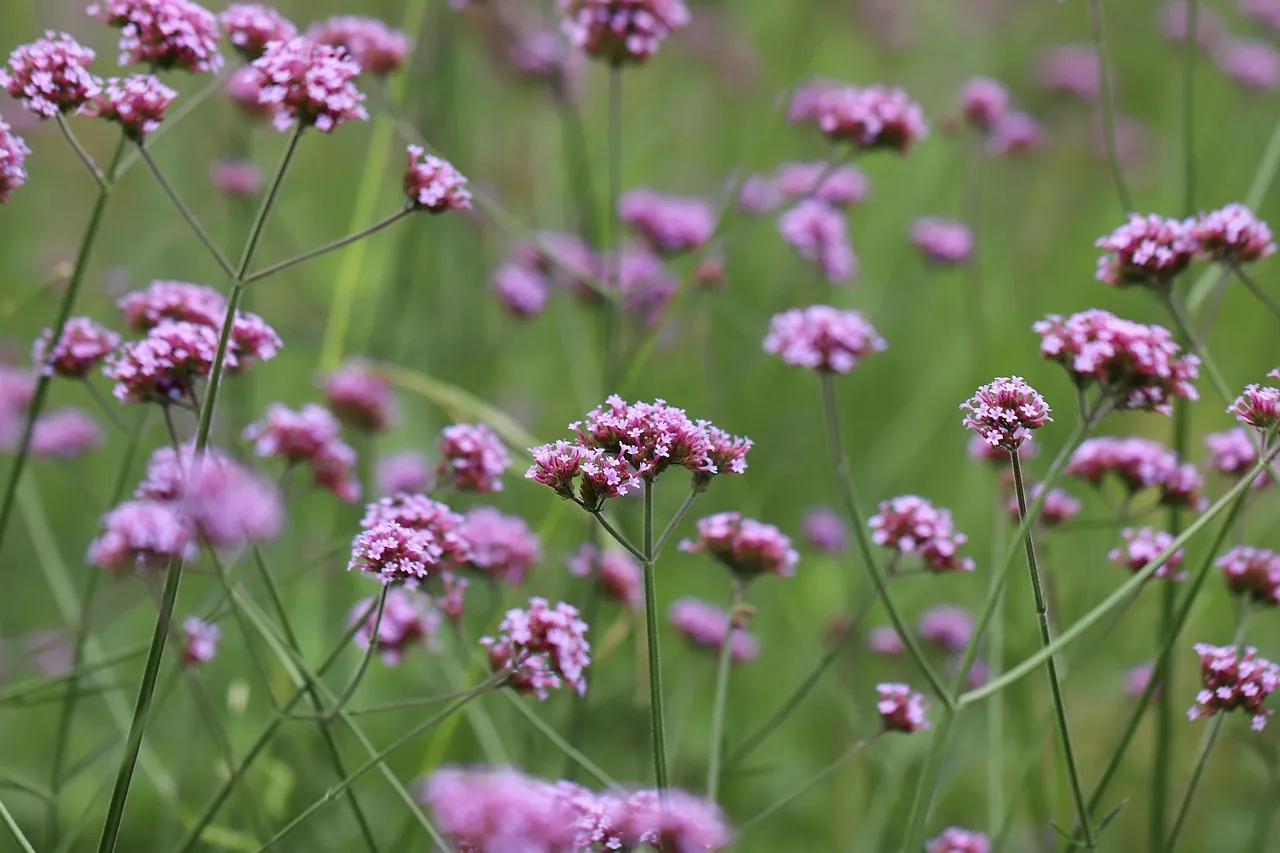
Verbena looks almost too airy and delicate to survive real drought, with its thin, wiry stems topped by small clusters of lilac-purple flowers. Looks are deceiving here, because once it’s established, this plant can go weeks without water and barely show it.
Its height and see-through structure make it a favorite for layering in a garden bed, letting shorter flowers show through underneath. Butterflies treat the small blooms like stepping stones, moving from cluster to cluster across a single plant for extended feeding sessions from early summer straight into autumn.
5 – New England Aster (Symphyotrichum novae-angliae)
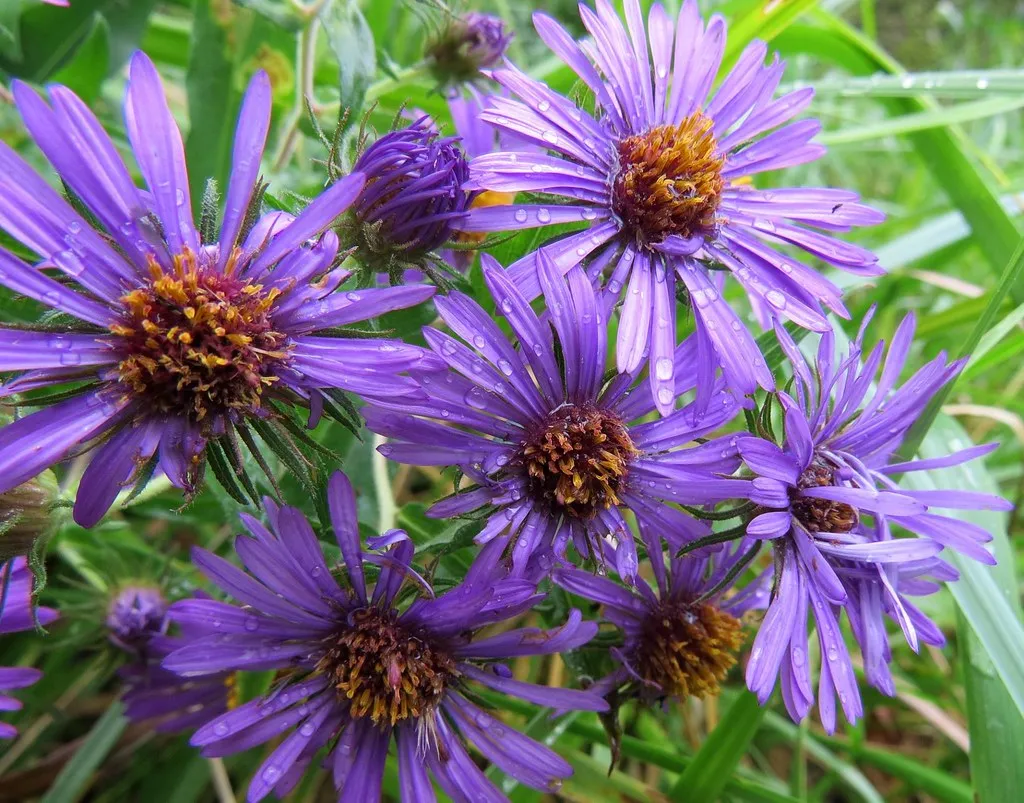
New England Aster waits until almost everything else has finished blooming, then shows up in September with a burst of deep purple and gold that feels almost defiant. It’s tough enough to handle poor soil and dry spells, and it seems to actually prefer being left alone.
The timing is what makes it so valuable. Late-season monarchs heading south rely on flowers like this one to refuel, and without asters blooming into October, a lot of that migration would be running on empty.
4 – Anise Hyssop (Agastache foeniculum)
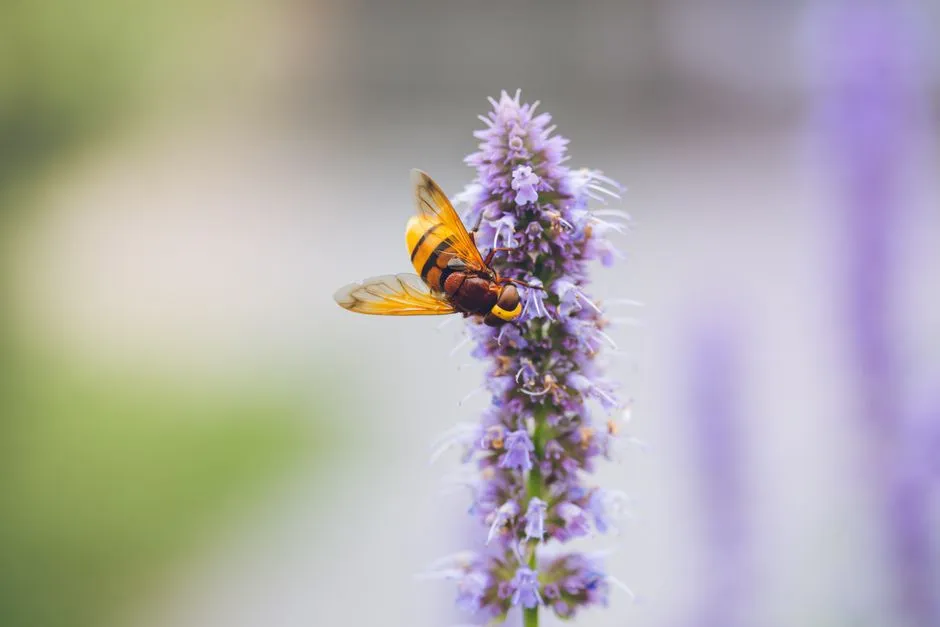
Anise Hyssop smells like black licorice when you brush past it, which sounds strange until you realize butterflies apparently love it as much as some people do. Its tall purple flower spikes handle dry soil and neglect better than almost anything else on this list.
It blooms for an unusually long stretch, often from early summer well into fall, and it keeps producing nectar the entire time without needing deadheading or extra water. Gardeners who plant it once tend to find it reseeding itself for years, spreading the benefit without any extra effort.
3 – Penstemon (Beardtongue)
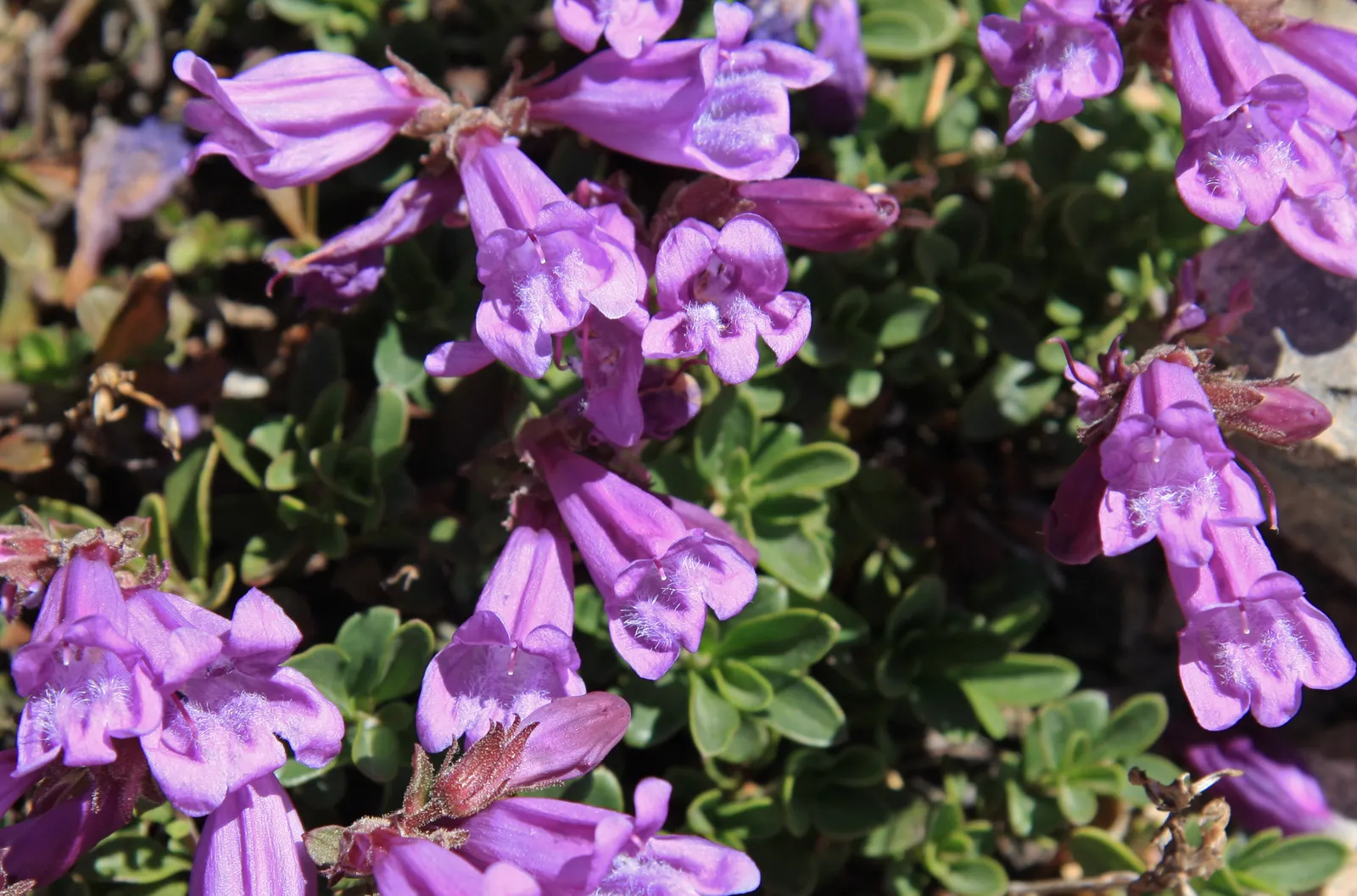
Penstemon doesn’t get nearly the attention it deserves, probably because its tubular flowers look almost too structured to be a wild native plant. But this is a species built for harsh, rocky, dry terrain, the kind of ground most flowers simply refuse to grow in.
Its narrow, trumpet-shaped blooms are perfectly sized for butterflies with longer proboscises, giving them access to nectar that other flowers keep out of reach. In a rock garden or dry slope where nothing else wants to grow, Penstemon often becomes the single most reliable butterfly stop around.
2 – Joe Pye Weed (Eutrochium purpureum)
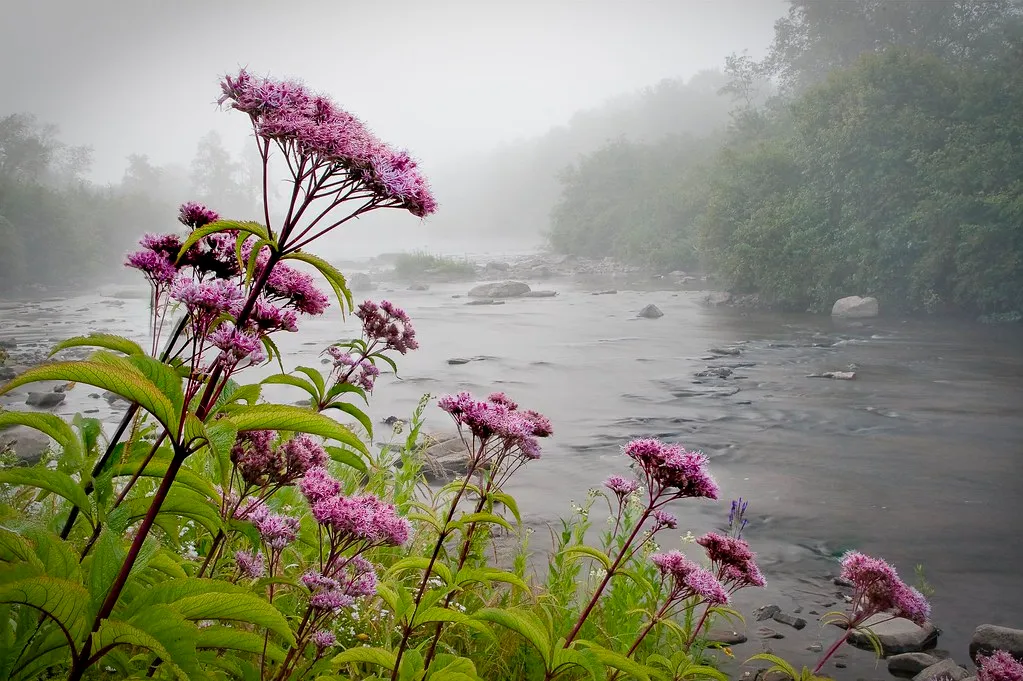
Joe Pye Weed is enormous, sometimes reaching six feet tall, with huge dusty-pink flower clusters that seem to hum with activity all on their own. Despite its size, it tolerates dry spells surprisingly well once its roots are established.
Butterflies don’t just visit Joe Pye Weed, they seem to camp out on it, feeding for extended stretches in a way that’s genuinely fun to watch. For a garden that wants a dramatic, oversized centerpiece that still respects a tight water budget, this is one of the boldest choices on the list.
1 – Butterfly Weed (Asclepias tuberosa)
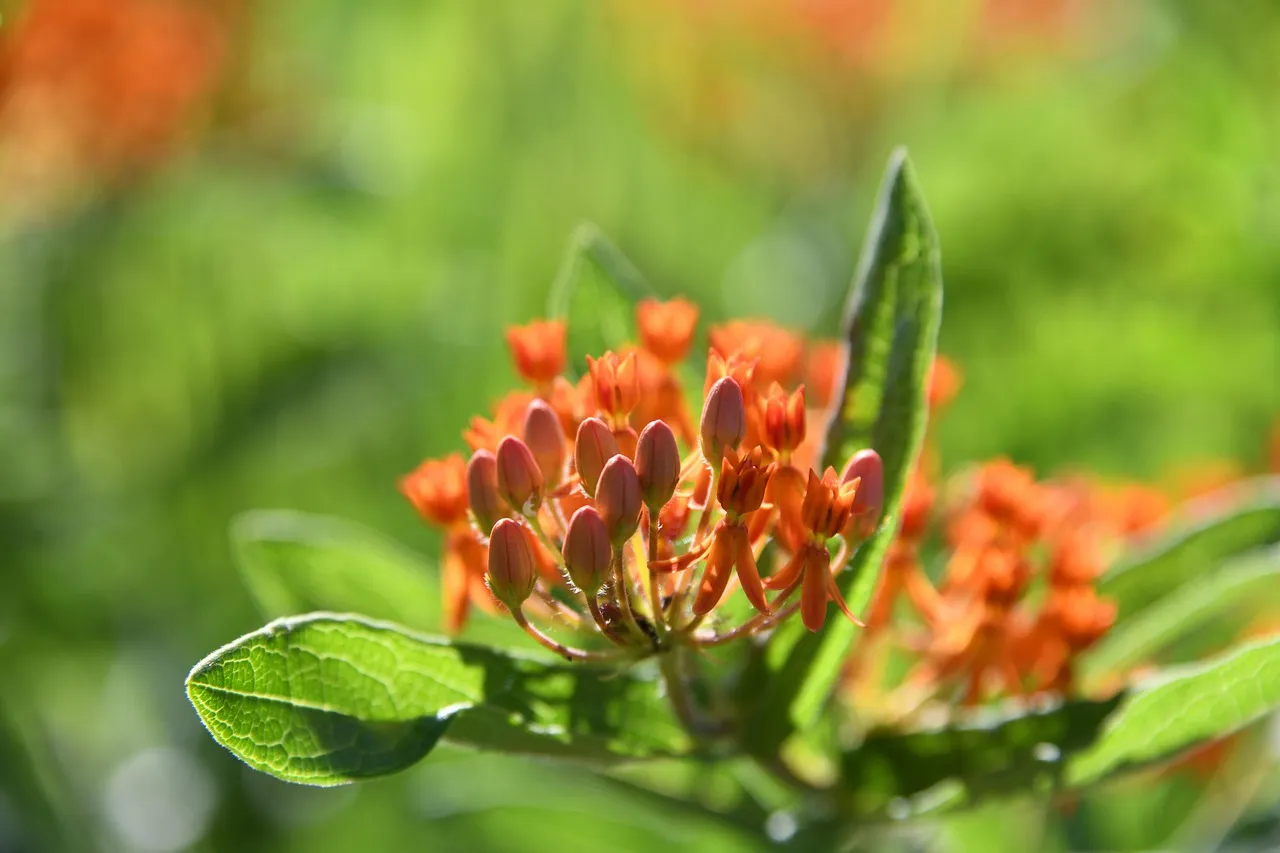
Butterfly Weed earns its name honestly. Its bright orange blooms aren’t subtle, they practically shout for attention, and monarchs, swallowtails, and fritillaries all answer that call throughout the season. Unlike some of its milkweed relatives, it prefers dry, sandy, almost neglected soil, and it actually performs worse if it’s overwatered.
As a milkweed species, it also serves as a host plant for monarch caterpillars, meaning it does the rare double job of feeding adults and raising the next generation at the same time. If a garden can only make room for one plant on this entire list, most butterfly gardeners would point straight at this one.
Why It Stands Out
- Doubles as a nectar source for adults and a host plant for monarch caterpillars
- Thrives in poor, sandy soil and can actually struggle if overwatered
- Draws monarchs, swallowtails, and fritillaries all season long
- Frequently ranked as the top all-around pick for a butterfly garden
Here’s the honest opinion after going through all fifteen: drought and butterflies were never actually enemies, that idea was just bad information passed around for years. The real problem was gardeners planting thirsty, high-maintenance flowers and assuming that was the only option. Swap in the plants on this list, and a dry, forgotten patch of yard can turn into the busiest, most alive corner of the neighborhood, without a hose in sight.
