

It’s hard to stay hopeful when we hear about vanishing glaciers, shrinking forests, and species on the edge of disappearing forever. Nature documentaries often serve as haunting reminders of our world slipping away. Yet sometimes, if we look closely, we find something different lurking between the cracks of despair. Not every story ends in extinction.
Some species have fought their way back from the brink, powered by human determination, scientific ingenuity, and a refusal to give up. These animals didn’t just survive. They began to thrive again, reclaiming territories they’d lost and proving that recovery is possible. Their journeys aren’t fairy tales, though. Each one required decades of work, international cooperation, and the willingness to acknowledge our mistakes. So let’s dive into these remarkable recoveries and discover what makes them so inspiring.
Giant Panda: From Endangered to Vulnerable
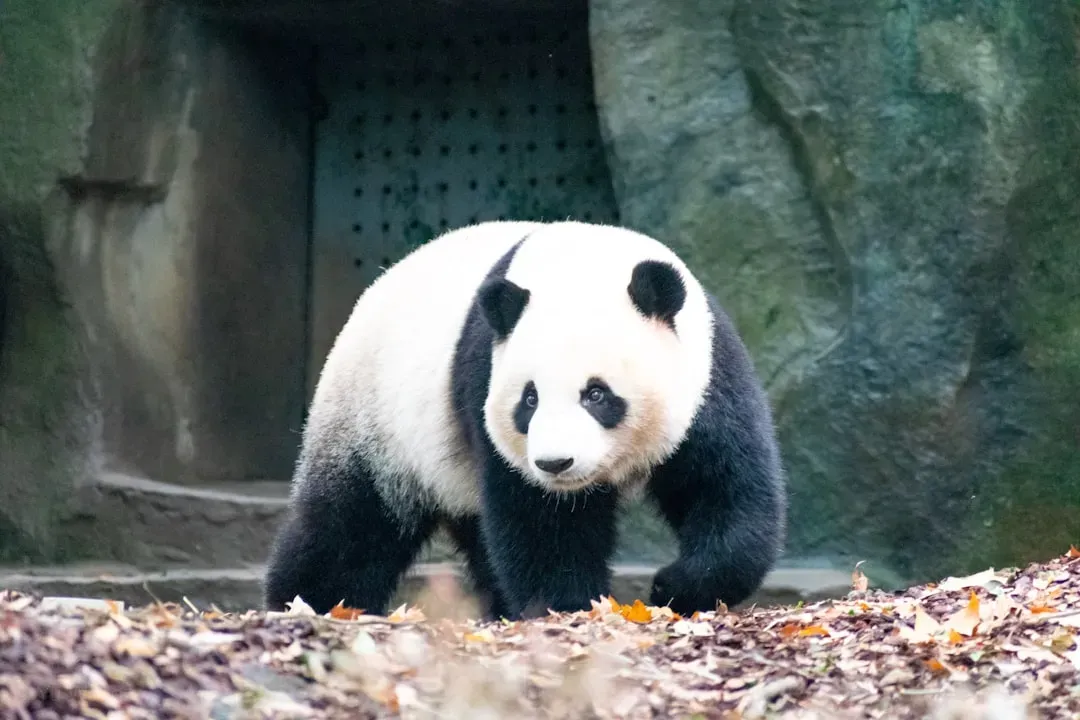
The giant panda became the face of conservation for good reason. In 2016, the giant panda was reclassified as vulnerable by the IUCN, a status upgrade that reflected decades of concerted effort. As of 2025, there are around 1,900 giant pandas living in the wild and another 757 in captivity.
China’s commitment to saving the panda has been extraordinary. In 2024, the Chinese government approved plans for a giant panda reserve spanning 27,134 square kilometers. The proposed park will connect 67 existing panda reserves across the Gansu, Shaanxi, and Sichuan provinces. Think of it like creating a giant highway system for pandas, allowing them to roam freely and meet new mates.
Still, this isn’t a mission accomplished moment. Climate change still threatens to eliminate more than 35% of the panda’s bamboo habitat in the next 80 years. The panda’s preferred food source could vanish, which would be like removing all grocery stores from a neighborhood. Recovery is fragile, even when it looks like success.
Captive breeding played a massive role here. Institutions learned how to boost cub survival rates and even reintroduce pandas to the wild. It’s hard to say for sure, but this story might not have happened without zoos, researchers, and Chinese officials working together for half a century.
The panda’s comeback reminds us that iconic animals can rally public support in ways that benefit entire ecosystems. When you save the panda, you protect mountain forests and countless other species sharing that habitat.
Mountain Gorilla: Conservation Against the Odds
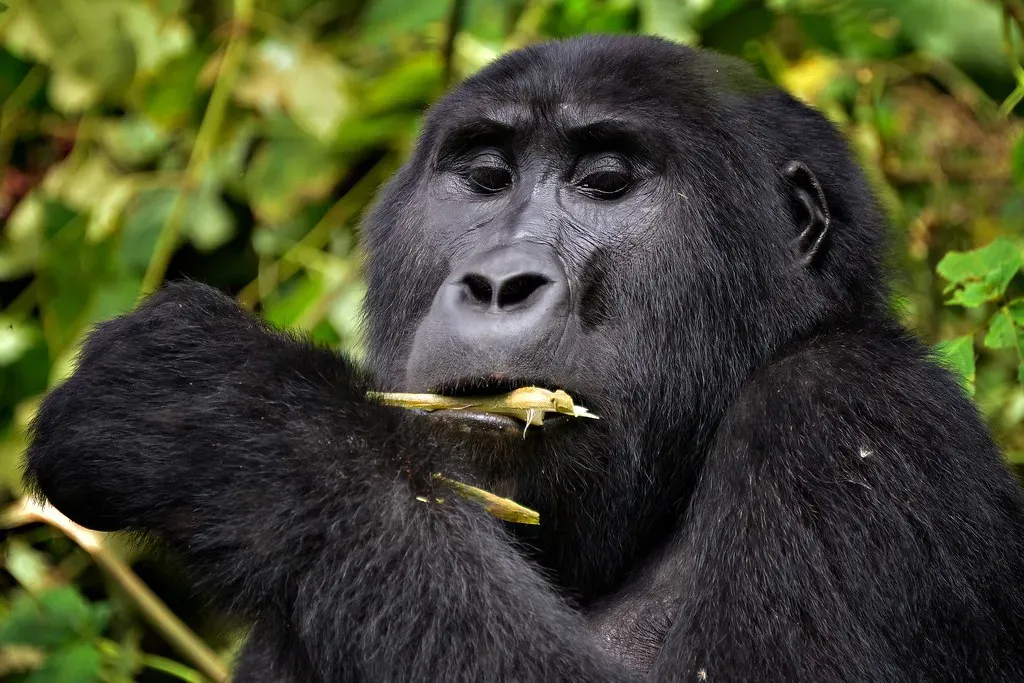
The mountain gorilla population has increased from about 600 individuals less than three decades ago to 1,063 individuals according to the 2019 Bwindi – Sarambwe mountain gorilla census. This is the only great ape species actually increasing in numbers, which is kind of mind-blowing when you think about it.
The population of mountain gorillas has continued to increase in recent years, leading to its downlisting from Critically Endangered to Endangered in November 2018. Tourism revenue has been crucial. Local communities benefit financially from visitors eager to see gorillas in the wild, creating an economic incentive to protect them.
Anti-poaching patrols have been relentless. Rangers risk their lives daily in places like Virunga National Park, where armed conflict and instability pose constant threats. These aren’t just conservationists doing field research. They’re frontline defenders operating in one of the most dangerous regions on Earth.
Here’s the thing, though. Success with mountain gorillas doesn’t mean all gorillas are thriving. Other subspecies remain critically endangered, struggling against habitat destruction and violence. The mountain gorilla story shows what’s possible, yet it also highlights how uneven conservation victories can be.
This recovery underscores the value of transboundary cooperation. Three countries – Democratic Republic of Congo, Rwanda, and Uganda – worked together to protect shared gorilla populations. When nations collaborate despite their differences, wildlife wins.
Humpback Whale: A Marine Marvel Returns
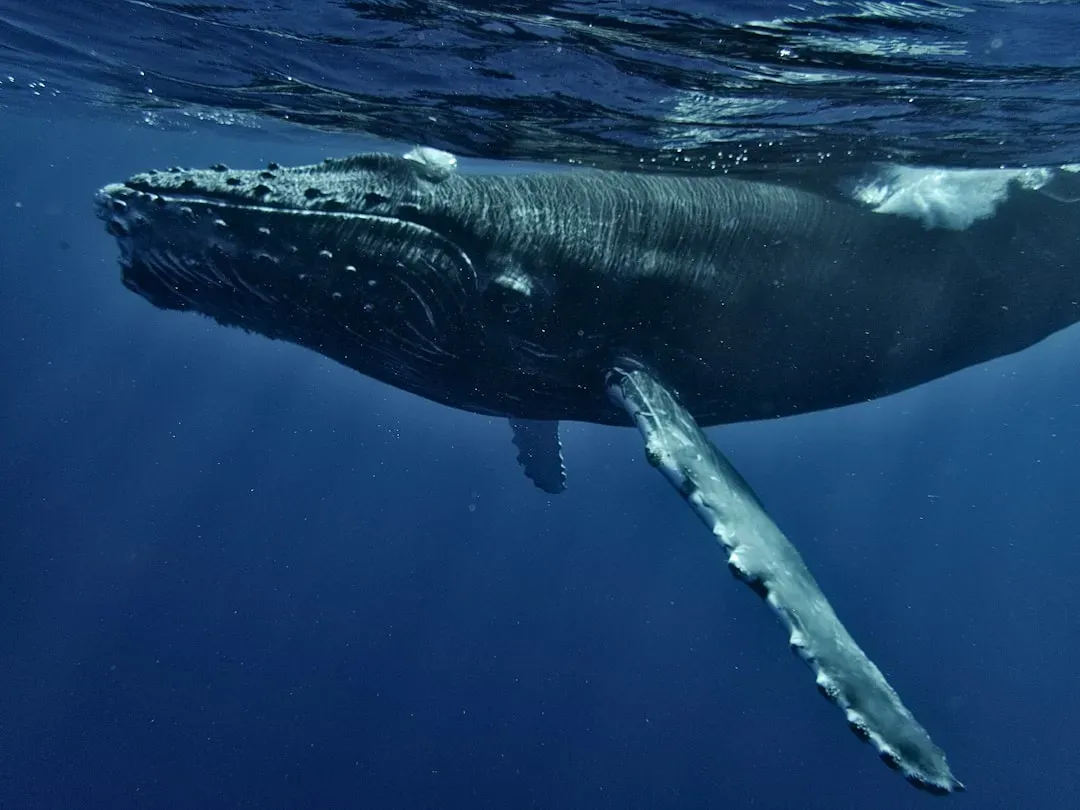
Commercial whaling nearly wiped out humpback whales. Commercial whaling had reduced global humpback populations by an estimated 90% before the International Whaling Commission banned their hunting in 1966. Imagine entire oceans falling silent without their songs.
The global population is now estimated at 80,000 individuals, approaching pre-whaling numbers in some regions. In 2016, nine of the fourteen distinct population segments were removed from the U.S. endangered species list. Acoustic monitoring and photo-identification studies confirmed this remarkable recovery.
Their comeback demonstrates the resilience of long-lived marine species when direct exploitation ceases. Whales can live for decades, giving populations time to rebuild if humans step back. Protection laws like the Marine Mammal Protection Act played critical roles in safeguarding their recovery.
However, new threats have emerged. Ship strikes, entanglement in fishing gear, and ocean noise pollution continue affecting humpback populations. Climate change alters their food sources, creating unpredictable challenges. Recovery doesn’t mean invincibility.
Whales also provide surprising ecological benefits. When they die naturally, their bodies sink to the ocean floor, locking away carbon for centuries. Protecting whale populations contributes to carbon sequestration, making their conservation relevant to climate action.
Gray Wolf: Reclaiming Lost Territories
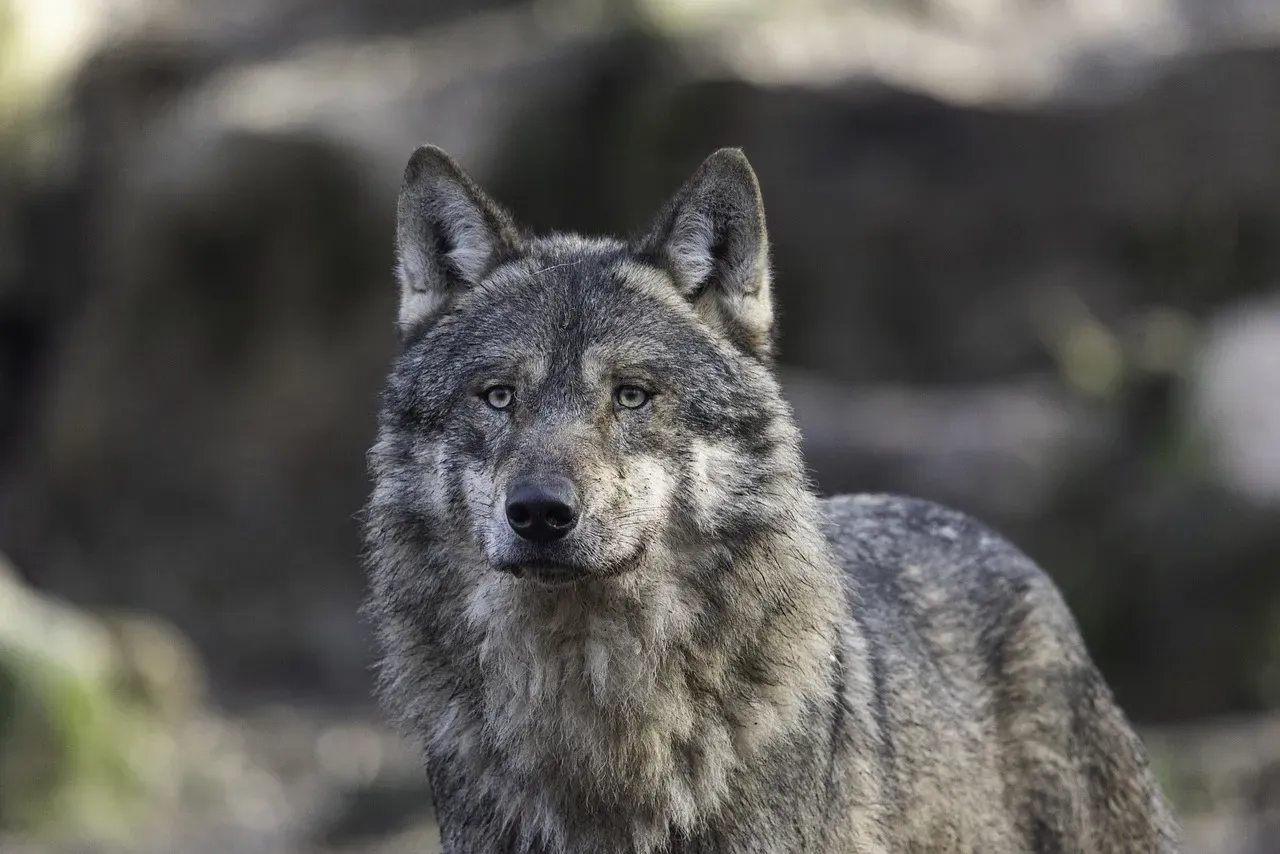
Protection under the Endangered Species Act in 1974 marked the beginning of their comeback. The famous 1995-1997 reintroduction of Canadian wolves to Yellowstone National Park and central Idaho accelerated recovery efforts. This reintroduction transformed ecosystems through what ecologists call a trophic cascade.
Today, approximately 6,000 wolves inhabit the lower 48 states, with established populations in the Northern Rockies, Western Great Lakes, Pacific Northwest. Wolves changed the behavior of elk, which allowed vegetation to recover in areas that had been overgrazed. Rivers even changed course as streamside forests returned.
Wolf recovery remains intensely controversial. Ranchers worry about livestock losses, even though studies show less than one percent of livestock deaths are attributable to wolves. Hunting and trapping have resumed in some states after protections were lifted, sparking ongoing legal battles.
Wolves play essential roles in balancing ecosystems. They influence forest compositions and the behavior of prey species. Their presence creates healthier, more biodiverse landscapes. Still, their success depends heavily on public tolerance and political will.
The wolf’s story shows that ecological recovery and human attitudes must evolve together. Technical success in boosting population numbers means little if people remain hostile to their presence.
Bald Eagle: America’s Soaring Symbol

The decline of the bald eagle is attributed to illegal hunting, habitat destruction, and unintentional poisonings, most commonly from the pesticide dichlorodiphenyltrichloroethane (DDT). DDT caused eagles to lay eggs with shells so thin they broke during incubation. Populations plummeted across the United States.
The nationwide ban on DDT in the early 1970s changed everything. Bald eagle populations began recovering almost immediately. Legal protections under the Endangered Species Act and the Migratory Bird Treaty Act provided additional safeguards. Breeding programs supplemented wild populations in struggling areas.
As of 2025, the IUCN classifies the peregrine falcon as least concern, with an estimated population of 100,000 to 499,999 mature individuals. Bald eagles experienced similar success, with tens of thousands now soaring across North America. They’ve become common sights near lakes and rivers in states where they’d vanished.
The bald eagle’s recovery became a powerful symbol of what environmental laws can accomplish. The Endangered Species Act proved its worth through tangible results. Eagles went from endangered to thriving within a few decades.
However, new threats persist. Lead poisoning from spent ammunition remains a significant problem. Eagles scavenge gut piles left by hunters, ingesting toxic lead fragments. Conservation is never truly finished.
California Condor: Back from 27 Birds
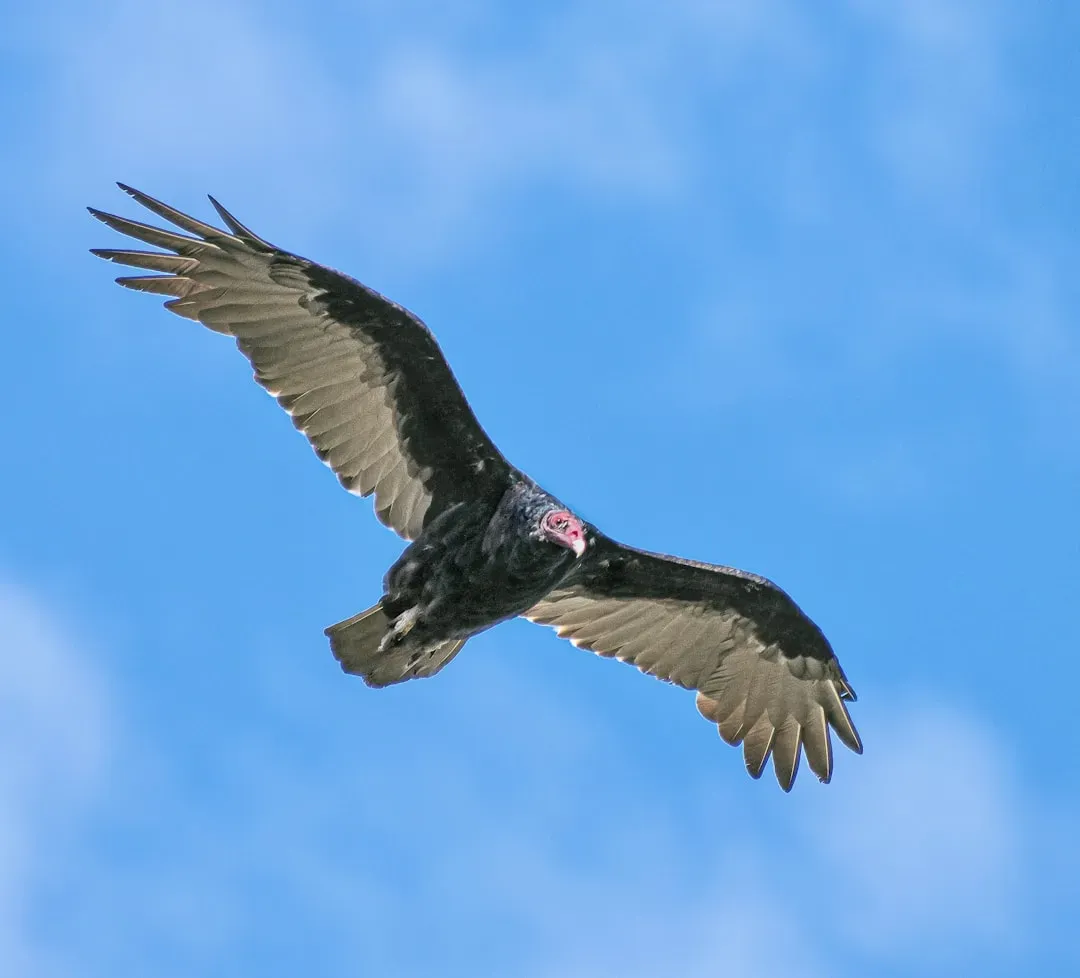
In 1987, the last wild California condor was taken into captivity in order to preserve the species. A total of 27 California condors were kept in captivity. Every single condor alive today descends from those 27 individuals. Let that sink in for a moment.
Over the next several decades, this captive breeding program slowly began to rebuild the dwindling population. Today there are 350 wild California condors, and their range is expanding. Condors now soar over the Grand Canyon, Big Sur, and parts of the Pacific Northwest.
Lead poisoning continues threatening condors. They feed on carrion containing lead bullet fragments, which accumulates in their bodies. California passed regulations requiring hunters to use non-lead ammunition in condor habitat, a controversial but necessary measure.
Captive breeding required extraordinary effort. These birds don’t reach sexual maturity until around six years old and typically raise only one chick every two years. Biologists developed techniques to maximize breeding success, including removing eggs to stimulate pairs to lay replacement clutches.
As of 2023, there are over 500 California condors, with more than half living in the wild. This comeback is nothing short of extraordinary, though the species remains critically endangered. Their survival depends on continued intensive management and public support.
Arabian Oryx: From Extinct in the Wild to Vulnerable
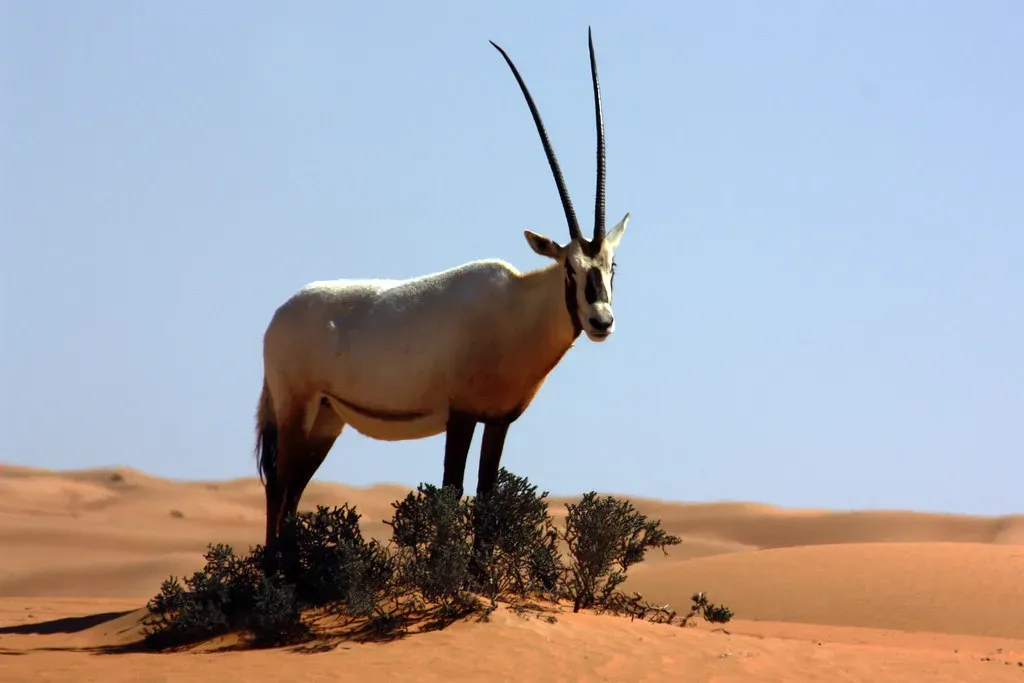
In 2011, the Arabian oryx achieved another milestone when it became the first animal to revert from “extinct in the wild” all the way back to “vulnerable” status on the IUCN Red List. This stunning reversal resulted from international collaboration and carefully managed breeding programs.
The Arabian oryx was hunted to extinction in the wild in 1972. The Phoenix Zoo started a captive breeding program in 1962, and from 9 individuals, over 200 young were successfully bred. The so-called “World Herd” provided genetic diversity for reintroduction efforts.
The first reintroduction occurred in Oman in 1982, followed by releases in Saudi Arabia, the United Arab Emirates, Israel, and Jordan. Wild populations now number over 1,000 individuals. These elegant white antelopes once again roam desert landscapes across the Arabian Peninsula.
Poaching remains a threat, as the oryx is valued for its meat and the supposed medicinal properties of its blood. Genetic bottlenecks from such a small founding population raised concerns, but the animals have proven surprisingly resilient. Hybridization with other oryx species in captivity poses another management challenge.
The Arabian oryx recovery set the stage for many subsequent conservation programs. It demonstrated that international cooperation and captive breeding could resurrect species declared extinct in the wild. That template has been repeated many times since.
Black-Footed Ferret: North America’s Masked Bandit
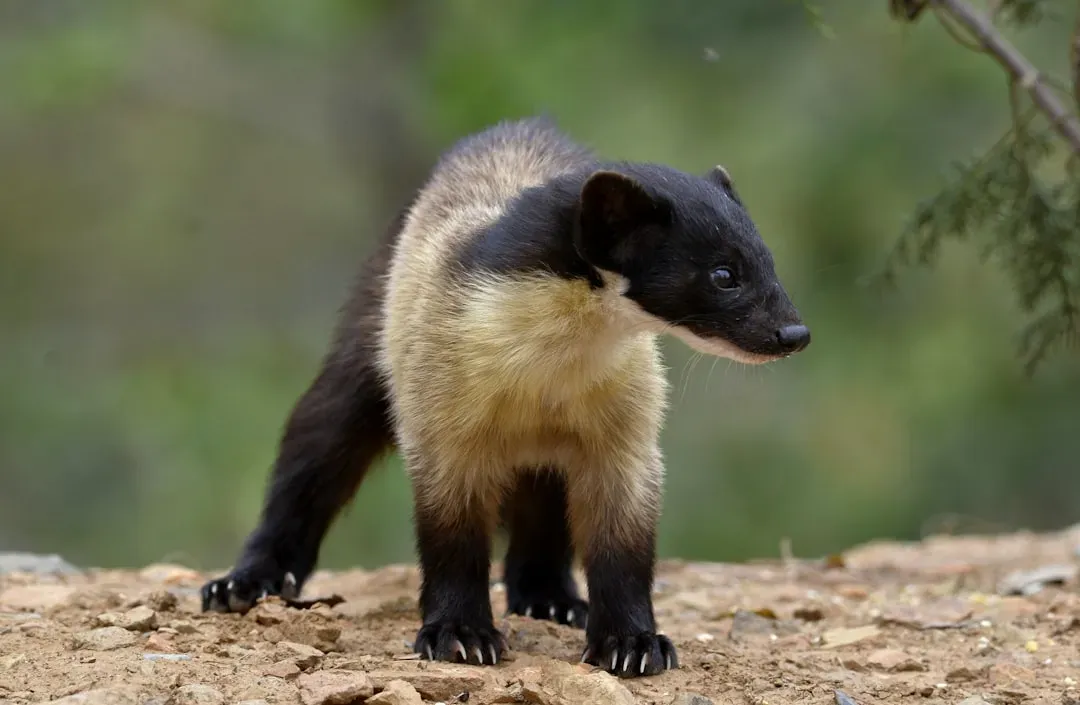
For the last 30 years, concerted efforts from many organizations have given black-footed ferrets – one of North America’s most endangered mammals – a second chance for survival. Today, recovery efforts have helped restore black-footed ferrets to around 300 animals across North America. The goal is to reach 3,000 ferrets.
Black-footed ferrets depend almost entirely on prairie dogs for food and use prairie dog burrows for shelter. As prairie dog populations declined from poisoning and habitat loss, ferrets nearly vanished. By the 1980s, the species was believed extinct until a small population was discovered in Wyoming.
Every ferret alive today descends from just 18 individuals captured for captive breeding. That’s an incredibly narrow genetic bottleneck. Disease poses a constant threat, particularly sylvatic plague, which devastates both prairie dogs and ferrets. Conservationists are developing vaccines and treatment strategies.
Ferret recovery requires protecting and restoring vast prairie dog colonies. This has proven controversial, as ranchers often view prairie dogs as pests. Conservation success hinges on finding ways for ferrets, prairie dogs, and ranchers to coexist.
Reintroduction sites span multiple states, from Montana to Arizona. Ferrets are nocturnal and elusive, making monitoring difficult. Their recovery demonstrates that saving one species often requires protecting entire ecosystems and food webs.
Sea Otter: Keystone Species Returns
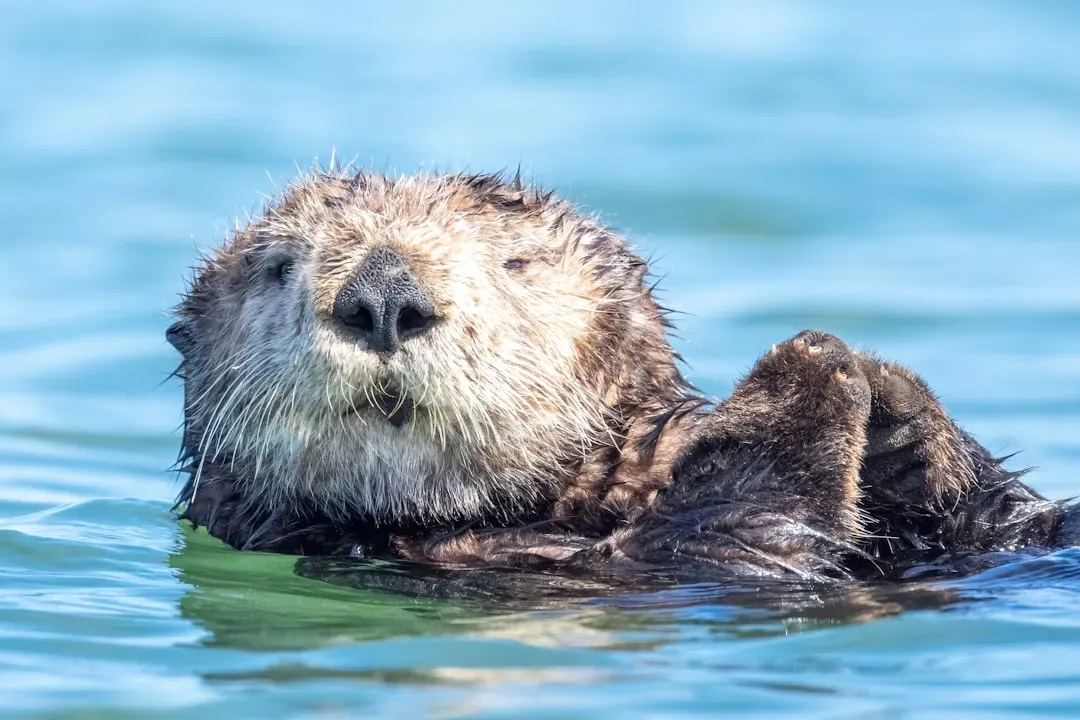
Hunted to near extinction for their luxurious fur during the maritime fur trade, sea otters were reduced to just 13 small colonies comprising approximately 1,000-2,000 individuals total. Protection began with the International Fur Seal Treaty of 1911. This was one of the first international conservation treaties.
Today, global sea otter numbers exceed 100,000, though they occupy only about three-quarters of their historic range. Sea otters have reclaimed much of the Pacific coastline from California to Alaska, though some regions remain unoccupied.
Their ecological importance cannot be overstated. Sea otters consume sea urchins that would otherwise overgraze kelp forests. This has led to the restoration of kelp ecosystems that provide habitat for numerous marine species and serve as important carbon sinks. Remove sea otters and entire underwater forests collapse.
Oil spills pose catastrophic risks. Sea otter fur provides insulation, and oil destroys that insulating capacity, causing hypothermia. A single major spill could devastate localized populations. Fisheries conflicts and killer whale predation also affect recovery in some areas.
Sea otter conservation demonstrates the concept of keystone species. Their presence disproportionately affects ecosystem structure and function. Protecting them protects entire marine communities from the seafloor to the surface.
Southern White Rhino: Pulled from the Brink
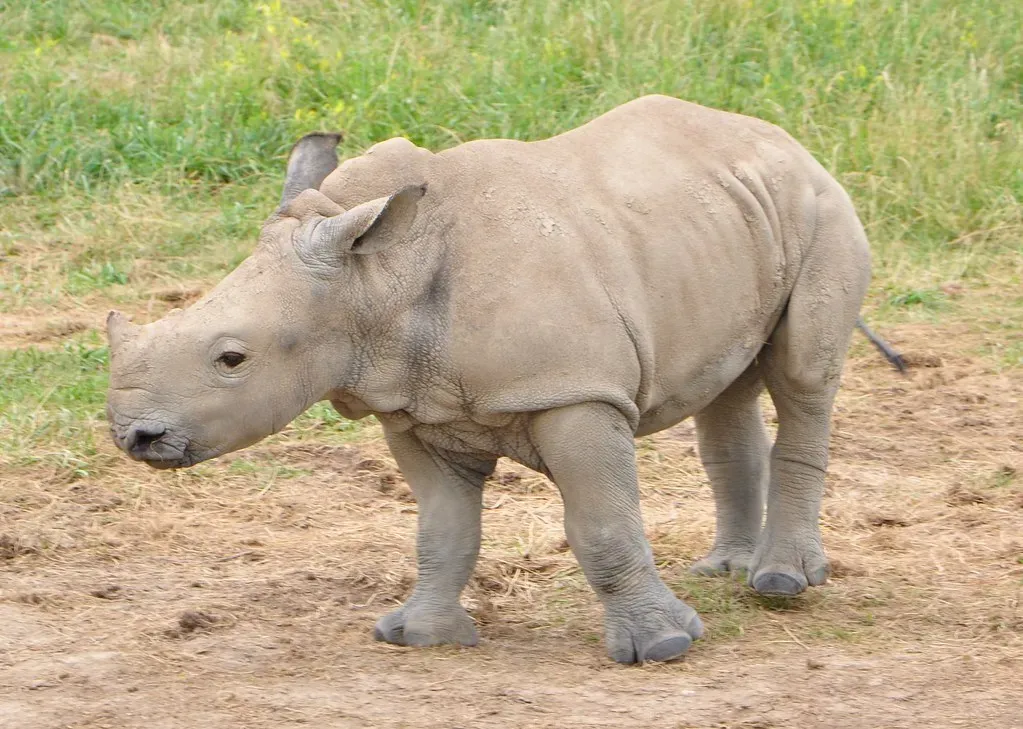
Southern white rhinos numbered fewer than 100 individuals at the turn of the 20th century. Hunting for their horns had driven them nearly to extinction in South Africa. Intensive protection efforts reversed this decline, and populations began growing in protected areas.
Today, southern white rhinos number around 18,000, representing one of conservation’s greatest success stories. However, poaching surged dramatically in the 2000s, driven by demand for rhino horn in traditional medicine markets. Rangers face heavily armed poaching syndicates, turning conservation into a paramilitary operation.
Some populations have been dehorned to reduce poaching incentives. This doesn’t harm rhinos but makes them less valuable to poachers. Breeding programs maintain genetic diversity, and surplus animals have been translocated to establish new populations across Africa.
The southern white rhino’s success contrasts sharply with the northern white rhino, which is functionally extinct with only two females remaining. This stark difference underscores how fragile recovery can be and how quickly gains can evaporate without vigilant protection.
Economic factors complicate rhino conservation. Legal trade in rhino horn remains banned under international law, yet illegal markets thrive. Some argue for regulated legal trade as a way to undercut poachers, while others fear it would increase demand. The debate continues.
Green Sea Turtle: Ocean Wanderer Rebounds

The global Green Turtle population is rebounding thanks to conservation. Decades of protection for nesting beaches, reduction in egg harvesting, and measures to reduce bycatch in fishing operations have contributed to recovery in multiple populations.
Green sea turtles face numerous threats throughout their lives. Hatchlings are vulnerable to predators as they scramble from nests to the ocean. Adults get entangled in fishing nets or struck by boats. Coastal development destroys nesting habitat, and artificial lighting confuses hatchlings, leading them away from the sea.
Climate change poses a particularly insidious threat. Sand temperature determines the sex of developing turtles, and warming temperatures are skewing sex ratios toward females. Some nesting beaches now produce almost no male hatchlings. Scientists are experimenting with shading nests to keep temperatures cooler.
International cooperation has been essential. Green sea turtles migrate thousands of miles, crossing national boundaries throughout their lives. Protection in one country means little if they’re harvested elsewhere. Treaties and regional agreements coordinate conservation efforts.
Community involvement makes a huge difference. In places where local people once harvested turtle eggs for food or income, conservation programs now employ former egg collectors as beach monitors. Economic alternatives give people reasons to protect rather than exploit turtles.
European Bison: Rewilding the Continent
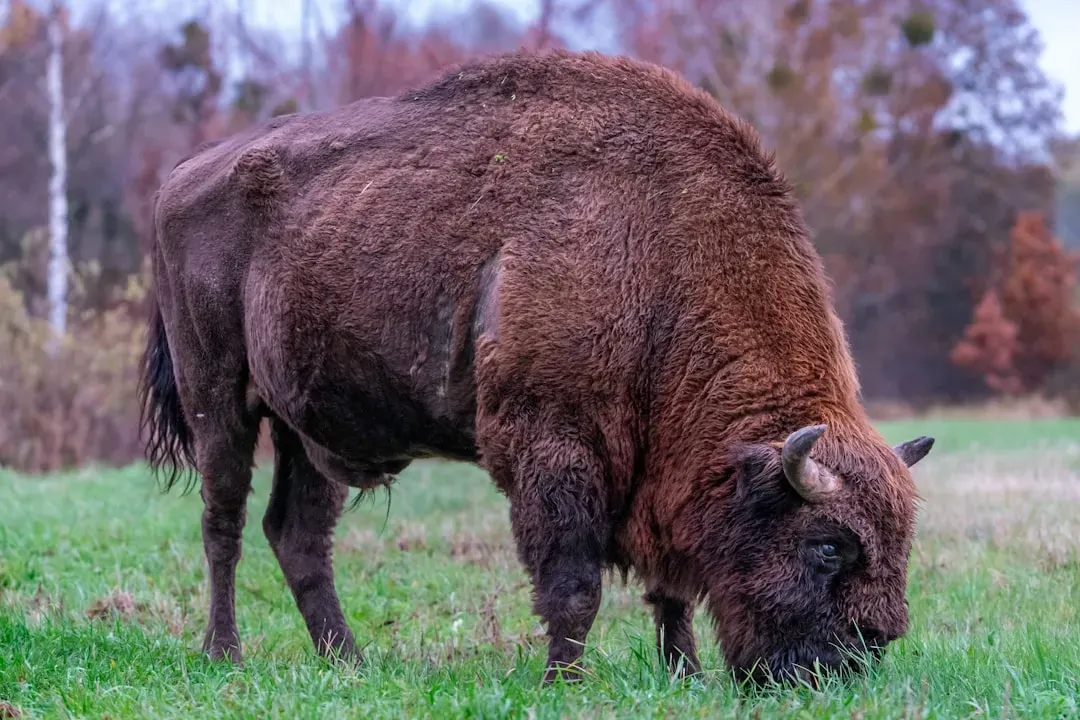
European bison went completely extinct in the wild by the 1920s. Only 54 individuals survived in zoos and private collections. From this tiny remnant, conservationists rebuilt the species through careful breeding and reintroduction programs across Europe.
Today, several thousand European bison roam forests in Poland, Romania, and other countries. Rewilding initiatives have returned these massive herbivores to landscapes where they’d been absent for a century. Their grazing and browsing behavior shapes forest structure, creating habitat diversity.
Genetic diversity remains limited due to the extreme population bottleneck. All living European bison descend from those 54 founders, and inbreeding effects occasionally surface. Genetic management carefully maximizes diversity through strategic breeding decisions.
Human attitudes toward large wildlife have shifted. Many Europeans now view bison as heritage species worth restoring. Ecotourism provides economic benefits, helping local communities accept the presence of animals that can damage crops and infrastructure.
The European bison’s return symbolizes broader rewilding efforts across the continent. Large carnivores like wolves and lynx are also reclaiming former territories. Europe is slowly becoming wilder again, reversing centuries of domestication.
Iberian Lynx: Europe’s Feline Fighter
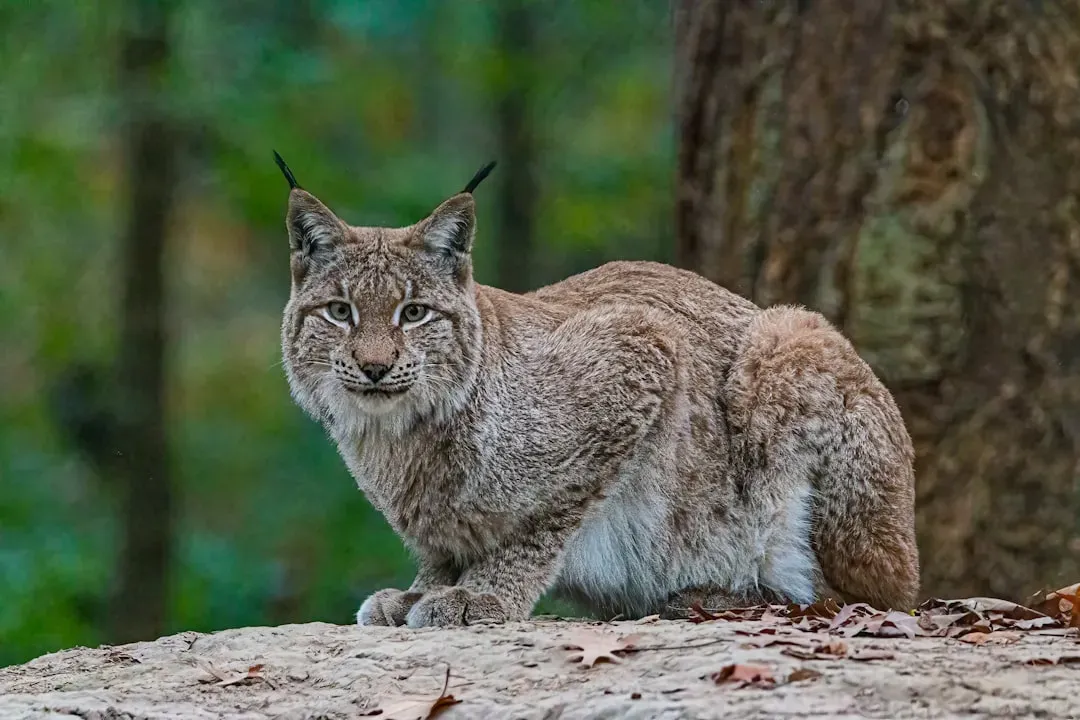
The Iberian lynx came perilously close to extinction, with fewer than 100 individuals surviving by 2002. This striking wild cat, found only in Spain and Portugal, suffered from habitat loss, declining rabbit populations (their primary prey), and roadkill.
Intensive captive breeding programs began producing kittens for release into the wild. Conservationists also worked to restore rabbit populations by managing disease and habitat. Wildlife corridors were established to connect isolated lynx populations, allowing genetic exchange.
By the 2020s, Iberian lynx numbers had climbed to over 1,000 individuals. This represented one of the fastest recoveries of any cat species. Lynx have reclaimed territories where they’d been absent for decades, and new populations have been established through reintroductions.
Road mortality remains a significant threat. Lynx cross roads while hunting or seeking mates, and vehicle strikes kill a substantial percentage each year. Wildlife underpasses and overpasses help reduce collisions in critical areas.
The Iberian lynx recovery demonstrates that targeted, well-funded conservation can achieve dramatic results in relatively short timeframes. It also shows the importance of addressing multiple threats simultaneously rather than focusing on single issues.
Peregrine Falcon: Speed Demon Soars Again
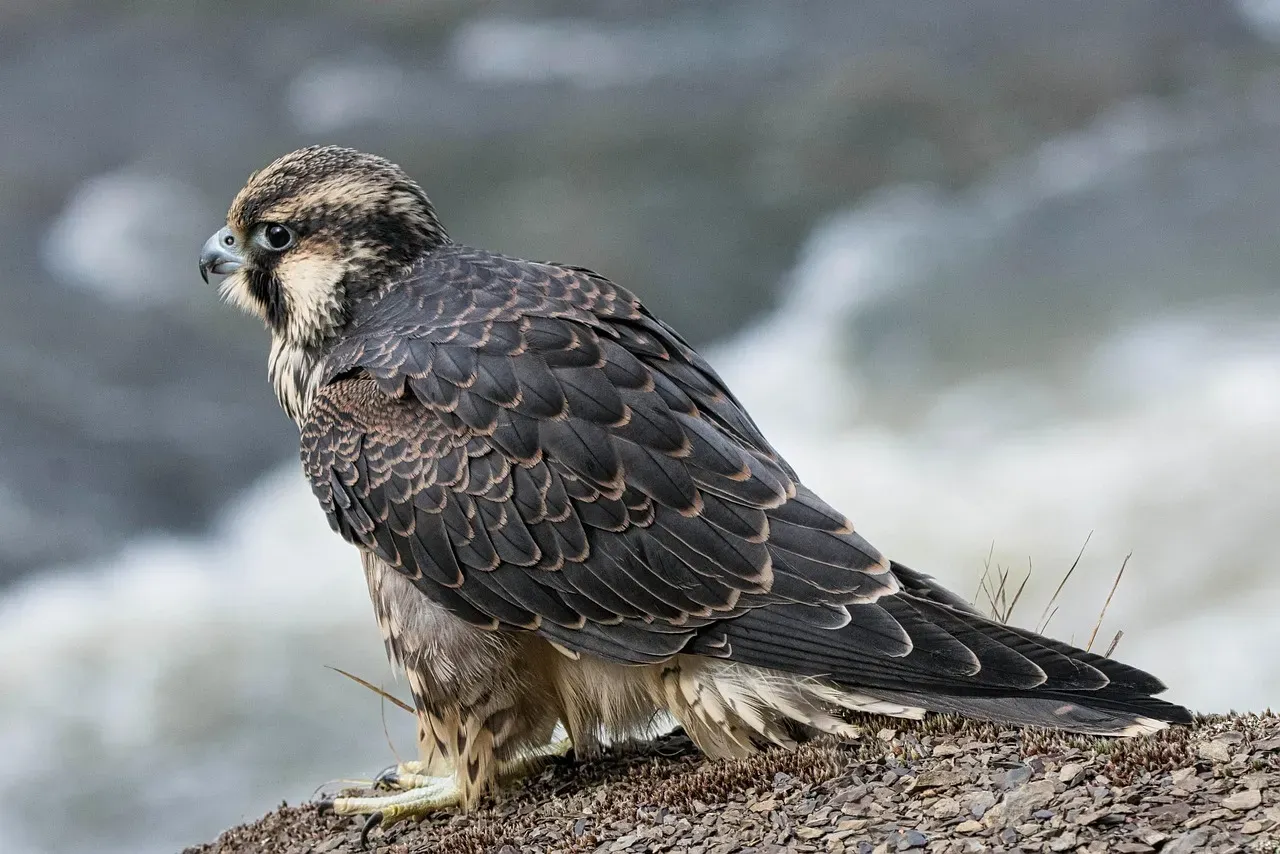
Like the bald eagle, peregrine falcons experienced widespread poisoning from DDT, which led to steep declines in their numbers. With the nationwide ban on DDT in the US, populations began to recover. Eggshell thinning had devastated reproduction rates, but once DDT levels declined, success rates rebounded.
As of 2025, the IUCN classifies the peregrine falcon as least concern, with an estimated population of 100,000 to 499,999 mature individuals. Peregrines have adapted remarkably well to urban environments, nesting on skyscrapers and bridges where they hunt pigeons.
Captive breeding and reintroduction programs accelerated recovery in areas where populations had been extirpated. Falconers contributed expertise in breeding and rearing techniques. Hack sites, where young falcons were released and initially fed, helped establish new populations.
Peregrines are the fastest animals on Earth, diving at speeds exceeding 200 miles per hour to strike prey in mid-air. This spectacular hunting method makes them favorites among birdwatchers and wildlife enthusiasts. Their visibility in cities has raised conservation awareness.
Legal protections under the Migratory Bird Treaty Act continue safeguarding peregrines. Their recovery parallels the bald eagle’s in many ways, demonstrating how eliminating specific threats can allow resilient species to bounce back rapidly.
Conclusion: Hope Built on Hard Work
These 13 species tell us something important. Recovery is possible, but it’s never easy or guaranteed. Every success story required decades of effort, enormous financial investment, and countless hours from people who refused to accept extinction as inevitable.
We can’t ignore the common threads. Most of these recoveries involved legal protections, captive breeding, habitat restoration, and addressing specific threats like poaching or pesticides. International cooperation proved essential for migratory species. Local community involvement determined whether reintroductions succeeded or failed.
Yet here’s the sobering part: these are the exceptions. For every species making a comeback, dozens continue declining toward extinction. Climate change, habitat destruction, and human population growth create pressures unlike anything these animals faced historically. Success stories can’t distract us from the broader extinction crisis.
Still, these victories matter enormously. They prove that humans can reverse damage we’ve caused. They provide blueprints for saving other species. They inspire hope when despair feels overwhelming. Every panda cub born, every condor chick fledged, every turtle hatchling scrambling to the sea represents a small triumph against the odds.
What do you think about these remarkable recoveries? Did any surprise you, or do you have a favorite comeback story? The future of these species – and countless others – depends on whether we stay committed to their survival.

- 6 Exotic Bird Species You Can Spot in U.S. National Parks - July 19, 2026
- 11 Iconic American Birds Facing New Challenges and How You Can Help - July 19, 2026
- 10 Friendliest Animals in the World - July 19, 2026