
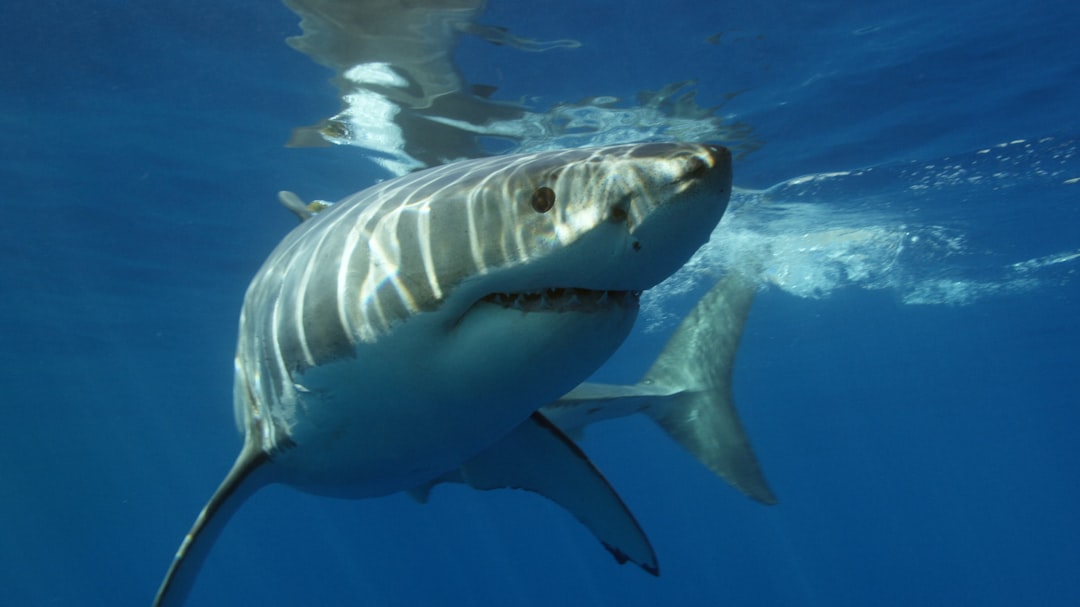
Something extraordinary is happening in the waters off Florida’s coast. A creature of immense size has shattered every expectation scientists had about these ancient predators. While millions of beachgoers enjoy the sunshine state’s coastline, a colossal hunter moves silently through deeper waters, rewriting marine biology textbooks with every mile traveled.
This is the story of Contender, a massive male great white shark weighing 1,653 pounds and measuring 13 feet 9 inches, tagged by OCEARCH off Florida’s east coast in January 2025 and recognized as the largest ever recorded in the Atlantic. His discovery represents far more than just a size record. It signals hope for a species that scientists feared might never fully recover in these waters.
The Moment Scientists Realized They Had Something Special
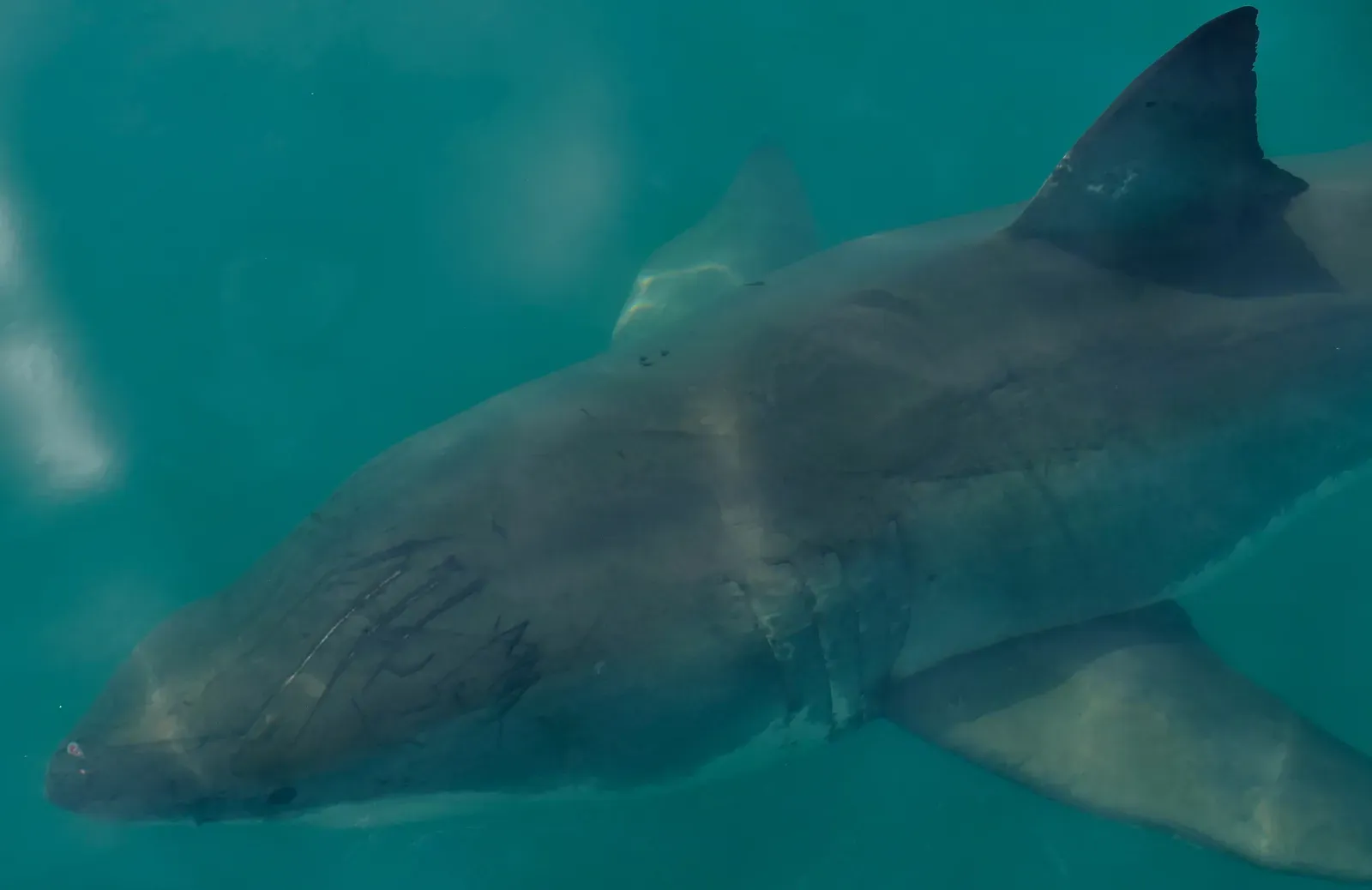
When OCEARCH captured Contender roughly 45 miles off the Georgia-Florida coast, they immediately recognized they had something unprecedented: a shark measuring 13 feet 9 inches and weighing 1,653 pounds, comparable in size to a compact car. The research team could barely contain their excitement as they maneuvered the massive predator alongside their vessel.
Dr. Harley Newton explained that animals of adult size have proven elusive, and male white sharks reach maturity at around 11.5 feet and 26 years of age, making Contender at 14 feet an adult male probably in his early 30s and early in his reproductive life. This wasn’t just another tagged shark for their database. This was a breakthrough moment that could reshape everything researchers understood about great white populations along the Atlantic coast.
Why Male Sharks This Size Are So Incredibly Rare

Here’s the thing most people don’t realize about great white sharks: the males almost never reach the intimidating sizes that capture headlines. Male great whites typically measure between 11 to 13 feet, making Contender approximately 9 inches longer than what is generally observed according to the Smithsonian National Museum of Natural History. Female great whites can grow beyond 20 feet, creating a massive size disparity between the sexes.
Mature males of Contender’s size are extremely rare, with OCEARCH having caught and sampled only three adult males during the sharks’ winter presence in the southeastern U.S.. Think of it like trying to find a needle in an oceanic haystack that spans thousands of square miles. These elusive giants prefer deeper offshore waters where tagging operations are far less frequent, making every successful encounter a scientific goldmine.
Tracking Technology Reveals Astonishing Travel Patterns
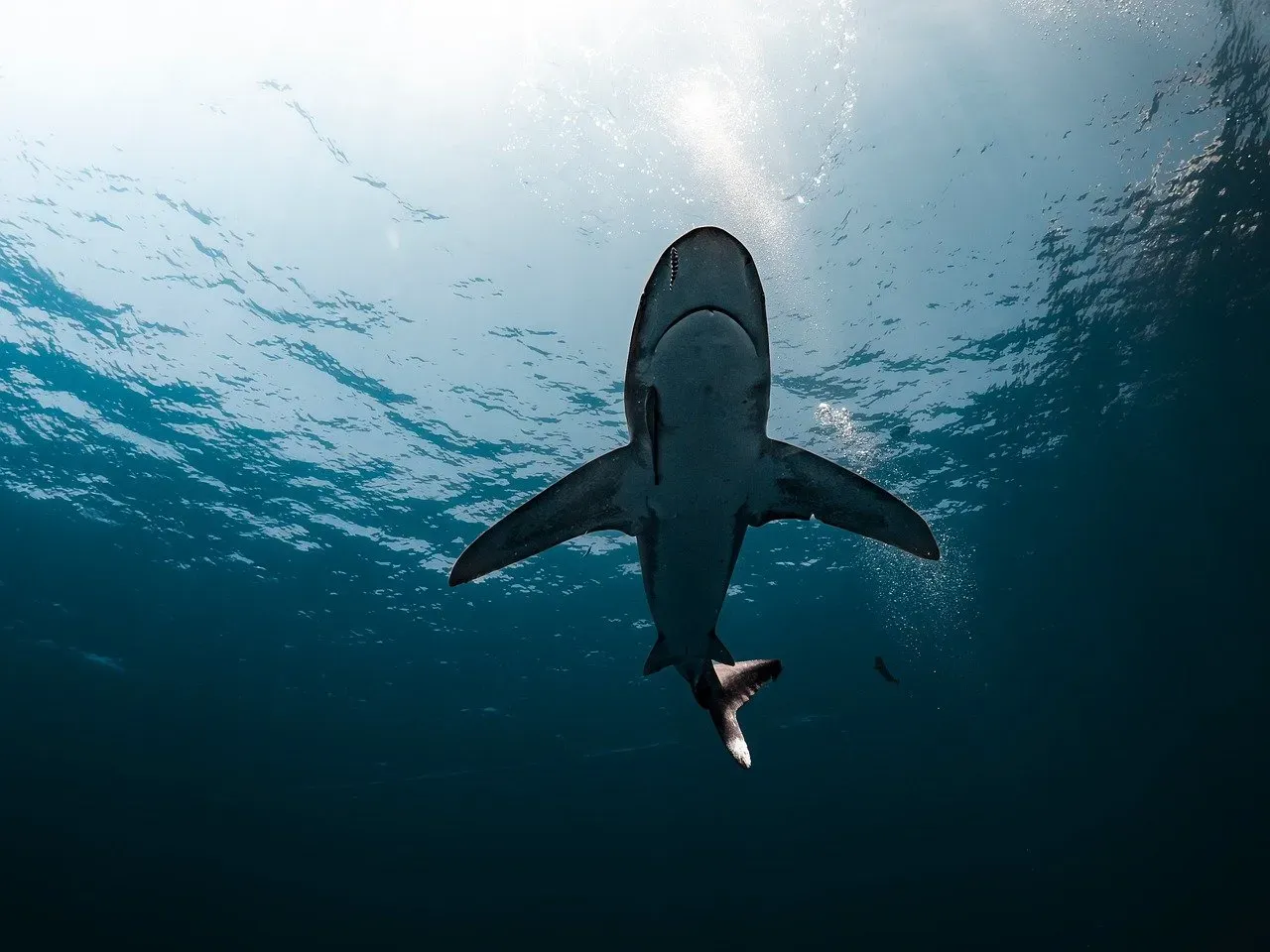
The OCEARCH team equipped Contender with a SPOT tag affixed to his first dorsal fin, providing critical data by sending signals to satellites whenever the shark surfaces, offering real-time information about location, ocean temperature and depth. This sophisticated technology transforms each surfacing into a data transmission event that scientists can monitor from anywhere on the planet.
Since being tagged on January 17, Contender traveled nearly 290 miles, with the latest signal placing him off the coast of Merritt Island, near Orlando, Florida, on February 10. His movements paint a fascinating picture of an apex predator navigating invisible highways through the ocean. Later tracking data showed even more impressive journeys. The shark moved from Florida all the way up the East Coast through North Carolina and across the Canadian border, before being pinged back between Philadelphia and Delaware as of November 13.
A Breeding Champion Swimming Through Florida Waters
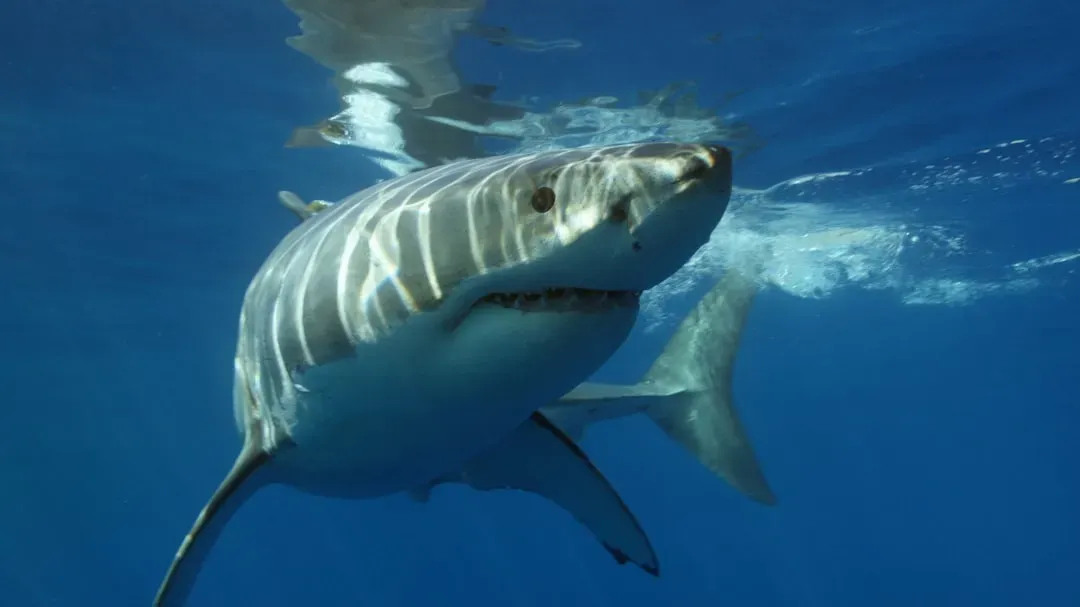
Let’s be real: Contender represents something far more important than just an impressive measurement. At 14 feet, he’s an adult male probably in his early 30s and early in his reproductive life, making him an important part of the effective breeding population that will hopefully contribute to rebuilding the western North Atlantic white shark population. This matters tremendously for a species that faced population declines for decades.
Based on his length and weight, the shark is estimated to be in his early 30s, placing him squarely in his reproductive prime. Every mating season, Contender potentially contributes genetic material to the next generation of Atlantic great whites. Scientists view him not just as a research subject but as a living symbol of population recovery and ecological resilience.
The Seasonal Migration Pattern That Brings Giants to Florida
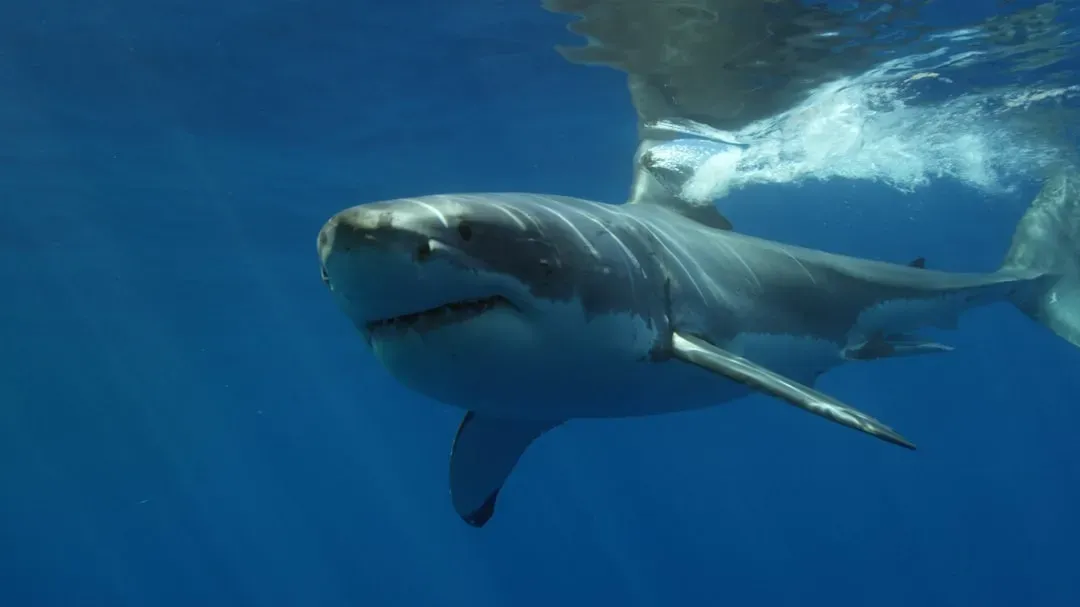
OCEARCH highlighted that as water temperatures shift, these sharks are heading into warmer waters, giving researchers a real-time look at seasonal migration in action. Florida’s warm coastal environment acts like a winter resort for these massive predators seeking optimal conditions for hunting and possibly breeding.
Great white sharks typically migrate to Florida and Southeast waters during fall and winter months searching for prey, then move further offshore heading northward toward the Northeast U.S. and Canada to feed on seals during spring and summer. Imagine traveling thousands of miles annually based purely on instinct and environmental cues. Contender’s journey mirrors patterns scientists have observed in other tagged sharks, yet his exceptional size makes tracking his specific movements particularly valuable for understanding how these apex predators utilize Atlantic habitats.
How Contender Compares to History’s Largest Sharks
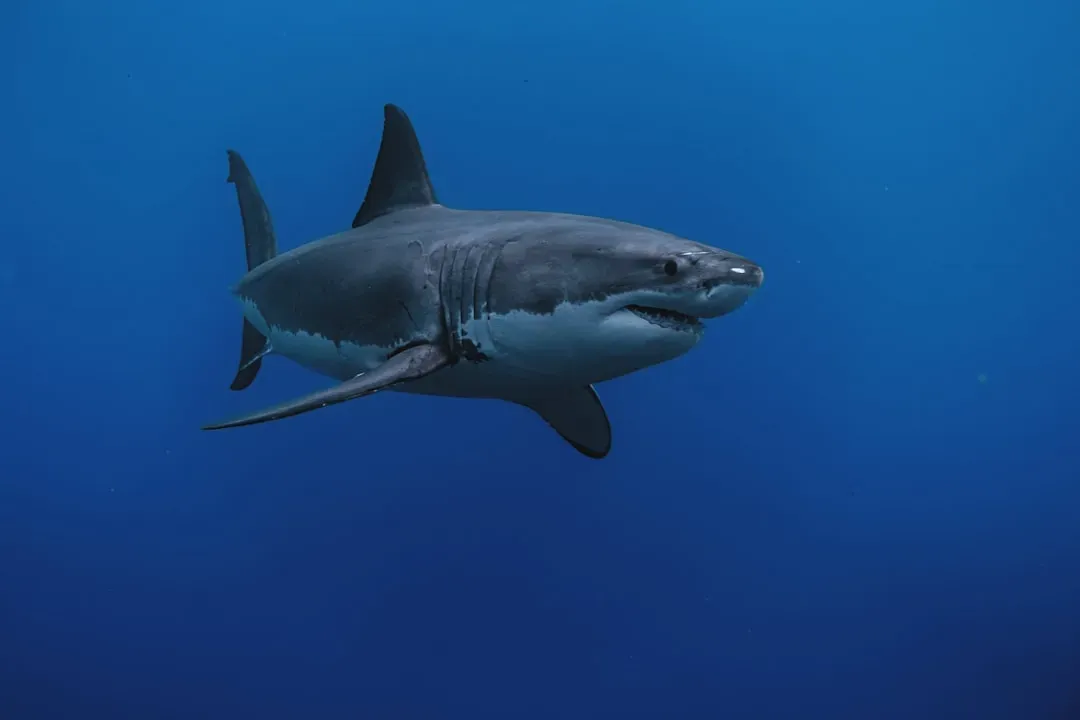
Contender is not the largest white shark on record – that title belongs to a 19-foot, 9-inch specimen cited by the Massachusetts Division of Marine Fisheries. Deep Blue, the legendary female great white, remains the undisputed champion of recorded shark sizes. Deep Blue measures over 6 meters long (20 feet) from tip to tail and is likely around 50 years old.
However, comparing male and female great whites is like comparing different species altogether. Contender pales in comparison to Deep Blue, a female first documented in 1999 off Guadalupe Island then later off Hawaii in 2019, said to be 20 feet long and weighing over two tons (more than 4,000 pounds). Still, within the specific category of male great whites in the Atlantic, Contender stands absolutely alone at the top.
What This Discovery Means for Florida’s Marine Future
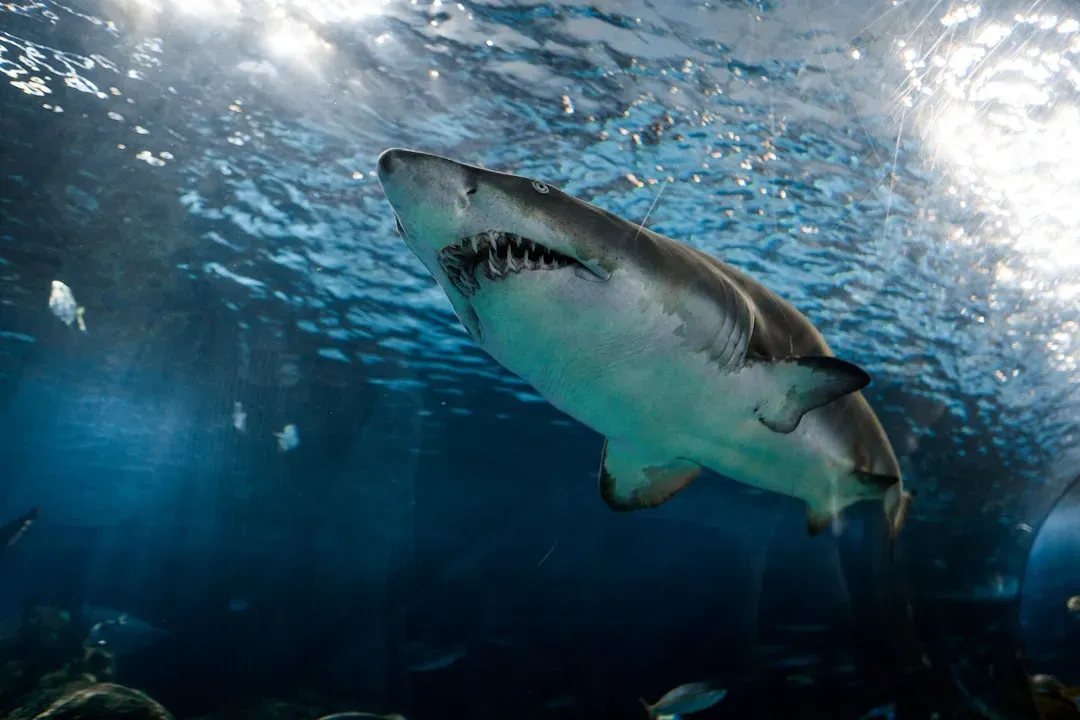
OCEARCH hopes that Contender along with the other 94 sharks tagged as part of the western North Atlantic white shark project will add to knowledge about white shark movements and habitat use, assisting conservation and policy efforts. Every ping from his tracking device adds another piece to an ecological puzzle that scientists have struggled to complete for generations.
Researchers report that shark numbers in South Florida are mostly stable or even increasing slightly, which is good news for the environment, with sharks being present in the ecosystem as a good sign for how well it is functioning. Contender’s presence signals more than just one exceptional individual. It represents a broader pattern of ecological recovery in waters that once saw dramatically declining shark populations due to overfishing and habitat degradation.
Did you ever imagine a shark the size of a small car was cruising through waters just miles from Florida beaches? What do you think about sharing the ocean with these magnificent predators? Let us know in the comments.

- What It Means When Your Cat Stares at the Same Empty Corner at the Same Time Every Night – and the Three Explanations Competing for It - July 19, 2026
- What It Means When a Snake Crosses Your Path From Left to Right According to Every Southern Appalachian Tradition That Recorded It - July 19, 2026
- What It Means When Deer Stop Coming to an Area They Have Visited for Years – and What Wildlife Biologists Say They Are Detecting - July 19, 2026