

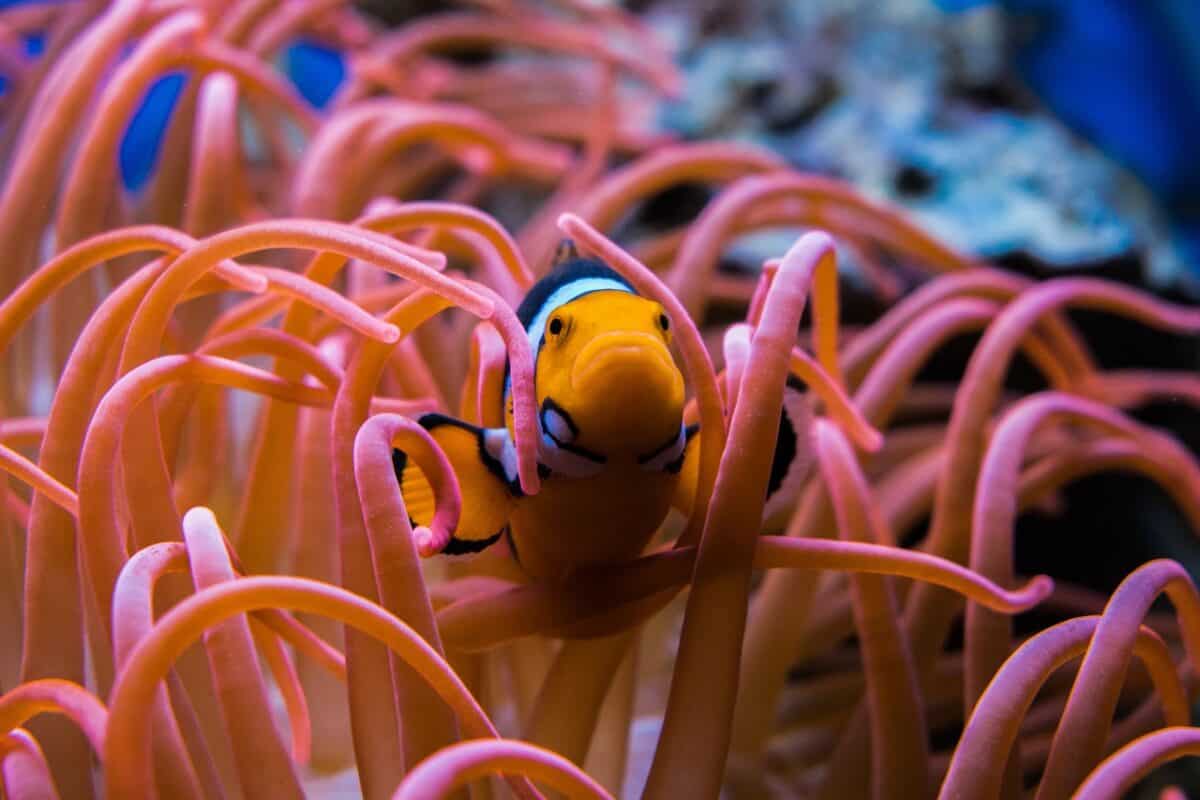
While Finding Nemo introduced millions to the charming orange-striped clownfish, the movie only scratched the surface of these fascinating creatures. Beyond Nemo’s adventure across the ocean, real clownfish harbor incredible biological adaptations, complex social behaviors, and surprising characteristics that make them one of the ocean’s most intriguing inhabitants. These small, vibrant fish have captivated marine biologists and aquarium enthusiasts alike with their unique symbiotic relationship with sea anemones and distinctive reproductive patterns. From their ability to change gender to their territorial nature, clownfish are far more complex than their cartoon counterparts suggest. Let’s dive deeper into the remarkable world of clownfish and discover 15 fascinating facts that Finding Nemo never revealed.
The Gender-Bending Abilities of Clownfish
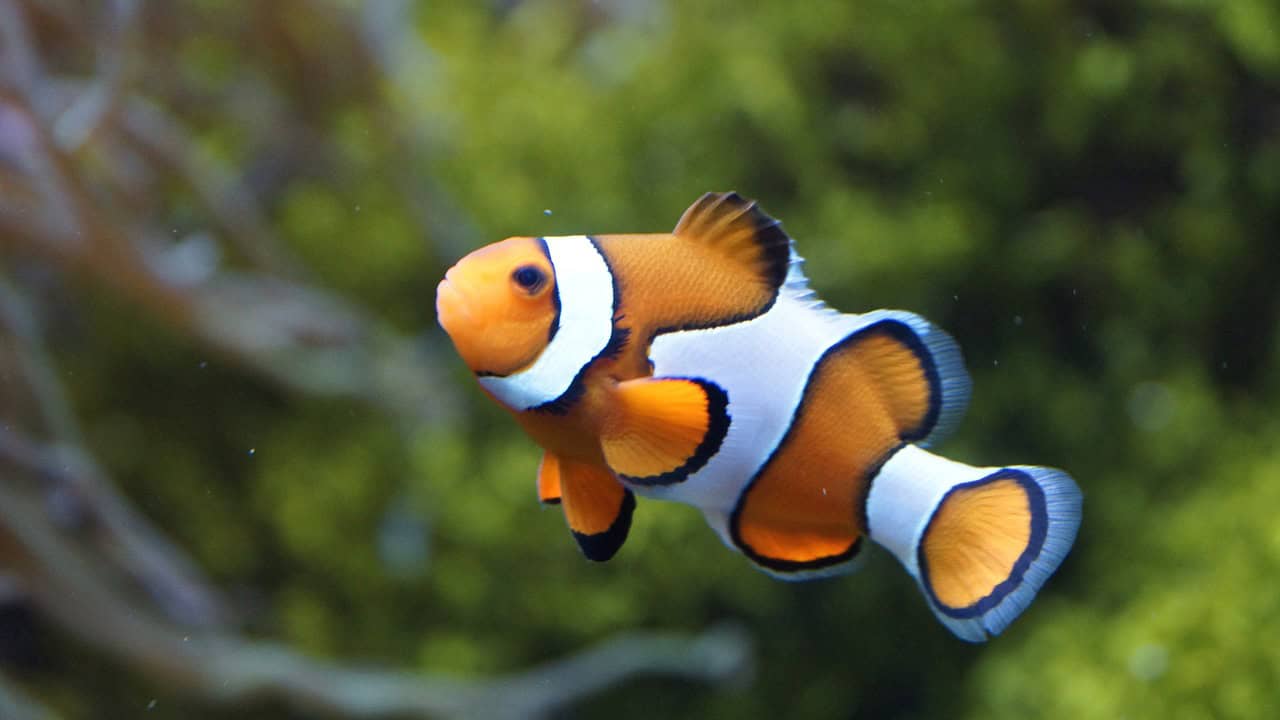
One of the most extraordinary aspects of clownfish biology that Finding Nemo conveniently overlooked is their sequential hermaphroditism. All clownfish are born male, but possess the remarkable ability to change their sex to female when necessary. In a clownfish community, there is a strict hierarchy: one dominant female, one breeding male, and several smaller, non-breeding males. When the female dies, the breeding male undergoes a complete physiological transformation to become female, and the largest non-breeding male gets promoted to breeding male status.
This gender transformation isn’t just a superficial change—it involves complex hormonal shifts and physical alterations to reproductive organs. The process can take anywhere from a few days to a few weeks, depending on the species and environmental conditions. This adaptive strategy ensures the continuity of the group and maximizes reproductive success in their coral reef habitat. If Finding Nemo had been biologically accurate, after Nemo’s mother died, his father Marlin would have transformed into a female, completely changing the movie’s dynamic!
The Complex Symbiosis with Sea Anemones
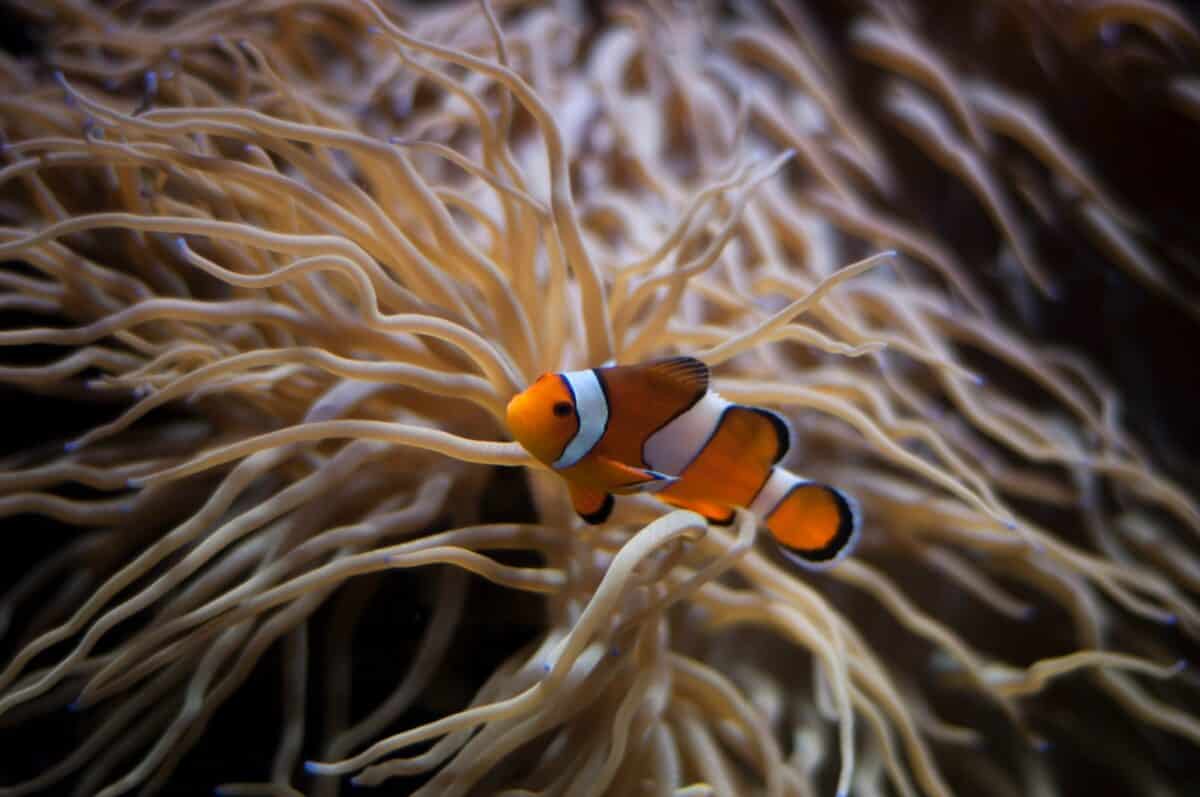
While Finding Nemo portrayed the anemone as Marlin and Nemo’s home, the real relationship between clownfish and anemones is far more sophisticated than a simple living arrangement. This relationship is one of the ocean’s most famous examples of mutualistic symbiosis, where both species benefit. Clownfish are among the very few fish species that can live within the venomous tentacles of sea anemones without being stung. They achieve this immunity through a gradual acclimation process where they carefully touch the anemone’s tentacles with different parts of their bodies, allowing a protective mucus layer to develop.
The benefits flow both ways in this relationship. Clownfish receive protection from predators, scraps of food from the anemone’s meals, and a safe place to lay eggs. In return, clownfish defend their host anemone from predators like butterflyfish, provide nutrients through their waste, and help circulate water around the anemone by swimming among its tentacles, which increases oxygen flow and removes waste. Scientists have observed that anemones with resident clownfish grow larger and healthier than those without fish partners, highlighting the significance of this underwater alliance.
Clownfish Communication Through Sound
Unlike their cartoon counterparts who speak English, real clownfish communicate through a sophisticated system of sounds that wasn’t explored in Finding Nemo. Clownfish are known as “vocal fish” and produce distinctive popping, clicking, and chirping noises by grinding their teeth and snapping their jaws. These sounds serve multiple purposes in their complex social structure, from defending territory to coordinating reproductive activities.
Research has revealed that different clownfish species have unique acoustic signatures, functioning almost like distinct dialects. The sounds vary in frequency, duration, and pattern based on the fish’s size, gender, and social status within the group. Interestingly, scientists have discovered that these vocalizations become more frequent and intense during times of stress or when the fish feel their territory is being threatened. This acoustic communication system helps maintain social cohesion within the group and coordinates their collective defense of their host anemone.
Exceptional Parental Care Behaviors
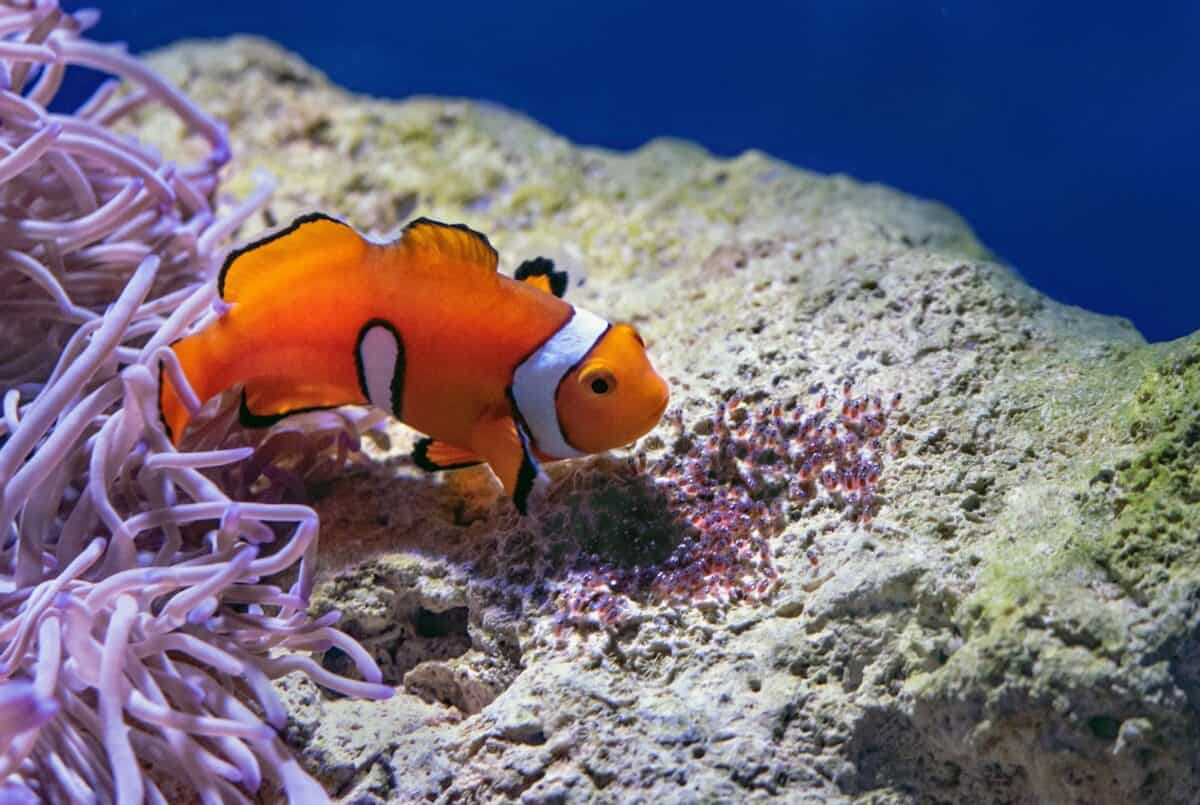
Finding Nemo portrayed Marlin as an overprotective father, but real clownfish parents are indeed exceptionally devoted to their offspring. Clownfish eggs are typically laid close to the anemone on a flat surface like a rock or coral. The male clownfish then takes on primary parenting duties, a fact that was accurately portrayed in the film. What wasn’t shown is the extraordinary level of care provided. Male clownfish will tirelessly fan the eggs with their fins to ensure proper oxygenation and remove dead eggs or debris from the clutch.
The level of dedication is remarkable—males rarely leave the nest during the incubation period, which typically lasts 6-10 days depending on water temperature. They constantly monitor the eggs, removing any that show signs of fungal infection or that aren’t developing properly. Studies have shown that male clownfish will even sacrifice their own feeding time to care for the eggs, demonstrating a level of parental investment that’s uncommon in the fish world. This intensive care significantly increases the survival rate of their offspring in the competitive coral reef environment.
Remarkable Homing Abilities

One aspect Finding Nemo got right was the strong connection clownfish have to their homes, though the movie didn’t explore the remarkable homing abilities these fish possess. Clownfish have an extraordinary capacity to navigate back to their host anemone even when displaced significant distances. Research has shown that they can find their way home from up to 10 miles away—an impressive feat for a fish that typically grows to only about 3-4 inches in length.
Scientists believe this homing ability relies on a combination of sensory mechanisms. Clownfish likely use olfactory cues (smell), visual landmarks, and possibly even the Earth’s magnetic field for navigation. They appear to create mental maps of their surrounding habitat that help them recognize familiar territory. This powerful homing instinct helps explain why wild-caught clownfish often struggle in captivity—they have a biological drive to return to their specific anemone home. This navigational prowess represents an evolutionary adaptation that strengthens the critical bond between clownfish and their protective anemone hosts.
Species Diversity Beyond Orange and White
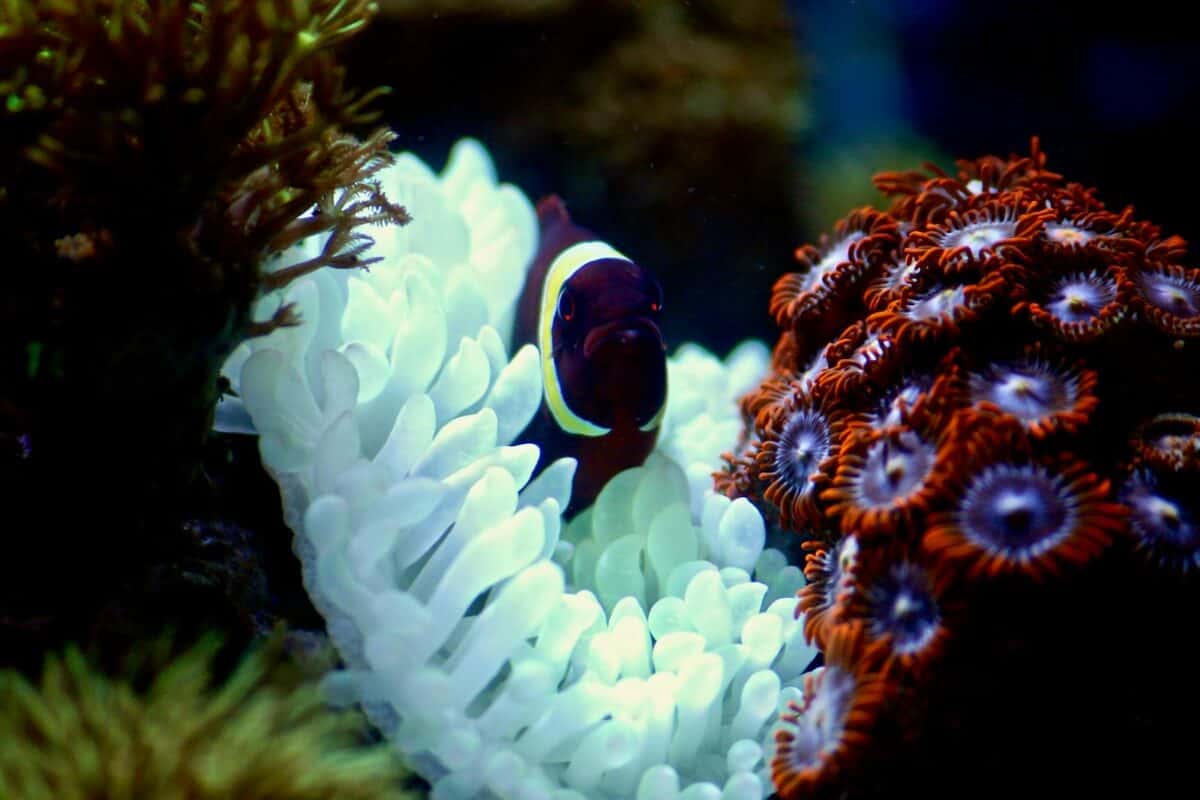
Finding Nemo featured the iconic orange clownfish with white stripes (Amphiprion ocellaris or Amphiprion percula), but the clownfish family is far more diverse than the movie suggests. There are actually 30 recognized species of clownfish, collectively known as anemonefish, spread throughout the Indian and Pacific Oceans. These species display an impressive array of colors and patterns beyond the familiar orange and white. Some species, like the Clark’s anemonefish (Amphiprion clarkii), can vary from yellow to blackish-brown with blue highlights, while the maroon clownfish (Premnas biaculeatus) sports a deep red coloration with distinctive white stripes.
Each clownfish species has evolved to associate with specific anemone species, forming specialized partnerships. For example, the tomato clownfish (Amphiprion frenatus) primarily associates with bubble-tip anemones, while the wide-band anemonefish (Amphiprion latezonatus) prefers leathery sea anemones. This specialization has driven the evolution of different physical characteristics and behaviors among clownfish species. Some have developed additional immunity to particular anemone toxins, while others have adapted specific swimming patterns to navigate their host’s tentacle structure. This diversity of specialized adaptations makes the clownfish family one of the most fascinating examples of co-evolution in marine ecosystems.
Limited Range and Environmental Vulnerability

While Finding Nemo showed clownfish swimming across vast ocean distances, real clownfish have remarkably limited ranges and face significant environmental challenges. Most clownfish species are found exclusively in the warm waters of the Indian and Pacific Oceans, with particularly high diversity in the coral triangle region encompassing Indonesia, the Philippines, and Papua New Guinea. Individual clownfish rarely venture more than a few hundred yards from their host anemone throughout their entire lives, making them highly dependent on the health of their immediate habitat.
This limited range makes clownfish especially vulnerable to environmental threats like climate change, ocean acidification, and coral reef destruction. Rising ocean temperatures can cause anemone bleaching—similar to coral bleaching—where anemones expel their symbiotic algae and often die as a result. When this happens, their resident clownfish lose their protective homes and become easy targets for predators. The aquarium trade has also impacted wild populations, with millions of clownfish collected annually before commercial breeding became widespread. Conservation efforts now focus on marine protected areas and sustainable aquaculture to ensure these iconic fish have a future beyond animated films.
Incredible Adaptation to Anemone Toxins

Finding Nemo simplified the clownfish-anemone relationship, but the biological reality is far more fascinating. Clownfish have evolved multiple strategies to avoid being stung by their host anemones’ powerful nematocysts (stinging cells). Their first line of defense is a specialized mucus coating that covers their entire body. This mucus is thicker than that of other fish species and contains compounds that prevent the anemone’s stinging cells from recognizing the clownfish as potential prey. Interestingly, this protective coating isn’t present from birth—young clownfish must gradually acclimate to their host anemone.
The acclimation process involves a precise behavioral ritual where the fish first touches the anemone with its ventral fins, then other parts of its body, allowing the protective mucus to develop gradually. Research suggests that clownfish may actually incorporate chemicals from the anemone itself into their mucus layer, essentially disguising themselves with the anemone’s own chemical signature—a process called chemical camouflage. This adaptation takes time to develop, which explains why newly relocated clownfish in aquariums must be carefully introduced to anemones. Without this extraordinary biochemical adaptation, clownfish would be unable to form their life-sustaining partnership with anemones.
Specialized Diet and Feeding Habits

The dietary habits of clownfish are more specialized and interesting than Finding Nemo suggested. In the wild, clownfish are omnivorous, with a diet that varies significantly based on their species and habitat. They consume a diverse range of foods, including algae, zooplankton, small crustaceans, and even parasites they pick off their host anemones. Some clownfish species have been observed stealing food particles directly from their anemone’s tentacles after the anemone captures prey—a behavior known as kleptoparasitism. This opportunistic feeding strategy helps supplement their diet without expending energy hunting.
Clownfish also exhibit fascinating feeding behaviors related to their symbiotic relationship. They actively clean their host anemones by removing debris, parasites, and dead tentacles, which they sometimes consume. This cleaning behavior not only provides nutrition for the clownfish but also keeps the anemone healthy. Studies have shown that clownfish carefully regulate their feeding areas to avoid depleting resources, displaying a level of resource management that helps sustain their small territory. Their specialized jaw structure and teeth are adapted for their varied diet, allowing them to scrape algae from surfaces and capture small prey with equal efficiency—adaptations that reflect their complex ecological niche.
Unique Reproduction and Egg-Laying Behaviors
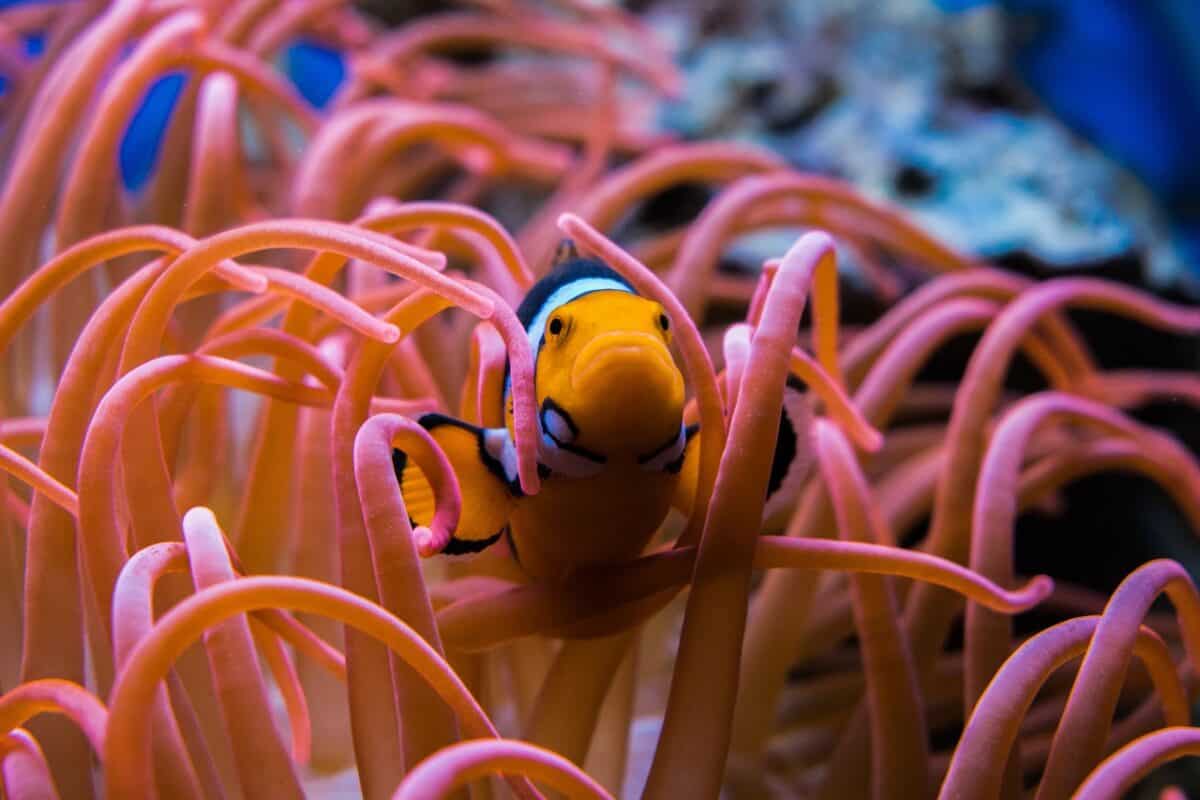
Clownfish reproduction involves fascinating behaviors that weren’t portrayed in Finding Nemo. Breeding pairs are monogamous and often mate for life, with reproduction timed to lunar cycles. Before spawning, the male clownfish prepares a nesting site near the base of the anemone by clearing debris and algae from a flat surface like a rock or coral. He may even nip at the anemone’s tentacles to create a safe, clear area for the eggs. The female then lays between 100 to 1,000 eggs depending on the species and her size, depositing them in neat rows on the prepared surface.
After laying, the female’s role in parenting diminishes while the male takes over primary care duties. The eggs themselves are fascinating—each is attached to the substrate by tiny filaments and contains a small oil droplet that provides nutrition to the developing embryo. The eggs change color as they develop, typically starting as orange or amber and becoming silvery with the embryos’ eyes becoming visible just before hatching. Hatching usually occurs at night during a new moon, when darkness provides the larvae some protection from predators as they enter the water column. The timing of reproduction and hatching is precisely synchronized with environmental cues, demonstrating the remarkable evolutionary adaptations of these small but complex fish.
Territorial Behavior and Social Hierarchy
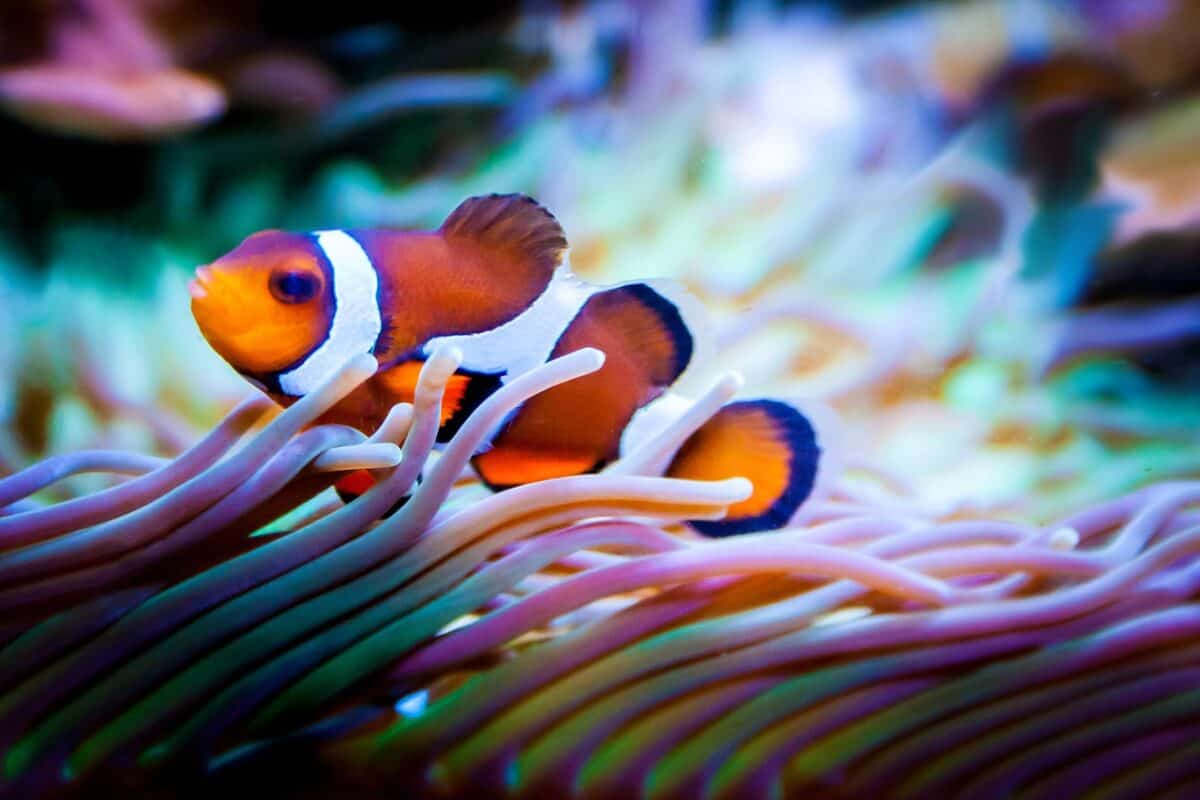
Clownfish exhibit complex territorial and social behaviors that create a fascinating underwater society within each anemone. Each anemone typically houses a single family group consisting of a dominant breeding pair and several non-breeding males of different sizes. The social hierarchy is strictly maintained through size—the female is largest, followed by the breeding male, then progressively smaller non-breeding males. This size-based dominance is reinforced through aggressive behaviors including chasing, nipping, and threatening displays directed toward subordinates who step out of line.
This rigid social structure influences every aspect of clownfish behavior. Smaller individuals must display submissive behaviors when encountering larger group members, such as head-standing (pointing their head down and tail up) or rapid quivering movements. Growth within the group is socially controlled—subordinate fish actually grow more slowly when dominant individuals are present, a phenomenon called growth suppression. This prevents them from challenging the social order. The entire group will aggressively defend their anemone from intruders, including other clownfish species and potential anemone predators. This territorial nature explains why aquarium hobbyists must be careful when keeping multiple clownfish—without sufficient space or proper introduction, serious aggression can occur.
Lifespan and Growth Patterns
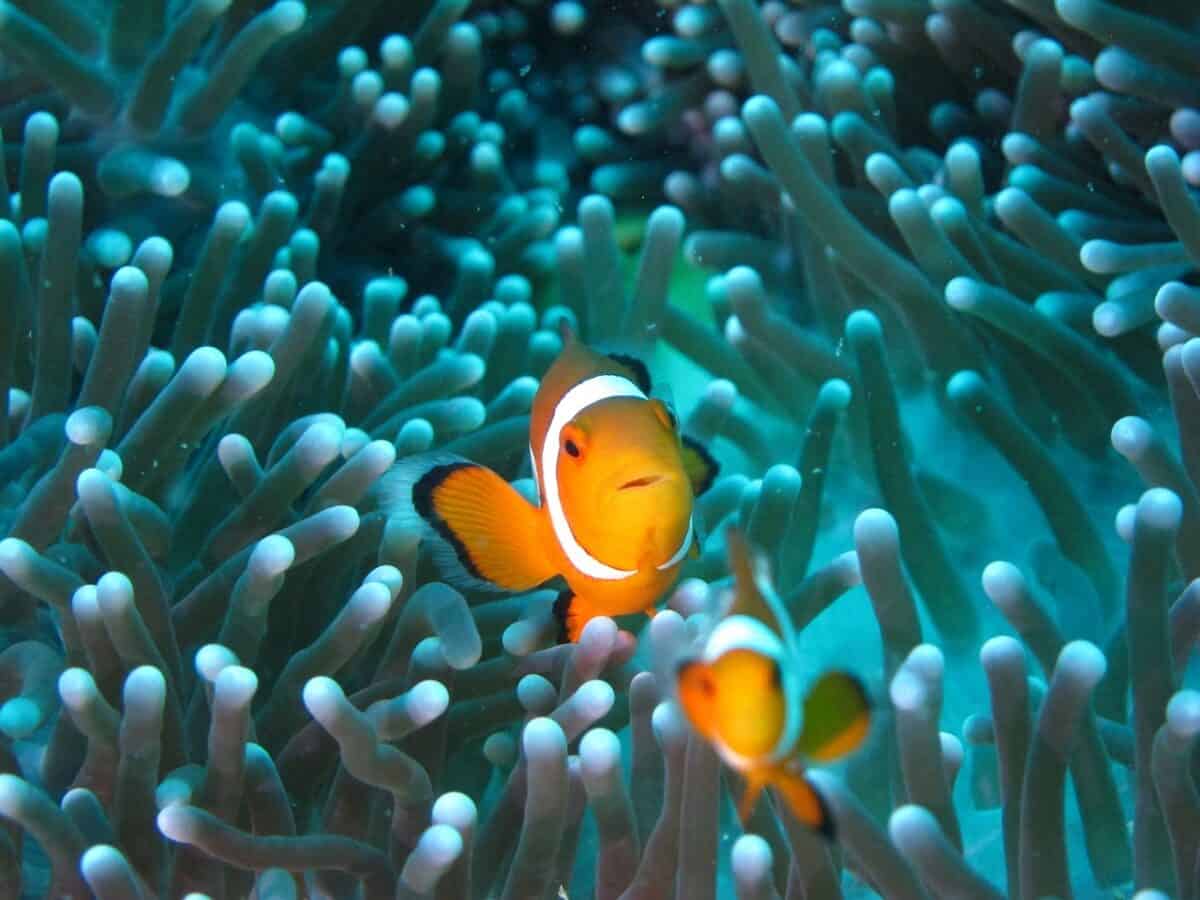
Clownfish have surprisingly long lifespans for small reef fish, a fact that wasn’t addressed in Finding Nemo. In the wild, clownfish commonly live between 6 to 10 years, with some individuals documented to survive up to 30 years under optimal conditions. This longevity is unusual for fish of their size and contributes to their complex social structures. Their growth follows a distinctive pattern, with rapid development during their juvenile stage followed by significantly slower growth once they establish their position in the social hierarchy.
Physical development in clownfish is directly influenced by social factors. Growth rates are suppressed in subordinate individuals through stress hormones triggered by aggressive interactions with dominant fish. This physiological response prevents lower-ranking fish from growing large enough to challenge the established order. If a dominant individual dies, the growth suppression is lifted for the fish next in line, allowing it to rapidly increase in size and assume its new role. This remarkable connection between social status and physical development demonstrates how deeply interconnected behavior and biology are in these fascinating fish. Their growth patterns represent a biological compromise that maintains social stability while ensuring the group’s overall survival.
Conservation Status and Threats
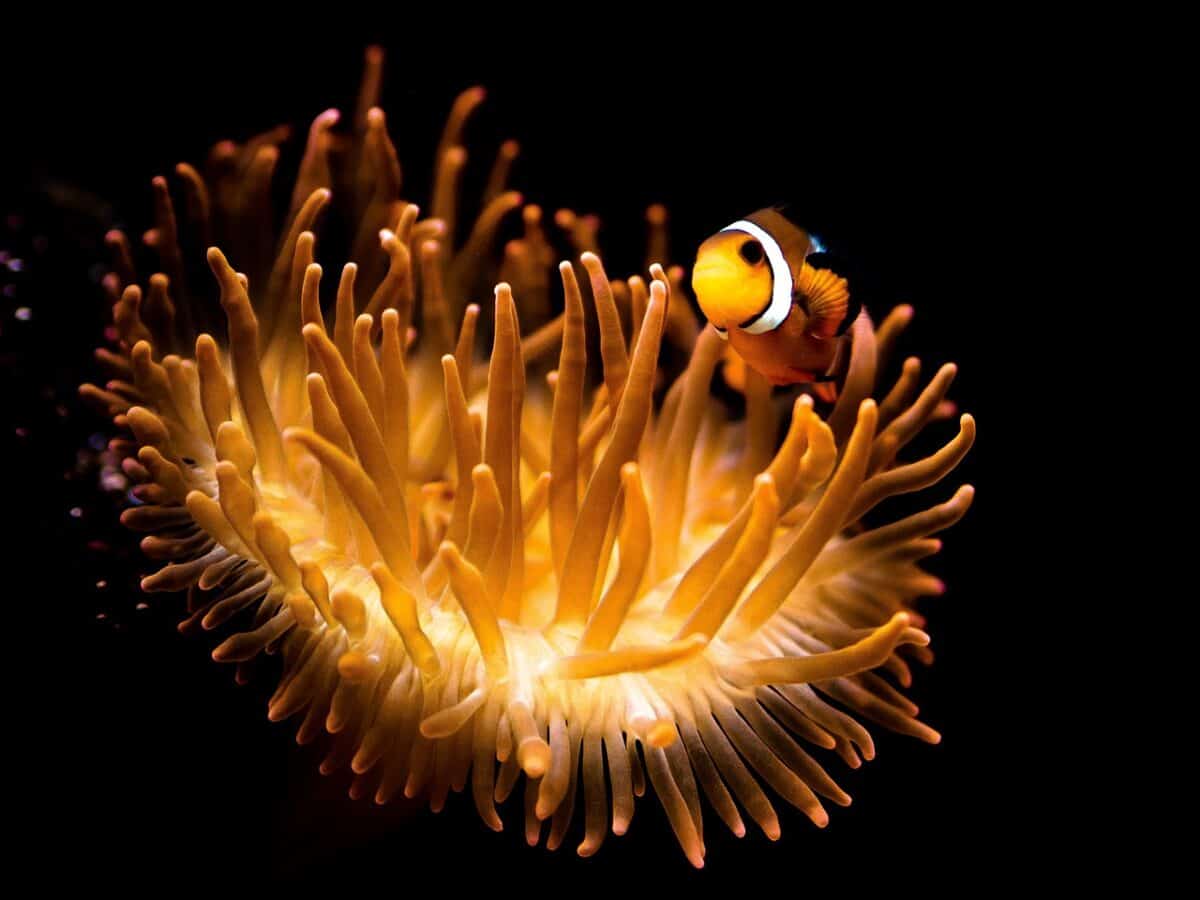
While Finding Nemo inadvertently sparked a surge in demand for pet clownfish, it failed to address the conservation challenges these iconic fish face. Currently, most clownfish species are not considered endangered, but they face mounting threats from habitat destruction, climate change, and collection for the aquarium trade. The greatest threat comes from the degradation of coral reef ecosystems and the declining health of sea anemones. Rising ocean temperatures have led to increased instances of anemone bleaching, where anemones expel their symbiotic algae in response to stress and often die as a result. Without their anemone hosts, clownfish lose both their homes and protection from predators.
The popularity of clownfish in home aquariums has had mixed conservation impacts. Prior to the film’s release, nearly all clownfish in the pet trade were wild-caught, putting pressure on natural populations. The movie’s success initially worsened this trend, with demand for “Nemo” fish skyrocketing. However, it also accelerated advances in captive breeding technologies. Today, most clownfish in the aquarium trade are captive-bred, reducing pressure on wild populations. Conservation efforts now focus on establishing marine protected areas, developing sustainable collection practices where wild-harvesting still occurs, and researching methods to make anemones and their clownfish partners more resilient to climate change impacts. The popularity of these fish has made them important ambassadors for coral reef conservation efforts worldwide.
Conclusion: Beyond the Reef of Popular Imagination
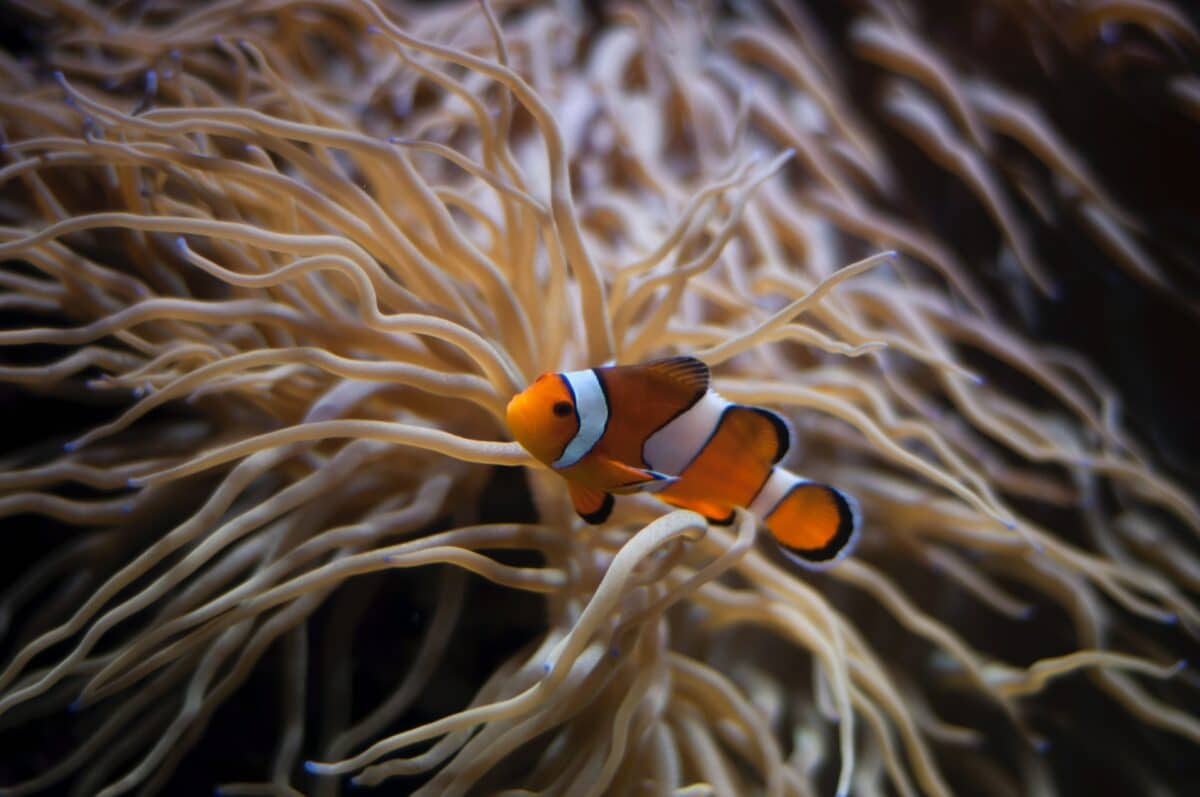
While Finding Nemo introduced the world to the charming clownfish, the reality of these reef dwellers is even more fascinating than fiction. From their ability to change sex, to their complex social hierarchies and symbiotic partnerships with sea anemones, clownfish are a striking example of how intricate and surprising marine life can be. Their vivid colors, strategic behaviors, and resilience within coral ecosystems reveal that these tiny fish play a much larger role in reef ecology than their cartoon reputation suggests.
Understanding the real clownfish helps us appreciate the depth of life beneath the ocean’s surface—beyond the animated stories we love. As coral reefs face growing threats from climate change and habitat destruction, species like the clownfish remind us of what’s at stake and why marine conservation matters. In the end, these small, striped fish are not just adorable—they’re essential, adaptive, and full of scientific wonder that’s only just beginning to be explored.

From exploring the marine wonders in the Azores and witnessing the vast savannas of Kenya, to delving deep into the rich biodiversity of South Africa and traversing iconic landscapes in Australia and the US like Yellowstone, Chris's experiences are vast.
With a penchant for diving alongside sharks, the ocean holds a special place in his heart.
Through his academic insights, he champions wildlife conservation, striving with 'Animals Around The Globe' to cultivate a profound connection between humans and animals, enhancing our mutual appreciation.
Connect with him at Feedback@animalsaroundtheglobe.com.
- The Most Aggressive Animal Found in Each State - August 5, 2026
- The Fish That Can Survive on Land for Days - August 5, 2026
- What Happens If a Shark Crosses Paths With an Eagle in the Wild - August 5, 2026