

In recent years, the United States has faced a new kind of ecological challenge: the spread of invasive species. These non-native species, introduced through various means, are significantly impacting local ecosystems, native wildlife, and even the economy. The journey to understand this phenomenon reveals the interconnectedness of global ecosystems and highlights the delicate balance that exists within them. This article explores 13 invasive species that are currently reshaping U.S. wildlife habitats and what we can do to mitigate their effects.
Understanding Invasive Species
An invasive species is an organism not native to a particular location that tends to spread, causing damage to the environment, human economy, or health. These species often thrive in new ecosystems due to the absence of natural predators, allowing them to outcompete native species for resources. This disrupts natural ecological balances and can lead to significant biodiversity loss.
Kudzu The Vine That Ate the South

Kudzu, a climbing, coiling vine, was introduced from Japan to the U.S. in the late 19th century for decorative purposes and erosion control. However, it quickly overran the Southeastern U.S., growing up to a foot a day in peak conditions. Its rapid spread smothers native plants and trees, blocking sunlight, and ultimately leads to their demise.
Zebra Mussels Tiny Invaders with Big Impact

Zebra mussels, originating in the lakes of southern Russia and Ukraine, first appeared in the U.S. through ballast water discharge from ships. These tiny mollusks have colonized countless water bodies, clogging water pipes, outcompeting native bivalves, and altering aquatic ecosystems by filtering out substantial amounts of plankton, a crucial food resource for local species.
Asian Carp Threatening America’s Waterways
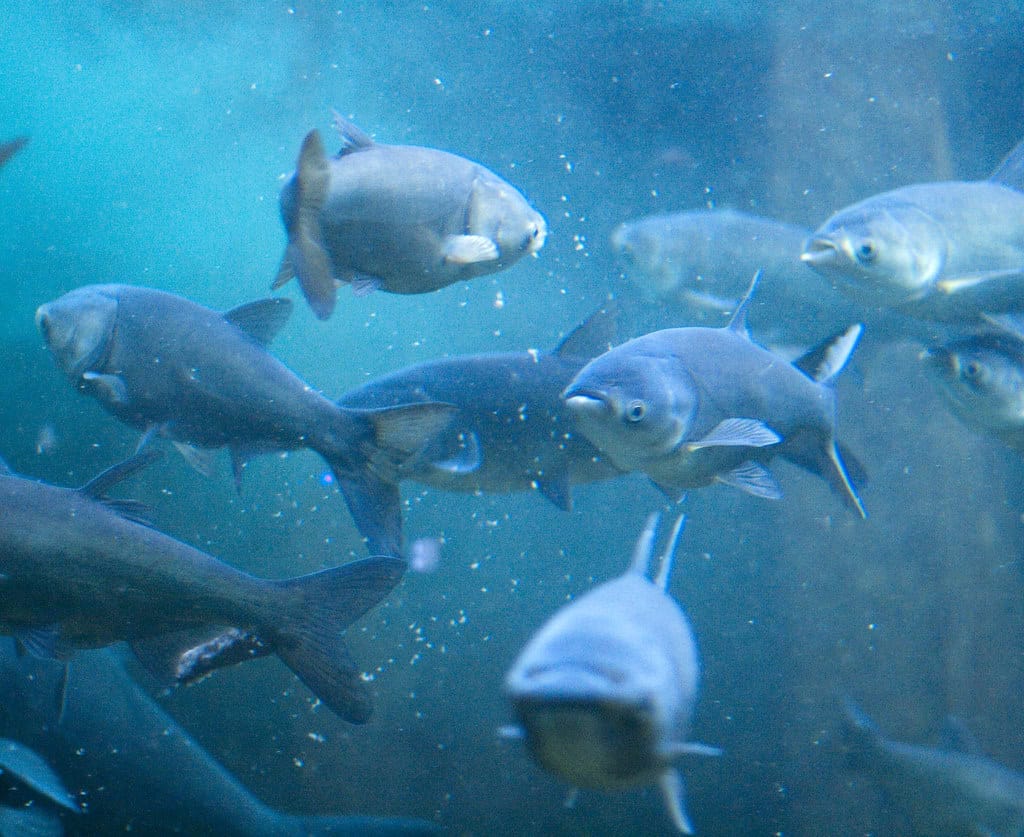
Invading U.S. waterways, Asian carp species, including the bighead and silver carp, pose a severe threat to native fish populations by competing for food and habitat. These fish can devour up to 20% of their body weight in plankton daily, starving out native fish populations and altering aquatic environments.
Brown Marmorated Stink Bug The Unwelcome Guest

Hailing from East Asia, the brown marmorated stink bug has made itself known in American homes and farms. Invading gardens and agricultural lands, these pests damage a wide range of crops, leading to significant economic losses. They also seek shelter in warm places, becoming a nuisance in homes during colder months.
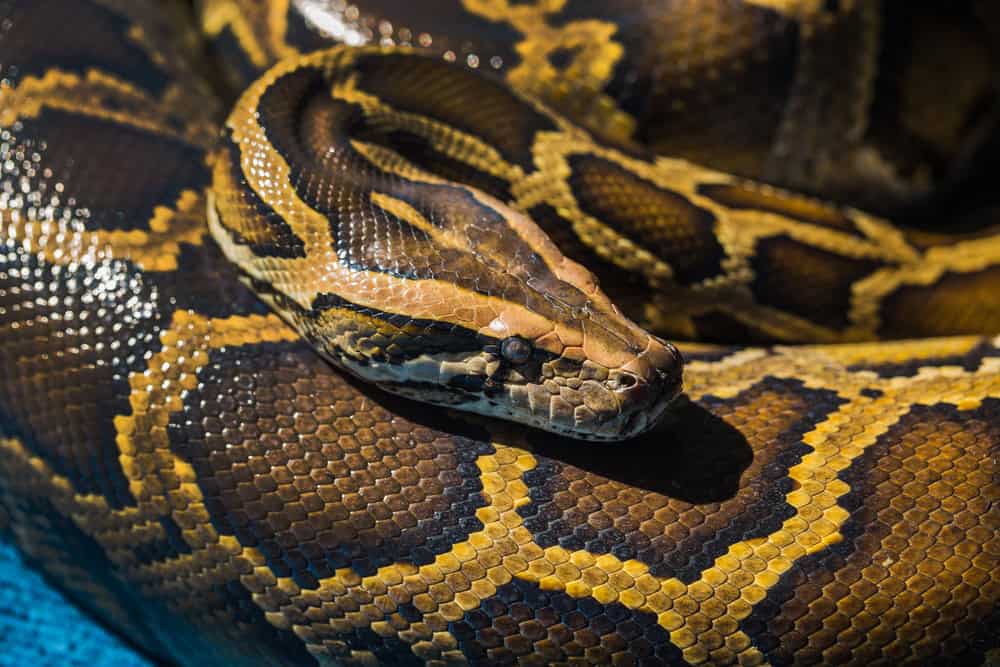
Burmese Pythons Predators in the Everglades

The introduction of Burmese pythons to Florida’s Everglades poses a significant threat to local wildlife. These enormous constrictors, likely released pets, have established breeding populations and are now apex predators. They drastically reduce populations of small mammals, birds, and reptiles, upsetting the ecological balance.
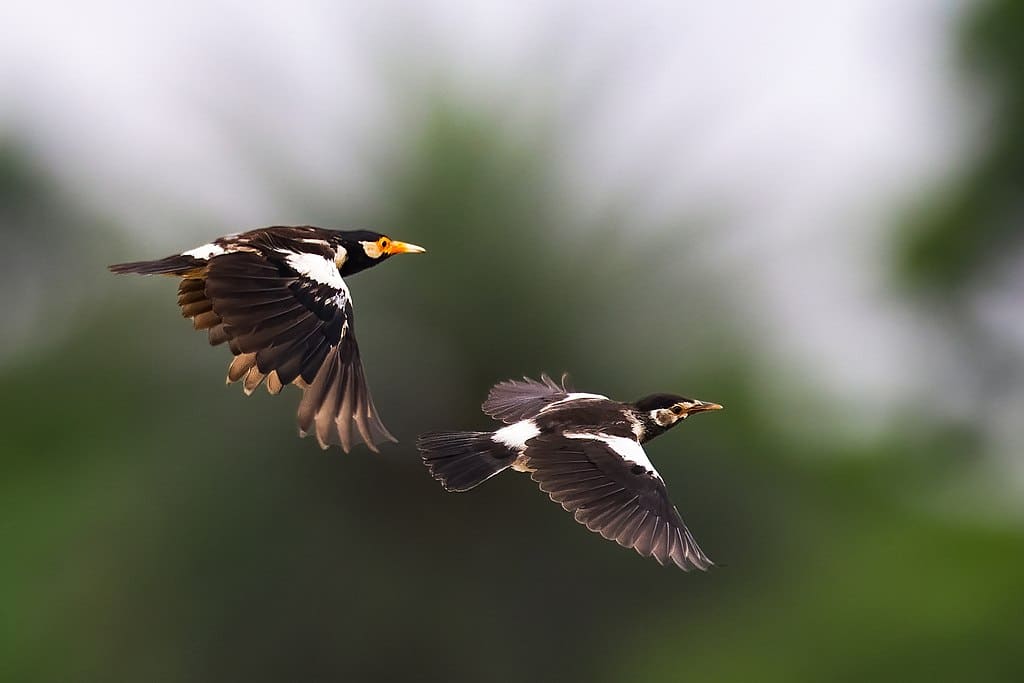
European Starling A Songbird Sabotage

Introduced to North America in the late 19th century as part of a misguided attempt to bring all birds mentioned in Shakespeare’s works to the continent, European starlings are prolific breeders. They outcompete native birds for food and nesting sites, impacting bird diversity and populations across the country.
Gypsy Moth A Forest Menace

The gypsy moth, introduced in an attempt to start a silk industry, has become one of the most destructive forest pests in the northeastern U.S. The larvae of this moth defoliate millions of acres of trees annually, weakening forests and making them susceptible to disease and other pests.
Nutria Marshland Wreckers
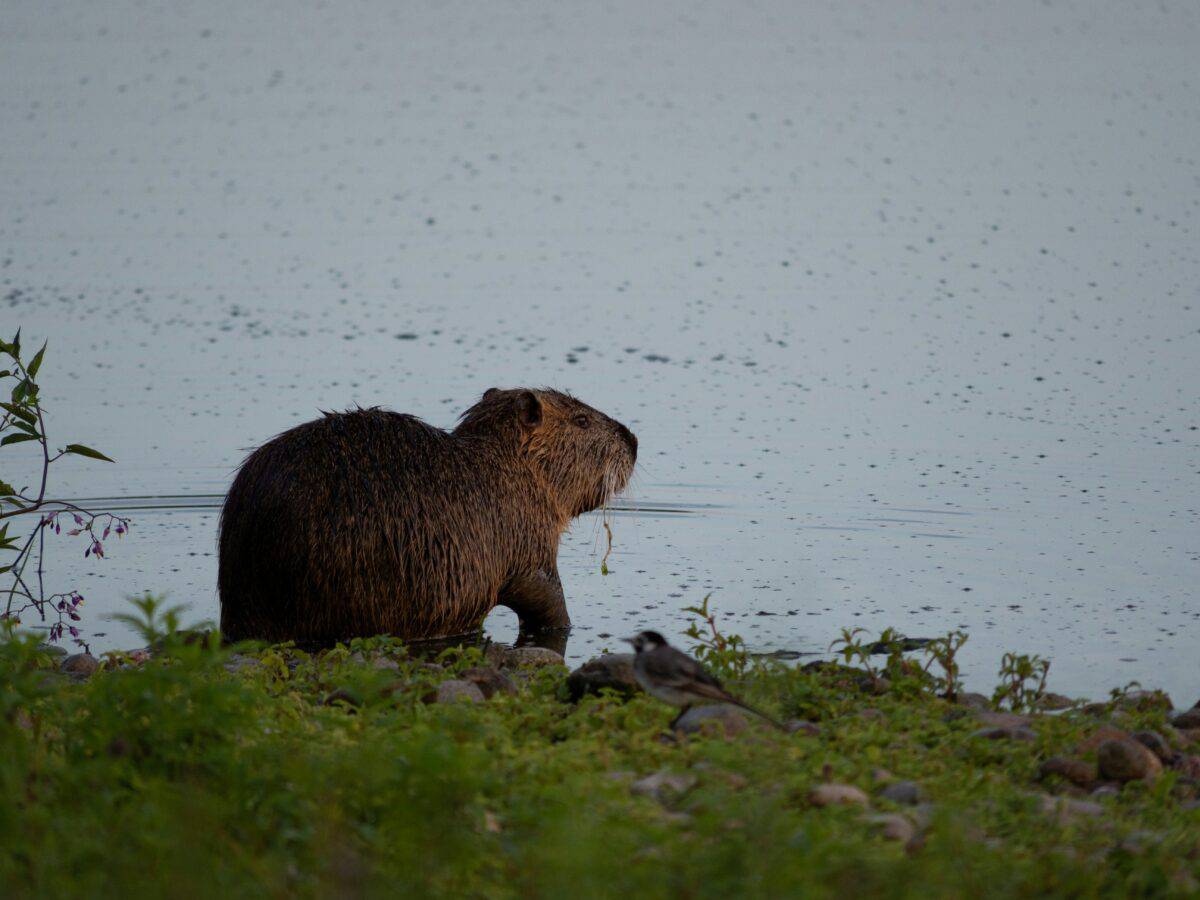
Native to South America, nutria are large, semi-aquatic rodents that have proliferated throughout the southern U.S. Their feeding habits destroy marsh vegetation, leading to erosion and loss of habitat for native species. This not only disrupts ecosystems but also endangers the structural integrity of wetlands.
Northern Snakehead Displacing Native Fish

The northern snakehead, a predatory fish originally from Asia, is an aggressive species that outcompetes and preys on native U.S. fish. Its ability to breathe air and survive on land for short periods allows it to spread easily between water bodies, creating a significant challenge for local ecosystem management.
Lionfish Intruders of the Atlantic

Originally from the Indo-Pacific, lionfish have established themselves along the Eastern U.S. coastline, the Gulf of Mexico, and the Caribbean Sea. Their voracious appetite and rapid reproduction rates burden native fish and coral species, threatening reef ecosystems vital to marine biodiversity.
Japanese Beetle Plant Destroyer
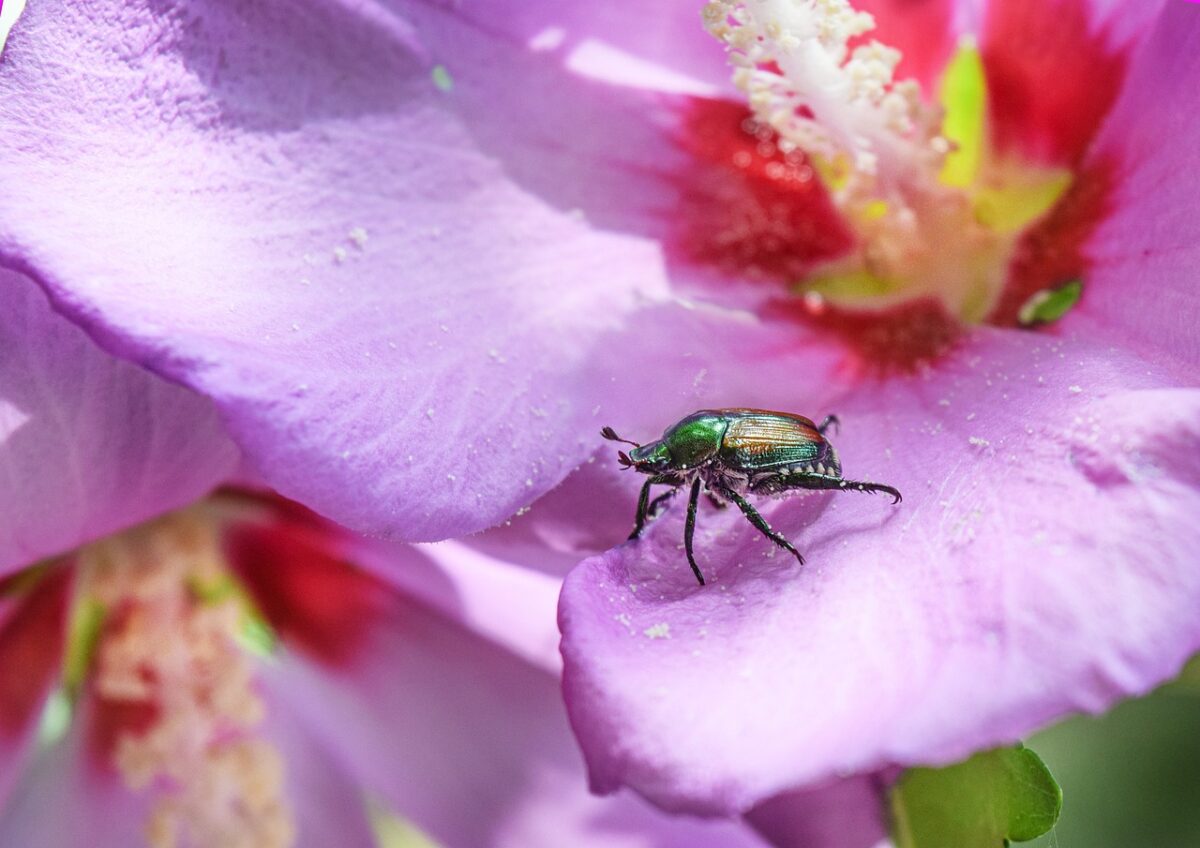
The Japanese beetle, with its iridescent green and bronze coloration, is a serious pest for crops and gardens across the eastern U.S. The beetle feeds on foliage, flowers, and fruits, causing extensive damage to hundreds of plant species and significant agricultural losses annually.
Emerald Ash Borer Destroyer of Ash Trees

The emerald ash borer, originating from Asia, has devastated ash tree populations since its first sighting in the U.S. in 2002. The larvae feed on the trees’ inner bark, disrupting nutrient and water flow, ultimately killing millions of ash trees and costing the forestry industry dearly.
Conclusion: Combating the Spread of Invasive Species

The invasion of these species highlights the profound impacts of human activity on ecosystems. These organisms can devastate native wildlife and local economies if not carefully managed. Efforts such as public education, early detection, rapid response strategies, and regulatory measures aim to curb the spread of invasive species. Understanding and mitigating the impact of these species is a crucial step toward preserving the biodiversity and integrity of ecosystems across the U.S. By taking informed, collective action, we can protect the delicate balance of our natural world.

As a little kid, I fell in love with nature, wildlife, and animals. Living in the USA, South Africa, Italy, China and Germany gave me the opportunity to discover the world's Wildlife. My favorite animals are Mountain Gorillas, Siberian Tigers, and Great White Sharks.
I'm a certified PADI Open Water Diver, went to Everest Base Camp and Trekked Gorillas in Uganda. I hold a Master of Science in Economics and Finance.
Please send any feedback to feedback@animalsaroundtheglobe.com
- The Most Bizarre Habits of Americas Wildest Creatures - July 21, 2026
- 15 Horse breeds that can Run like Lightning - July 21, 2026
- 12 Pet Behaviors That Mean Something Serious - July 21, 2026