
There’s a moment every hopeful dog owner knows. You’ve watched the training videos, bought the clicker, stocked up on treats, and you’re ready. Then your dog sits down, stares at you, and simply doesn’t care. It’s not that they don’t understand you. In many cases, they understand perfectly well. They’ve just decided your opinion isn’t relevant.
Some breeds were never designed to follow instructions. They were shaped over centuries to think independently, hunt alone, guard on instinct, or track a scent halfway across a field without checking back with anyone. That history doesn’t disappear when you bring them home. A lot of training difficulties in a breed come from their “origin stories,” the tasks and traits they were originally bred for. The eight breeds below are the ones that consistently challenge even experienced trainers, and understanding why makes all the difference.
#1 Afghan Hound: The Regal Rule-Breaker
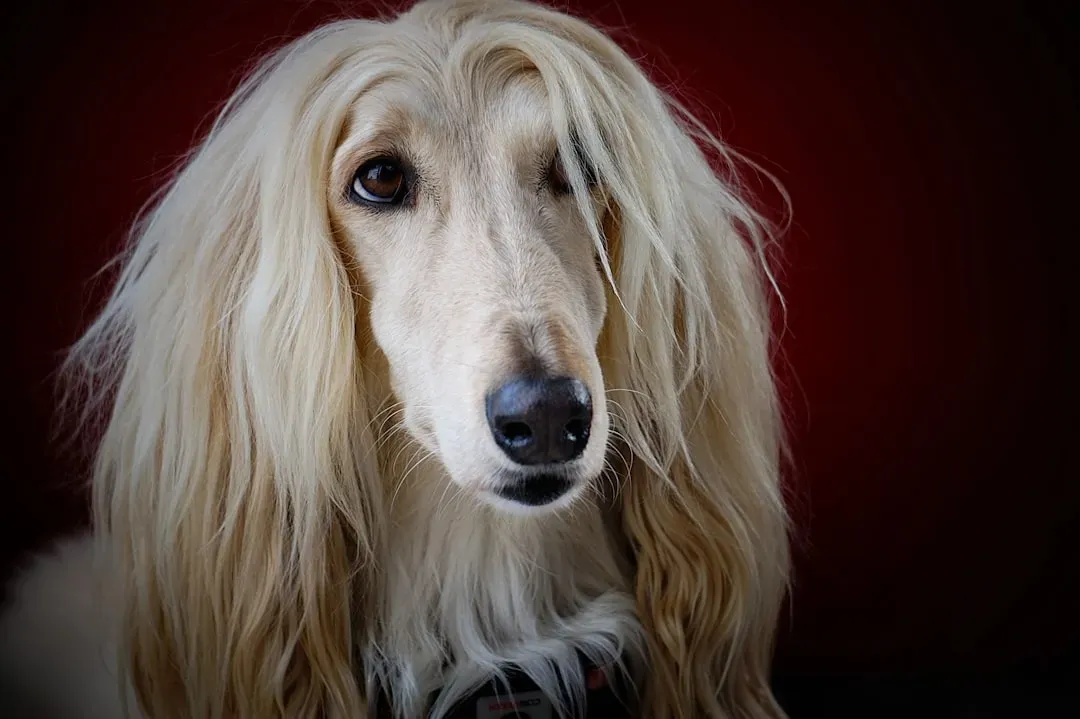
Known as the “royalty of the dog world,” the Afghan Hound is a majestic sighthound with a long, silky coat and regal stature. Originating thousands of years ago near modern-day Afghanistan, these elegant dogs once helped nomadic tribes flush out swift prey like rabbits and gazelles. That history of hunting independently at high speed, far from any human handler, is precisely what makes them so difficult to train today.
Research into dog intelligence suggests the Afghan Hound needs at least 80 repetitions to understand a new command. This may stem mainly from the fact that it is one of the most stubborn breeds, notorious for ignoring its owners’ commands. Afghan Hounds are highly intelligent but tend to think for themselves, often displaying selective hearing when given commands. They prefer doing things on their own terms, much like a cat, and will often ignore instructions if they aren’t in the mood. This independent streak, coupled with their aloof nature, can frustrate novice owners attempting traditional obedience training.
#2 Basenji: The Dog Who Doesn’t Follow Rules
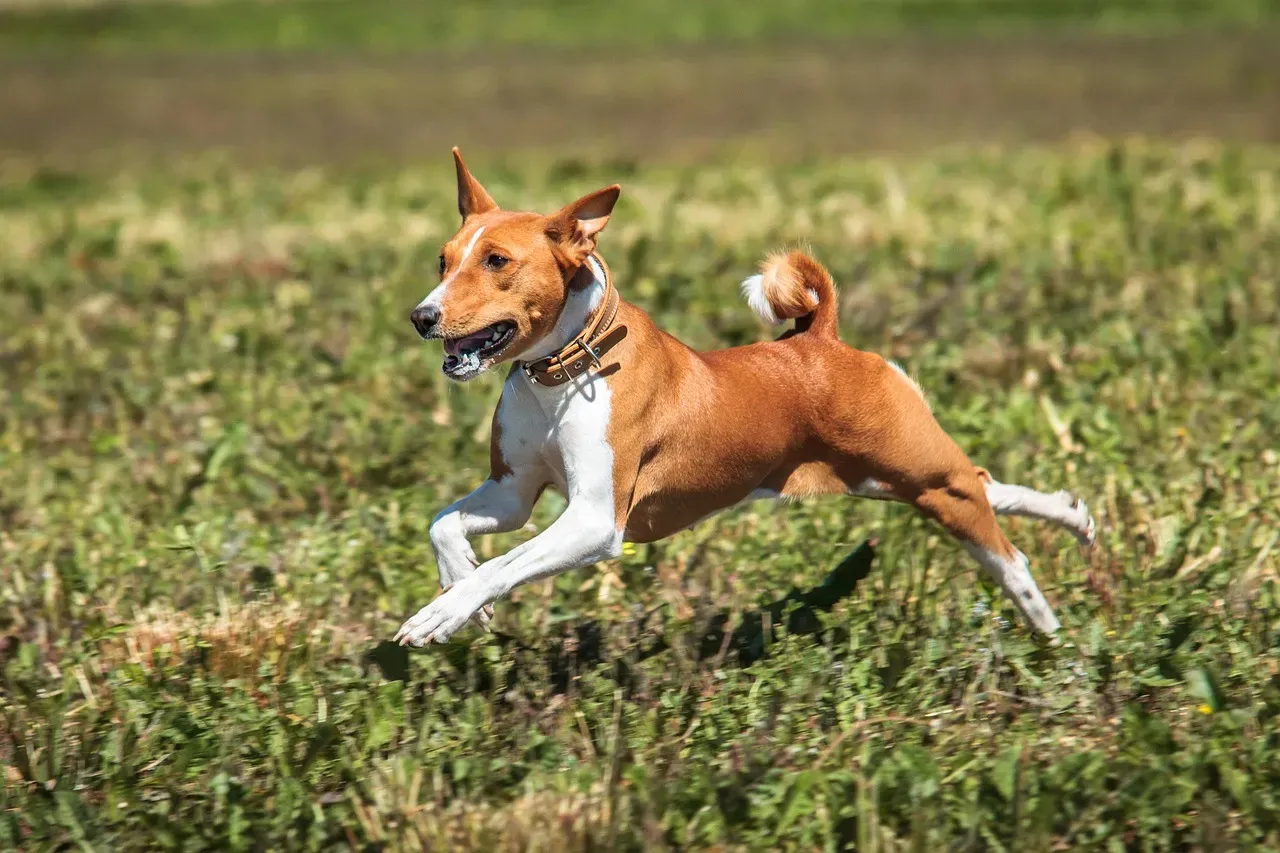
Often called the “barkless dog,” the Basenji is an ancient African breed with a strong hunting heritage. While they don’t produce the typical bark that most dogs do, they make unique vocalizations sometimes described as yodels. Basenjis are known for their cat-like personalities, being both independent and intelligent. This breed is notoriously difficult to train due to their stubborn nature. They are curious and easily bored, requiring creative training techniques to keep them engaged.
The Basenji is often described as a “cat dog”: self-controlled, inquisitive, with a tendency to evaluate benefit before action. It vocalizes through yodels rather than barks, and has a low tolerance for coercion and is allergic to repetition, with skills learned in one environment not always transferring to another. Training a Basenji can feel like negotiating with a clever, self-assured roommate. These dogs are incredibly intelligent yet notoriously stubborn, often preferring to do things on their own terms.
#3 Chow Chow: Independent to a Fault
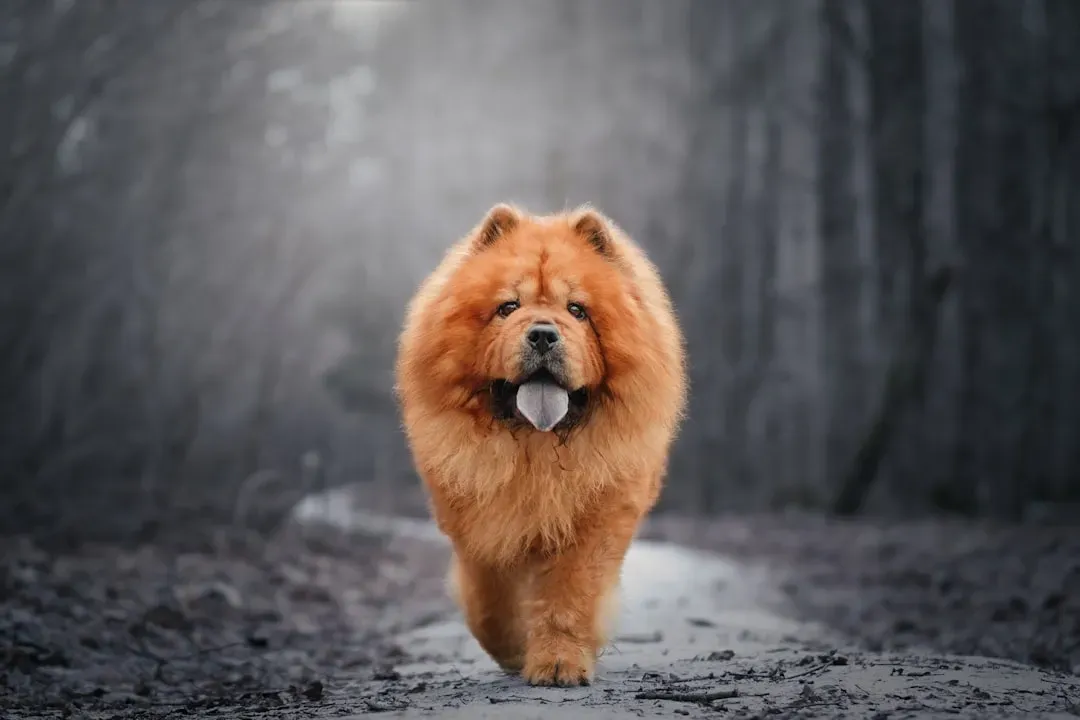
With their lion-like mane and dignified posture, Chow Chows project an image of cool detachment. Originating from Northern China, these dogs have historically served as guards and hunting companions. Chows are known for their strong loyalty toward their families, but also for their standoffish demeanor with strangers. The training wall you’ll hit with a Chow is less about energy and more about sheer willful disengagement.
Chow Chows are naturally reserved and can exhibit stubborn streaks. Their aloof character often leads them to ignore commands unless they see a clear reason to comply. Their personalities tend to lean toward being independent, willful, and high-strung. They also have a history of dominating the humans they are around, making them less motivated to please their owners or listen during training sessions. When they think they are “above” their owners, this makes training considerably more challenging.
#4 Siberian Husky: Beautiful, Energetic, and Barely Listening
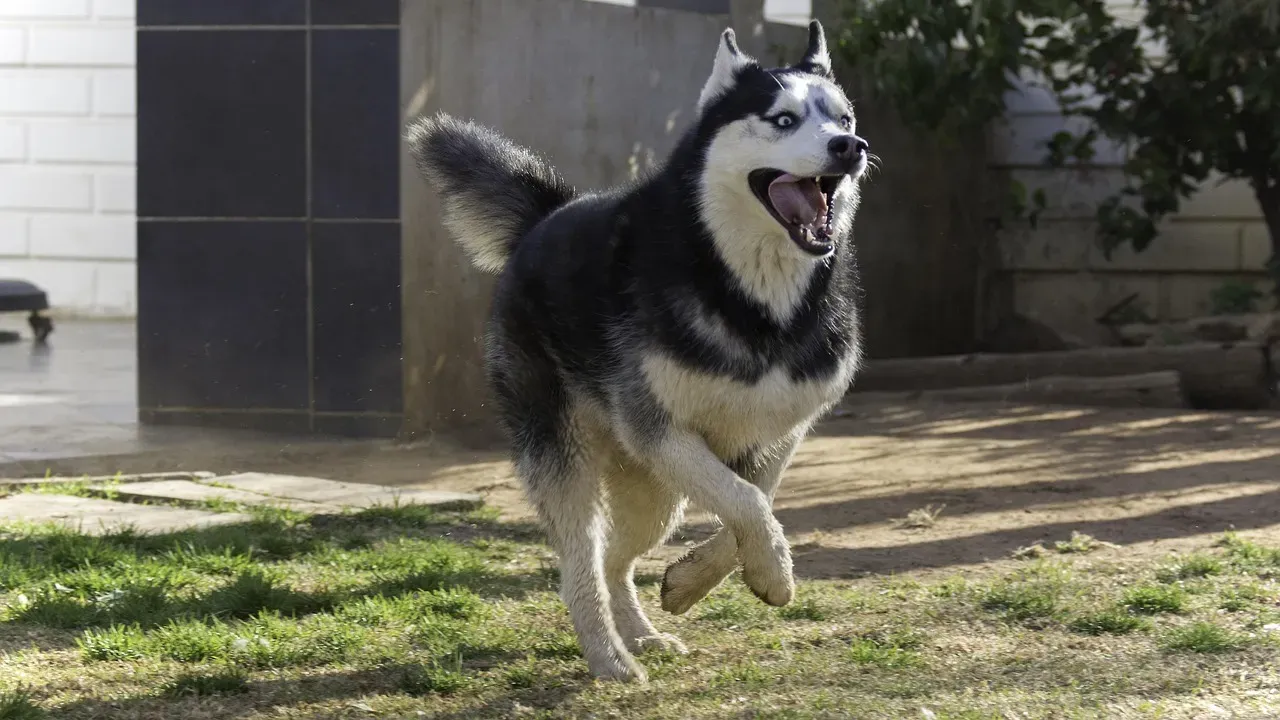
Huskies are demanding, strong-willed, and stubborn, making training them anything but a walk in the park. Siberian huskies are also one of the highest energy dogs out there, due to the fact that the breed was developed to be sled dogs capable of traversing long distances. They need heaps of exercise and mental stimulation. Without enough physical output, a Husky doesn’t slow down. They just redirect that energy into something you won’t appreciate.
Huskies are notorious escape artists, requiring a secure environment to keep their escapades in check. If you’re not a fan of noise, be aware that huskies are extremely vocal dogs. They love the sound of their own voice and aren’t afraid to express their feelings to the world, whether through whines, chirps, or howls. Huskies need a strong leader, significant exercise time, and other incentives to make training effective. Their independence and tendency for escaping the yard make them ideal for an experienced dog owner only.
#5 Shiba Inu: Small Dog, Enormous Stubbornness
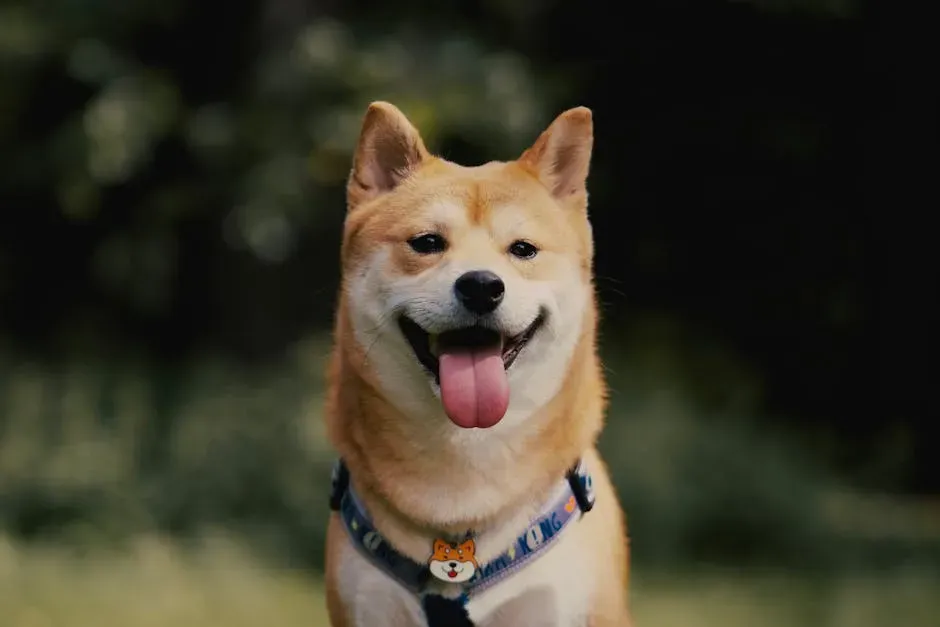
The Shiba Inu is an agile and spirited breed that originated in Japan several thousand years ago. In their early years, these dogs were used as hunting companions in Japan’s mountainous regions, as they excelled at tracking small game. This breed’s natural intelligence, curiosity, and stubbornness make training them a real challenge. The internet may have made Shiba Inus famous, but life with one is a humbling experience for anyone expecting easy compliance.
You can almost never trust a Shiba off-leash. Their prey drive and independence override training. If they see a squirrel or decide to explore, they’re gone. Shiba Inus are intelligent but can be incredibly stubborn. They may resist commands if they don’t see the benefit, making training a challenge. Ancient dog breeds such as the Shiba Inu, Akita, and Chow Chow have a greater tendency to be confident, independent, and stubborn, traits that make them more likely to do what they want rather than what their owners want.
#6 Beagle: Nose First, Owner Never
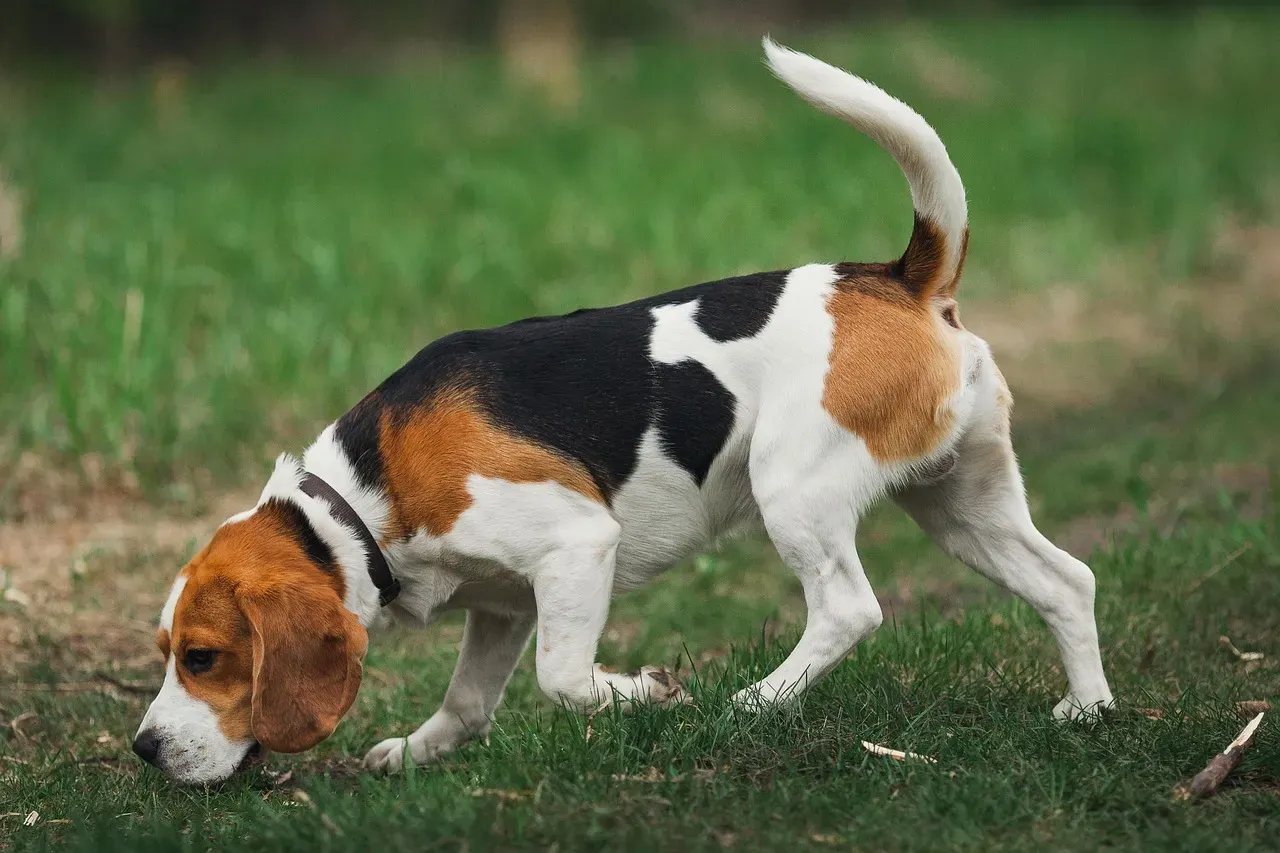
Beagles are scent hounds bred for hunting, which means they are naturally curious and driven by smells. While they are affectionate and sociable, their independent streak can sometimes make them stubborn. Effective training requires patience, consistency, and positive reinforcement techniques. The challenge isn’t lack of intelligence. It’s that their brain is wired to prioritize their nose above almost everything else.
Beagles have roughly 220 million scent receptors. When they catch a trail, their brain prioritizes olfactory input over auditory input. They aren’t being “disobedient”; they are biologically hyper-focused. Though affectionate and gentle, Beagles are often guided more by their noses than by their owners’ voices, which can make obedience training a serious test of patience. Their remarkable olfactory skills give them an instinctive urge to follow trails wherever they lead. Once they’ve caught a scent, they may ignore commands altogether.
#7 Basset Hound: Stubborn in Slow Motion
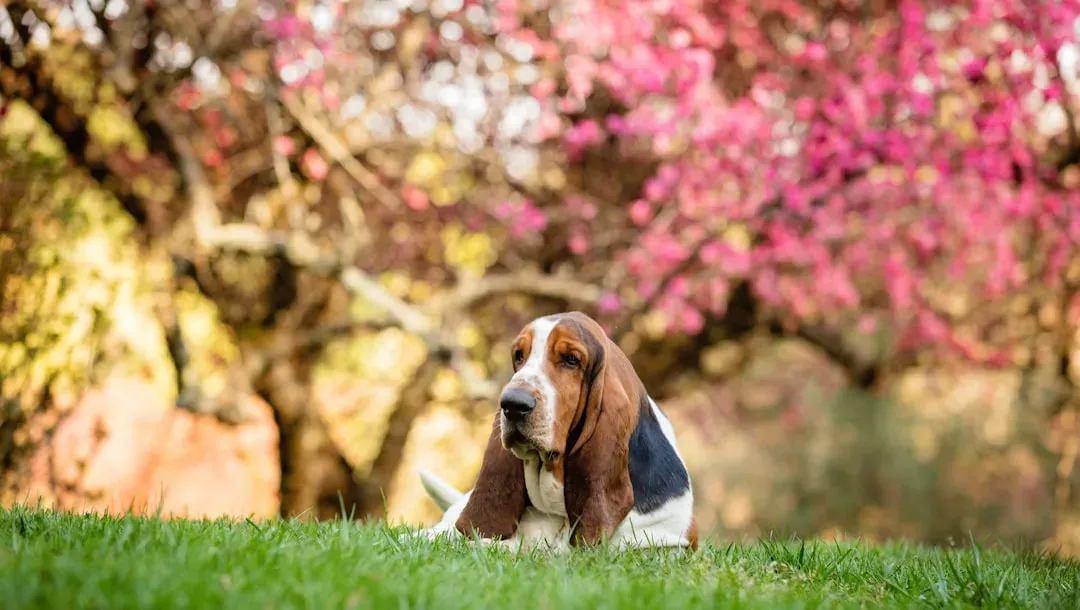
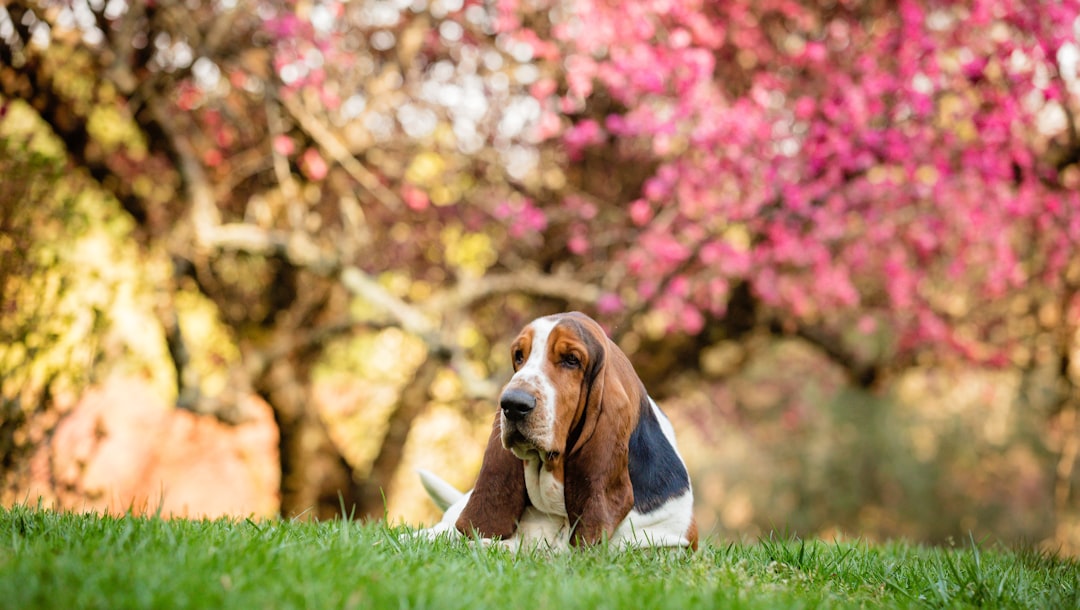
The Basset Hound is a distinctive low-slung scent hound known for its long ears, droopy expression, loose skin, and exceptional nose. Originally developed in France for trailing rabbits and small game, the breed was designed to move slowly and methodically so hunters could comfortably follow on foot. Despite its relaxed appearance and short legs, the Basset Hound is a powerful and highly capable tracking dog with remarkable endurance and one of the strongest scenting abilities in the canine world.
Training a Basset Hound requires patience, consistency, and realistic expectations. While intelligent, the breed is highly independent and strongly motivated by scent and food rather than obedience alone. Positive reinforcement using treats, praise, and rewards usually produces the best results. Harsh correction or repetitive drilling often leads to stubborn resistance rather than cooperation. Recall training can be especially difficult because Basset Hounds instinctively follow scent trails once engaged. Secure fencing and leash management are extremely important, because many individuals will ignore commands when tracking an interesting smell.
#8 Jack Russell Terrier: Small, Fearless, Relentless
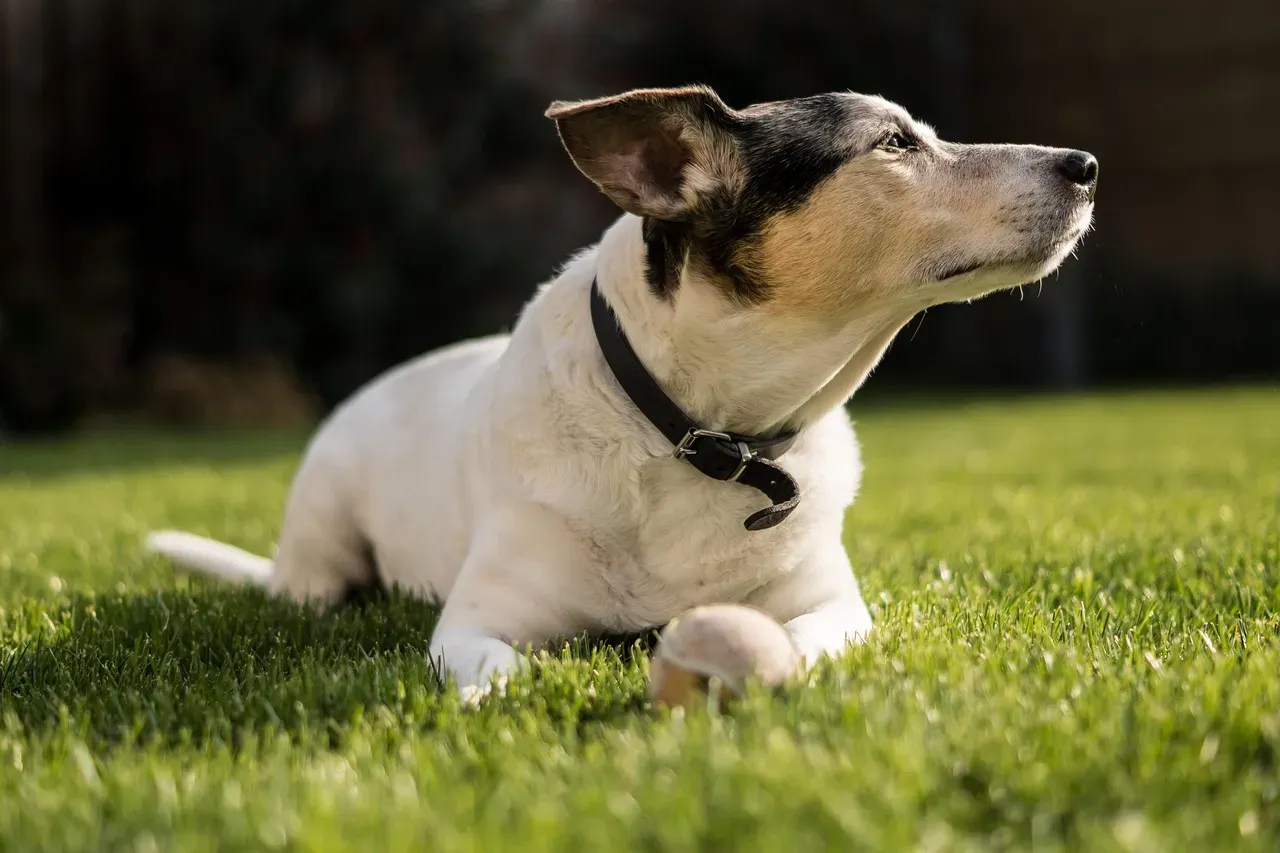
Jack Russell Terriers are lively, intelligent, and highly energetic dogs. They possess a strong prey drive and may exhibit stubborn tendencies. Consistent, patient training methods that utilize reinforcement and mental stimulation are essential. Regular exercise and engaging activities will help keep them focused and prevent destructive behavior. Don’t be fooled by their compact size. A Jack Russell has the confidence and drive of a dog three times its weight.
The Jack Russell Terrier was bred to hunt small prey like foxes, so it’s no surprise they often act like they’re on their own mission. Stubborn pups like these do best with structured routines and plenty of exercise. Dogs with high energy levels and a strong sense of independence can be tough to train. Pups with stubborn natures and sharp minds are also more likely to disobey commands. A Jack Russell will learn fast, but only if they decide the lesson is worth their time.
What All These Breeds Have in Common
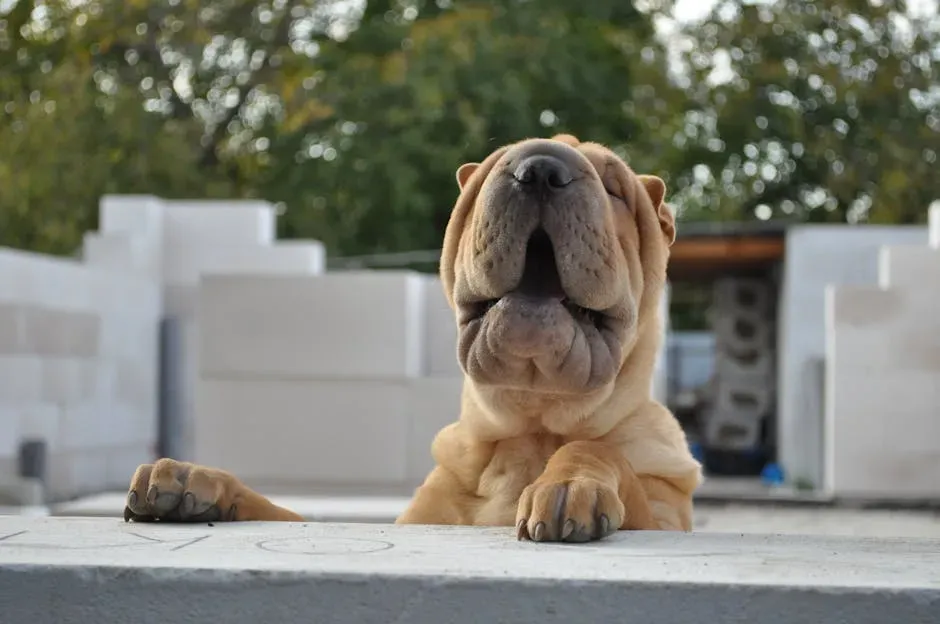
Breed training difficulty isn’t just about intelligence. It’s a combination of factors: instinct and heritage, as some breeds were designed to think for themselves rather than take constant direction; motivation levels, as certain dogs are less food-driven or praise-oriented; energy and focus, since high-energy or easily distracted breeds can struggle with impulse control; and temperament and independence, as aloof breeds may not seek human approval as eagerly.
Stubbornness is seen in certain dog breeds because they have increased intelligence, a sense of independence, and inherent instinctual behavior. This trait makes training highly challenging, but it also reflects their strong personality and higher intelligence, which are not found in other standard breeds. In other words, the qualities that make these dogs so difficult are often the same qualities that make them fascinating. While these breeds are renowned for being the hardest dogs to train, there is no untrainable dog. The breeds listed above simply require more dedication, patience, and perseverance.
Every one of these breeds can be a genuinely rewarding companion. The stubbornness that drives trainers to frustration is often rooted in a kind of self-possessed intelligence that, once you learn to work with it rather than against it, becomes one of the most compelling things about them. The dogs that make you work the hardest tend to form the deepest bonds.

- 14 Signs a Dog Near the Rainbow Bridge Is at Peace With Its Person - July 21, 2026
- 15 Ways a Shelter Animal Tells You It Was Always Meant to Be Yours - July 21, 2026
- 14 Ways a Dog Shows You Are the Center of Its Whole World - July 21, 2026