
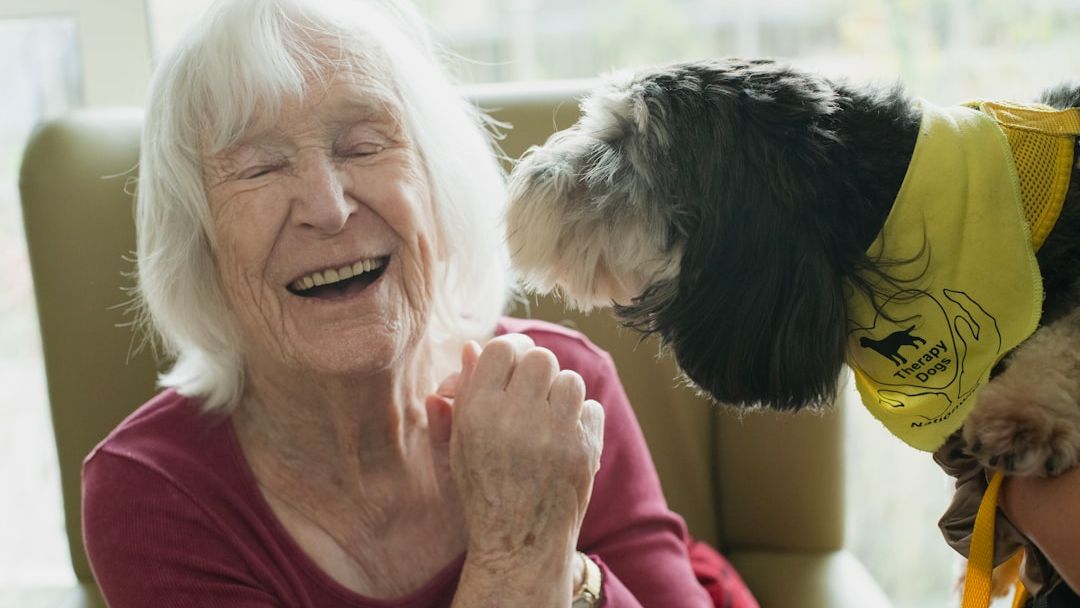
There comes a moment in most parents’ lives when the house suddenly feels too quiet. You wander past a bedroom that once vibrated with music or laughter, and now it’s just… still. The laundry pile shrinks to almost nothing. Dinner becomes simpler, faster, lonelier somehow. It’s not that you don’t want your children to grow and thrive, but the adjustment hits harder than you expected.
Many parents facing this transition find themselves searching for something to fill not just the physical space but the emotional one too. Let’s be real, hobbies and weekend plans help, yet there’s something uniquely comforting about having someone who needs you around the house again. That’s where pets come in, offering a kind of presence that quietly transforms an empty nest into a home that feels alive again.
The Emotional Anchor That Four Paws Provide

Empty nesters often find that investing time in a new pet offers them the chance to feel needed again and can have positive effects on their mood and mental health. That sense of being wanted isn’t trivial when you’ve spent nearly two decades being someone’s primary caregiver. When children move out, parents can feel stripped of purpose, like their main job just ended without warning.
Adopting a dog gives empty nesters a sense of purpose again, and when someone has spent eighteen years caring for others and those others are suddenly gone, they feel they have been stripped of their purpose. Pets don’t judge your newfound freedom or your sadness about it. They simply exist alongside you, needing walks and meals and belly rubs, creating a rhythm that feels familiar yet refreshingly different.
More than half of empty nesters expressed being happier since having a pet, with other benefits including people becoming physically healthier from exercise and improved mental health and wellbeing due to companionship. It’s hard to stay stuck in loneliness when a tail-wagging creature greets you at the door every single time you return home. There’s something about that unconditional enthusiasm that pulls you out of your own head.
Your new pet can be one of your new best friends, but they’re also great at making new human friends through training classes, pet stores, parks, or just walking through your neighborhood. Pets become conversation starters, bridge builders to new social circles you didn’t even know existed. Think about it: you’re more likely to chat with strangers when there’s a furry icebreaker between you.
Pets can help reduce feelings of loneliness, give you a renewed sense of purpose, and introduce you to new people. That combination of emotional support, daily structure, and social connection creates a powerful antidote to the quiet that empty nesters often struggle with.
Physical Health Benefits That Sneak Up on You

Pets increase opportunities to exercise and get outside, decrease blood pressure and cholesterol levels, and help manage loneliness, depression and anxiety. You might adopt a dog thinking you just want companionship, then suddenly realize you’re walking three miles a day without even thinking about it. The health boost happens almost accidentally.
Pet owners over the age of 65 make 30% fewer visits to their doctors. That’s not a small number. Regular movement, lower stress levels, and the simple act of caring for another living being seem to create a ripple effect across multiple aspects of health. Your body responds to the routine, to the outdoors, to the responsibility.
Dogs have been proven to reduce stress, anxiety and depression, ease loneliness, encourage exercise, and improve overall health, with having a furry friend at home scientifically proven to improve mental and physical health. Even if long walks aren’t your thing right now, just getting outside with a pet brings benefits. It’s not about logging marathon distances; it’s about consistent, gentle activity that keeps you moving instead of sitting.
Studies have shown petting a dog can calm a person’s nerves and their energy levels can boost your own, while dogs also need long walks and time outside. Sometimes the best medicine doesn’t come in a bottle. It comes with four legs and an insistence that you step away from the couch and explore the world together.
Dogs specifically have been proven to reduce stress, anxiety and depression, ease loneliness, encourage exercise, and improve your overall health. When your mental health improves, your physical health tends to follow. That interconnection between body and mind gets strengthened by the simple presence of a pet who depends on you.
Rebuilding Routine When Structure Disappears

Having a pet can get you back into a routine, and once the feeling of loneliness sets in after traveling and living out child-free days, it’s important to return to a routine with structure, as pets require scheduled feeding, walks, sleeping, and play time. For years, your schedule revolved around school pickups, soccer practice, parent-teacher conferences. Then suddenly: nothing.
Much of parents’ daily schedules often revolve around their children’s schedules, and when they leave home, schedules suffer, especially for single and stay-at-home parents, while the regular feeding, grooming, training, and exercise required to properly take care of a pet can provide a sense of routine. Pets don’t care if you feel like staying in bed all day. They need breakfast. They need to go outside. They need attention, and somehow that non-negotiable schedule becomes grounding rather than burdensome.
Creating a schedule for your pet allows you to get back into a daily routine and create stability. It gives shape to days that might otherwise blur together. Morning walks happen at morning walk time. Dinner gets served at dinner time. There’s comfort in that predictability, especially when everything else feels uncertain.
Structure helps pet owners, because a daily routine reduces stress and anxiety, increases feelings of safety and security, and even enhances sleep, while dogs mold themselves to their owner’s routine and cats stick to a schedule. Your pet adapts to you while simultaneously giving you reasons to adapt to them. It’s a partnership that creates rhythm where there was none.
The responsibility of owning a pet can seem overwhelming, but it is a great way to add structure to your daily routine, and establishing healthy routines for a pet such as daily walks, healthy meals and active playtime provides many pet parents with a sense of purpose and accomplishment. That accomplishment matters more than you’d think when you’re adjusting to a major life transition.
Choosing the Right Companion for This Life Stage
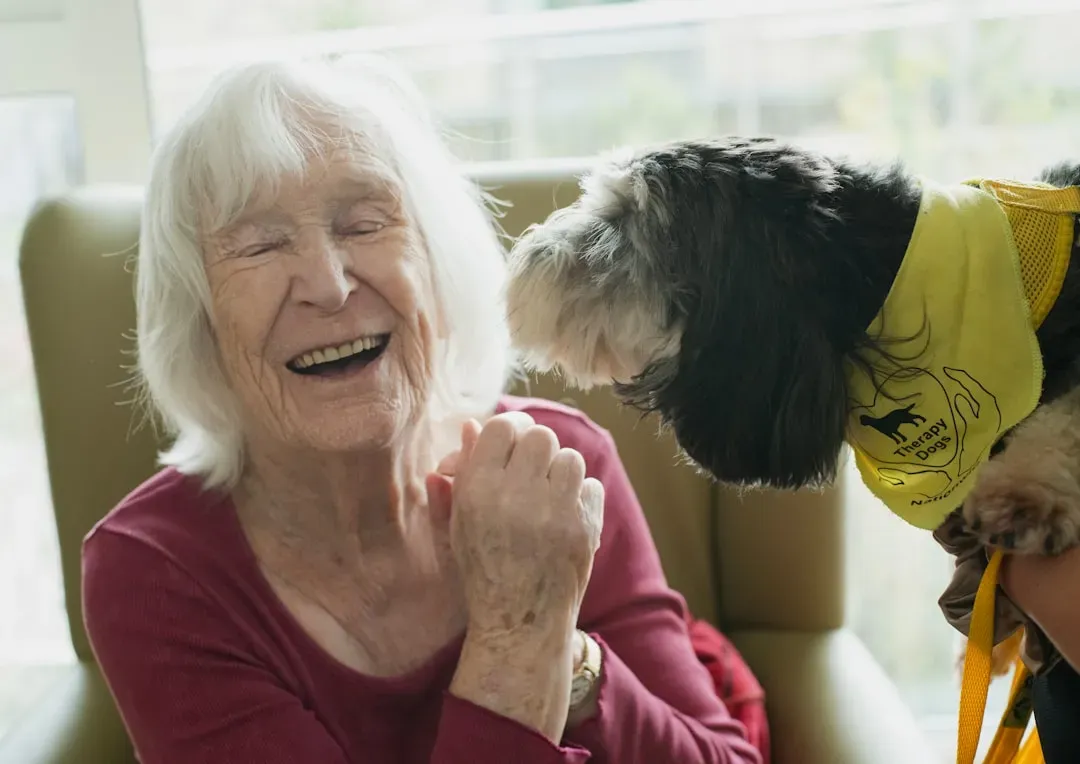
Not every pet fits every empty nester’s lifestyle. While adopting a pet can be a great way for seniors to find a companion during retirement years, animals have unique features that require different amounts of responsibility, energy, and resources, and some seniors may prefer an animal that matches their high activity level while others enjoy caring for a less energetic companion. Honestly, a puppy might sound adorable until you remember what puppyhood actually entails.
While everyone loves puppies, not everyone loves the messes they can make or the time and effort full training requires, and oftentimes senior pets are already housetrained, calm, and even know a few commands. Older dogs and cats often make perfect companions for empty nesters precisely because they’ve already learned the basics. There’s less chaos, more cuddles, and a mutual appreciation for slower mornings.
When choosing a dog breed, empty nesters often look for characteristics such as manageable size, adaptability, moderate energy levels, and a temperament that suits a quieter household. Think about your actual daily life, not some idealized version. Are you home most of the time or do you still travel frequently? Do you have mobility limitations? These practical questions matter.
A puppy that requires extensive training and socialization may be a poor choice for the empty nester with a busy life outside the home, whereas a cat or an independent dog breed may fare better, however, if you spend a great deal of time at home alone, that puppy’s playfulness may be exactly what you need. There’s no universal right answer, just the answer that fits your specific circumstances.
The quiet and doting home of a senior citizen is the perfect match for an older animal looking for a new home, as senior animals offer gentler, calmer companionship and often are already trained. Sometimes the best matches happen when both parties are in similar life stages, seeking comfort rather than adventure.
Navigating Practical Considerations and Responsibilities
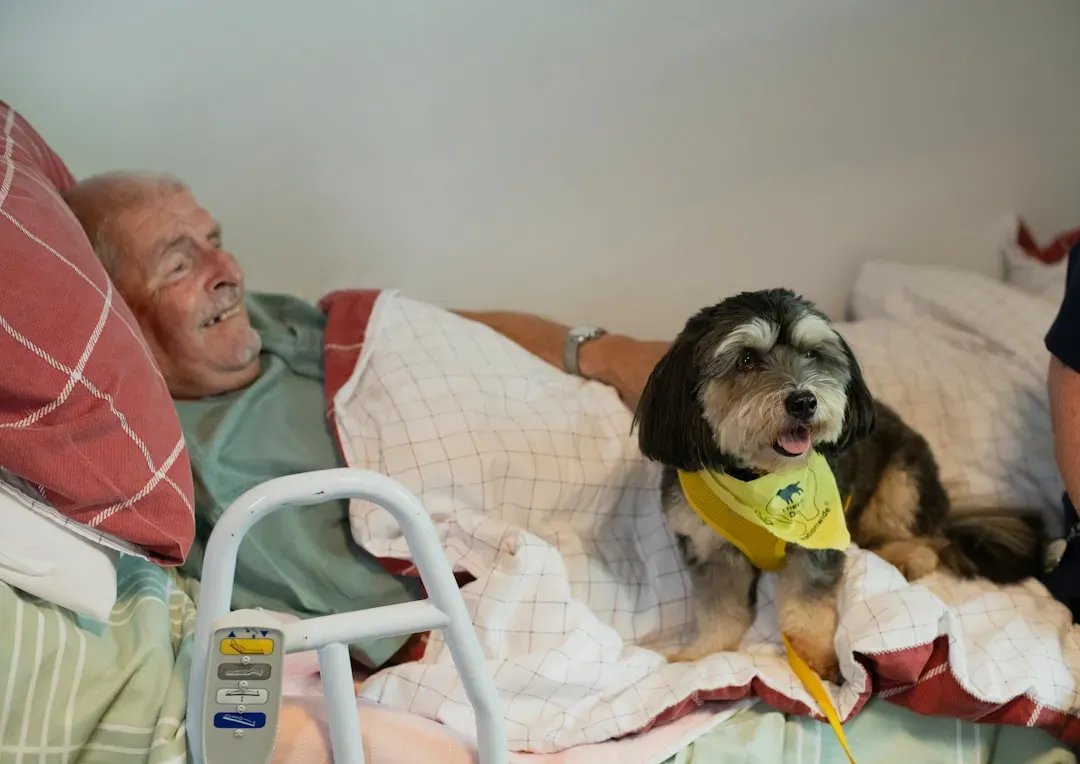
One of the benefits of being an empty nester is the option to travel without worrying about the kids, but when you bring an animal companion into your life, you will need to account for their needs if you decide to take a trip, whether that involves bringing your pet along, boarding them, or having a pet sitter. This is the reality check nobody wants to hear but everyone needs to consider. Pets aren’t low-maintenance houseplants.
Adopting a pet is typically a 10-20 year commitment. That timeline matters when you’re already thinking about your own aging process. Will you be able to walk a dog daily five years from now? Ten years from now? These aren’t pleasant questions, but they’re necessary ones. Some shelters now require older adopters to provide backup plans, designating who will care for the pet if something happens to them.
When older couples finally found a senior-friendly rescue, they were required to provide both a prospective guardian should they ever be unable to care for the dog, plus a backup guardian, which gave the rescue peace of mind while giving the couple a joyful companion. That kind of planning ensures the pet won’t end up abandoned later, which benefits everyone involved.
Financial considerations can’t be ignored either. Pets are a substantial long-term financial commitment, and a puppy can cost over $800 for food, medical care, toys and grooming in its first year, while the cost of taking care of a fish is lower, so consider your budget before bringing any animal home. Veterinary bills add up quickly, especially as animals age. It’s worth being honest about what you can afford before falling in love with a furry face at the shelter.
Many communities now offer senior-to-senior adoption programs with reduced fees and ongoing support. The Seniors for Seniors program is meant to make it easy to make an emotional commitment to a pet in need, without the stress of a financial commitment you may not be able to maintain in your golden years. These programs recognize that older adults and older pets often make perfect pairs while acknowledging the real barriers that exist.
The Unexpected Joy of Starting Again
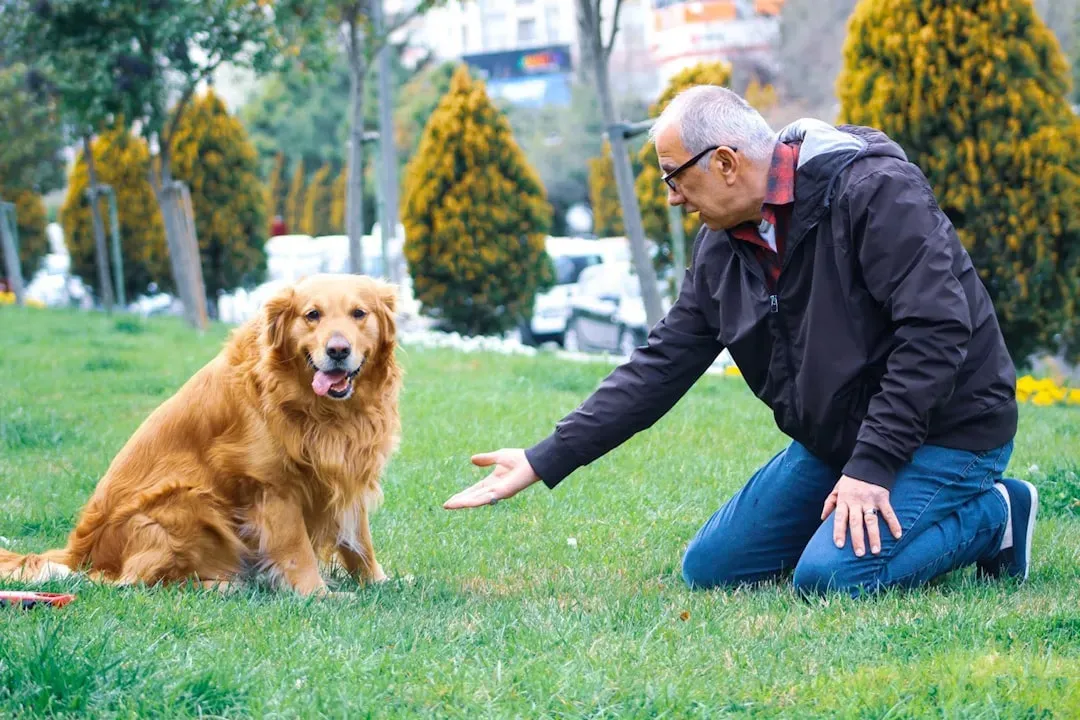
In a University of Michigan poll, 73 percent of respondents said their pets provided a sense of purpose, while an impressive 88 percent of these pet owners said that their pets helped them enjoy life. Those numbers speak to something profound about what happens when you welcome a pet into an empty nest. It’s not just about filling space; it’s about rediscovering joy in daily moments.
There’s something beautifully uncomplicated about a pet’s needs and affections. They don’t care about your career accomplishments or your parenting track record. They care that you showed up with dinner and maybe a tennis ball. Pets can be great listeners, offer unconditional love and won’t criticise you, which can help your self-confidence, especially if you feel isolated or misunderstood. That acceptance creates space for you to just be yourself without constantly evaluating whether you’re doing everything right.
Animal-assisted activities and pet ownership have been linked to greater life satisfaction and decreased depression after retirement. The transition from full-time parenting to empty nesting can feel like grief sometimes. A pet doesn’t erase that feeling, but it does soften it, giving you something immediate and tangible to focus your nurturing energy toward.
For those who reported a history of low mood, a critical benefit of pet ownership was an increased sense of purpose, with some reporting that their pets helped them get up and out of bed to engage in healthy activities. When you’re struggling to find motivation, having a creature who depends on you can be the difference between staying stuck and moving forward. It’s surprisingly powerful.
The love and companionship pets provide, along with their constant care, daily structure, and needs, can fill owners with purpose. Starting this new chapter doesn’t mean replacing what you’ve lost. It means discovering what else life might hold when you’re open to it.
Empty nests don’t have to stay empty, and they certainly don’t have to feel lonely. Pets offer a unique combination of companionship, structure, health benefits, and unconditional affection that can transform this transitional period from something you endure into something you actually embrace. Whether you’re considering a calm senior cat who wants nothing more than a sunny windowsill and your lap, or an energetic dog who’ll get you exploring local trails you never knew existed, there’s likely a perfect companion waiting to help you write the next chapter of your story. What kind of companion do you think would fit your empty nest? The answer might surprise you.
