
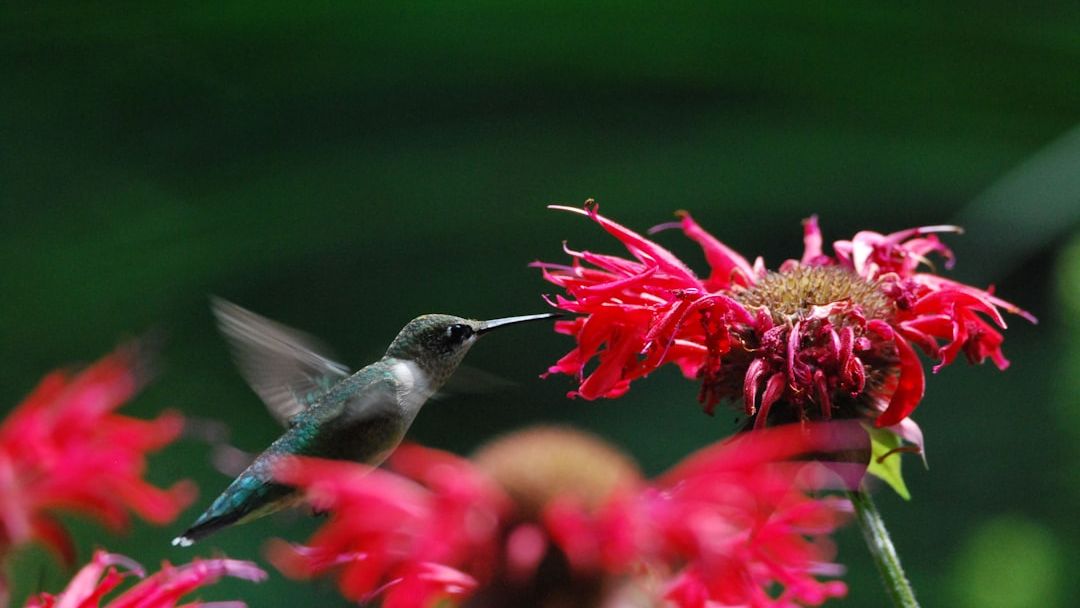
Most people believe attracting hummingbirds is as easy as hanging a feeder full of sugar water and waiting. It isn’t. Plenty of yards have a feeder swinging in the breeze, untouched for weeks, while three houses down a garden is buzzing with wings.
The difference isn’t luck, and it isn’t a fancier feeder. It’s a handful of small, specific habits that hummingbirds are practically wired to respond to, and once you see them laid out, you’ll understand exactly why your yard has been getting passed over.
14 – Plant the Native Flowers Hummingbirds Actually Crave
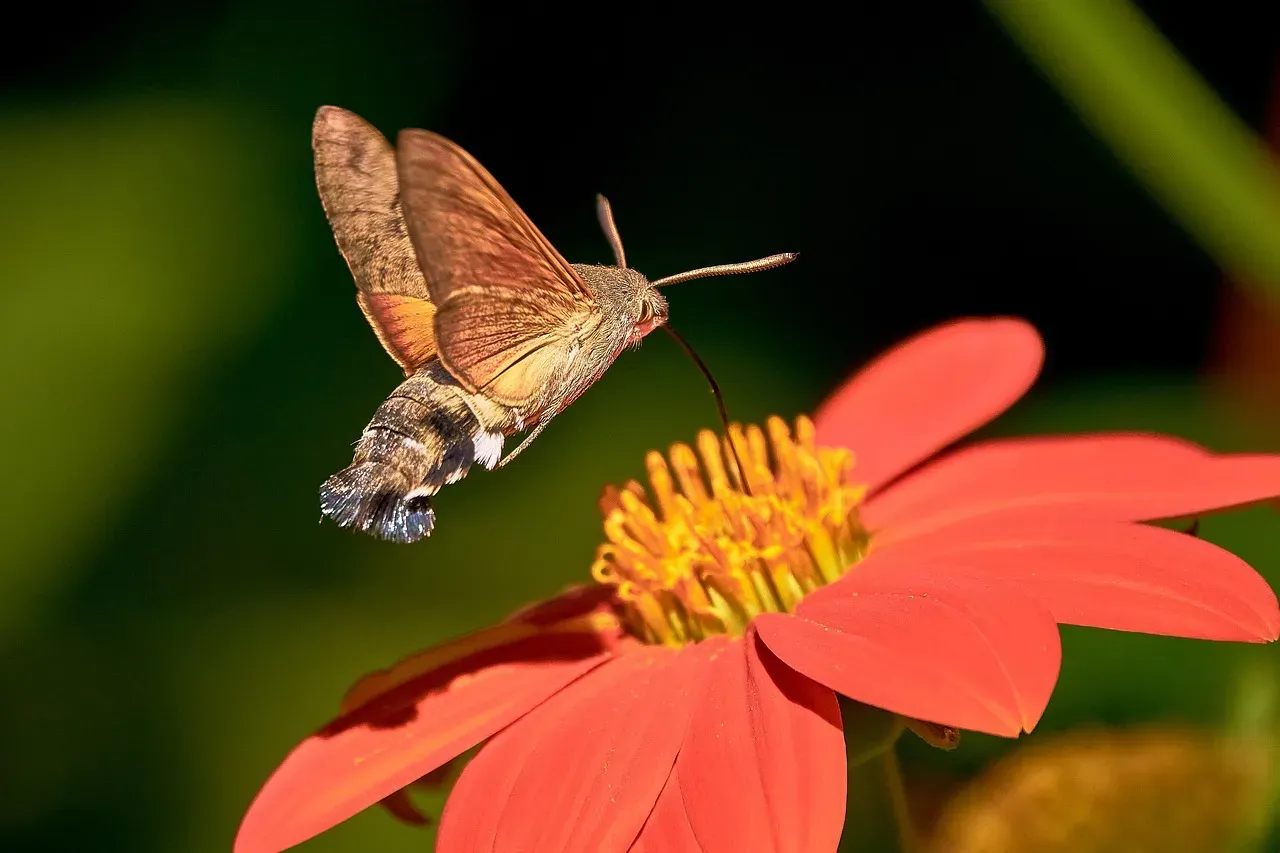
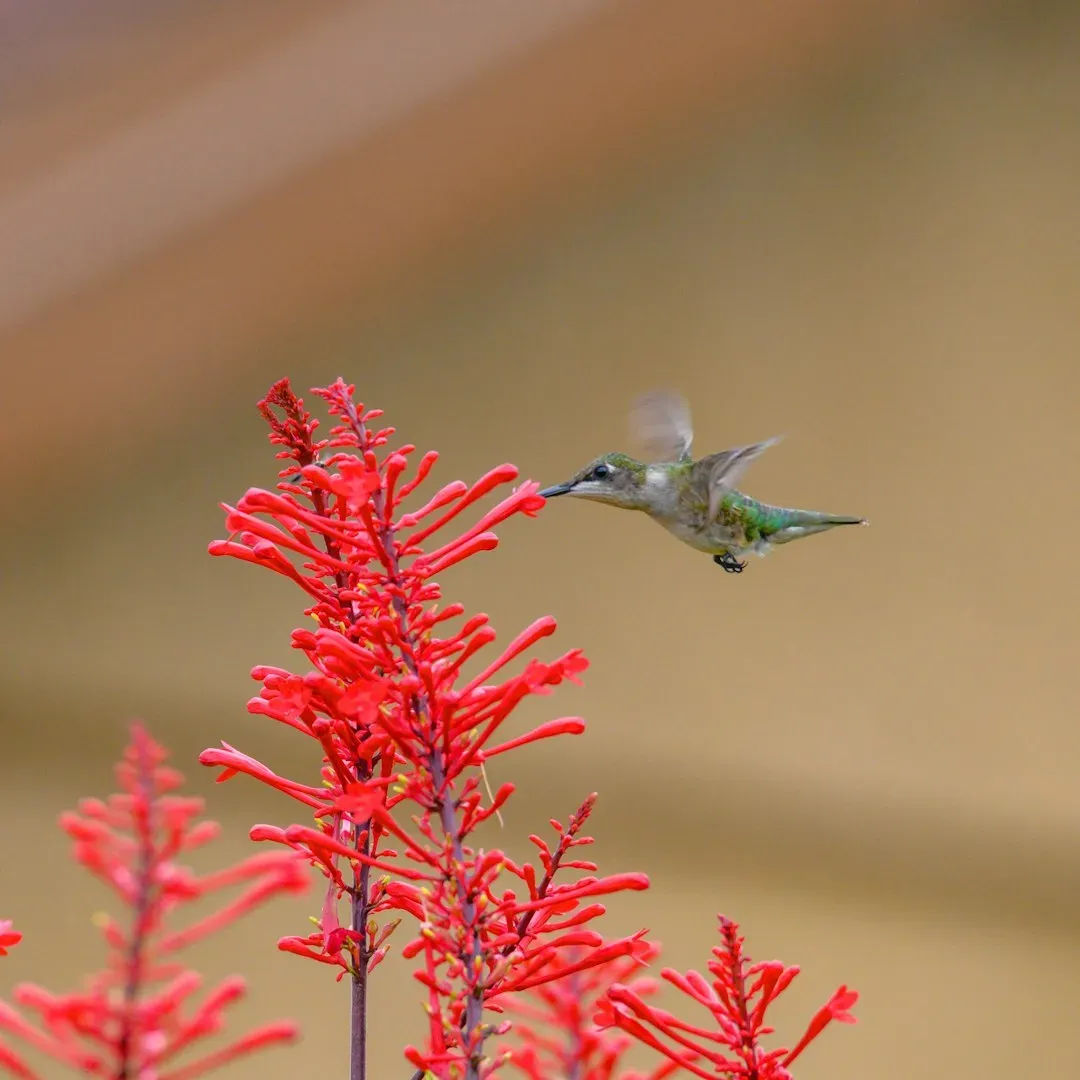
Hummingbirds don’t just like flowers, they’re hardwired to hunt for specific shapes and colors. Native tubular blooms like bee balm, trumpet vine, and cardinal flower fit their long beaks perfectly, which means less effort for more nectar. It’s an easy win in their tiny, fast-burning metabolism.
Plant a mix that blooms at different points in the season instead of all at once. A yard with something opening in May, another in July, and another in September becomes a reliable stop on their route, not a one-time snack.
Fast Facts
- Hummingbirds visit an estimated 1,000 to 2,000 flowers every single day just to keep their engines running.
- Their sharp color vision and long bills make red, orange, and pink tubular blooms the easiest meals to find.
- Untamed, native varieties typically produce more nectar than flowers bred mainly for showy petals.
- A hummingbird eats roughly once every 10 to 15 minutes during daylight hours.
13 – Set Up More Than One Feeder (and Space Them Out)
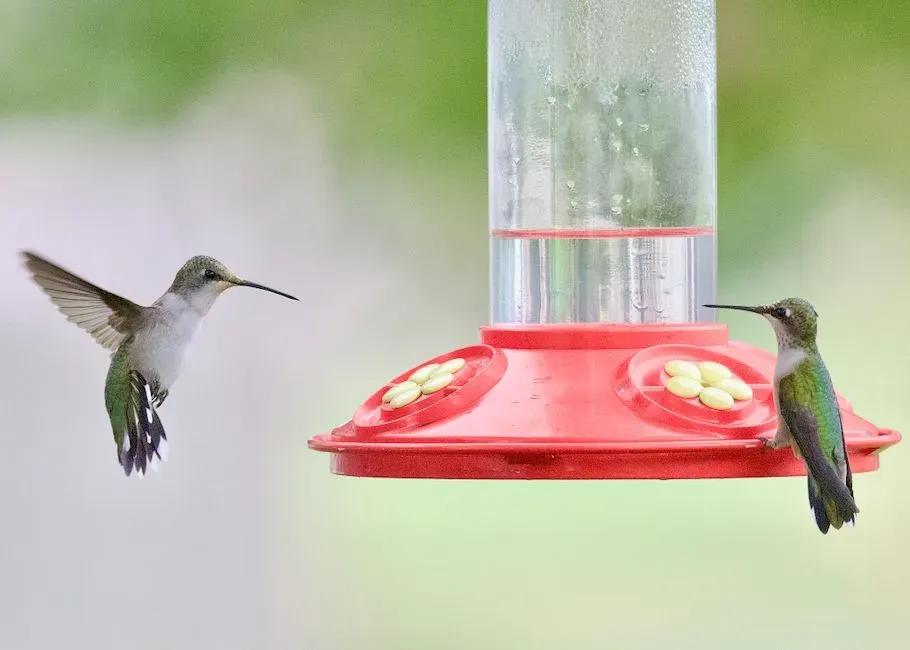
One feeder often becomes a battleground. Hummingbirds are shockingly territorial, and a single dominant bird will chase off every other visitor, leaving you thinking your yard just isn’t popular.
Spread two or three feeders around the yard, out of sight of one another if possible. Clean and refill them consistently, because a moldy or fermented feeder does more harm than good and can quietly make birds sick.
12 – Give Them Water They’ll Actually Use
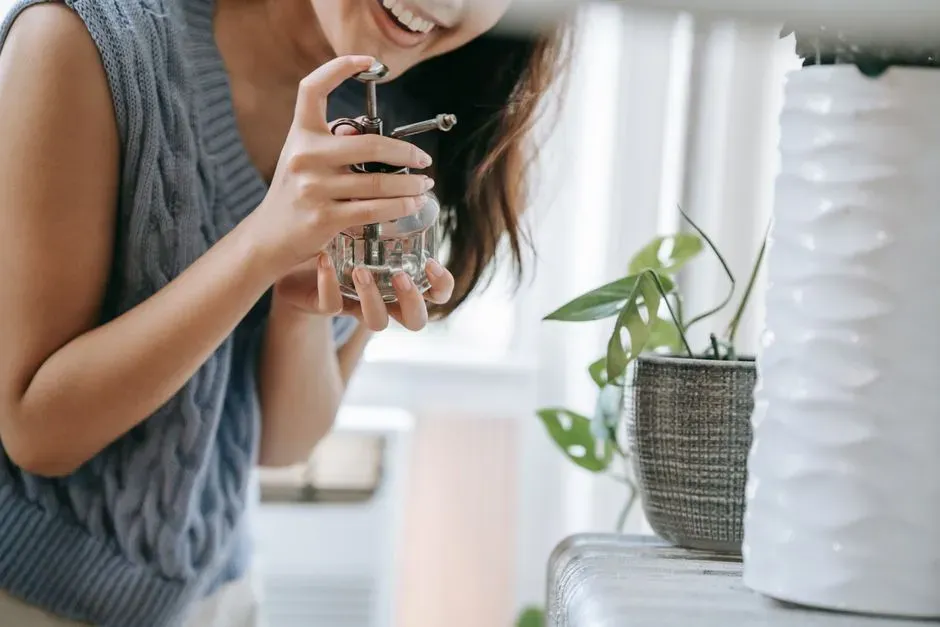
A deep birdbath looks nice, but it’s essentially useless to a hummingbird. They want shallow water, mist, or a gentle drip they can fly through, not a pool to wade in.
Set up a mister or shallow dripper in a shaded spot near your feeding area. Keep it clean and cool, and you’ll start noticing birds using it to bathe mid-flight, which is honestly one of the more beautiful things you’ll see in your own backyard.
11 – Give Them a Place to Just… Sit
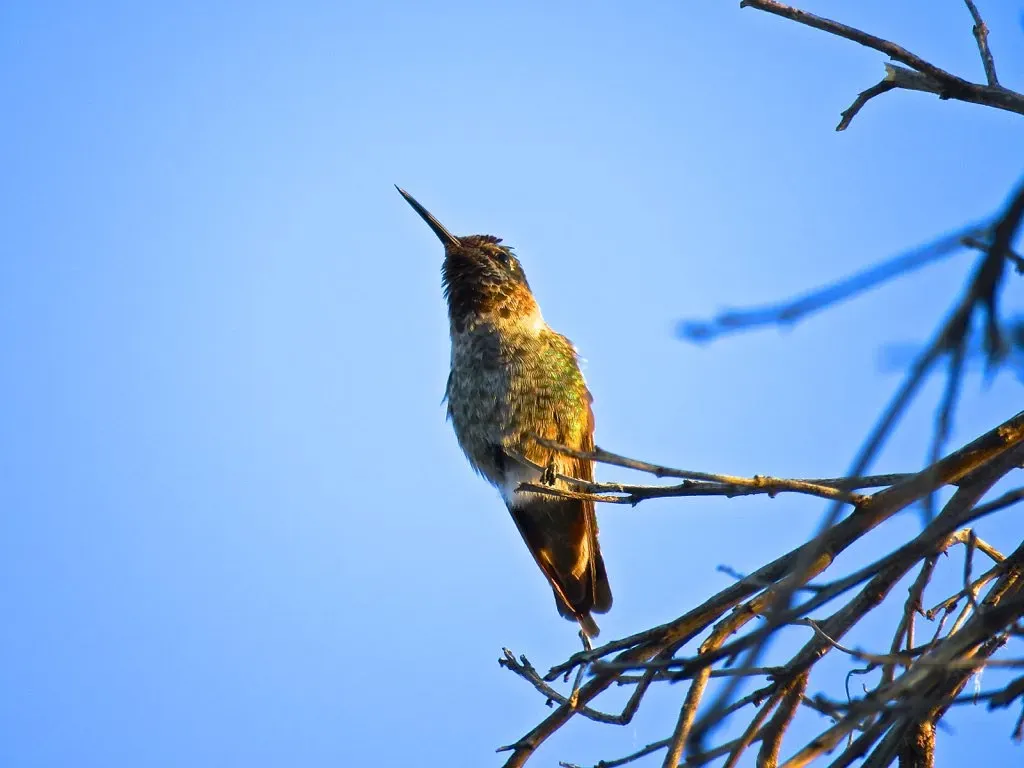
Hummingbirds burn energy at an insane rate, so despite the frantic wing-blur, they actually spend a lot of their day resting. Thin bare branches or a small hummingbird swing give them somewhere to perch and recover between feedings.
Place these perches close to food sources but tucked away from open exposure. A bird that feels safe resting in your yard is a bird that sticks around instead of grabbing a sip and bolting.
10 – Skip the Pesticides Poisoning Their Food
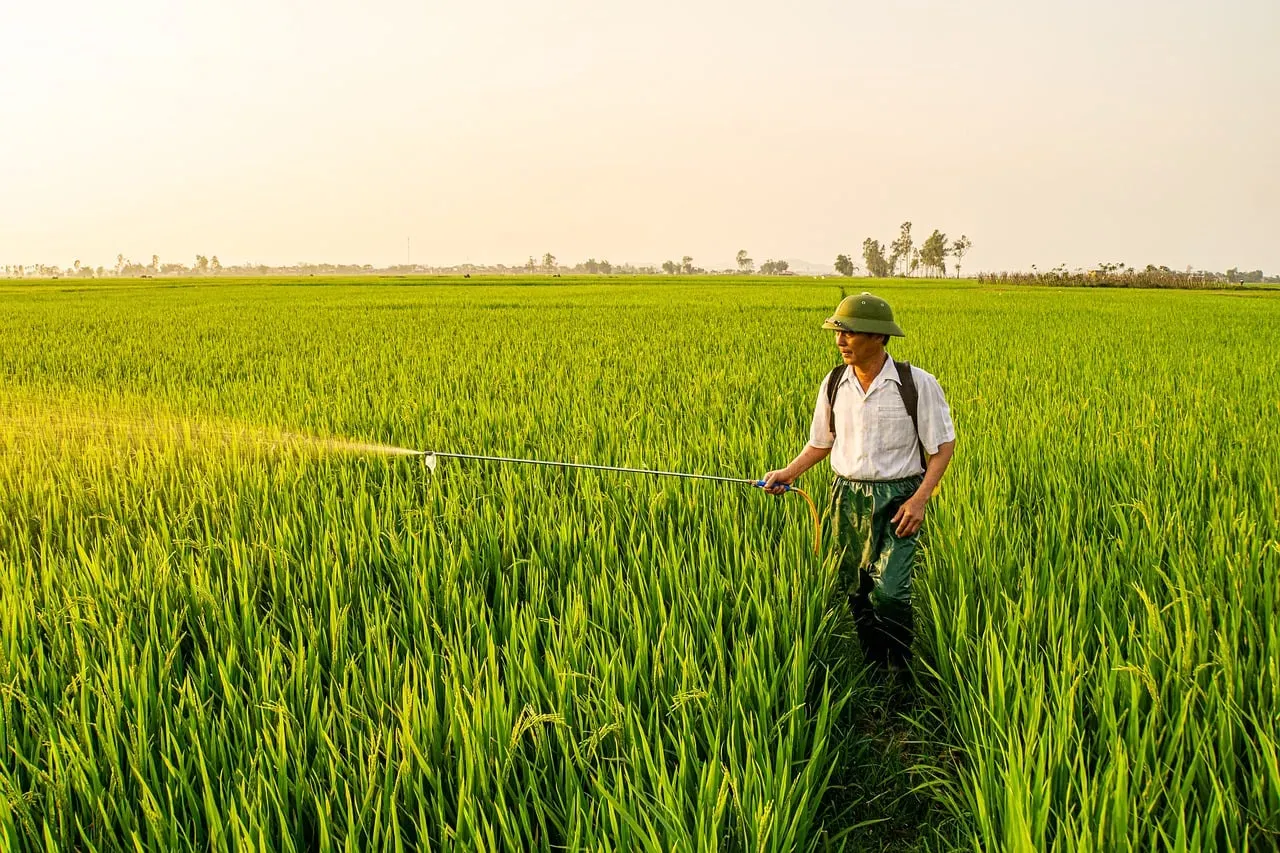
Here’s something a lot of well-meaning gardeners get wrong: hummingbirds don’t survive on nectar alone. Small insects and spiders make up a huge part of their protein intake, especially when they’re raising chicks.
Spray your yard with pesticides and you’re wiping out their food supply and risking direct exposure to chemicals. Let a few bugs live. It sounds counterintuitive, but a slightly messier yard is often a more hummingbird-friendly one.
9 – Trick Their Eyes with Red
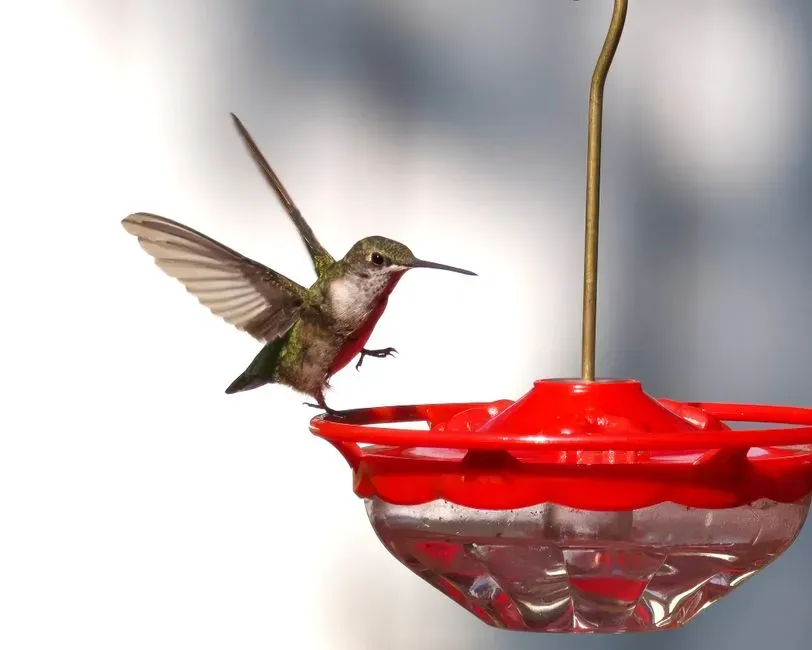
Hummingbirds are drawn to red almost instinctively, which is why so many feeders come in that exact color. A red ribbon, a garden ornament, even red mulch can catch a passing bird’s attention from a distance.
But color alone won’t keep them there. Red is the hook, not the meal, so pair it with an actual, reliable food source or you’re just decorating for birds that fly right past.
8 – Group Your Flowers Instead of Scattering Them
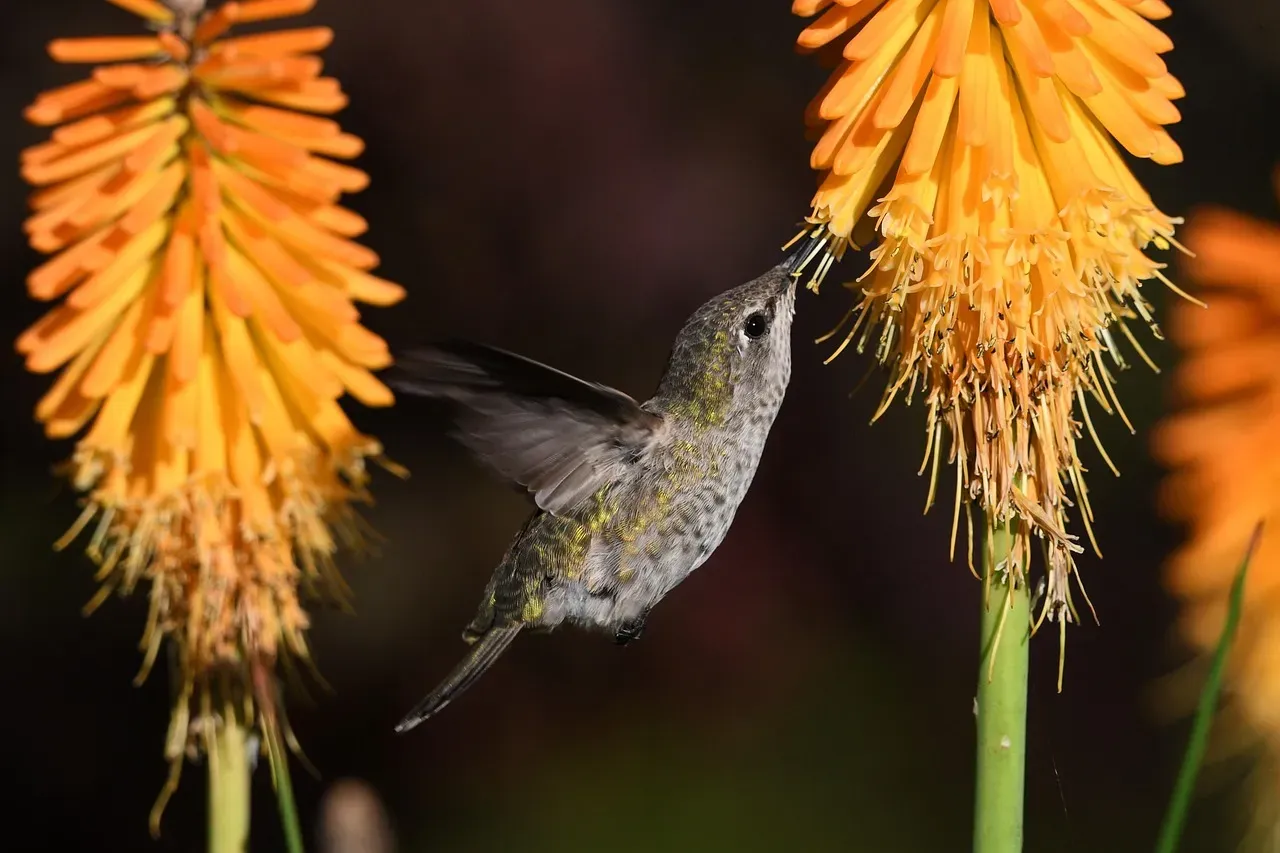
A single flower here and there is easy to miss. A dense cluster of the same bloom creates a bigger visual and scent signature that hummingbirds can spot from much farther away.
Clustering also means less wasted energy for the bird once it arrives, since it can move from bloom to bloom without long flights in between. Efficient feeding keeps them in your yard longer instead of using it as a quick pit stop.
Why It Stands Out
- Large clusters of color create a bigger visual signal than scattered single blooms ever could.
- Grouped plantings let a hummingbird feed on dozens of flowers without long flights in between.
- Uncultivated, nectar-rich varieties usually beat frilly hybrids bred mainly for looks.
- Grouping by color, not just by species, adds extra pulling power from a distance.
7 – Leave Them Something to Build a Nest With
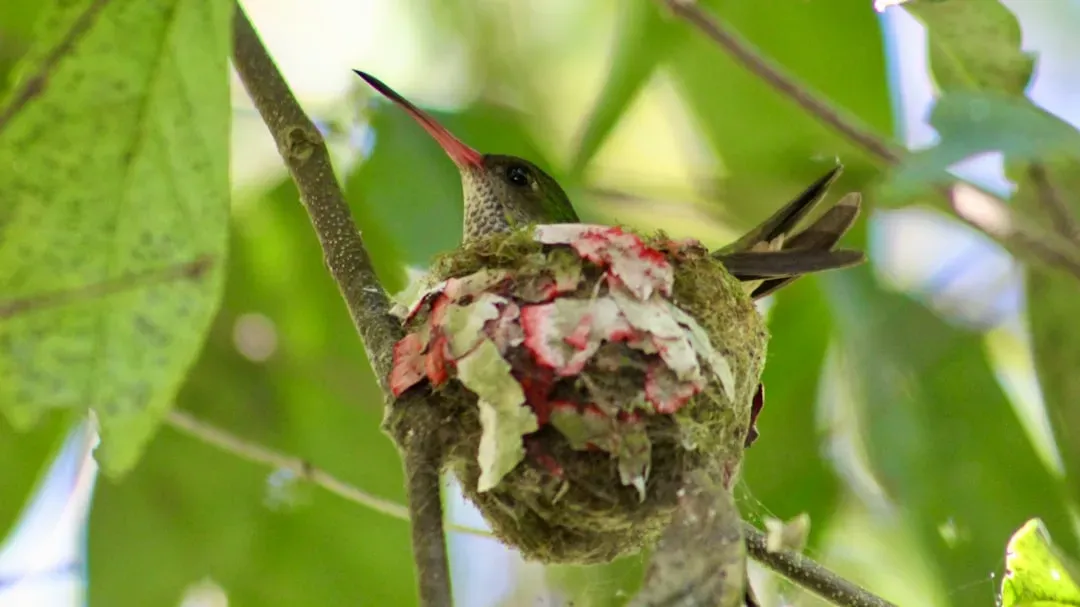
Hummingbirds won’t touch a birdhouse, but they will absolutely use soft plant fibers, moss, or small bits of cotton to build their tiny, walnut-sized nests. It’s an easy way to go from occasional visitor to actual neighbor.
Tuck these materials into dense shrubs or trees where they’re sheltered from wind and predators. A hummingbird that nests in your yard is one that returns to it year after year, not just for a season.
6 – Keep Something Blooming All Season Long
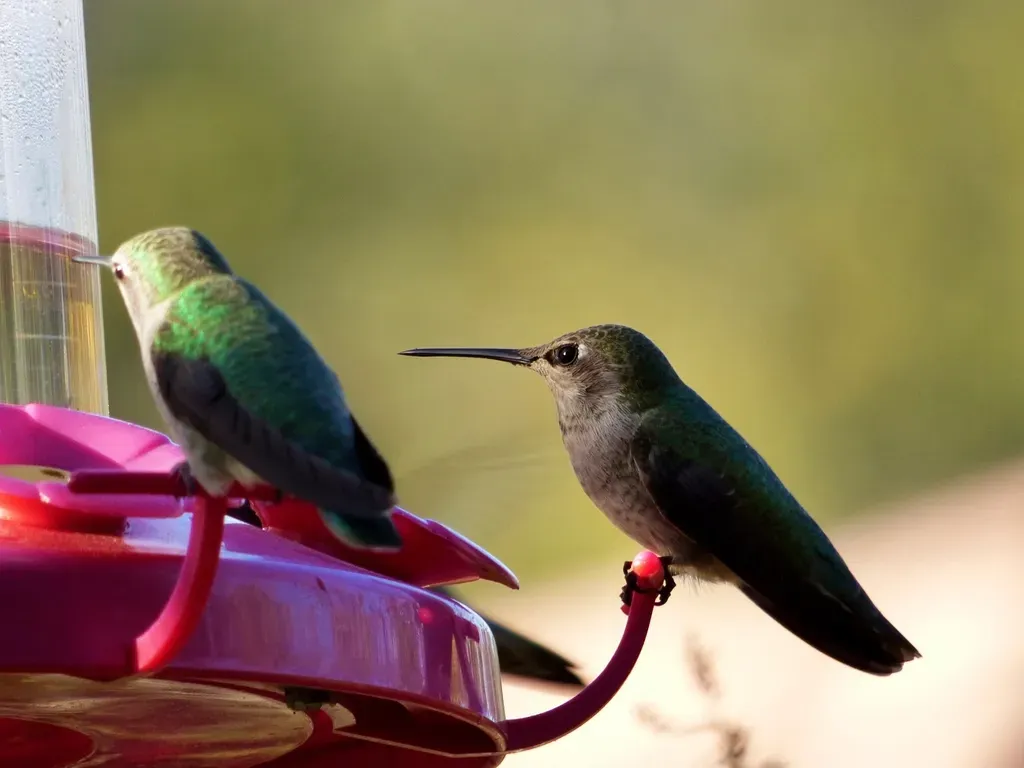
A garden that blooms all at once in spring and goes bare by July is a dead zone for the rest of the season. Hummingbirds need a food source that doesn’t disappear the moment the weather warms up.
Stagger your plantings so something is always flowering, from the first arrivals in spring through the last stragglers before migration. Consistency is what turns your yard into a dependable stop instead of a one-time fluke.
5 – Give Them Somewhere to Hide From Danger
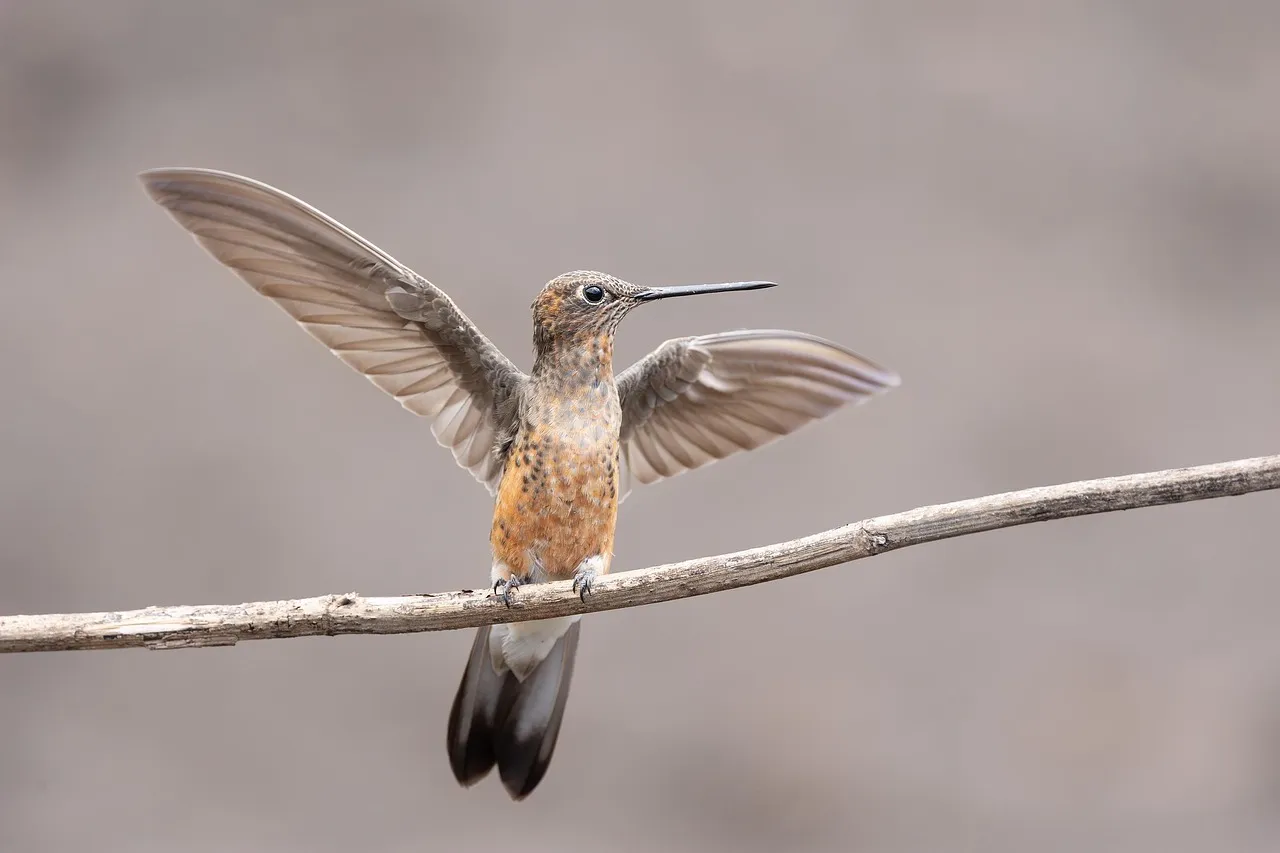
Cats and larger birds are a real threat to something as small as a hummingbird, and an open, exposed yard feels like a trap to them, not an invitation. Dense shrubbery near feeders gives them a fast escape route if trouble shows up.
Avoid placing feeders in the middle of wide open lawns with nothing nearby. Safety isn’t a bonus feature for hummingbirds, it’s the deciding factor in whether they stay at all.
4 – Let the Bugs Live (On Purpose)
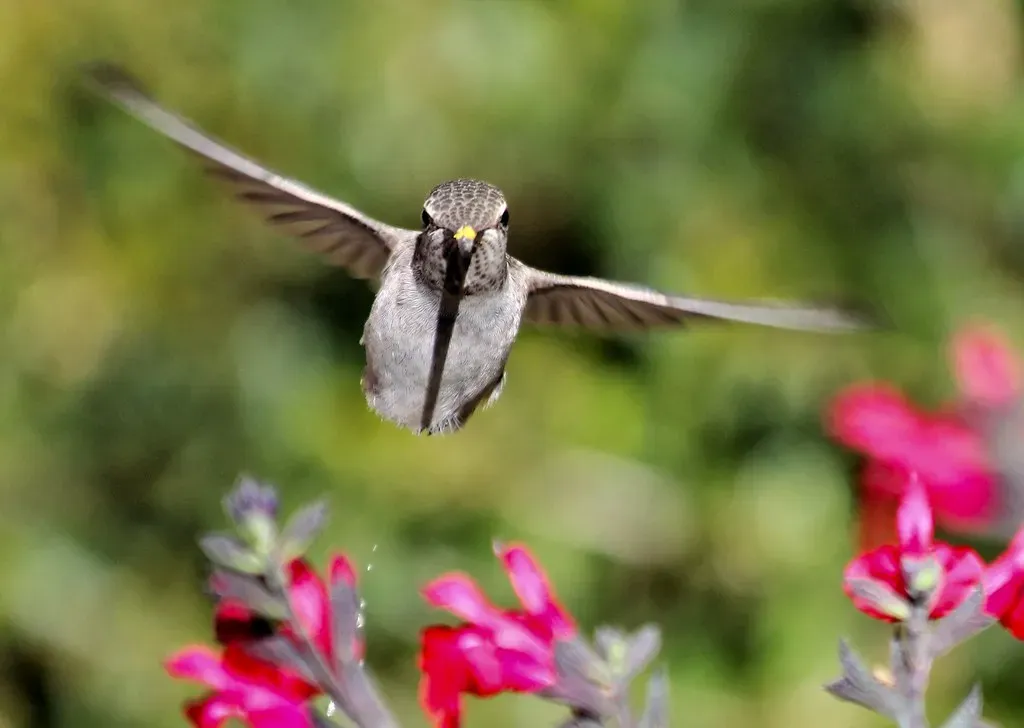
It’s worth repeating in a different way: a healthy insect population is not a yard problem, it’s a hummingbird food source. Planting a wide variety of flowers naturally attracts the small insects they rely on for protein.
Skip the insecticide entirely if you can. You’re not just protecting bugs, you’re protecting the exact food chain that keeps hummingbirds fed and breeding successfully in your own backyard.
At a Glance
- Nectar makes up roughly 90 percent of a hummingbird’s diet, but the rest is almost entirely insects and spiders.
- Chicks still in the nest are fed almost exclusively on tiny arthropods, not sugar water.
- Gnats, aphids, mosquitoes, and small spiders are all normal menu items for adult birds.
- Skipping pesticides protects this entire food chain instead of quietly starving it.
3 – Never Let a Feeder Go Dirty or Empty
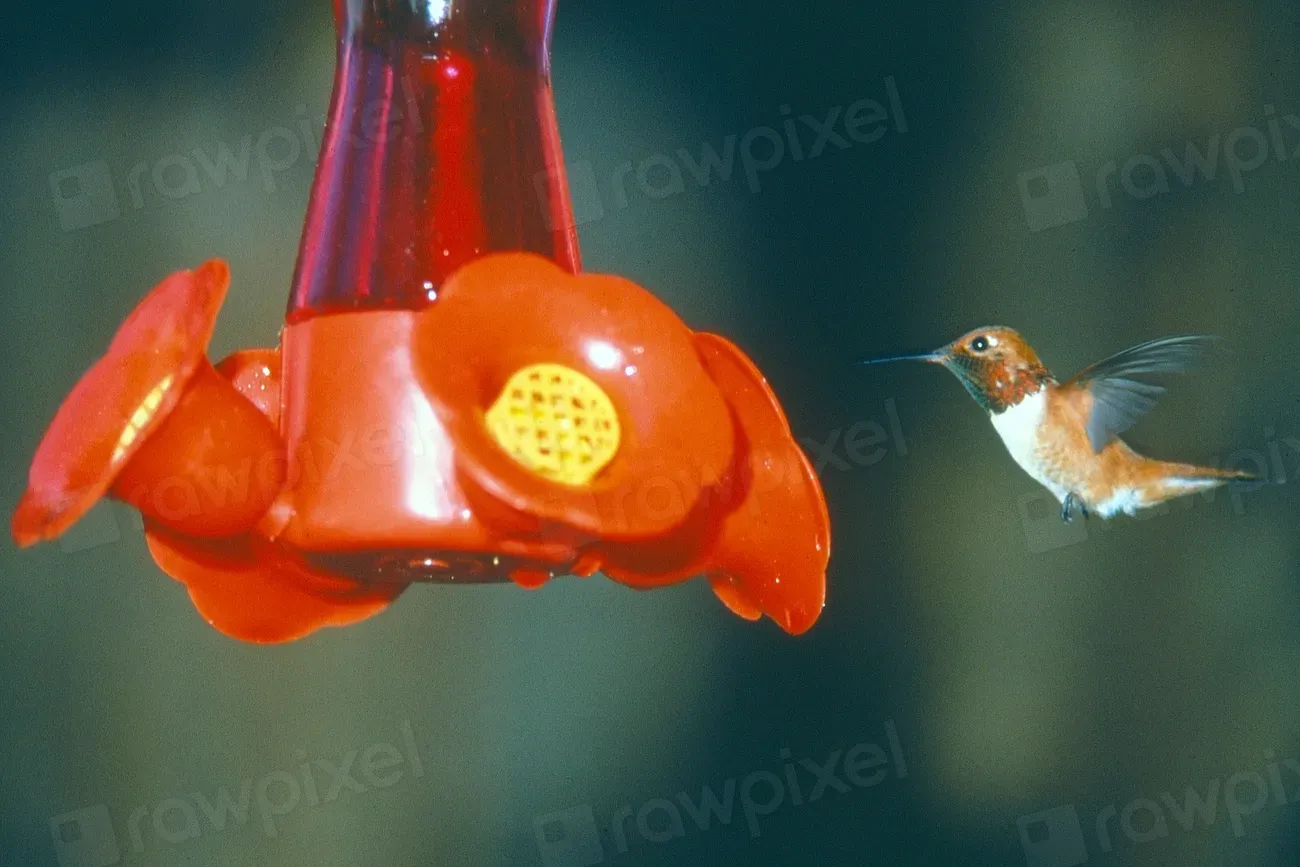
An empty feeder teaches a hummingbird your yard isn’t reliable, and it may not bother checking again. A dirty one is worse, since mold and fermented nectar can actually make birds seriously ill.
Clean feeders with a mild solution every few days and refill promptly. Hummingbirds have sharp memories for good food sources, and consistency is what turns a random visitor into a regular.
2 – Ditch the Red Dye, Mix Your Own Nectar
Store-bought red nectar looks appealing to us, but that dye offers hummingbirds nothing and may not be good for them long term. The color on the feeder itself is more than enough to catch their eye.
Make your own with a simple four parts water to one part white sugar, no dye, no honey, no substitutes. It’s cheaper, safer, and it’s exactly what their bodies are built to process.
Quick Compare
- Homemade nectar: 4 parts water to 1 part white sugar, no dye, closely matches natural flower nectar.
- Store-bought red nectar: often adds dye that offers no nutritional benefit and may be harmful over time.
- Freshness: swap homemade batches every 2 to 3 days in hot weather, a bit longer in cooler weather.
- Cost: a homemade batch runs pennies compared to bottled nectar mixes.
1 – Time Your Feeders to Migration, Not the Calendar
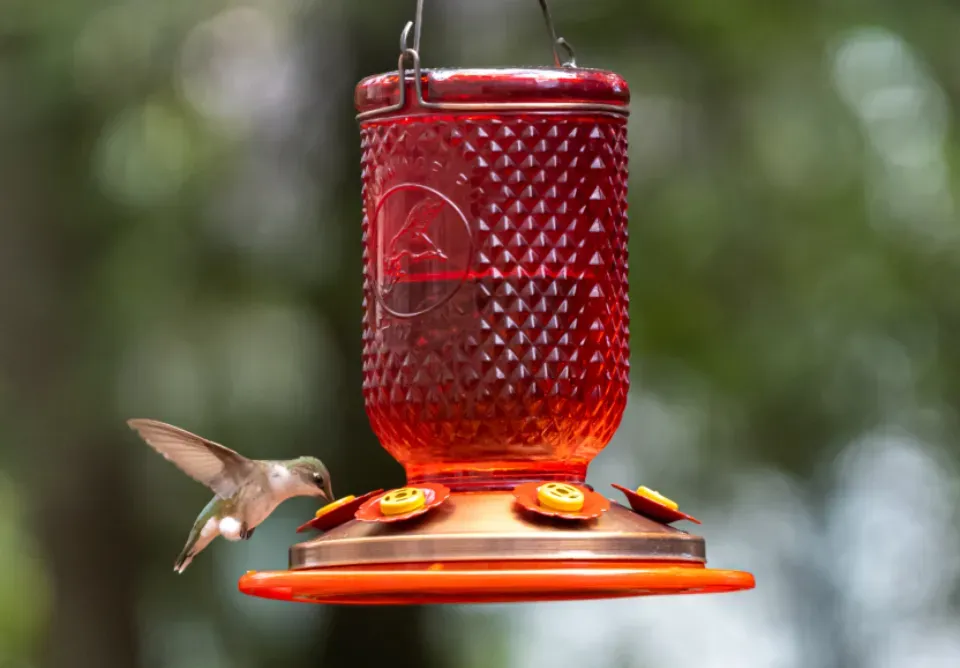
Here’s the mistake almost everyone makes: taking feeders down too early or putting them up too late because it “feels” like the season is over. Hummingbird migration doesn’t follow your calendar, it follows weather patterns and food availability that shift year to year.
Put feeders out about two weeks before your region’s typical first arrivals, and leave them up for two weeks after the last one you spot. Contrary to old backyard folklore, a feeder left up late won’t trick a hummingbird into skipping migration, it may just fuel the stragglers who need it most.
After all this, the real takeaway isn’t complicated, even if it’s inconvenient to hear: there’s no single trick that fills a yard with hummingbirds. It’s the boring, unglamorous consistency of clean feeders, real nectar, layered blooms, and a little tolerance for bugs and mess that actually works.
Anyone selling a one-step fix is selling you a feeder, not a hummingbird garden. Build the habitat, and the birds will do what they’ve always done, they’ll show up on their own terms.
