
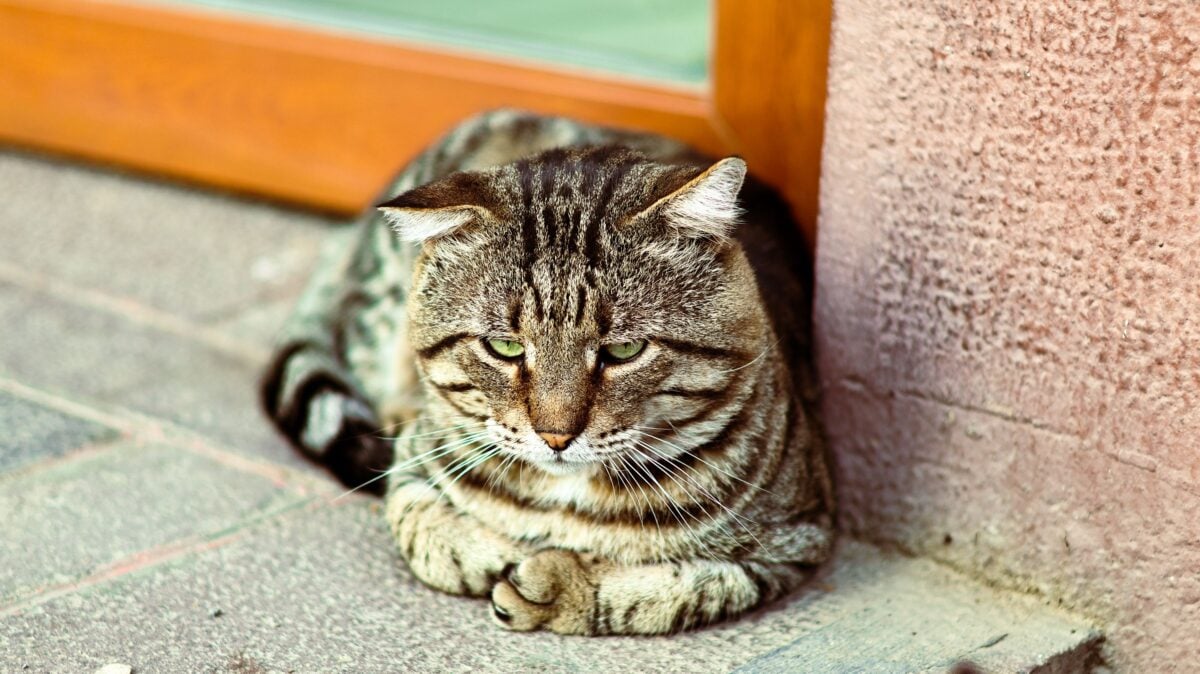
Most people believe a cat either likes you on sight or never will. That’s a myth, and it’s why so many guests leave convinced a cat “hates” them when the cat was simply still reading them. Cats run a slow, silent background check on every new person who walks in, and the verdict rarely arrives with fanfare. The good news is that the check leaves clues, if you know where to look.
Long before a cat lands on a lap, it hands out tiny signals through its eyes, ears, tail and daily routine. Miss them and you can wipe out weeks of progress by rushing in for a cuddle. Below are all 13, counting down from the quietest hint to the one every cat owner secretly hopes for. A few will surprise you, and one is probably something you’ve been doing wrong for years.
#13 – It Stays in the Room Instead of Vanishing
🔥 Would you like to save this?
We'll email this post to you, so you can come back to it later!
The first sign of acceptance looks almost like nothing at all.
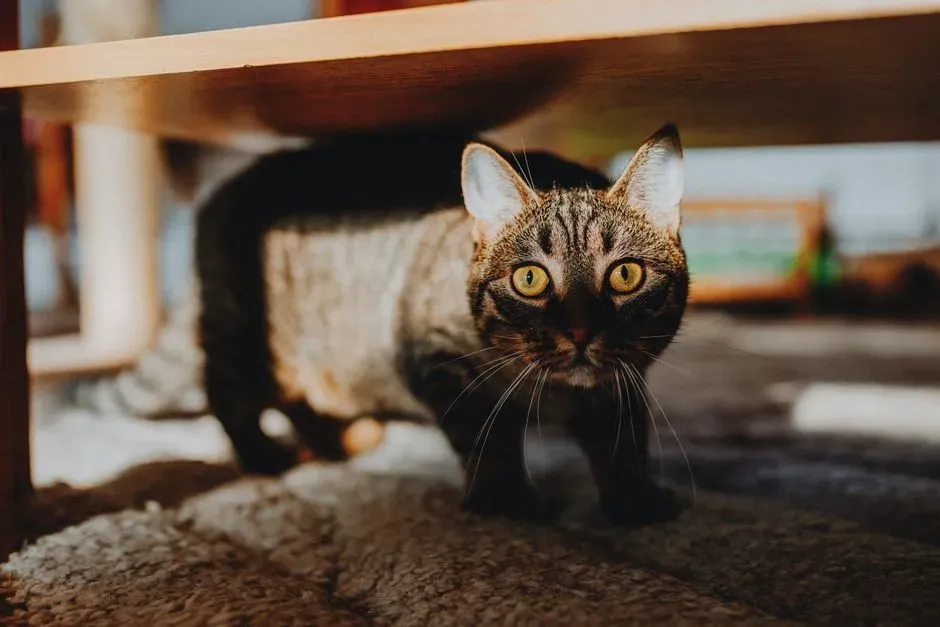
When a stranger arrives, a nervous cat’s default move is to flee. So a cat that stays in the same room is already making a decision. Picture a guest on the couch and a cat on top of the bookshelf, tail tucked, eyes following every move. Most people read that as snobbery. It’s actually a cat doing its homework.
Hiding isn’t automatically rejection. It’s often a cat gathering information from a safe spot. A cat that watches from a doorway or a high perch is usually monitoring you, not escaping you.
Distance matters less than options. Cats feel safer with an exit route and a good vantage point, so a perch above eye level is a vote of cautious interest. Give the cat that choice and don’t try to coax it down.
Signs to look for:
- It watches from a perch instead of bolting
- It comes back into the room after leaving briefly
- Its body stays loose rather than flat against the floor
But the next signal is one most people overlook, and it’s happening right on top of the cat’s head…
#12 – The Ears Stay Forward and Relaxed
🔥 Would you like to save this?
We'll email this post to you, so you can come back to it later!
Ears are the most honest part of a cat’s face, and they never lie about a newcomer.
Ears pointing forward, upright and relaxed, are read as a sign of interest and a positive mood. Ears that swivel toward you mean the cat is paying attention. That’s a cat tuning in to you instead of tuning you out.
Flattened or rotated-back ears tell the opposite story. They signal fear or irritation, and no amount of cooing will change that message.
Ear position changes quickly, so watch it in the first minutes after you walk in. A cat’s ears can flick from alert to relaxed in a fraction of a second, and that flick is often the first sign you’ve been cleared.
Context counts too. Forward ears on a stiff body with wide pupils mean something very different from forward ears on a loose, comfortable cat. Read the whole animal, not one feature.
Worth Knowing
- Each cat ear is controlled by roughly 32 muscles, which is why ears move so precisely
- The two ears can swivel independently, so one may track you while the other scans the room
- One ear turned toward you and one turned away often means a cat still splitting its attention
- A single ear flick isn’t a verdict, so watch for a pattern over several minutes
Quick ear cheat sheet:
- Forward and upright: interested or content
- Swiveling toward you: listening and assessing
- Flat or turned back: fear or irritation, so give space
Here’s the thing, though. The next signal is where most well-meaning guests make their biggest mistake…
#11 – The Eyes Soften and the Stare Disappears
🔥 Would you like to save this?
We'll email this post to you, so you can come back to it later!
A hard stare is not friendly in cat language, and most visitors do it anyway.
Direct, fixed staring is how cats size each other up in tense meetings. International Cat Care notes this, and early research found cats seemed to read a person’s fixed, neutral gaze as a threat. Picture the typical cat lover: leaning in, wide-eyed, beaming, and locking eyes with a cat who is trying very hard to look relaxed.
While most guests believe eye contact shows warmth, many behaviorists argue it’s one of the most common ways people spook a cat.
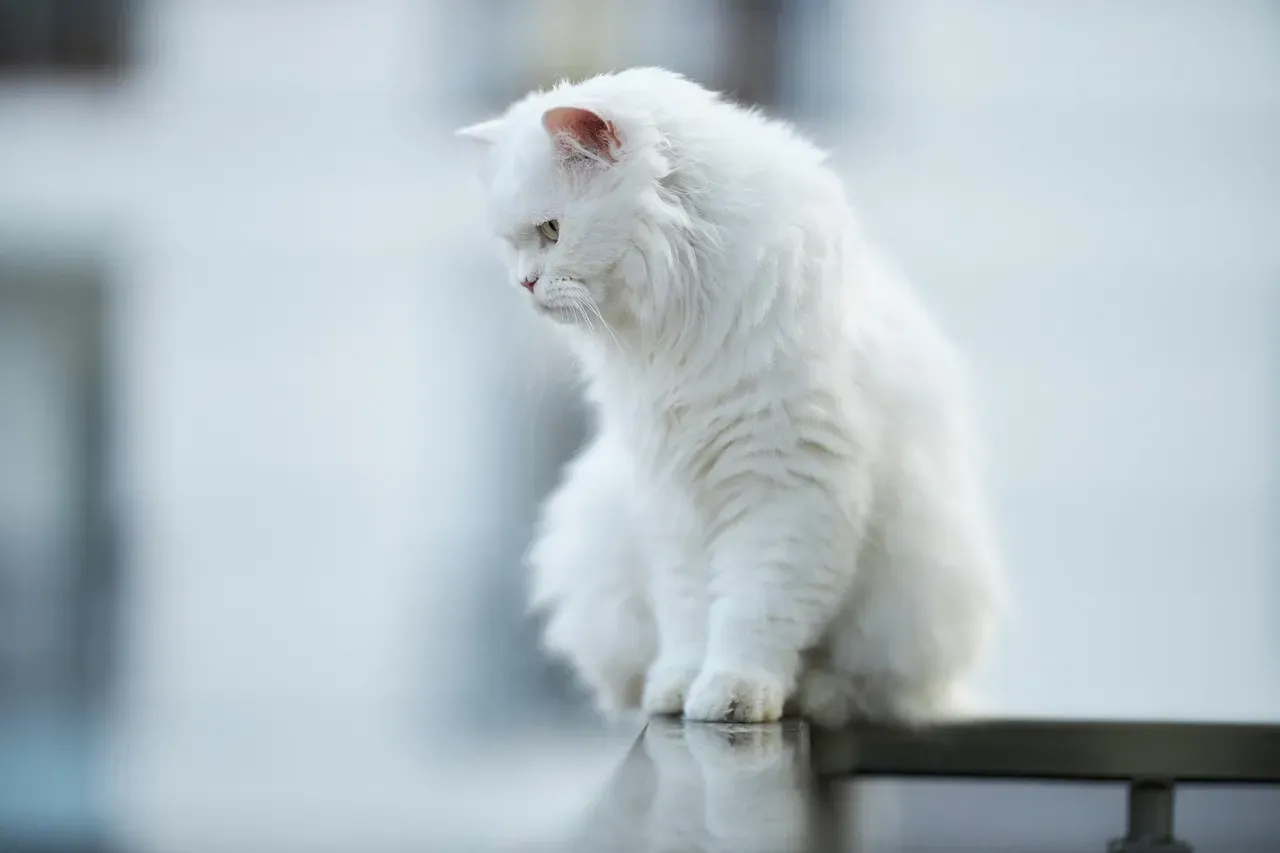
So when a cat looks at you, then looks away, take it as good news. A cat that breaks eye contact is relaxed enough not to need a standoff. Softened eyelids and normal-sized pupils are the other signs to watch for.
Looking away is how a cat says it doesn’t see you as a threat.
And the next signal builds on this one, turning that softened gaze into something researchers have actually tested…
#10 – It Offers a Slow Blink
🔥 Would you like to save this?
We'll email this post to you, so you can come back to it later!
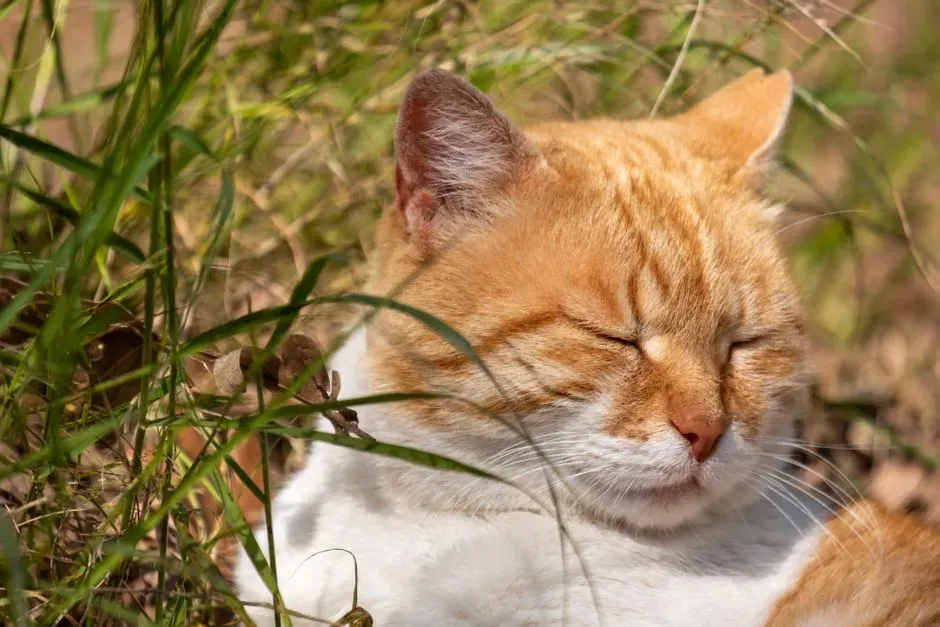
This is the best-documented signal on the list, and it works both ways.
Research in Scientific Reports found that cats respond to humans who slow blink. In one experiment, researchers unfamiliar to the cats interacted with 24 cats, and the cats were more likely to blink back and to approach an outstretched hand.
The slow blink works much like a human smile. A partial eye closure with slow blinking is akin to a human squinting while smiling. It even works between a cat and a person it has never met.
Shelter research adds a twist. Cats that were initially more nervous around humans trended toward longer total slow blinking in response to human slow blinks. That suggests the blink can also be a way of asking for reassurance.
How to do it:
- Soften your eyes and close them slowly
- Reopen them gently, then look away
- Don’t stare while you wait for a reply
But what the cat does next with its own body is even more revealing…
#9 – It Grooms Casually While You’re Nearby
🔥 Would you like to save this?
We'll email this post to you, so you can come back to it later!
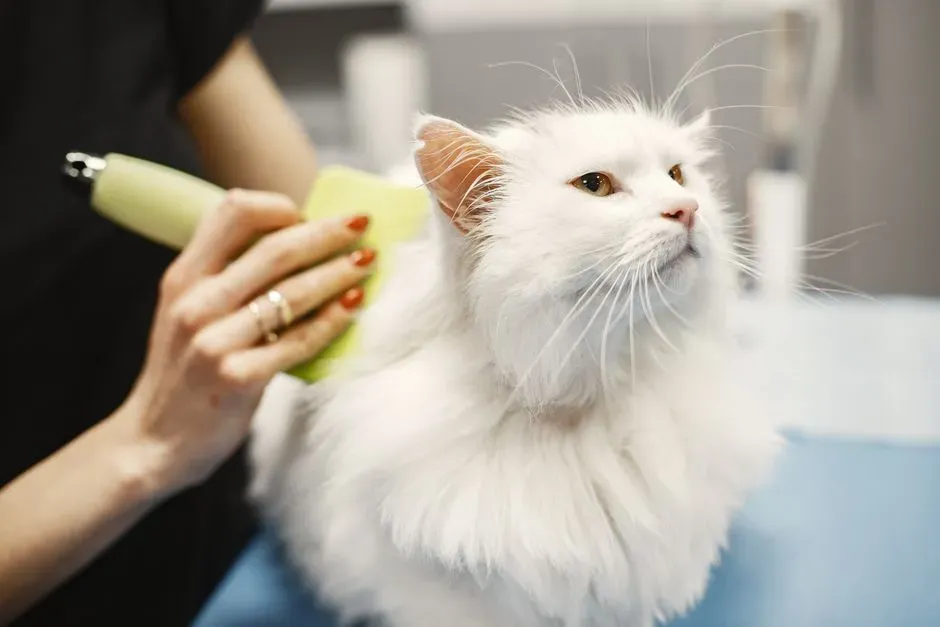
A cat that stops to wash itself in front of you has made a quiet announcement.
Grooming takes focus and splits a cat’s attention. Cats don’t do it when they feel under threat, so casual self-grooming while a new person is nearby is one of the signs the cat has accepted them. Think of it as the cat turning its back on drama.
Not every wash means “all clear.” Cats also groom when stressed or conflicted, often in short, rushed bursts. That’s called displacement grooming. The difference is tempo: relaxed grooming is slow, thorough and unhurried.
Cats also tend to groom after an interaction that went well. If you pet or speak to a cat and it starts cleaning, don’t assume you did something wrong.
If a new person never grabs, never forces eye contact and never crowds the cat, the cat quietly promotes them from background noise to safe company.
Relaxed grooming versus stress grooming:
- Relaxed: slow strokes, full licks, easy posture
- Stressed: quick, jerky bursts, often right after something tense
Up next is a signal that has nothing to do with the face. It’s all about the spine and the tail…
#8 – The Tail Loosens and Stops Lashing
🔥 Would you like to save this?
We'll email this post to you, so you can come back to it later!
Watch the tail and you’ll know how the cat feels about you before it does.
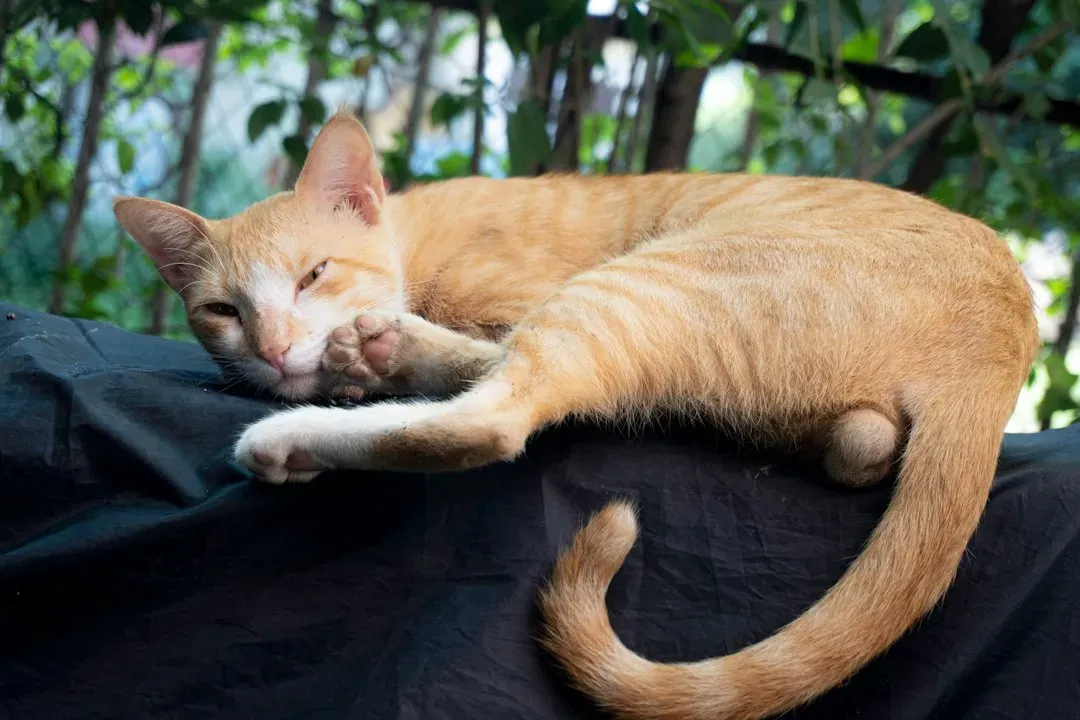
A cat’s tail is a mood gauge. How a cat holds it gives a good sense of its current temperament. A fluffed “Halloween-cat” tail means the cat isn’t happy.
What you want to see is a tail that is loose, relaxed, perhaps gently curved. A loosely wrapped, extended or held-up tail is a relaxed posture. A tail that hangs low and tight to the body signals unease.
A tail that goes from tense to loose in a new person’s presence is a sign the cat’s whole nervous system has recalibrated.
Don’t confuse a slow, quivering tail tip with a lashing tail. A quiver can mean excitement. A hard swish usually means irritation. Check the rest of the body before you decide.
But there’s a much more practical sign that proves the cat truly feels safe with you around…

Portable Dog Water Bottle Foldable Dog Travel Water Bottle
Check Price on AmazonAs an Amazon Associate, we earn from qualifying purchases.
10/7/2026 1:29 pm GMTi

2 Pcs Halloween Pet Hat Bandana Set, Witch Pumpkin Costumes for Dogs
Check Price on AmazonAs an Amazon Associate, we earn from qualifying purchases.
10/9/2026 2:45 pm GMTi

Air Purifiers for Home Pets Large Room Up to 3000 Ft²,HEPA Air Cleaner with Washable Double-Side Filter, PM2.5 Air Quality Monitor,15dB Sleep Mode for Bedroom Odor Dust Pollen,White
Check Price on AmazonAs an Amazon Associate, we earn from qualifying purchases.
10/8/2026 8:23 am GMTi

Halloween Cat Costume Cloak Witch Hat Pet Accessories
Check Price on AmazonAs an Amazon Associate, we earn from qualifying purchases.
10/9/2026 2:44 pm GMTi

Halloween Dog Collar with Bow, Orange Cute Ghost Collar,
Check Price on AmazonAs an Amazon Associate, we earn from qualifying purchases.
10/9/2026 2:43 pm GMTi
#7 – It Eats, Drinks and Plays Around You
🔥 Would you like to save this?
We'll email this post to you, so you can come back to it later!
Cats won’t eat when they feel watched by something they distrust.
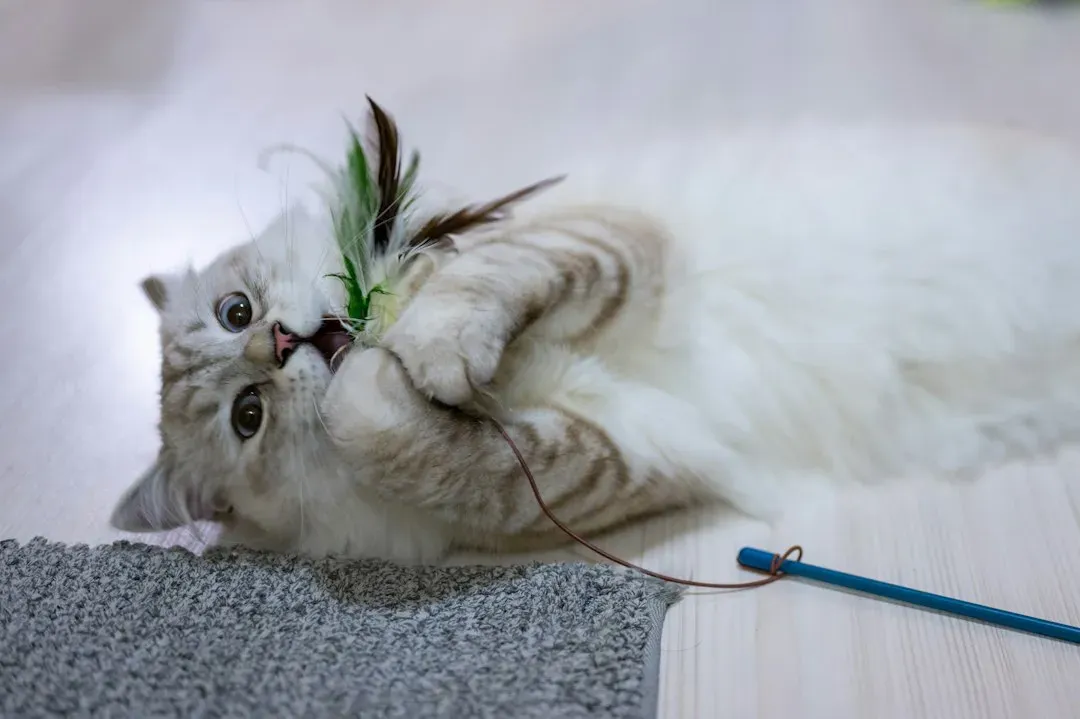
A cat that goes about its normal routine in your presence has stopped treating you as a threat. That means eating, drinking, using its scratching post, or batting a toy across the floor while you’re in view. It’s the feline version of someone kicking off their shoes in your living room.
Play is an especially strong signal. A cat in a stressed state doesn’t chase things. Play only happens when a cat’s threat radar has gone quiet.
Many people try to speed things up with treats. While that’s popular advice, many experts argue that bribery without patience teaches a cat to tolerate you, not trust you. The cat should choose to come closer, with food as a bonus rather than the whole deal.
What to watch for:
- Normal appetite with you in the room
- Chasing toys or batting at objects while you’re nearby
- Stretching or scratching in plain sight
Quick Compare
- Tolerating you: eats fast, keeps one eye on you, or waits until you leave
- Trusting you: eats at an easy pace, then stretches or grooms with you still there
- Tolerating you: takes a treat and backs away
- Trusting you: takes a treat and stays close afterward
And then comes a signal that proves the cat is curious, not just comfortable…
#6 – It Approaches and Sniffs Your Hand
🔥 Would you like to save this?
We'll email this post to you, so you can come back to it later!
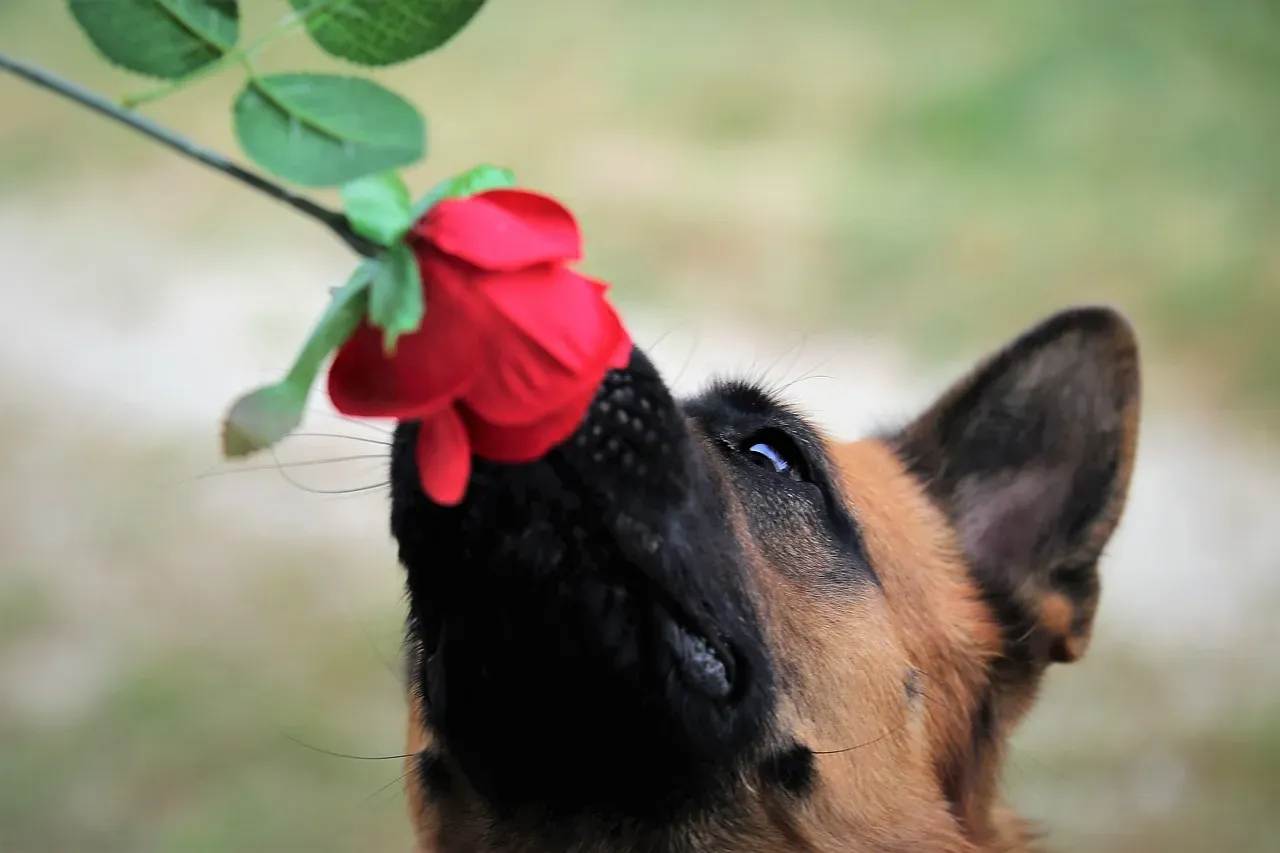
When a cat walks toward you on its own, the rules change.
Smell is how cats gather their most reliable information, so a sniff is a formal introduction. In the slow-blink research, cats that got a friendly blink were more likely to approach the human’s hand afterward.
The approach should be the cat’s idea. Hold out one finger or a loose hand at nose level and let the cat close the gap.
Pulling your hand back too fast, or reaching over the cat’s head, can reset the trust you’ve built.
If the cat sniffs and pulls away, that’s information, not failure. It may need more time. If it sniffs and leans in, you’ve just passed a major checkpoint.
Now, the next signal is something you can hear before you can see it…
#5 – It Greets You With a Special Sound
🔥 Would you like to save this?
We'll email this post to you, so you can come back to it later!
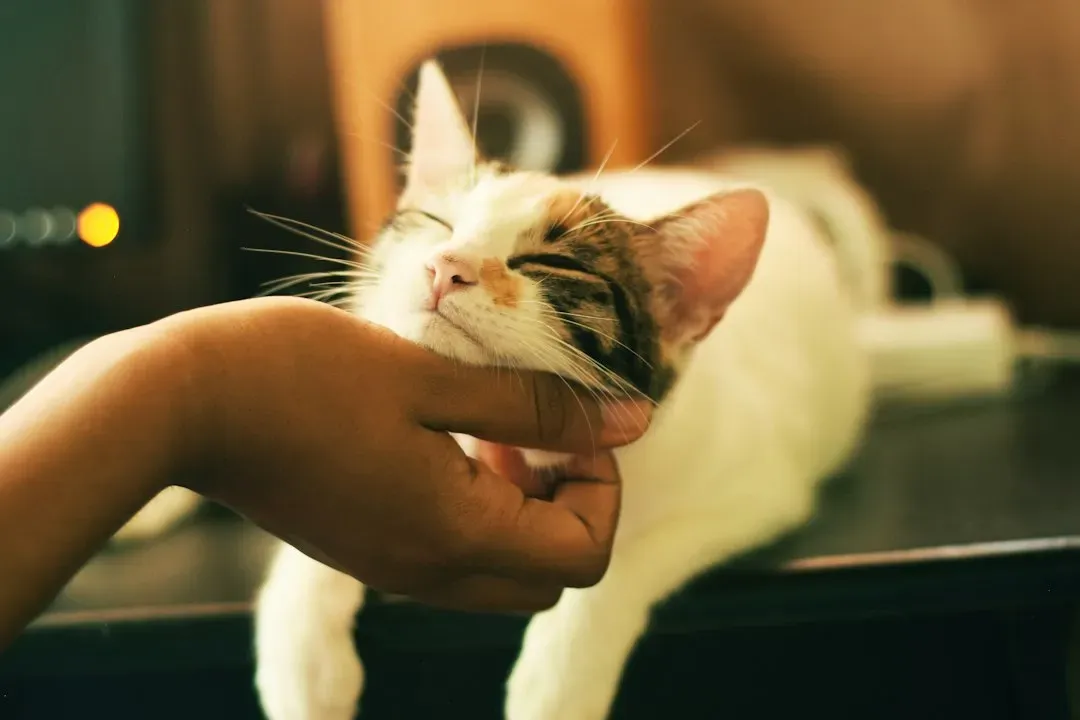
Cats rarely meow at each other. When they do talk to you, it’s deliberate.
A cat that chirps, trills or makes a soft greeting sound the moment you walk in is acknowledging you. Vocalizing can function as a greeting, a request, a form of protest or attention-seeking. Context tells you which one you’re hearing.
Short, rising trills and chirps usually come with a relaxed body and often a raised tail. Adult cats mostly keep their meowing for humans, not other cats. That makes a greeting aimed at you a form of social inclusion.
Be careful with loud, drawn-out, low-pitched yowls. Those usually signal stress, frustration or a demand. If the sound is soft and comes with a loose body, treat it as a hello.
Respond in kind. A quiet “hello” in a calm voice, without lunging or reaching, reinforces the exchange.
But a cat can say hello without a sound, and the next signal is the one behaviorists look for first…
#4 – The Tail Goes Straight Up
🔥 Would you like to save this?
We'll email this post to you, so you can come back to it later!
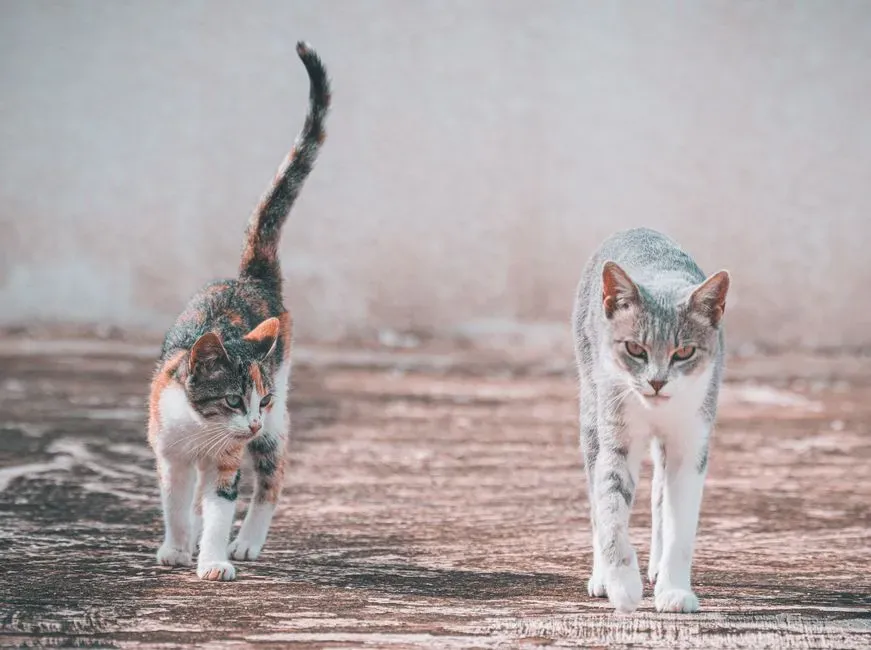
A vertical tail is the closest thing cats have to a wave.
A vertical, gently curved tail signals friendliness and trust, almost the opposite message of a swish. A tail held straight up as the cat walks toward you reads as a friendly hello.
When a cat shows this posture to a new person, a real trust threshold has been crossed. Kittens raise their tails to greet their mother, so adult cats are using a signal from their earliest social experiences.
Watch what the rest of the body is doing. Relaxed ears, a smooth gait and a slight quiver at the tip of the tail all point to genuine excitement. A tail that is up but puffed is a different matter altogether.
If the cat weaves around your legs with that tail still up, it’s moving from greeting to closeness.

Glass Hummingbird Feeder for Outdoors Hanging
Check Price on AmazonAs an Amazon Associate, we earn from qualifying purchases.
10/7/2026 1:21 pm GMTi

Earth Rated XL Dog & Puppy Pee Pads, Discreet Top, Max Absorbency
Check Price on AmazonAs an Amazon Associate, we earn from qualifying purchases.
10/7/2026 1:28 pm GMTi

Glass Hummingbird Feeder for Outdoors Hanging, 16 oz Leak-Proof Nectar Feeder with Bee Guards & Ant Moat
Check Price on AmazonAs an Amazon Associate, we earn from qualifying purchases.
10/7/2026 1:22 pm GMTi

Smart Bird Feeder with Camera Solar Powered, 2K HD Live Video, 10,000+ Bird Species AI Identification
Check Price on AmazonAs an Amazon Associate, we earn from qualifying purchases.
10/7/2026 1:22 pm GMTi

PetSafe Oasys Pet Fountain, 1/2 Gallon (64 oz), Small Dogs & Cats
Check Price on AmazonAs an Amazon Associate, we earn from qualifying purchases.
10/8/2026 8:14 am GMTi
Why It Stands Out
- It’s visible from across the room, so you can spot it before the cat reaches you
- It echoes how kittens greet their mother, which makes it an early-learned friendly signal
- It’s an approach signal, so the cat is usually already walking toward you
- A puffed or stiff tail is the one version to treat with caution
Which leads to the next signal, one that’s far more powerful than most people realize…
#3 – It Rubs and Head-Bunts Against You
🔥 Would you like to save this?
We'll email this post to you, so you can come back to it later!
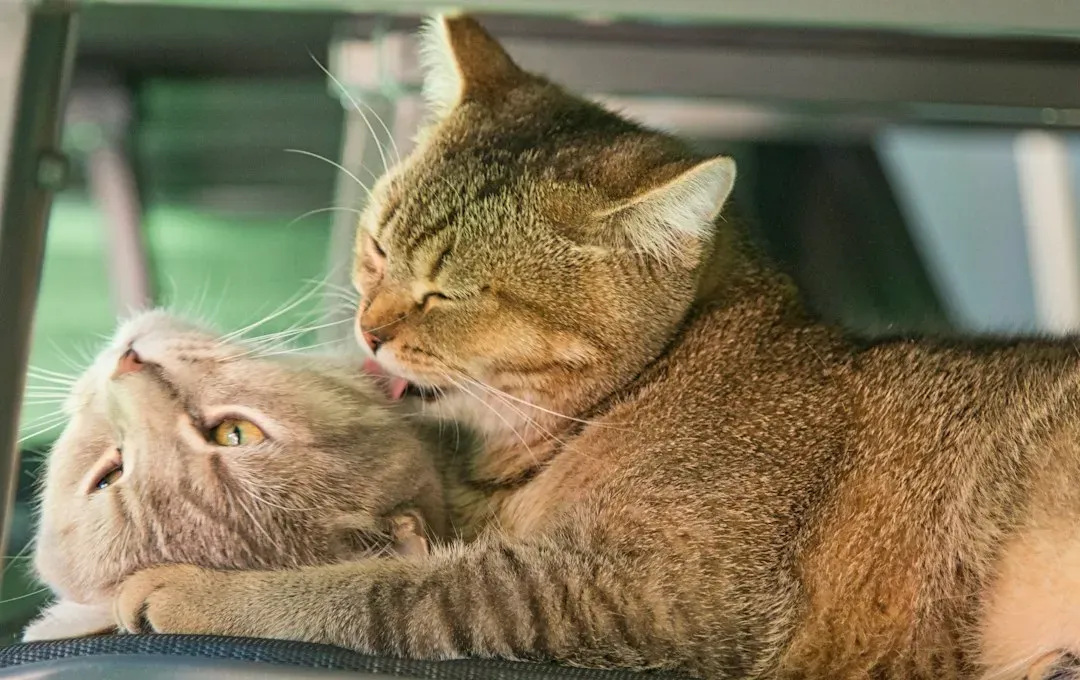
This isn’t affection alone. It’s an ownership claim.
By brushing its flanks and tail against a person, the cat is depositing shared scent onto a new member of its social group. Cats have scent glands around the cheeks and head, which is why bunting feels so deliberate.
Cats rub against your legs because your face is out of reach. That makes a leg rub a face-to-face greeting scaled to fit a human.
Scent marking is how cats build a shared “group smell,” so being rubbed means the cat is adding you to its inner circle.
Many people believe a cat that rubs against everything is simply clumsy. In truth, cats rub on things they’ve decided are safe and familiar. The same cat that ignores a stranger’s legs may spend minutes bunting yours.
Still, the next signal is the one that proves a cat feels safest of all…
#2 – It Naps Near You With Its Back Turned
🔥 Would you like to save this?
We'll email this post to you, so you can come back to it later!
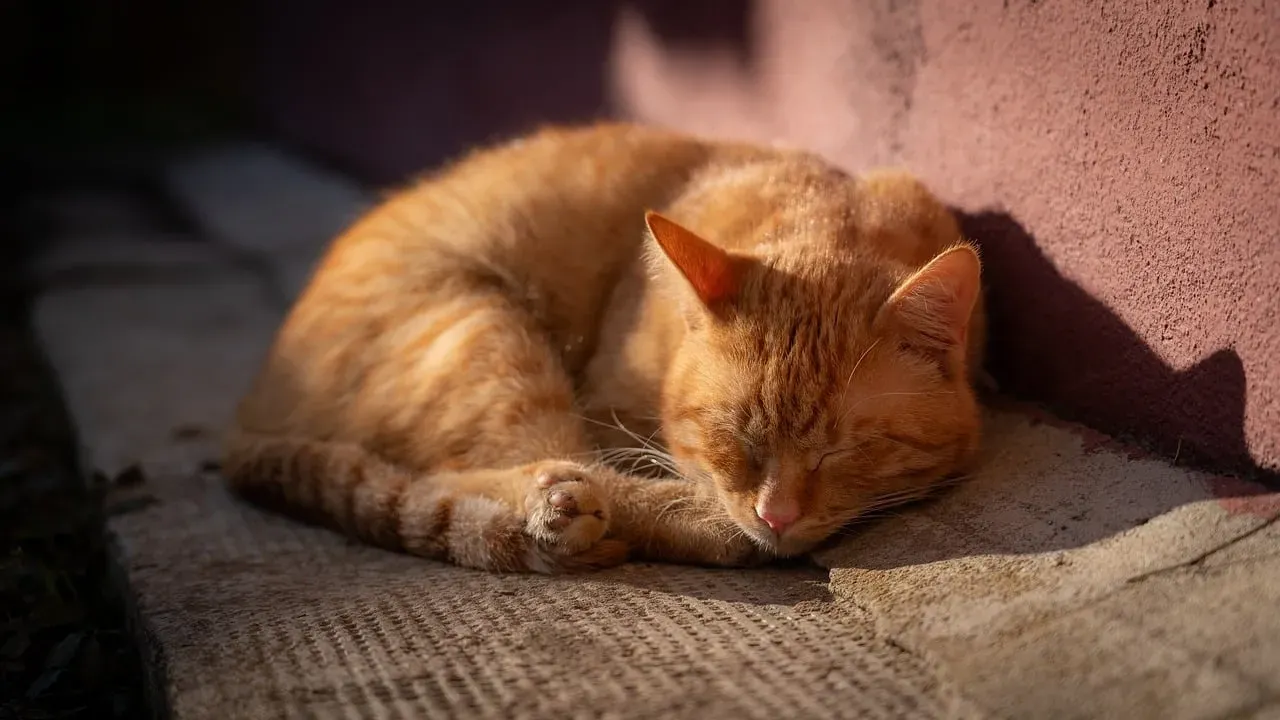
A sleeping cat is the most vulnerable cat there is.
When a cat naps in the same space as a new person, it’s trusting that person to be harmless while its defenses are down. It may slow-blink first, then drift off facing or backing toward you.
Turning its back is the key detail. A cat that shows you its back is a cat that’s no longer tracking you as a possible threat.
Look at the sleeping posture too. A loaf or curled position with eyes half closed is relaxed. A tense crouch with ears moving at every noise is still guarded rest.
Plenty of people assume a cat has to climb on them for the acceptance to count. In my view, that’s the wrong benchmark. Many cats never become lap cats, and a nap on the other end of the sofa can mean just as much.
But the final signal is the one every cat owner secretly hopes for…

Hand Blown Glass Hummingbird Feeders for Outdoors Hanging, 24oz Wild Bird Nectar Feeder
Check Price on AmazonAs an Amazon Associate, we earn from qualifying purchases.
10/7/2026 1:23 pm GMTi

Dog Stairs for Bed 18" H, 4-Step Dog Steps for High Bed
Check Price on AmazonAs an Amazon Associate, we earn from qualifying purchases.
10/9/2026 2:42 pm GMTi

Professional 7 in 1 Dog Paw Cleaner for Dogs & Cats - Includes 1 Portable Paw Washer, 1 Bath Brush
Check Price on AmazonAs an Amazon Associate, we earn from qualifying purchases.
10/7/2026 1:26 pm GMTi

Orthopedic Extra Large Dog Bed, Waterproof Washable XL Pet Bed 44"
Check Price on AmazonAs an Amazon Associate, we earn from qualifying purchases.
10/7/2026 1:32 pm GMTi
#1 – It Starts the Contact Itself
🔥 Would you like to save this?
We'll email this post to you, so you can come back to it later!
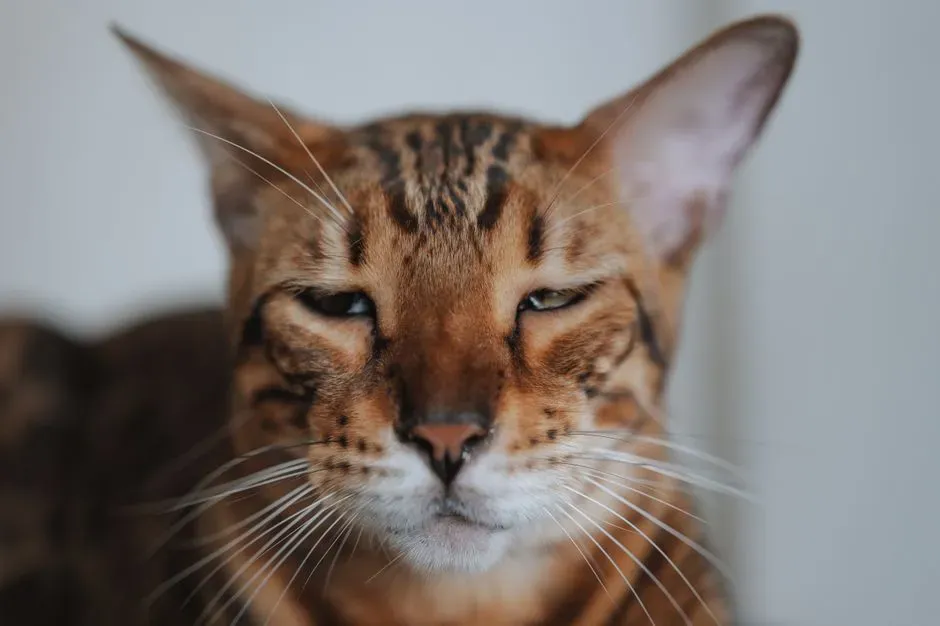
The deepest sign of acceptance is when the cat stops waiting for you to make the first move.
A cat that seeks out a new person without being called is saying something big. It might jump up beside you, nudge your hand for a scratch or settle against your leg. This is the cat treating you as part of its social group.
Initiating contact is the point where tolerance becomes preference.
Kneading is a bonus. Cats knead when they feel content and secure, a habit that starts in kittenhood. A cat that kneads on or near you has linked you with comfort.
A few cautions:
- Some cats show this only with one person at a time
- Contact on the cat’s terms matters, so let it end the interaction
- Behavior can shift with stress, illness or changes at home
If a cat suddenly stops showing these signs, check for a medical or environmental cause before assuming it has changed its mind about you.
Cat acceptance isn’t a switch. It’s a gradual build, from watching at a distance to soft eyes, a slow blink, a raised tail and finally contact the cat starts itself. The slow-blink research shows that how you behave shapes how quickly a cat comes around.
My view: the biggest mistake isn’t failing to win a cat over, it’s rushing it. Forced cuddles, staring and treat-bribery all trade long-term trust for short-term gratification. Be boring, be patient and let the cat make the call.
Which of these 13 signals did your cat show a new person first, and how long did the full process take?

- 13 Signals a Cat Gives Before It Accepts a Second Person - November 9, 2026
- 8 Evening Habits a Dog Depends On More Than Anybody Notices - November 9, 2026
- 8 Courtesies Veterinary Teams Value That Almost No Owner Ever Realises - November 9, 2026