
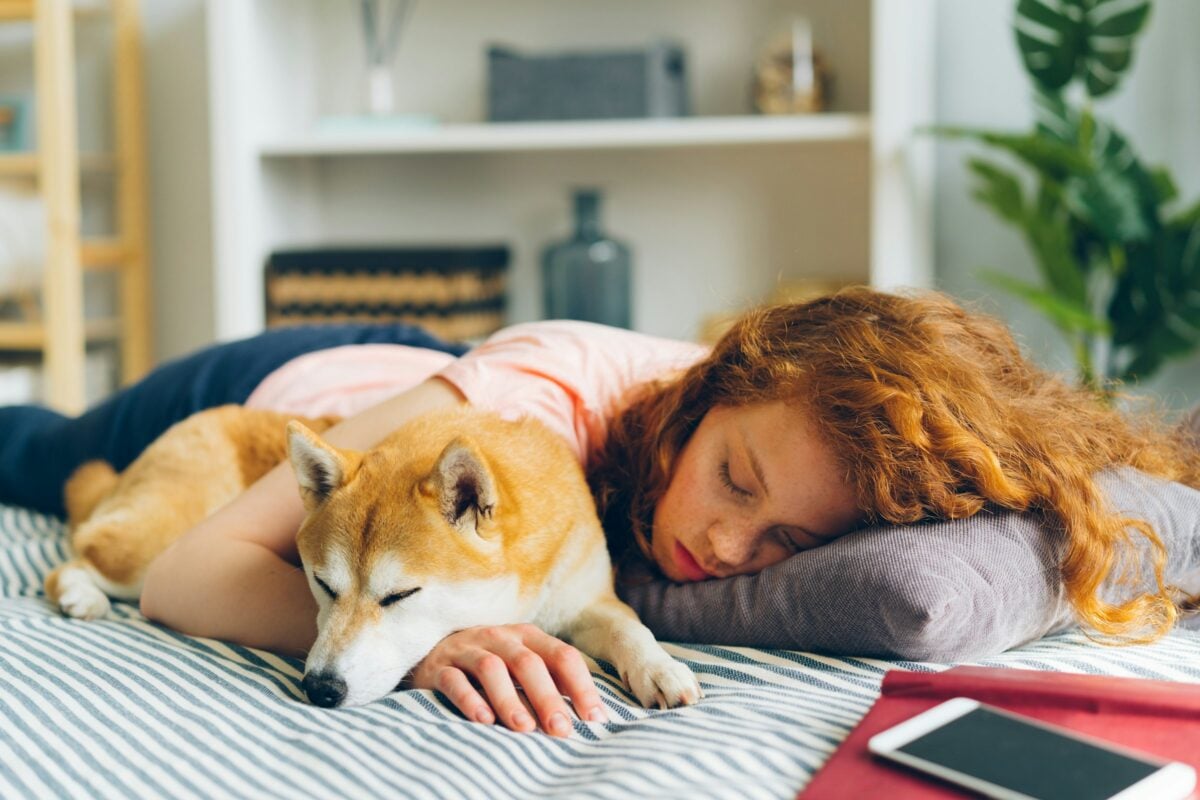
Most people picture a dog’s evening as the easy part of the day: dinner, a walk, a spot on the couch. Turns out, that stretch works more like a script your dog reads every night, and the lines are written by habits you probably never think about. Dogs have an internal biological clock that governs sleep, wakefulness and feeding on a 24-hour cycle. The habits stacked around dusk tell that clock when to eat, when to settle and when it’s finally safe to switch off.
Skip one and you may never connect it to the 2 a.m. pacing. A few of these habits are obvious. Others are things you do (or don’t do) without realizing your dog is paying attention, and the one waiting at #1 isn’t a task you can tick off at all. Here’s what the research and veterinary guidance actually say.
#8 – The Dinner Clock Your Dog Is Secretly Watching
🔥 Would you like to save this?
We'll email this post to you, so you can come back to it later!
Your dog almost certainly knows when dinner is due better than you do.
Dogs can’t read a wall clock. Behavior specialists say they experience time through routines, patterns and associative learning. So the rattle of a scoop, the afternoon light shifting across the floor and the sound of your keys can add up to a dog parked by the bowl before you’ve moved a muscle.
The science backs this up, with a twist. One study on age and feeding schedules concluded that feeding schedule affects a dog’s locomotor rhythm, meaning the pattern of when a dog is physically active. But another group of researchers found that daily patterns in temperature, blood pressure and heart rate held steady whether dogs were fed or fasted, pointing to internal rhythms rather than food alone.
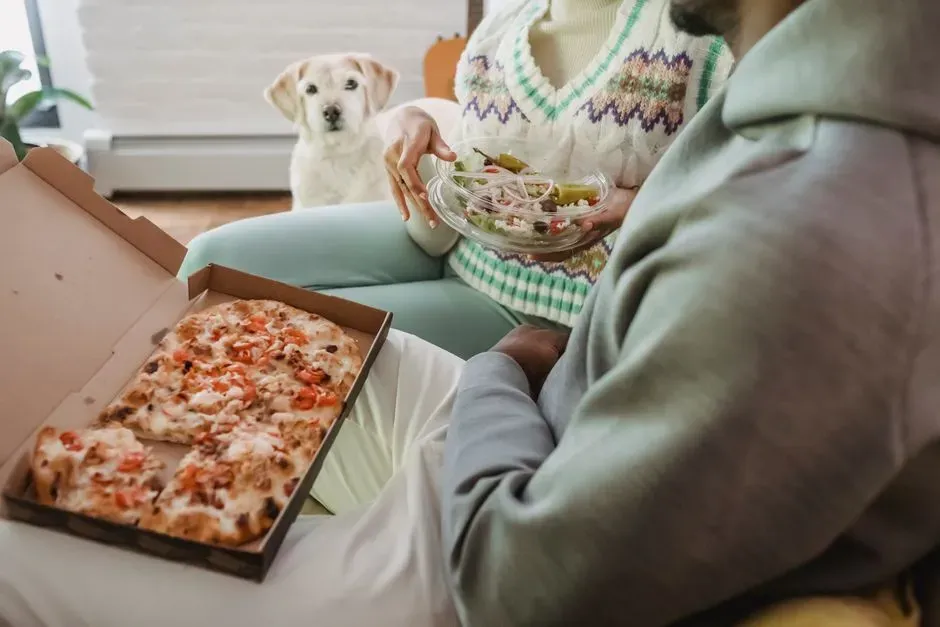
In plain terms, dinner doesn’t build the clock, but it helps decide when your dog is alert and when it’s winding down. Timing relative to bedtime matters too. Veterinary guidance advises feeding at least three hours before bed and avoiding meals after 7–8 p.m., which helps prevent full-bladder wake-ups in the middle of the night.
Here’s the quick version:
- Feed at roughly the same time each evening
- Leave a few hours between the last meal and lights-out
- Keep weekend dinners close to weekday dinners
Here’s an opinion plenty of owners won’t like. The “whenever I get home” dinner is the most overlooked mistake in everyday dog care. It feels harmless, but it hands your dog’s clock a different answer every night.
But dinner is only the start, and the next habit is the one owners get most wrong.
#7 – The “Tire Them Out” Walk That Can Backfire
🔥 Would you like to save this?
We'll email this post to you, so you can come back to it later!
More exercise isn’t the answer if it lands at the wrong hour.
Most owners believe a worn-out dog is a sleepy dog, and that’s partly true. One vet says a dog needs to burn off its energy through the day, which is why she recommends plenty of exercise and enrichment. The catch is when you do it.
Exercise needs vary a lot by breed, and a young working-breed dog and an elderly lap dog are not playing the same game.
Fast Facts
- Most healthy adult dogs need 30–60 minutes of exercise a day
- Experts suggest finishing intense exercise at least two to three hours before bedtime
- Late excitement makes it harder for a dog to wind down
- Breed, age and fitness change the numbers
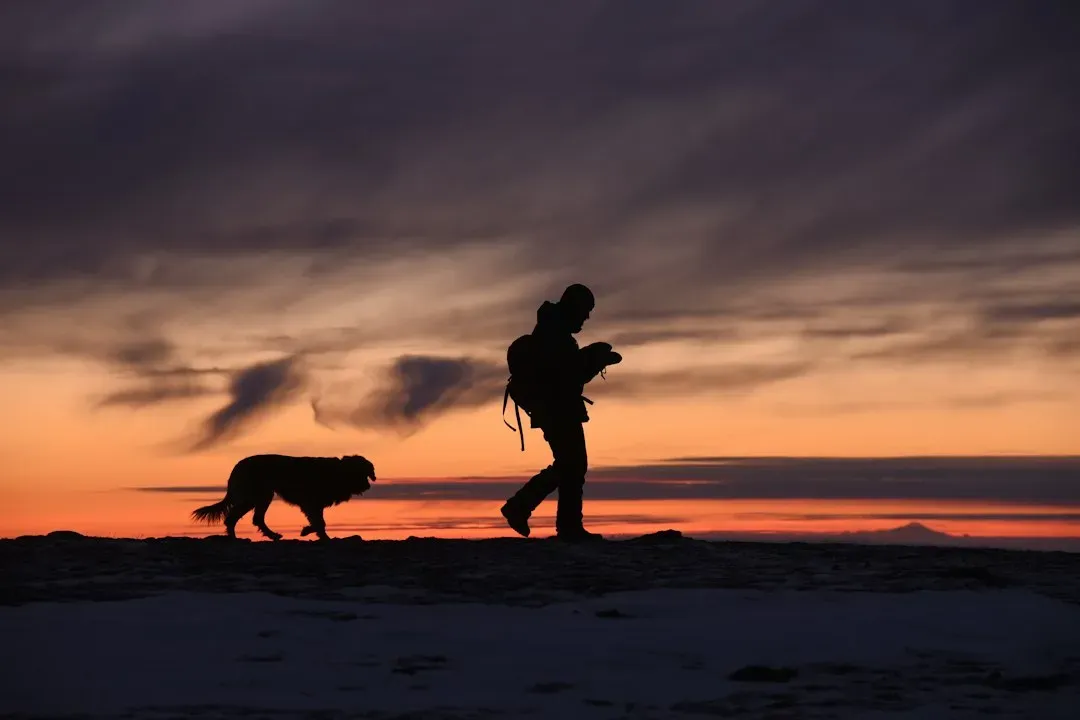
An exciting game at 10 p.m. can undo an entire day of good habits. High-energy play near bedtime can raise adrenaline and make settling harder. A good evening walk earlier on does the opposite. It helps a dog spend the energy that would otherwise surface right when you want quiet.
The opposite error exists too. If your dog still has energy at 7 p.m., forcing sleep early can backfire with restlessness. Bedtime should follow your dog’s real energy curve, not just a number on the clock.
Quick checklist:
- Do the big walk or play session earlier in the evening
- Keep the last hours low-key
- Match the amount to your dog’s breed, age and fitness
Here’s a take that might start an argument. The frantic late-night fetch session, meant as a sleep aid, is one of the most common ways owners accidentally wind their dogs up.
And what happens after the walk matters even more than the walk itself.
#6 – The Last Bathroom Break Everyone Rushes
🔥 Would you like to save this?
We'll email this post to you, so you can come back to it later!
A dog that can’t hold it won’t sleep deeply, and neither will you.
This habit looks trivial and is probably the most important one on the list. A dog that needs to go but can’t hold it will not sleep soundly. One badly timed bathroom trip can chop a whole night into pieces, and you’re the one who gets to hear about it at 3 a.m.
The timing guidance is consistent. Give your dog a chance to relieve themselves about 30–60 minutes before bedtime. A vet quoted by Rover says the last potty break should come shortly before bedtime, within a predictable routine. A rushed, tugging-on-the-leash trip is the version most people do. A calm one, where the dog actually has time to sniff and finish, is the version that works.
Water plays a role as well. Veterinary guidance suggests limiting water in the final hour. Another source puts it more gently: timing the last big drink a little earlier, while keeping water accessible, can help a dog who wakes needing to go.
The important part is what not to assume. If your dog suddenly starts waking up to drink or asking to go out more often, that’s not a training problem. One vet recommends scheduling a visit if your dog is getting up at night to drink or needs to go out more frequently.
Puppies are the exception. Most puppies sleep 8 to 10 hours at night, with potty breaks depending on age, so their last-call rules look different from an adult dog’s.
Once the bathroom break is done, the next habit is the one most people skip entirely.
#5 – The Wind-Down Hour Nobody Schedules
🔥 Would you like to save this?
We'll email this post to you, so you can come back to it later!
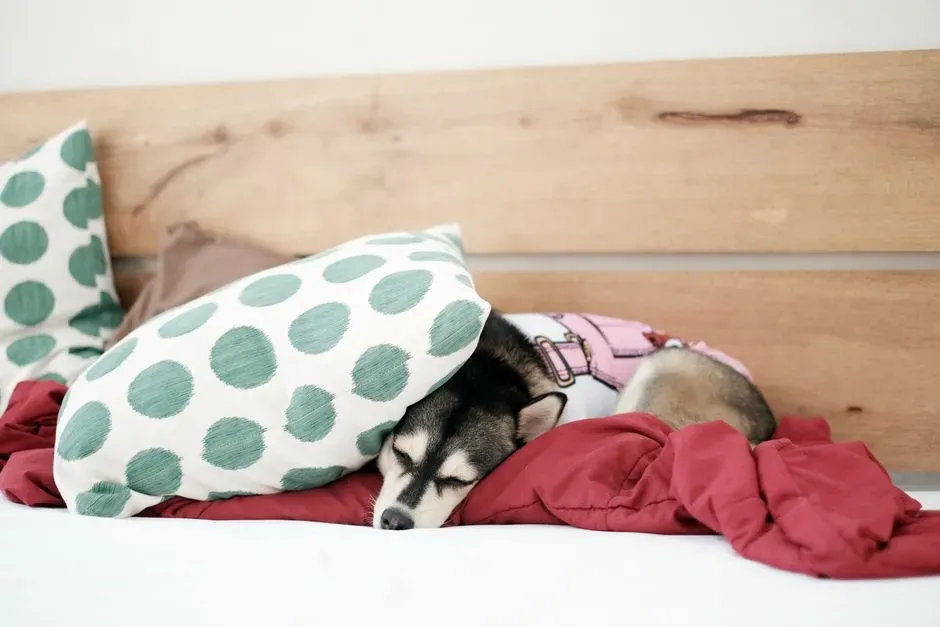
Dogs don’t switch off on command, they ease off on cues.
Humans flip from busy to bedtime with a few scrolls and a toothbrush. Dogs need a runway. One guide advises that the evening should quieten down for half an hour or so before you expect your dog to settle.
The easiest levers are light and sound. Lowering lights and household volume around bedtime can help a dog wind down. Light is one of the strongest cues for body clocks in mammals, and for puppies, quiet and dark act as the signal that it’s time for sleep.
Touch can help as well. One vet notes that gentle petting can have a calming effect, especially if the dog is anxious. If your dog enjoys it, a short massage can be part of the routine.
Here’s the habit most people never connect to bedtime. A veterinary expert says bedtime routines are a good reminder for home-care jobs such as toothbrushing, especially when tied to your own evening routine. One small chore can double as a sleep cue.
A simple wind-down could look like this:
- Dim the lights in the main room
- Turn down the TV and loud conversation
- Offer a few minutes of calm petting or a brush
Most families do the reverse. The house is loudest and brightest right when the dog is being asked to relax.
But the place where your dog actually lies down may matter even more than the routine.

Glass Hummingbird Feeder for Outdoors Hanging
Check Price on AmazonAs an Amazon Associate, we earn from qualifying purchases.
10/7/2026 1:21 pm GMTi

Glass Hummingbird Feeder for Outdoors Hanging, 16 oz Leak-Proof Nectar Feeder with Bee Guards & Ant Moat
Check Price on AmazonAs an Amazon Associate, we earn from qualifying purchases.
10/7/2026 1:22 pm GMTi

Hand Blown Glass Hummingbird Feeders for Outdoors Hanging, 24oz Wild Bird Nectar Feeder
Check Price on AmazonAs an Amazon Associate, we earn from qualifying purchases.
10/7/2026 1:23 pm GMTi

PetSafe Oasys Pet Fountain, 1/2 Gallon (64 oz), Small Dogs & Cats
Check Price on AmazonAs an Amazon Associate, we earn from qualifying purchases.
10/8/2026 8:14 am GMTi

Portable Dog Water Bottle Foldable Dog Travel Water Bottle
Check Price on AmazonAs an Amazon Associate, we earn from qualifying purchases.
10/7/2026 1:29 pm GMTi
#4 – The Sleep Spot That Is Reliably Theirs
🔥 Would you like to save this?
We'll email this post to you, so you can come back to it later!
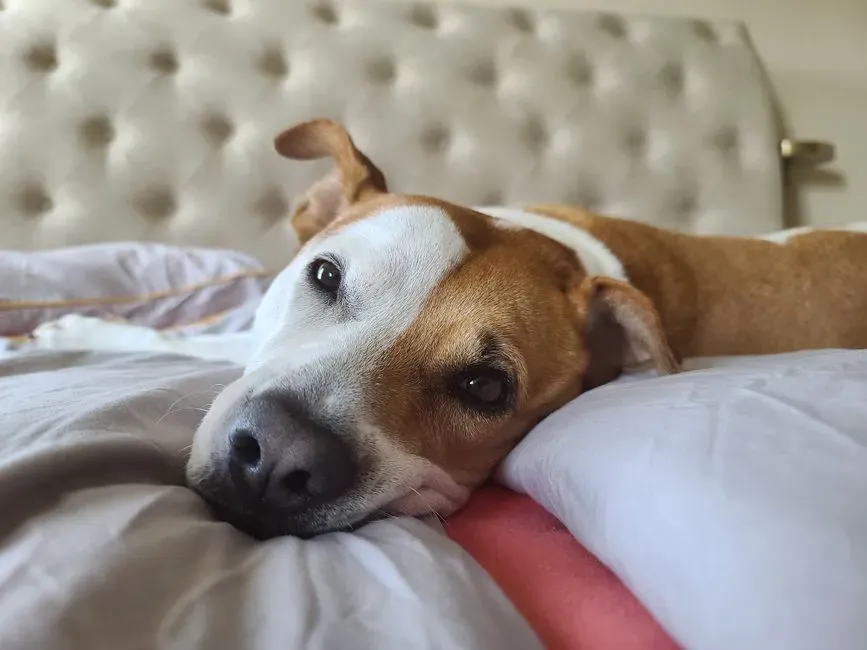
A dog’s bed isn’t furniture, it’s the finish line of the whole evening.
A vet interviewed by Newsweek makes a point many owners overlook. She says dogs sleep best when they have their own dedicated sleeping space. That can be a dog bed, a crate or a corner of the room.
Location matters as much as comfort. Provide a quiet, safe space where your dog can sleep without disturbance from foot traffic or noise. A bed in the middle of the hallway is a bed in the middle of the action.
Comfort isn’t a luxury, either. When adult dogs can’t settle, the causes often include aches and pains, too little daytime exercise, a change in routine or diet, environmental issues, or conditions like arthritis or urinary tract infections. A better bed won’t fix all of those. It can still remove one variable.
Dogs also need far more sleep than people. Because dogs spend less time in REM sleep than humans, they need sleep periods more often, which is why so much of a dog’s day looks like napping.
At a Glance
- Adult dogs typically need 12–14 hours of sleep a day
- Puppies usually sleep 18 to 20 hours a day
- Senior dogs need more frequent naps and longer overall rest
- Less REM sleep than humans means more, shorter sleep periods
What to check:
- Is the spot quiet, dim and away from foot traffic?
- Is the bedding supportive, especially for older dogs?
- Is it the same place every night?
My view: the thin, flat bed that comes free with a crate is false economy for older dogs. Rover’s vet-backed advice is to invest in a high-quality bed, such as an orthopaedic or memory foam one.
Now for a habit that has nothing to do with your dog’s routine and everything to do with yours.
#3 – Your Own Mood, Quietly Handed to Your Dog

🔥 Would you like to save this?
We'll email this post to you, so you can come back to it later!
Your stress might not stay your stress.
Most owners treat evenings as their own downtime, with the dog as background. The science suggests a closer link. In one study of 58 dog-human pairs, researchers analyzed hair cortisol concentrations at two points, reflecting summer and winter months.
The headline result: the study reported, for the first time, a synchronization of long-term stress levels between the two species. The authors also found that human personality traits had an extensive impact on dog hair cortisol.
It’s not just a long-term effect. Earlier work showed that short-term cortisol responses are related within dog-human pairs during dog sports.
A note of caution: this research shows a link, and it can’t tell us which direction the influence runs. A stressed dog can stress a household too. But the pattern is strong enough to take seriously. Cortisol is a well-known stress marker in dogs and reflects activity of the HPA axis, the body’s stress-response system.
What this means for your evening:
- Your tone, pace and tension are part of your dog’s environment
- A rushed, noisy dinner hour may hurt your dog’s wind-down
- Ten calm minutes may help you both
I’d argue this is the most underrated evening habit on the list, because it costs nothing and nobody teaches it.
And that raises the question of how close is too close at bedtime.

2 Pcs Halloween Pet Hat Bandana Set, Witch Pumpkin Costumes for Dogs
Check Price on AmazonAs an Amazon Associate, we earn from qualifying purchases.
10/9/2026 2:45 pm GMTi

Professional 7 in 1 Dog Paw Cleaner for Dogs & Cats - Includes 1 Portable Paw Washer, 1 Bath Brush
Check Price on AmazonAs an Amazon Associate, we earn from qualifying purchases.
10/7/2026 1:26 pm GMTi

Halloween Cat Costume Cloak Witch Hat Pet Accessories
Check Price on AmazonAs an Amazon Associate, we earn from qualifying purchases.
10/9/2026 2:44 pm GMTi

Orthopedic Extra Large Dog Bed, Waterproof Washable XL Pet Bed 44"
Check Price on AmazonAs an Amazon Associate, we earn from qualifying purchases.
10/7/2026 1:32 pm GMTi

Halloween Dog Collar with Bow, Orange Cute Ghost Collar,
Check Price on AmazonAs an Amazon Associate, we earn from qualifying purchases.
10/9/2026 2:43 pm GMTi
#2 – Sleeping Side by Side (And What It Costs You)
🔥 Would you like to save this?
We'll email this post to you, so you can come back to it later!
The bed-sharing debate has a real trade-off on both sides.
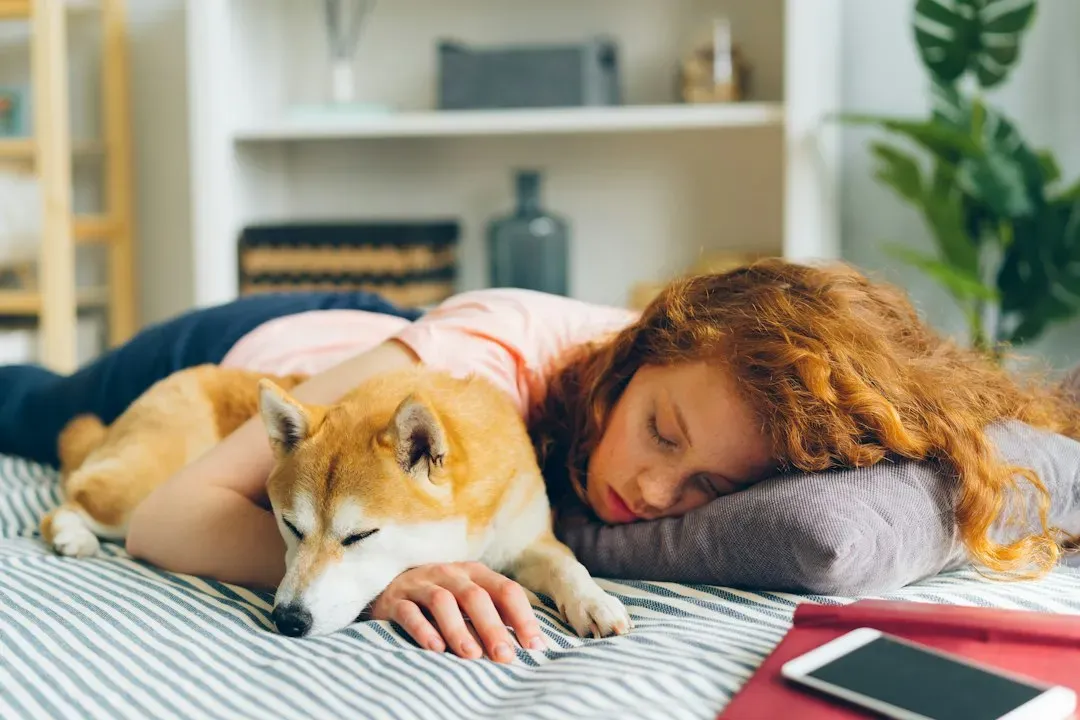
Few topics split dog owners faster. Researchers are weighing in, though. A summary of recent findings cites a 2025 Animals study reporting that dogs sleep faster and deeper beside their owners, and a 2024 Scientific Reports paper linking co-sleeping with dogs to worse human sleep.
So the same habit can help your dog and cost you. That’s the part most “just let them up on the bed” advice leaves out.
Quick Compare
- For your dog: faster, deeper sleep beside you (2025 Animals study)
- For you: co-sleeping linked to worse human sleep (2024 Scientific Reports)
- The middle ground: a bed on the floor beside yours
The same summary lists what supports a dog’s rest and circadian rhythm: a calm bedtime routine, a consistent feeding schedule and darkness. None of these require a shared mattress.
If proximity matters to your dog, there are middle options:
- A bed on the floor beside yours
- A crate in the bedroom for puppies
- A set cuddle time before your dog moves to their own spot
Puppies have their own rules. Expect whining, barking or howling while they learn the routine, because, like human babies, some aren’t ready to sleep through the night yet.
But the habit at the top of this list isn’t about where your dog sleeps at all.

Air Purifiers for Home Pets Large Room Up to 3000 Ft²,HEPA Air Cleaner with Washable Double-Side Filter, PM2.5 Air Quality Monitor,15dB Sleep Mode for Bedroom Odor Dust Pollen,White
Check Price on AmazonAs an Amazon Associate, we earn from qualifying purchases.
10/8/2026 8:23 am GMTi

Dog Stairs for Bed 18" H, 4-Step Dog Steps for High Bed
Check Price on AmazonAs an Amazon Associate, we earn from qualifying purchases.
10/9/2026 2:42 pm GMTi

Smart Bird Feeder with Camera Solar Powered, 2K HD Live Video, 10,000+ Bird Species AI Identification
Check Price on AmazonAs an Amazon Associate, we earn from qualifying purchases.
10/7/2026 1:22 pm GMTi

Earth Rated XL Dog & Puppy Pee Pads, Discreet Top, Max Absorbency
Check Price on AmazonAs an Amazon Associate, we earn from qualifying purchases.
10/7/2026 1:28 pm GMTi
#1 – The Predictable Order of It All
🔥 Would you like to save this?
We'll email this post to you, so you can come back to it later!
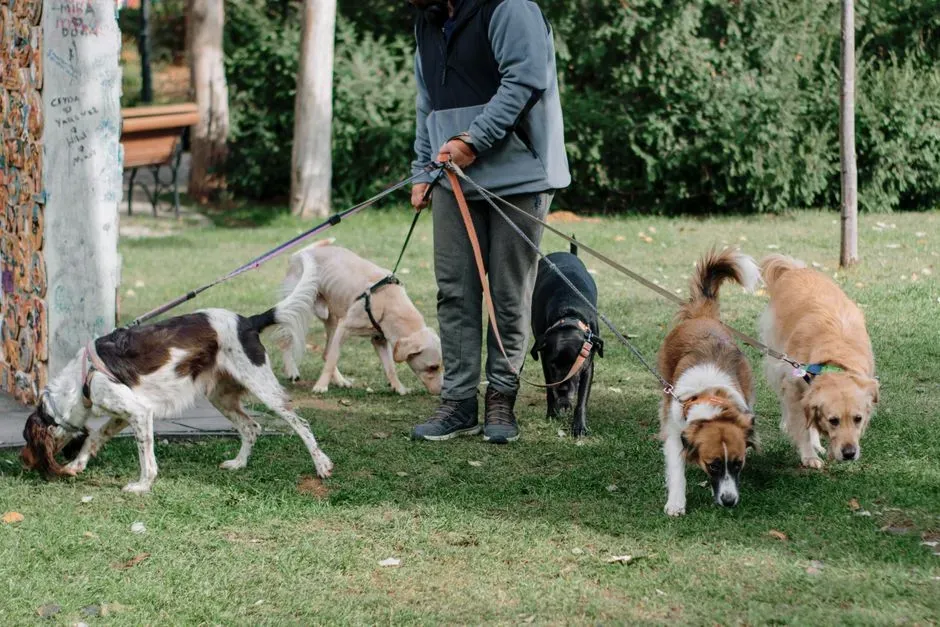
What your dog depends on most isn’t any single habit, it’s knowing what comes next.
Everything above works for one reason. A well-known review by Sapolsky (2005) summarized that identical stressors produce very different cortisol responses depending on predictability, a finding replicated in several species, including dogs. Predictability isn’t a bonus. The stated consensus is that it’s a key aspect of ownership, not a minor detail.
Animals with consistent routines show fewer cortisol spikes. A review on predictability and welfare found they show fewer stereotypical behaviors and more exploratory activity. One dog study even linked higher cortisol in dogs diagnosed as aggressive to an inconsistent and unpredictable living environment.
There’s honesty to add. The same source admits open questions remain, including the best balance between routine and variation. You don’t need a military schedule. You need a recognizable pattern.
Age changes the picture. Puppies usually sleep 18 to 20 hours a day, and senior dogs need more frequent naps and longer overall rest.
Most important is what a routine lets you notice. Treat restlessness as a medical question when it’s sudden or new, especially if it comes with changes like:
- More drinking
- More toileting
- Pacing
- Signs of pain
A vet adds that an aging dog pacing restlessly at night should be checked. A steady routine makes those changes impossible to miss.
The big surprise is how small these habits are. Dinner on time, a walk that ends early enough, a bathroom break, dimmer lights, a bed that stays put. Individually they’re ordinary. Together they give your dog the thing science keeps pointing to: predictability, which lowers stress.
My opinion: owners spend more on gadgets than on consistency, and consistency wins. Your own calm matters too, and a sudden change in your dog’s night is a reason to call the vet, not to blame yourself. Your dog doesn’t need a perfect evening. It needs the same one, again tomorrow.
Which of these evening habits has your dog never let you skip?

- 8 Evening Habits a Dog Depends On More Than Anybody Notices - November 9, 2026
- 8 Courtesies Veterinary Teams Value That Almost No Owner Ever Realises - November 9, 2026
- 8 Things a Dog Reserves Entirely for Its Chosen Adult - November 9, 2026