

Most pet owners think being a “good client” means paying the bill and loving the animal. That’s the easy part. Behind the front desk, veterinary teams keep a quieter scorecard built from small courtesies that make appointments safer, faster and kinder for everyone, your pet included. None of them cost a cent, and almost none are ever said out loud.
Here’s the twist: the habits that matter most are rarely the ones owners worry about. Some happen before you leave the house. One happens weeks after the visit is over. And at least one will probably make you wince, because you’ve likely skipped it this month. We’ll count down from #8, starting with the habit that quietly wrecks a whole afternoon.
#8 – Showing Up on Time (Or Calling When You Can’t)

🔥 Would you like to save this?
We'll email this post to you, so you can come back to it later!
A 10-minute delay can ripple through a clinic’s entire afternoon.
Most people don’t realize how tightly a vet’s day is built. Appointments are slotted in blocks, often 15 to 30 minutes for a routine visit. Each block already has to hold the exam, the conversation, the medical notes and the cleanup before the next patient comes in.
When one client arrives late, the clinic faces two bad options. It can squeeze you in and run behind for every person after you, which means more waiting-room stress for animals who are already nervous. Or it can shorten your visit and risk rushing past something that needed a closer look.
An empty slot from a no-show is a slot a sick animal could have used. Many clinics carry waitlists for urgent cases, such as a dog with an ear infection that’s driving him mad or a cat who has stopped eating. A quick call to cancel gives the team time to fill that space instead of watching it go to waste.
Running late is human. Silence is the real mistake. A two-minute call lets the front desk decide whether to shuffle the schedule or rebook you cleanly, and most staff would much rather hear “I’m stuck in traffic” than wonder whether you’re coming.
Here is what helps most:
- Call as soon as you know you’ll be late, not when you pull into the parking lot.
- Cancel as early as possible if plans change.
- Arrive a few minutes early only if there are forms to fill in. If your pet is anxious, ask whether you can wait in the car until a room is ready.
But the next courtesy decides whether your pet’s visit starts calm or chaotic…
#7 – Securing Your Pet Before You Walk Through the Door

🔥 Would you like to save this?
We'll email this post to you, so you can come back to it later!
The waiting room is the most unpredictable room in the building.
Dogs, cats, rabbits and the occasional parrot all share one small space. Every one of them is smelling fear, medicine and strangers. Even the gentlest animal can react badly when it’s stressed, and a pet who is sick or in pain is less patient than usual.
Cats belong in carriers, full stop. A cat in your arms or on your lap can bolt in a heartbeat, and a loose, panicking cat in a clinic is a genuine hazard to everyone. Many cat-friendly clinics recommend leaving the carrier out at home all year, so it feels like furniture instead of a trap. A familiar blanket inside helps, and a carrier with a removable or opening top lets the vet examine your cat without dragging her out.
Dogs need a short, controlled leash. Retractable leashes are a common complaint among vet staff because they tangle, and they let a dog rush another animal before you can react. A six-foot leash gives you far more control in a cramped lobby.
Quick Compare
- Retractable leash: wide reach, slow to lock, easy to tangle around chair legs and other pets.
- Fixed six-foot leash: predictable length, so you can reel your dog in fast.
- Top-opening carrier: the vet can examine a nervous cat right where she feels safest.
- Front-door-only carrier: often means a tug-of-war to get her out.
Here’s a mildly controversial opinion from many veterinary teams: “He’s friendly!” may be the riskiest sentence in any waiting room. A friendly dog can still be deeply unwelcome to a frightened, sick or elderly animal. Ask before you let dogs greet, and don’t be offended if the answer is no.
Clinics that follow low-stress handling programs, such as Fear Free, say calmer arrivals make exams easier and safer. That benefits your pet most of all, because an animal who isn’t terrified is easier to examine accurately.
- Cats: sturdy carrier, ideally with a removable top.
- Dogs: short leash, and keep your distance from other animals.
- Small pets: a secure, ventilated carrier, never loose in a bag or a coat pocket.
But there’s something you tell the vet that matters even more than how you arrive…
#6 – Telling the Whole Truth About What Happened
🔥 Would you like to save this?
We'll email this post to you, so you can come back to it later!
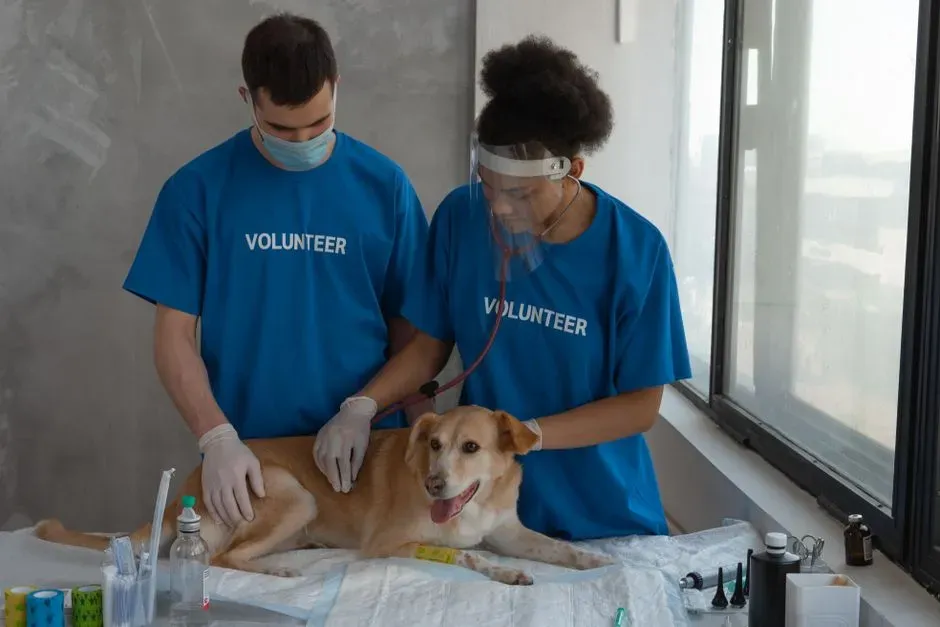
Vets can’t solve a puzzle when half the pieces are hidden.
Owners often leave things out. They skip the grape that fell on the floor or the missed medication doses. They don’t mention the supplement a friend recommended, the table scraps, or the edible a dog snatched from a bag. The reason is almost always embarrassment.
Veterinary teams say the truth works in your favor. Their job is to treat the animal, not to judge you, and they’ve heard stranger stories than yours. Some toxins, such as xylitol, can become dangerous quickly, so an honest “he ate it about an hour ago” can change the entire plan. Xylitol, a sweetener found in sugar-free gum and some other products, is well known for being toxic to dogs.
Honesty matters for routine care too. If you’ve stopped a medication because of side effects or cost, say so. Otherwise, the vet may read a poor response as treatment failure and escalate to a stronger or pricier drug your pet never needed.
The same goes for the slow-burn stuff. A cat drinking more water than usual, a dog who is suddenly slower on stairs, or a pet who has quietly stopped finishing meals can all be clues. Small details feel too boring to mention, but they’re often the ones that point somewhere.
Information vets always want:
- Everything your pet eats, including treats, chews and raw diets.
- All medications and supplements, with doses.
- Any recent changes in appetite, thirst, energy or bathroom habits.
And the next honesty issue is the one almost everyone avoids…
#5 – Being Upfront About Your Budget

🔥 Would you like to save this?
We'll email this post to you, so you can come back to it later!
The most helpful sentence a vet can hear is also the one owners dread saying.
Money is the quiet tension in many exam rooms. Owners nod along to an estimate, then decline treatment later or simply disappear. The team never learns the real reason, so they can’t offer anything different.
Many veterinarians now talk about “spectrum of care.” That means there’s often more than one reasonable path, from gold-standard workups to practical, lower-cost plans that still help the animal. Vets generally can’t offer the middle options if they don’t know you need them.
Try phrasing it plainly: “Here’s my budget. What are the options?” That’s not rude, and it’s not an admission of failure. It’s information the team can use to build a plan you can actually follow.
Here’s the opinion that splits the profession. Some vets believe “do whatever it takes” is the most unfair thing an owner can say. They argue it sets up an unspoken promise, and then an awkward checkout when the bill arrives. Others say they’d rather hear it than watch a pet go untreated.
Either way, a clear conversation up front beats a surprise at the register. It also helps to know how your insurance works. Many pet insurance policies reimburse you after you’ve paid, so it’s worth asking what you’ll owe on the day.
Also ask about:
- Written estimates before treatment starts.
- Payment plans or third-party financing, if the clinic accepts them.
- Which steps are urgent and which can safely wait.
But there’s a group in the building whose treatment of you can shape everything else…

Glass Hummingbird Feeder for Outdoors Hanging
Check Price on AmazonAs an Amazon Associate, we earn from qualifying purchases.
10/7/2026 1:21 pm GMTi

Earth Rated XL Dog & Puppy Pee Pads, Discreet Top, Max Absorbency
Check Price on AmazonAs an Amazon Associate, we earn from qualifying purchases.
10/7/2026 1:28 pm GMTi

Orthopedic Extra Large Dog Bed, Waterproof Washable XL Pet Bed 44"
Check Price on AmazonAs an Amazon Associate, we earn from qualifying purchases.
10/7/2026 1:32 pm GMTi

Glass Hummingbird Feeder for Outdoors Hanging, 16 oz Leak-Proof Nectar Feeder with Bee Guards & Ant Moat
Check Price on AmazonAs an Amazon Associate, we earn from qualifying purchases.
10/7/2026 1:22 pm GMTi

Dog Stairs for Bed 18" H, 4-Step Dog Steps for High Bed
Check Price on AmazonAs an Amazon Associate, we earn from qualifying purchases.
10/9/2026 2:42 pm GMTi
#4 – Treating the Whole Team Like Humans
🔥 Would you like to save this?
We'll email this post to you, so you can come back to it later!
The person at the front desk isn’t the one who set the price.
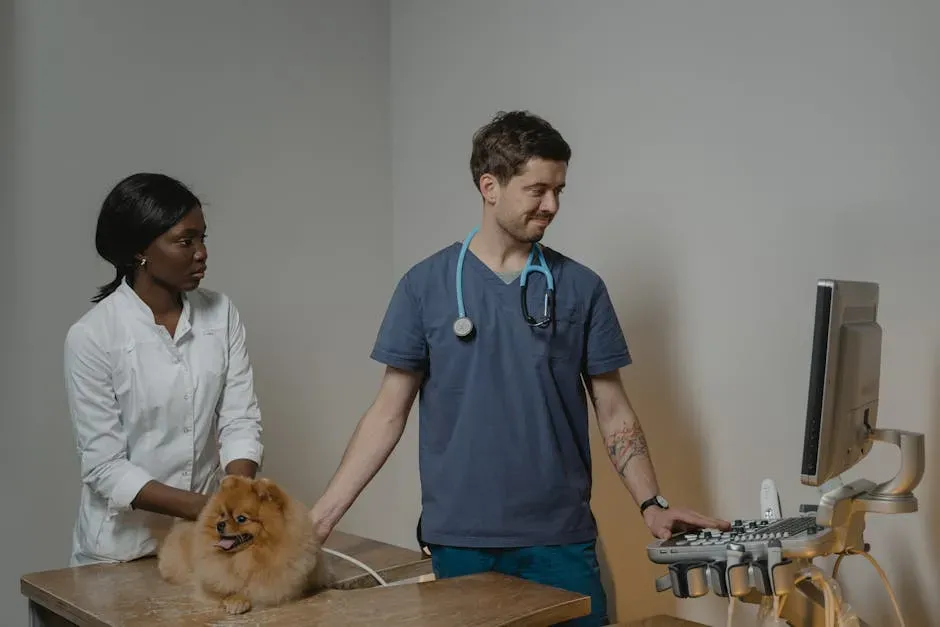
Receptionists, technicians and assistants absorb a lot of emotion. They hear panic, grief and anger, often about things they didn’t decide. They can’t waive fees on their own, and they can’t change the rules about prescriptions.
Worth Knowing
- Front desk: schedules visits, handles billing questions and keeps the phones from melting down.
- Veterinary technicians: draw blood, place catheters, monitor anesthesia and care for patients in the back.
- Veterinary assistants: help with handling, comfort and keeping the hospital running.
- Veterinarians: diagnose, prescribe and perform surgery, so medical questions ultimately go to them.
Veterinary work carries a heavy emotional load. Studies from several countries have reported higher suicide rates among veterinarians than in the general population. Researchers point to factors such as compassion fatigue, long hours, financial stress and difficult client interactions.
That doesn’t mean you can’t disagree or ask questions. It means how you say it matters. A calm “Can you help me understand this charge?” gets further than a raised voice, and it keeps the team on your side. People work harder for someone who treats them like a person.
Technicians deserve special mention. They often do much of the hands-on care: drawing blood, placing catheters, monitoring anesthesia, comforting your frightened pet in the back. Yet many owners never learn their names, and that’s a small thing that is easy to fix.
Small acts of respect add up:
- Learn the technician’s name. They often handle your pet’s care directly.
- Be patient when phones are ringing and the team is stretched thin.
- If you’re upset, say so politely and ask who can help.
Be careful with online reviews too. A fair review is useful. A review written in anger about something staff couldn’t control can hurt a small business and the people who work there.
And when things get truly urgent, one phone call can change the outcome…
#3 – Calling Ahead for Emergencies
🔥 Would you like to save this?
We'll email this post to you, so you can come back to it later!
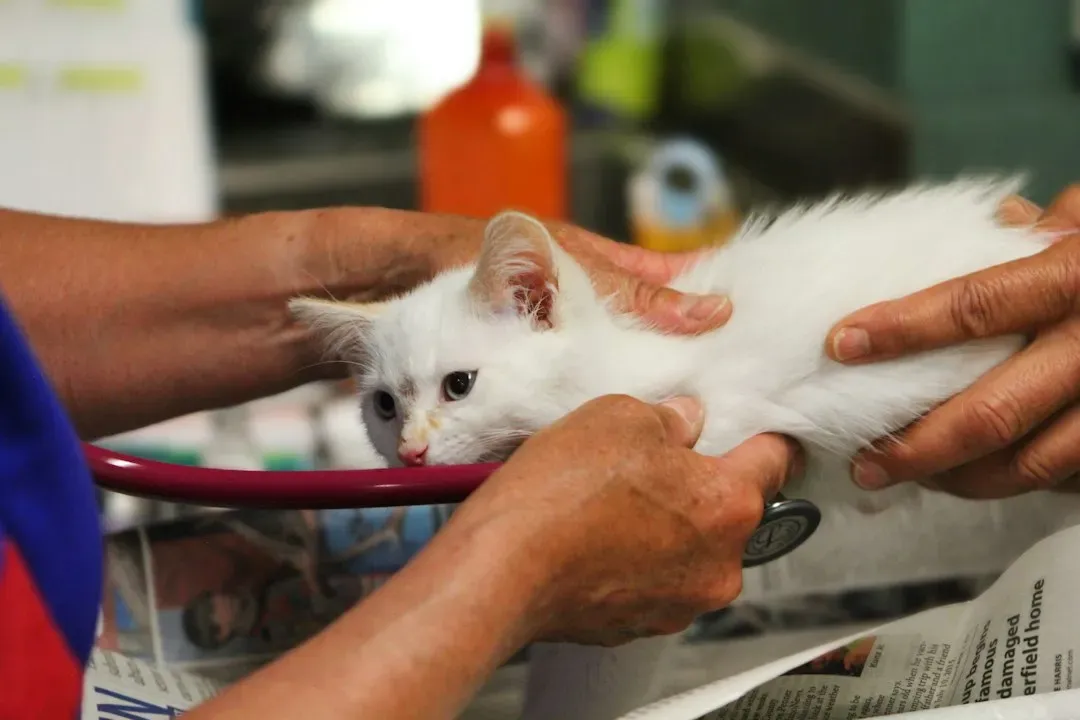
Walking in unannounced with a collapsing pet costs minutes you may not have.
Most people don’t realize a call can start treatment before you arrive. The team can clear a room, prepare equipment and assign staff. It also lets them tell you right away whether they can see the case that night.
Not every clinic handles emergencies around the clock. Some close early or send urgent cases to a dedicated hospital. Calling first can save you from driving to the wrong building. It can also get you advice for the ride, such as how to move an injured animal safely.
For suspected poisoning, ask the clinic whether to bring packaging or a sample. Poison helplines, such as the ASPCA Animal Poison Control Center and Pet Poison Helpline, exist, though they often charge a consultation fee. Having the product name, the amount and the time your pet ate it ready will make that call far more useful.
Fast Facts
- ASPCA Animal Poison Control Center: (888) 426-4435.
- Pet Poison Helpline: (855) 764-7661.
- Both operate 24 hours a day, every day of the year.
- Fees have recently run roughly $85 to $95 per case, so confirm when you call.
- Have ready: the product, the amount, the time and your pet’s weight.
Never give human medication or try to induce vomiting without professional advice. Some well-meant home remedies are dangerous, and the right step depends on what was swallowed and when.
Courtesy also means respecting after-hours boundaries. Using the emergency line for a true emergency keeps it open for the pets who need it, and a calm, clear description (“He’s breathing fast and his gums look pale”) helps the team triage faster than a panicked flood of details.
But there’s a habit many owners think is helpful that can quietly backfire…

PetSafe Oasys Pet Fountain, 1/2 Gallon (64 oz), Small Dogs & Cats
Check Price on AmazonAs an Amazon Associate, we earn from qualifying purchases.
10/8/2026 8:14 am GMTi

Air Purifiers for Home Pets Large Room Up to 3000 Ft²,HEPA Air Cleaner with Washable Double-Side Filter, PM2.5 Air Quality Monitor,15dB Sleep Mode for Bedroom Odor Dust Pollen,White
Check Price on AmazonAs an Amazon Associate, we earn from qualifying purchases.
10/8/2026 8:23 am GMTi

Halloween Dog Collar with Bow, Orange Cute Ghost Collar,
Check Price on AmazonAs an Amazon Associate, we earn from qualifying purchases.
10/9/2026 2:43 pm GMTi

Halloween Cat Costume Cloak Witch Hat Pet Accessories
Check Price on AmazonAs an Amazon Associate, we earn from qualifying purchases.
10/9/2026 2:44 pm GMTi

2 Pcs Halloween Pet Hat Bandana Set, Witch Pumpkin Costumes for Dogs
Check Price on AmazonAs an Amazon Associate, we earn from qualifying purchases.
10/9/2026 2:45 pm GMTi
#2 – Bringing Your Research as a Question, Not a Verdict
🔥 Would you like to save this?
We'll email this post to you, so you can come back to it later!
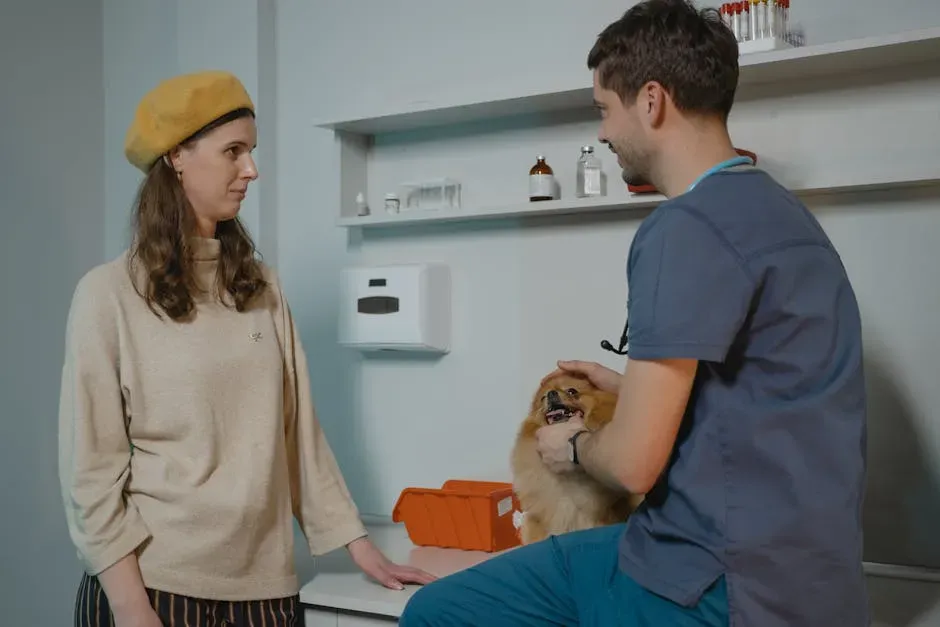
“Dr. Google” isn’t the villain. Arriving with a final answer is.
Vets are split on owner research. Some say informed clients are easier to work with. Others describe long appointments spent undoing a diagnosis someone found online at 2 a.m.
The same symptom can point to several very different conditions. Vomiting, for example, can be anything from a mild stomach upset to a serious obstruction. An online list can’t weigh your pet’s age, exam findings and history the way a trained clinician can.
The most useful approach is to share what you read as a question. Try, “I read this could be linked to X. Does that fit?” That invites a conversation instead of a debate, and it lets the vet explain their reasoning rather than defend it.
Quick Compare
- The verdict: “It’s definitely X, so I want this test.” The vet ends up defending, not exploring.
- The question: “I read this could be X. Does that fit?” The vet can say yes, no or not quite, and explain why.
Also remember that social media advice on diets, supplements and treatments varies widely in quality. Ask your vet to explain why they agree or disagree. A good clinician will be glad to.
The most valuable research you can do is practical, so bring:
- Phone videos of the limp, cough or seizure, since many problems vanish in the exam room.
- Photos of the food, medication or supplement labels.
- A short written list of questions, ranked by importance.
Animals are experts at behaving perfectly the moment they step into a clinic. A 20-second video of that odd coughing fit can tell a vet more than ten minutes of describing it.
Which brings us to the courtesy that veterinary teams quietly cherish most…

Professional 7 in 1 Dog Paw Cleaner for Dogs & Cats - Includes 1 Portable Paw Washer, 1 Bath Brush
Check Price on AmazonAs an Amazon Associate, we earn from qualifying purchases.
10/7/2026 1:26 pm GMTi

Smart Bird Feeder with Camera Solar Powered, 2K HD Live Video, 10,000+ Bird Species AI Identification
Check Price on AmazonAs an Amazon Associate, we earn from qualifying purchases.
10/7/2026 1:22 pm GMTi

Portable Dog Water Bottle Foldable Dog Travel Water Bottle
Check Price on AmazonAs an Amazon Associate, we earn from qualifying purchases.
10/7/2026 1:29 pm GMTi

Hand Blown Glass Hummingbird Feeders for Outdoors Hanging, 24oz Wild Bird Nectar Feeder
Check Price on AmazonAs an Amazon Associate, we earn from qualifying purchases.
10/7/2026 1:23 pm GMTi
#1 – Telling Them How Your Pet Is Doing Afterward
🔥 Would you like to save this?
We'll email this post to you, so you can come back to it later!
Veterinary teams often care for a pet intensely, then never hear what happened.
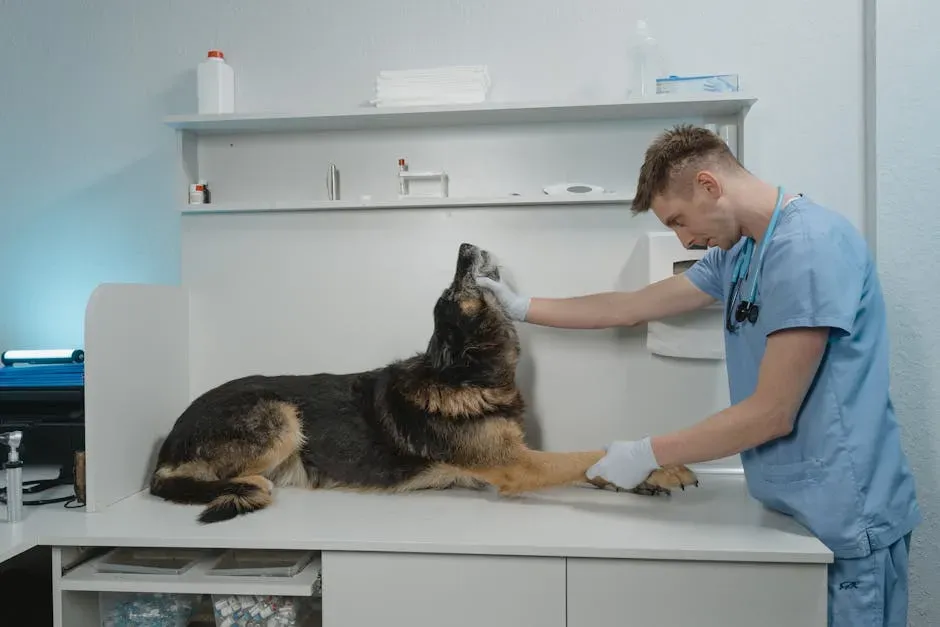
Think about the typical cycle. A pet is treated, discharged and sent home. If recovery goes well, the clinic may never know unless someone says so, and the team moves on to the next emergency with no ending to the story.
Many veterinary professionals say a simple update is one of the most meaningful things an owner can send. A short call, a text or a photo of a recovering patient tells the team their effort mattered. Technicians and assistants, who do a great deal of the hands-on care, rarely hear it.
It matters when outcomes are hard too. If a pet has died, a card or a brief note is remembered. Many clinics keep these messages and share them with the whole team.
Updates help clinically as well. If a medication isn’t working or the pet is not improving, telling the clinic early lets them adjust the plan before a small issue becomes a crisis. It also saves you from a second round of guessing at home.
Put all eight together, and the picture changes entirely…
Here’s the uncomfortable truth: being a good client isn’t about gratitude after the fact. It’s about small, unglamorous habits before and during the visit. Be on time. Restrain your pet. Tell the truth. Admit your budget. Be decent to the staff. Call before an emergency. Treat your research as a question. Then close the loop.
Our opinion is that clinics should say these things out loud at the first appointment, because most owners genuinely don’t know. Until they do, the burden is on us. Which of these eight have you never done, and which will you start this week?

- 8 Courtesies Veterinary Teams Value That Almost No Owner Ever Realises - November 9, 2026
- 8 Things a Dog Reserves Entirely for Its Chosen Adult - November 9, 2026
- 13 Things a Dog Notices About Its Household Before Anybody Speaks. - November 9, 2026