
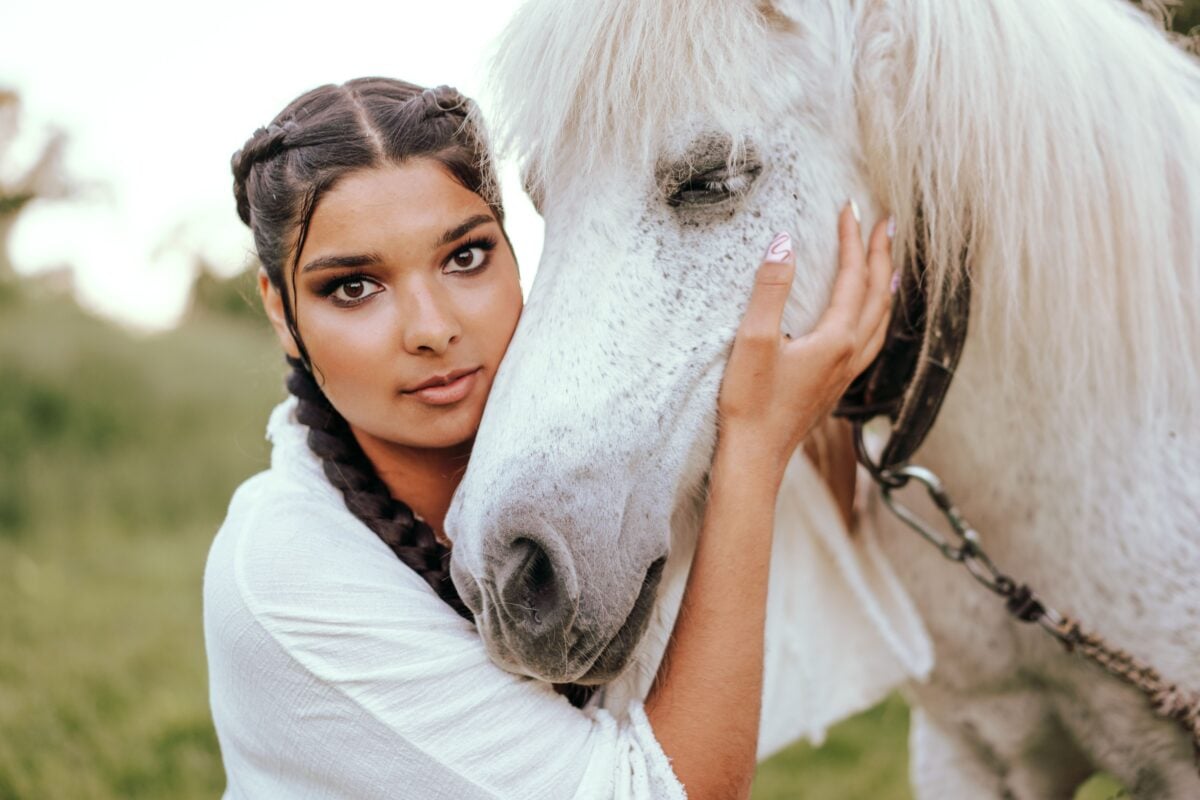
Most people think a horse “likes” them because it takes a treat, nuzzles a pocket, or lets a stranger climb on its back. Trainers who’ve spent decades reading horses will tell you that’s not trust – it’s tolerance. Real trust looks almost nothing like the movie version, and it hides in tiny, private behaviors most owners walk right past for years.
Some riders even mistake the deepest kind of relaxation for “laziness” or “disrespect,” and end up scolding the very thing they were hoping to earn. Behavior experts and lifelong horsepeople watch for something much quieter than a nuzzle – thirteen small tells that say a horse has chosen you, specifically, as safe. Once you know what to look for, you’ll never watch your horse the same way again.
#13 – They Walk You, Not Just Away From Pressure
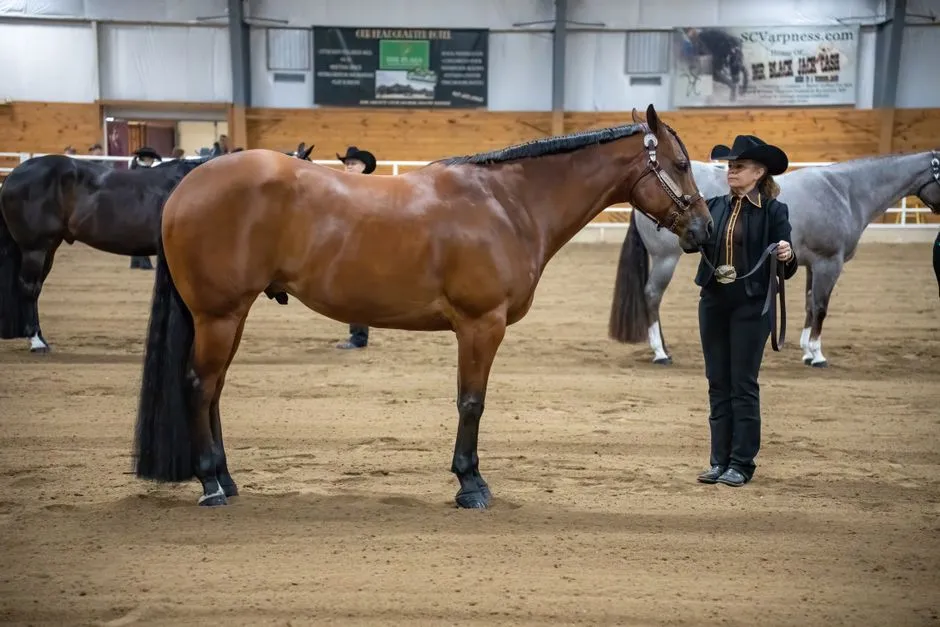
When a horse has really softened to you, it doesn’t just tolerate your presence – it actively seeks it out. If your horse looks up from grazing and chooses to walk all the way across the pasture straight to you, that’s more than convenience. Horses are prey animals, so approaching a person means voluntarily stepping into someone’s “bubble.”
When they do it with soft eyes, relaxed ears, and a swinging tail, they’re telling you your space feels safer than the herd’s. Most people chase horses with a halter in hand, accidentally teaching them that humans mean “the end of fun.” When the opposite happens – horse spotting you and drifting over on its own – you’ve flipped that script entirely.
- Do they detour around other horses just to reach you?
- Do they pause and wait instead of crowding in?
If they quietly park beside you and offer their head for the halter, that’s a sweet moment. But it’s nothing compared to what’s happening in their eyes the second they relax around you – sign #12.
#12 – Their Eyes and Ears “Soften” in Your Presence
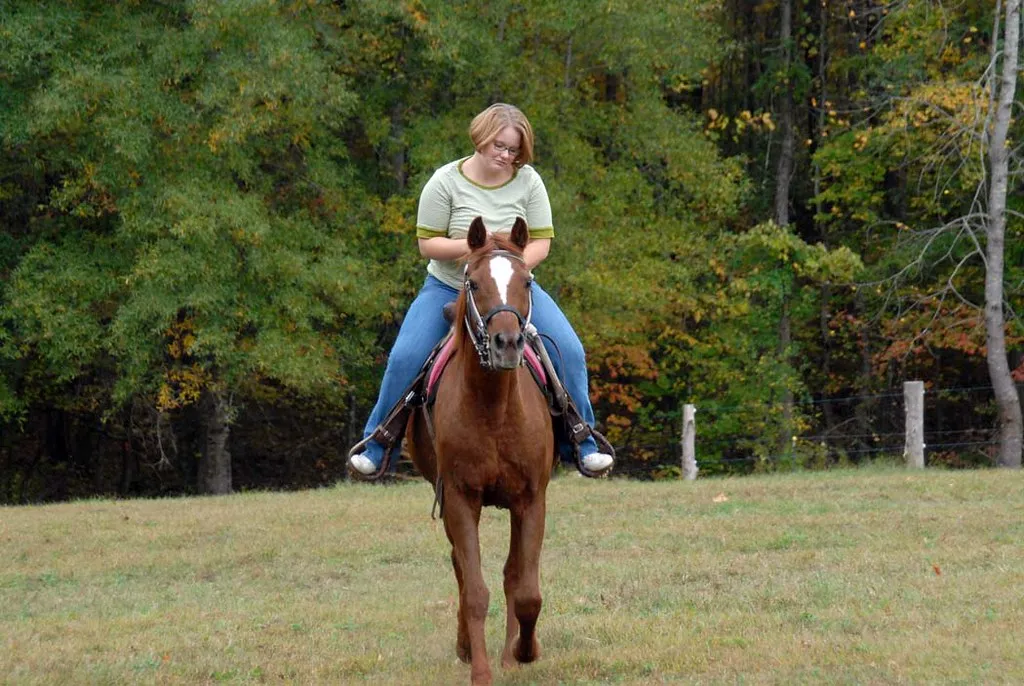
Horse people obsess over hooves and saddles, but the clearest sign of emotional safety is in the eyes and ears. A horse on high alert has hard, staring eyes, tight eyelids, and ears ping-ponging at every sound. When a horse has let down its guard with you, that whole expression changes.
The eyelids droop slightly, the blinks slow down, and you might even catch that dreamy, half-closed look while you scratch a favorite spot. Ears aren’t frozen forward anymore – they tilt softly, flick back toward your voice, then rest sideways in what many riders call “airplane ears.” This is a horse that isn’t bracing for the next demand.
Fast Facts
- Each ear can rotate independently, letting a relaxed horse track your voice without ever lifting its head.
- Visible white around the eye usually signals tension – a soft, trusting horse rarely shows it.
- Slow, deliberate blinking is widely recognized as a calming signal, not sleepiness.
- Sideways “airplane ears” almost always mean contentment, not a horse that’s tuned you out.
Some owners misread this softness as boredom. In reality, a horse that can let its face go “ugly relaxed” around you is telling you it no longer needs to scan for danger. When your mere presence turns the dial down like that, wait until you see what happens in #11.
#11 – They Show You Their “Vulnerable” Side, Literally
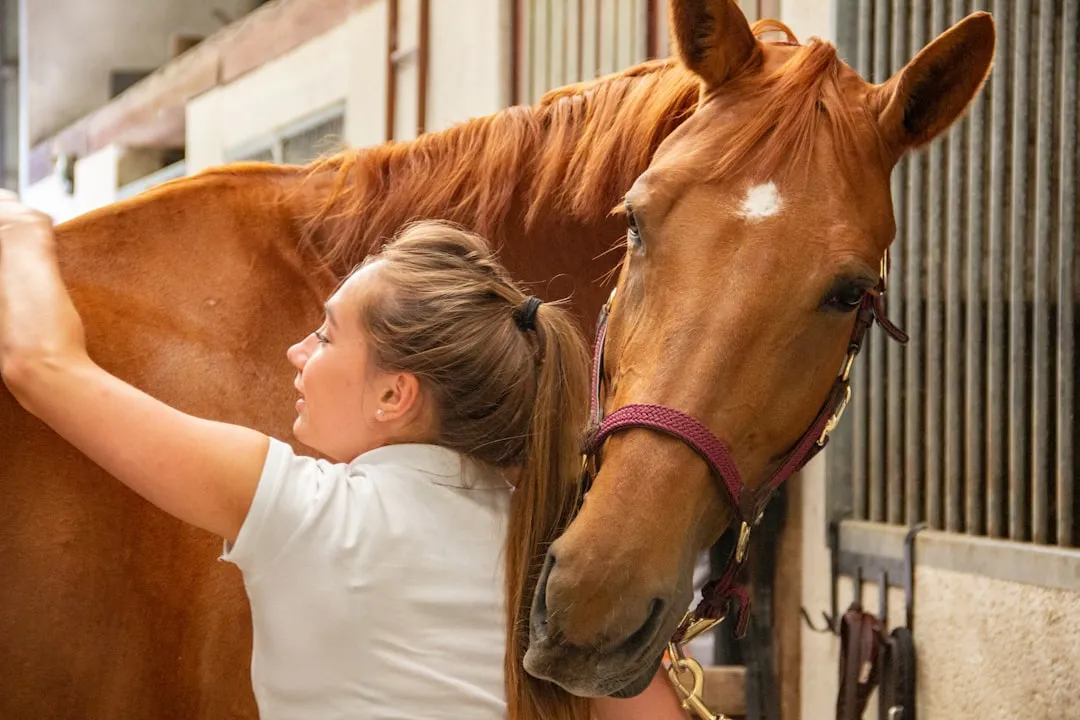
A horse’s ribcage, belly, and flank are high-value, high-vulnerability zones in the prey brain. Most green or guarded horses flinch, tighten, or step away when a person moves near their side or hindquarters.
But a horse that trusts you will calmly swing its body so a soft flank or hip lands right within arm’s reach, often inviting scratches or leaning lightly into your hand. Some will even rest a hind leg while you’re there, lowering their guard in the exact spot where, in the wild, a predator would strike first.
- Standing “hip-shot,” one hind hoof resting, while you groom.
- Quietly exposing the belly or inner thigh for you to brush or check.
That willingness to be touched where they’re most defenseless is a quiet, massive compliment. But it’s still not as intimate as what happens in #10.
#10 – They Relax Enough to Yawn, Lick, and Chew Around You
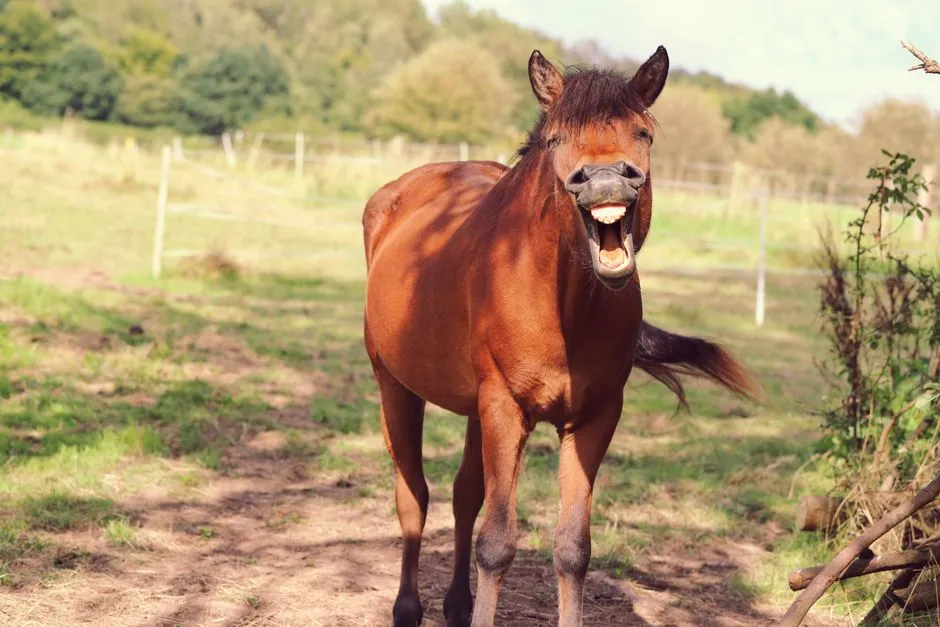
Plenty of riders think licking, chewing, and yawning are just “submission.” That idea is outdated. Those behaviors are more accurately signs of a nervous system releasing tension.
When a horse takes a deep breath, starts yawning so hard their eyes water, or licks and chews repeatedly while just standing with you, their body is often processing stress and dropping into a calmer state. If this happens consistently when you arrive, groom, or simply hang out, your presence has become a “safety cue” that tells their nervous system, you can finally let go.
- One random yawn means little; a pattern around you means a lot.
- Some horses sigh loudly, then blow through their nostrils, right before they soften.
A horse that can let itself unravel emotionally with you nearby has gone beyond tolerance into real trust. The next behavior, #9, is one many riders wrongly punish.
#9 – They “Mirror” Your Emotions and Movements
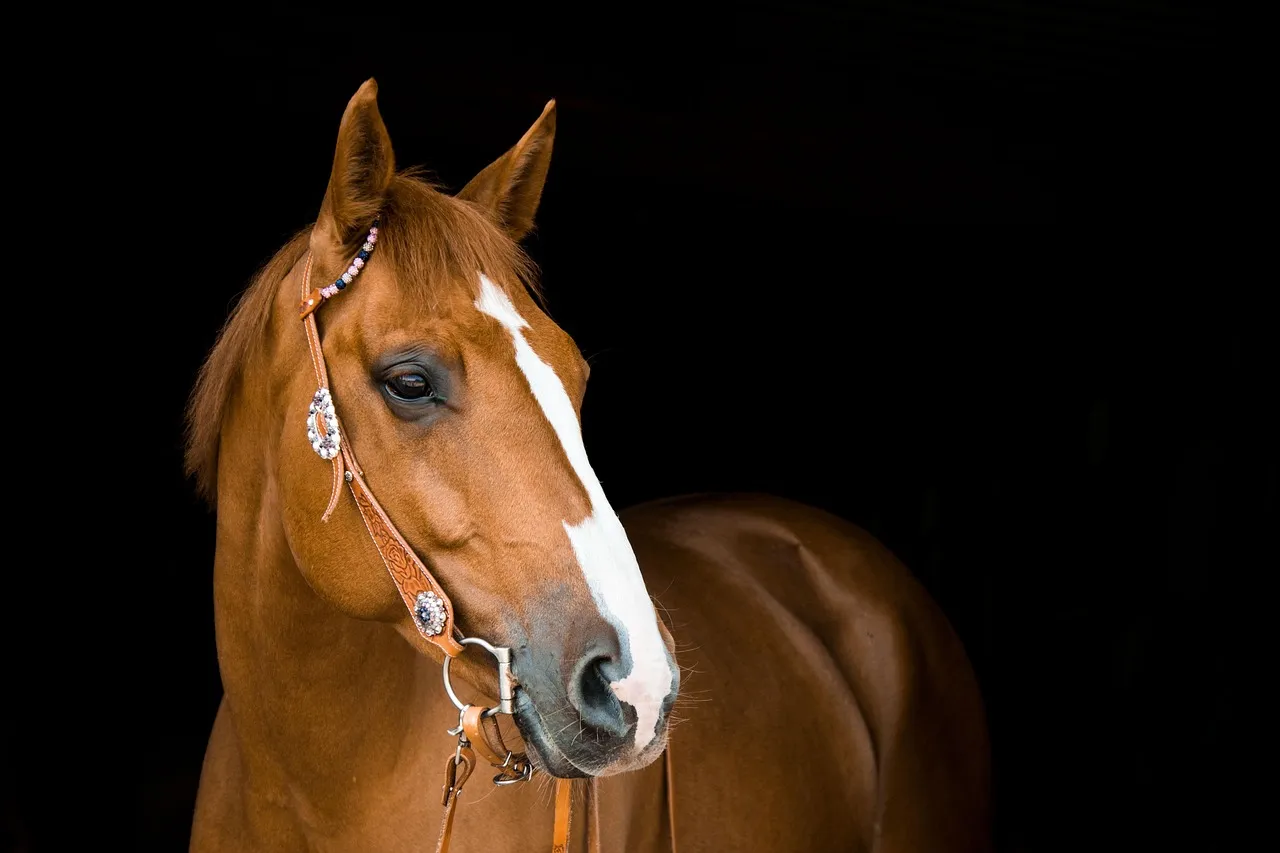
Most people complain, “My horse is moody,” without realizing the horse is actually syncing with them. When a horse has let its guard down only for you, it often starts to mirror your energy level and even your posture. Walk slow and thoughtful, and they settle. Get tense before a ride, and they start fussing too.
To outsiders this can look like unpredictability. It’s often a sign the horse has emotionally “hooked on” to you deeper than to others, reading micro-signals most humans don’t even know they’re giving off.
Your horse is a mirror to your soul, and sometimes you might not like what you see in the mirror.
Buck Brannaman
You might notice they step off the second you take a breath to move, before the rope or your leg says anything, or they stop fidgeting the moment you exhale and drop your shoulders. Some trainers call this “over-bonding,” but it’s also a clear marker that the horse’s guard is down enough to make you their emotional reference point. Once they do that, the quiet things they’ll tolerate in #8 might shock you.
#8 – They Let You Handle the “No-Go” Zones Without Fuss
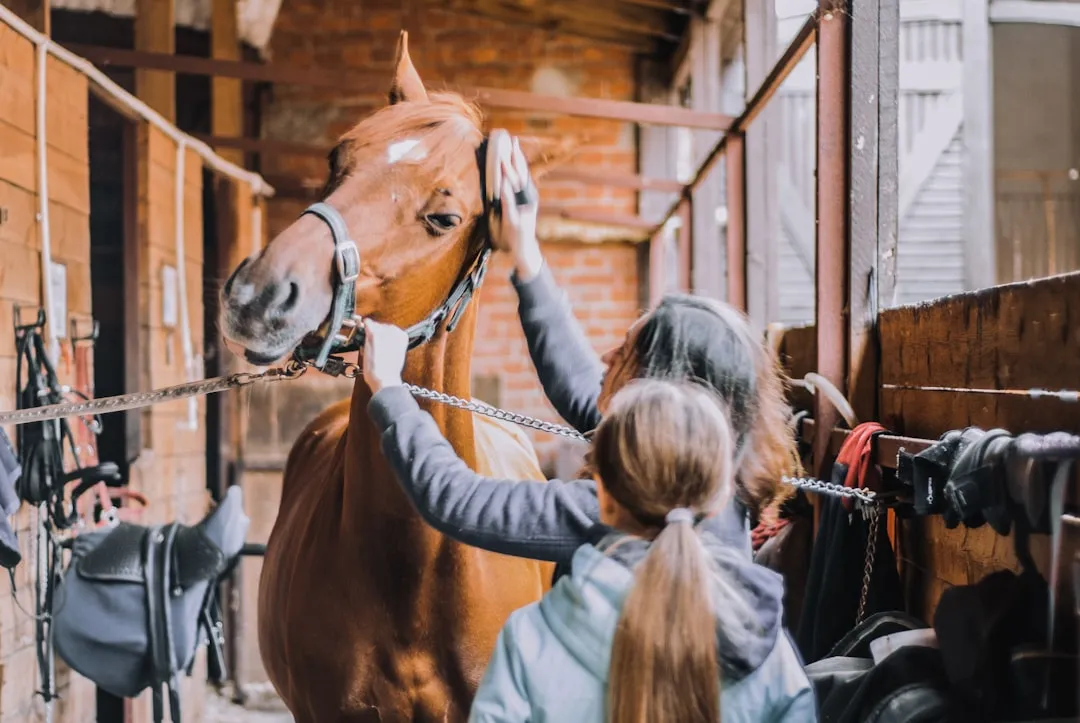
Every experienced horseperson can list them: ears, face, sheath or udder, dock of the tail. Guarded horses clamp, sling their heads, or swish angrily the second you even think about these spots.
But a horse that has chosen you will often let you clean crud out of their eyes, rub inside their ears, or check between their hind legs with nothing more than a curious glance. They might shift a little, but they choose not to explode. No horse is born loving this – it’s learned safety, earned one calm interaction at a time.
- They lower their head into your hands as you touch their ears.
- They lift a leg to help you reach, instead of snatching it away.
This doesn’t mean you should get careless – it means your careful history has paid off. And yet, that form of trust still isn’t as primal as what happens in #7.
#7 – They Sleep Deeply When You’re Nearby
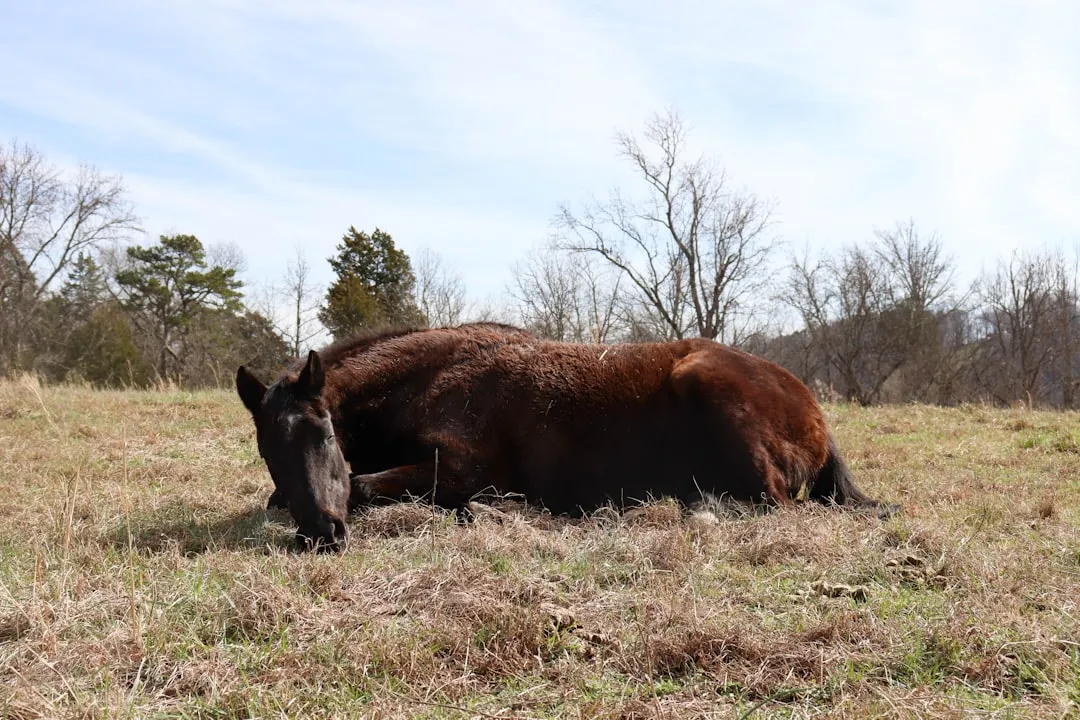
For an animal built to outrun predators, true sleep is risky business. Horses nap standing up, and they only lie flat into deeper sleep when they believe the environment – and the herd around them – will protect them.
If your horse stretches out on their side, closes their eyes, and truly sacks out while you’re in the stall, paddock, or grooming nearby, you’ve officially entered inner-circle territory. Even more telling, they might briefly wake, glance at you, then drift right back off.
Worth Knowing
- Adult horses generally need 5-7 hours of sleep per day, and over 75% of it can happen while standing.
- Horses need about 30 minutes of that time to be REM sleep, which can only happen while lying down.
- A stay apparatus of tendons and ligaments stabilizes their joints so they can doze upright without much muscle effort.
- Horses typically lie down for short intervals totaling one to three hours, often with a companion standing watch.
People argue endlessly about “leadership,” but no horse sleeps deeply close to someone they fundamentally distrust. They may tolerate you, they may freeze around you, but deep rest is reserved for real safety. Once they give you that, the choice they make in #6 gets even more personal.
#6 – They Pick You Out in a Crowd
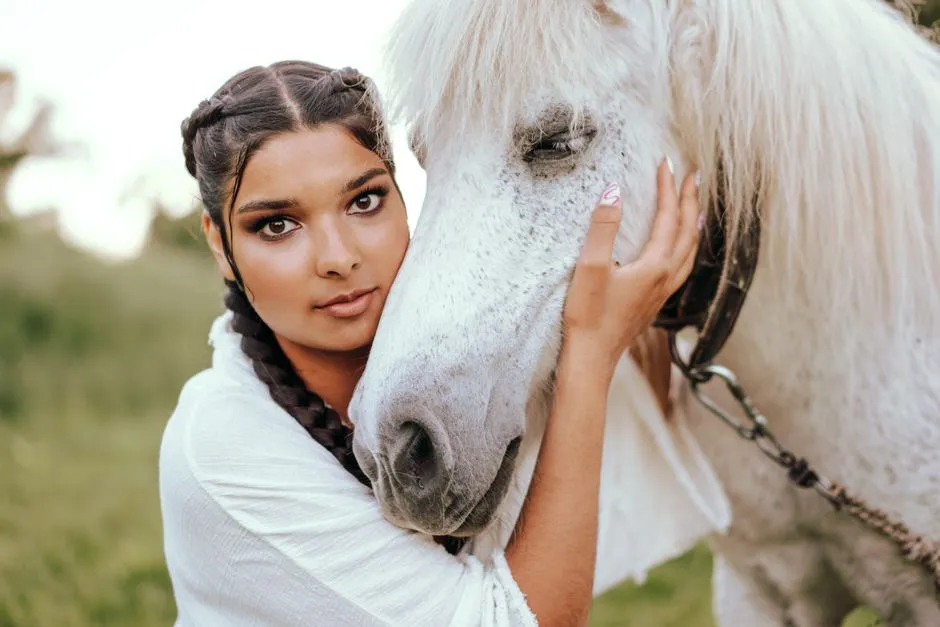
Everyone loves to say, “My horse knows me!” Most are guessing. Some are right. If your horse spots you among several people and deliberately gravitates toward you – ears pricking, nostrils soft, maybe even a low nicker – that’s selective bonding, not a coincidence.
This isn’t just about treats. Plenty of horses will mob whoever’s holding a bucket. The more revealing pattern is when you show up empty-handed and they still thread their way past others to stand near you, shoulder to shoulder, like a friend choosing a seat.
- You step into a busy barn, and their head pops over the door the second they hear your voice.
- Turned out with buddies, they drift to your side and stay, even when others wander off.
A prey animal doesn’t waste energy keeping tabs on someone unless that someone matters. And when they start using you as a literal shield, like in #5, you’ll really see it.
#5 – They Hide Behind You When Something Spooks Them
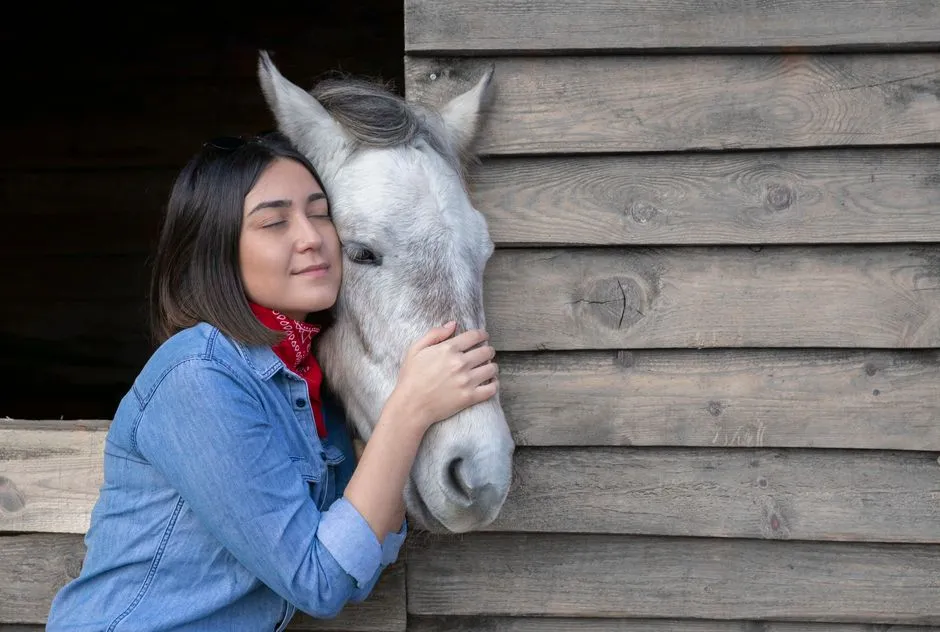
Most people want horses to march bravely into anything. Horses just want to stay alive. When something spooks them – a flapping tarp, a barking dog, a weird shadow in the corner – and your horse steps slightly behind your shoulder or tucks in close instead of blowing through you or bolting away, that’s a sophisticated choice, not cowardice.
They’re using your body as a safety anchor, the way a nervous kid stands behind a parent’s leg. A horse that trusts you will sometimes peek around you at the scary object, then settle once you move calmly toward it.
Quick Compare
- Guarded horse: crowds, shoves, or bolts blindly past you when startled.
- Bonded horse: tucks in close, keeps light contact, and checks in with you.
- Guarded horse: ignores your body language entirely mid-panic.
- Bonded horse: settles the moment you move calmly toward the scary object.
In that moment, they’re betting your judgment will keep them safe, which is not something a guarded horse offers freely. When they start offering smaller, puzzling behaviors like in #4, most people underestimate them entirely.
#4 – They Offer Little “Gifts” of Behavior With No Ask
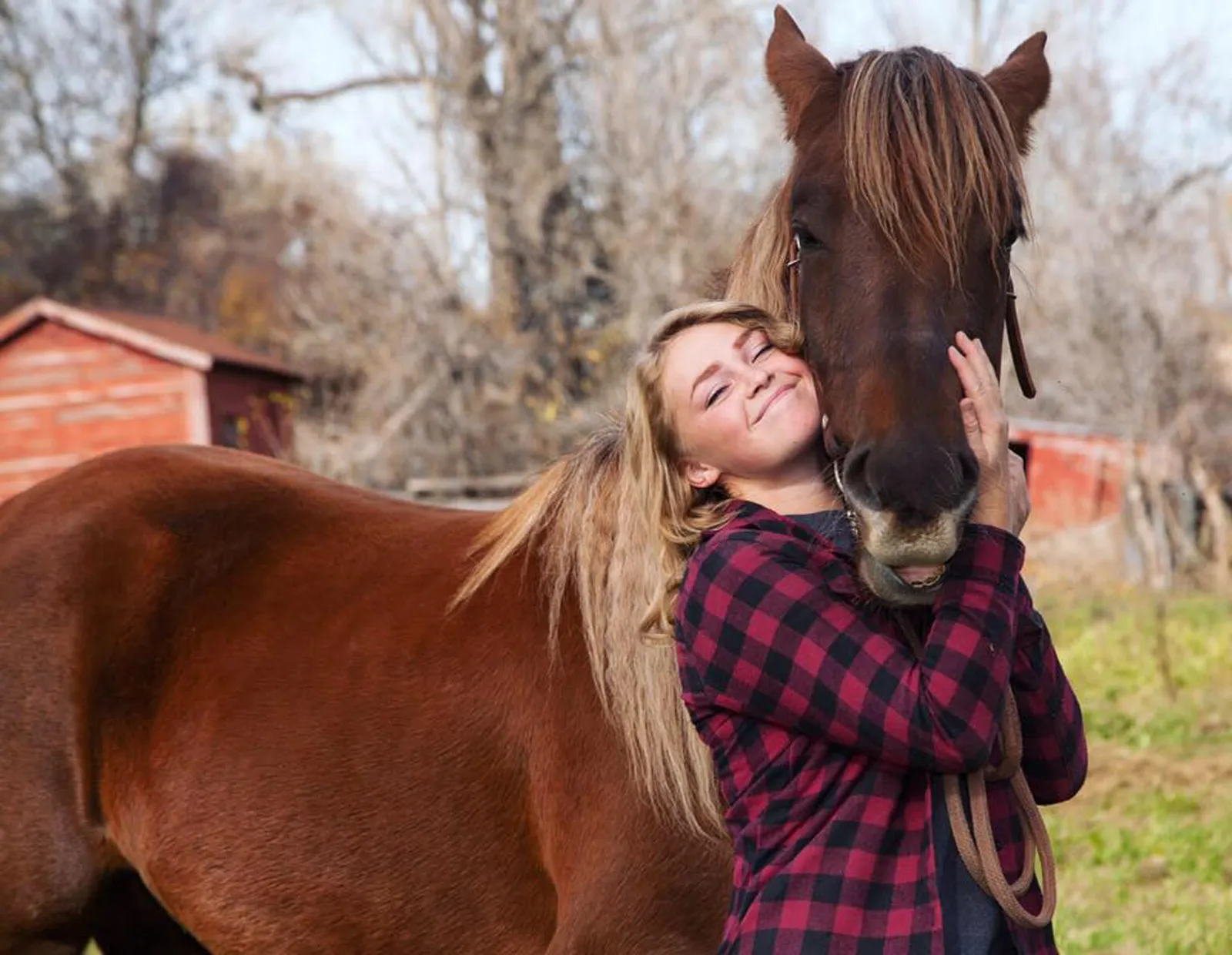
We’re told never to anthropomorphize, but ignoring obvious patterns is just as sloppy. Some deeply bonded horses begin to offer small, voluntary behaviors they’ve learned you like – stepping onto a mat, lowering their head, standing square, even side-passing over – without any cue at all.
They’re not being “pushy”; they’re checking in, essentially asking, “Is this what we do together?” In the herd, mutual grooming and synchronized movement serve the same purpose: reinforcing connection between two animals who’ve chosen each other.
- They quietly line themselves up at the mounting block before you even ask.
- They shift their body so your grooming arm lands right on the itchy spot.
Some trainers dismiss this as “mugging for attention,” but it’s also an honest attempt to participate in the relationship, not just endure it. When you respond thoughtfully, the emotional intimacy that shows up in #3 can be startling.
#3 – They Match Their Gait to Yours Without Tension
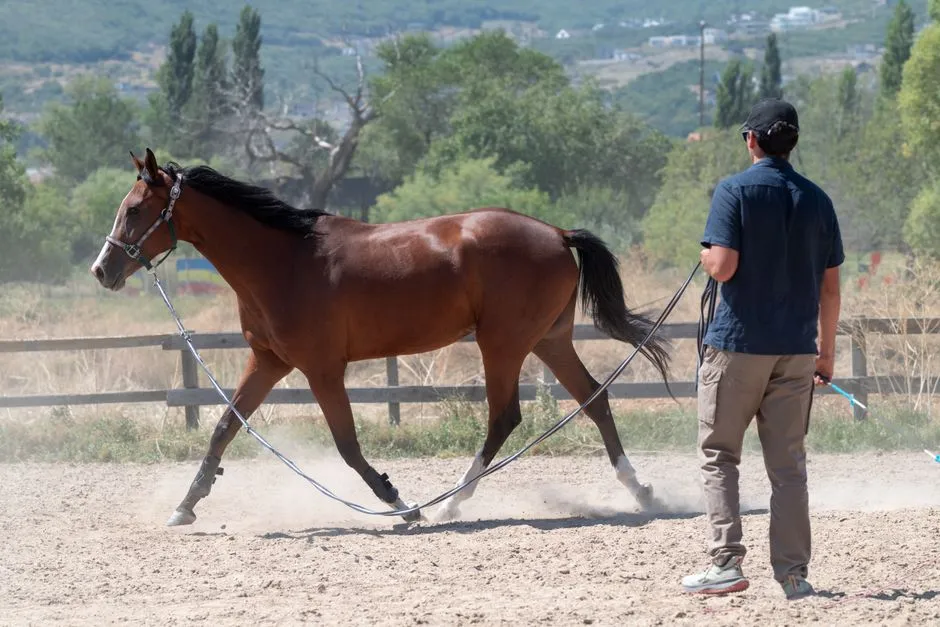
Lead rope loose. No dragging. No nagging. Just quiet, natural synchrony. When a horse keeps pace with you – slowing when you shorten your stride, stepping up when you lengthen, stopping when you stop – without you constantly correcting them, that’s more than training. It’s nervous-system alignment.
A horse that still has its guard up will surge ahead, lag behind, or brace against the halter because it’s mentally somewhere else entirely. One that’s truly with you glances at your body, not the rope, and moves like it’s already anticipating you.
- You can walk figure-eights, halt, and back up with minimal physical cue.
- They mirror your turns almost like a dance partner.
Is this teachable? Absolutely. But it sticks much deeper, and feels much easier, when the horse has decided your body language is worth tuning into. Once that happens on the ground, the way they respond under saddle in #2 feels completely different.
#2 – They Try to Understand Even When You Make Mistakes
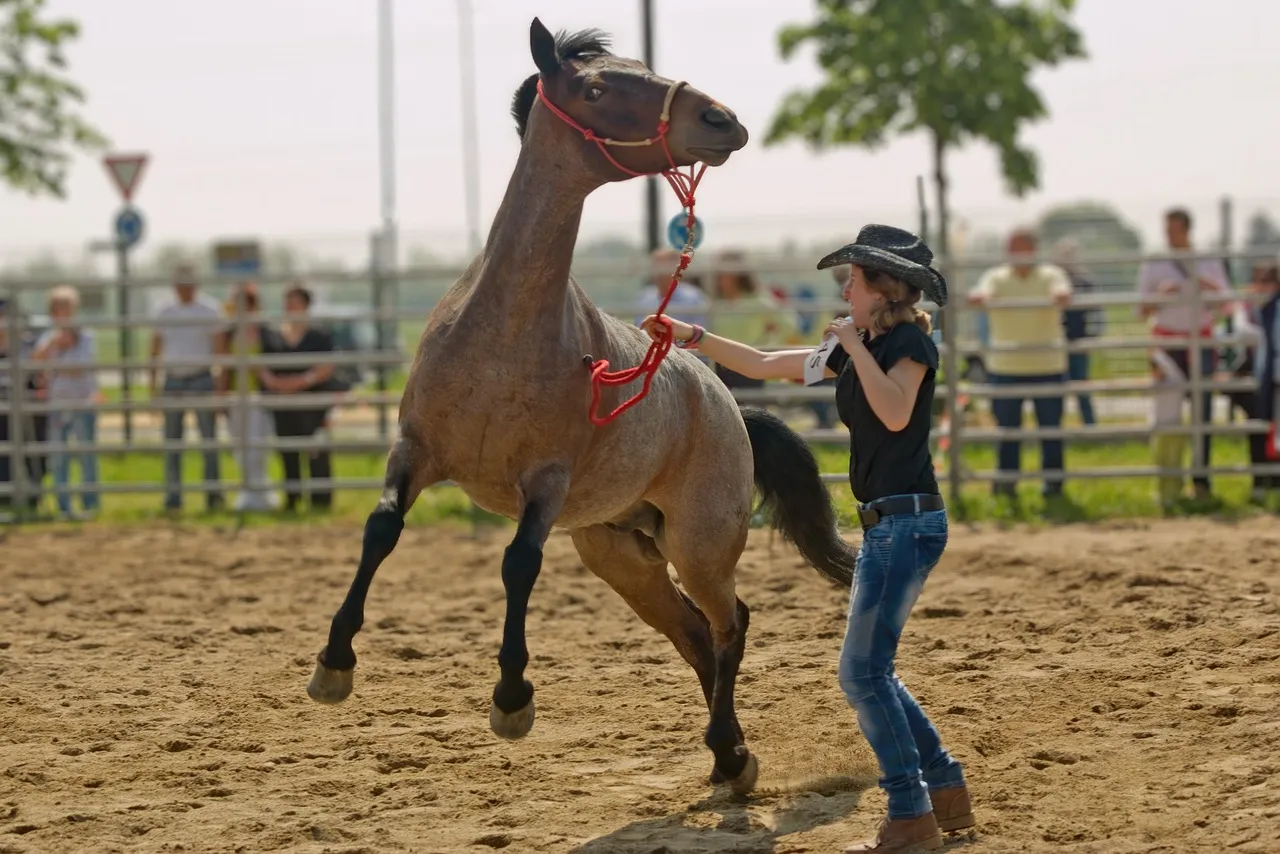
Here’s the brutally honest part: humans are inconsistent, and horses notice every bit of it. On a guarded horse, mixed signals – clumsy hands, an off-balance seat, confusing cues – often earn you pinned ears, tail swishes, or outright refusal.
A horse that’s truly dropped its guard around you will instead hesitate, think, and still try to search for the right answer, even when your cue is a mess. They might flick an ear back at you, adjust, and offer their best guess instead of exploding at you.
- They forgive your bad distance or wobbly transition and quietly rebalance underneath you.
- They offer the response they think you meant, not the one you technically asked for.
That doesn’t mean tolerating pain or unfair riding. It means their base assumption is that you’re safe, not scary. When a prey animal extends that kind of grace to a predator species, the final sign – #1 – is where it all comes together.
#1 – They Can Simply “Be” With You, Doing Nothing
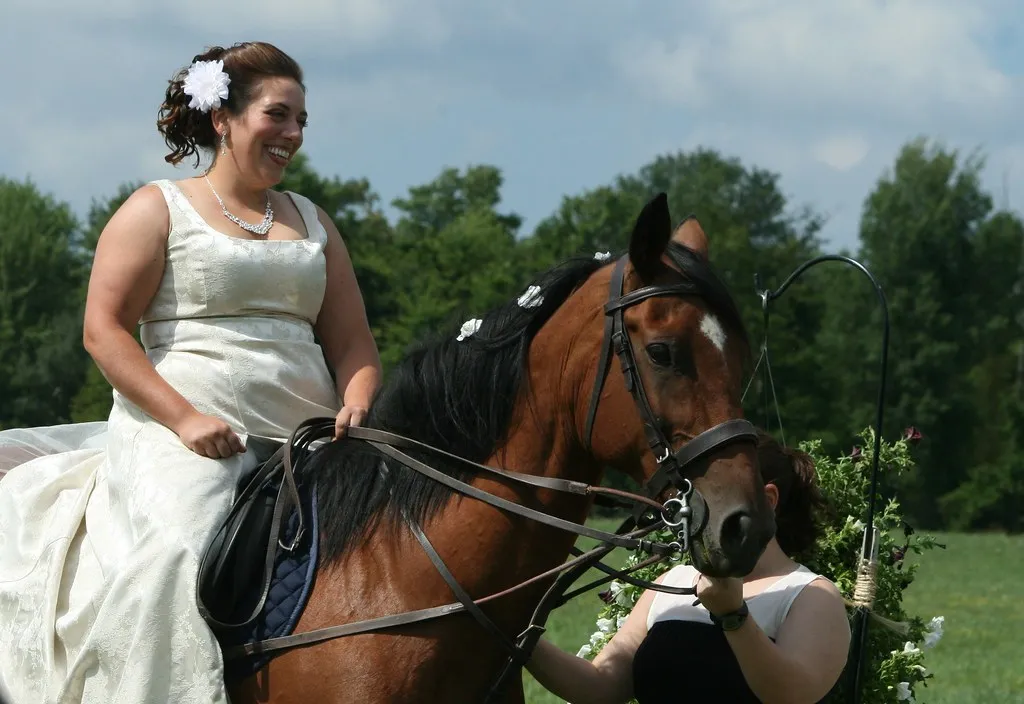
Most owners only count what happens when they’re “doing something” with their horse. The clearest sign a horse has let down its guard only for you is when they’re content to just stand quietly in your presence with no agenda at all.
No tied rope. No hay bribe. No constant fidgeting. Maybe they graze while you sit nearby, or stand in the stall with one hoof resting while you scroll your phone. They know you’re there, and instead of using that time to avoid, perform, or brace, they simply coexist with you.
Why It Stands Out
- No treats, no cues, no performance – just shared space, freely chosen.
- It’s the one sign that can’t be bribed or trained through repetition alone.
- It usually shows up in quiet routines, not dramatic training breakthroughs.
- For nervous or rescued horses, it’s often the very last trust milestone reached.
- They drift closer over time until your shoulders almost touch.
- They give a deep sigh, lower their head, and seem to forget you’re “the human.”
In a world where horses are constantly managed, moved, and made to perform, the ability to drop every guard and just share space with you is the loudest quiet compliment you’ll ever get.
The Bottom Line
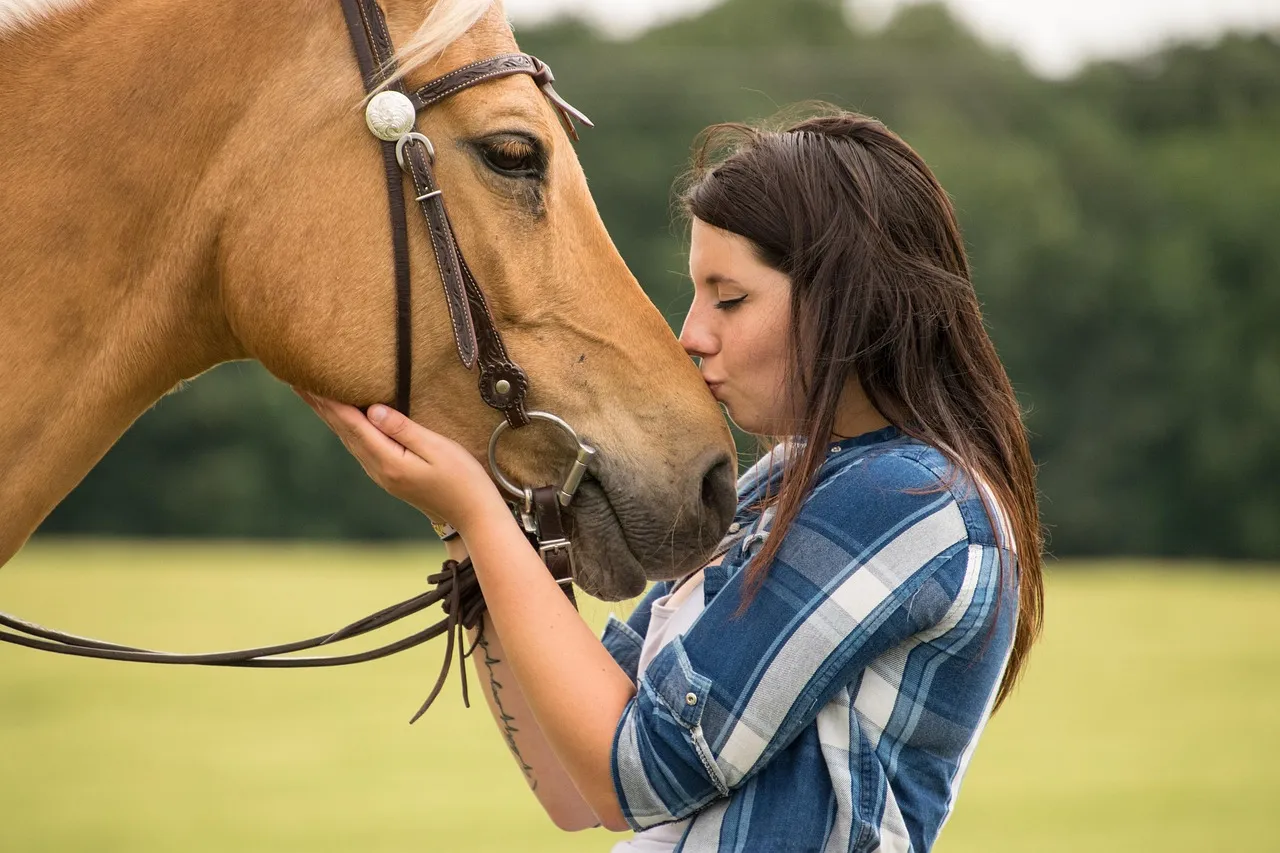
Most people chase big moments – fancy tricks, show ribbons, dramatic “join-up” scenes – and completely miss the quiet, everyday ways a horse whispers, “I trust you.” The truth is, a horse that lets down its guard only for you rarely announces it; it shows up in sleepy eyes, relaxed flanks, and the decision to walk toward you when there’s nothing in it for them.
Some will argue this is all training, not emotion, and to a point they’re not wrong – consistency is what builds any of this. But anyone who’s had a horse pick them out of a crowd, or nap flat on its side at their feet, knows there’s something in that trust no arena ribbon has ever explained. My honest take: people don’t overstate the bond – they underplay it, mostly because it’s easier to brag about a blue ribbon than to explain why your horse fell asleep next to you in the dirt.
So which of these thirteen signs hit closest to home for you – and do you think most riders give their horse enough credit for how deliberately it chooses them?

- 14 Signs a Gray-Muzzle Dog Is Still Living Its Best, Vets Say - July 24, 2026
- 13 Signs a Horse Has Let Down Its Guard Only for You - July 24, 2026
- 13 Ways a Dog Spends Its Final Season Staying as Close to You as It Can - July 24, 2026