
Here’s something equine vets won’t say out loud at the barn: the majority of heartbreaking, wallet-draining horse purchases they see weren’t caused by bad luck. They were caused by questions nobody thought to ask. New owners walk into a sale with stars in their eyes, fixate on a pretty trot and a reasonable price tag, and shake hands on a deal that quietly carries thousands of dollars in hidden problems – problems a vet could have spotted in an afternoon.
The 15 questions below are the ones experienced equine vets wish buyers would demand answers to before the check clears. Some will feel obvious in hindsight. Others will genuinely surprise you. All of them have saved – or could have saved – someone from a nightmare they never saw coming. If you’re buying a horse for the first time, or buying again after a bad experience, this list is worth reading slowly.
#1 – Has This Horse Had a Full Pre-Purchase Exam by an Independent Vet?
Most buyers skip the full pre-purchase exam to save a few hundred dollars. Equine vets see the fallout constantly – chronic issues that surface three weeks after the papers are signed, when there’s no longer any leverage to negotiate or walk away. A basic soundness check catches obvious problems, but a thorough exam includes flexion tests, hoof radiographs, and bloodwork that reveal hidden arthritis, metabolic conditions, and soft tissue damage invisible to the naked eye.
Here’s the part that should make you pause: many sellers pressure buyers to use their own vet – a clear conflict of interest that most first-time buyers don’t recognize until it’s too late. Independent vets quietly estimate they catch meaningful lameness in roughly one out of every three horses presented as completely sound. That’s not a rare exception. That’s a pattern. Without that independent exam, buyers inherit problems that could have been negotiated down in price, disclosed upfront, or avoided entirely.
At a Glance: What a Full Pre-Purchase Exam Should Include
- Full physical exam: heart rate, respiration, temperature, vision, hearing, and teeth
- Lameness evaluation: flexion tests held 30–90 seconds per limb, followed by trot-out assessment
- Diagnostic imaging: X-rays and/or ultrasound to reveal bone and soft tissue issues
- Bloodwork: screens for metabolic conditions and recent drug masking
- Cost range: typically $250 to $2,000+ depending on depth, location, and diagnostics requested
- Who pays: the buyer — and it’s always worth it
#2 – What Is the Complete Vaccination and Deworming History?
Buyers almost never request records beyond the last round of shots. Sellers almost never volunteer them. But gaps in vaccination history leave horses wide open to preventable diseases like strangles or equine influenza – and the first sign of trouble often comes after the horse is already living in a new barn full of animals that had nothing to do with the transaction.
The detail most people miss entirely is that some horses carry dormant infections that stay quiet until the stress of a new home triggers them. Inconsistent deworming programs also breed resistance, turning what should be a routine $20 tube into a months-long battle with a vet trying to figure out why the horse looks rough. Demanding a full documented timeline isn’t being difficult – it’s the difference between a smooth transition and an emergency barn call in week two.
#3 – Has the Horse Ever Shown Signs of Lameness or Required Joint Injections?
A clean bill of health on paper means very little if the horse has spent the last two years being quietly managed with joint injections rather than actually fixed. This happens more than buyers realize, especially in performance horses. Regular injections keep a horse moving well enough to look sound during a sale – and then the maintenance schedule becomes the new owner’s problem to figure out on their own.
The hard truth is that repeated joint injections in a younger horse often signal something closer to the end of a useful performance career than a minor speed bump. Asking for specific dates, injection sites, and substances used isn’t overly technical – it lets a buyer calculate realistic ongoing costs before signing anything. Most people assume past lameness issues stay in the past. Vets know better, and now you do too.
Worth Knowing: The Real Cost of Joint Injections
- A standard joint injection can run $200 to $1,000 per visit, depending on medication and location
- Injections are often done in pairs (e.g., both hocks), so costs multiply quickly
- Most vets try to limit injections to no more than twice per year per joint — more than that is a red flag
- If relief from each injection lasts a shorter time, the underlying condition is likely worsening
- Advanced regenerative options (PRP, Pro-Stride) can cost $500 to $2,000+ per treatment
- Ask for dates, injection sites, and substances used — in writing
#4 – What Is the Horse’s Dental History and Current Tooth Condition?

Dental neglect is one of the most common hidden expenses in horse ownership, and it almost never comes up during a sale. Few buyers think to ask for floating records or request any kind of oral exam – and yet sharp points, hooks, and wave mouth cause real pain, visible weight loss, and behavioral resistance that new owners consistently misread as training problems. Months of frustration can trace back directly to a mouth that hasn’t been properly floated in years.
A thorough dental exam can also reveal existing damage that affects bit acceptance, making a horse that seemed responsive during the sale feel completely different under saddle at home. Vets report seeing horses that were genuinely well-cared-for in every other way but had clearly been overlooked dentally – and the new owners paid for it in feed waste, resistance, and vet bills before anyone thought to look in the mouth first.
#5 – Does the Horse Have Any Known Allergies or Sensitivities?

Allergies to bedding, feed ingredients, or even certain medications often go completely unmentioned during sales conversations. The seller may not think they’re relevant, or may not have connected the dots themselves. But when a horse arrives in a new environment with different shavings, different hay, and a different feeding schedule, sensitivities that were barely managed in the old situation can explode into hives, chronic coughing, or colic episodes within weeks.
What makes this trickier is that some horses develop sensitivities only after a change in routine – so a clean history doesn’t guarantee a clean future, but knowing what’s been problematic before lets buyers prepare. Testing alternative bedding in advance, introducing new hay slowly, and having a conversation with the new barn manager about feed ingredients are all simple steps that become obvious only after someone thought to ask the question first.
#6 – What Is the Horse’s Hoof Care and Farrier History?
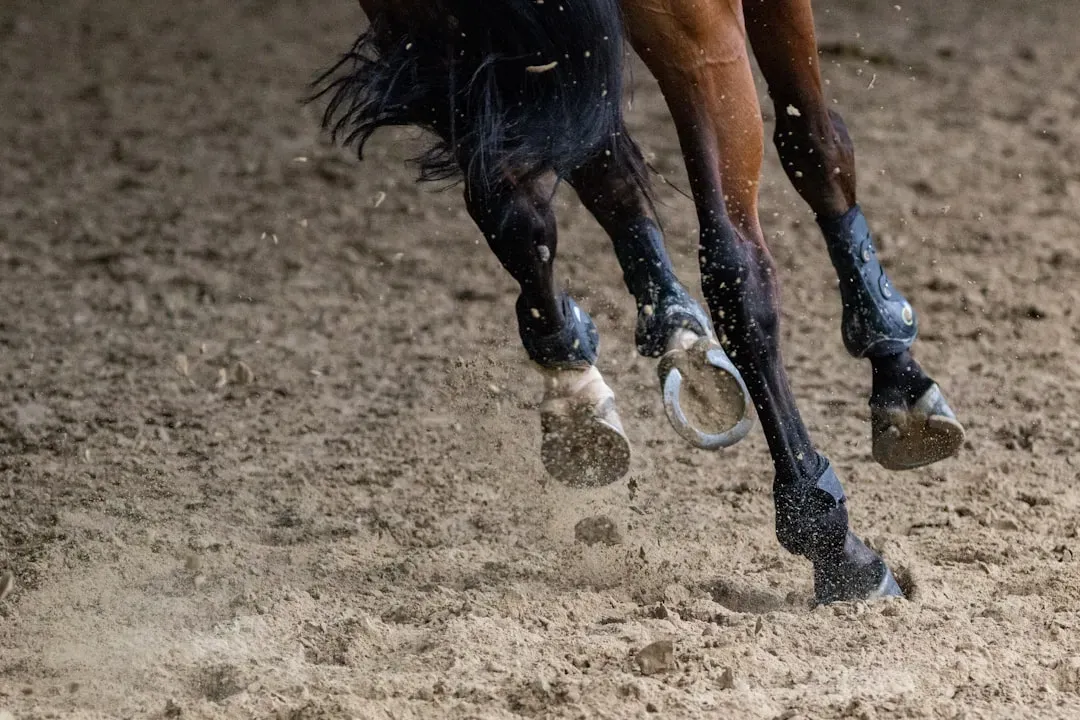
Buyers spend a lot of time watching a horse move and almost no time looking at what’s holding it up. Hoof quality varies dramatically by breed, geography, and years of prior management – and thin walls, chronic abscesses, or long-neglected angles require specialized farriers, more frequent resets, and sometimes corrective shoeing that adds up to serious money every six to eight weeks, indefinitely.
The detail that matters most and gets asked least: has this horse ever foundered, or has it needed corrective shoeing to stay sound? Requesting actual farrier invoices rather than taking a seller’s word for it reveals patterns that photos from the sale day simply cannot show. There’s a meaningful difference between a horse that stays naturally sound and one that’s an ongoing project – and the hoof records are often where that story lives.
#7 – Has the Horse Ever Colicked or Required Surgery?
Colic is the leading cause of equine death, and prior episodes dramatically raise the odds of future ones – even when the horse looks perfectly fine at the time of sale. Vets are very clear on this: surgical history frequently indicates underlying gut motility issues that require lifelong management, specific feeding schedules, and quick-response protocols that new owners aren’t warned to have in place.
Sellers routinely describe past colic episodes as isolated, one-time events. Sometimes that’s true. Often, the records tell a more complicated story. Asking for surgical reports and full recovery details gives a buyer the actual picture rather than the optimistic version. Most first-time horse owners learn this particular lesson at 2 a.m. with a vet on the phone and a horse that won’t stop pawing – and the vet is the one quietly thinking, “Did anyone check the history before they bought this animal?”
Fast Facts: Colic by the Numbers
- Colic accounts for approximately 28% of equine deaths every year
- Emergency colic cases make up 55–61% of all equine emergencies in referral practice
- An uncomplicated colic surgery averages $6,000–$8,000; complicated recoveries can exceed $10,000
- Only about 60% of horses requiring surgery survive and return to useful work
- Over 60% of horse owners say they would pay $5,000 or less for colic surgery — well below actual costs
- Nearly 80% of horse owners do not insure their horses against medical emergencies
#8 – What Is the Horse’s Exercise and Turnout History?
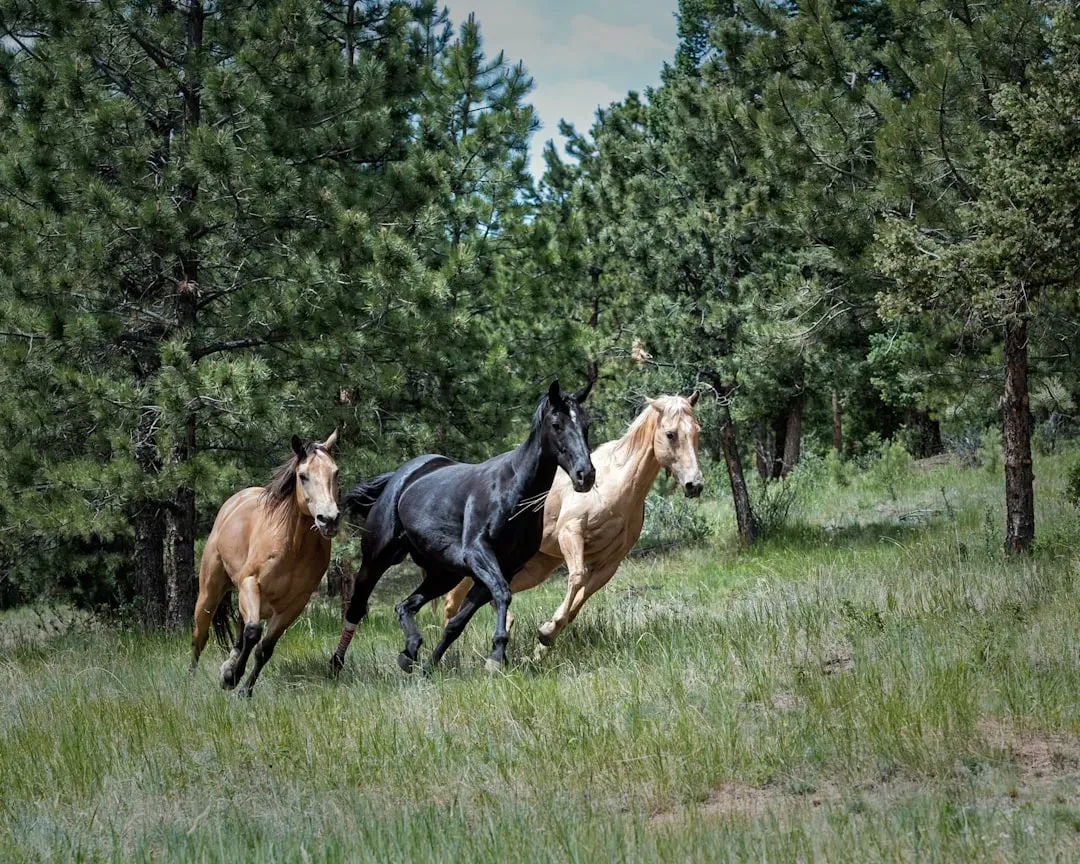
This question almost never comes up during sales conversations, and the consequences can be severe. A horse that has lived outside 24 hours a day in a large pasture does not quietly adapt to a 12-by-12 stall with two hours of daily turnout. The mismatch between previous management and the new situation is one of the most reliable triggers for gastric ulcers, stereotypies like weaving or cribbing, and explosive behavior under saddle that leaves new owners completely confused.
The “quiet, well-mannered horse” seen in the ring during the sale may have been turned out for four hours beforehand. That same horse, arriving at a boarding facility with limited turnout and a stall-heavy routine, can become a genuinely different animal within weeks. Buyers who ask about and then replicate previous routines – or plan gradual transitions – avoid most of this. Buyers who assume any horse adapts to any situation learn otherwise at an inconvenient time.
#9 – Are There Any Known Behavioral or Training Issues?
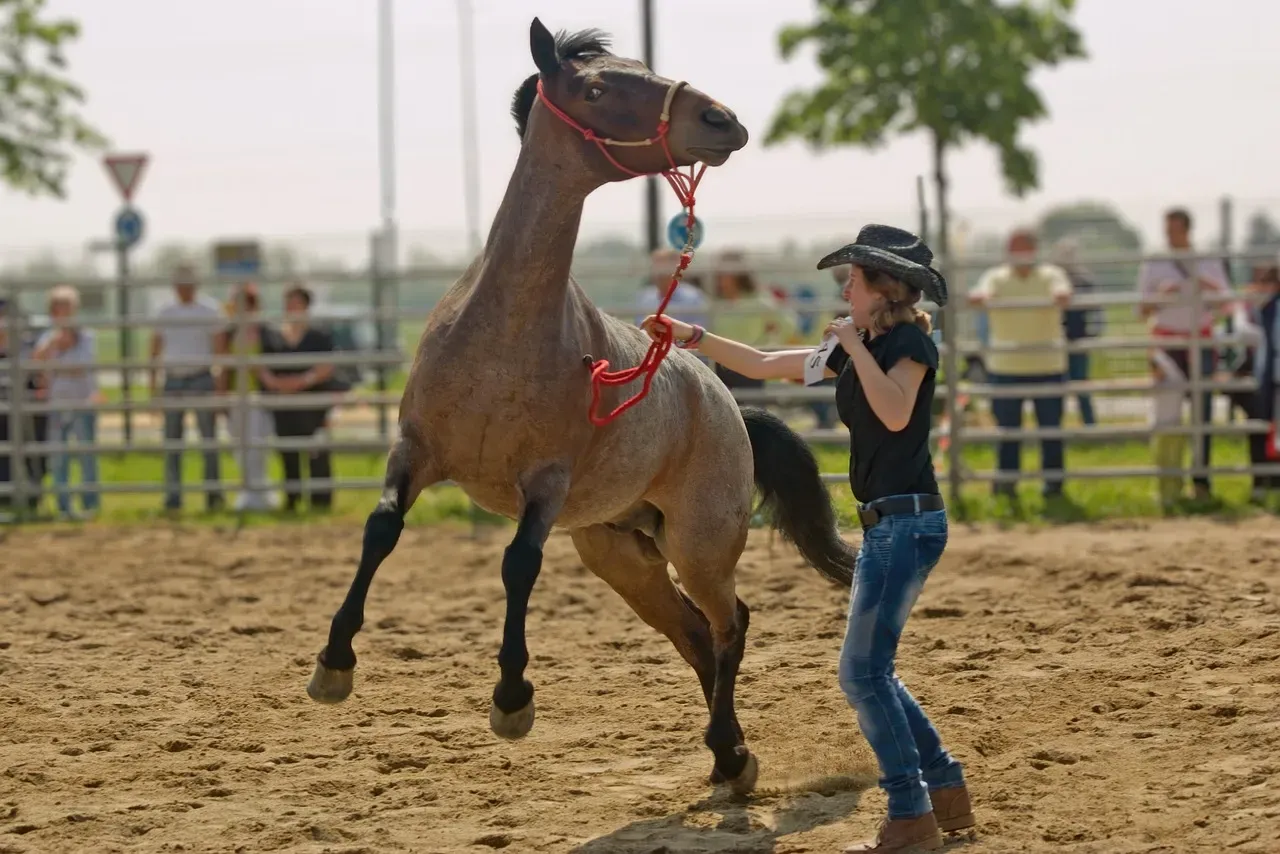
“Green” and “needs an experienced rider” are the two most reliable signals that a seller is softening something specific. Rearing, bolting, nipping, trailer loading refusals, and dangerous spooking patterns all get folded into vague language during a sale – and vets see the aftermath when owners discover the horse was lightly sedated for the pre-purchase exam or quietly lunged into exhaustion before the showing.
The deeper issue is that behavioral problems are often the result of training shortcuts that created lasting distrust in the horse. Those shortcuts don’t disappear with a change of ownership – they resurface once the horse settles in and figures out the new environment. Direct, specific questions about known vices and what training methods were used give buyers an honest starting point. Skipping this conversation is one of the most common regrets vets hear about, usually about six weeks after the purchase.
Quick Compare: Seller Language vs. What It Can Really Mean
- “Green” → May have little or no formal training; gaps in groundwork or under-saddle basics
- “Needs an experienced rider” → Known behavioral issues that tested the current owner
- “Spirited” or “forward” → May bolt, spook sharply, or be difficult to rate
- “Ready for the right home” → Has not worked out for this owner — find out exactly why
- “Hasn’t been ridden much lately” → Ask when and why the work stopped
#10 – What Is the Horse’s Breeding and Registration Status?
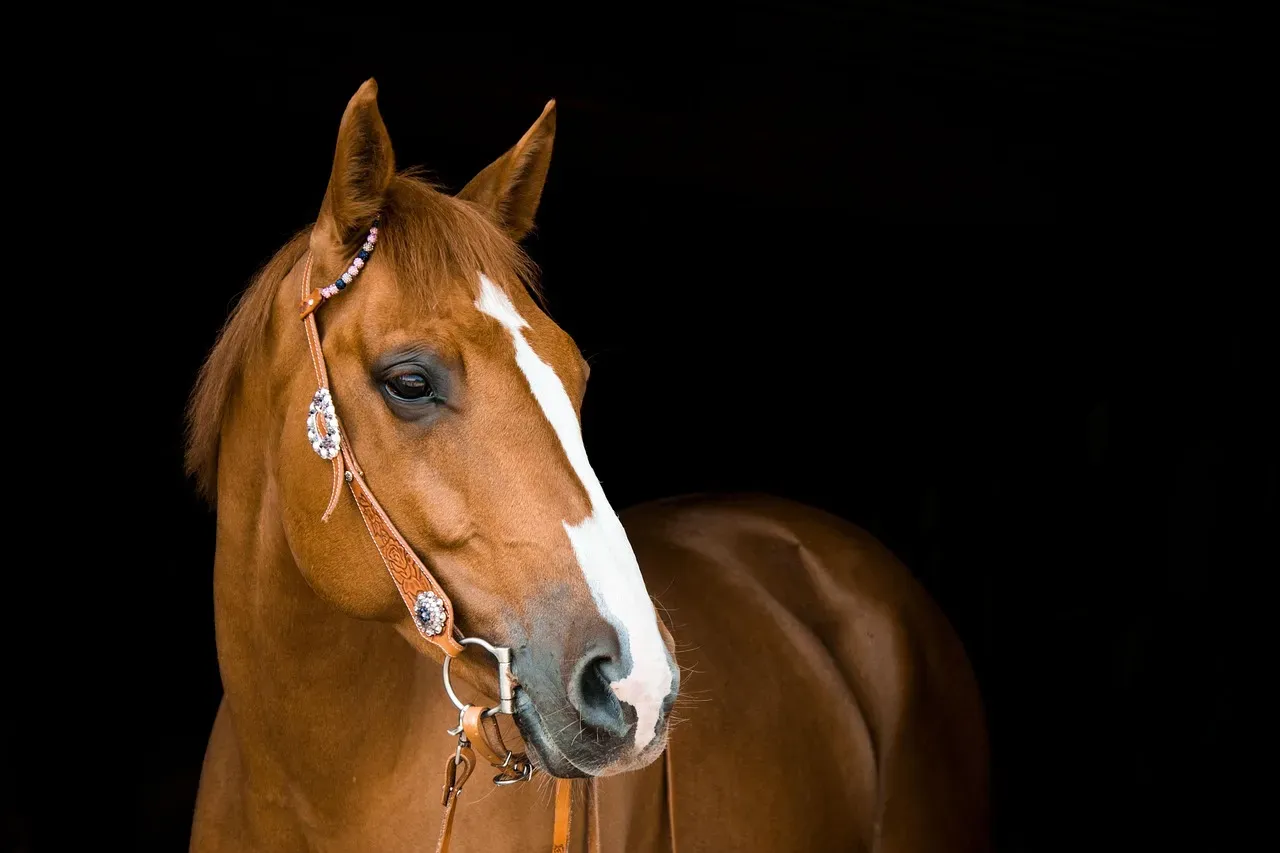
Registration papers affect resale value, competition eligibility, and – critically – health risk profiles. Certain bloodlines carry significantly higher rates of genetic conditions like Hyperkalemic Periodic Paralysis (HYPP) in some Quarter Horse lines or Polysaccharide Storage Myopathy (PSSM) in drafts and draft crosses. A horse that looks powerful and well-muscled at the sale may be managing a condition that the buyer has no idea how to handle nutritionally or medically.
Beyond genetic risk, buyers should verify that the horse is actually eligible for the papers being presented – a detail that sounds obvious but creates real legal and financial headaches when it turns out the documentation is incomplete or improperly transferred. Reputable sellers have clean paper trails. The ones who hesitate when asked for documentation, or who promise to “get it sorted out after the sale,” are worth being cautious about.
#11 – Has the Horse Been Tested for Common Infectious Diseases?
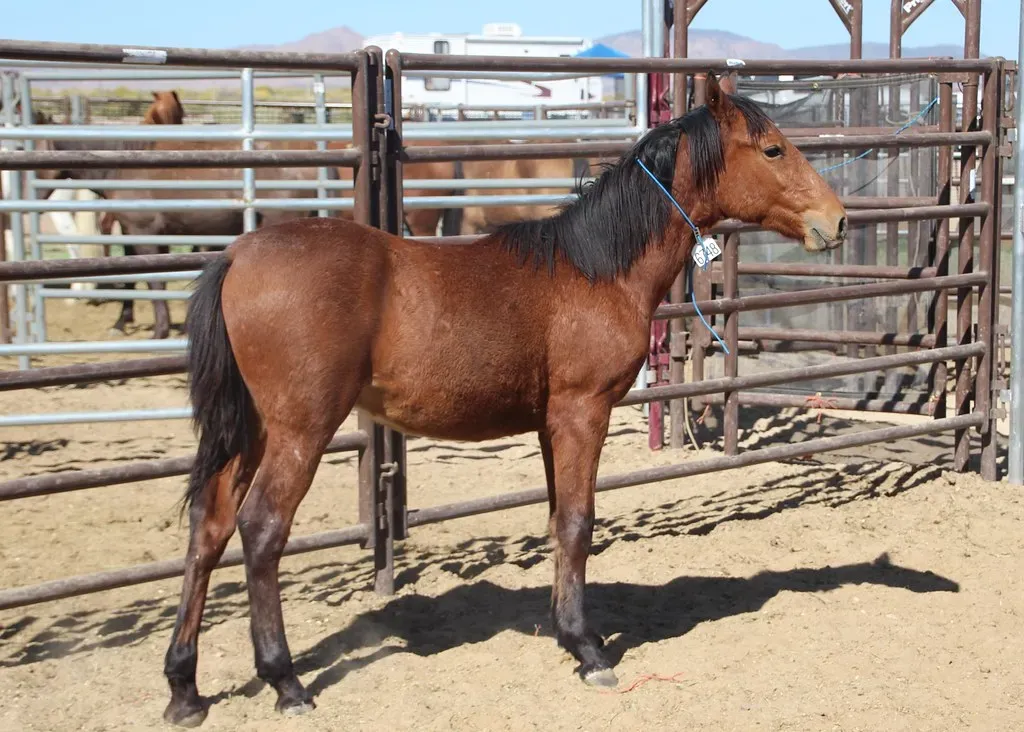
Coggins tests are standard, but standard doesn’t mean current. By the time a sale closes, the test on file is often months old – long enough for the picture to have changed. Equine Infectious Anemia has no treatment and no cure, and a horse that tests negative on an outdated Coggins can still carry a very recent exposure that hasn’t shown up yet in documentation.
Vets recommend insisting on fresh testing as a non-negotiable part of the purchase agreement – not because sellers are dishonest, but because diseases don’t wait for paperwork to catch up. The hidden risk is that some horses test clean but carry low-level infections that spread rapidly once they’re introduced to a new herd. Protecting the existing animals at the new barn is just as important as protecting the purchase itself, and this question covers both.
#12 – What Is the Horse’s Current Diet and Any Recent Changes?
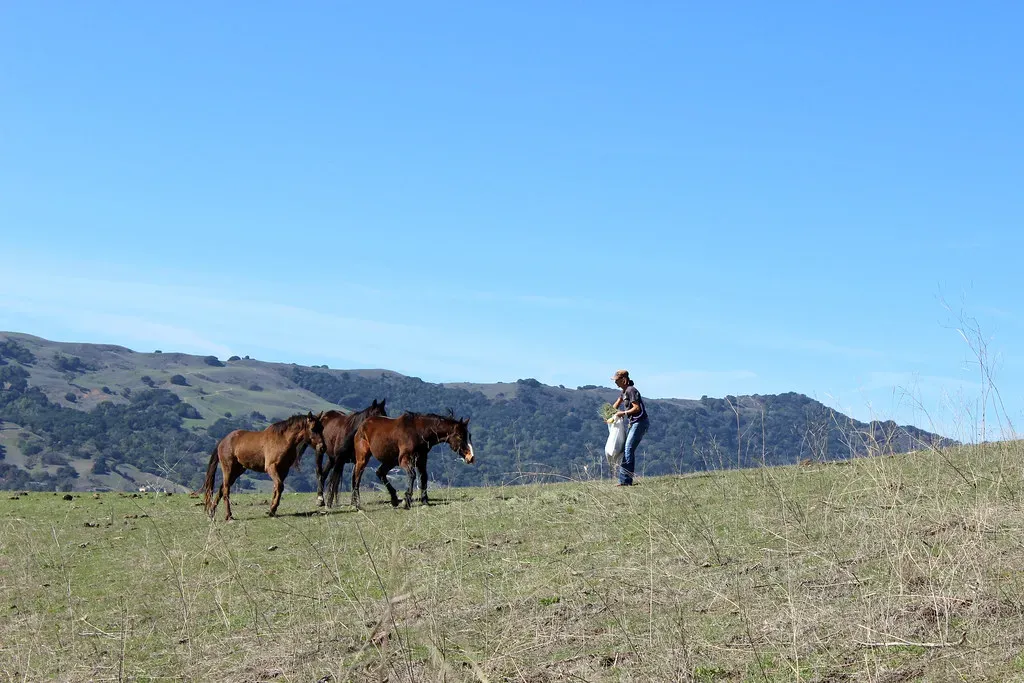
Sudden feed changes are one of the most predictable triggers for colic and laminitis, and they happen constantly in the first 30 days after a horse purchase – not because new owners are careless, but because nobody told them what the horse was eating before it arrived. Grain type, hay variety, feeding schedule, and supplement list all matter, and the difference between a horse that transitions smoothly and one that colics in week three often comes down to whether anyone asked for the exact ration.
The specific detail that catches buyers off guard is how many horses arrive on high-grain performance diets that new owners immediately scale back, thinking they’re being responsible. The horse’s digestive system doesn’t agree with abrupt changes in either direction. Requesting a written two-week transition plan from the seller isn’t excessive – it’s the kind of practical handoff that separates experienced sellers from those who are simply moving a horse off their property as fast as possible.
At a Glance: What to Request in Writing Before the Horse Arrives
- Exact grain type, brand, and daily amount (in pounds, not scoops)
- Hay variety (grass, alfalfa, or mix) and approximate flake count per feeding
- Full supplement list with dosages
- Daily feeding schedule — number of meals and timing
- Any recent feed changes in the past 60 days and the reason for them
- A written 14-day transition plan for switching to your barn’s program
#13 – Does the Horse Have Any Insurance or Medical Claims History?

This is the question almost nobody asks and almost every vet wishes they would. Prior insurance claims create a paper trail of recurring problems that a single pre-purchase exam can easily miss on a good day. A horse might look completely fine during a flexion test in February but have three years of documented claims for the exact same joint – information that exists somewhere in a file the buyer never thought to request.
There’s also a downstream consequence: horses with documented histories of expensive treatments often carry pre-existing condition exclusions that severely limit future insurance coverage. That means the buyer inherits not just the medical history but also the reduced insurance protection that goes with it. A clean vet check does not erase documented history. Asking for claims details before signing is the only way to know what you’re actually buying into.
#14 – What Is the Seller’s Real Reason for Selling?

Sellers rarely lead with the honest answer here, and the vague ones – “life circumstances,” “not enough time,” “ready to move on” – can mean almost anything. Vets hear the real stories only after the horse has changed hands, usually when a new owner comes in confused about behavior or health patterns that seem to have appeared out of nowhere but actually have a very clear history behind them.
Asking directly about known limitations, about why this specific horse didn’t work for this specific seller, and about what kind of rider or situation the horse genuinely needs is one of the most revealing conversations a buyer can have. The most telling detail is often what a seller conspicuously avoids saying about the horse’s future potential. Reputable sellers who genuinely care about their horses will answer this honestly. The ones who deflect or get defensive are usually deflecting for a reason.
#15 – Will the Seller Provide a Written Health Guarantee or Return Policy?
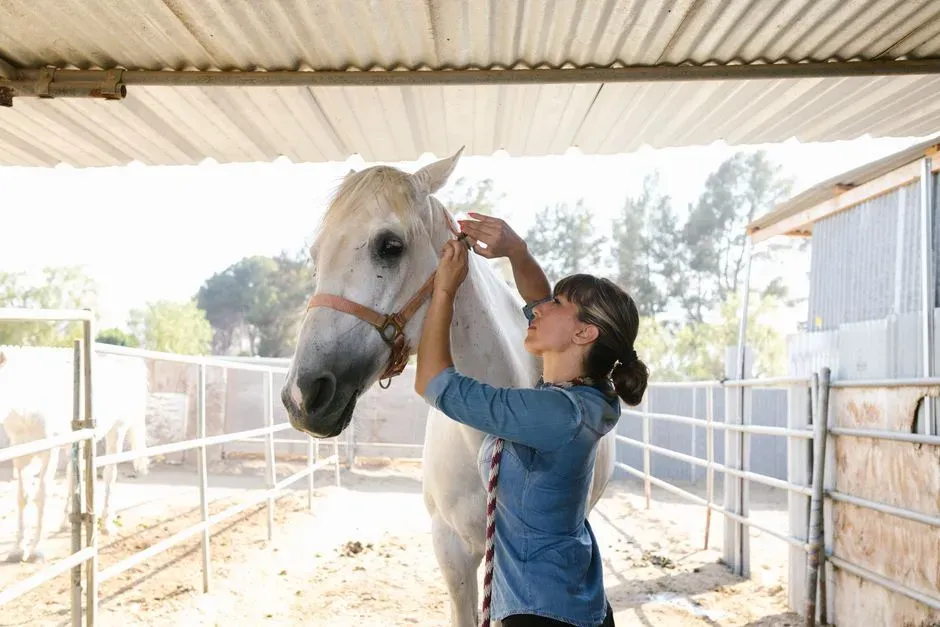
Most horse sales close on a handshake and an “as is” agreement, which leaves buyers with exactly zero recourse when a significant health issue surfaces five days later. Vets see this scenario play out regularly – a horse that passed a basic check develops an obvious problem within the first week, and the new owner discovers they have no legal ground to stand on because nothing was put in writing. A formal written agreement forces sellers to disclose known issues and creates accountability that the “as is” default eliminates entirely.
The most telling moment in any horse purchase is when a buyer asks for a written health guarantee and watches how the seller responds. Reputable sellers who stand behind their horses answer that request with reasonable terms. Sellers who resist it, minimize it, or suddenly become very busy tend to have a reason for that reaction. This single question – asked directly, without apology – changes the entire risk profile of a purchase. It’s the last question on this list, but for many vets, it’s the first one they wish buyers thought to ask.
Why It Stands Out: The Paper Trail That Protects You
- A written bill of sale should document the horse’s disclosed health status at the time of purchase
- A short return window (5–14 days) for undisclosed conditions shifts accountability back to the seller
- Any verbal promises about health, soundness, or temperament mean nothing without a signature
- Sellers who resist a written agreement are telling you something — listen to it
- Keep copies of all exam reports, records, and agreements in one file from day one
A Vet’s Honest Wish for Every New Horse Owner
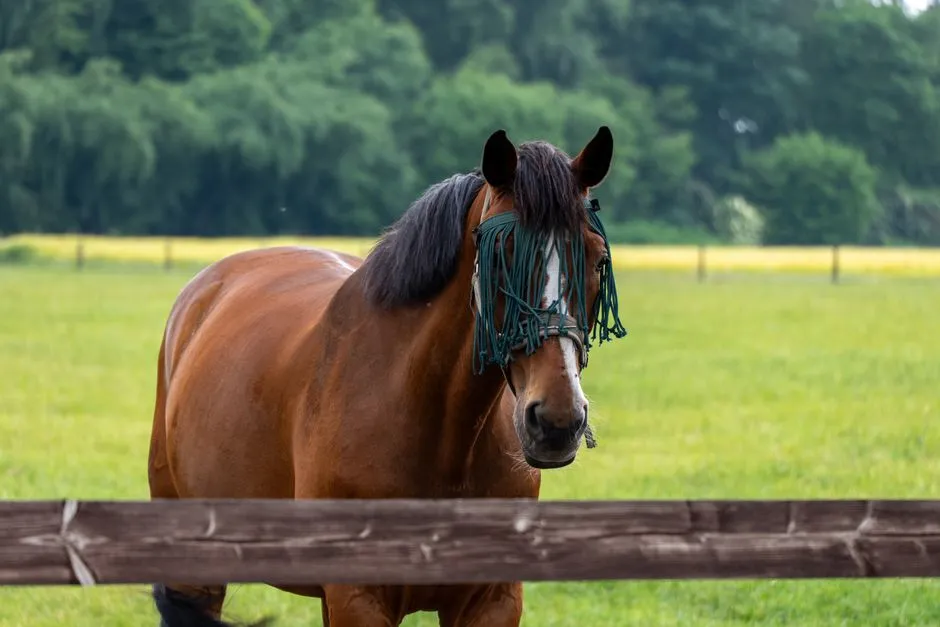
Here’s the opinion that experienced equine vets share among themselves but rarely say in front of clients: the emotional pull of a horse purchase is completely understandable – and it’s also the most expensive thing about it. The buyers who avoid the biggest disasters aren’t more knowledgeable or more experienced. They’re just the ones who treated the purchase like a medical and financial transaction instead of a romantic one. They asked the uncomfortable questions. They waited for real answers. They walked away from deals that couldn’t produce documentation.
These 15 questions aren’t about being cynical or making sellers feel interrogated. They’re about understanding that horses are extraordinarily expensive to maintain even when everything goes right – and catastrophically expensive when something was hidden, glossed over, or never asked about in the first place. The horse doesn’t care about the purchase price. It just needs an owner who knew what they were getting into before they got into it. Ask the questions. Get them in writing. And if a seller makes you feel difficult for doing so, take that feeling seriously – because that’s not a seller who respects either you or the animal they’re handing over.
