
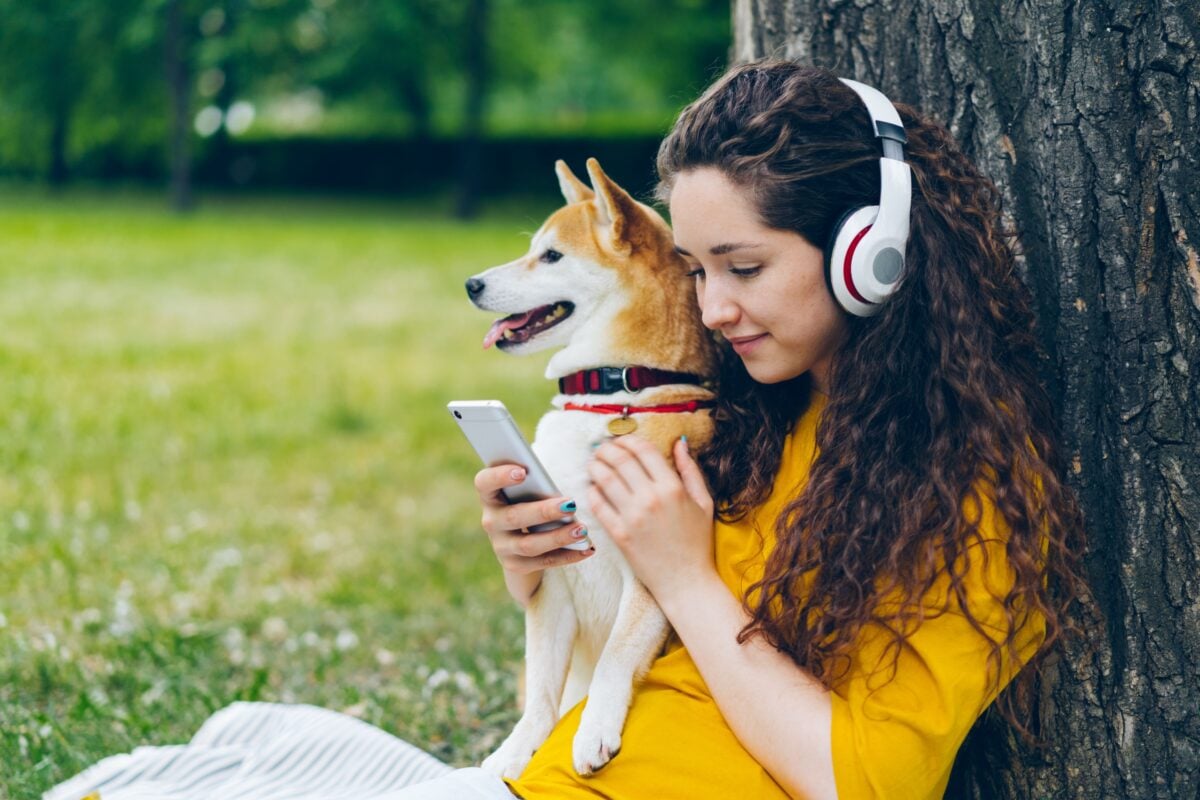
It isn’t. Your dog has been reading you since you walked through the door, and it picked up plenty before you said a word. Here are 13 things it notices, counted down from the quiet basics to the one that hits hardest.
Your scent, your footsteps, your posture and the tension in your voice are all data to a dog. Researchers who study canine cognition have spent years measuring how much it takes in. Some of what they found is flattering. Some of it is uncomfortable. And the signal waiting at #1 changes how you read those moments when your dog just sits quietly beside you.
#13 – Your Personal Scent Signature

🔥 Would you like to save this?
We'll email this post to you, so you can come back to it later!
Your dog can identify every person in your home with its eyes closed. It could probably do it from another room.
Every person gives off a distinct odor profile. It comes from skin, sweat, diet, hygiene products and the microbes living on you. To a dog, that blend works like a name tag, a calendar and a diary all at once.
Dogs are commonly credited with up to 300 million scent receptors, against roughly 6 million in people. Estimates vary by breed. A bloodhound sits at the top of the range and a pug is well below it.
Dogs also process smell differently. They sniff in short bursts, and part of the airflow goes to scent analysis instead of being exhaled straight out. A much larger share of a dog’s brain is devoted to smell than ours.
That’s why your dog presses its nose into your shoes after a long day. They carry a record of everywhere you’ve been.
- Your scent tells your dog who you are.
- It also tells your dog where you’ve been.
- It can change when your body chemistry changes.
But scent is only the first layer, and the next signal comes from a source most people ignore completely…
#12 – The Sounds You Make Before You Even Enter
🔥 Would you like to save this?
We'll email this post to you, so you can come back to it later!
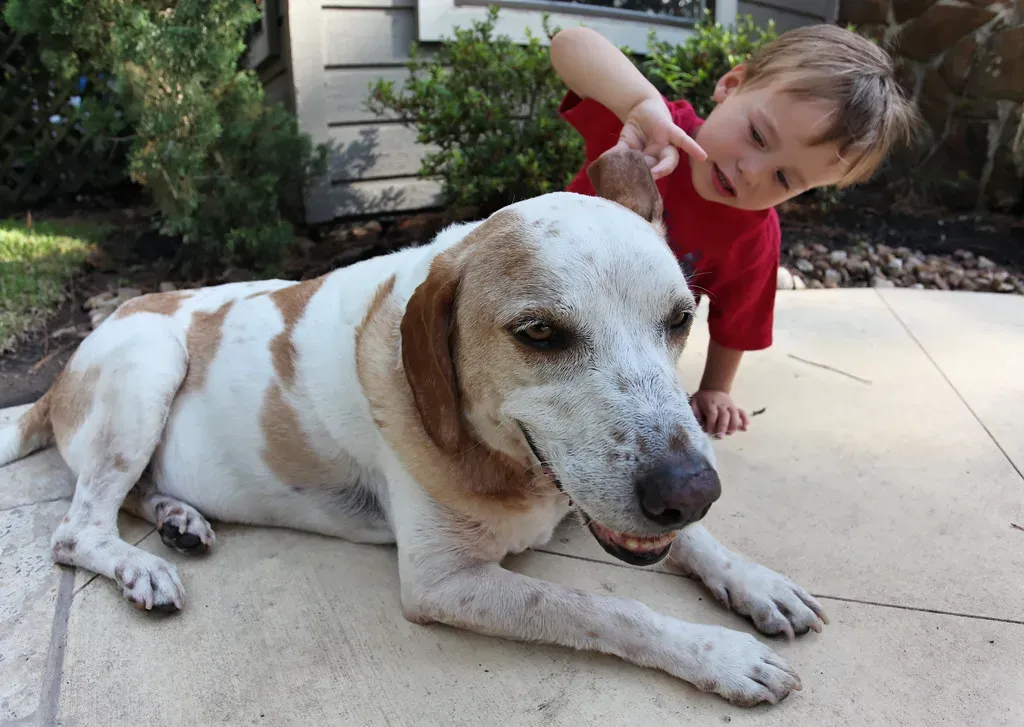
Your dog often knows you’re home before your key touches the lock.
Dogs hear a much wider range of frequencies than people do. Their upper limit is often cited at roughly 45,000 Hz, against about 20,000 Hz for humans. They also pick out faint sounds from a long way off, and many can swivel their ears toward the source.
Quick Compare
- Dog hearing: upper range often cited at roughly 45,000 Hz.
- Human hearing: upper range of about 20,000 Hz.
- Dog bonus: many can swivel their ears toward a faint sound.
Routine noise becomes a language. Footsteps on the stairs, the garage door and the rattle of one particular set of keys all turn into cues. Your dog isn’t psychic. It has simply heard the same sequence hundreds of times.
Owners often swear their dog recognizes one specific car. That claim is mostly anecdotal. The better-documented ability is that dogs can recognize familiar human voices. They can tell your voice from a stranger’s.
So when your dog bolts to the door, it’s usually not a mystery. It has learned the pattern of sounds that comes before you.
Hearing gets your dog to the door. But what you say when you arrive matters in a way that surprised scientists…
#11 – The Exact Tone of Your Voice
🔥 Would you like to save this?
We'll email this post to you, so you can come back to it later!
Your dog is processing your words and your tone separately.
A 2016 study in Science used brain scans on dogs. It found that the animals handle the meaning of words and the intonation of speech in different brain regions. Words lean toward the left hemisphere. Tone leans toward the right.
The finding that stood out was about reward. A dog’s reward centers lit up most when praise words came in a praising tone. Praise words in a flat, neutral voice didn’t produce the same response.
That means “good dog” said while scrolling your phone is not the same message to your dog. The words land, but the delivery decides how much they matter.
Here’s an opinion that will annoy some trainers. A dog that “ignores” you is often a dog hearing a tone that doesn’t match your words.
Voice is one channel. Your face is a second one, and dogs have been studying it for thousands of years…
#10 – The Expression on Your Face

🔥 Would you like to save this?
We'll email this post to you, so you can come back to it later!
Your dog can tell whether you’re smiling or scowling.
In a 2015 study published in Current Biology, dogs learned to tell happy human faces from angry ones. Then they applied that skill to faces they had never seen. Researchers took this as evidence that dogs sort expressions into emotional categories.
A 2016 study in Biology Letters, by Natalia Albuquerque, Kun Guo and colleagues, found something even more striking. Dogs matched emotional faces with the matching sounds. They linked a happy or angry human face with a happy or angry human voice.
That suggests dogs combine sight and sound into one emotional read. It’s a skill once thought to be limited to a few animals, humans among them.
Experts disagree about what this means. Some say it shows real understanding of emotion. Others say dogs have simply learned what certain faces predict, such as treats or trouble.
Faces are easy to read when you’re performing. What your body gives away without your consent is another matter…
#9 – Your Stress Level (Even When You Hide It)

🔥 Would you like to save this?
We'll email this post to you, so you can come back to it later!
You can fake a calm face, but you can’t easily fake your chemistry.
In a 2022 study in PLOS ONE, four trained dogs sniffed breath and sweat samples from people. The samples had been collected before and after a stressful task. The dogs picked out the stressed samples with accuracy above 90 percent. The group was tiny, so the result needs replication.
Fast Facts
- Journal and year: PLOS ONE, 2022.
- Dogs tested: four, all trained.
- Samples: breath and sweat, taken before and after a stressful task.
- Result: accuracy above 90 percent, with a caution about the small group.
An earlier study found that dogs sniffing sweat from frightened people showed more stress signs themselves. That suggests the signal is not just detected. It may also spread.
Then there’s the long game. Researchers at Linköping University in Sweden compared long-term stress hormone levels in dogs and their owners. They found the two tended to move together, and the dog’s levels followed the owner’s.
- Dogs can detect stress-related odors.
- Your mood may rub off on your dog.
- Living with an anxious person may raise a dog’s stress over time.
That last point is unfair, and it’s also the truth. Your dog is not just sharing your home. It’s sharing your nervous system.
And stress isn’t the only thing your dog reads. It’s also tracking time, and it’s better at it than you’d expect…
#8 – The Rhythm of Your Day
🔥 Would you like to save this?
We'll email this post to you, so you can come back to it later!
Your dog knows when the day is about to change.
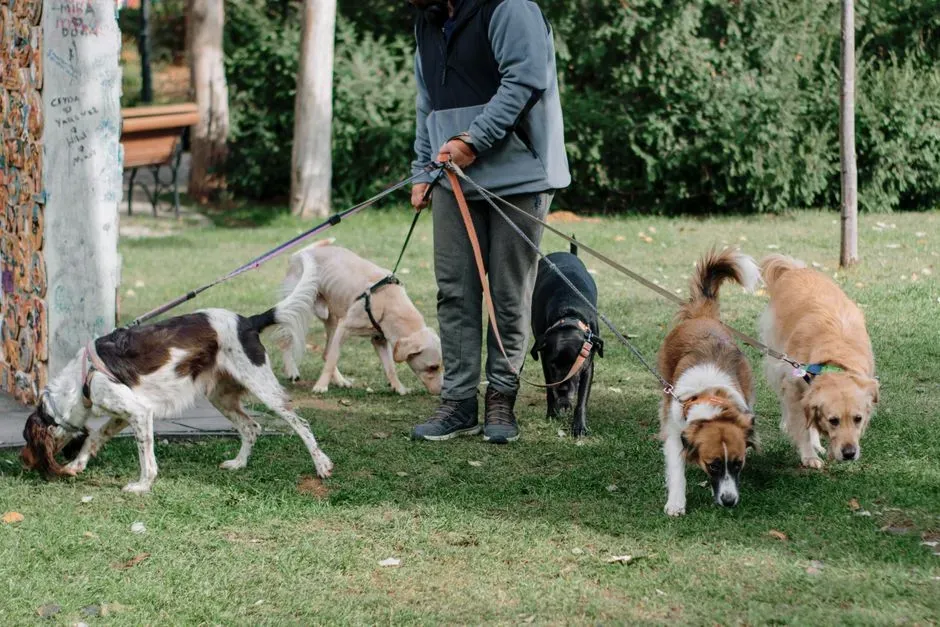
Dogs are skilled pattern learners. Meal times, walk times, the morning alarm and the way you move before leaving all become signals. Your dog doesn’t need a clock when it has a routine.
A 2011 study by Rehn and Keeling looked at how dogs greet owners after different absences. Dogs greeted owners more intensely after two hours apart than after thirty minutes. But the reaction after four hours wasn’t much stronger than after two.
That suggests dogs have some sense of elapsed time, at least in rough terms. How they do it is still debated. One idea is that they track the fading of your scent in the home, though that remains a hypothesis.
Your dog tracks your schedule. It also tracks something less obvious, your track record…

2 Pcs Halloween Pet Hat Bandana Set, Witch Pumpkin Costumes for Dogs
Check Price on AmazonAs an Amazon Associate, we earn from qualifying purchases.
10/9/2026 2:45 pm GMTi

Hand Blown Glass Hummingbird Feeders for Outdoors Hanging, 24oz Wild Bird Nectar Feeder
Check Price on AmazonAs an Amazon Associate, we earn from qualifying purchases.
10/7/2026 1:23 pm GMTi

Halloween Dog Collar with Bow, Orange Cute Ghost Collar,
Check Price on AmazonAs an Amazon Associate, we earn from qualifying purchases.
10/9/2026 2:43 pm GMTi

PetSafe Oasys Pet Fountain, 1/2 Gallon (64 oz), Small Dogs & Cats
Check Price on AmazonAs an Amazon Associate, we earn from qualifying purchases.
10/8/2026 8:14 am GMTi

Orthopedic Extra Large Dog Bed, Waterproof Washable XL Pet Bed 44"
Check Price on AmazonAs an Amazon Associate, we earn from qualifying purchases.
10/7/2026 1:32 pm GMTi
#7 – Whether You Can Be Trusted
🔥 Would you like to save this?
We'll email this post to you, so you can come back to it later!
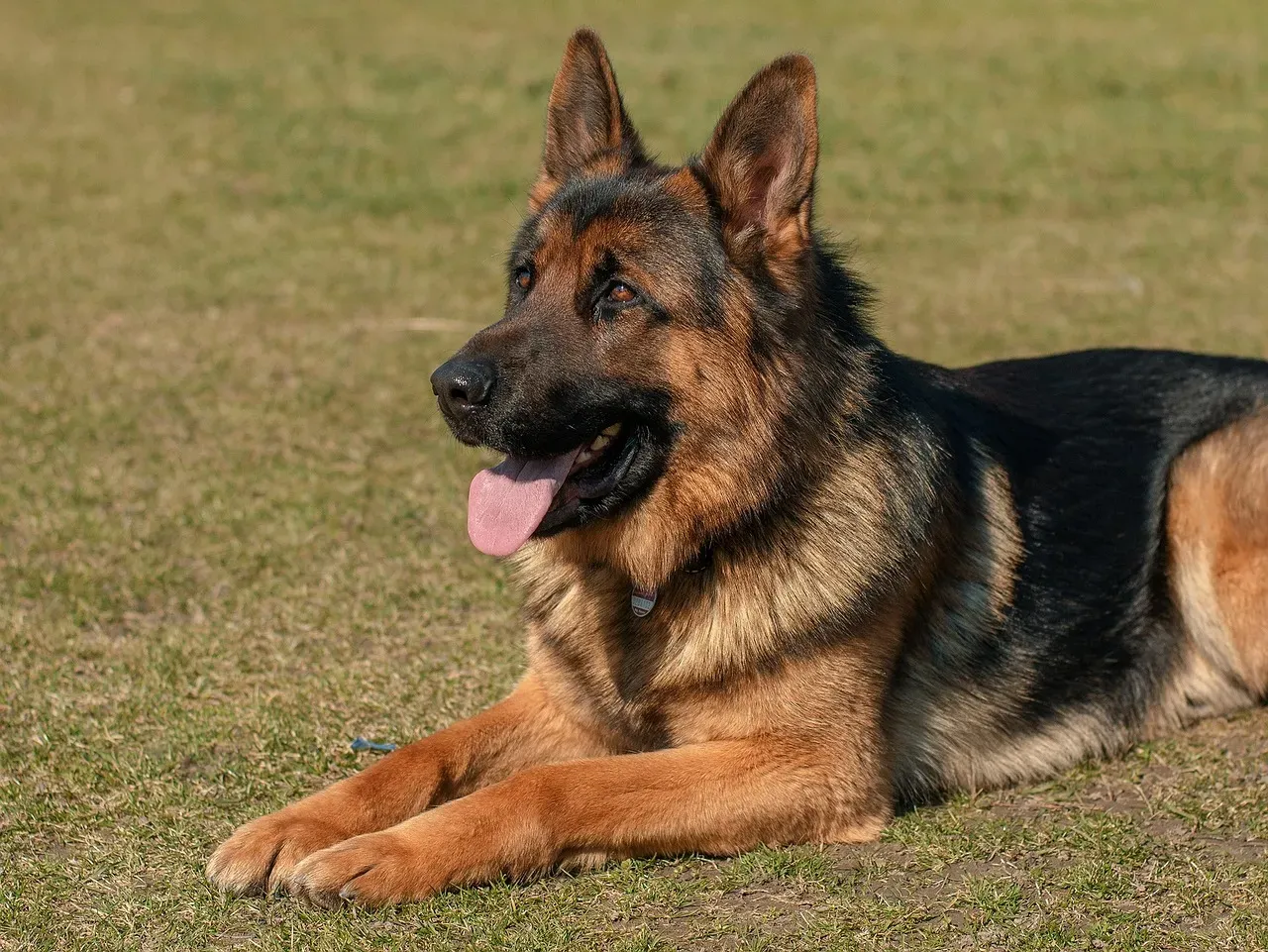
Your dog is quietly keeping score of who tells the truth.
Dogs follow human pointing gestures better than most animals, including our closest primate relatives. But they aren’t blindly obedient. In experiments, dogs that watched a person repeatedly point to empty containers began to ignore that person’s gestures.
In other words, dogs seem to lower their trust in people who mislead them. Researchers in Japan have studied this effect, and other labs have reported similar patterns.
This is where the truth gets awkward. If you constantly say “come” and then do something unpleasant, your dog learns that your cue is unreliable. Many dogs don’t “disobey.” They’ve made a reasonable judgment.
That’s the biggest mistake in everyday recall training. Owners call the dog to end the fun, give a bath or leave the park. Then they wonder why the word stopped working.
- Pair your cues with good outcomes.
- Don’t use “come” as a trap.
- Keep your promises small and consistent.
Trust shapes whether your dog listens. And where you look shapes what your dog notices next…
#6 – Where You’re Looking

🔥 Would you like to save this?
We'll email this post to you, so you can come back to it later!
Your dog follows your eyes like a spotlight.
Dogs pay close attention to human gaze direction and gestures. Even puppies tend to follow a pointing finger. That’s one reason dogs are considered unusually good at reading human communication.
Researchers think this skill was strengthened during domestication. Dogs that could read our signals were more useful and more likely to thrive around people. Wolves raised by humans generally don’t match dogs at this task.
A 2015 Japanese study in Science found that mutual gazing between dogs and owners raised oxytocin in both. Oxytocin is a hormone linked to bonding. The loop was seen in dogs but not in hand-raised wolves.
Your eyes are a signal. So is the rest of your body, and your dog reads it better than you do…
#5 – The Body Language You Don’t Know You’re Using
🔥 Would you like to save this?
We'll email this post to you, so you can come back to it later!
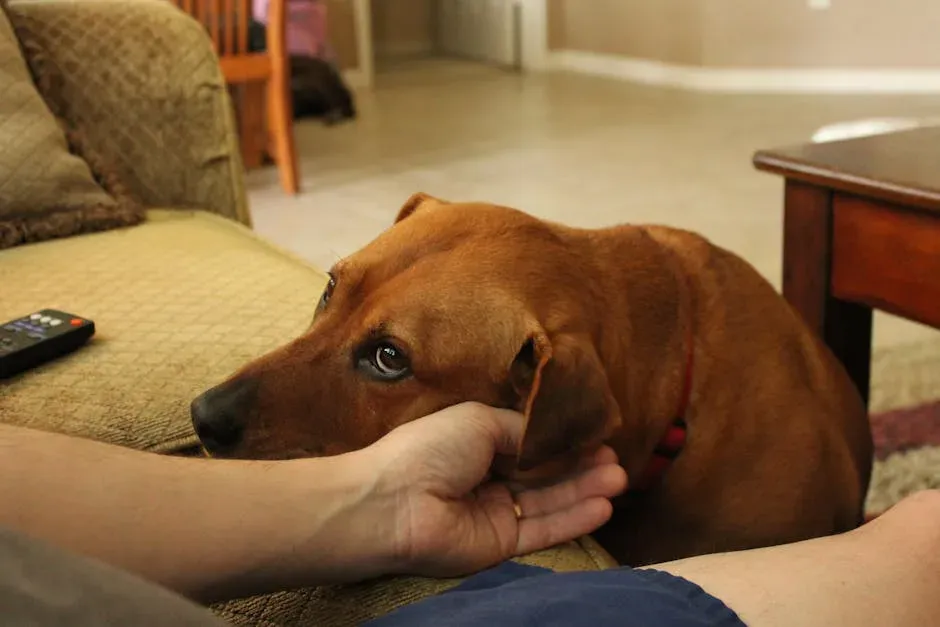
Your posture is saying things you never intended.
Dogs rely heavily on body language. Shoulder tension, stiff movements, the way you lean toward them and even how fast you reach out all get read.
Here’s a popular belief that experts have challenged. Many owners think their dog looks guilty after misbehaving. Alexandra Horowitz tested this in 2009. Dogs showed the “guilty look” more when owners scolded them, whether or not the dog had actually done anything.
So that look is likely a reaction to you, not remorse. Your dog is responding to your tone and posture, not confessing to the trash can incident.
That’s why scolding after the fact tends to fail. Your dog isn’t connecting the punishment to something it did an hour ago. It’s connecting it to you being upset right now.
Your dog notices what you project. But there’s a sense it has that you don’t, and it works in the dark…
#4 – The Heat Your Body Gives Off
🔥 Would you like to save this?
We'll email this post to you, so you can come back to it later!
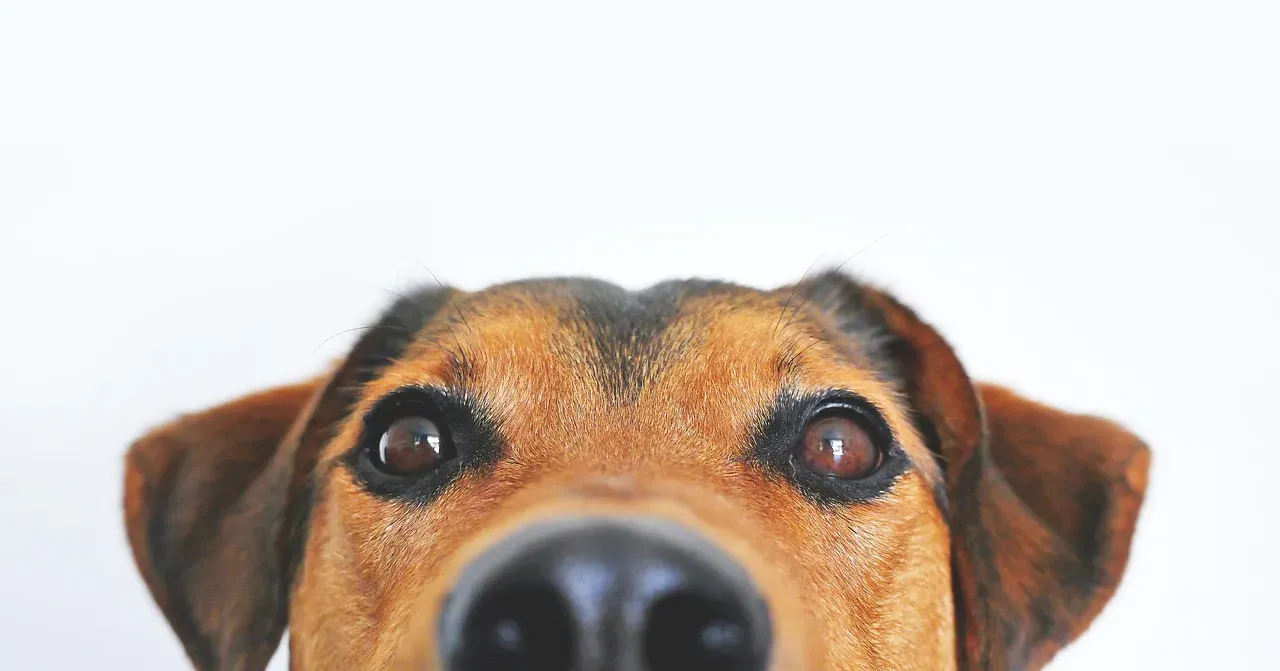
Your dog may be sensing warmth the way a snake does.
A 2020 study in Scientific Reports found that dogs can detect weak thermal radiation. Untrained dogs chose a warm object over a room-temperature one. Brain scans showed a response in the part of the brain that handles touch.
The researchers linked this ability to the dog’s nose, which is often cooler than the surrounding air. That design may help it pick up faint heat signals.
Why would this matter in a house? For wild canines, warmth helps locate prey. For a pet dog, it may help explain why your dog finds you in a dark room or picks the warmest spot on the sofa.
Be careful not to overstate this. The research shows the ability exists. It doesn’t prove exactly how much it shapes everyday behavior.
Worth Knowing
- Untrained dogs in the 2020 study chose a warm object over a room-temperature one.
- Brain scans showed activity in the region that handles touch.
- The nose is the likely sensor, since it is often cooler than the air around it.
- Everyday impact is still being studied.
Heat is subtle. Changes in your health can be subtler, and this is where the claims get bold…

Professional 7 in 1 Dog Paw Cleaner for Dogs & Cats - Includes 1 Portable Paw Washer, 1 Bath Brush
Check Price on AmazonAs an Amazon Associate, we earn from qualifying purchases.
10/7/2026 1:26 pm GMTi

Smart Bird Feeder with Camera Solar Powered, 2K HD Live Video, 10,000+ Bird Species AI Identification
Check Price on AmazonAs an Amazon Associate, we earn from qualifying purchases.
10/7/2026 1:22 pm GMTi

Glass Hummingbird Feeder for Outdoors Hanging
Check Price on AmazonAs an Amazon Associate, we earn from qualifying purchases.
10/7/2026 1:21 pm GMTi

Portable Dog Water Bottle Foldable Dog Travel Water Bottle
Check Price on AmazonAs an Amazon Associate, we earn from qualifying purchases.
10/7/2026 1:29 pm GMTi

Air Purifiers for Home Pets Large Room Up to 3000 Ft²,HEPA Air Cleaner with Washable Double-Side Filter, PM2.5 Air Quality Monitor,15dB Sleep Mode for Bedroom Odor Dust Pollen,White
Check Price on AmazonAs an Amazon Associate, we earn from qualifying purchases.
10/8/2026 8:23 am GMTi
#3 – Changes in Your Health
🔥 Would you like to save this?
We'll email this post to you, so you can come back to it later!
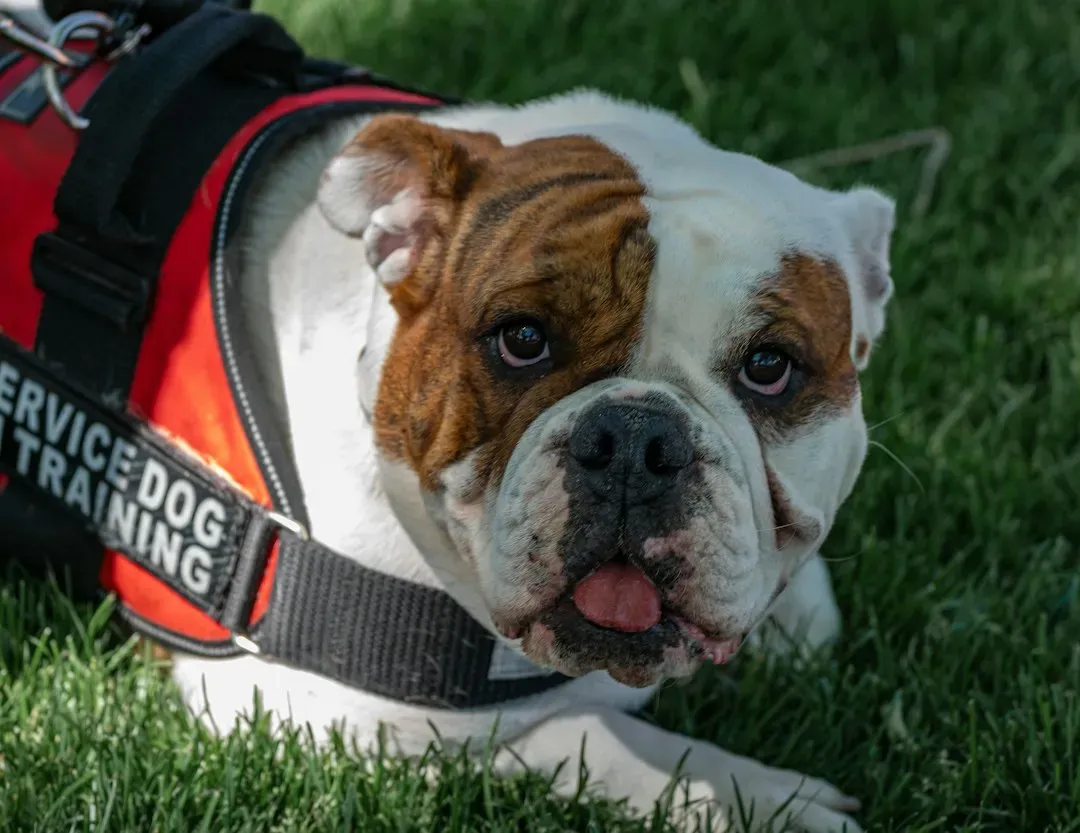
Your dog may notice something is off before you do, but the evidence is mixed.
Trained medical detection dogs can identify certain conditions by smell. These include low blood sugar and some cancers, and detection of certain infections has been tested too. Accuracy varies a lot across studies and conditions.
Pet dogs are a different story. Many owners report their untrained dog behaving strangely before a seizure or illness. Those accounts are plentiful, but they’re mostly anecdotal and not reliably proven.
The sensible reading is this. Illness can change body odor, behavior and routine. A dog that lives with you is well placed to notice at least some of that.
That’s the line to hold. Don’t rely on your dog as a diagnostic tool. But if your dog suddenly fixates on one part of your body, see a doctor anyway.
Your dog also tracks your attention, and it will test the limits of it…
#2 – Whether You’re Actually Watching

🔥 Would you like to save this?
We'll email this post to you, so you can come back to it later!
Your dog knows the difference between you looking and you being present.
In classic experiments, researchers forbade dogs from taking food. Dogs were less likely to snatch it when the person was watching and facing them. They grabbed the food more often when the person’s back was turned.
A later study found that dogs were more likely to take forbidden food in a dark room than in a lit one. They seem to understand that visibility matters.
At a Glance
- Person watching and facing the dog: food is less likely to be taken.
- Person’s back turned: dogs grab the food more often.
- Dark room versus lit room: forbidden food is taken more in the dark.
This is the truth behind the “he only behaves when I’m looking” complaint. Your dog has learned that your attention changes what happens next. That’s not sneaky. It’s good observation.
The phone is a quiet culprit. When you scroll while your dog tries to get your attention, it notices that your eyes are elsewhere. Some dogs respond by escalating to barking, pawing or stealing socks.
All of this adds up to a dog that’s reading you constantly. But the biggest thing it notices is the one that tells you the most…

Dog Stairs for Bed 18" H, 4-Step Dog Steps for High Bed
Check Price on AmazonAs an Amazon Associate, we earn from qualifying purchases.
10/9/2026 2:42 pm GMTi

Glass Hummingbird Feeder for Outdoors Hanging, 16 oz Leak-Proof Nectar Feeder with Bee Guards & Ant Moat
Check Price on AmazonAs an Amazon Associate, we earn from qualifying purchases.
10/7/2026 1:22 pm GMTi

Halloween Cat Costume Cloak Witch Hat Pet Accessories
Check Price on AmazonAs an Amazon Associate, we earn from qualifying purchases.
10/9/2026 2:44 pm GMTi

Earth Rated XL Dog & Puppy Pee Pads, Discreet Top, Max Absorbency
Check Price on AmazonAs an Amazon Associate, we earn from qualifying purchases.
10/7/2026 1:28 pm GMTi
#1 – When Someone in the House Is Hurting

🔥 Would you like to save this?
We'll email this post to you, so you can come back to it later!
Your dog notices sadness, and it often responds.
In a 2012 study led by Deborah Custance, dogs were exposed to a person crying, talking or humming. The dogs approached the crying person more often, whether the person was their owner or a stranger. Many approached in a gentle, submissive way.
Researchers described this as “empathic-like” behavior. They were careful with the wording. The dogs might have been responding to distress itself, or they might simply have been drawn to an unusual sound. Experts still debate which.
Even so, what matters at home is plain. Many dogs stay close, rest their head on your lap or follow you from room to room during hard days. Whatever’s driving it, the effect is comfort for you.
There’s one more piece. Dogs that spend a lifetime reading humans also pick up on tension between family members. Arguments, slammed doors and long silences all register.
So the next time your dog goes quiet and parks itself against your leg, don’t assume it’s waiting for anything. It has probably been reading you for hours.
Your dog isn’t waiting for instructions. It’s collecting data on your smell, your voice, your face, your stress and your reliability, every hour you share a home. The most uncomfortable finding is that your dog’s stress may track your own.
In my view, that makes “calm owner” the most underrated training tool there is, ahead of any gadget or treat pouch. If your dog seems anxious, stubborn or clingy, the first question should be what it’s picking up from you. Which of these signals do you think owners underestimate most?

- 13 Things a Dog Notices About Its Household Before Anybody Speaks. - November 9, 2026
- 19 Cat Behaviours That Appear Only After Months in One Home - November 9, 2026
- 7 U.S. States Where Mountain Lions Roam Closer to Towns Than Most People Think - November 9, 2026