
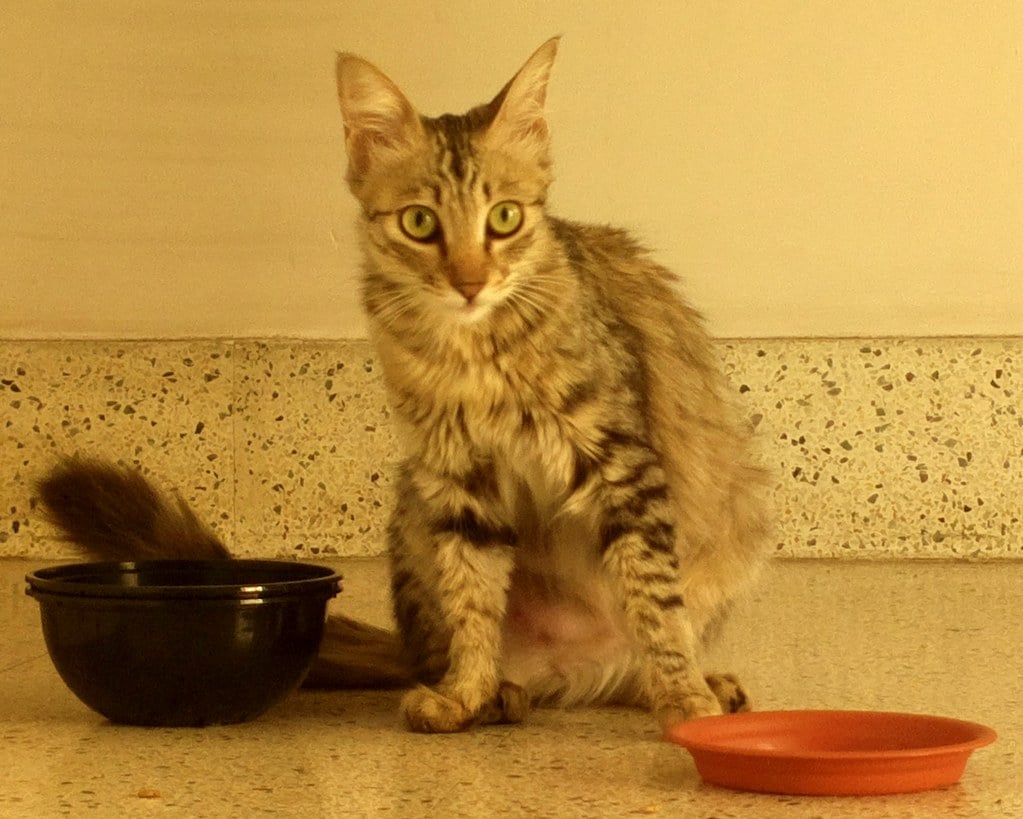
You brought your cat home weeks ago. She eats, naps, and tolerates you, and you figure you’ve met the whole personality. You haven’t. Some of the most revealing things a cat does stay locked away until she is sure the house is safe, and that takes far longer than most people expect.
The popular 3-3-3 rule says three days to decompress, three weeks to learn the routine, and three months to feel truly at home. It is a rule of thumb borrowed from adoption advice, not a law of nature, but it explains why the shy, distant cat of week one can turn into a very different animal. These 19 behaviours arrive roughly from the earliest to the most meaningful. The last one changes how you read everything that came before it.
#19 – The Litter Box Stops Being a Worry
🔥 Would you like to save this?
We'll email this post to you, so you can come back to it later!
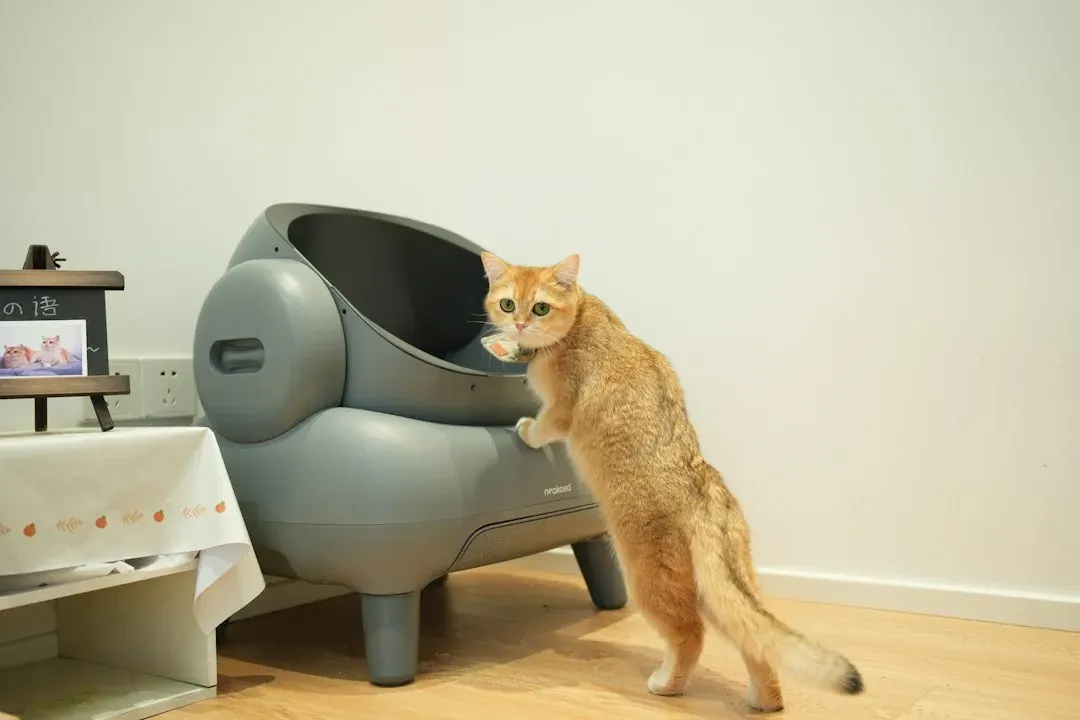
Early accidents and odd elimination habits are often fear, not bad training. A new cat may hold it for hours, pick hidden corners, or avoid the box because it sits somewhere that feels exposed. After months of stable days, most cats settle into a calm, reliable routine.
That calm matters. Using the box without scanning the room first means the cat no longer treats the home like a temporary or risky place. Some cats only stop the occasional spraying or stray accident after six months or more of steady, positive experience.
- Less hesitation and vigilance before using the box
- No more marking or leaving waste in hidden spots
One caution: sudden changes in litter habits can also signal a medical problem, so a vet visit is worth it if accidents persist or return.
#18 – Mealtime Becomes an Event She Actually Looks Forward To
🔥 Would you like to save this?
We'll email this post to you, so you can come back to it later!
Stress can flatten a cat’s appetite even when the bowl is full. In the early weeks, many cats eat quickly, eat only when nobody is watching, or barely eat at all. If a cat refuses food for more than a day or two, call your vet, because prolonged not-eating is risky for cats.
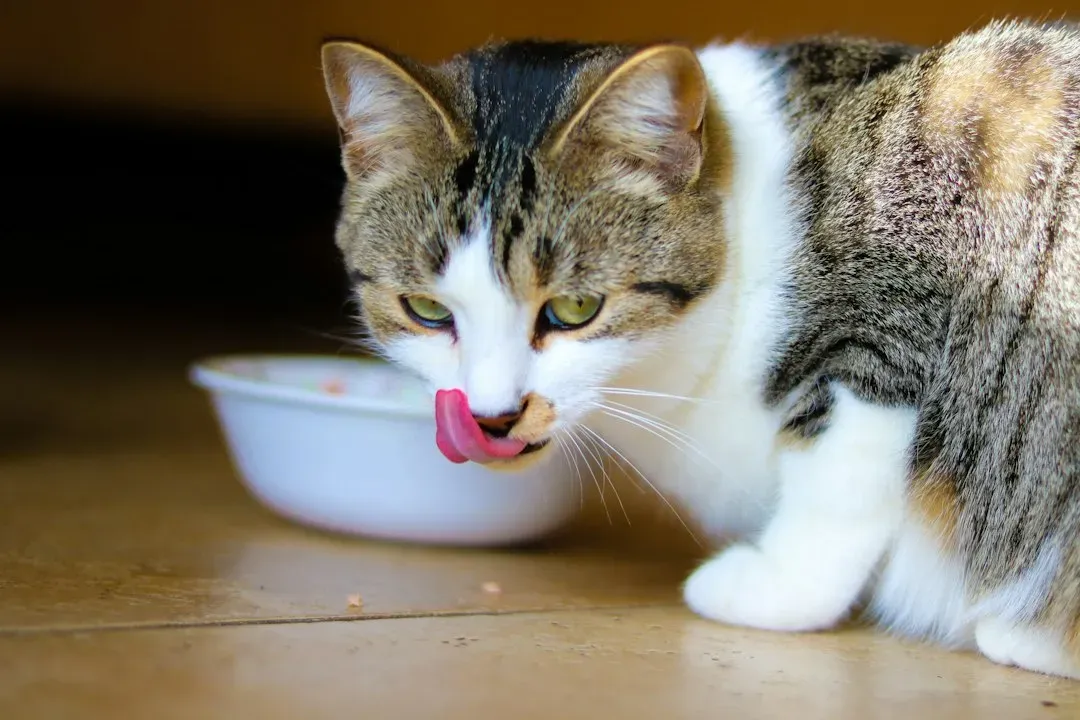
Months later, the scene changes. She starts showing up near the kitchen before the usual time. She may chirp, wind around your ankles, or park herself by the bowl like a tiny, furry maitre d’.
That anticipation is a quiet trust signal. She has learned that food shows up on schedule and nobody will take it away. In multi-pet homes, you may also see less guarding and tension at the bowl once everyone knows there’s enough to go around.
- Predictable hunger cues and a clear mealtime routine
- Calm approach to the bowl instead of cautious sneaking
#17 – Play Turns Into Full-Throttle Hunting Mode
🔥 Would you like to save this?
We'll email this post to you, so you can come back to it later!
A cat who is scanning for danger doesn’t waste energy on feather wands. That’s why many new cats barely play at all in the first weeks, even cats who are young and healthy.
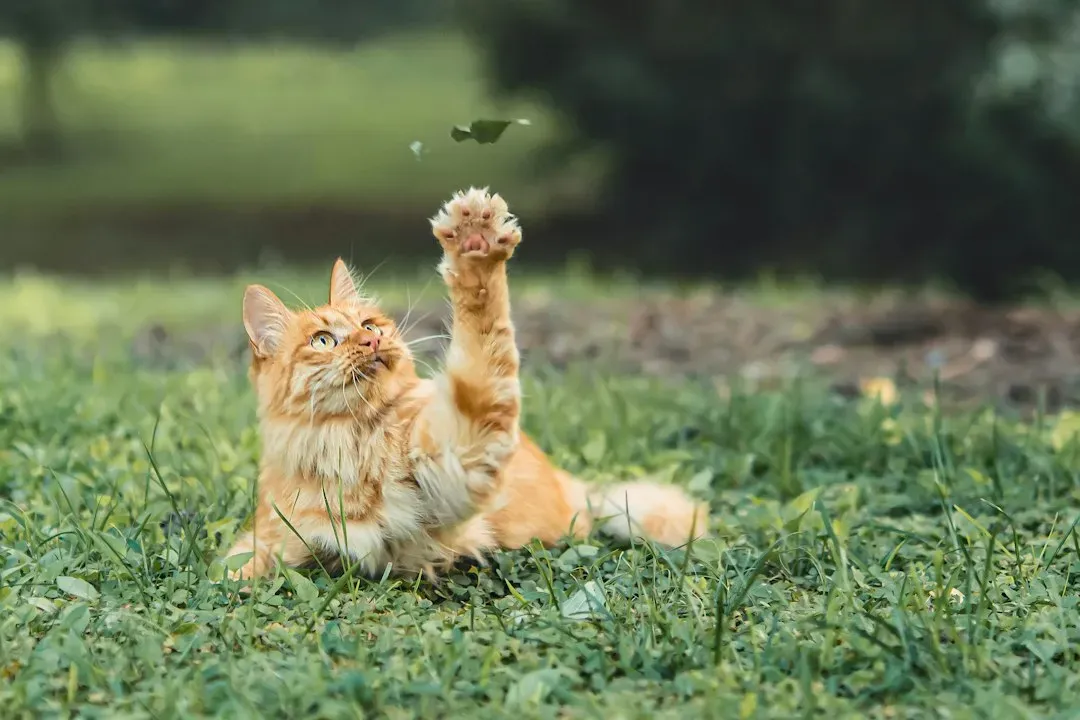
Once she feels safe, the switch flips. She pounces, sprints, stalks, and launches off furniture with total commitment. Play is a luxury, and cats only indulge in it when the basics feel handled.
You’ll often see this alongside less hiding and more confidence around the house. For indoor cats especially, those chase-and-pounce sessions are a vital outlet for natural hunting instincts. Play intensity can keep climbing for months as positive interactions stack up.
#16 – The Purr Gets Deeper and Shows Up Just for You
🔥 Would you like to save this?
We'll email this post to you, so you can come back to it later!
Early purring can be soft, rare, or missing entirely. Cats also purr when they’re nervous or unwell, so a purr alone isn’t proof of bliss. What changes over time is the context.
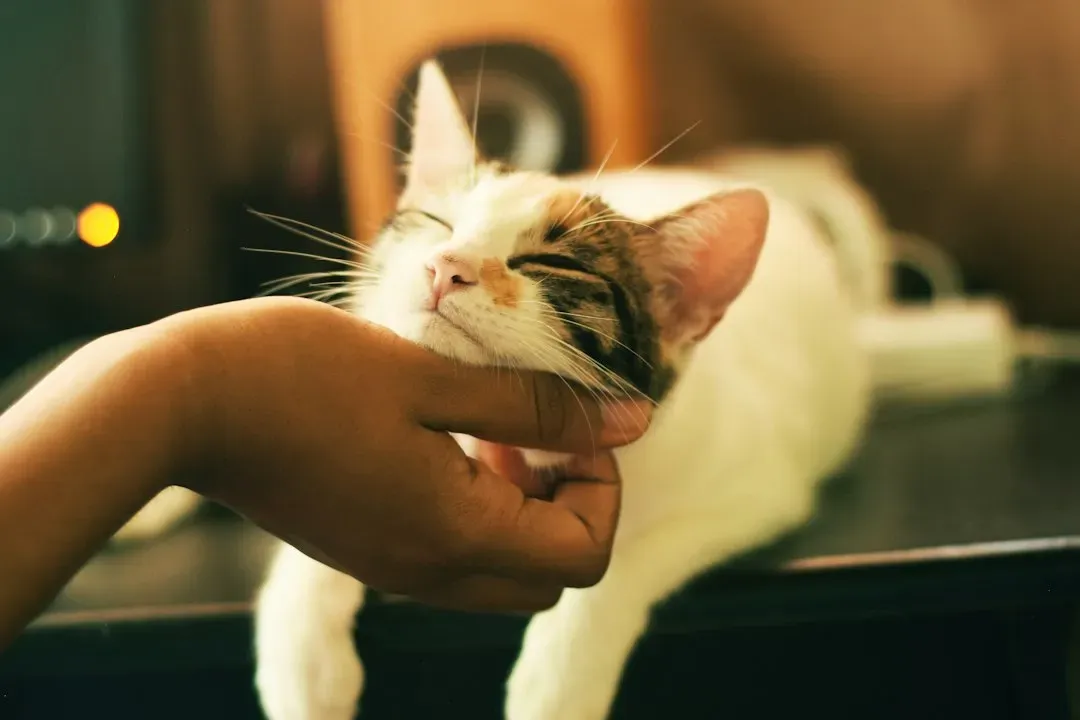
After months together, many cats purr in a sustained, relaxed way when you simply sit nearby, without any petting. Cats purr in the range of roughly 25 to 150 hertz, and researchers have also described a more urgent “solicitation purr” with a higher-pitched cry tucked inside. A cat who has learned you respond to her can get very good at both.
- Purring while resting beside you
- Purring paired with slow blinks or kneading
Not every cat becomes a roaring purr machine, and that’s fine. The point is a calm purr that appears around you on its own.
Fast Facts
- Typical purr frequency: roughly 25 to 150 hertz
- Kittens start purring within days of birth, often while nursing
- Purring can mean contentment, but also stress, pain, or illness
- The “solicitation purr” was described by University of Sussex researchers in 2009
#15 – She Follows You Everywhere, Including the Bathroom
🔥 Would you like to save this?
We'll email this post to you, so you can come back to it later!
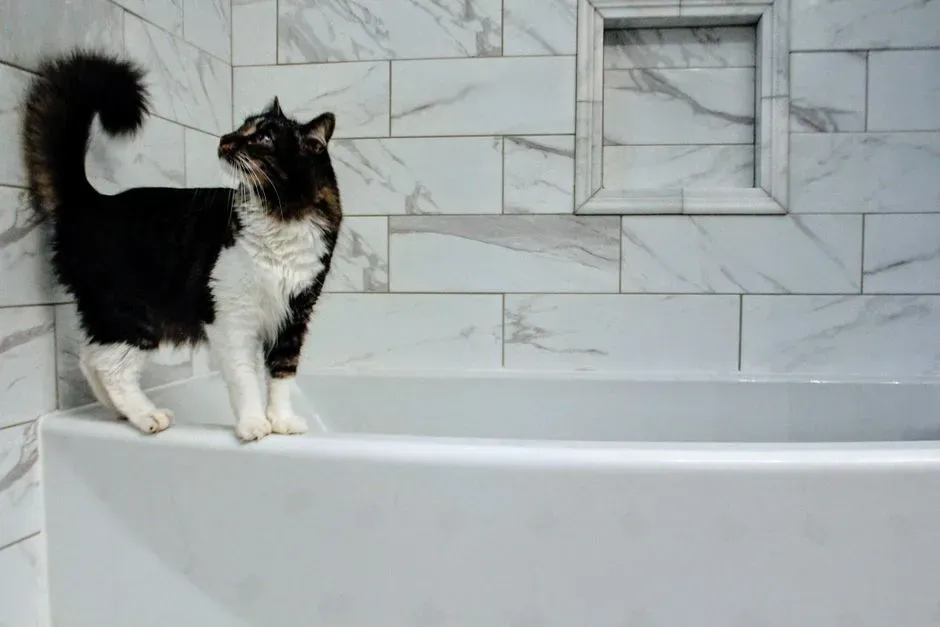
Independent cats often keep their distance at first. Then one day you realize you have a shadow, and that shadow is waiting outside the shower.
Following you from room to room is usually a low-effort form of company. In most cases it reflects secure attachment rather than anxiety. You’ve become part of her safe territory, and she likes to keep her territory in view.
There is a catch. If the shadowing comes with frantic crying, destruction, or distress when you leave, that’s a different story and worth a vet or behaviorist conversation. For most cats, though, trailing you is simply a way of saying you’re part of her inner circle.
#14 – The Lap Becomes a Kneading Zone
🔥 Would you like to save this?
We'll email this post to you, so you can come back to it later!
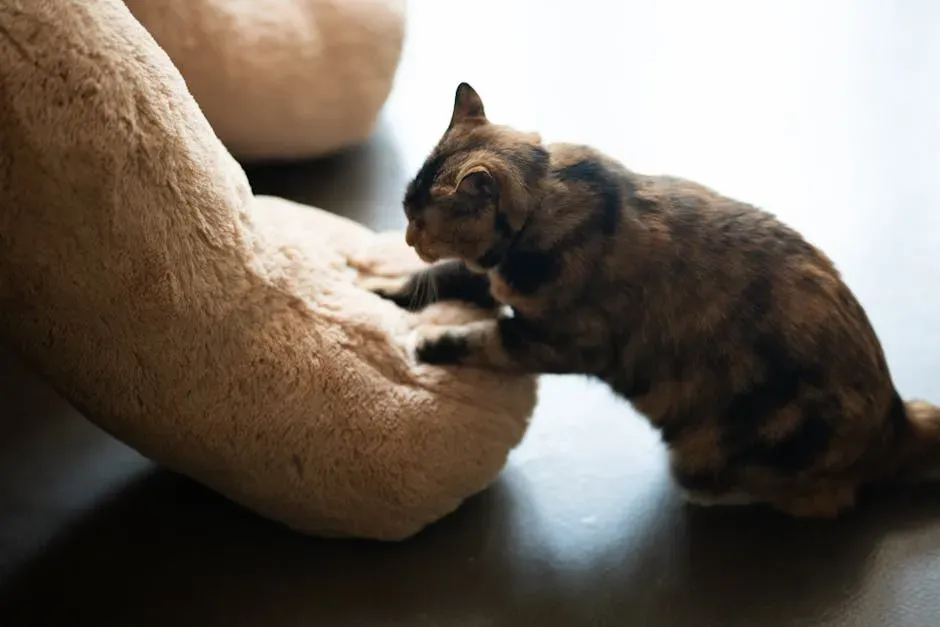
Kneading often starts on blankets and soft cushions long before it reaches a person. The rhythmic push-pull of the paws is a leftover from kittenhood, when kneading helped stimulate milk flow while nursing.
When it finally lands on your lap or chest, it means the cat associates you with the same safety and comfort. It rarely happens until she’s sure you’re a reliable source of security. Cats have scent glands in their paw pads, so kneading also leaves a faint personal signature on you.
- Often paired with purring or half-closed eyes
- Some cats prefer certain spots, like the stomach or a favorite blanket on your lap
Claws may or may not stay in. A folded towel works wonders for protecting your legs without discouraging the habit.
#13 – Headbutts and Cheek Rubs Become Deliberate
🔥 Would you like to save this?
We'll email this post to you, so you can come back to it later!
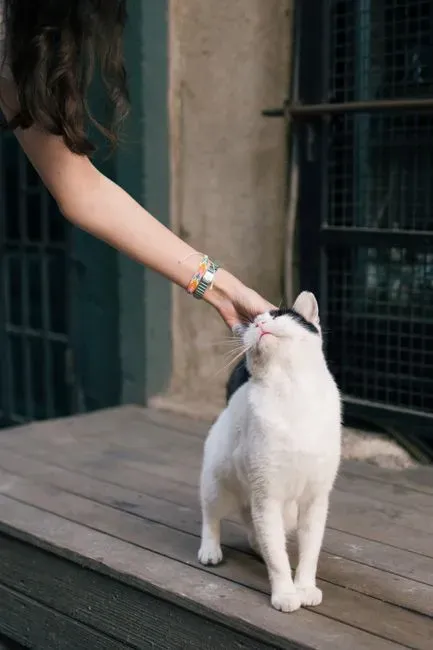
Cats have scent glands around the cheeks, chin, and forehead. When a cat bonks her head against you, she’s depositing a familiar scent, a behavior often called bunting.
Early in a stay, cats mostly rub furniture and door frames. Rubbing a person comes later, once the cat has begun treating you as part of her social group. It looks different from a casual brush-by because it’s slower, more deliberate, and often repeated.
Think of it as her way of labeling you as safe and familiar. Facial scent is associated with calm, which is why cats often rub on things in their core territory. Being chosen for this ritual is a real compliment.
#12 – The Slow Blink Arrives
🔥 Would you like to save this?
We'll email this post to you, so you can come back to it later!
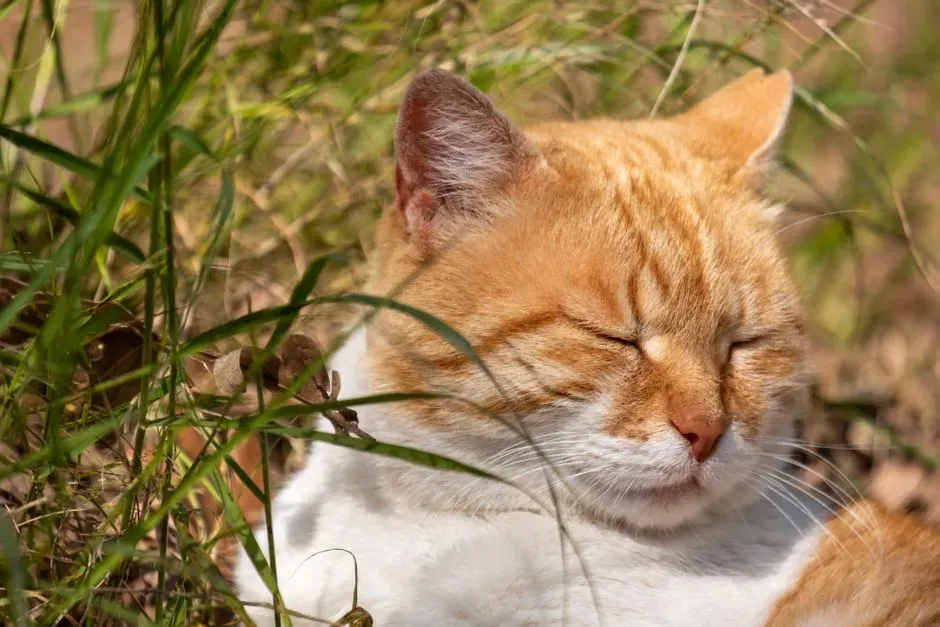
New cats often meet your eyes with a wide, unblinking stare, which in cat language can feel confrontational. Months later, the stare softens into a slow, sleepy blink that many people call a cat kiss.
Closing the eyes near another being takes a bit of trust. Researchers at the University of Sussex found in a 2020 study that cats were more likely to approach a person who had slow-blinked at them, which suggests the signal works across species.
Quick Compare
- Wide, fixed stare: can read as a challenge or a sign of tension
- Slow, sleepy blink: a relaxed, friendly signal you can return
- Looking away calmly: polite space-giving, not rejection
Try it yourself. During a calm moment, soften your gaze, blink slowly, and see whether she returns it. Don’t force it; just offer it and let her answer.
#11 – She Starts Grooming You
🔥 Would you like to save this?
We'll email this post to you, so you can come back to it later!
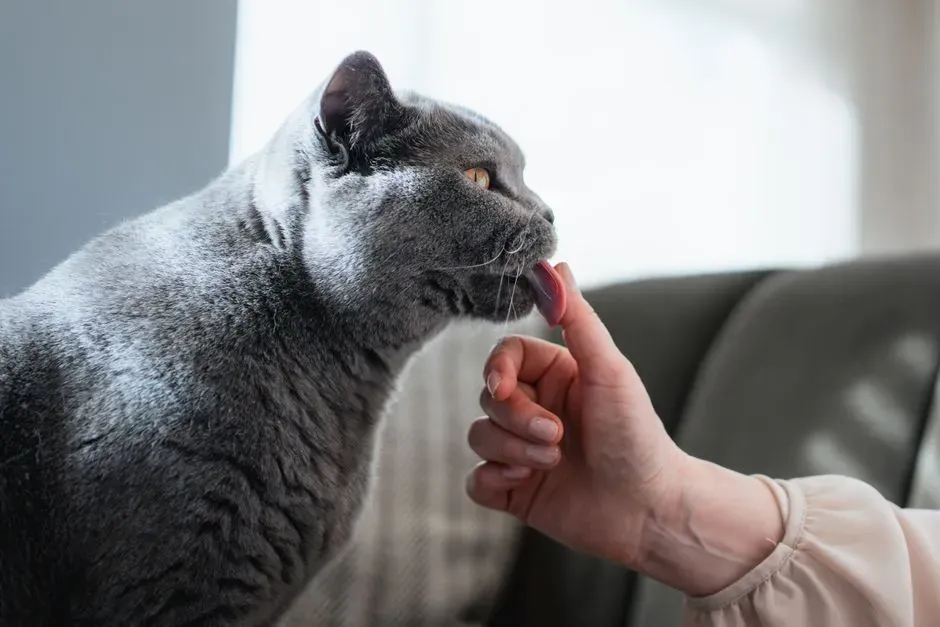
Cats mostly groom one another when they are closely bonded, so a few licks on your hand, arm, or hair are a big deal. It often appears only after the cat treats you as inner-circle family rather than an outsider.
These sessions are usually short and gentle, and they often happen during lazy lap time. Not every cat does this, but when one does, it’s a very specific signal of closeness.
If the licking feels rough, don’t scold or pull away abruptly, because that can confuse her. Gently redirect her with a toy or a pat and let her keep the habit in a form you can enjoy. Forcing interaction during a grooming attempt can erode the trust it signals.

Glass Hummingbird Feeder for Outdoors Hanging, 16 oz Leak-Proof Nectar Feeder with Bee Guards & Ant Moat
Check Price on AmazonAs an Amazon Associate, we earn from qualifying purchases.
10/7/2026 1:22 pm GMTi

Orthopedic Extra Large Dog Bed, Waterproof Washable XL Pet Bed 44"
Check Price on AmazonAs an Amazon Associate, we earn from qualifying purchases.
10/7/2026 1:32 pm GMTi

Dog Stairs for Bed 18" H, 4-Step Dog Steps for High Bed
Check Price on AmazonAs an Amazon Associate, we earn from qualifying purchases.
10/9/2026 2:42 pm GMTi

Professional 7 in 1 Dog Paw Cleaner for Dogs & Cats - Includes 1 Portable Paw Washer, 1 Bath Brush
Check Price on AmazonAs an Amazon Associate, we earn from qualifying purchases.
10/7/2026 1:26 pm GMTi

Air Purifiers for Home Pets Large Room Up to 3000 Ft²,HEPA Air Cleaner with Washable Double-Side Filter, PM2.5 Air Quality Monitor,15dB Sleep Mode for Bedroom Odor Dust Pollen,White
Check Price on AmazonAs an Amazon Associate, we earn from qualifying purchases.
10/8/2026 8:23 am GMTi
#10 – She Chooses to Sleep On or Right Beside You
🔥 Would you like to save this?
We'll email this post to you, so you can come back to it later!
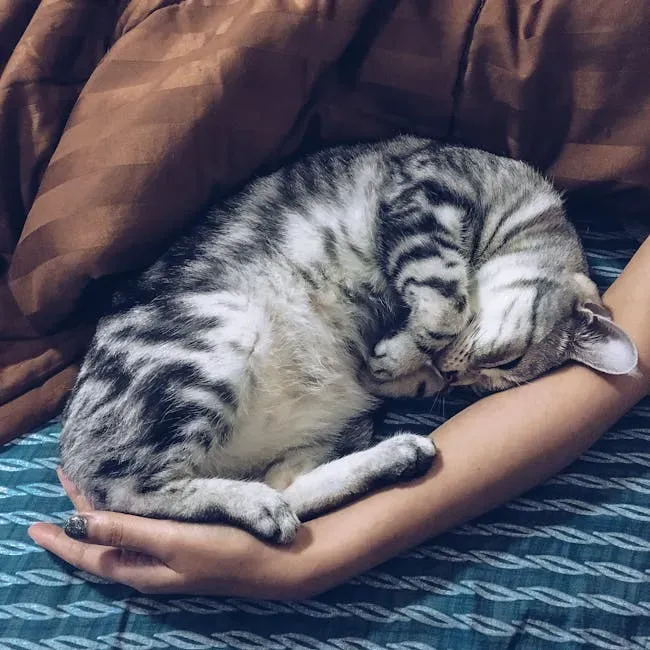
Sleep is the most vulnerable thing a cat does, so she chooses sleeping spots carefully. In the first weeks she may nap in closets, under beds, or on the highest shelf in the house.
Months later, she curls up on your lap, your chest, or the pillow beside your head. That is one of the strongest trust signals on this list, because a sleeping animal can’t watch for threats. She’s betting her safety on you.
Her favorite spots often stabilize over time, so don’t be surprised if she picks a “her side of the bed” and defends it. Close sleeping contact is a common sign of a settled bond in cats that feel secure with their person.
#9 – The Belly Comes Out, and It’s Not an Invitation
🔥 Would you like to save this?
We'll email this post to you, so you can come back to it later!
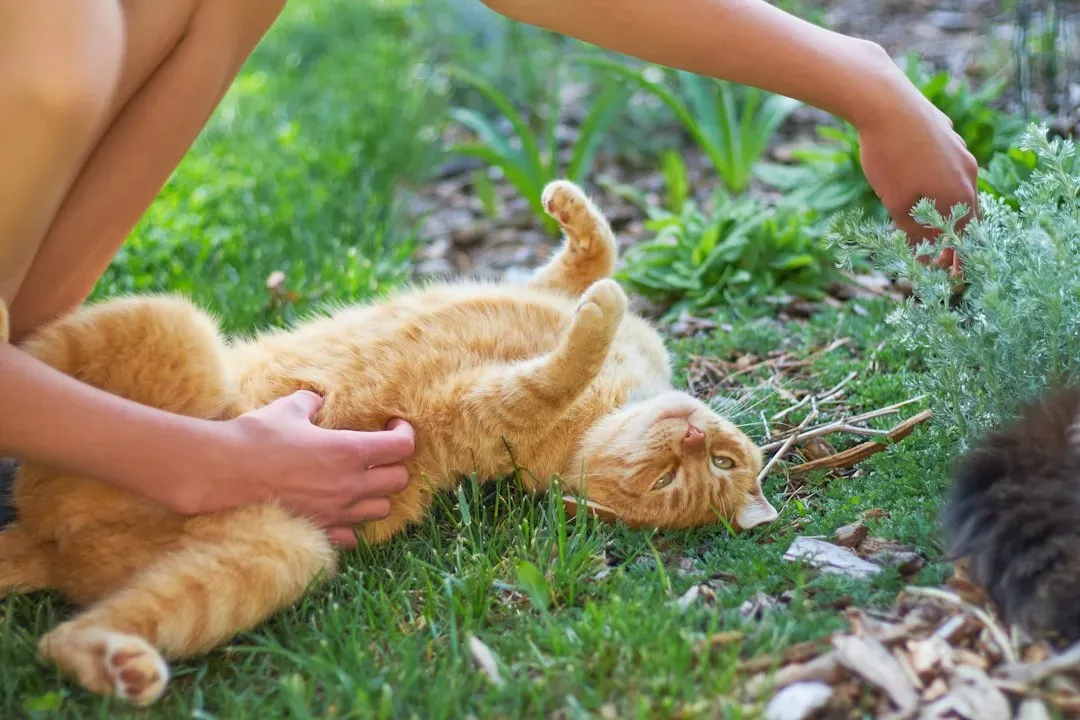
A cat’s belly is the most exposed part of her body, and early exposure is rare. When a cat finally flops over and shows it in your presence, you’re seeing deep security in action.
Here’s where many owners get burned: it is usually not a request for a belly rub. For many cats, the belly is a trap zone, and a reach in can trigger grabbing and kicking. The display is more a statement that she feels safe enough to be fully relaxed near you.
Read the body language around it. Loose limbs, soft eyes, and a slow tail suggest comfort. If you want to test touch, go slowly, and accept it gracefully if she says no.
Worth Knowing
- An exposed belly signals comfort, not a guaranteed touch request
- Green lights: loose limbs, soft eyes, slow tail, relaxed breathing
- Red lights: stiff body, flattened ears, fast tail flicks, wide pupils
- A safer test: one gentle stroke on the chest or side, then pause and watch
#8 – The “Gifts” Start Showing Up

🔥 Would you like to save this?
We'll email this post to you, so you can come back to it later!
Toys dragged to your feet, socks carried through the dark, and, for outdoor cats, the occasional unwelcome prey item are all ways cats bring things to the people they trust. This tends to happen after a cat sees you as a social partner worth including.
The meaning is debated. Some people read gifts as affection, while others say the cat is treating you like a clumsy member of the hunting group who needs help. Either way, it points to a bond rather than distance.
The behavior can be messy, loud, and very early-morning. Frequency depends on her hunting drive and how strongly she’s attached to you. When a gift arrives, calm acknowledgment beats a horrified scream.
#7 – Naps Move Out of Hiding and Into the Open
🔥 Would you like to save this?
We'll email this post to you, so you can come back to it later!
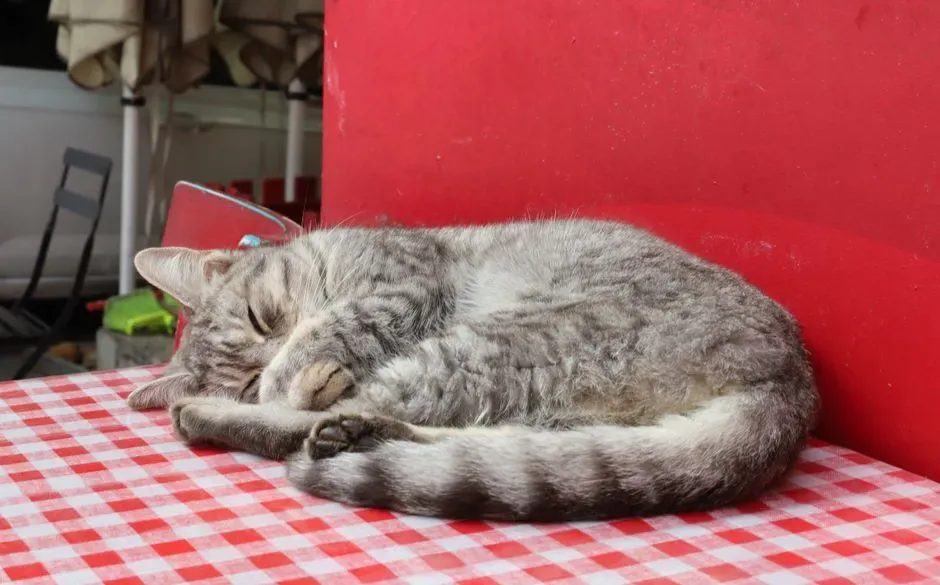
Early naps happen in tight, tucked spots, often with the cat half-ready to bolt. The shift to a fully stretched-out, sprawled nap in the middle of the living room floor is easy to miss, but it tells you a lot.
It means she no longer thinks she has to guard the whole space. The entire home has become safe territory, and she’s willing to be visible in it.
A simple way to track progress is to notice posture during quiet evenings. A curled, ready-to-flee position becomes a loose, relaxed sprawl, and that change usually comes alongside other trust markers on this list.
#6 – A Special Greeting Just for You
🔥 Would you like to save this?
We'll email this post to you, so you can come back to it later!
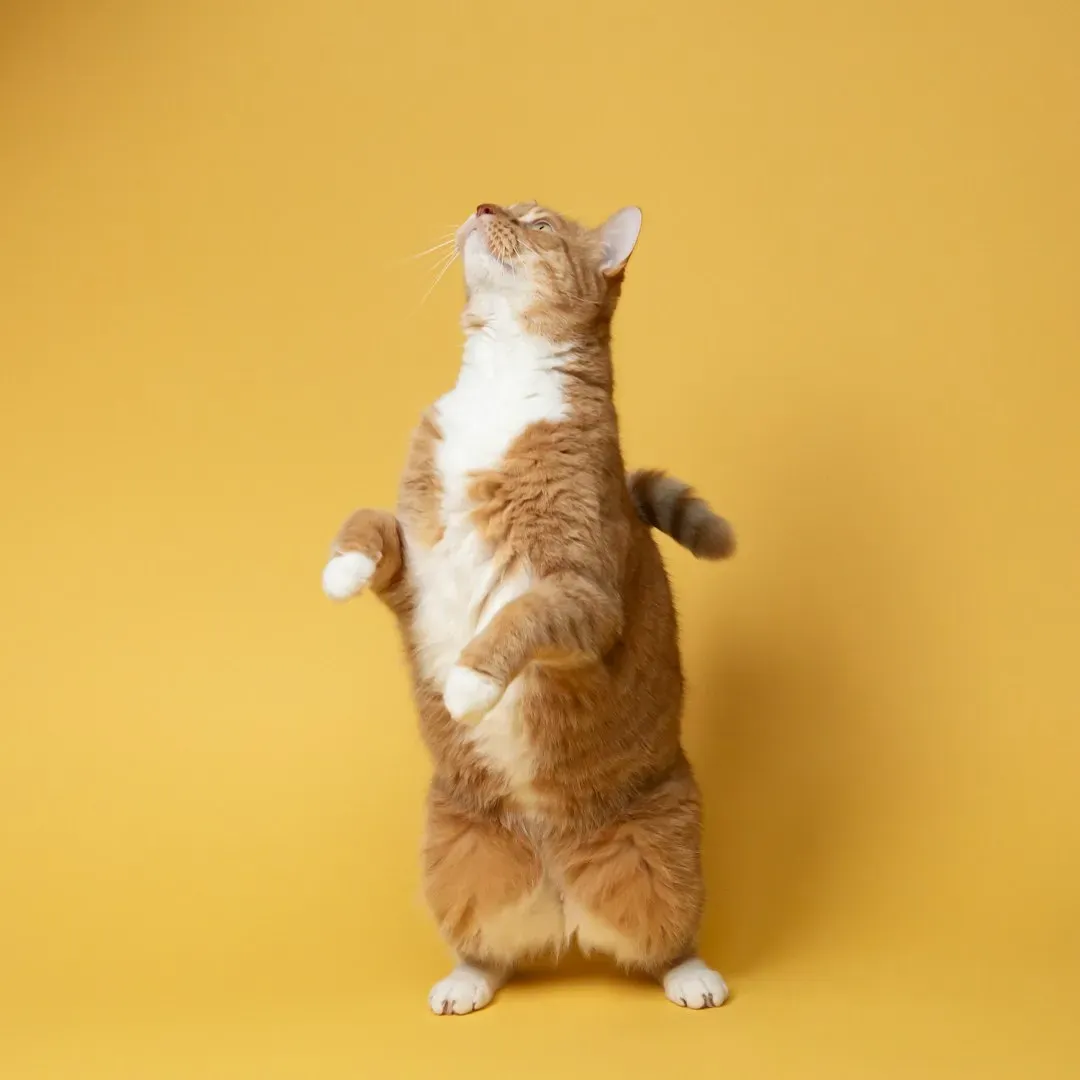
Adult cats rarely meow at each other the way they do at people, which suggests much of their meowing is aimed at humans. In the beginning, the meows tend to be generic and often tied to demands.
With time, many cats develop sounds reserved for you: a trill when you come through the door, a chirp as you walk past, or a short, soft meow that clearly means hello. These calls carry a warmer tone than a demand or distress call.
That means your cat’s vocabulary is partly a product of your shared life. Two different cats can end up with very different ways of greeting their people.
#5 – Touch Is Allowed in the Tricky Spots
🔥 Would you like to save this?
We'll email this post to you, so you can come back to it later!
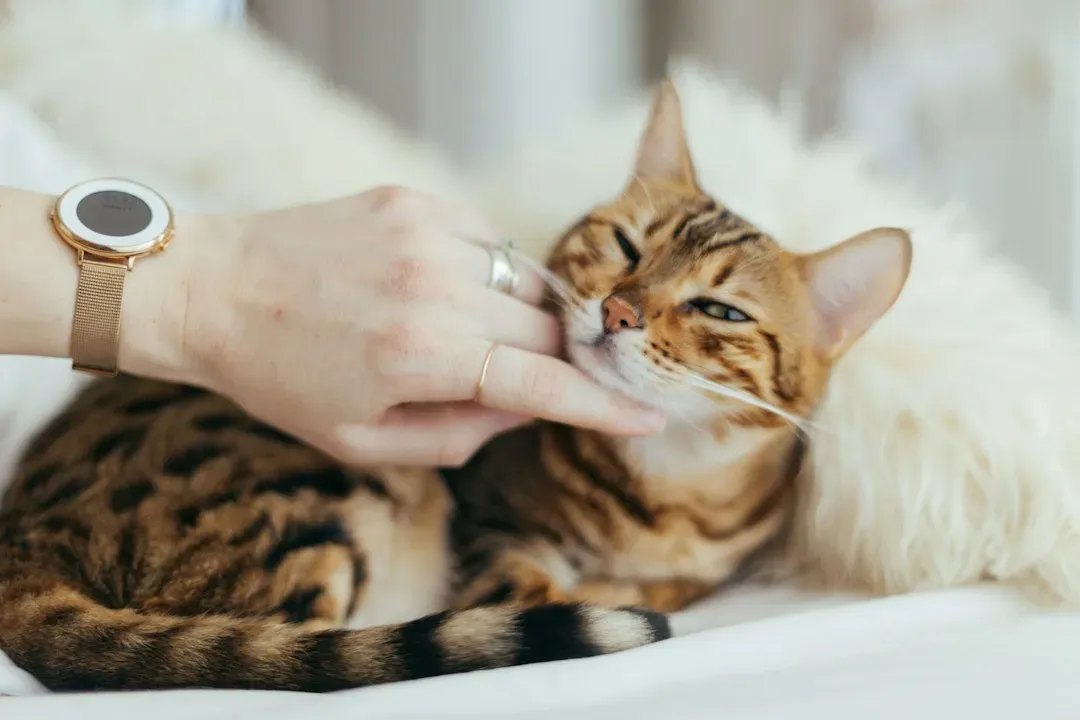
New cats often accept petting only on safe zones, like the cheeks or the top of the head. The base of the tail, the chest, or the belly side tend to stay off-limits until trust builds.
After months together, some cats not only tolerate touch in those places but start to lean into it. The key word is voluntary. A cat who endures touch is not the same as a cat who seeks it, and the difference shows in her body.
Every cat is different. Some never want a scratch at the base of the tail, no matter how long they’ve lived with you. Let her tell you where the new boundaries are, and respect them.

Hand Blown Glass Hummingbird Feeders for Outdoors Hanging, 24oz Wild Bird Nectar Feeder
Check Price on AmazonAs an Amazon Associate, we earn from qualifying purchases.
10/7/2026 1:23 pm GMTi

PetSafe Oasys Pet Fountain, 1/2 Gallon (64 oz), Small Dogs & Cats
Check Price on AmazonAs an Amazon Associate, we earn from qualifying purchases.
10/8/2026 8:14 am GMTi

Smart Bird Feeder with Camera Solar Powered, 2K HD Live Video, 10,000+ Bird Species AI Identification
Check Price on AmazonAs an Amazon Associate, we earn from qualifying purchases.
10/7/2026 1:22 pm GMTi

Portable Dog Water Bottle Foldable Dog Travel Water Bottle
Check Price on AmazonAs an Amazon Associate, we earn from qualifying purchases.
10/7/2026 1:29 pm GMTi

Earth Rated XL Dog & Puppy Pee Pads, Discreet Top, Max Absorbency
Check Price on AmazonAs an Amazon Associate, we earn from qualifying purchases.
10/7/2026 1:28 pm GMTi
#4 – She Wants Your Company When There’s Nothing in It for Her
🔥 Would you like to save this?
We'll email this post to you, so you can come back to it later!
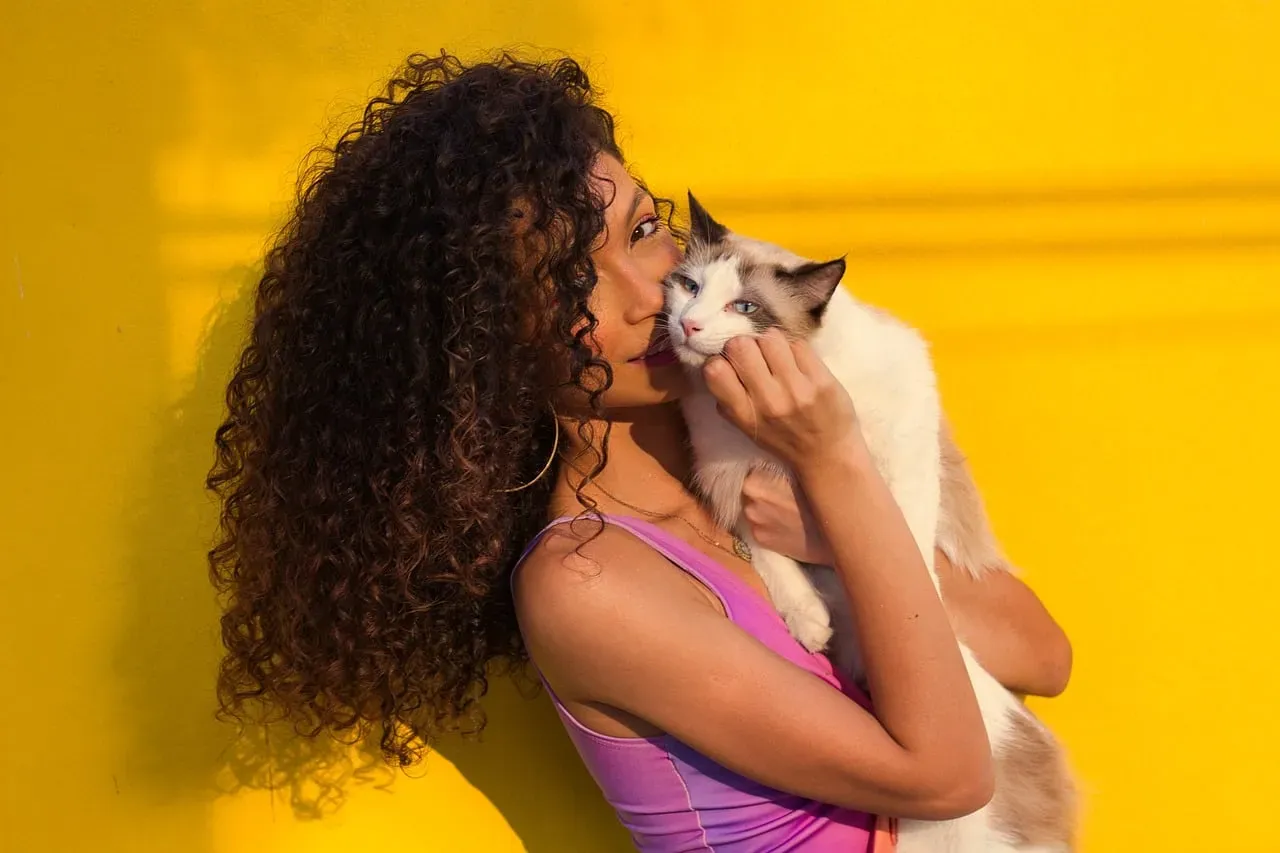
Early approaches are often transactional: you have food, a toy, or a warm lap. The cat comes over because you offer something she wants.
Months later, she may drop onto the floor near your feet while you work, or sit on the other end of the couch while you watch TV. No treats, no play, no petting, just company.
That voluntary closeness is a strong sign of secure attachment. It means you’ve become comforting in your own right, not just a vending machine with legs. She keeps choosing you even when other spots in the house are available.
#3 – Scary Noises Hit Differently When You’re Around
🔥 Would you like to save this?
We'll email this post to you, so you can come back to it later!
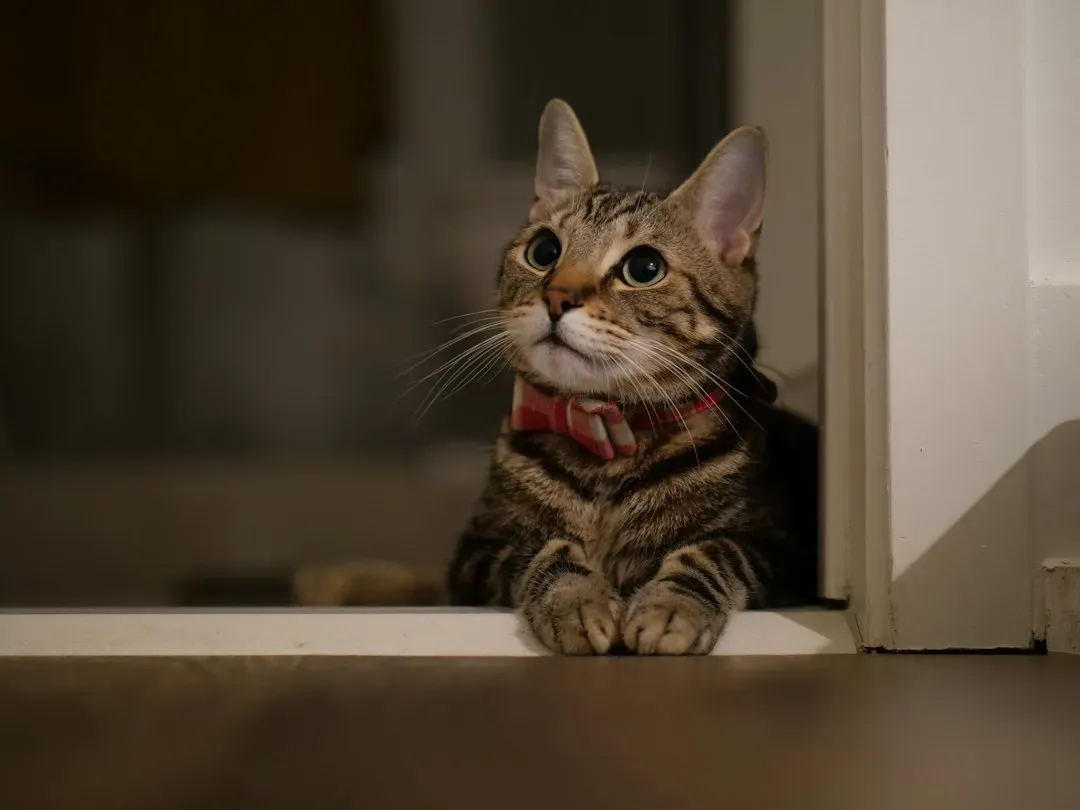
A new cat who hears a loud bang or sees a sudden movement may vanish for hours. Everything in the home is unpredictable, so everything is a possible threat.
Months in, she still startles, because she’s a cat, but she bounces back faster when you’re nearby. She may glance at you, then settle, or stay put instead of bolting. Researchers describe a similar “secure base” effect in other social species.
You can help the process along. Staying calm during vacuum cleaners, parties, and thunderstorms gives her a steady reference point, and over time that steadiness speeds up her recovery.
#2 – Scent-Marking You Becomes a Daily Ritual
🔥 Would you like to save this?
We'll email this post to you, so you can come back to it later!
Casual rubbing can happen early, but a habit of repeatedly marking you takes time. It looks like a daily routine: she greets you with a cheek rub, winds around your legs, and sometimes leans her whole body into you.
This is how cats build a shared scent environment. Instead of treating you as a visitor, she’s adding you to the list of things that smell like home. Repeated marking is a way of creating familiarity, which helps lower stress.
It often pairs with other affectionate behaviors, such as slow blinks, purring, and following. If you’ve noticed several of these together, you’re watching a cat who has fully filed you under “mine.”

Halloween Cat Costume Cloak Witch Hat Pet Accessories
Check Price on AmazonAs an Amazon Associate, we earn from qualifying purchases.
10/9/2026 2:44 pm GMTi

Glass Hummingbird Feeder for Outdoors Hanging
Check Price on AmazonAs an Amazon Associate, we earn from qualifying purchases.
10/7/2026 1:21 pm GMTi

Halloween Dog Collar with Bow, Orange Cute Ghost Collar,
Check Price on AmazonAs an Amazon Associate, we earn from qualifying purchases.
10/9/2026 2:43 pm GMTi

2 Pcs Halloween Pet Hat Bandana Set, Witch Pumpkin Costumes for Dogs
Check Price on AmazonAs an Amazon Associate, we earn from qualifying purchases.
10/9/2026 2:45 pm GMTi
#1 – The Secure-Base Cat: Out Exploring, Back for Reassurance
🔥 Would you like to save this?
We'll email this post to you, so you can come back to it later!
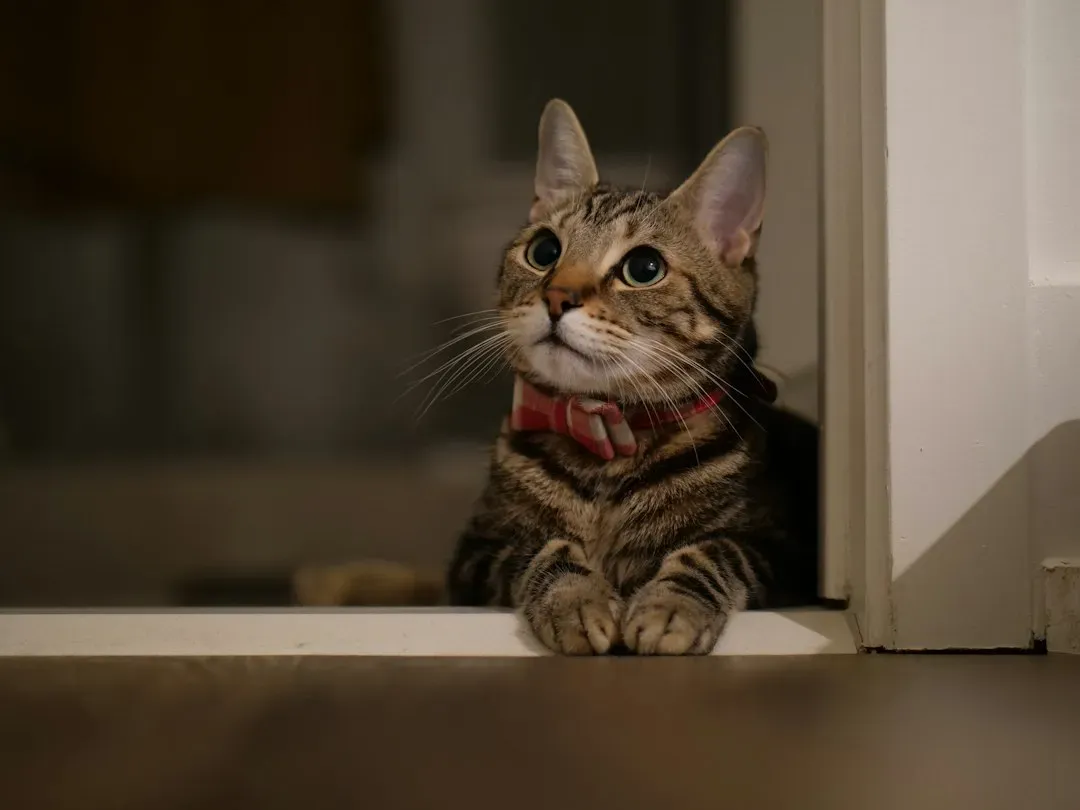
This is the deepest sign on the list, and it’s easy to miss because it looks so ordinary. A secure cat explores the house with confidence, then returns to you for a check-in, a nuzzle, or a lap.
She may also come looking for you after you’ve been away, even briefly, instead of ignoring your return. That pattern matches what researchers describe in attachment studies. In a 2019 study published in Current Biology, about 64 percent of cats showed secure attachment to their owners, a rate similar to that seen in human infants and dogs.
At a Glance
- Days 1 to 3: decompressing, often hiding
- Around 3 weeks: learning the routine
- Around 3 months: beginning to feel truly at home
- 6 months and beyond: the deepest trust habits, and the end of lingering stress behaviours, can settle in
It only appears after months of calm, low-pressure living together. You didn’t force it, and you couldn’t. She decided you were her safe place, and that decision is built from hundreds of small, boring, reliable days.
The Bottom Line
🔥 Would you like to save this?
We'll email this post to you, so you can come back to it later!
Here’s my take: the “aloof cat” stereotype is mostly a myth we invented for cats who were never given enough time. A cat who hides, ignores you, or seems cold in month one isn’t showing you her real personality. She’s showing you how careful she has to be.
Slow blinks, lap kneading, belly exposure, and the secure-base return don’t show up on a schedule, and they can’t be rushed. Patience, predictable routines, and respect for her boundaries do more than any trick or treat. If your cat is still in the guarded stage, don’t write her off.
Which of these late-blooming behaviours has your cat shown, and how long did it take? Share your story in the comments.

- 13 Things a Dog Notices About Its Household Before Anybody Speaks. - November 9, 2026
- 19 Cat Behaviours That Appear Only After Months in One Home - November 9, 2026
- 7 U.S. States Where Mountain Lions Roam Closer to Towns Than Most People Think - November 9, 2026