
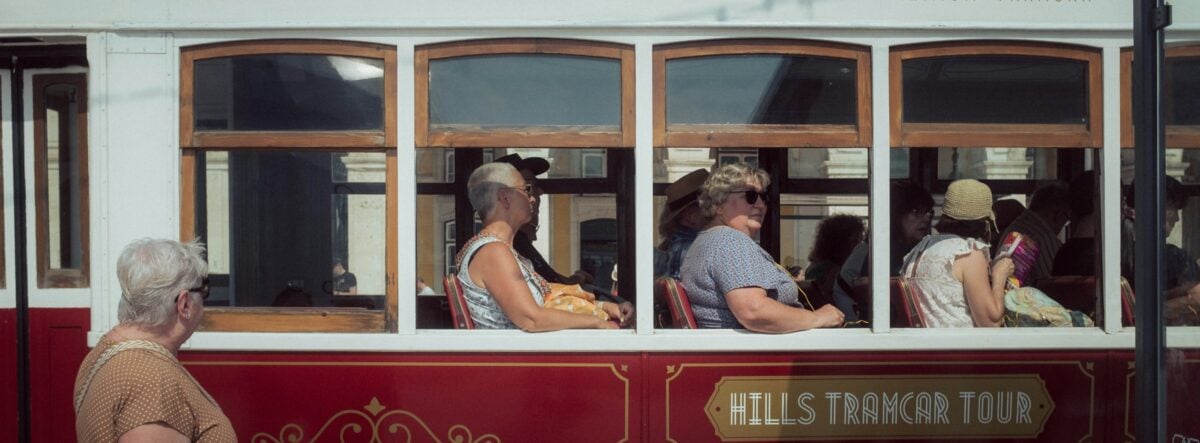
Picture the dream: you blow out the candles on your 65th birthday, and a wildlife refuge quietly rolls out the welcome mat. A free tram ride, a free pair of binoculars, maybe the best seat in the blind. It’s a lovely idea, and it’s not how it works. No refuge runs a blanket “free over 65” program, and the federal senior discount actually starts at 62.
But the real story is more useful than the myth. Free perks do exist, and most visitors never ask for them. Some sit behind a visitor desk, some depend on your state, and one can cut your campsite bill in half. Here are all 13, counted down from the one that trips up almost everybody.
#13 – The Age Everyone Gets Wrong
🔥 Would you like to save this?
We'll email this post to you, so you can come back to it later!
The number 65 is the first myth you need to drop.
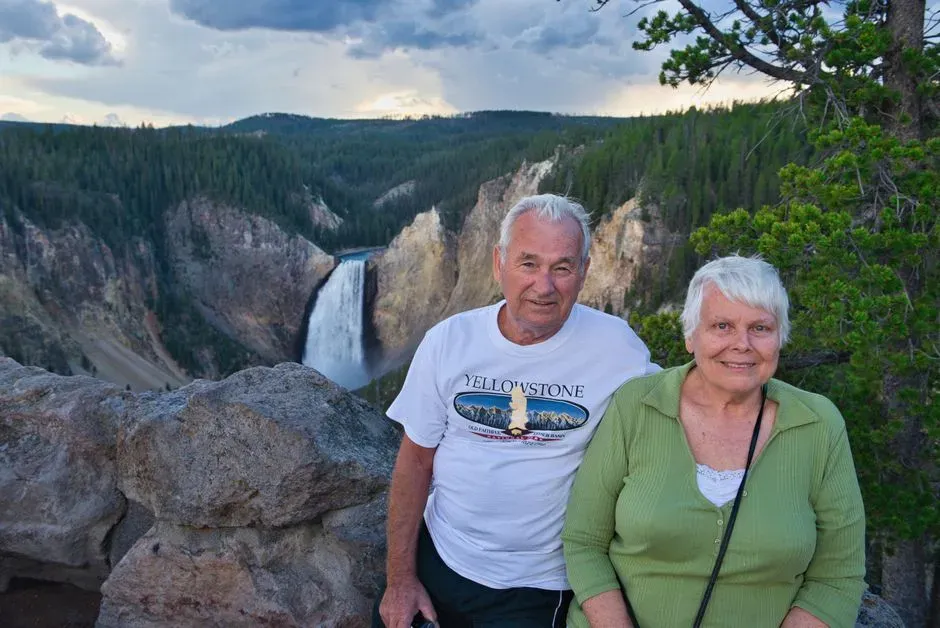
Many Americans assume senior perks start at 65, the age tied to Medicare. The federal Senior Pass actually opens at 62, and it’s open to U.S. citizens and permanent residents. So if you’re 63 and have been waiting two more years for a discount, you’ve been leaving money on the table.
It also isn’t free. The National Park Service says U.S. citizens and permanent residents 62 and older pay $20 for an annual Senior Pass or $80 for a lifetime one. You’ll need proof of age and residency or citizenship, and a driver’s license is the usual starting point.
Turning 62 only makes you eligible. You can buy at 62, 67 or 80, and nothing drops into your mailbox on a birthday. Buying online or by mail adds a processing fee, so the cleanest route is usually in person at a federal recreation site.
You can’t buy the Senior Pass the day before your 62nd birthday. Before then, the only option is the standard $80 annual pass, with no camping discount and no lifetime duration.
- Minimum age: 62
- Who qualifies: U.S. citizens and permanent residents
- Bring: proof of age and residency
But the “free” part of the story gets stranger once you look at who actually waives what at 65…
#12 – The Perks That Really Do Start at 65
🔥 Would you like to save this?
We'll email this post to you, so you can come back to it later!
The real 65 benefits exist, but your state sets them, not Washington.
Senior wildlife perks are handled state by state. The age for a senior fishing license varies widely, and the most common age is 65. That’s where the “free at 65” rumor was born. It’s not made up, just badly mislabeled.
Here are a few examples from the state level:
- Mississippi residents 65 and older are exempt from buying a hunting or freshwater fishing license.
- Alabama waives the state duck stamp for residents 65 and older.
- Florida residents 65 or older meet the wildlife management area permit requirement with proof of age and residency.
Notice the catch. These perks usually apply to residents only. The wording is “Florida resident,” so an out-of-state visitor doesn’t get that particular waiver, even with gray hair and a valid ID.
None of the state senior exemptions one review checked waives the federal duck stamp, and Mississippi’s lifetime senior license explicitly excludes it. A state freebie and a federal refuge pass are two different animals, and mixing them up is how people end up at a refuge booth arguing with a ranger.
Still, plenty of free access has nothing to do with age, and it starts at the front gate…
#11 – The Gate Fee Most Refuges Never Charge
🔥 Would you like to save this?
We'll email this post to you, so you can come back to it later!
The biggest free perk at a refuge is that there’s often nothing to pay.
Only a fraction of the more than 560 national wildlife refuges charge an entrance fee at all. That means most are free for every visitor, regardless of age. Plenty of people buy a pass they never needed.
Charles M. Russell National Wildlife Refuge covers roughly 1.1 million acres and is the second largest refuge in the lower 48 states. It’s also free to visit. State-issued licenses are still required for hunting and fishing.
At Rocky Flats National Wildlife Refuge, visiting is free and no pass is needed. Entrance to Turnbull is free as well.
Fast Facts
- Refuges nationwide: more than 560
- Charles M. Russell: about 1.1 million acres, no entrance fee
- Rocky Flats: free, no pass needed
- Turnbull: free entrance
Plenty of visitors arrive with the wrong permit and never needed one. Check the refuge’s own page before you spend a dollar.
But at the refuges that do charge, the rules about who gets in are where it gets interesting…
#10 – Why the Whole Car Gets In

🔥 Would you like to save this?
We'll email this post to you, so you can come back to it later!
One senior in the driver’s seat can cover everyone behind them.
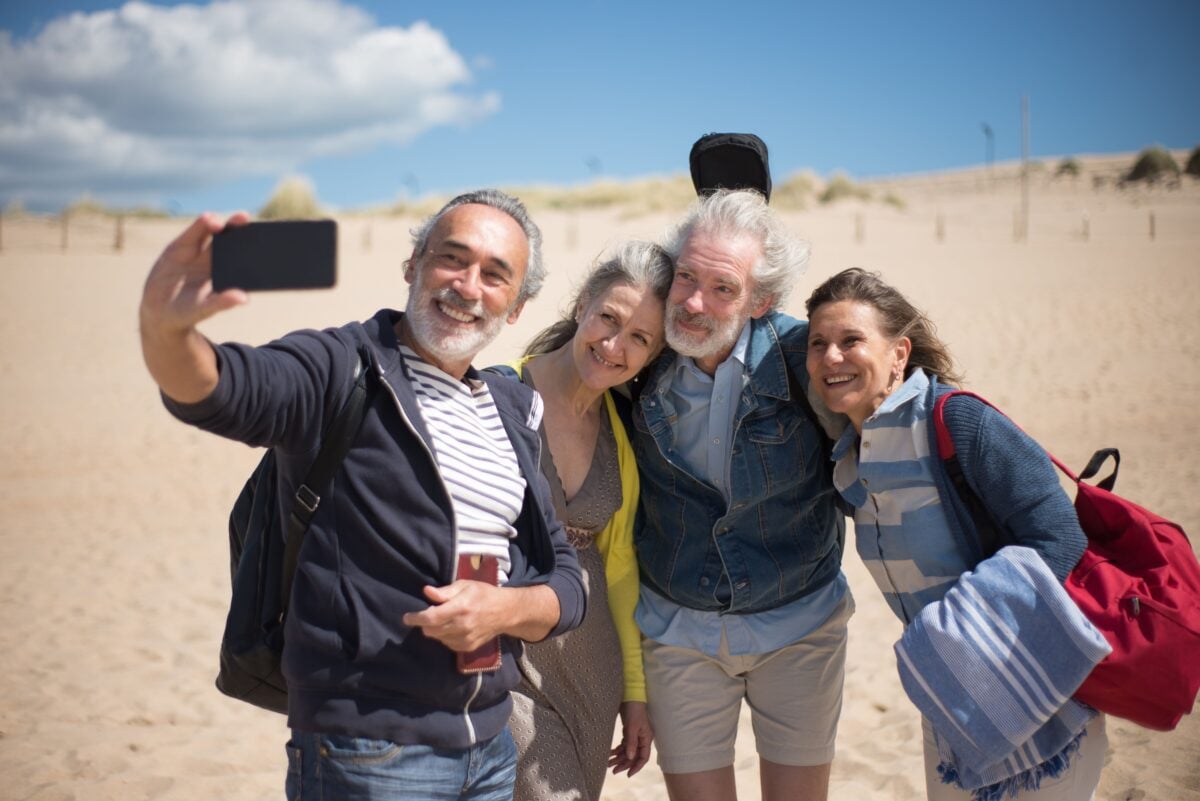
At per-vehicle sites, the pass covers everyone in the vehicle regardless of their own age or pass status. A 62-year-old with a pass can bring a younger partner and the grandkids along. One card, a full back seat, zero extra charges.
Per-person sites work differently. The pass covers the holder plus three adults, not to exceed four adults. Children under 16 are admitted free.
Here’s the oddball rule. A couple on two motorcycles can birdwatch on a single senior pass. It’s an easy detail to miss in the fine print, and it surprises plenty of riders.
Know the limits too. The Senior Pass generally doesn’t cover special recreation permit fees or concessioner fees, so a pass that gets you through the gate may not cover everything inside it.
- Per-vehicle site: everyone in the car
- Per-person site: holder plus up to three adults
- Under 16: free
And one little-known item can get you in without any senior pass at all…
#9 – The Duck Stamp Loophole
🔥 Would you like to save this?
We'll email this post to you, so you can come back to it later!
A conservation stamp doubles as a refuge ticket.
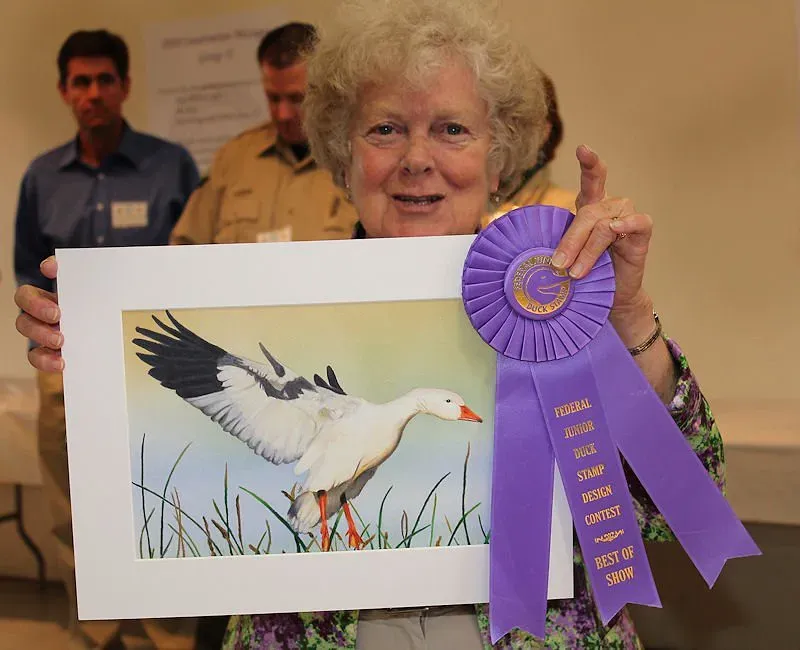
A current Federal Duck Stamp provides free admission to national wildlife refuges that charge an entry fee. You don’t have to hunt to benefit. It works as a pass for anyone who holds one, and it’s been around for decades as a way to fund wetlands.
Parker River in Massachusetts shows how this plays out. Its accessibility guide lists a daily fee of $5 per vehicle, or $2 for bicycles and pedestrians.
Entry is free for holders of a Federal Duck Stamp or any of four Interior passes: America the Beautiful, Senior, Military and Access. Fees change, so confirm current rates before you go.
Ridgefield in Washington is cheaper still. Entry is $3 per day or $15 for an annual pass, and Senior Passes are valid there.
Quick Compare
- Parker River (MA): $5 per vehicle, $2 on foot or bike
- Ridgefield (WA): $3 per day, $15 annual
- With a Duck Stamp or Senior Pass: no gate fee at fee sites
Many conservation-minded visitors argue the stamp is the better buy. It gets you in and funds habitat in the same transaction.
But that’s nothing compared to the free-day calendar people plan whole trips around, usually for the wrong reasons…
#8 – The Fee-Free Days Nobody Plans Around

🔥 Would you like to save this?
We'll email this post to you, so you can come back to it later!
Free-admission days are the most overrated perk in the system.
National wildlife refuges and other Fish and Wildlife Service lands that normally charge an entrance fee offer free admission on designated days each year. It sounds like a bonanza, and it makes a nice headline.
Look closer. Fee-free days work independently of age. A 25-year-old gets the same deal as a 75-year-old.
With so few fee sites, free days matter far less at refuges than at national parks, and a senior pass holder doesn’t need the free day anyway. Check the Fish and Wildlife Service calendar for the current year’s dates.
Here’s an opinion some experts share. Free days mostly pull in bigger crowds, which can be the worst time for quiet wildlife watching. If you hold a pass, skip the rush and visit on an ordinary weekday, when the trails feel like yours.
- Applies to: fee sites only
- Age requirement: none
- Senior pass holders: no need to wait
Meanwhile, some refuges will hand you gear for nothing, and almost nobody asks…

Smart Bird Feeder with Camera Solar Powered, 2K HD Live Video, 10,000+ Bird Species AI Identification
Check Price on AmazonAs an Amazon Associate, we earn from qualifying purchases.
10/7/2026 1:22 pm GMTi

Portable Dog Water Bottle Foldable Dog Travel Water Bottle
Check Price on AmazonAs an Amazon Associate, we earn from qualifying purchases.
10/7/2026 1:29 pm GMTi

Professional 7 in 1 Dog Paw Cleaner for Dogs & Cats - Includes 1 Portable Paw Washer, 1 Bath Brush
Check Price on AmazonAs an Amazon Associate, we earn from qualifying purchases.
10/7/2026 1:26 pm GMTi

Dog Stairs for Bed 18" H, 4-Step Dog Steps for High Bed
Check Price on AmazonAs an Amazon Associate, we earn from qualifying purchases.
10/9/2026 2:42 pm GMTi

Halloween Cat Costume Cloak Witch Hat Pet Accessories
Check Price on AmazonAs an Amazon Associate, we earn from qualifying purchases.
10/9/2026 2:44 pm GMTi
#7 – The Loaner Gear Behind the Visitor Desk

🔥 Would you like to save this?
We'll email this post to you, so you can come back to it later!
You might not need to buy binoculars at all.
Ottawa National Wildlife Refuge’s visitor center lets visitors borrow gear such as binoculars, fishing poles, field guides and wheelchairs. That’s equipment worth real money, available for the length of your visit.
Why It Stands Out
- Binoculars let you try birding before you buy.
- Fishing poles mean no gear to haul along.
- Field guides help you name what you’re seeing.
- Wheelchairs open up longer boardwalks and decks.
Wheelchairs matter more than they sound. A loaner chair can turn a long boardwalk or observation deck from a stretch into an easy afternoon. It’s one of the quietest accessibility perks out there.
One roundup of refuge perks sorts them into “free to everyone” and “free if you ask.” Many trails, drives and viewing areas are free to everyone, while accommodations and planning help come free if you ask.
Not every refuge runs a loan program, and Ottawa is just one example. Ask at the desk instead of assuming.
And that same refuge runs something even better than loaner gear…
#6 – The Free Tram With a Catch
🔥 Would you like to save this?
We'll email this post to you, so you can come back to it later!
A guided ride can cost nothing, or full price. It depends on the refuge.
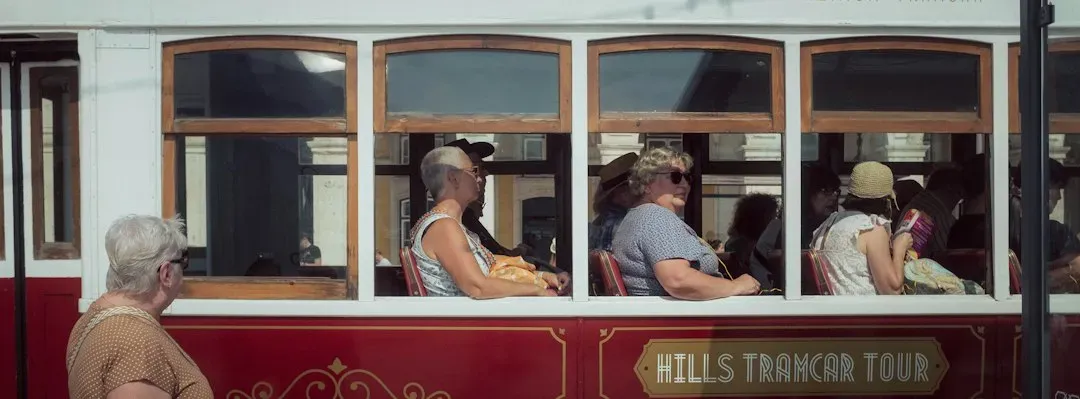
Ottawa runs free tram tours, 90 minutes each, and they depend on the weather. A guide, a seat and a rolling viewpoint make it ideal if long walks are hard on your knees.
Now the fine print. A guided tour at a refuge can still cost full price even if you hold a senior pass. The pass is for entrance and standard fees, not every activity.
The Senior Pass generally doesn’t cover concessioner fees, so a tour run by an outside operator can still carry its own price tag.
Before you plan a day around a tour, confirm three things:
- Whether it’s free or priced
- Whether you need to book
- What happens if the weather turns
None of this is age-specific. Free tours are free to everyone, which is good news for the rest of your group.
Some of the best guided experiences are even simpler, and one meets every Sunday…
#5 – The Free Ranger Walk in the Middle of a City

🔥 Would you like to save this?
We'll email this post to you, so you can come back to it later!
One of the most dependable free wildlife walks in America starts inside New York City.
Jamaica Bay Wildlife Refuge is part of Gateway National Recreation Area, a marshy patch of wild sitting within city limits. Its “Ranger’s Choice” walk is free and runs every Sunday at 10:30 AM during its 2026 fall season. Check the listing for the exact start and end dates.
The listing has no age requirement at all, so turning 62 doesn’t change the price. It’s simply free. The walk lasts one hour.
Other refuges take a more custom approach. Turnbull asks visitors to contact the refuge to schedule a program, tour or field trip. That makes it a good fit for a retirement group, a church club or a family reunion.
If you want a specific theme, call the refuge visitor center. Rangers often shape the route around what’s in season.
But what happens when you arrive and the parking lot is full? One refuge has an answer…
#4 – The Refuge That Lets You Walk In
🔥 Would you like to save this?
We'll email this post to you, so you can come back to it later!
A full lot doesn’t have to end your day.
Parker River lets visitors walk onto the refuge when it is otherwise closed to vehicles because of capacity. It’s one of the few places where the “closed” sign isn’t the final word.
Parker River sits in Massachusetts and has a three-walled blind among its wildlife-viewing spots. That gives walkers a real destination instead of a stroll to nowhere.
Walkers also pay less. The daily fee is $5 per vehicle, but only $2 for bicycles and pedestrians. That’s cheaper than driving in, though a pass or duck stamp can cover either.
A few tips for arriving on foot:
- Wear shoes that handle sand and mud
- Bring water, since facilities may be limited
- Check the refuge’s page for current access rules
Walk-ins also see more than they expect. Moving slowly and quietly gets you closer to birds than a car can.
Speaking of seeing more, the real prize at a refuge might be the hide…

Hand Blown Glass Hummingbird Feeders for Outdoors Hanging, 24oz Wild Bird Nectar Feeder
Check Price on AmazonAs an Amazon Associate, we earn from qualifying purchases.
10/7/2026 1:23 pm GMTi

2 Pcs Halloween Pet Hat Bandana Set, Witch Pumpkin Costumes for Dogs
Check Price on AmazonAs an Amazon Associate, we earn from qualifying purchases.
10/9/2026 2:45 pm GMTi

Earth Rated XL Dog & Puppy Pee Pads, Discreet Top, Max Absorbency
Check Price on AmazonAs an Amazon Associate, we earn from qualifying purchases.
10/7/2026 1:28 pm GMTi

PetSafe Oasys Pet Fountain, 1/2 Gallon (64 oz), Small Dogs & Cats
Check Price on AmazonAs an Amazon Associate, we earn from qualifying purchases.
10/8/2026 8:14 am GMTi

Halloween Dog Collar with Bow, Orange Cute Ghost Collar,
Check Price on AmazonAs an Amazon Associate, we earn from qualifying purchases.
10/9/2026 2:43 pm GMTi
#3 – The Free Hides and Wildlife Drives
🔥 Would you like to save this?
We'll email this post to you, so you can come back to it later!
The best seat in the house is often the one nobody has taken.
Entrance to Turnbull is free. The refuge also asks visitors to log sightings on iNaturalist, so your notes can help staff track wildlife. That turns a casual visit into useful science.
Forsythe in New Jersey is a good example. A one-mile self-guided trail leads through pine barrens to observation decks and a wildlife blind. An entrance fee applies on the Wildlife Drive, but Senior Pass holders skip it.
One refuge even warns you to check inside the blind first, because wildlife may have beaten you to it.
Some wildlife watchers argue a free hide beats any paid animal attraction. The animals are wild, the crowds are thin and the sightings are real. That’s an opinion, but plenty of birders would agree.
But a few passes really are free, and they’re the ones most seniors forget about…
#2 – The Passes That Cost Nothing
🔥 Would you like to save this?
We'll email this post to you, so you can come back to it later!
The best “free” deals have nothing to do with age.
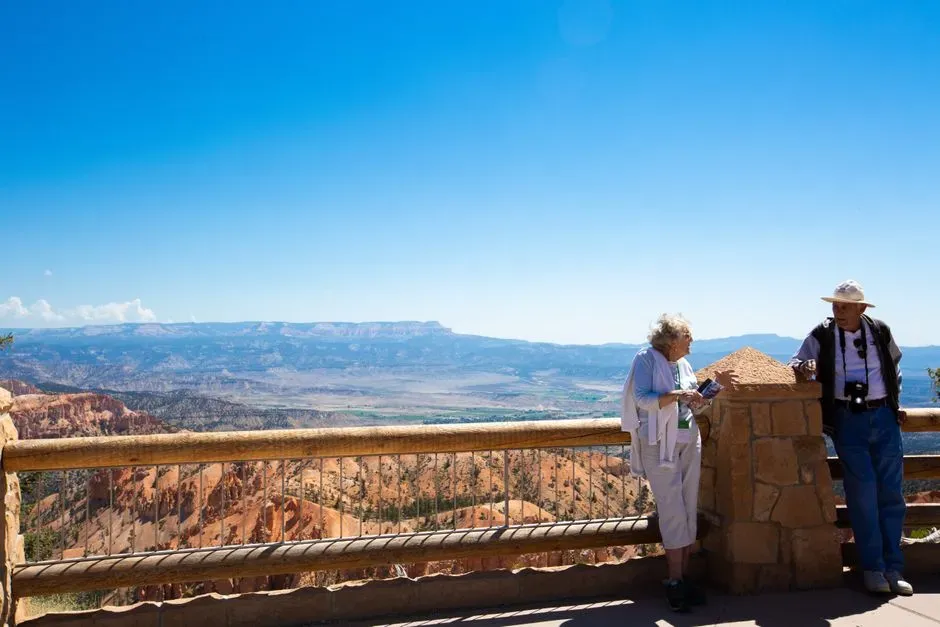
The Access Pass is a free, lifetime pass for U.S. citizens and permanent residents with a permanent disability. It provides the same entry and camping benefits as the Senior Pass.
The Military Lifetime Pass is free for retired service members, veterans and Gold Star families. A veteran over 62 can qualify for both the Military Lifetime Pass and the Senior Pass.
There’s also a pass you earn. Volunteers with 250 service hours at federal recreation sites get a free Volunteer Pass. The Fish and Wildlife Service is among the participating federal agencies.
Volunteering also lets you see refuge life from the inside. Applying for the Access Pass by mail adds a $10 processing fee, though the pass itself is free.
- Access Pass: free with a permanent disability
- Military Lifetime Pass: free for qualifying service members and families
- Volunteer Pass: free after 250 hours
All of that leads to one pass that tops the list, and it isn’t free at all…

Glass Hummingbird Feeder for Outdoors Hanging
Check Price on AmazonAs an Amazon Associate, we earn from qualifying purchases.
10/7/2026 1:21 pm GMTi

Air Purifiers for Home Pets Large Room Up to 3000 Ft²,HEPA Air Cleaner with Washable Double-Side Filter, PM2.5 Air Quality Monitor,15dB Sleep Mode for Bedroom Odor Dust Pollen,White
Check Price on AmazonAs an Amazon Associate, we earn from qualifying purchases.
10/8/2026 8:23 am GMTi

Glass Hummingbird Feeder for Outdoors Hanging, 16 oz Leak-Proof Nectar Feeder with Bee Guards & Ant Moat
Check Price on AmazonAs an Amazon Associate, we earn from qualifying purchases.
10/7/2026 1:22 pm GMTi

Orthopedic Extra Large Dog Bed, Waterproof Washable XL Pet Bed 44"
Check Price on AmazonAs an Amazon Associate, we earn from qualifying purchases.
10/7/2026 1:32 pm GMTi
#1 – The $80 Pass That Keeps Paying
🔥 Would you like to save this?
We'll email this post to you, so you can come back to it later!
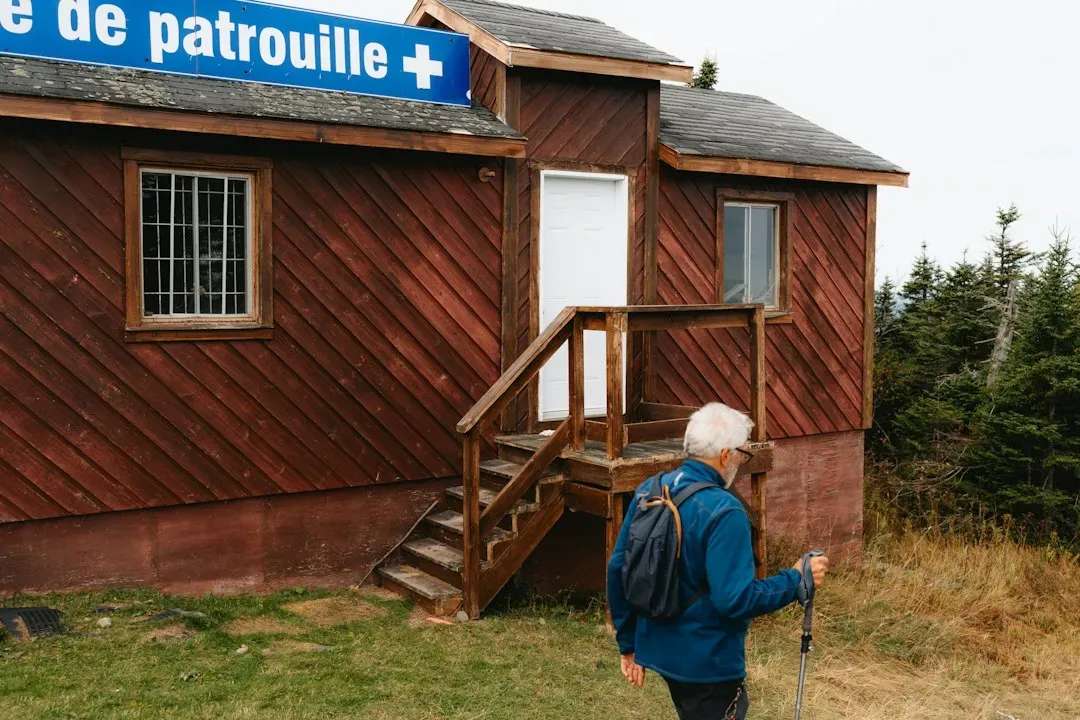
The real jackpot is a one-time $80 payment that outlasts every myth.
The Senior Pass covers entrance fees at national parks and national wildlife refuges. It also covers standard day-use fees at national forests, grasslands and lands run by the Bureau of Land Management, the Bureau of Reclamation and the Army Corps of Engineers. Federal agencies put the total at more than 2,000 recreation sites.
The camping discount is the sleeper benefit. Senior and Access Pass holders get a 50% discount on single-family campsites at national forests, and Corps-managed campgrounds give Senior Pass holders 50% off camping fees. The pass is also reported to cut the cost of boat launches and guided programs.
At a Glance
- Price: $80 once for the lifetime version
- Reach: more than 2,000 federal recreation sites
- Camping: 50% off at national forests and Corps campgrounds
- Skip the fee: buy in person with proof of age and residency
Buy it smart. Buying the pass in person at a federal recreation site with proof of age and residency means no processing fee. If you hold a worn or damaged Golden Age Passport, the National Park Service will exchange it for a current Lifetime Senior Pass at no charge.
So what does all of this add up to?
No refuge hands out a free “over 65” package, and the headline premise falls apart on contact with the facts. The federal pass starts at 62, costs $80 for life, and is a discount, not a gift.
The honest wins are quieter. Most refuges charge no gate fee, loaner binoculars and free tram rides exist at some sites, and ranger walks cost nothing at any age.
Our opinion is that “free at 65” is a lazy myth. The real story is better, because the savings go to anyone who asks the right question at the desk. Which refuge near you is hiding a perk you’ve never thought to ask about?

- 19 Things Beagle Owners Learn the Hard Way in the First Twelve Months - November 6, 2026
- 13 Things an American Refuge Arranges Free for Visitors Who Turn 65 - November 6, 2026
- 11 Free Wildlife Walks American Parks Offer Once a Visitor Turns 62 - November 6, 2026