
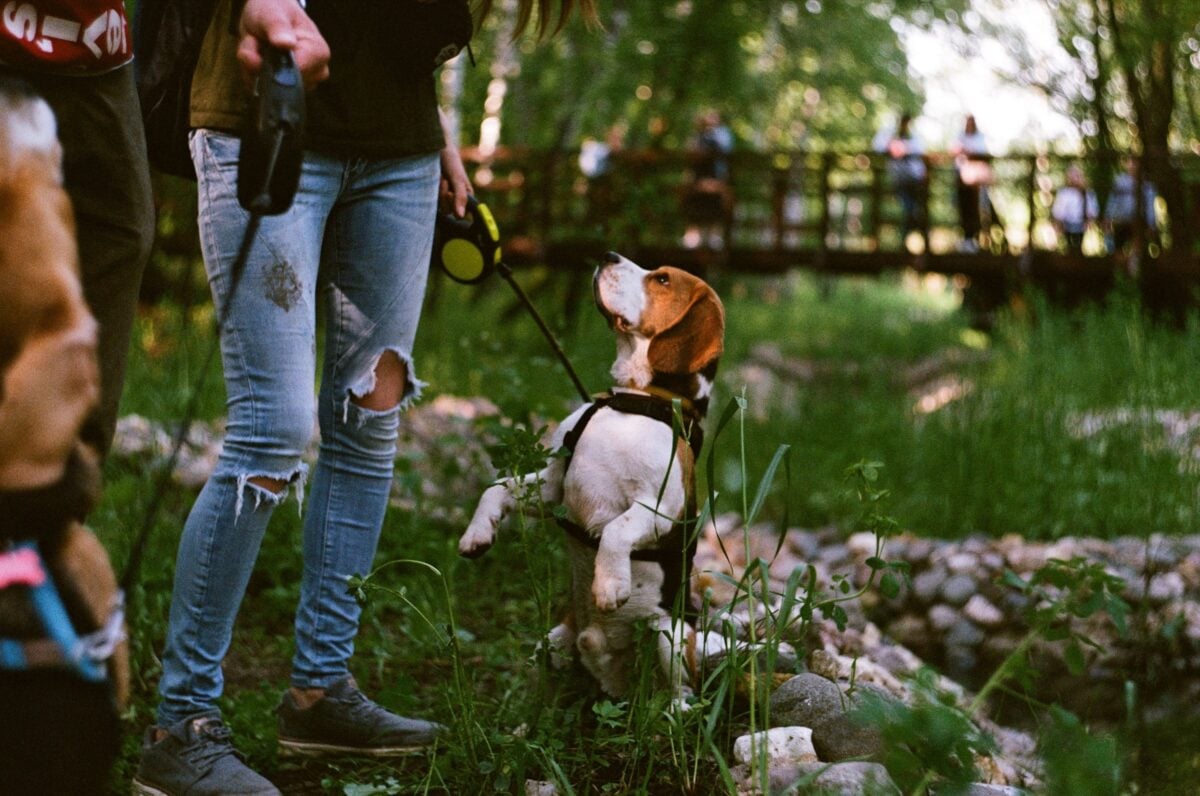
Most people think the beagle is the easy dog. It’s small, it’s friendly, and it looks like it wandered out of a cartoon. Turns out, that reputation is the first thing new owners get wrong.
Beagles were bred to follow a scent for hours and to work in packs. That history shapes their noses, their voices and their appetites, and it explains why so many families feel blindsided around month three. The surprises are surprisingly predictable, and the ones that cost owners the most are usually the ones nobody mentions at adoption. Here are all 19, counting down to the one that changes how you see the whole first year.
#19 – The Nose Isn’t a Feature. It’s the Boss.

🔥 Would you like to save this?
We'll email this post to you, so you can come back to it later!
Your beagle isn’t ignoring you. It’s outvoted by its own nose.
Beagles are scent hounds. For centuries their job was to trail hares by smell and keep going, and estimates put their scent receptors in the hundreds of millions, compared with roughly 5 to 6 million in people. That drive doesn’t switch off because you’re holding a treat or calling their name in your best cheerful voice.
Most owners expect a “dog brain” and get a “nose brain.” A beagle on a fresh trail can be effectively deaf to everything else. That isn’t defiance. It’s the breed doing exactly what it was built to do.
The sooner you plan your life around the nose, the less frustrated you’ll be. Think about where you walk, where you unclip the leash, and what food sits within reach.
But the nose isn’t the loudest thing about this breed, as #18 shows…
#18 – The Howl Shows Up Right on Schedule
🔥 Would you like to save this?
We'll email this post to you, so you can come back to it later!
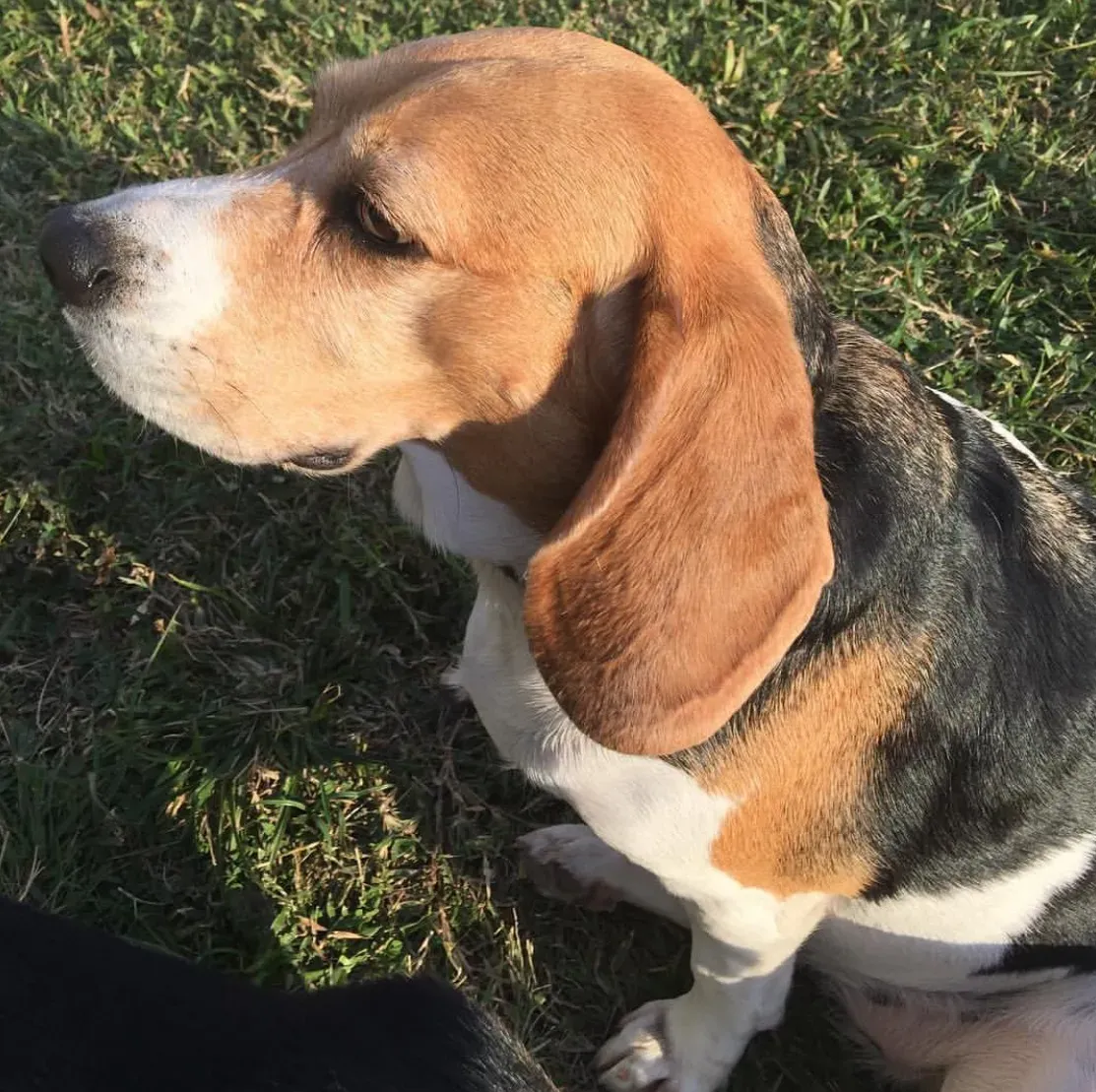
Nobody warns you that your quiet puppy is a future opera singer.
Beagles don’t just bark. They bay, a long, carrying, musical howl that hunters prized because it told them exactly where the dogs were. Many puppies start out small-voiced and get louder as they mature, so the neighbors often hear the full performance before you do.
That voice matters a lot in apartments, duplexes and tight neighborhoods. Plenty of beagles are surrendered or rehomed because of noise complaints. The noise almost always has a cause: boredom, loneliness, a scent they can’t reach, or a reward for being loud.
- Exercise the nose and brain before you leave
- Don’t reward barking with attention
- Tell neighbors early, before it’s a problem
Punishing the howl rarely works. Meeting the need behind it does.
Still, the next problem starts long before the howling begins. See #17…
#17 – House Training Takes Longer Than the Books Promise

🔥 Would you like to save this?
We'll email this post to you, so you can come back to it later!
Those “house-trained in a week” guides weren’t written with a beagle in mind.
Beagles are smart, but they’re independent and easily hijacked by smells. A puppy may sniff the yard for ten minutes, do nothing, and then have an accident the moment it’s back on your rug.
Most owners make the mistake of expecting progress to be a straight line. It isn’t. Setbacks are normal, especially during adolescence, and they don’t mean you’re doing it wrong. Many trainers recommend crate training, a tight schedule and rewarding the instant the dog finishes outside.
Take the puppy out after sleeping, eating, drinking and playing, and reward immediately. Clean indoor accidents with an enzymatic cleaner, because lingering scent tells a beagle’s nose “go here again.”
Master that, and you’ll still have to deal with the beagle’s next trick, in #16…
#16 – Your Fence Is Probably Not Good Enough

🔥 Would you like to save this?
We'll email this post to you, so you can come back to it later!
A beagle doesn’t need to be big to be a flight risk.
They dig. They squeeze. They find the one loose board you forgot about. And once a scent grabs their attention, they can be gone before you’ve put your shoes on.
Experts regularly warn that first-time owners underestimate a beagle’s escape skills. Check the bottom of the fence line for gaps and look for patches of soft soil. Don’t assume a “secure” yard is secure until you’ve watched the dog test it.
Never leave a beagle unsupervised in a yard until you’ve proven it can’t get out. Even then, supervision beats trust.
And if the fence fails, you’ll need what #15 reveals…
#15 – Recall Is a Skill You Rarely Fully Own

🔥 Would you like to save this?
We'll email this post to you, so you can come back to it later!
Here’s the controversial truth: many beagles should never be off leash in open areas.
Recall training is worth doing, and it can improve a lot with patience and high-value rewards. But you’re competing with something your treats can’t always beat, a nose that is running a much more exciting program than you are.
Even well-trained beagles can bolt when a strong scent hits. Many trainers recommend a long line, a 20 to 30-foot lead, as a safer way to give them freedom while you keep control. Some experts argue that trusting any beagle off leash near roads is a gamble.
Quick Compare: Freedom Levels
- Long line (20 to 30 feet): room to roam with a safety net, ideal for fields and recall practice
- Standard leash: the safest choice near roads, crowds and unfamiliar dogs
- Fully off leash: only in a securely fenced space you’ve tested yourself
Reward every return. Practice in low-distraction places first, then add difficulty slowly. And don’t use “come” for things your dog dislikes, like bath time, or the word loses its magic.
You’ll need that long line, but the next lesson is about what’s inside the dog, not around it. See #14…
#14 – Food Motivation Cuts Both Ways
🔥 Would you like to save this?
We'll email this post to you, so you can come back to it later!
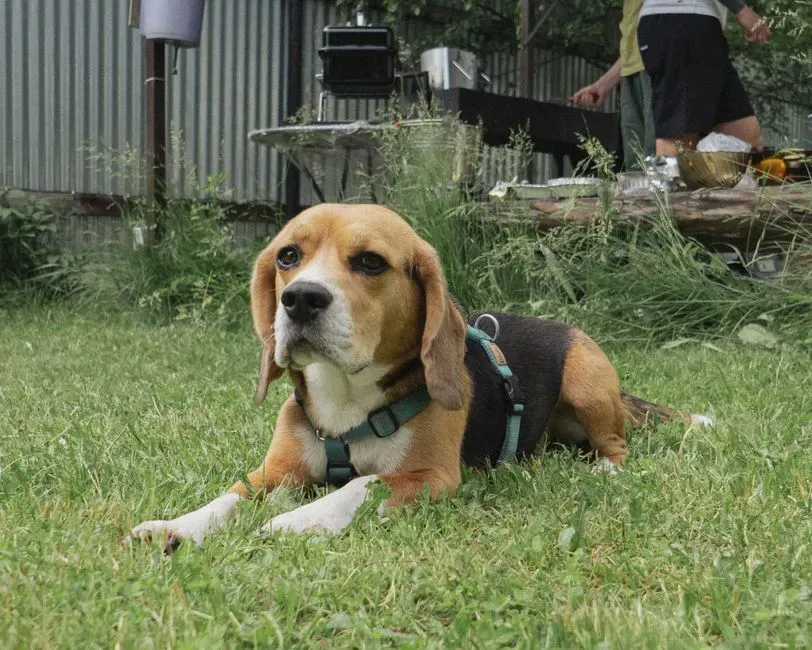
The same appetite that makes training easy can quietly wreck your dog’s health.
Beagles are famously driven by food. For training, that’s a gift. For weight management, it’s a trap. Many are expert beggars, and those soulful eyes work on everyone in the house.
Excess weight is one of the most common preventable health problems in dogs, and beagles are widely considered prone to it. Extra pounds strain the joints and the spine, and in a compact, short-legged breed that matters.
- Measure meals instead of free-feeding
- Count treats as part of the daily food
- Check for ribs you can feel but not see
Ask your vet what a healthy weight looks like for your individual dog.
But a measured bowl doesn’t stop what’s happening in your kitchen, as #13 shows…
#13 – Your Kitchen Is Now a Crime Scene
🔥 Would you like to save this?
We'll email this post to you, so you can come back to it later!
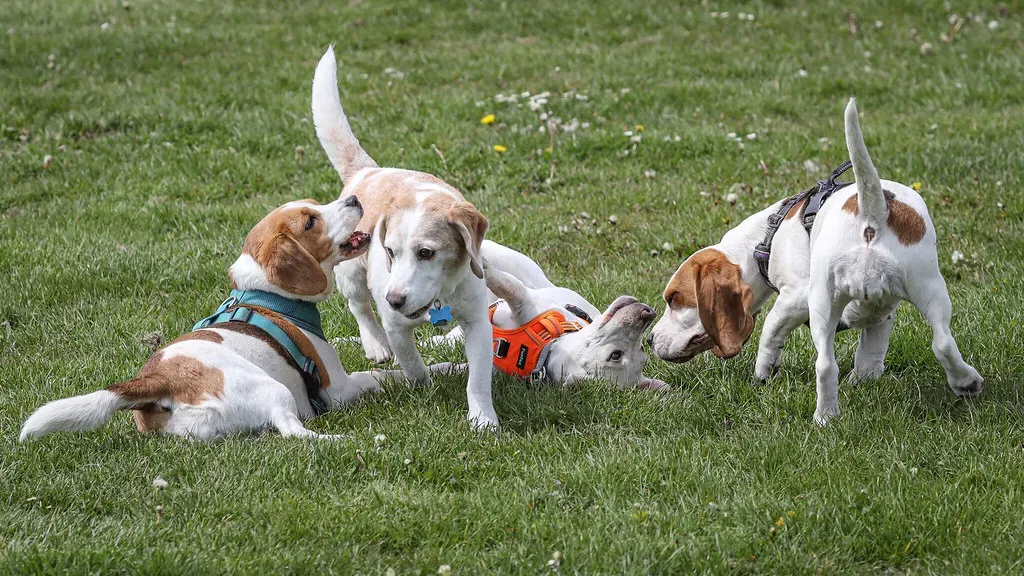
Counter-surfing isn’t a bad habit. It’s a hobby.
Beagles are resourceful and persistent. Trash cans, backpacks, pantry doors and grocery bags are all fair game, and a nose that finds crumbs also finds chocolate.
Several common foods are genuinely dangerous to dogs, including chocolate, grapes, raisins, onions and anything sweetened with xylitol. That’s a real emergency risk, not a theoretical one. If your dog eats something suspicious, call your vet or an animal poison hotline right away.
Beagle-proof the house the way you would for a toddler with better climbing skills. Use latching bins, keep bags off the floor and close pantry doors. Management comes first, training second.
And if you thought the kitchen was risky, wait until you hear about their ears in #12…
#12 – Those Ears Need Weekly Attention
🔥 Would you like to save this?
We'll email this post to you, so you can come back to it later!
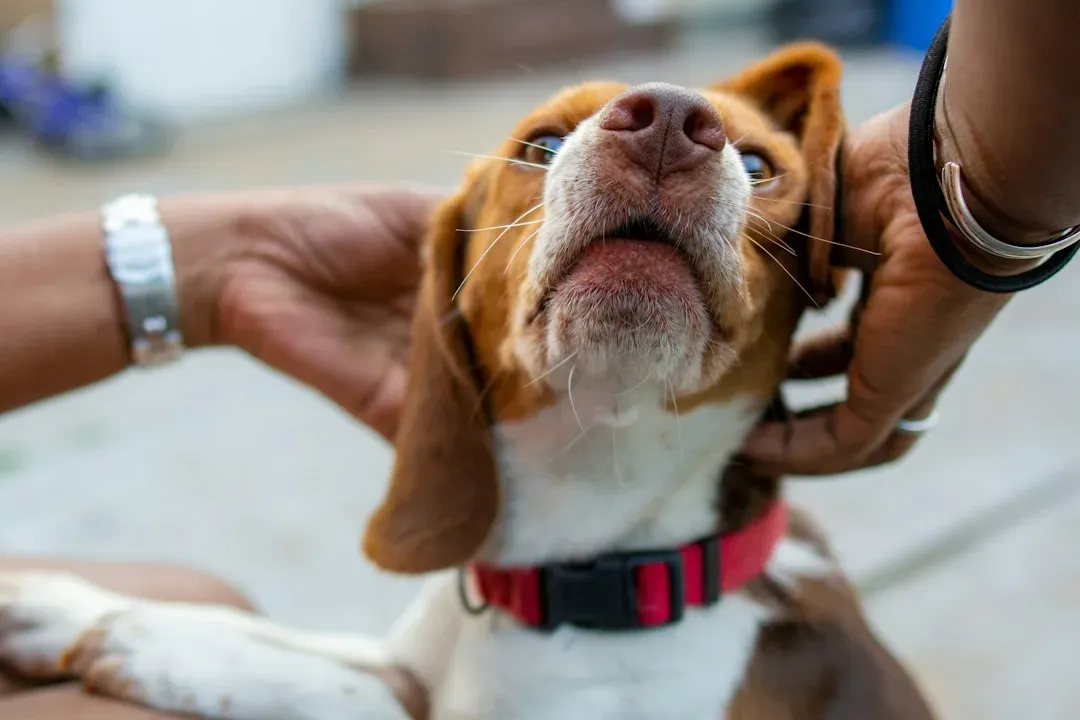
Floppy ears are adorable, and they’re also a maintenance job.
The ear canal of a drop-eared dog can hold moisture and warmth, a friendly environment for yeast and bacteria. Ear infections are among the common reasons dogs visit the vet.
The first signs are easy to miss: head shaking, scratching, odor, redness or discharge. Trying to treat an infection at home with the wrong product can make it worse.
Check the ears weekly. Clean them only with a vet-approved cleaner, and never push cotton swabs deep into the canal. If your dog yelps or the ear smells, book an appointment.
Healthy ears matter on walks, too, which brings us to #11…
#11 – Walks Turn Into Sniff Expeditions

🔥 Would you like to save this?
We'll email this post to you, so you can come back to it later!
The walk isn’t only for exercise. For a beagle, it’s reading the morning news.
Owners often get frustrated when a ten-minute stroll becomes a forty-minute crawl past one mailbox. But sniffing is how scent hounds process the world. Letting them do it is mental enrichment, not misbehavior.
Many behavior professionals argue that a sniff-heavy walk can tire a dog out more than a faster, structured one. That’s good news for owners who can’t run five miles a day.
Set boundaries, not bans. Pick a “sniff time” and a “heel time,” and use a cue to switch between them. Add scent games at home, like scattering kibble in the grass or using a snuffle mat.
If your beagle’s walks are slow, their next phase will be anything but. See #10…

Earth Rated XL Dog & Puppy Pee Pads, Discreet Top, Max Absorbency
Check Price on AmazonAs an Amazon Associate, we earn from qualifying purchases.
10/7/2026 1:28 pm GMTi

Glass Hummingbird Feeder for Outdoors Hanging, 16 oz Leak-Proof Nectar Feeder with Bee Guards & Ant Moat
Check Price on AmazonAs an Amazon Associate, we earn from qualifying purchases.
10/7/2026 1:22 pm GMTi

Orthopedic Extra Large Dog Bed, Waterproof Washable XL Pet Bed 44"
Check Price on AmazonAs an Amazon Associate, we earn from qualifying purchases.
10/7/2026 1:32 pm GMTi

Glass Hummingbird Feeder for Outdoors Hanging
Check Price on AmazonAs an Amazon Associate, we earn from qualifying purchases.
10/7/2026 1:21 pm GMTi

PetSafe Oasys Pet Fountain, 1/2 Gallon (64 oz), Small Dogs & Cats
Check Price on AmazonAs an Amazon Associate, we earn from qualifying purchases.
10/8/2026 8:14 am GMTi
#10 – Alone Time Isn’t Their Strong Suit

🔥 Would you like to save this?
We'll email this post to you, so you can come back to it later!
Beagles were bred to work in packs, and it shows the minute you leave.
Many owners come home to chewed shoes, torn cushions or a neighbor’s note about howling. Beagles can struggle with long stretches alone, especially in the first year.
Boredom and true separation anxiety look similar, but they need different solutions. Boredom usually improves with exercise, enrichment and routine. Separation anxiety may need help from a veterinarian or a qualified behavior professional.
- Build alone time gradually, starting with minutes
- Offer long-lasting chews or food puzzles
- Avoid big, emotional departures and greetings
If you work long hours, consider a midday dog walker or daycare. It’s cheaper than replacing a sofa.
Quick Compare: Bored or Anxious?
- Bored: chewing or howling that eases after a long walk, a scent game or a food puzzle
- Anxious: distress that starts as you get ready to leave and doesn’t fade with exercise, such as drooling, panting or frantic escape attempts
- Next step: routine and enrichment for boredom, a vet or behavior professional for anxiety
Be ready, because the hardest stretch isn’t puppyhood at all. See #9…
#9 – Adolescence Hits Harder Than Puppyhood

🔥 Would you like to save this?
We'll email this post to you, so you can come back to it later!
The cute phase ends. Then the real test begins.
Somewhere around six months, many beagles start testing limits. Skills that seemed rock solid vanish overnight. Recall gets worse, house training slips, and selective hearing kicks in.
This is developmental, not a sign you’ve failed. Adolescence in dogs can last well into the second year, depending on the individual. Many dogs are surrendered to shelters during this period, which is exactly when patience matters most.
Keep training sessions short, upbeat and consistent. Go back to basics, manage the environment and reward what you want. The phase passes, but habits you allow now can stick.
And timing matters even earlier than that, as #8 explains…
#8 – The Socialization Window Closes Fast
🔥 Would you like to save this?
We'll email this post to you, so you can come back to it later!
The most important training happens before you think training has started.
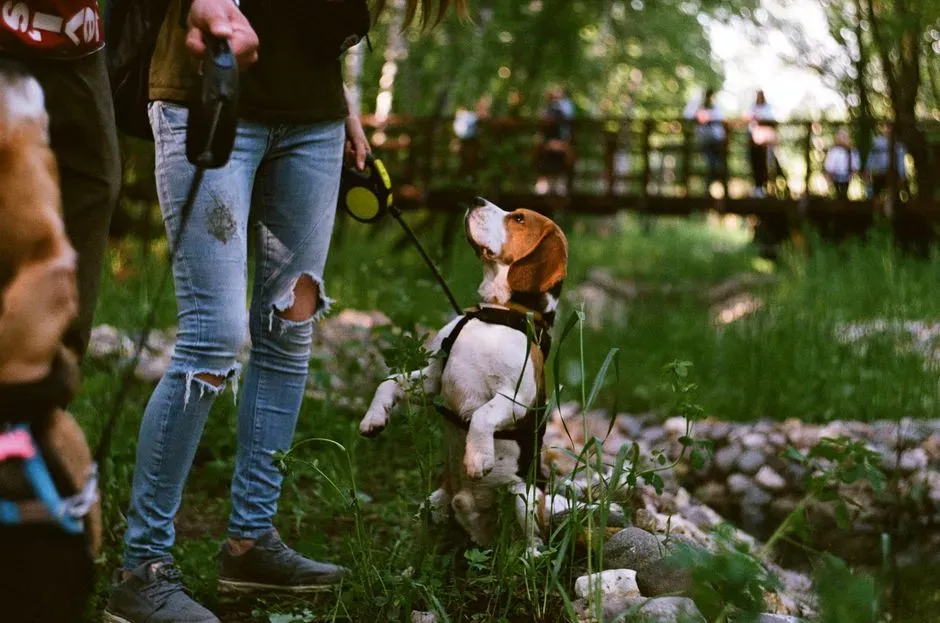
Puppies are especially receptive to new experiences in their first few months. Behavior organizations commonly describe the key socialization period as running from about three weeks to roughly 14 to 16 weeks of age.
What a puppy experiences safely during that window often shapes how comfortable it is as an adult. That includes people, sounds, surfaces, car rides and gentle handling. Talk to your vet about safe socialization before vaccinations are complete.
Quality matters more than quantity. Short, positive exposures beat overwhelming ones. If your puppy seems frightened, add distance and let it recover.
But even a well-socialized beagle leaves something behind, as #7 shows…
#7 – They Shed More Than That Short Coat Suggests
🔥 Would you like to save this?
We'll email this post to you, so you can come back to it later!
Short hair doesn’t mean low maintenance.
Beagles have a dense, double coat that sheds year-round, with heavier periods in spring and fall. Owners are often stunned at how tiny, stiff hairs weave themselves into couches, clothing and car seats.
Short hairs can embed in fabric more stubbornly than long ones. A rubber grooming mitt or a soft brush once or twice a week removes loose hair before it lands on your furniture.
At a Glance: Beagle Shedding
- Coat: short, dense and double-layered
- Shedding: year-round, heavier in spring and fall
- Best tool: rubber grooming mitt or soft brush, once or twice a week
- Red flag: sudden heavy shedding, bald patches or constant itching
Skin matters, too. Those red flags can point to allergies, parasites or other health problems. Bathing too often can dry the skin, so ask your vet what suits your dog.
Cleaning up is one thing. Letting your dog loose around other dogs is another. See #6…
#6 – The Dog Park Isn’t Automatically a Win
🔥 Would you like to save this?
We'll email this post to you, so you can come back to it later!
Here’s an opinion that will annoy some owners: dog parks are overrated for beagles.
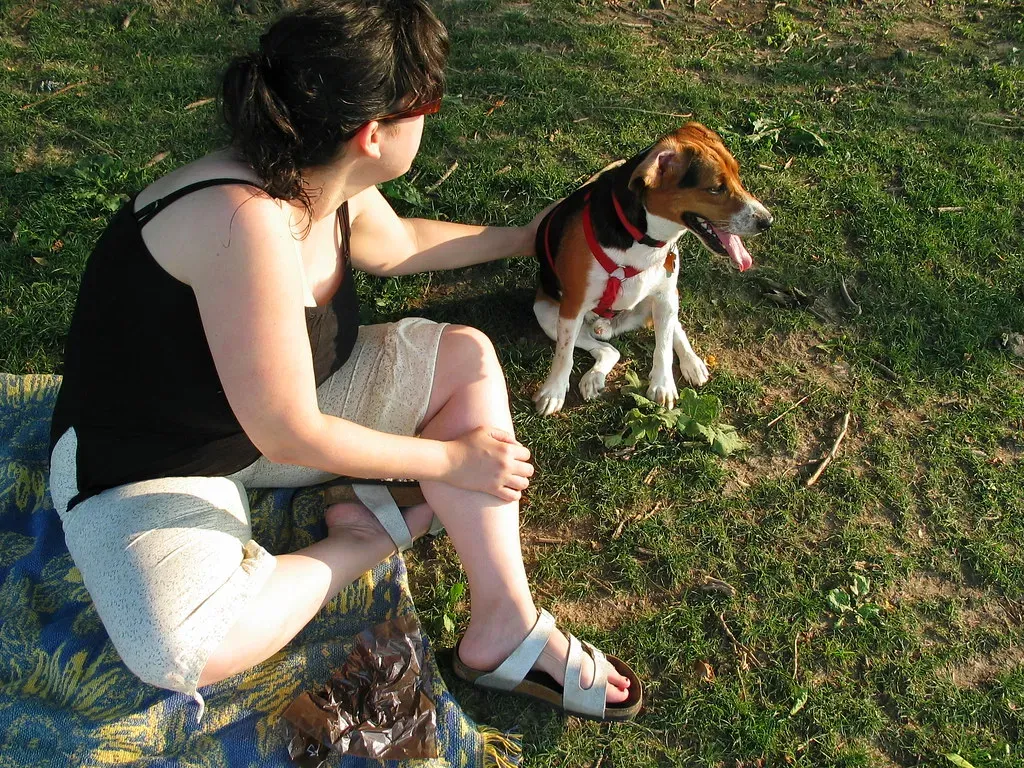
They’re unpredictable. Some dogs are rough, some owners are glued to their phones, and a beagle following a scent can wander into trouble fast. Parks can also expose puppies to illness before vaccines are complete.
Many trainers prefer structured playdates with known, well-matched dogs. A calm, scent-based outing often does more for a beagle than a chaotic scrum.
If you do go, observe first. Leave if the mood is tense. Keep your dog in sight, know where the exit is, and don’t stay if your beagle seems stressed.
Safe outings depend on gear, and most owners buy the wrong kit. See #5…

Halloween Cat Costume Cloak Witch Hat Pet Accessories
Check Price on AmazonAs an Amazon Associate, we earn from qualifying purchases.
10/9/2026 2:44 pm GMTi

Portable Dog Water Bottle Foldable Dog Travel Water Bottle
Check Price on AmazonAs an Amazon Associate, we earn from qualifying purchases.
10/7/2026 1:29 pm GMTi

Air Purifiers for Home Pets Large Room Up to 3000 Ft²,HEPA Air Cleaner with Washable Double-Side Filter, PM2.5 Air Quality Monitor,15dB Sleep Mode for Bedroom Odor Dust Pollen,White
Check Price on AmazonAs an Amazon Associate, we earn from qualifying purchases.
10/8/2026 8:23 am GMTi

Professional 7 in 1 Dog Paw Cleaner for Dogs & Cats - Includes 1 Portable Paw Washer, 1 Bath Brush
Check Price on AmazonAs an Amazon Associate, we earn from qualifying purchases.
10/7/2026 1:26 pm GMTi

Hand Blown Glass Hummingbird Feeders for Outdoors Hanging, 24oz Wild Bird Nectar Feeder
Check Price on AmazonAs an Amazon Associate, we earn from qualifying purchases.
10/7/2026 1:23 pm GMTi
#5 – Most Owners Buy the Wrong Gear First

🔥 Would you like to save this?
We'll email this post to you, so you can come back to it later!
The cheap collar and the retractable leash are secretly two of the biggest rookie mistakes.
Beagles pull, especially when following a scent. A thin collar puts pressure on the neck, and retractable leashes teach dogs that pulling gets them farther.
Many trainers prefer a well-fitted harness, often with a front clip, for dogs that pull. Pair it with a standard leash and, for open areas, a long line.
- Put on an ID tag with your current phone number
- Microchip your dog and keep the registration updated
- Consider a GPS tracker for a dog that bolts
Microchips only work if the contact details are current. Check them whenever you move or change numbers.
Worth Knowing: Fit Check
- A growing puppy can outgrow a harness or collar in weeks, so recheck the fit often
- A common rule of thumb is that you should fit two fingers under a collar
- A beagle with a nose down and a harness that slips can back out of it, so adjust the straps snugly
- A tag can fall off, so treat the microchip as your backup, not your only plan
A loose beagle is a real risk, but so is one that won’t stop chewing. See #4…
#4 – The Chewing Phase Costs More Than You Planned

🔥 Would you like to save this?
We'll email this post to you, so you can come back to it later!
Everything within reach is a chew toy.
Puppies teethe for several months, and many chew to relieve discomfort. Beagles also explore with their mouths, so shoes, remote controls, cables and furniture legs are all at risk.
Swallowed objects are a classic cause of emergency vet visits for dogs. Socks, toys and corn cobs can cause blockages that sometimes need surgery. If your dog vomits repeatedly or stops eating after chewing something, call a vet.
Rotate safe chew toys and supervise carefully. Use a crate or pen when you can’t watch. Skip anything so hard that it could damage teeth, and avoid cooked bones.
But chewing is minor compared with the health issues in #3…
#3 – The Health Quirks Nobody Mentions at Adoption

🔥 Would you like to save this?
We'll email this post to you, so you can come back to it later!
A healthy puppy doesn’t guarantee a trouble-free adult.
Beagles can be predisposed to certain conditions, including ear infections, obesity, epilepsy, hypothyroidism, “cherry eye” and spinal disc disease. Not every beagle will develop them, but awareness helps with early detection.
A rare inherited condition called Musladin-Lueke syndrome has been documented in beagles, causing stiff skin and joint problems. Reputable breeders ask about health history, and your vet can help you understand what applies to your dog.
- Schedule regular vet checkups
- Keep up with vaccinations and parasite prevention
- Brush the teeth and watch for dental disease
Prevention helps, but training shapes behavior in ways medicine can’t. See #2…

Halloween Dog Collar with Bow, Orange Cute Ghost Collar,
Check Price on AmazonAs an Amazon Associate, we earn from qualifying purchases.
10/9/2026 2:43 pm GMTi

Dog Stairs for Bed 18" H, 4-Step Dog Steps for High Bed
Check Price on AmazonAs an Amazon Associate, we earn from qualifying purchases.
10/9/2026 2:42 pm GMTi

2 Pcs Halloween Pet Hat Bandana Set, Witch Pumpkin Costumes for Dogs
Check Price on AmazonAs an Amazon Associate, we earn from qualifying purchases.
10/9/2026 2:45 pm GMTi

Smart Bird Feeder with Camera Solar Powered, 2K HD Live Video, 10,000+ Bird Species AI Identification
Check Price on AmazonAs an Amazon Associate, we earn from qualifying purchases.
10/7/2026 1:22 pm GMTi
#2 – “Stubborn” Is the Wrong Word

🔥 Would you like to save this?
We'll email this post to you, so you can come back to it later!
The truth is that most beagles aren’t stubborn. They’re just not impressed by boring requests.
Beagles are intelligent, but they were bred to make decisions on a trail, not to hang on every cue. If training is dull or repetitive, they’ll find something more interesting, usually on the ground.
Positive reinforcement works well with beagles because they’re so motivated by rewards. Use small, soft treats from the day’s food allowance, keep sessions short and end on a win.
Harsh methods tend to backfire. They can damage trust and make a dog hesitant, and they don’t address what the dog is actually trying to do. Make yourself more interesting than the scent.
And the biggest lesson of all has nothing to do with training. See #1…
#1 – The Dog You Pictured Isn’t the Dog You Got
🔥 Would you like to save this?
We'll email this post to you, so you can come back to it later!
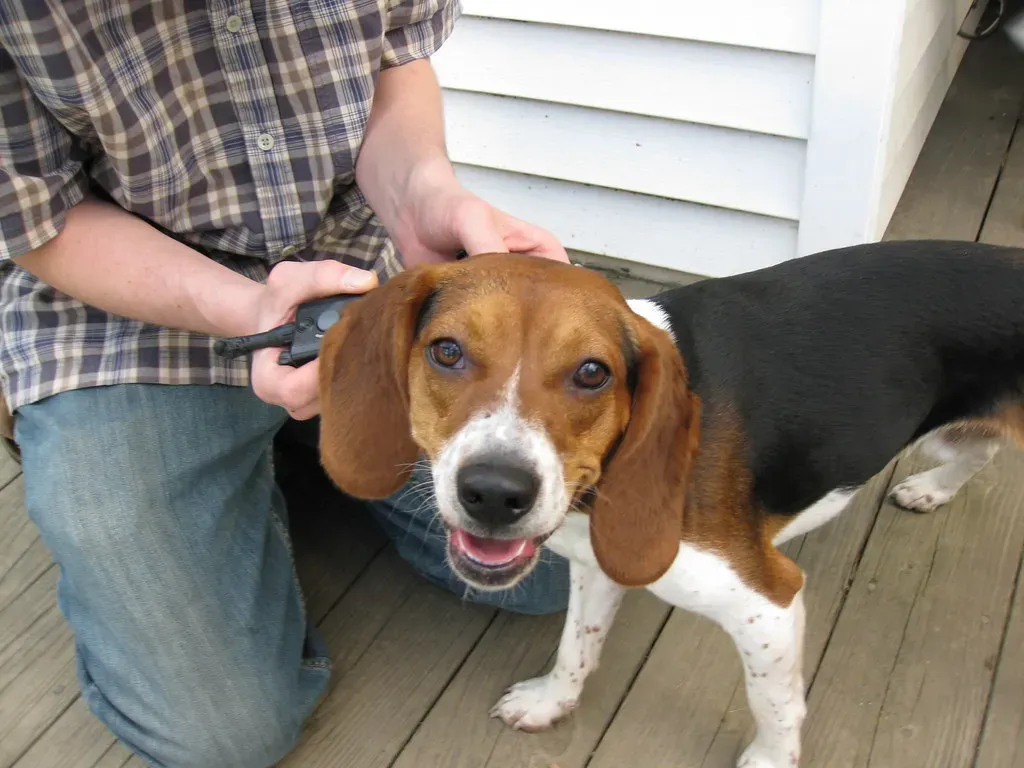
The first year isn’t about teaching the beagle. It’s about learning to live with one.
You’ll lose some shoes, some patience and a lot of sleep. You’ll also learn to read a tail, a nose and a mood. Owners often say the hardest weeks give way to a dog that’s funny, loyal and deeply attached to its people.
Beagles tend to thrive on routine, company and mental work. Give them structure and a job, such as scent games, and many of the “problems” shrink. Ignore those needs, and they grow.
A beagle asks a lot early and gives a lot back. Be realistic, be consistent, and don’t judge the dog by month four.
Here’s my honest take: beagles aren’t difficult, but they’re badly misrepresented. They’re sold as small, friendly and easy, and that’s only half true. The nose, the voice and the appetite aren’t flaws to fix. They’re the breed.
If you can’t plan around them, a beagle is the wrong dog for you. And that’s okay. If you can, you’ll get one of the most affectionate companions around. Skip the off-leash fantasies, lock the pantry and book that vet visit.
Which of these 19 lessons hit you hardest, and which one would you add?

- 19 Things Beagle Owners Learn the Hard Way in the First Twelve Months - November 6, 2026
- 11 Free Wildlife Walks American Parks Offer Once a Visitor Turns 62 - November 6, 2026
- 22 Signs a Shelter Cat Has Stopped Expecting the House to Change - November 6, 2026