
1. Socialization windows close faster than most people expect

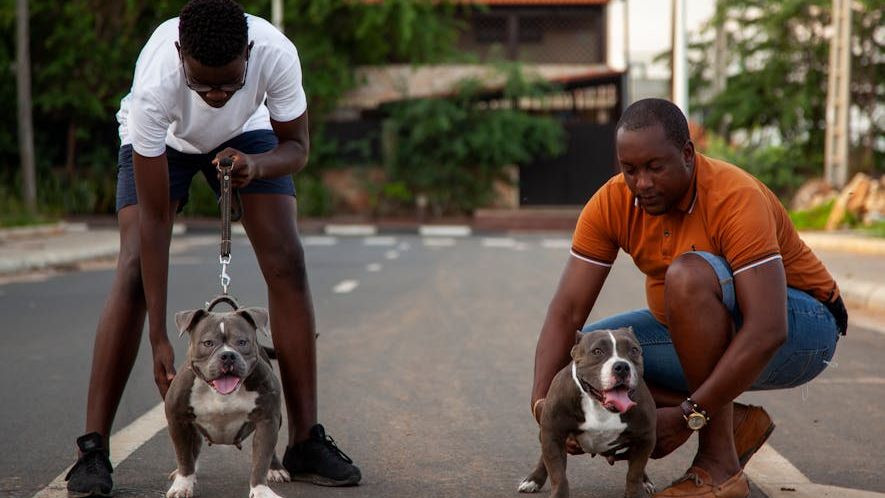
The first few months set the tone for how a dog handles new sights, sounds, and people. Breeders see puppies that miss key exposures turn into adults who startle easily or bark at everything unfamiliar. A simple walk around the block or a calm visitor at home can prevent bigger issues down the road.
Waiting until the puppy has all its shots often means missing the prime learning period. Short, positive outings in controlled settings work better than one big overwhelming trip. Consistent small steps build confidence without stress.
2. House training takes longer than the cute videos suggest

Accidents happen even with the most attentive families. Puppies have small bladders and limited control, so frequent outdoor trips every hour or two remain necessary at first. Rushing the process or punishing mistakes only creates confusion and fear.
Consistency with a schedule and plenty of praise for success speeds things along. Many new owners underestimate how long it takes for the habit to stick completely. Patience during this phase pays off in a reliably clean adult dog.
3. The right food matters more than price tags indicate

Cheap kibble can lead to digestive upset or dull coats that owners then try to fix with supplements. Breeders often recommend specific formulas based on the litter’s early response. Switching foods abruptly causes stomach trouble that could have been avoided.
Portion control prevents rapid growth that stresses developing joints in larger breeds. Fresh water always available supports overall health from day one. Small adjustments early keep the puppy thriving without extra vet visits.
4. Exercise needs change quickly as the puppy grows
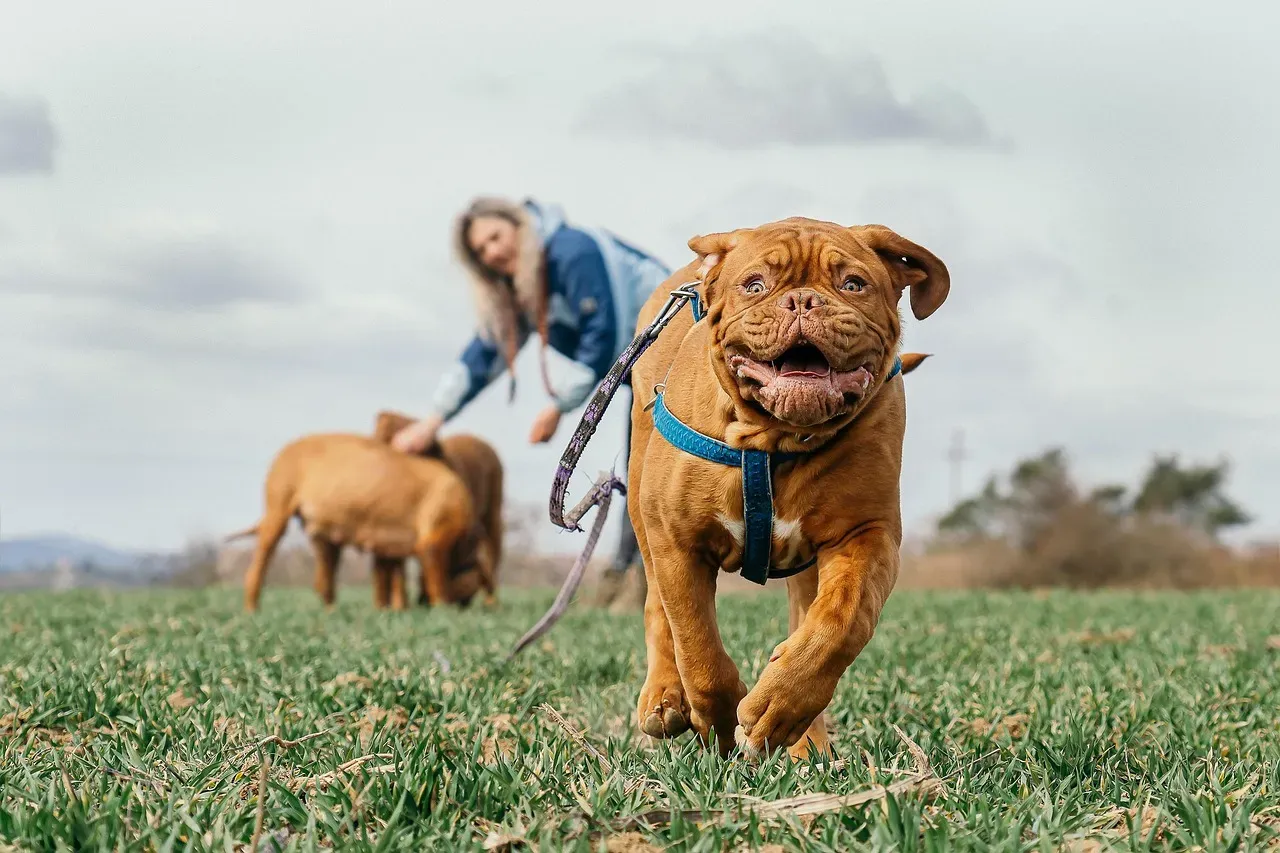
Short play sessions suit very young puppies better than long runs. Overdoing activity can strain soft bones and joints that are still forming. Breeders notice owners who push too hard early often deal with limping or reluctance to move later.
Mental stimulation through puzzle toys or simple training games tires a puppy just as effectively as physical exercise. Matching activity to age and breed prevents both boredom and injury. Gradual increases keep the dog fit without overload.
5. Vet care extends well beyond the first checkup

Regular wellness visits catch small problems before they become expensive emergencies. Breeders recommend establishing a relationship with one clinic so records stay consistent. Skipping boosters or heartworm prevention leaves gaps that affect long term health.
Spay or neuter timing depends on the individual dog and breed size. Discussing options with the vet rather than following a one size fits all rule leads to better outcomes. Preventive care keeps costs predictable and the dog comfortable.
6. Training begins the moment the puppy arrives
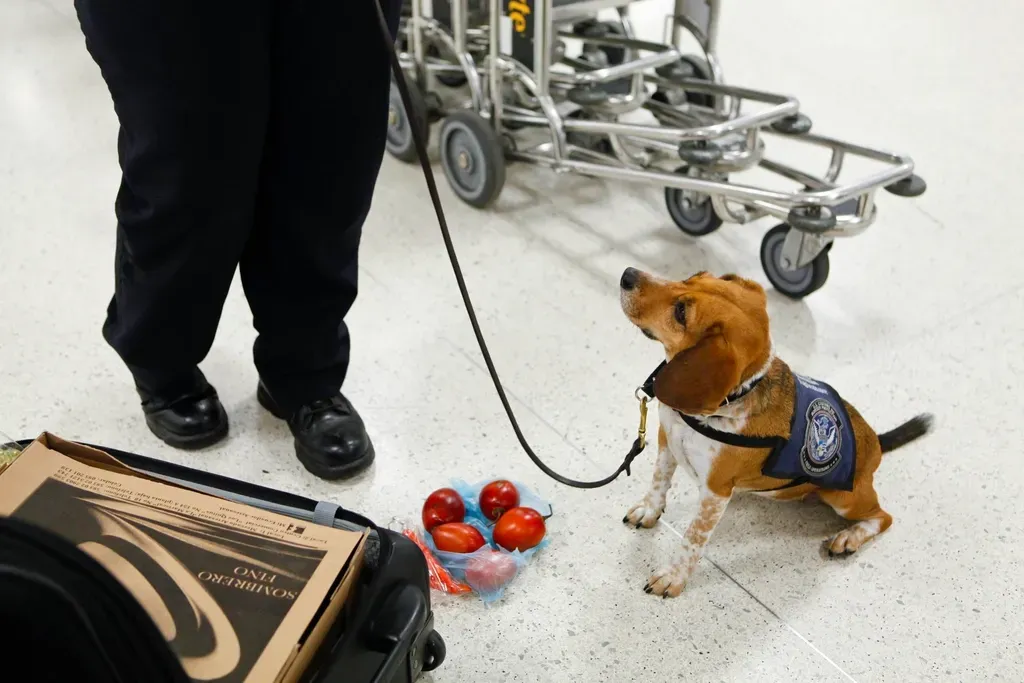
Every interaction teaches something, whether intended or not. Allowing jumping or nipping early makes those behaviors harder to correct later. Short daily sessions with basic commands build focus and manners from the start.
Positive reinforcement works faster than correction for most puppies. Breeders see families who start early enjoy calmer homes and stronger bonds. Consistency across all household members prevents mixed signals that slow progress.
7. Chewing is a phase that requires management, not just scolding

Puppies explore the world with their mouths, so shoes, cords, and furniture become targets without supervision. Providing appropriate chew toys redirects the behavior productively. Crating or gating when unsupervised protects both the home and the puppy.
Teething discomfort peaks around certain ages and then fades. Offering frozen toys or safe chews eases the urge without damage. Ignoring the need for outlets leads to frustration on both sides.
8. Separation anxiety often appears after the honeymoon period

The first weeks may feel easy because the puppy is adjusting to new surroundings. Once routines settle, some dogs become distressed when left alone. Gradual alone time practice from the beginning prevents full blown panic later.
Leaving the puppy with a familiar item carrying the owner’s scent helps during short absences. Breeders advise against dramatic goodbyes or long departures right away. Building independence slowly creates a more secure adult dog.
9. Grooming routines start early to avoid future battles

Brushing, nail trims, and ear cleaning feel strange at first but become normal with repetition. Starting gentle handling during calm moments prevents fear when professional grooming is needed. Neglecting early practice turns routine care into stressful events.
Breed specific coat needs vary widely, so learning the right tools and frequency matters. Weekly sessions keep mats from forming and skin healthy. Early tolerance saves time and money on professional services down the line.
10. Ongoing costs exceed the initial purchase price
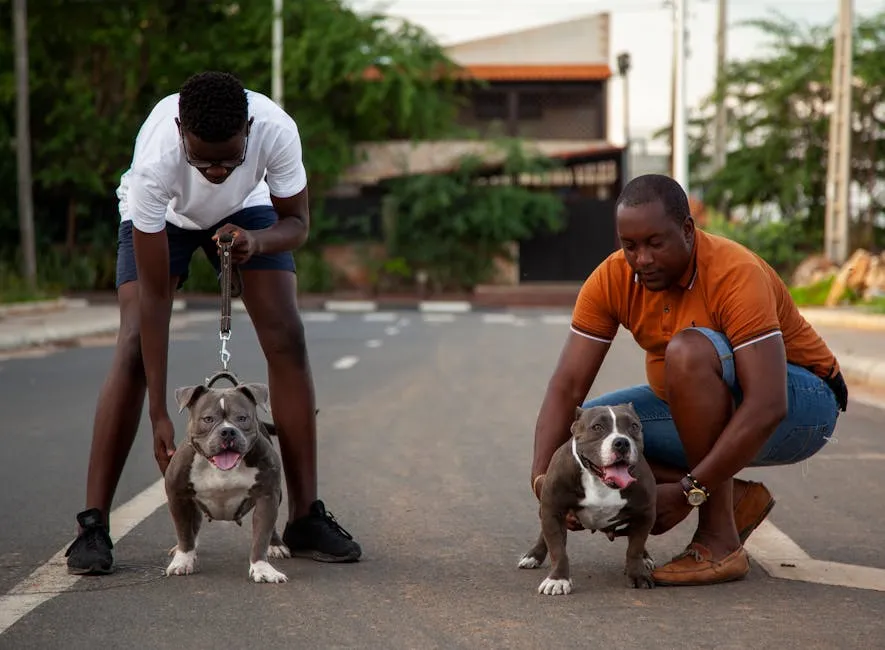
Food, toys, training classes, and unexpected medical needs add up quickly. Breeders watch families surprised by the reality of ownership beyond the cute photos. Budgeting for these expenses prevents tough decisions later.
Quality items last longer and reduce replacement frequency. Preventive health measures avoid larger bills. Planning ahead keeps the focus on enjoying the dog rather than scrambling for funds.
11. The puppy will test boundaries as it matures

Adolescence brings a surge of independence that can feel like regression. What worked at eight weeks may need reinforcement at six months. Staying consistent through this phase prevents habits from becoming permanent.
Patience and continued training maintain progress. Breeders see owners who expect instant perfection grow frustrated unnecessarily. Understanding normal development stages reduces stress for everyone involved.
12. Health clearances from the breeder provide a starting point, not a guarantee

Responsible testing reduces certain risks but does not eliminate every possibility. Environmental factors and genetics still play roles as the dog ages. Regular monitoring at home and with the vet catches changes early.
Knowing the parents’ history helps set realistic expectations. Breeders encourage owners to report any concerns back so future litters benefit. Open communication strengthens the overall approach to breeding.
13. The bond deepens through everyday routines rather than grand gestures
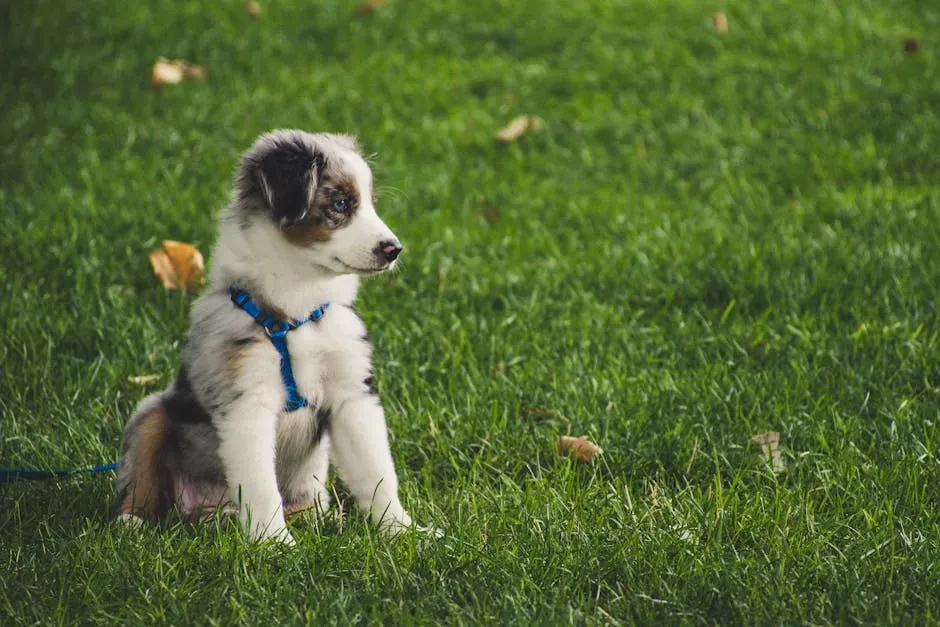
Quiet walks, shared meals, and calm evenings build trust more reliably than occasional big adventures. Puppies learn to rely on steady presence. Rushing the relationship often backfires when the dog senses inconsistency.
Small daily interactions create lasting attachment. Breeders notice the strongest connections come from owners who treat the puppy as part of daily life from the beginning. Time and presence matter more than perfection.
Experienced breeders see these quiet details turn good homes into great ones. The puppies that thrive do so because owners absorbed the practical realities alongside the excitement. Taking these points to heart from the start saves everyone unnecessary heartache and builds a partnership that lasts.