
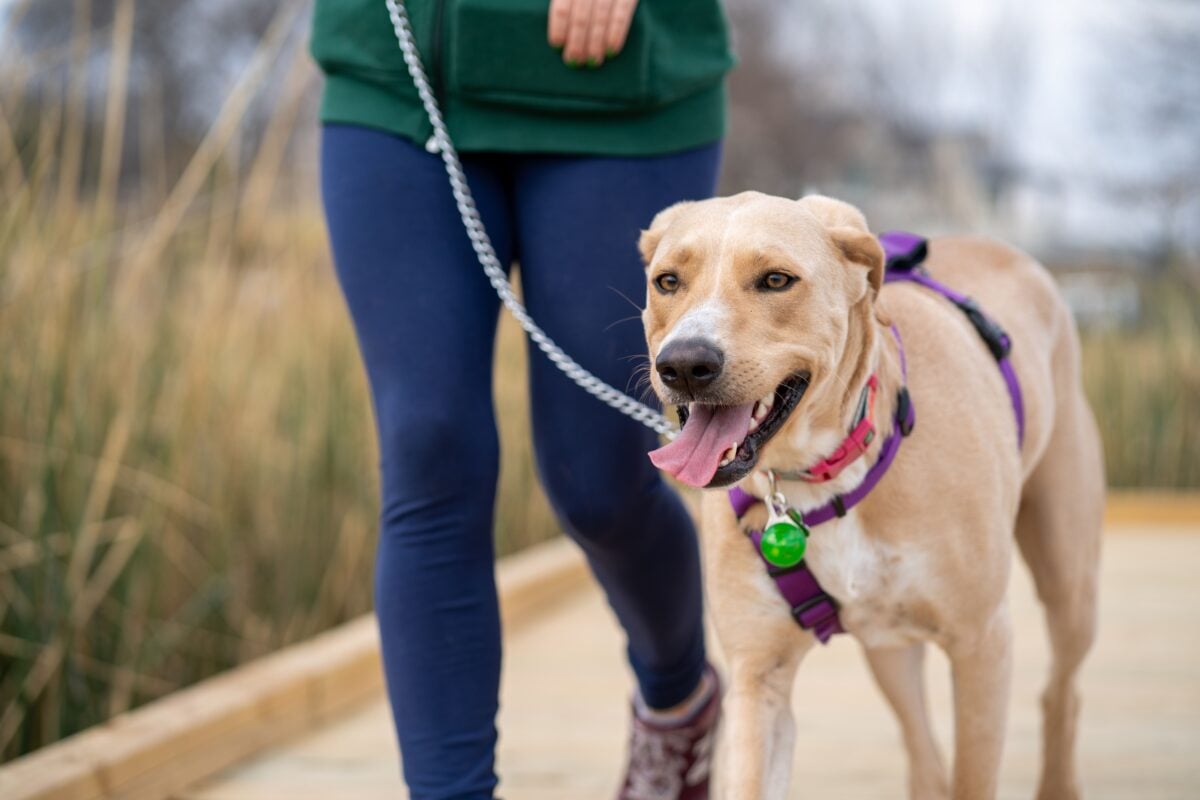
You’ve seen the kennel card: breed, age, one cheerful line about personality. It feels like the whole story, and that’s exactly the problem. This list is worth your time because it shows what shelter staff, researchers and rescue veterans know that the card rarely says out loud, and why some shelters are quietly changing what they put on it.
Some of it is about labels that turn out to be guesses. Some is about a dog who looks like a completely different animal once he leaves the kennel. And one item waiting at #1 may change what you think “the right dog” even means. Start at #13, because it already knocks down one of the biggest assumptions in adoption.
#13 – The Breed Label Is Mostly a Guess

🔥 Would you like to save this?
We'll email this post to you, so you can come back to it later!
The name on the kennel card is an educated guess, and the research says it’s wrong more often than it’s right. That “Lab mix” or “terrier mix” is someone’s opinion about how a dog looks, not a fact about who he is.
Most dogs in US shelters are mixed breed, yet many shelters still assign breed labels by sight. In a University of Florida study, self-identified experts, including shelter staff, trainers and veterinarians, correctly identified a prominent breed only 27 percent of the time. When they had to name both a primary and a secondary breed, accuracy dropped to just over 10 percent. And “pit bull” isn’t a recognized breed at all.
Some shelters have dropped the labels entirely. Removing breed labels from adoption cards in three New York shelters cut the median length of stay from 30.3 to 19 days, with no increase in returns. Dogs went home faster, and they didn’t come back more often.
If you pick a dog because the card says “retriever mix” and picture an easygoing family pet, you may be falling for a story. Breed can hint at tendencies, but individual dogs vary widely. Try these instead:
- Ask what the dog does, not what it is.
- Ask what staff and volunteers have seen on walks.
- Treat any breed label as a rough hint, never a prediction.
Some adopters insist breed explains everything about their dog. The evidence says otherwise, and shelters that still lean on labels may not be doing adopters any favors.
But the breed label isn’t the most misleading thing on the kennel run, and #12 is the one that catches most first-timers off guard…
#12 – The Kennel Dog Isn’t the Home Dog

🔥 Would you like to save this?
We'll email this post to you, so you can come back to it later!
The dog you meet behind the bars is often a stressed-out version of the dog you’ll live with. Shelters are loud, busy and unpredictable, with echoing concrete, barking neighbors and strangers walking past all day.
Some dogs bark, spin and jump on the door. Others freeze, hide or go strangely quiet. Neither reaction is a reliable preview of home behavior. Even experienced adoption counselors admit that no shelter can tell you everything about a dog, because behavior changes a lot once a dog lands in a stable home.
Stress can fool first-timers in both directions:
- The “hyper” dog may just be overwhelmed by the noise.
- The “calm, easy” dog may be shut down, not relaxed.
- The “shy” dog may open up fast in a quiet living room.
Ask to meet the dog outside the kennel, in a yard or a quiet meet-and-greet room. Give him a few minutes to sniff around before you judge anything.
Then watch how he recovers from a small surprise, like a dropped set of keys or a door clicking shut. That tells you more than a minute of kennel-front excitement.
And if the kennel version isn’t the real dog, the “real” one may not show up when you expect either, as #11 explains…
#11 – The Real Personality Can Take Weeks to Appear

🔥 Would you like to save this?
We'll email this post to you, so you can come back to it later!
The easy first week may be the least honest week you’ll ever get with your new dog. He’s quiet because everything is new, not because that’s who he is.
Many rescuers talk about a “3-3-3” pattern: three days to decompress, three weeks to settle, three months to feel at home. It’s a popular rule of thumb, not a scientific law, and dogs vary a lot.
What many adopters report is a quiet start, then more energy and more opinions as the dog relaxes. Chewing, barking and testing boundaries can show up around week three. First-timers often panic and decide they adopted the wrong dog, when the dog has simply started to feel safe enough to be himself.
Early on, expect:
- Sleeping a lot, or restless nights.
- A smaller appetite, or a nervous stomach.
- Hesitation around doors, stairs and new people.
Later, expect more play, more mess and more personality.
At a Glance
- First 3 days: decompressing, with lots of sleep, hiding or caution.
- First 3 weeks: learning your routine, with personality starting to peek out.
- Around 3 months: feeling secure enough to show his true self.
- Reality check: some dogs are faster, some slower.
Many trainers swear by the 3-3-3 timeline. I’d argue that treating it as a deadline sets first-time owners up for disappointment. Use it as a mindset, not a calendar.
But the way shelters describe a dog’s energy level may be even more revealing, as #10 shows…
#10 – Energetic Is a Word Shelters Don’t Love Using

🔥 Would you like to save this?
We'll email this post to you, so you can come back to it later!
Profile language has quietly shifted toward gentle words, and the reason is partly about what gets dogs adopted. In one experiment, descriptions like affectionate, calm, easy-going, friendly and sociable improved perceived adoptability, whereas “energetic” reduced it.
The same study found that descriptions increased perceived adoptability overall, while breed labels decreased it. That creates a quiet incentive for profiles to soften how they describe a high-energy dog.
We can’t say every shelter does this, but first-timers should know the pressure exists. A friendly, lively dog may need far more daily exercise than the card suggests. Picture that “sweet, playful” dog in a small apartment with a nine-to-five owner, and the mismatch is easy to see.
Decode the wording with questions:
- “Playful” can mean mouthy, bouncy or jumpy.
- “Active” usually means a real daily exercise commitment.
- “Shy” often means patience and slow introductions.
- “Needs an experienced home” deserves to be taken seriously.
Ask staff how the dog behaves on a long walk, not just in the kennel. A dog who loves a two-hour hike fits a different life than one who naps on the couch.
But even a perfectly described dog can hide one important thing, which brings us to #9…
#9 – Nobody Can Promise a Dog Is Cat-Safe

🔥 Would you like to save this?
We'll email this post to you, so you can come back to it later!
“Good with cats” is one of the hardest claims in adoption to verify, and the best shelters say so. One adoption insider notes that most shelters won’t know a dog’s behavior around cats.
Cat owners often ask to walk a dog past the cat kennels, but a good shelter will politely decline. Stressing a cat and a dog for a quick test tells you very little, and it can make both animals worse off.
A calm dog in a shelter hallway can still chase a cat in a hallway at home. Fences, doorways and fast movement change everything. A cat that darts under a couch can flip a switch in a dog who looked bored a minute earlier.
Quick Compare
- Shelter hallway: leashed, stressed, short and staff-controlled.
- Your home: open doorways, hiding spots, dropped food and sudden cat sprints.
- The takeaway: a good result in one setting doesn’t carry over to the other.
If you have a cat or another dog, ask for honest observations and a plan, not a guarantee:
- Ask if the dog has lived with cats or dogs before, and how that was confirmed.
- Ask whether a meeting with your resident dog can happen on neutral ground.
- Plan baby gates, separate rooms and slow introductions at home.
Treat the first weeks as a supervised trial. Never leave a new dog alone with a resident cat until you’ve seen weeks of relaxed behavior.
Another thing that rarely makes the card is physical rather than behavioral, and it’s coming up in #8…
#8 – Healthy Doesn’t Mean a Full Medical History
🔥 Would you like to save this?
We'll email this post to you, so you can come back to it later!
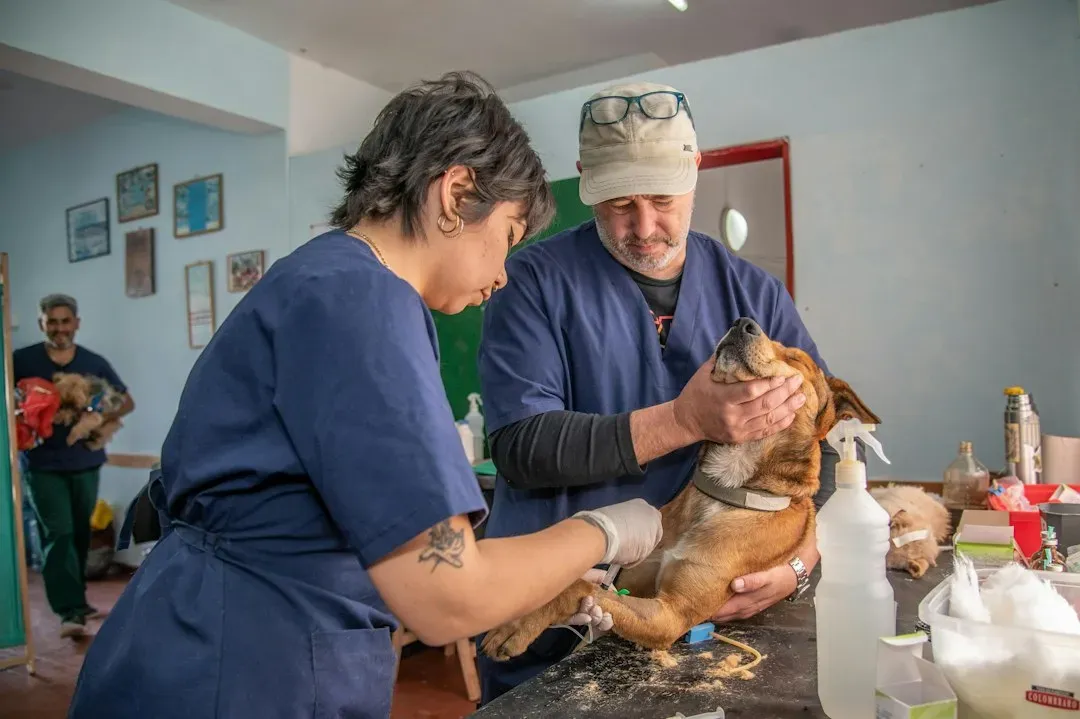
A shelter’s medical record is often a snapshot, not a biography. Many dogs arrive as strays or owner surrenders with little or no history. Staff can record what they treated and observed, but they can’t record what happened before intake.
Your dog’s real health picture builds up over the first months with your vet. Group housing can also mean exposure to common illnesses, such as kennel cough, and to intestinal parasites. Many dogs recover quickly, but a cough or an upset stomach in the first weeks isn’t unusual, and your vet can sort out what needs treatment.
Plan for these costs early:
- A first vet visit soon after adoption.
- Vaccines, parasite prevention and any follow-ups.
- Spay or neuter, if it hasn’t already been done.
- Heartworm testing and prevention, depending on your region.
Dental problems, joint issues and skin conditions may only show up with time. Budget a cushion rather than a minimum, so a surprise bill is an inconvenience instead of a crisis.
Health isn’t the only gap, though, and #7 is the one that stains first-time owners’ carpets…

Halloween Cat Costume Cloak Witch Hat Pet Accessories
Check Price on AmazonAs an Amazon Associate, we earn from qualifying purchases.
10/9/2026 2:44 pm GMTi

Dog Stairs for Bed 18" H, 4-Step Dog Steps for High Bed
Check Price on AmazonAs an Amazon Associate, we earn from qualifying purchases.
10/9/2026 2:42 pm GMTi

Hand Blown Glass Hummingbird Feeders for Outdoors Hanging, 24oz Wild Bird Nectar Feeder
Check Price on AmazonAs an Amazon Associate, we earn from qualifying purchases.
10/7/2026 1:23 pm GMTi

PetSafe Oasys Pet Fountain, 1/2 Gallon (64 oz), Small Dogs & Cats
Check Price on AmazonAs an Amazon Associate, we earn from qualifying purchases.
10/8/2026 8:14 am GMTi

Glass Hummingbird Feeder for Outdoors Hanging
Check Price on AmazonAs an Amazon Associate, we earn from qualifying purchases.
10/7/2026 1:21 pm GMTi
#7 – Housetrained Rarely Survives a Move
🔥 Would you like to save this?
We'll email this post to you, so you can come back to it later!
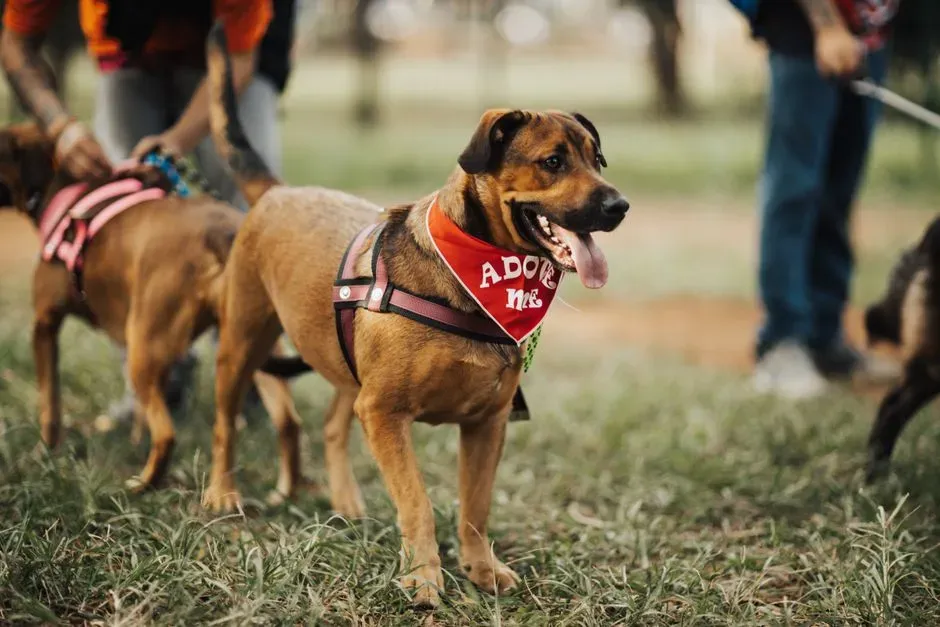
A dog who kept clean in a kennel may still have accidents in your living room. A new home has new smells, new rooms and no rules yet, and even a dog who was reliably housetrained before can slip when stressed.
Treat every adopted dog as a beginner, whatever their age. Adult dogs often learn quickly, but only with structure. The basics work better than anything fancy:
- Take the dog out on a leash right after waking, eating, playing and napping.
- Use the same spot each time.
- Reward the moment they finish, not when you get back inside.
- Supervise indoors, or use a gate or crate.
Never punish accidents after the fact. Dogs don’t connect a scolding to something they did minutes ago, and fear can teach them to hide when they need to go.
Expect setbacks during week one. A tight routine usually solves most problems faster than people expect.
But the real test comes the first time you walk out the door without your dog, and #6 is where it gets tricky…
#6 – Nobody Can Predict Separation Distress

🔥 Would you like to save this?
We'll email this post to you, so you can come back to it later!
Your first solo departure is a test that no shelter staffer can grade in advance. In a kennel, a dog is never really alone, because there are always other dogs, sounds and people nearby.
A home with a closed door and empty rooms is a completely new experience. Some dogs cope well. Others panic, and you may not know which one you adopted until the door clicks shut.
Signs of separation-related distress can include:
- Howling or barking after you leave.
- Destroying doors, crates or furniture.
- Drooling, pacing or accidents in a dog who is otherwise clean.
Start with absences of a few minutes and build up slowly. Keep departures and arrivals low-key, and give the dog exercise and a chew or stuffed toy first. A phone propped up to record while you’re out will show you what really happens after you leave.
If the distress is intense or doesn’t improve, call your vet or a qualified trainer early. Dramatic punishment can make things worse. Many dogs improve with patient, gradual practice.
And the instinct to fix everything with shopping carts makes things harder, as #5 reveals…
#5 – The Shopping Spree Is a First-Timer Mistake
🔥 Would you like to save this?
We'll email this post to you, so you can come back to it later!
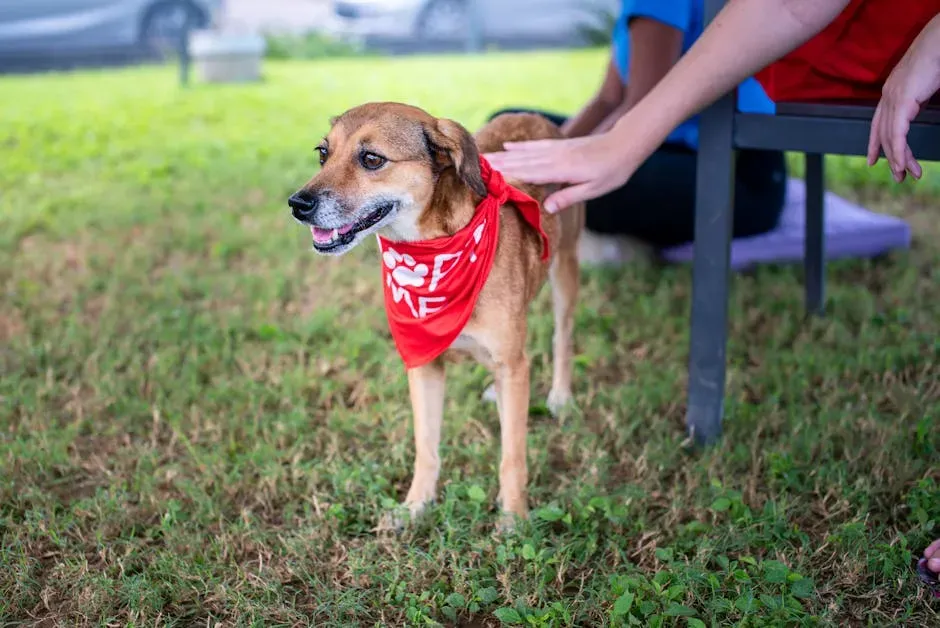
You don’t need a cart full of gear on day one, and some of it works against you. Dog-care experts quoted by Reader’s Digest advise keeping the diet consistent in the early weeks to avoid an upset stomach.
The shelter staff can tell you what your dog has been eating. Switching foods on day one can add digestive trouble to an already stressful week. If you want to change brands later, do it gradually once he has settled.
The same goes for people. A welcome party sounds sweet, but a new dog may be overwhelmed by visitors, noise and attention. Picture arriving in a strange country and being greeted by twenty strangers at the airport.
Start with the essentials:
- A secure collar or harness with ID.
- A sturdy leash.
- Food and water bowls.
- A bed and a crate or gates.
- A few safe chews.
Skip dog parks, daycare and crowded outings for the first few weeks. Some advocates push socializing early, but a dog who doesn’t know you yet is better off learning your home first.
Worth Knowing
- A food change usually goes best when you mix old and new food over about a week.
- A newly adopted dog doesn’t know your home yet, so keep him leashed or in a secure space outside.
- Update the microchip registration with your contact details right away.
- One or two calm people at a time beat a house full of visitors.
Plenty of first-timers also assume that returning a dog isn’t an option. That belief gets challenged in #4…
#4 – Shelters Rarely Open With the Return Policy

🔥 Would you like to save this?
We'll email this post to you, so you can come back to it later!
Few organizations lead with “bring them back if it isn’t working,” yet many have a policy for exactly that. Policies vary, so ask early and get it in writing.
A shelter that explains its process clearly is usually one that wants the dog’s next home to stick. A planned return is almost always better than rehoming a dog through a classified ad or giving up in desperation. At least the shelter knows the dog and can place him again with better information.
Research on breed labels adds a reassuring data point. Shelters that removed breed labels did not see more dogs returned. Clearer, more honest information can lead to better matches rather than more failures.
Some advocates argue “adoption is forever” is the only acceptable message. I think that’s unrealistic. It can pressure people to hold on to situations that aren’t safe for the dog or the family, and the goal should be a good match, not a guilt trip.
But there’s a smarter way to avoid the question altogether, and #3 is one of the best-kept secrets in adoption…

2 Pcs Halloween Pet Hat Bandana Set, Witch Pumpkin Costumes for Dogs
Check Price on AmazonAs an Amazon Associate, we earn from qualifying purchases.
10/9/2026 2:45 pm GMTi

Professional 7 in 1 Dog Paw Cleaner for Dogs & Cats - Includes 1 Portable Paw Washer, 1 Bath Brush
Check Price on AmazonAs an Amazon Associate, we earn from qualifying purchases.
10/7/2026 1:26 pm GMTi

Earth Rated XL Dog & Puppy Pee Pads, Discreet Top, Max Absorbency
Check Price on AmazonAs an Amazon Associate, we earn from qualifying purchases.
10/7/2026 1:28 pm GMTi

Glass Hummingbird Feeder for Outdoors Hanging, 16 oz Leak-Proof Nectar Feeder with Bee Guards & Ant Moat
Check Price on AmazonAs an Amazon Associate, we earn from qualifying purchases.
10/7/2026 1:22 pm GMTi

Portable Dog Water Bottle Foldable Dog Travel Water Bottle
Check Price on AmazonAs an Amazon Associate, we earn from qualifying purchases.
10/7/2026 1:29 pm GMTi
#3 – You Can Often Try a Dog Before You Commit
🔥 Would you like to save this?
We'll email this post to you, so you can come back to it later!
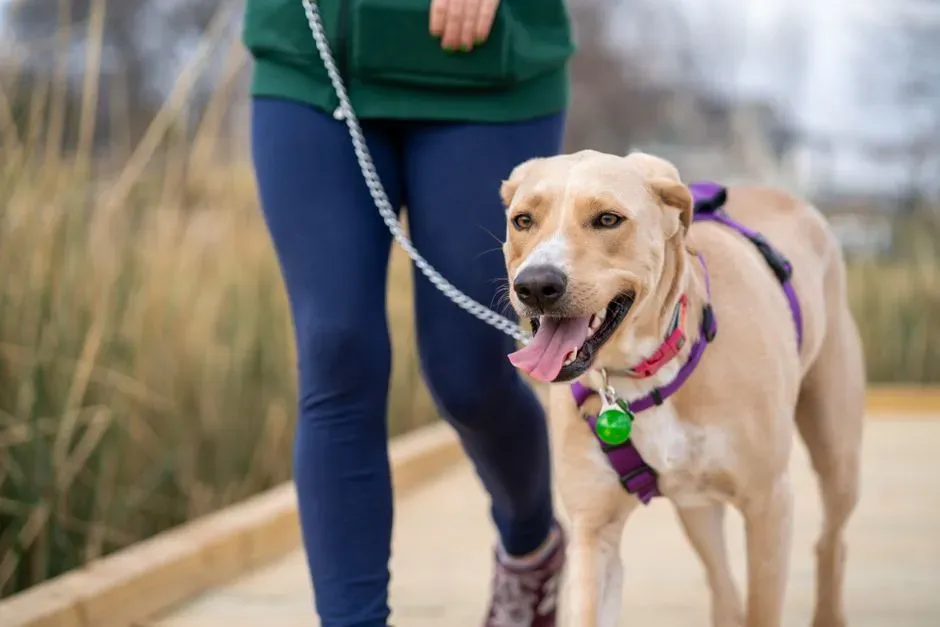
Some of the savviest adopters never “adopt” on day one. Some shelters and rescues offer foster-to-adopt or trial arrangements, though availability varies, so ask.
One shelter expert quoted by Reader’s Digest says it can mean taking the dog home and giving them a few weeks to adjust. A few weeks at home reveal what no meet-and-greet can: how the dog handles your schedule, your neighbors, your kids and your cat.
What a trial can teach you:
- How the dog behaves when left alone.
- Whether your daily routine suits their energy.
- How quickly they bond and settle.
- What kind of training support you’ll need.
A trial isn’t a free pass to give up at the first bad night. Give the dog a fair chance to decompress first. But a short foster period beats a guess made in a loud kennel hallway.
Why It Stands Out
- You see the dog in your real routine, not a staged meeting.
- The dog gets a break from kennel stress, so his true self shows sooner.
- The decision feels less like a leap and more like an informed choice.
- Staff can often answer questions as they come up.
Still, even a trial works better if you ask the right questions up front, and #2 is the list most people never use…
#2 – The Best Question Isn’t “Is He Good With Kids?”
🔥 Would you like to save this?
We'll email this post to you, so you can come back to it later!
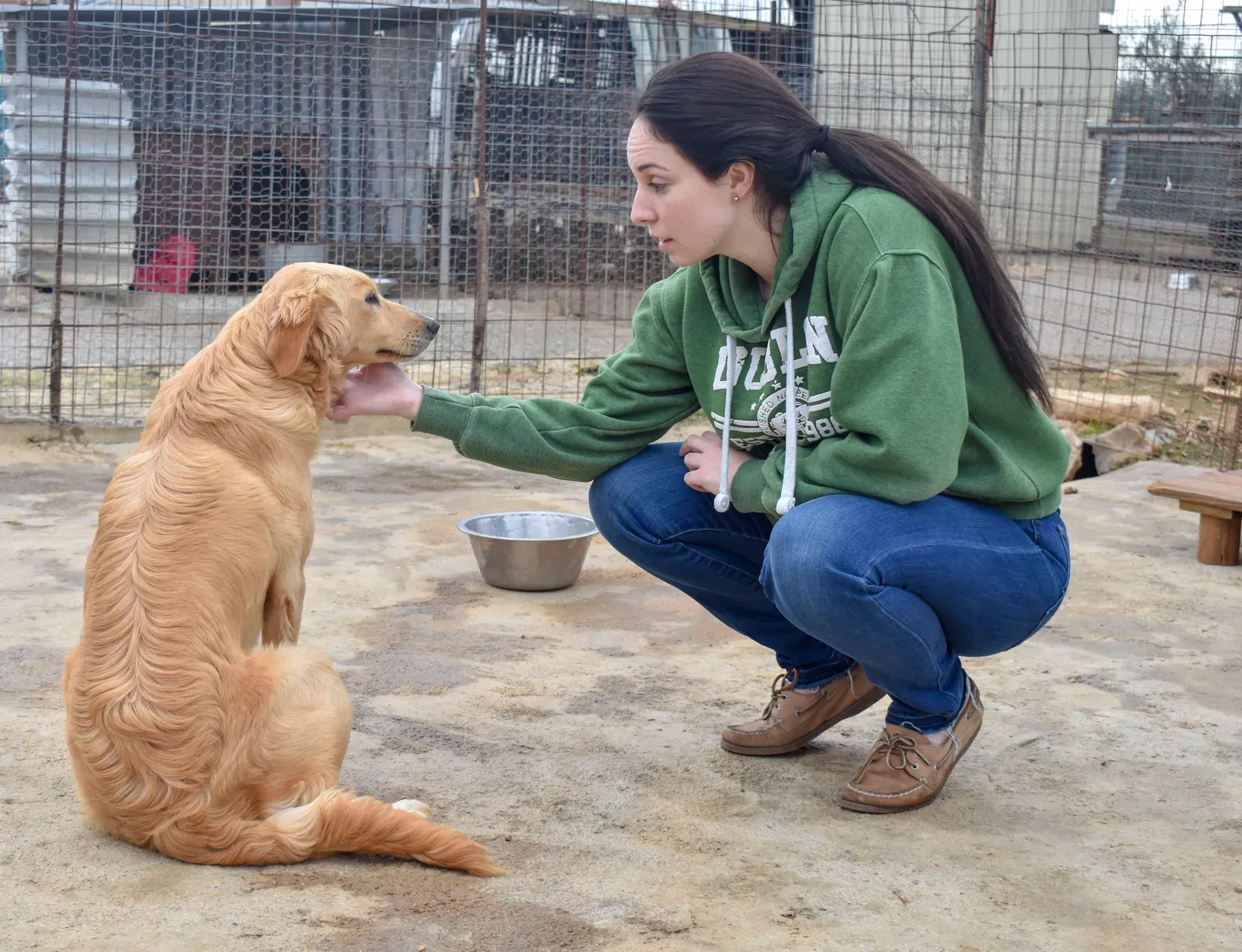
The questions you ask staff decide how much you learn, and most adopters ask the wrong ones. “Is he good with kids?” invites a quick, hopeful yes that nobody can fully back up.
Adoption insiders suggest asking, “What do you see as this dog’s biggest challenge?” A shelter that discusses a dog’s challenges openly is usually a good sign. Another useful question is what kind of home the dog would thrive in, since that flips the question from “is this dog right?” to “is my home right?”
Keep in mind that owner-surrender information is self-reported. Previous owners may leave out details or not know them. Staff observations from daily walks are often more reliable.
Bring questions like these:
- What does this dog do when stressed or overwhelmed?
- What has staff seen on walks, with other dogs, and with strangers?
- What does this dog still need to learn?
- Who here knows the dog best?
All of this leads to the most important thing shelters rarely say out loud, and it’s waiting in #1…

Halloween Dog Collar with Bow, Orange Cute Ghost Collar,
Check Price on AmazonAs an Amazon Associate, we earn from qualifying purchases.
10/9/2026 2:43 pm GMTi

Air Purifiers for Home Pets Large Room Up to 3000 Ft²,HEPA Air Cleaner with Washable Double-Side Filter, PM2.5 Air Quality Monitor,15dB Sleep Mode for Bedroom Odor Dust Pollen,White
Check Price on AmazonAs an Amazon Associate, we earn from qualifying purchases.
10/8/2026 8:23 am GMTi

Smart Bird Feeder with Camera Solar Powered, 2K HD Live Video, 10,000+ Bird Species AI Identification
Check Price on AmazonAs an Amazon Associate, we earn from qualifying purchases.
10/7/2026 1:22 pm GMTi

Orthopedic Extra Large Dog Bed, Waterproof Washable XL Pet Bed 44"
Check Price on AmazonAs an Amazon Associate, we earn from qualifying purchases.
10/7/2026 1:32 pm GMTi
#1 – Your First Dog Needs a Plan More Than a Perfect Personality

🔥 Would you like to save this?
We'll email this post to you, so you can come back to it later!
The unspoken truth is that adoption day is the starting line, not the finish. No card, label or interview can guarantee how a dog will fit your life.
What predicts success is less about the dog’s perfect personality and more about your plan, patience and honesty about your routine. Dogs are individuals. When you adopt a dog, you’re adopting a specific individual, not a breed.
Rescue experts suggest letting the dog take its time and offering affection when the dog chooses to approach. Trust is built in small moments, not big gestures.
A solid first-month plan looks like this:
- A quiet space, a predictable routine and consistent food.
- Slow introductions to people, pets and places.
- Short, positive training sessions, with a trainer if needed.
- A vet visit early on, and a budget for surprises.
Your dog has lost a routine, a place and probably a person. You can’t rush that, but you can be the steady thing in his new world.
Shelters aren’t lying to you. They’re working with limited information, stressed animals and a system that rewards friendly labels. Breed names are guesses, kennel behavior is a poor preview, and nobody can promise cat-safety, housetraining or calm departures. The best shelters admit that and help you plan for it.
My view: the more honest the conversation, the better the match. Skip the shopping spree, ask about trials and returns, and treat the first month as training for both of you. If a shelter can’t talk plainly about a dog’s challenges, should you trust the rest of the card?

- 13 Things Shelters Quietly Stopped Telling People Adopting a First Dog - November 6, 2026
- 13 Things Ragdoll Owners Notice That No Other Cat Owner Will Recognise - November 6, 2026
- 11 Things Vets Secretly Notice About an Owner Long Before the Animal - November 6, 2026