
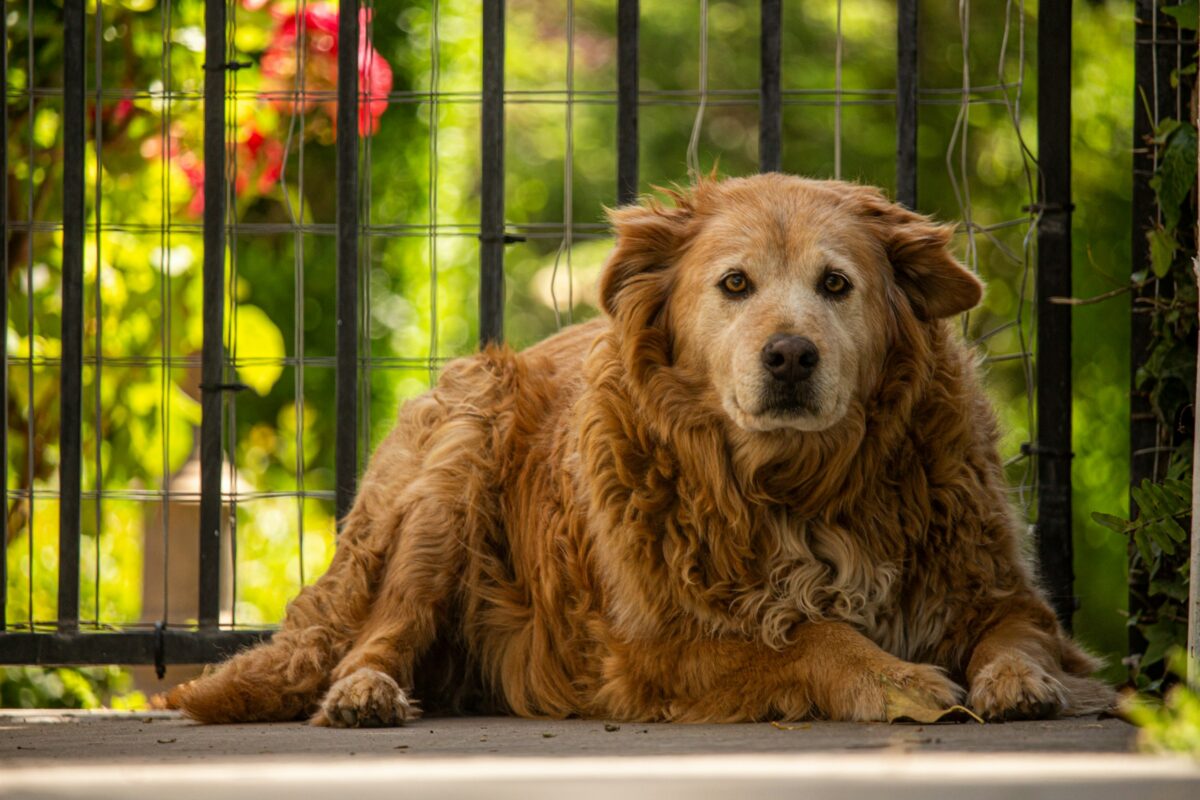
You probably think you’ll know when your dog is getting old. The gray muzzle, the slower walks, the extra naps – it’ll be obvious, right? Vets will tell you that’s a comforting lie, and it’s the one that costs dogs the most.
By the time most owners notice “old,” the real damage has usually been quietly building for years – in the joints, the bloodwork, the mouth, the budget. What follows are the 13 things veterinarians say they wish every owner understood long before that first gray hair showed up, because almost all of it can still be changed if you catch it in time.
#1 – “Old Age” Starts Way Earlier Than You Think

Most owners assume their dog becomes “senior” the moment it slows down or hits 10 or 12 years old. Vets know better. For many breeds, the senior clock quietly starts ticking around age 7 – and for giant breeds, it can start as early as 5.
By the time you notice the white muzzle and the creaky stairs, internal changes have often been happening for years with zero obvious signs. That’s why preventive care isn’t something you start at 12; it’s something you phase in the moment your dog is technically “senior,” not when they look it. Earlier bloodwork, joint support, dental checks, and diet tweaks aren’t paranoia – they’re timing. Most owners are three to five years late before they even realize the clock started.
Fast Facts
- Small dogs (under 20 lbs) are typically considered senior around age 10-12
- Medium dogs often reach senior status around age 8-10
- Large dogs are frequently classified senior by age 6-8
- Giant breeds can be considered senior as early as age 5-6
#2 – “Slowing Down” Is Usually Pain, Not Personality

Vets hear it constantly: “He’s just slowing down, he’s old.” To most veterinarians, that sentence is a quiet red flag, not a shrug-worthy fact of life. In senior dogs, slowing down is usually untreated chronic pain – most often arthritis – dressed up as a personality change.
Dogs don’t whine like we do. They just move less, jump less, and suffer in silence, and owners often mistake that silence for peace. Modern pain control, physical therapy, weight management, and joint supplements can dramatically change what a senior dog’s daily life looks like. Some “old” dogs start playing again once the pain is actually treated.
Dogs do speak, but only to those who know how to listen.
Orhan Pamuk
#3 – Extra Pounds in Midlife Can Steal Years at the End
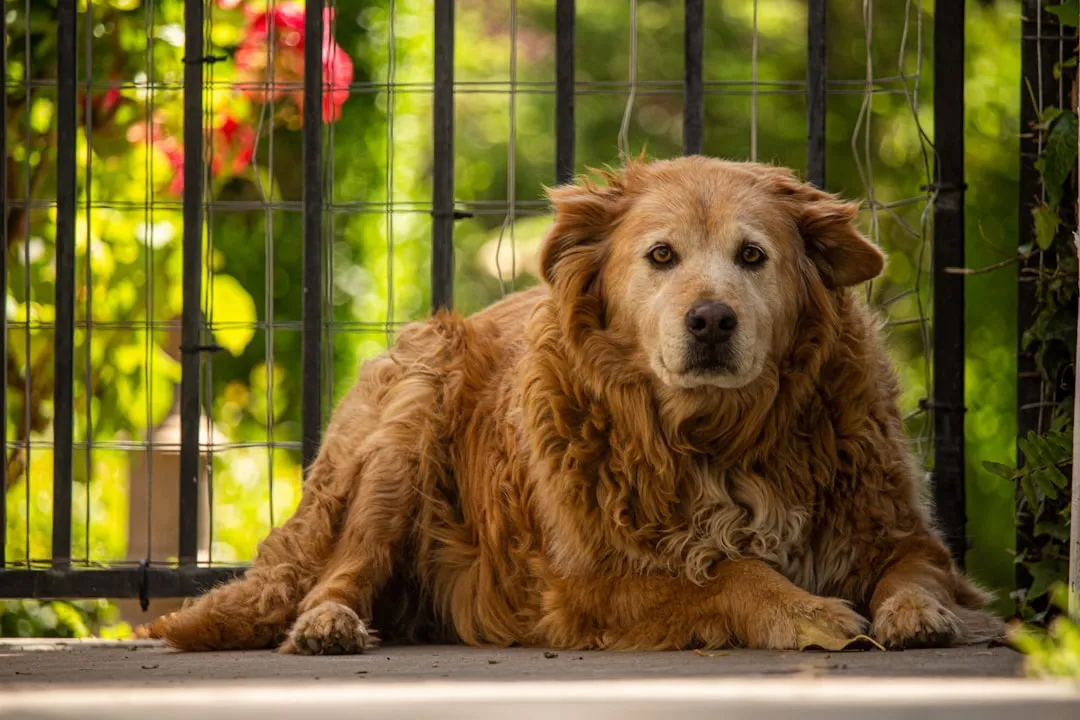
Plenty of owners see a slightly chunky dog as cute, even proof of a well-loved life. Vets see something much darker: every extra pound is extra weight grinding on joints, the heart, and internal organs, and it comes due in old age.
The chubby 6-year-old lab is almost guaranteed to become the arthritic, immobile 11-year-old lab whose owner insists it’s “just age.” Multiple large studies show lean dogs live longer and stay mobile far later than heavier ones. This isn’t about crash diets – it’s about a lean, athletic body where you can feel ribs under a thin layer of fat. It’s unglamorous, boring prevention, and it’s one of the few things that reliably buys extra years.
#4 – Skipping Dental Care Comes Back to Bite Hard
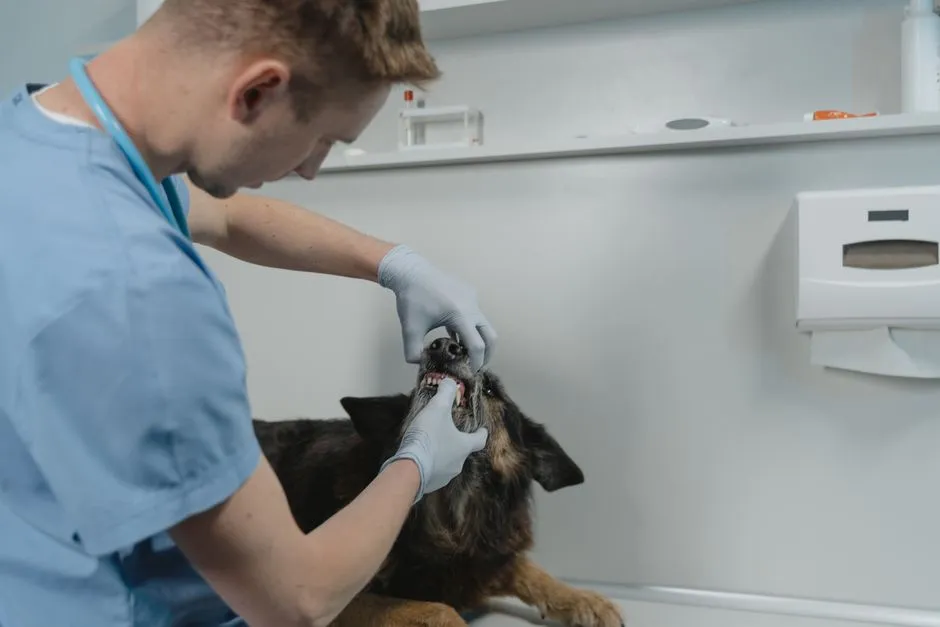
Many owners roll their eyes at dental advice, assuming it’s an upsell. Vets roll their eyes right back, because they’ve watched what happens 8 to 10 years down the line when nobody listened. Untreated dental disease isn’t just bad breath – it causes chronic pain, loose teeth, jaw damage, and can quietly stress the heart and kidneys.
By the senior years, some mouths are outright war zones. Regular cleanings under anesthesia, near-daily home care, and early action on problem teeth mean your senior dog can still eat comfortably instead of suffering silently through every meal. People get furious over the cost of major dental surgery at 12, but that bill is usually just the interest on years of neglect. The “optional” cleaning at 5 would have been far cheaper – and far kinder.
#5 – Bloodwork Isn’t “Extra”; It’s the Early-Warning System
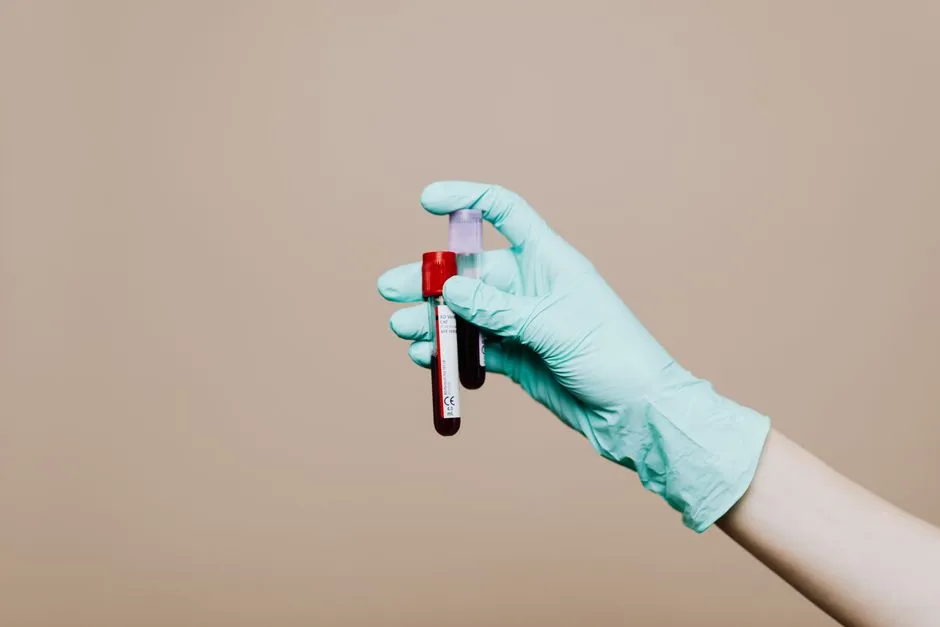
Many owners decline routine bloodwork whenever their dog seems fine, especially in middle age. Vets know the uncomfortable truth: by the time a senior dog actually looks sick, the disease has often been brewing for months or years already.
Baseline blood tests in midlife give vets a map. Senior blood tests show exactly what’s drifting off-course before it becomes a full-blown crisis. Kidney disease, liver issues, thyroid problems, and diabetes almost always start silently, and catching them early can mean a diet change or a simple medication instead of an emergency hospital stay. The owner who insists, “But he was fine last month!” usually had several missed chances to see it coming. That routine panel you skipped at 7 might have bought a much softer landing at 13.
#6 – Enrichment in Youth Protects the Brain in Old Age
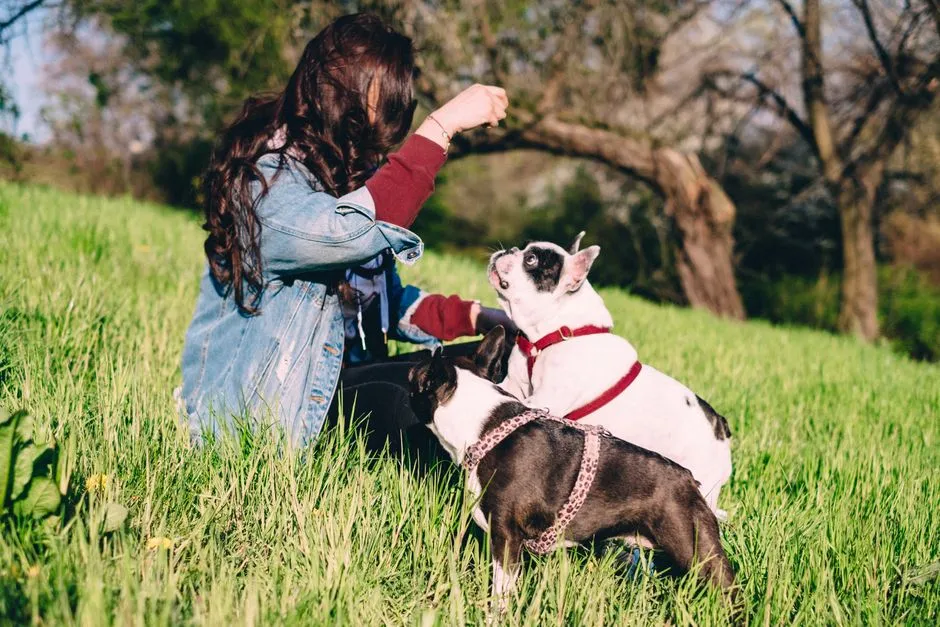
Everyone remembers to walk their dog. Almost nobody thinks about mental exercise as a long-term investment in brain health. Vets and behaviorists are increasingly blunt about this one: a dog whose brain gets challenged throughout life – through training, puzzles, and new environments – tends to age mentally far more gracefully than one who just walks the same block on repeat.
Canine cognitive dysfunction, sometimes called doggy dementia, can’t always be prevented. But a rich, mentally engaged life seems to delay or soften its grip for a lot of dogs. Teaching new tricks at 8, rotating toys, using food puzzles, and playing simple scent games all keep the brain working. A dog left “bored but quiet” for years often shows a much sharper decline later on.
#7 – Ignoring Subtle Behavior Changes Is a Huge Missed Clue

Owners tend to write off small shifts as quirks of aging – a dog that suddenly refuses stairs, growls when touched in one spot, paces at night, or has accidents indoors. Vets read those exact same signals as messages written in all caps. Behavior changes are frequently the very first symptom of pain, cognitive decline, sensory loss, or organ disease.
Instead of assuming “he’s just old and grumpy,” vets wish more owners would film the behavior and call sooner rather than later. That early call often leads to adjusted pain medication or tests that rule out a medical cause before anyone blames “bad behavior.” Too many senior dogs get punished, crated more, or quietly isolated instead of being investigated for whatever is actually hurting or confusing them. By the time someone brings them in, months of unnecessary suffering may have already passed.
Worth Knowing
- Sudden reluctance to climb stairs or jump onto furniture
- New sensitivity or growling when touched in a specific spot
- Increased nighttime pacing or restlessness
- Indoor accidents in a previously house-trained dog
#8 – Cheap Food Is Never Actually Cheap in the Long Run

Some owners proudly grab the biggest, cheapest bag of food and shrug, “He’s fine, he eats it,” as if that settles the matter. Vets know that long-term nutrition quality quietly shapes joint health, weight, skin, gut function, and even how the body handles disease and aging. The senior years are when decades of food choices finally show up on the bill.
This doesn’t mean you need the priciest boutique brand – many vets actually distrust those. It means choosing AAFCO-compliant, well-researched food, matching calories and protein to your dog’s age and health, and adjusting the diet the moment kidney, liver, or joint issues appear. Owners who never reconsider food after puppyhood often walk into the senior years with a body that’s been running on poor fuel for a decade. The price gap between decent and bad food is tiny next to the cost of managing obesity, diabetes, or severe arthritis later.
#9 – You Need a Senior-Care Budget Long Before Your Dog Is Old
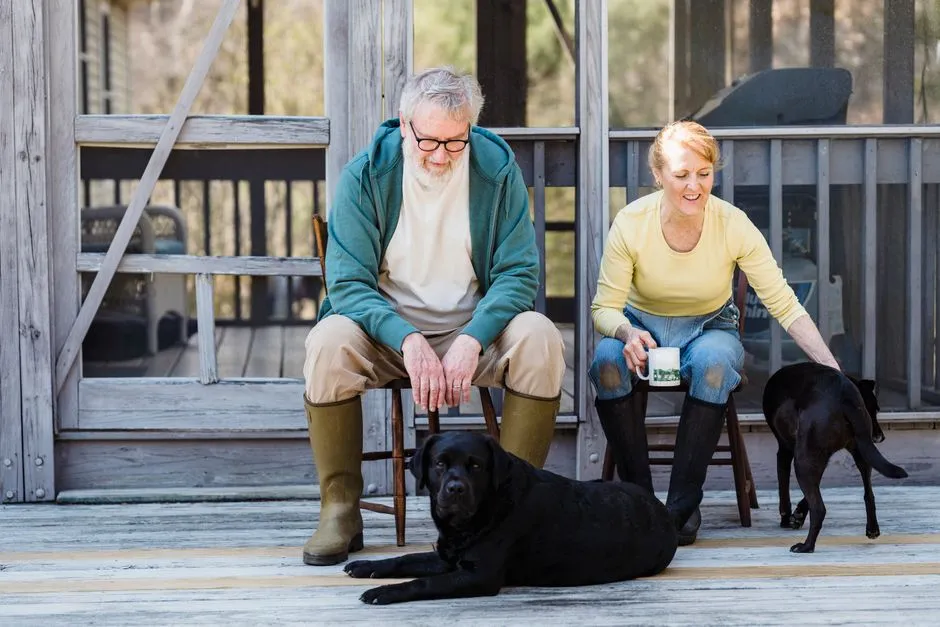
This is the part most people don’t want to hear, but plenty of vets wish they said it at every single puppy visit: if you can’t afford senior care, you can’t really afford a dog. The most expensive years of a dog’s life are almost always the last two or three, not the first.
Bloodwork, imaging, dental surgery, pain medication, mobility aids, and special diets add up fast, and too many heartbreaking conversations end with “we just can’t afford treatment” for problems that were genuinely treatable. Planning means buying pet insurance young, before any pre-existing conditions exist, building a small monthly dog emergency fund you never touch, and accepting that senior care will cost far more than routine puppy shots ever did. People love to say “I’d do anything for my dog” – but their bank account often tells a different story.
At a Glance
- Pet insurance is cheapest and most useful when purchased before age 2, ahead of pre-existing conditions
- Senior bloodwork panels, imaging, and dental surgery are often the single largest lifetime costs
- A dedicated monthly emergency fund can cushion unexpected diagnoses
- The final two to three years of a dog’s life are typically the most expensive of its lifetime
#10 – Mobility Aids Aren’t Spoiling Your Dog; They’re Extending Life

Some owners refuse ramps, harnesses, or carts because they see them as admitting defeat, or as “babying” the dog. Vets find that mindset baffling. Mobility aids don’t mean you’ve given up – they usually mean you’re finally taking your senior dog’s needs seriously. A dog that can’t safely navigate stairs or get up off the floor is a dog whose world is shrinking fast.
Small changes can transform a senior dog’s daily life: ramps instead of jumps for the car or couch, non-slip mats on hardwood floors, support harnesses for potty breaks, and carts or wheelchairs when the hind legs fail but the spirit hasn’t. The alternative is often “he just lies around all day now,” which many vets see as a treatable disability, not peaceful aging. Helping them move safely isn’t indulgence – it’s basic kindness.
#11 – Grooming and Nails Matter Way More Than You Think
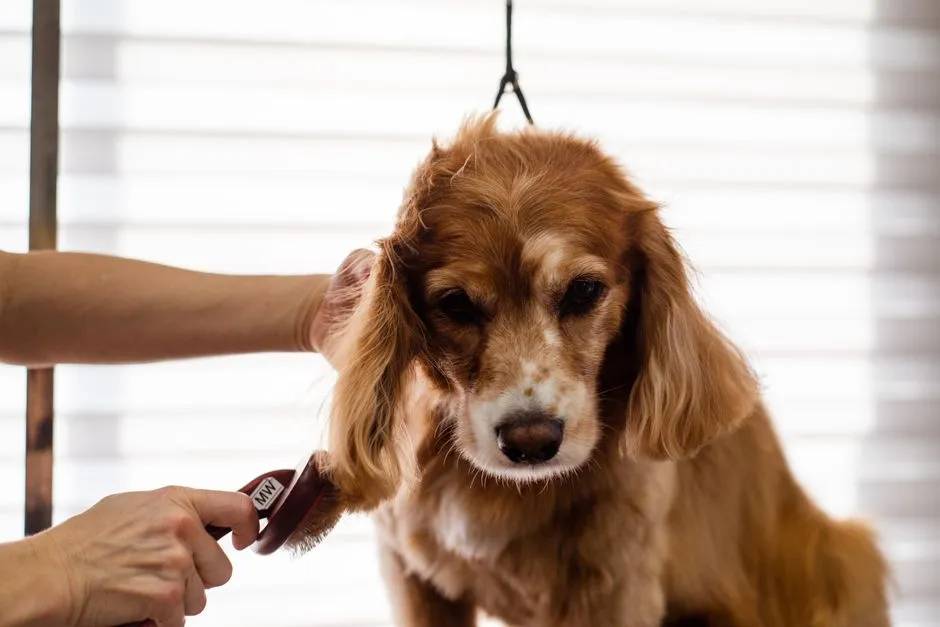
Overgrown nails, matted fur, dirty ears – most owners treat these as purely cosmetic. In a senior dog, they absolutely are not. Long nails change how a dog’s toes and joints bear weight, worsening arthritis and making slips and falls far more likely. Mats can hide skin infections or sores, and dirty ears can mean chronic, inescapable discomfort.
As dogs age, they often tolerate less handling and start resisting nail trims or brushing, so owners simply stop doing it – right when it matters most. Regular grooming reduces pain from altered posture and pressure points, helps you catch lumps or muscle wasting early, and keeps skin and ears from becoming a constant low-grade misery. Skipping grooming on a senior dog is one of the quietest, cruelest forms of neglect, even when it comes from a genuine wish not to stress him out.
Quick Compare
- Overgrown nails → altered gait, worsened arthritis, higher fall risk
- Matted fur → hidden skin infections, sores, and hot spots
- Dirty ears → chronic discomfort and higher infection risk
- Skipped brushing → missed early lumps or muscle wasting
#12 – You Must Think About the End Years Before You Get There

Owners treat euthanasia decisions like a distant horror they’ll “deal with when the time comes.” Vets wish more people would wrestle with the hard questions while their dog is still middle-aged and healthy. Waiting until you’re drowning in grief to decide what “quality of life” even means almost guarantees guilt, second-guessing, and sometimes prolonged suffering.
Talking early – yes, even at age 5 or 6 – about what your dog loves most in life, which losses would be unacceptable, and who you trust to tell you honestly when you’re not seeing clearly, means you’re not inventing your ethics on the single worst day of your life. The dogs who suffer the most are often loved fiercely by people who simply couldn’t bear to plan ahead.
#13 – Denial Hurts Dogs More Than Any Single Disease
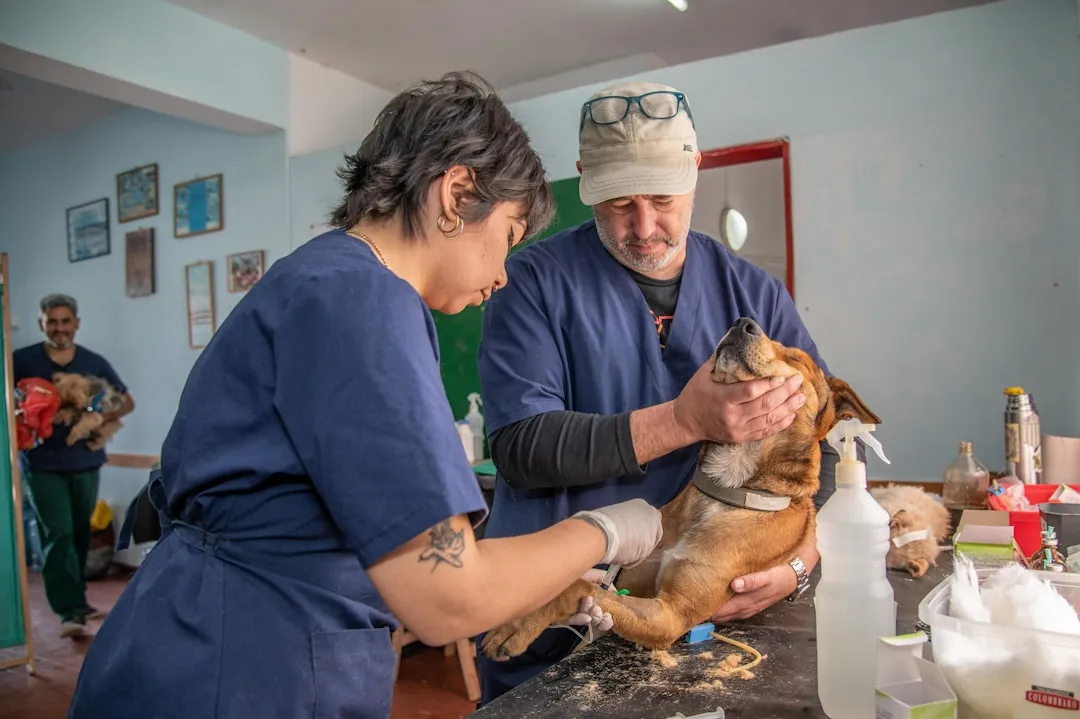
If vets could change one thing, it wouldn’t be a fancy drug or a new surgical technique. It would be the human tendency to deny reality until it becomes unbearable. Owners who “don’t want to know” about a lump, a cough, sudden weight loss, or trouble with the stairs often wait so long that their options quietly disappear.
Love becomes an excuse for avoidance, and the dog is the one who pays for it. The harsh truth is that owning a dog well means facing uncomfortable facts head-on: they will age faster than you, they will likely get sick before you feel ready, and you will have to make decisions that feel brutally unfair. The dogs with the best senior years almost always belong to owners who refuse to hide from hard conversations and instead keep asking, “What can I do right now to make these years better?”
The Bottom Line

Most people believe senior dog care starts the day the muzzle turns gray. Vets know the truth: it starts in puppyhood, and it’s fully underway by middle age – in every food choice, every skipped dental cleaning, every “he’s just slowing down” you shrug off without a second thought.
None of this is about being a perfect owner. It’s about refusing to let comfort, denial, or cheap shortcuts quietly steal the best years from the one animal who loves you without conditions. Dogs don’t get to advocate for their own bloodwork, pain control, ramps, or a peaceful goodbye – that job belongs to you, whether you’re ready for it or not.
So look back at these 13 things: which ones are you already doing, and which one are you finally ready to change before it’s too late? Did this hit a nerve, or did we miss something you learned the hard way? Tell us in the comments.

- 16 Family Dog Breeds That Were Everywhere a Generation Ago and Are Now Almost Gone - August 2, 2026
- If a Horse Has Chosen You, These 16 Signs Show Up Long Before Anyone Else Notices Them - August 2, 2026
- 19 Ways a Horse Shows It Has Picked Its Person That Experienced Equestrians Say Beginners Miss - August 2, 2026