
Picture a random backyard photo from 1985. There’s no doodle in sight. Instead there’s a rough-coated collie sprawled across the porch steps, or a speckled setter trotting behind a bike, or a floppy-eared spaniel begging at the picnic table. Somewhere between then and now, an entire cast of “normal” family dogs quietly packed up and left the neighborhood – and almost nobody noticed them go.
Most people think the story of the American family dog goes Labrador, then Golden, then doodle. That’s only half the story. The other half is a graveyard of once-standard breeds that didn’t get worse, weaker, or less lovable – they just stopped fitting a world that changed around them. Here’s who vanished, and the real reasons why.
#1 – Rough Collie (The “Lassie” Dog Everyone Forgot)

Everyone had a Rough Collie growing up, or knew a family that did. They were the TV-famous, kid-safe, gentle-giant breed that practically defined “safe family dog” for decades. Watchful without being aggressive, smart without being difficult, they were the dog every parent trusted around toddlers.
Then backyards shrank, grooming standards shifted, and breeders quietly retreated into show lines instead of pumping out pet litters. In many U.S. cities today, you’ll pass five doodles before you spot a single Rough Collie. Owners also started complaining that Collies are “too sensitive” for houses full of noise, screens, and long empty afternoons – the very emotional depth that made Lassie a legend now makes them a harder match for distracted modern life. Up next, a breed that used to signal quiet money in the yard.
#2 – English Setter (The Quiet Status Symbol Nobody Recognizes Anymore)

There was a stretch when an English Setter lounging in the yard was practically a status symbol – proof you had land, time, and taste. They were the ultimate two-in-one dog: a serious bird hunter on weekends, a soft, affable couch companion the rest of the week.
As hunting culture faded and farmland turned into subdivisions, that dual-purpose appeal stopped mattering. Registrations dropped so far that many younger vets now go years without treating one. They’re still gorgeous and goofy, almost golden-retriever-sweet in temperament, but they shed hard, need serious exercise, and don’t have the viral “look” that sells dogs on social media anymore. A quietly speckled, mild-mannered bird dog just isn’t built for an Instagram algorithm – and it shows.
Fast Facts
- AKC Group: Sporting
- Height: roughly 24-27 inches at the shoulder
- Weight: 45-80 pounds depending on line
- Lifespan: typically 10-12 years
#3 – Irish Setter (From Catalog Cover Star to “Wait, Is That a Mix?”)
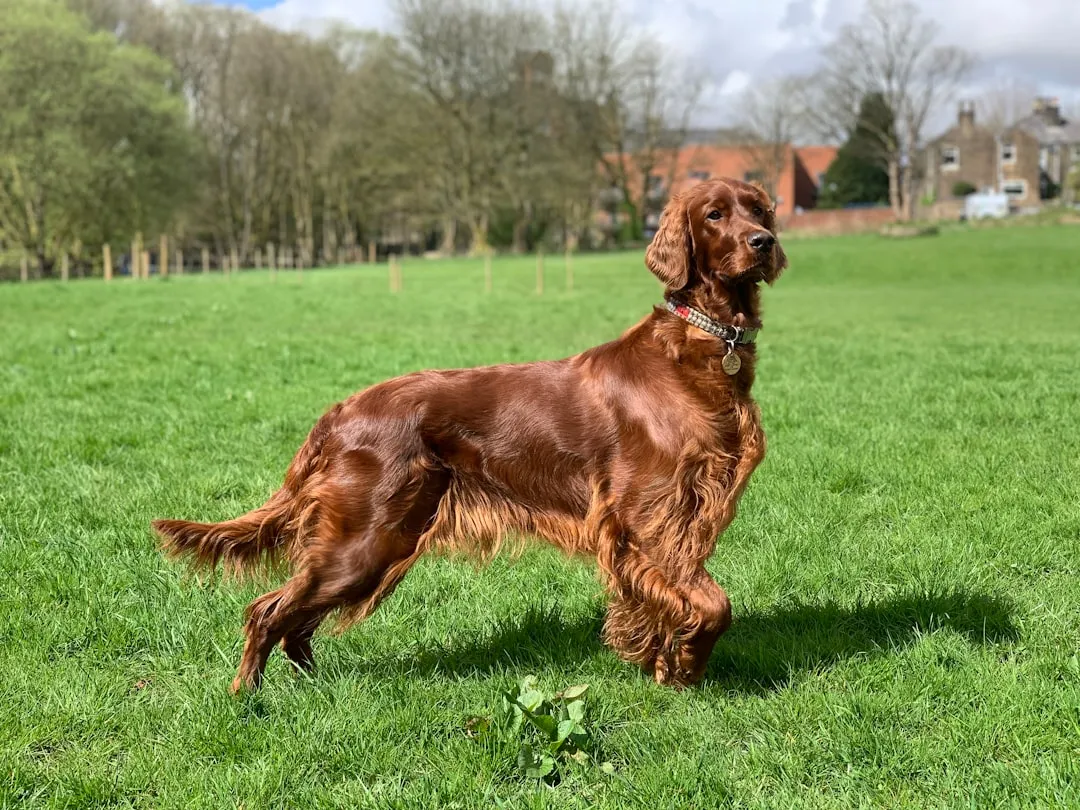
In the ’70s and ’80s, that fiery red coat was everywhere – greeting cards, family calendars, sitcom lawns. Irish Setters built a reputation as lovable clowns: endlessly friendly, high-energy, and great with kids who could keep up.
That same energy became a liability the moment families got busier and more urban. A bored Irish Setter can be genuinely destructive, and word spread fast among trainers that they were “too much dog” for a casual household. Breeders pulled back rather than place athletic, high-drive dogs into small apartments, and Goldens quietly took over the “friendly red family dog” slot. Today you’re more likely to see an Irish Setter on a vintage puzzle box than at your local dog park.
#4 – American Cocker Spaniel (The ’90s Starter Dog That Fell Apart)
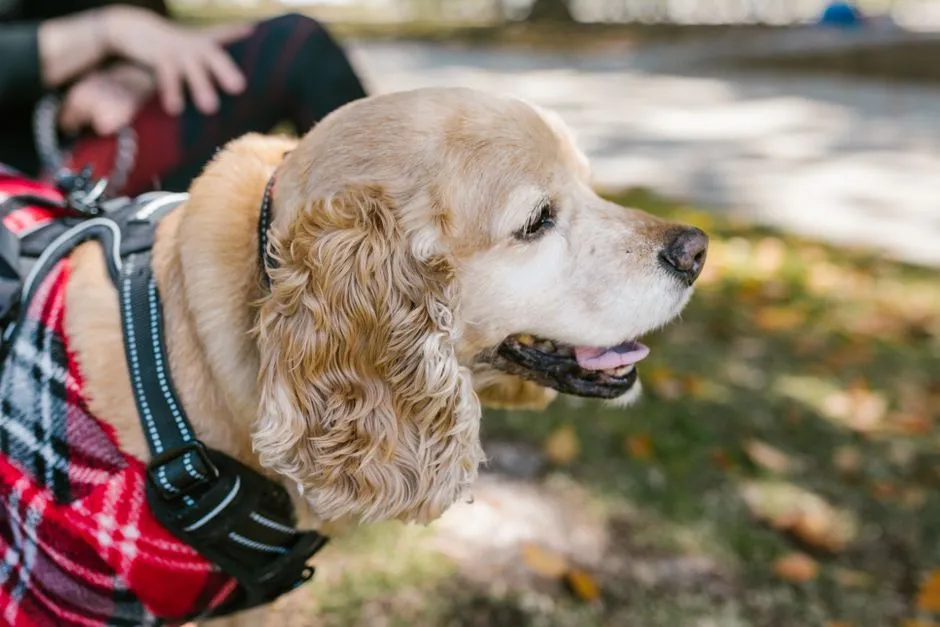
If you grew up in the ’90s, a neighbor almost certainly had a Cocker. They were the default “starter family dog”: small, cute, floppy-eared, endlessly friendly, and cranked out by the thousands through pet stores and backyard breeders.
That overbreeding is exactly what sank them. A wave of chronic ear infections and fear-biting incidents wrecked their reputation with vets and trainers alike, and families started hearing “maybe pick something more stable.” Designer mixes swooped in to fill the gap – Cavapoos, Cockapoos, Maltipoos – while grooming fatigue over the Cocker’s high-maintenance coat pushed even more owners away. Ethical breeders responded by producing fewer, better dogs, which quietly made the breed feel almost extinct in daily life.
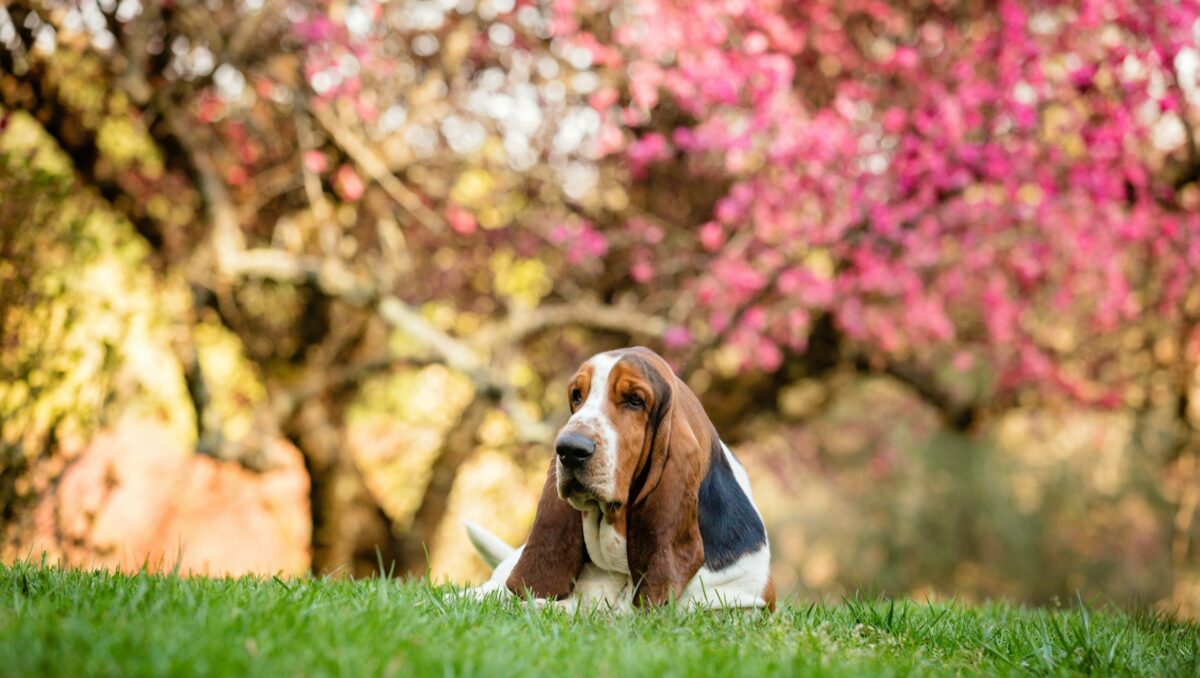
#5 – Basset Hound (The Cartoon Icon Real Families Stopped Buying)
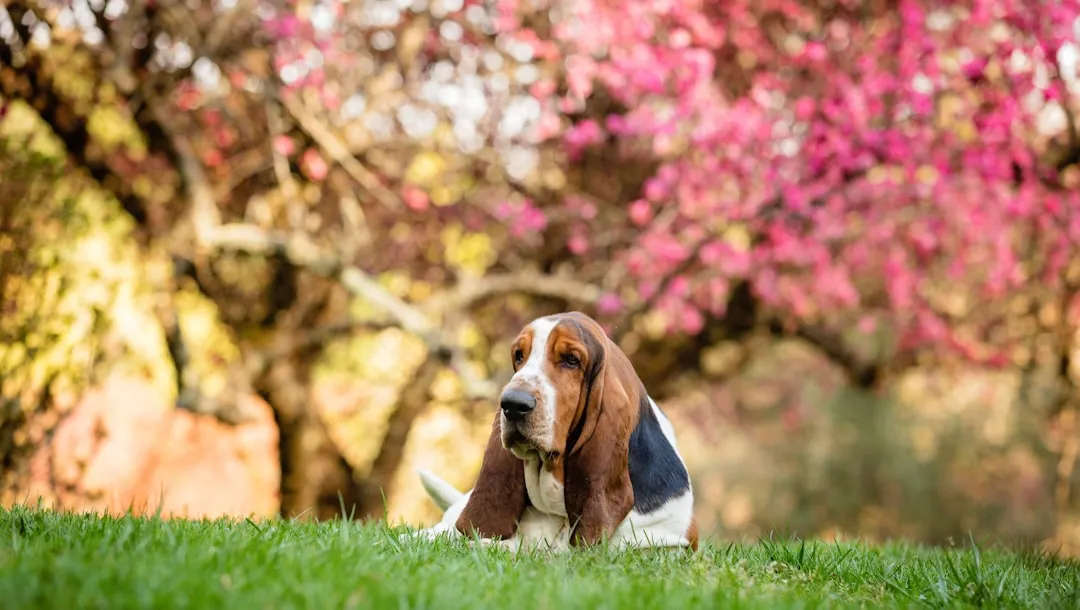
Basset Hounds still show up in memes and commercials, droopy-faced and instantly recognizable. Real, living Bassets in family homes are a different story – they’re vanishing fast, even as their cartoon image thrives.
Modern owners have gotten far more health-conscious, and Bassets don’t do them any favors. The long ears, short legs, and heavy body that make them so distinctive also mean chronic joint issues, ear infections, and weight problems the moment you slip on maintenance. Add in a loud bark, a nose that turns them into escape artists, and a stubborn streak, and they became a hard sell for small yards and close neighbors. As snub-nosed “cute” breeds stole the spotlight, the sad-eyed clown of the dog world slid from beloved to nearly forgotten.
#6 – Old English Sheepdog (From Commercial Mascot to Ghost)
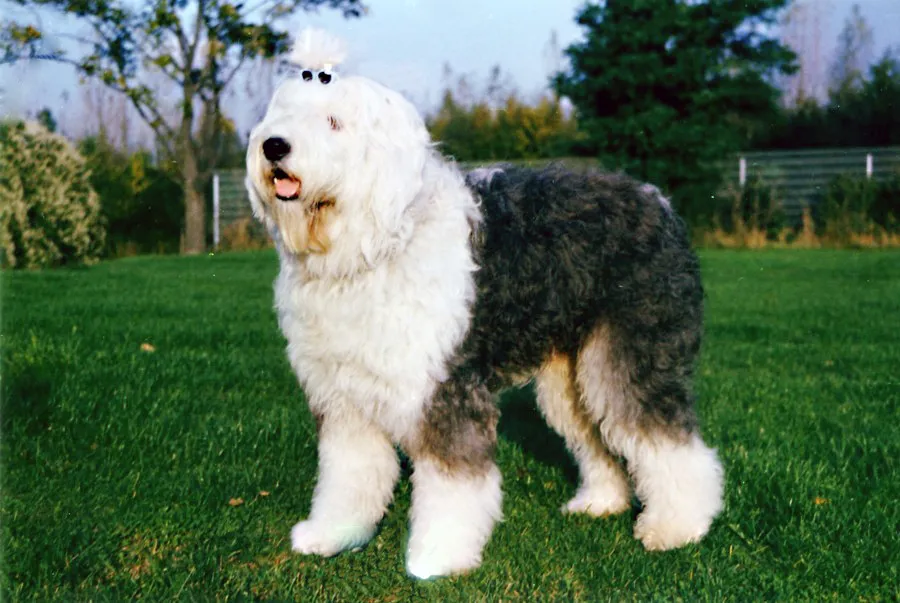
There was a stretch where the shaggy Old English Sheepdog was basically the mascot for “fun family life,” plastered across ads and movies as a walking teddy bear that adored kids. Families fell hard for the fantasy.
The reality was rougher. That glamorous coat is essentially a part-time job, and neglect leads fast to painful mats and skin infections. As dual-income households and smaller homes became the norm, fewer people signed up for that level of upkeep. Underneath the fur is also a serious working dog that needs real structure – without it, they get pushy, mouthy, and overwhelming. Breeders saw a spike in returns and behavior complaints and scaled way back, turning an advertising darling into a dog you almost never see anymore.
#7 – Dalmatian (From Firehouse Icon to Cautionary Tale)
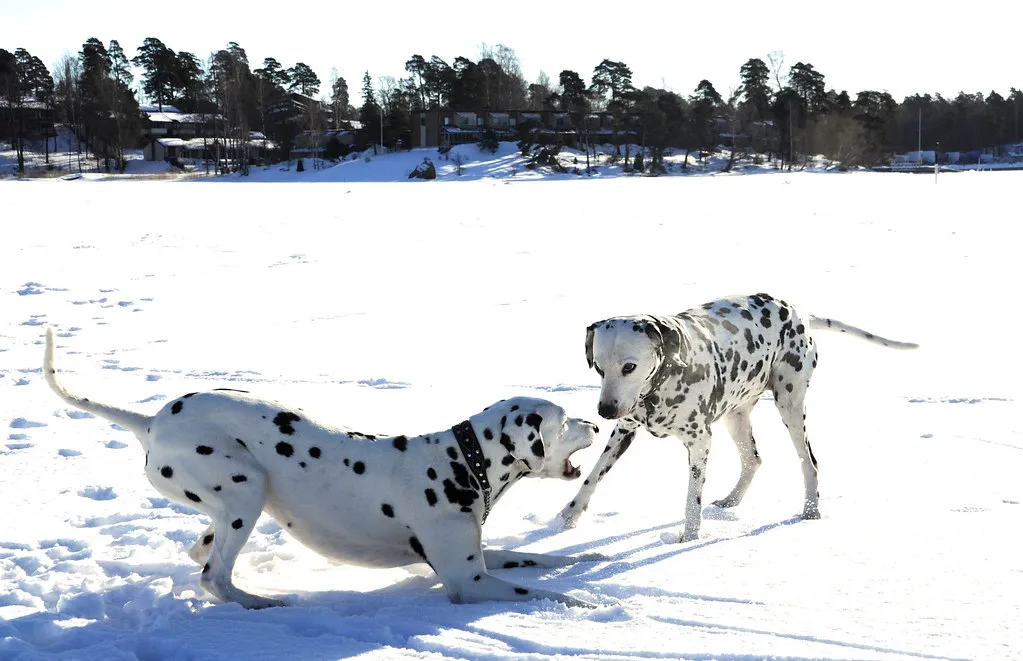
Dalmatians once rode on fire trucks and sold a movie franchise. Now, many family dog experts quietly steer people away from them – a stunning fall for a breed that pop culture never stopped celebrating.
The “101 Dalmatians” boom triggered massive overbreeding in the ’90s, and the fallout still shapes the breed’s reputation. Too many lines developed real temperament problems – nerviness, reactivity, even aggression – stacked on top of genetic issues like deafness. Families expecting a spotted Golden Retriever instead got a high-strung athlete that needed serious mileage and firm training. Rescues got flooded with poorly bred, under-exercised Dals, and trainers started warning: incredible in the right hands, a disaster in the wrong ones. The image stayed famous. The actual dogs quietly disappeared from everyday life.
#8 – Beagle (The Suburban Howler Nobody Can Find Anymore)

Ask someone to picture a generic dog from 30 years ago, and plenty still describe a Beagle without realizing it. Try actually finding one in your neighborhood today – it’s harder than you’d think.
Beagles were the classic small-to-medium family hound: sturdy, friendly, minivan-sized, and everywhere. But their bloodline in research breeding programs kept numbers artificially high while doing nothing for their image, and today’s owners have grown wary of a breed built for baying, hunting, and following a nose that overrides recall in a heartbeat. That unmistakable howl doesn’t play well in apartments and tightly packed subdivisions anymore. As French Bulldogs and doodles swallowed the “small family dog” market, the Beagle quietly shrank out of daily life. Snoopy stayed famous. Real Beagles didn’t.
Quick Compare
- Beagle: short, low-maintenance coat vs. Doodle: coat that needs regular professional grooming
- Beagle: loud, scent-driven bay vs. Doodle: generally quieter indoors
- Beagle: modest adoption or breeder cost vs. Doodle: often a much higher upfront price
- Beagle: strong nose, weaker off-leash recall vs. Doodle: typically easier to train for recall
#9 – Lhasa Apso (Grandma’s Guard Dog That Disappeared)

A generation ago, it felt like every older relative had a Lhasa Apso perched on the back of the couch. Now most people squint and guess “a Shih Tzu?” – if they guess anything at all.
Lhasas were popular precisely because they weren’t pushovers. Bred as alert monastery watchdogs, they’re suspicious of strangers and loyal to their people, nowhere near as docile as their size suggests. That “big dog in a small body” attitude clashed hard with the modern expectation that toy breeds act like living plush toys, and too many Lhasas got mislabeled “snappy” instead of simply mismatched. Add in a long, high-maintenance coat, and the Shih Tzu quietly stole their entire niche. Spotting a purebred Lhasa in a park now feels like spotting a classic car on the freeway.
#10 – Chow Chow (The Backyard Status Dog That Got Blacklisted)
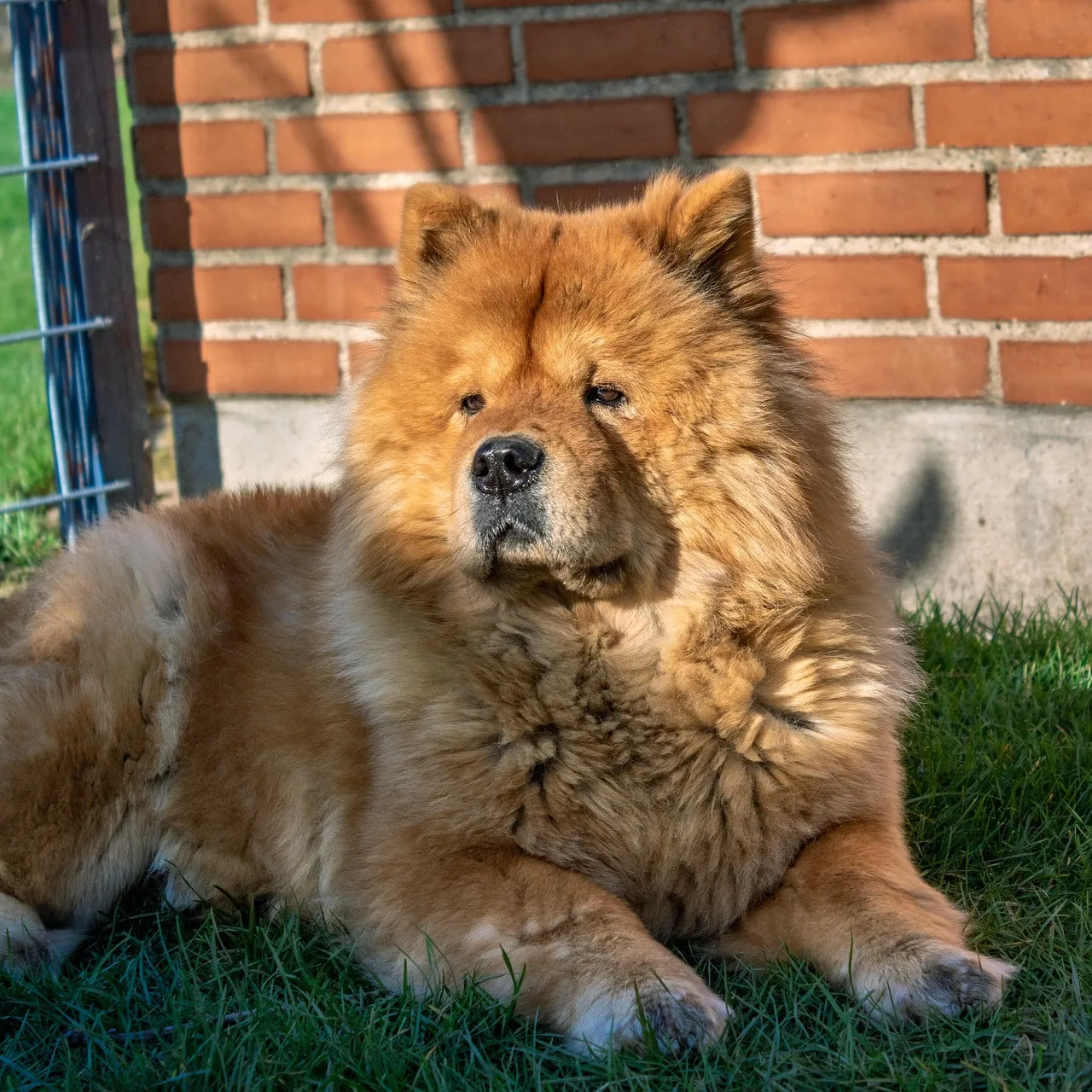
In the ’80s and early ’90s, a fluffy, lion-maned Chow in the yard was practically a trend. Today, plenty of trainers admit they hardly ever see one anymore – and the reason is more serious than fading fashion.
Chows attracted families with their striking looks and reputation as loyal guardians, but they’re not natural people-pleasers – they’re aloof, independent, and can be intolerant of the rough handling kids do by accident. That gap between the “giant teddy bear” image and the “serious guardian breed” reality led to bites, lawsuits, and a hard swing in public opinion. Insurance companies and landlords began quietly adding Chows to restricted-breed lists right alongside Pit Bulls and Rottweilers, cutting them out of huge swaths of urban and suburban housing. What used to be neighborhood tough-fluff is now a rare, deliberate choice for very specific homes.
#11 – Brittany (The Family Hunting Dog Nobody’s Passing Down)
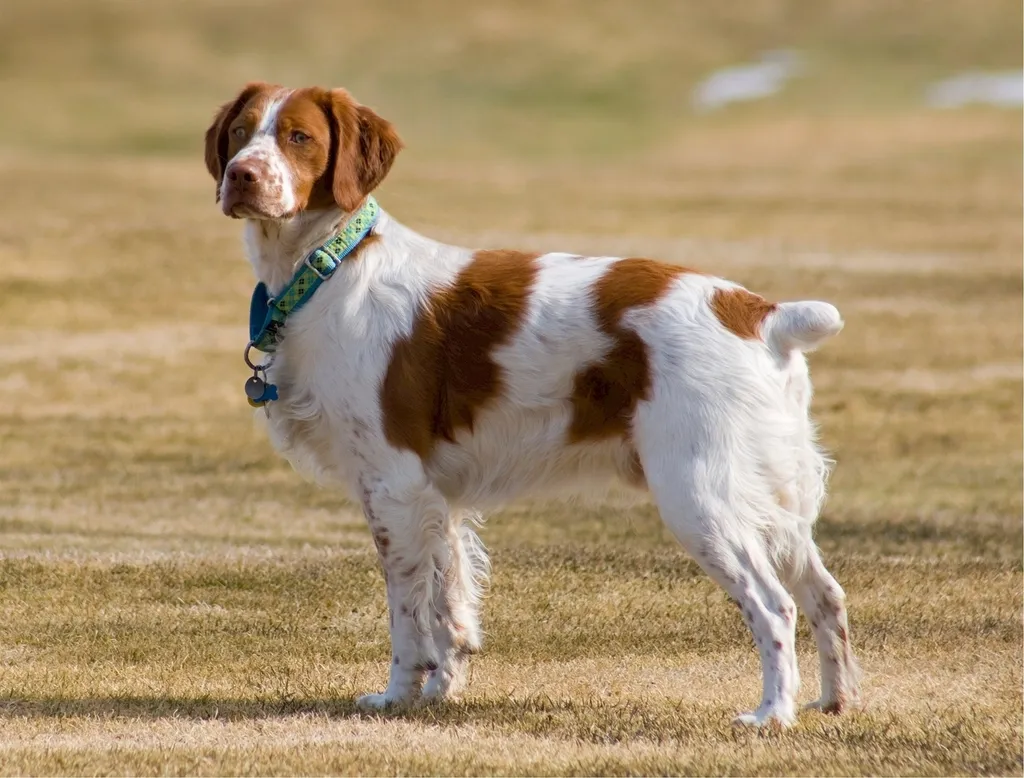
Ask an older hunter about a great family bird dog and “Brittany” comes up almost automatically. Ask their grandkids the same question and you’ll get a blank stare – the generational handoff simply stopped happening.
Formerly called the Brittany Spaniel, this compact gun dog was built for families who spent weekends in fields and forests – affectionate, trainable, and perfectly medium-sized. But as hunting culture aged out and fewer families passed it down to kids raised on video games instead of bird season, demand for dual-purpose hunting-and-family dogs collapsed. Brittanys are also wired for real work; without serious exercise, they turn hyper and frustrated fast, a bad match for sedentary households. Sporting clubs still adore them, but their presence in ordinary neighborhoods has all but vanished.
#12 – Samoyed (The Instagram Star Real Families Can’t Keep Up With)
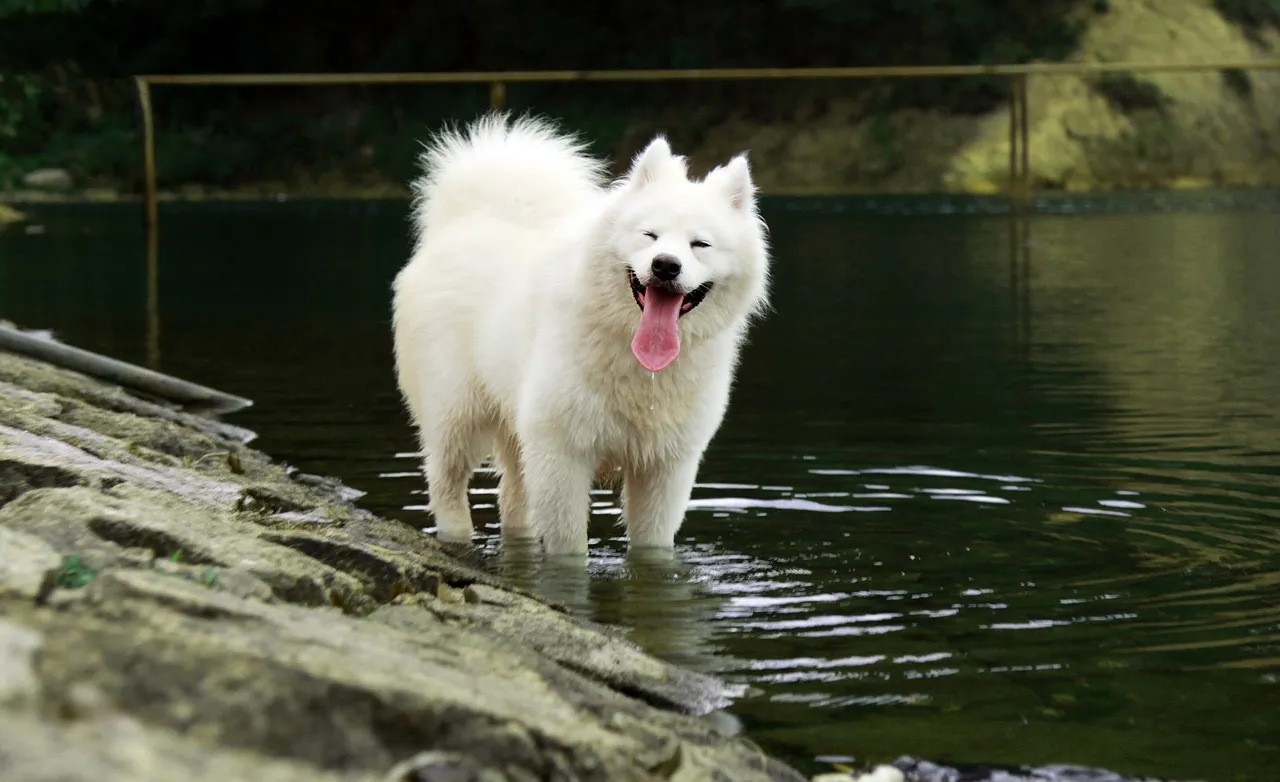
The smiling white Samoyed still rules social media, racking up views and “I want one” comments by the thousands. Meanwhile, real families are walking away from the breed in droves, and the gap between the two realities is enormous.
On paper they’re perfect: friendly, breathtaking, great with kids. In practice, the coat alone is a full-time relationship – constant shedding, heavy grooming, and fur that works its way into every fabric you own. They’re also working sled dogs at heart, and an under-exercised Samoyed turns noisy and destructive fast. Owners expecting a “white Golden Retriever” instead get an independent, vocal athlete, and ethical breeders now screen homes so tightly that the breed has nearly disappeared from average parks – even as it dominates everyone’s feed.
Why It Stands Out
- Originally bred in Siberia to herd reindeer and pull sleds through brutal cold
- Famous upturned mouth – nicknamed the “Sammy smile” – helps keep drool off their fur
- Dense double coat built for sub-zero temperatures, not mild suburban weather
- One of the most photographed and shared dog breeds online today
#13 – Afghan Hound (From Runway Glamour to Living Ghost)
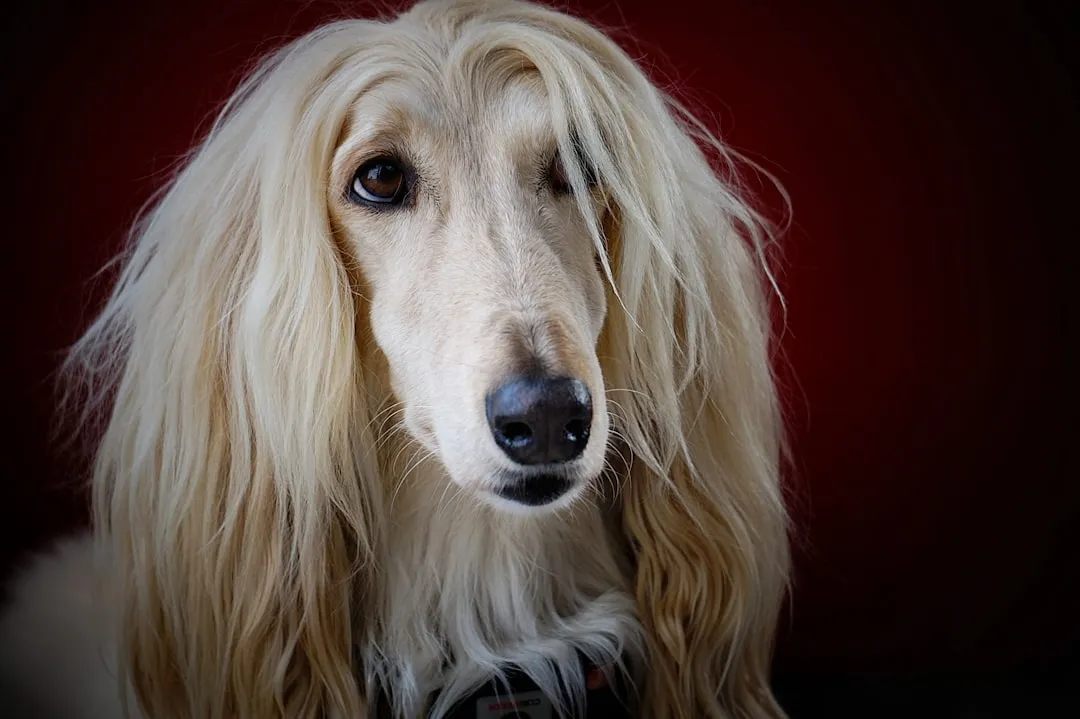
A generation ago, Afghan Hounds were the poster dogs for “fancy.” They were never an every-block family dog, but they were visible – at shows, in ads, occasionally trotting down a suburban street like a fashion model.
Not anymore. Registrations have fallen so low that some countries now classify the breed as vulnerable, and most pet homes never even consider one. That impossibly silky coat and aloof, cat-like sighthound temperament are completely out of step with modern expectations of “cuddly, low-maintenance pet.” Many don’t enjoy rough kid play, and recall becomes fantasy the moment they spot something worth chasing. Between the grooming demands and the need for secure running space, the Afghan slid from aspirational to impractical to nearly invisible in one generation.
#14 – Keeshond (The “Velcro Dog” That Lost the Spotlight)
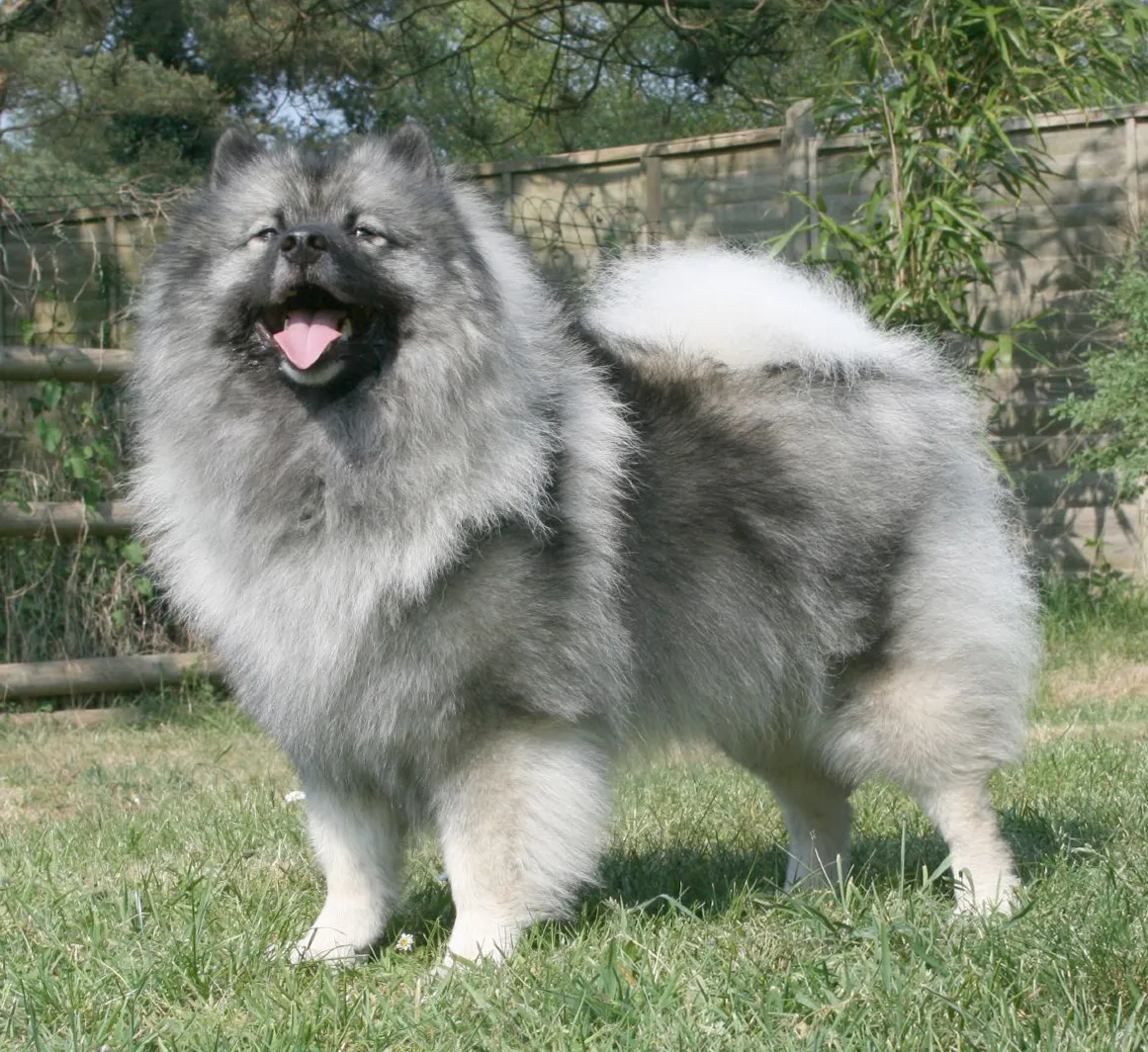
Talk to an older obedience trainer and they’ll rave about the Keeshond for a full ten minutes. Ask the average family what a Keeshond even is, and you’ll get a shrug and a guess.
These medium-sized, fox-faced fluffballs used to be praised as ideal family companions: alert but not vicious, bouncy but not overwhelming, and deeply people-oriented – hence the nickname “velcro dog.” But as trends swung hard toward either tiny lapdogs or big guard-styled breeds, the humble, in-between Keeshond fell straight through the cracks. No tough-guy image, no teacup appeal, and a double coat that scares off anyone who equates fluff with nonstop shedding. Huskies and Pomeranians quietly stole the “wolfy” and “fluffy” spotlight, leaving a dog nearly perfect for family life that almost nobody under 35 has ever met.
#15 – English Springer Spaniel (The Family Gun Dog That Quietly Left)
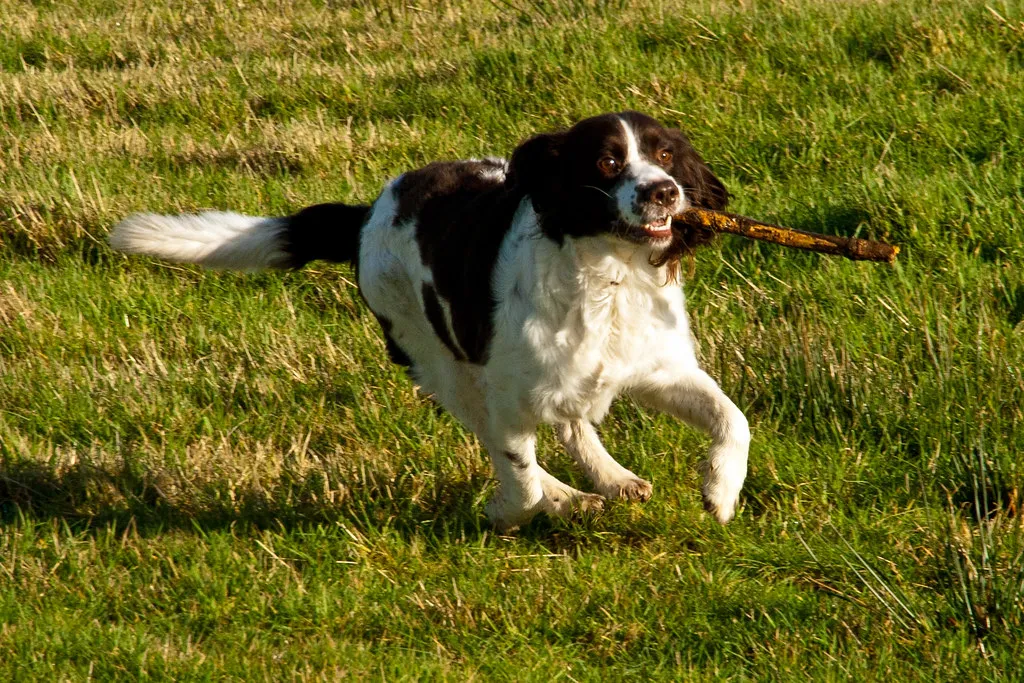
For a lot of Gen-X hunting families, the Springer was the default “family plus field” dog – trainable, affectionate, and just the right medium size. Older trainers often rank them above Labs as house companions, full stop.
Two things wrecked them. First, aggressive backyard breeding created unstable “field” and “show” lines, with reports of sudden “Springer rage” scaring off would-be owners. Second, their grooming and exercise needs crept higher than most modern families wanted to handle. Labradors swallowed the hunting market, doodles conquered the pet market, and Springers ended up with no clear lane at all. If you see one today, it’s almost certainly with a hobby hunter or a serious dog-sport family – not the average cul-de-sac household of 30 years ago.
#16 – German Shorthaired Pointer (The Swiss-Army Dog Everyone Forgot to Keep)
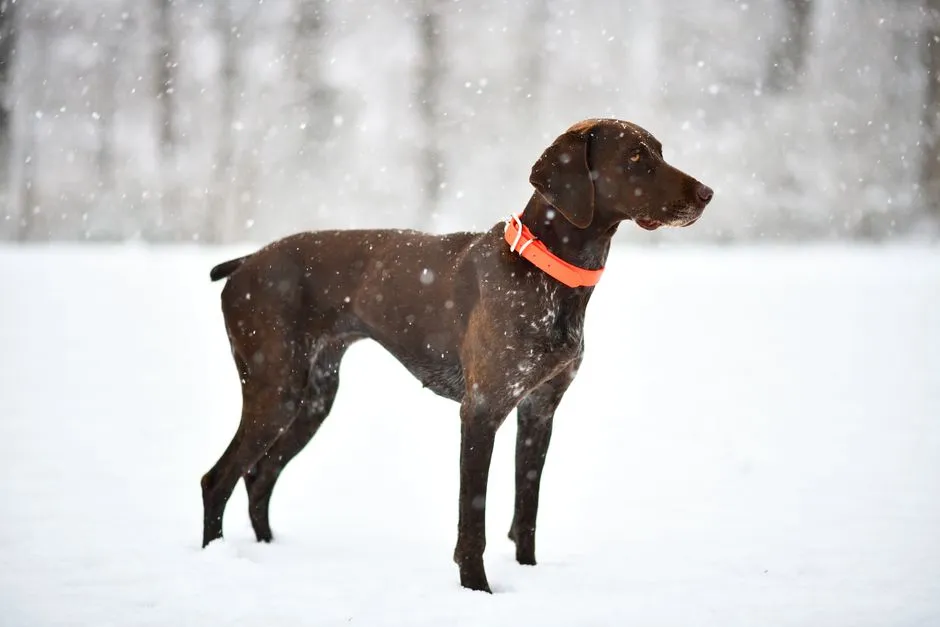
Among outdoorsy Gen-X and Boomer families, the German Shorthaired Pointer was once nearly as common as the Lab. You saw them in truck beds, at soccer games, sprawled across suburban porches like they owned the place. Now, plenty of city parks don’t have a single one.
What changed isn’t the dog – it’s that modern family life got radically less compatible with a tireless, driven, highly intelligent athlete built to work all day, not wait eight hours in a crate while everyone scrolls TikTok. Under-exercise a GSP and you don’t get “chill,” you get destruction, escape attempts, and anxiety, which is exactly why trainers started quietly warning casual owners away. Doodles promised a “sporty but soft” vibe with supposedly less shedding, Labs kept their iron grip on the generic family-plus-outdoors niche, and the once-ubiquitous GSP became a specialist’s dog – incredible in the right home, nearly absent everywhere else.
At a Glance
- AKC Group: Sporting
- Height: roughly 21-25 inches at the shoulder
- Weight: 45-70 pounds
- Exercise needs: 60+ minutes of vigorous activity daily
The Bottom Line
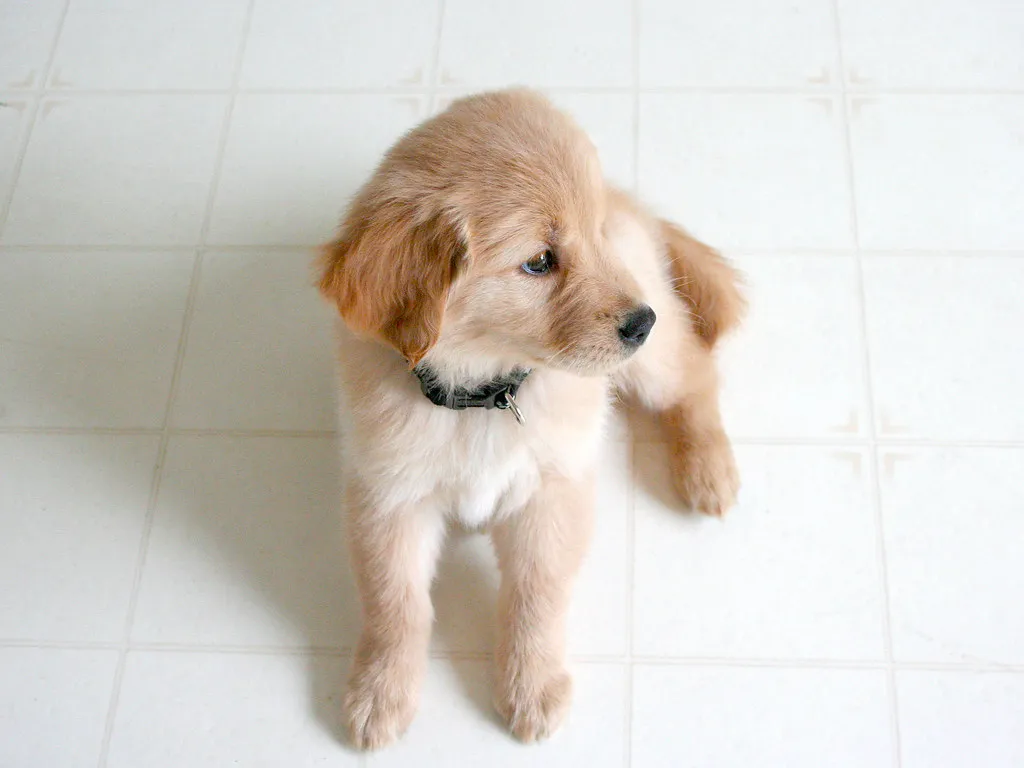
A generation ago, the “normal family dog” looked completely different. Rough Collies, Cockers, Beagles, Springers, and GSPs filled yards and cul-de-sacs; now doodles, Frenchies, and designer mixes dominate the same spaces. The breeds that vanished didn’t suddenly become bad dogs – modern lifestyles, housing, grooming expectations, and trend-driven social media simply stopped matching what these dogs actually are. In more cases than people realize, responsible breeders chose rarity over watching their dogs suffer in the wrong homes.
Some people will insist this shift is harmless, that a dog is a dog and preferences just change with the times. I don’t buy that. We didn’t upgrade our family dogs – we traded proven, purpose-bred companions for whatever photographed best that year, and more than a few breeds paid the price for our short attention spans. The dogs on this list are living proof that popularity and suitability were never the same thing. Which of these breeds do you think deserves a real comeback – and which one are you honestly glad isn’t in every yard anymore? Did we miss one from your childhood? Drop it in the comments.

- 16 Family Dog Breeds That Were Everywhere a Generation Ago and Are Now Almost Gone - August 2, 2026
- If a Horse Has Chosen You, These 16 Signs Show Up Long Before Anyone Else Notices Them - August 2, 2026
- 19 Ways a Horse Shows It Has Picked Its Person That Experienced Equestrians Say Beginners Miss - August 2, 2026